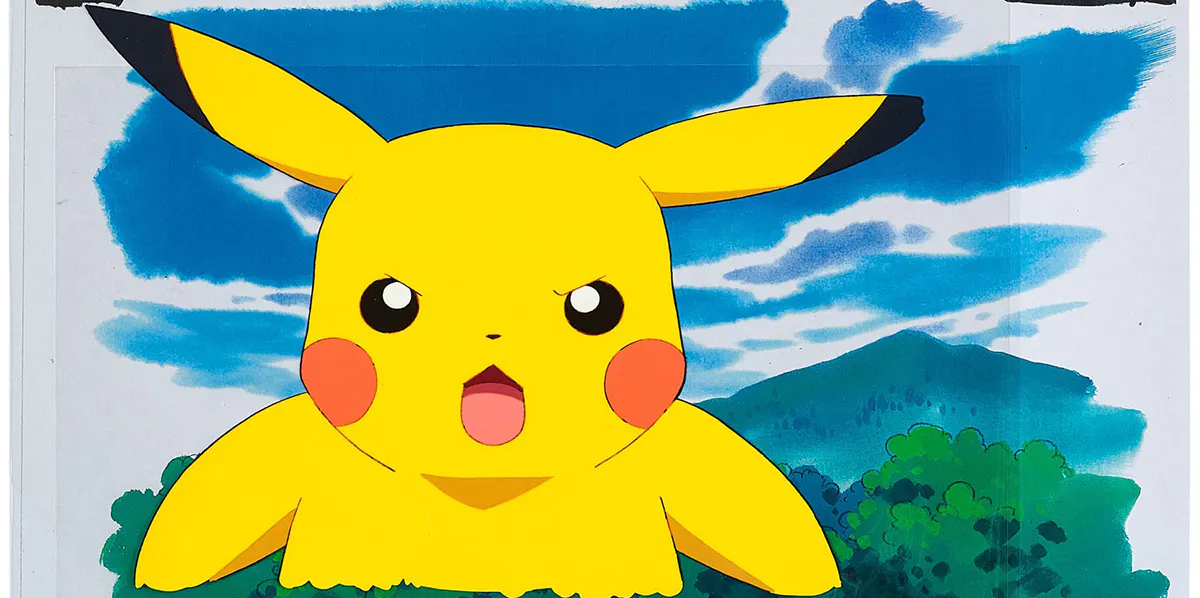
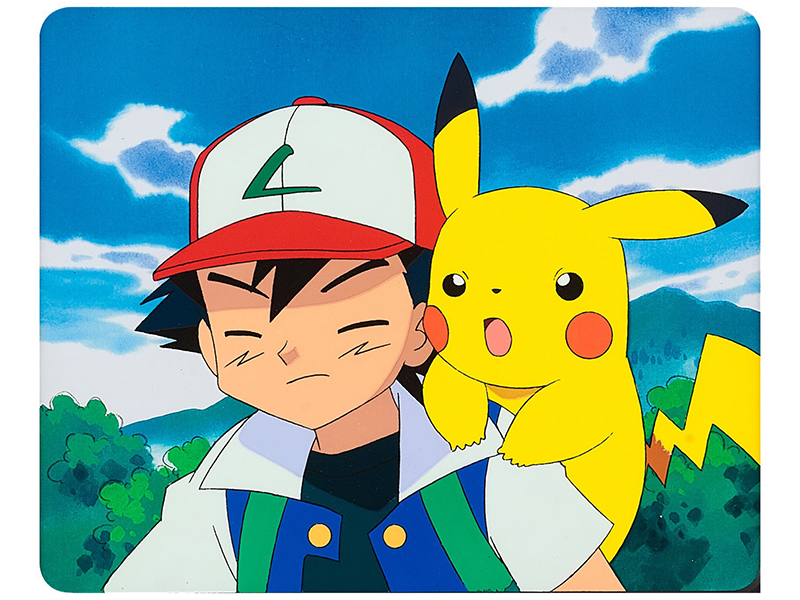
I don’t really know why, but as soon as Pokémon: Indigo League – the first season of the animated series, which is now on its 23rd season – aired on Swedish television, I was immediately hooked. I was about eight years old and the only one awake at 8am on a Saturday morning. The show was basically everything a kid at that age wanted: fantasy monsters slash cute fictional species, a very different style of cartoon than we were used to –granted, I’d watched Sailor Moon and obviously loved it – and exciting story telling.
To me, Pokémon was completely new. I’d never had a Game Boy of my own (although I had Nintendo’s first three globally-released video game consoles), so Pokémon was at the time something completely fresh and different. But in fact, Pokémon had been around for a good while.
Legend has it that Satoshi Tajiri, in the 1980s the editor of his own arcade game fanzine Game Freak, first thought of Pokémon when the original Game Boy was released in 1989, albeit with a different name and slightly different concept. As a young boy, Tajiri enjoyed collecting and studying insects, and it is said that it’s from this interest that Pokémon was born.
See also: The Godfather of Video Games
Tajiri grew up outside of Tokyo, enjoying nature since Machida, a city in the western parts of the Tokyo metropolitan area, was much more rural than it is today. There, he could search, collect and study insects. But as urban areas grew, the natural habitat for insects slowly started to vanish from Machida. As he grew older, Tajiri knew he wanted to create games that gave children the same feeling he had had when collecting insects as a young boy.
For many children of the late 1970s and early 1980s, video games had an incredible magnetism. Tajiri was no different. But his interest didn’t stop at just playing them – he wanted to know how they actually worked. By disassembling video game consoles and studying their insides, he gained knowledge that would, later in life, prove to be highly useful.
See also: How Super Mario Saved the Video Game Industry
Tajiri turned his hand-made, incredibly well-liked arcade game fanzine into a video game developer company. In 1990, Tajiri became acquainted with the concept of connecting two Game Boys, and the first seed of the Pokémon games started to grow. He presented his idea for Pokémon to Nintendo, who didn’t really grasp the concept, but since Tajiri had gained a reputation because of his game designs, Nintendo decided to give Pokémon a shot.
Read more about the auction world on Barnebys Magazine
Pokémon was conceived in 1995, and in February of 1996 the first two games for the Game Boy were released: Pokémon Red and Green, although when released outside of Japan they were called Red and Blue. What’s important to remember is that in 1996, many viewed the Game Boy as an ancient console. But interest in the two games slowly started to grow, especially when rumors started to spread about a hidden creature in the game, only accessible by exposing some programming errors. The creature was called Mew, and not even Nintendo knew about it. Tajiri had hidden it in order to encourage people to trade Pokémons with each other and interact, because he wanted it to be a social game that still had that edge of catching – and trading – all 151 original Pokémon.

After Mario, Pokémon is today the world’s best-selling game ever made. Both are owned by Nintendo. Obviously, a culture of collecting Pokémon-related stuff is bound to grow out of such a popular concept. The Pokémon cards, undoubtedly a fixture of every kid of the 1990s school years, first debuted about eight months after Pokémon Red and Blue were released.
Over ten years later, in 2017, the Pokémon Trading Card Game had an 82% share of Europe’s strategic card game market, as reported by gamesindustry.biz, which is a seriously impressive feat. There’s an official league for competitive playing, with major tournaments held, and there are even a couple of video games based on the card game. But the collectable aspect of it is still seems to be the major pull of Pokémon cards.
See also: The Emerging Category of Rare Sneakers
Curtis Davidsen has been collecting ever since he started to receive old hand-me-down cards from his older siblings. "They gave me the cards they didn’t want. I have no idea what happened to those cards, but at some point I stopped collecting them. I still liked Pokémon, but once my siblings stopped, I did too since I looked up to them and wanted to be cool like them. It wasn’t until Pokémon Black and White [two games released in 2011 that introduced 156 new Pokémon, ed note] came out and I found a group of friends in high school who still played it. I started to collect cards again because of this new interest in Pokémon," Davidsen tells Barnebys.
Barnebys: How has the collecting community changed since you started collecting?
Davidsen: "The biggest change I can think of is the general attitude towards it. An old notion is that only little kids like Pokémon. That it’s childish to be playing or collecting. Now, with Pokémon Go and Nintendo Switch and new technology, Pokémon has kind of become a cool game, and everyone has played it."
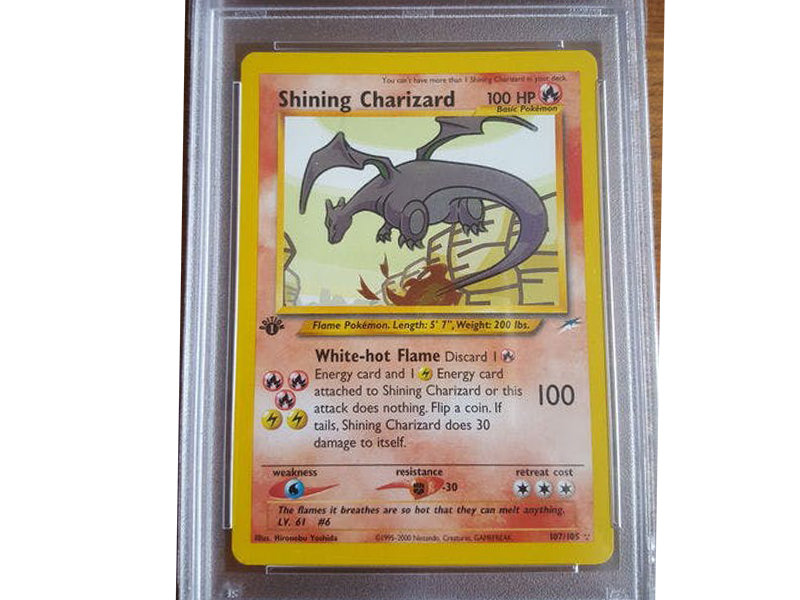
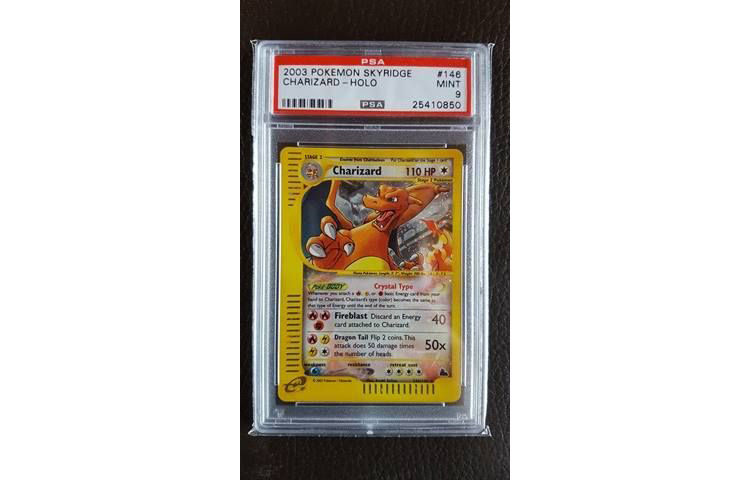
What’s the holy grail when it comes to the Pokémon trading cards? "There was a Charizard card that at first wasn’t that rare, but then everyone suddenly wanted one and over time they became harder and harder to find. Pokémon stopped making them and if you find an original Charizard in good condition they sell for up to $2,000."
So what are you looking for yourself? "Well, I’m currently trying to collect every type of Pokémon to complete my collection."

Pokémon card collector Dave Spillane is a native of Ireland and has, like Curtis Davidsen, fond childhood memories of Pokémon.
"I grew up in the 1990s, and getting packs of Pokémon cards was the norm for people in my area. With time, I fell out of that hobby sometime before I hit my teens. But a few years back, before I started my current job, I worked in a toy store. One of my colleagues there reignited my interest in Pokémon cards, so I’ve been collecting for about four years now," Spillane tells us.
Barnebys: What was the first card you bought that had a high monetary or emotional value to you?
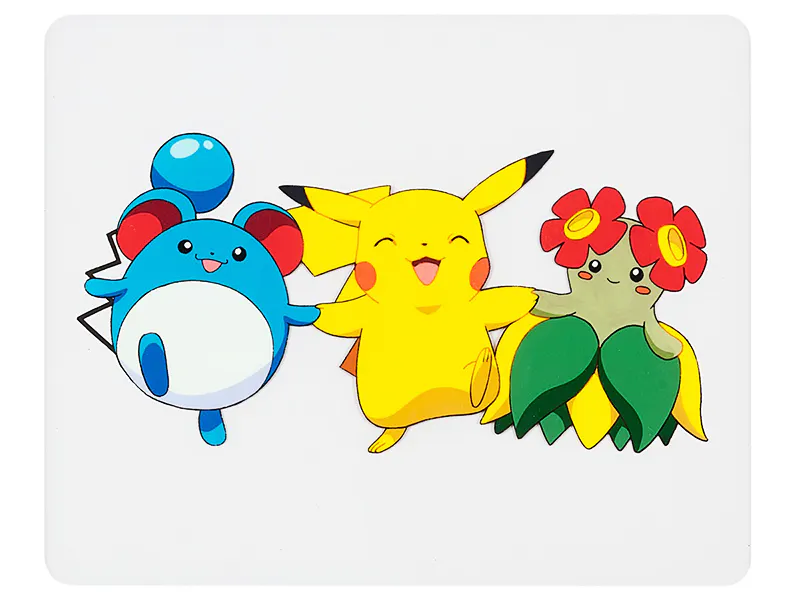
Spillane: "This may seem very generic, but I just love Pikachu. Buying the Base/Jungle and Fossil cards is where I started again, because those were the ones I had as a child."
Do people mostly collect the cards, or other stuff as well?
"I think it depends on the person. I’ve seen and met people with awesome collections, containing sealed Nintendo games, plushies, Pokémon exclusive consoles, other Pokémon card variants, and so much more.”
See also: Inside the World of Star Wars Collecting
As is the case with most collectables, there are holy grails out there. But some are more important than others.
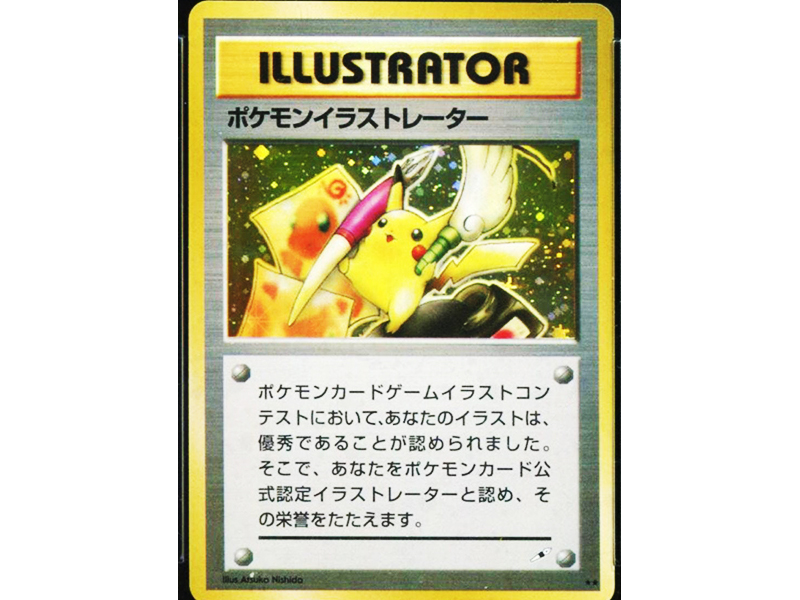
"This of course varies from collector to collector, but if we’re talking pure rarity it’s got to be SM Pratte’s Pikachu Illustrator card, surely. People have their own holy grails and each collector must have items they’d consider their grails and would put them above anything else," Spillane explains, and continues to describe what he’s currently on the prowl for. "I’m looking for sealed products, like booster boxes, packs, and exclusive Japanese products. I’ve got the Mario Pikachu Cosplay boxes from the Pokémon centre, and I absolutely love them. I think the Japanese exclusives are hands down the best products ever created."
Spillande also tells us that, growing up in Ireland, the allure of the cards were to ”buy packs and trade my spares with my classmates. To admire the art work and chase my favorite cards of the characters from the television series."
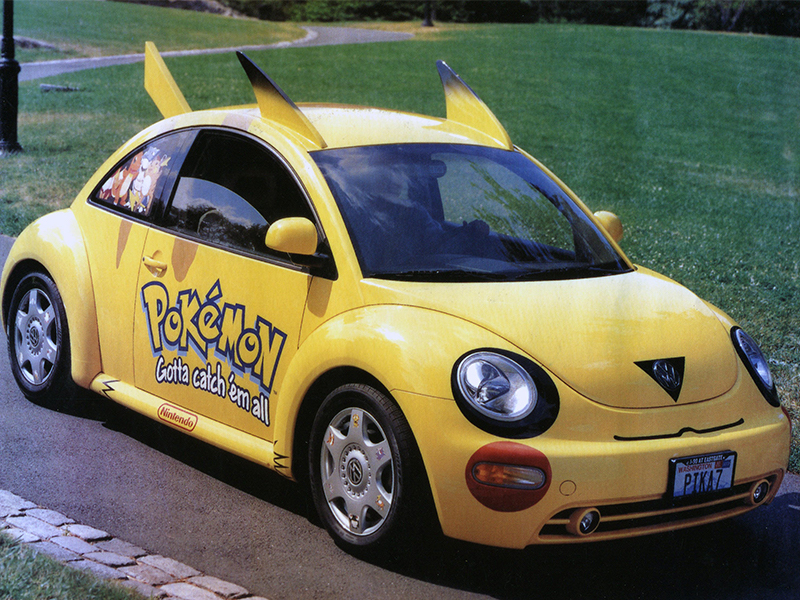
Just like Super Mario, Nintendo has released Pokémon games for pretty much every game console since 1996. And around the same time as Super Mario Run became available as a smart phone app, Pokémon Go exploded over the entire world.
"Since my knowledge has expanded, and since the release of Pokémon Go in 2016, the TEG tournaments have grown immensely in popularity and participation. So it is nice to see some sort of balance between active TEG players and collectors," Spillane says.
Find more items related to Pokémon on Barnebys
Article by David Johansson