Masterpieces are not made to astound. They are made to persuade, to convince, to enter us through the pores.
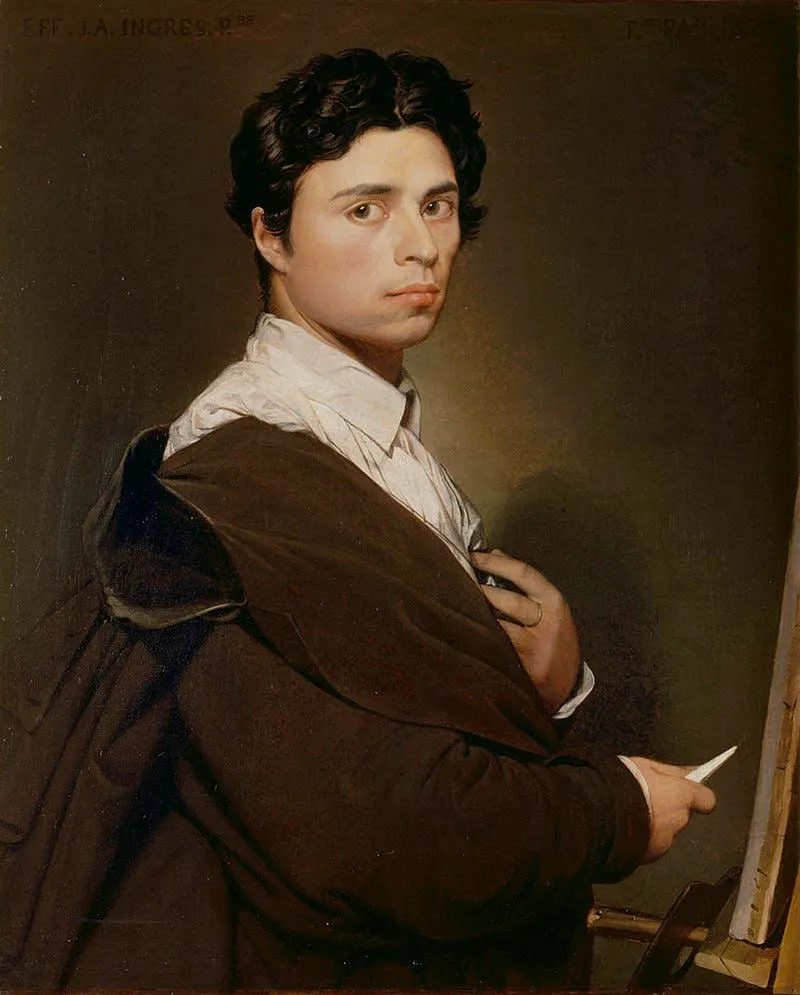
Jean-Auguste-Dominique Ingres was born on August 29, 1780 in the city of Montauban in the South of France. His father was a versatile artist and member of the Académie Royale de Peinture, Sculpture et Architecture de Toulouse. It was he who gave his eldest son his first drawing lessons, and then enrolled him at the Toulouse Art Academy at the age of 11.
Related: Why is Napoleon So Popular at Auction?
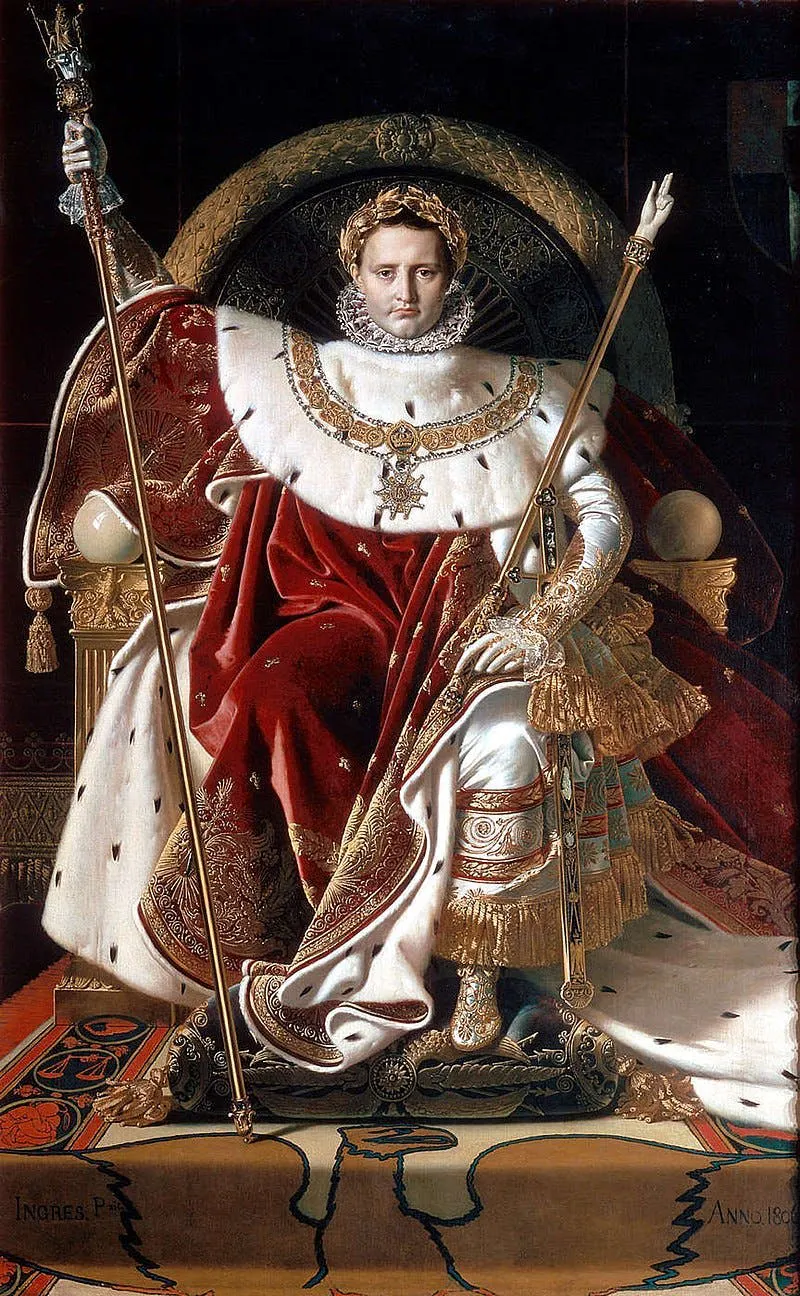
Ingres was interested in classical painting from the very beginning. At 16, he went to Paris to continue the path undertaken by the founder of classicist painting in France, Jacques-Louis David. Ingres was admitted to the École des Beaux-Arts two years later, and in 1801 he was awarded the Prix de Rome. However, he did not begin his studies in Rome until 1806, after finishing a portrait of the coronation of Emperor Napoleon I, which was rejected due to the excessively medieval staging.
Related: Jacques-Louis David: The Neoclassical Revolutionary
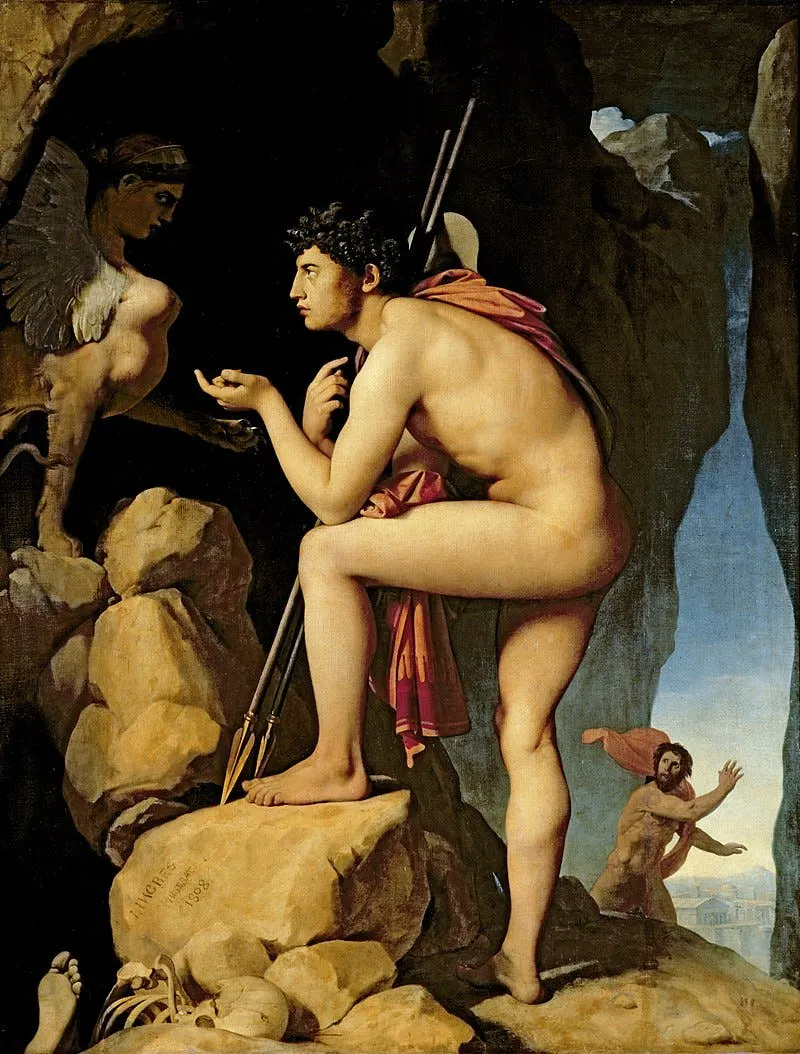
In the three years he spent at the Villa Medici in Rome, Ingres continued to send paintings to Paris, which were poorly received by French critics. He therefore decided to stay in Rome even after his scholarship expired. He married Madeleine Chapelle in 1813 and devoted himself to research on Raphael's works.
Want more articles straight to your inbox? Sign up to our free newsletter
To support his family, Ingres worked extensively as a portrait painter, although his real workhorse was historical painting. After a stay in Florence, Ingres finally returned to Paris with his wife in 1824, where he remained for ten years. He became a member of the Legion of Honor, a professor at the École des Beaux-Arts and then finally director of the prestigious institution. He always remained very popular as a portraitist and a lover of fine details.
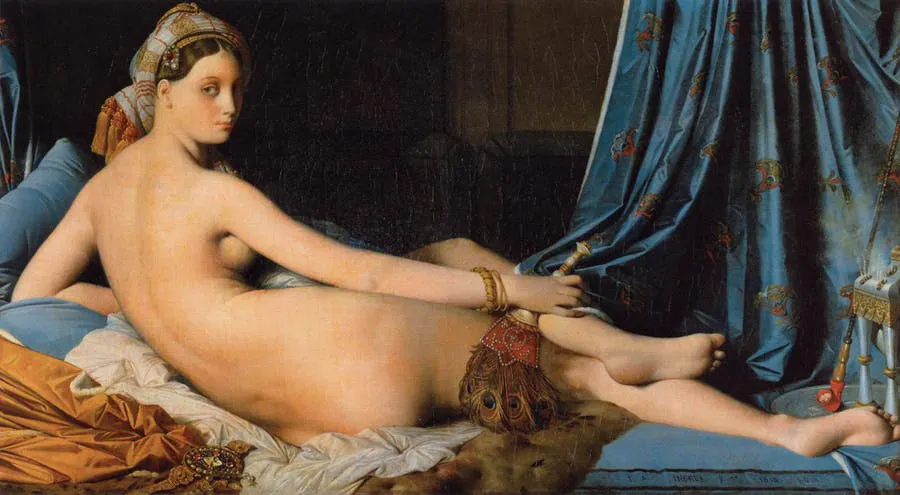
A characteristic stylistic element of his works was the use of a mirror, which allowed him to double the details in a single work. Although he is now respected, Ingres continued to be the subject of some criticism, primarily due to the often inconsistent proportions of the subjects represented.
Related: Five Centuries of the Nude in Painting
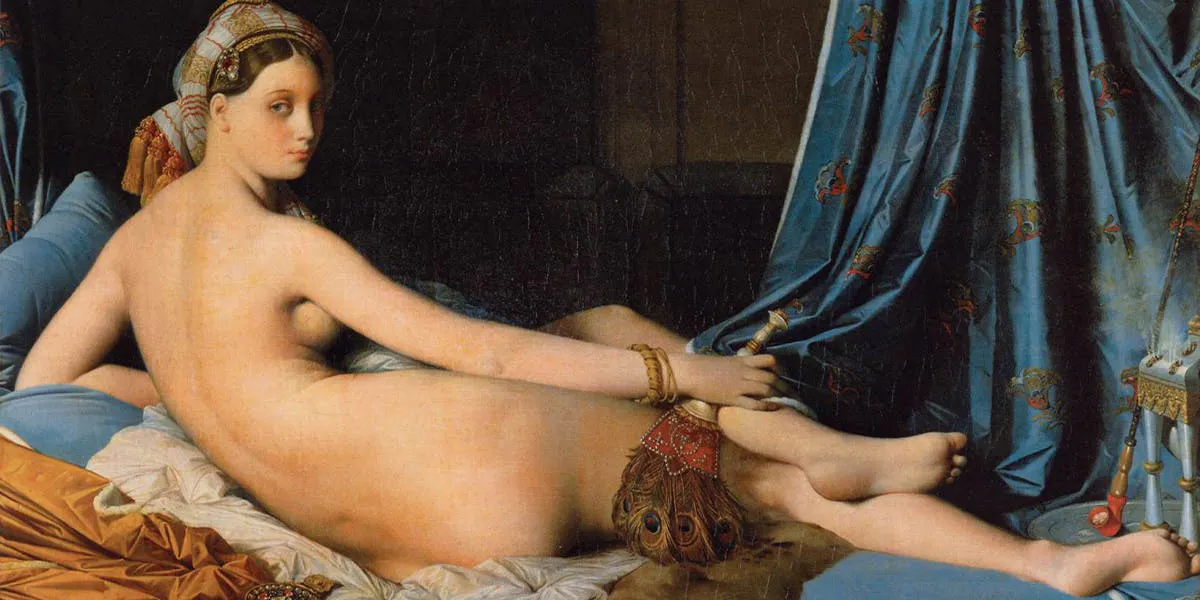
The best-known example of Ingres' particular management of proportions is the elongated back visible in Grande Odalisque, a painting from 1814. For the artist, however, this apparent ‘artistic inability’ was the perfect means to emphasize a detail of the image.
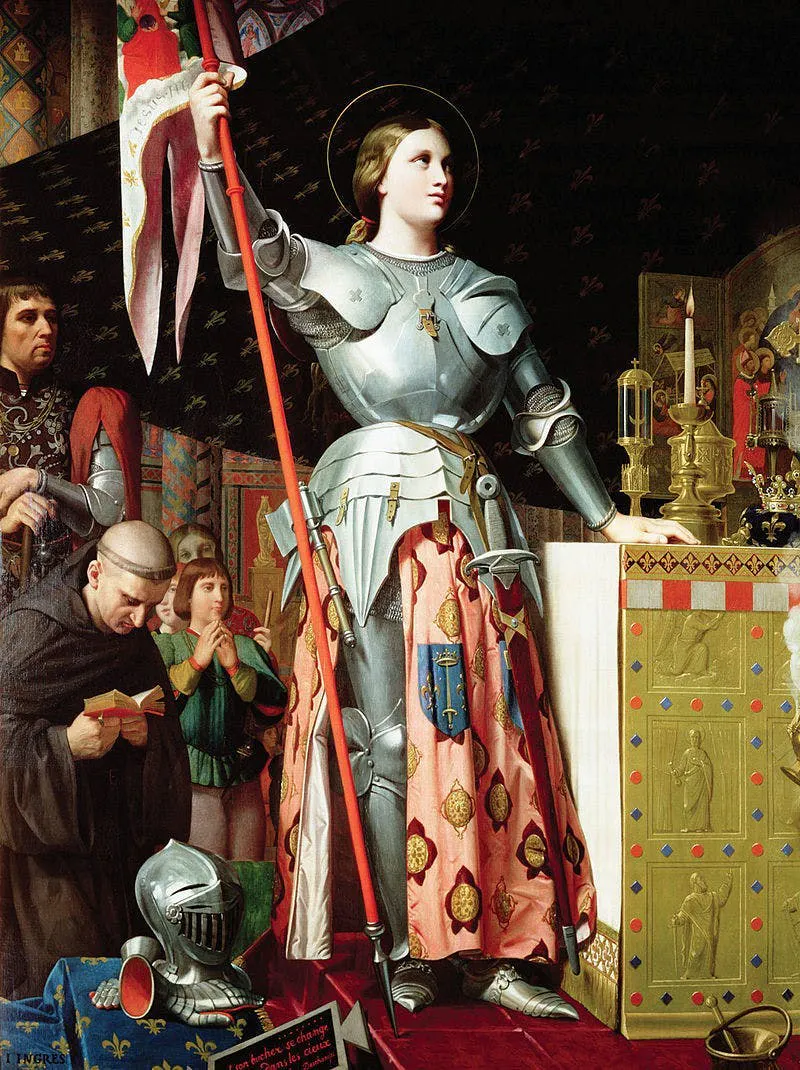
Between 1835 and 1841, Ingres was again in Rome as director of the Italian branch of the Académie Royale. Ten years after his return to Paris, he received the title of Rector of the École des Beaux-Arts for life with a salary corresponding to the prestigious position. This guaranteed him some free time to devote himself to his passion and the establishment of a museum dedicated to his work in Montauban.
Related: An Artistic Representation of Breasts Throughout the Centuries
In 1854, Ingres portrayed himself as a gentleman in the 1854 painting Joan of Arc at the Coronation of Charles VII, while the virgin of Orleans was represented with the features of his second wife, Delphine Ramel, whom he married in 1852 following the death of Madeleine in 1849. Ingres was aged 71 and Delphine 43 at the time of their marriage.
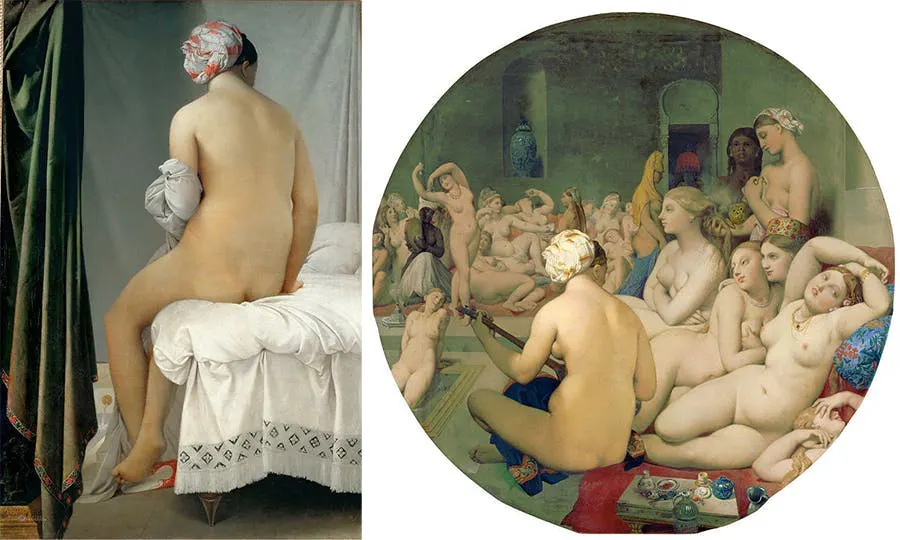
In the last years of his life, his rivalry with Eugène Delacroix intensified. Unlike Ingres, Delacroix was an exponent of Romanticism and therefore attributed color to the domination of the line. This controversial issue, which was also fervently discussed by their respective supporters, divided the art school. The best known work of Ingres in the last years of career is The Turkish Bath of 1863, which he created for Napoleon Bonaparte: a true synthesis of his first works.
Ingres passed away on January 14, 1867 in an apartment in Paris. His most expensive work sold on the market to date is his Portrait de la comtesse de La Rue, which achieved €2,081,000 ($2.6 million). The work belongs to his first series of portraits and was executed in 1804, two years before his departure for the French Académie Royale in Rome.