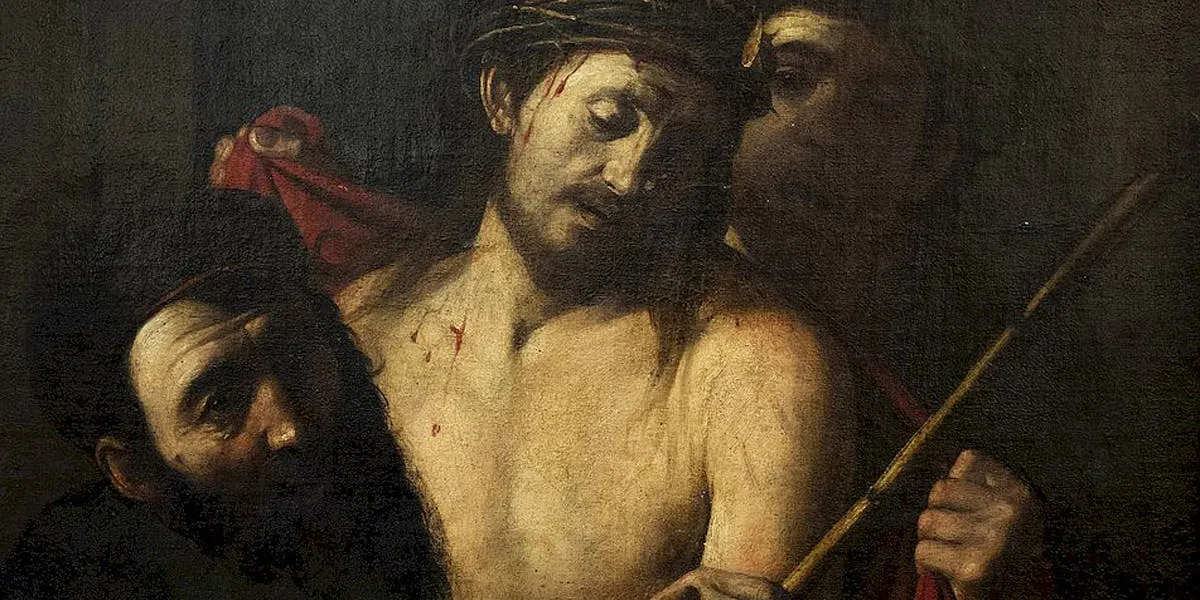
Last week, a painting with the subject of Ecce Homo (Jesus crowned with thorns) attributed to the circle of José de Ribera was headed to auction, but a few hours before the auction, the Spanish government intervened to block the sale of the work.
This 111 x 86 cm oil painting, estimated at 1,500 euros ($1,800), caught the attention of experts at the Prado Museum, who said in a report that it could be a work of Caravaggio. If their hypothesis is confirmed, the value of the painting could reach 100 to 150 million euros ($120-180 million). The government has declared the work "inexportable" and wishes to carry out in-depth analyzes to determine the author.
Related: Top 10 Rediscovered Masterpieces
“Considering how quickly all of this has happened, we now need a thorough technical and scientific investigation into the painting in question. We have to discuss whether the attribution to Caravaggio is plausible and can be scientifically accepted," said José Manuel Rodríguez Uribes, spokesperson for the Spanish Ministry of Culture.
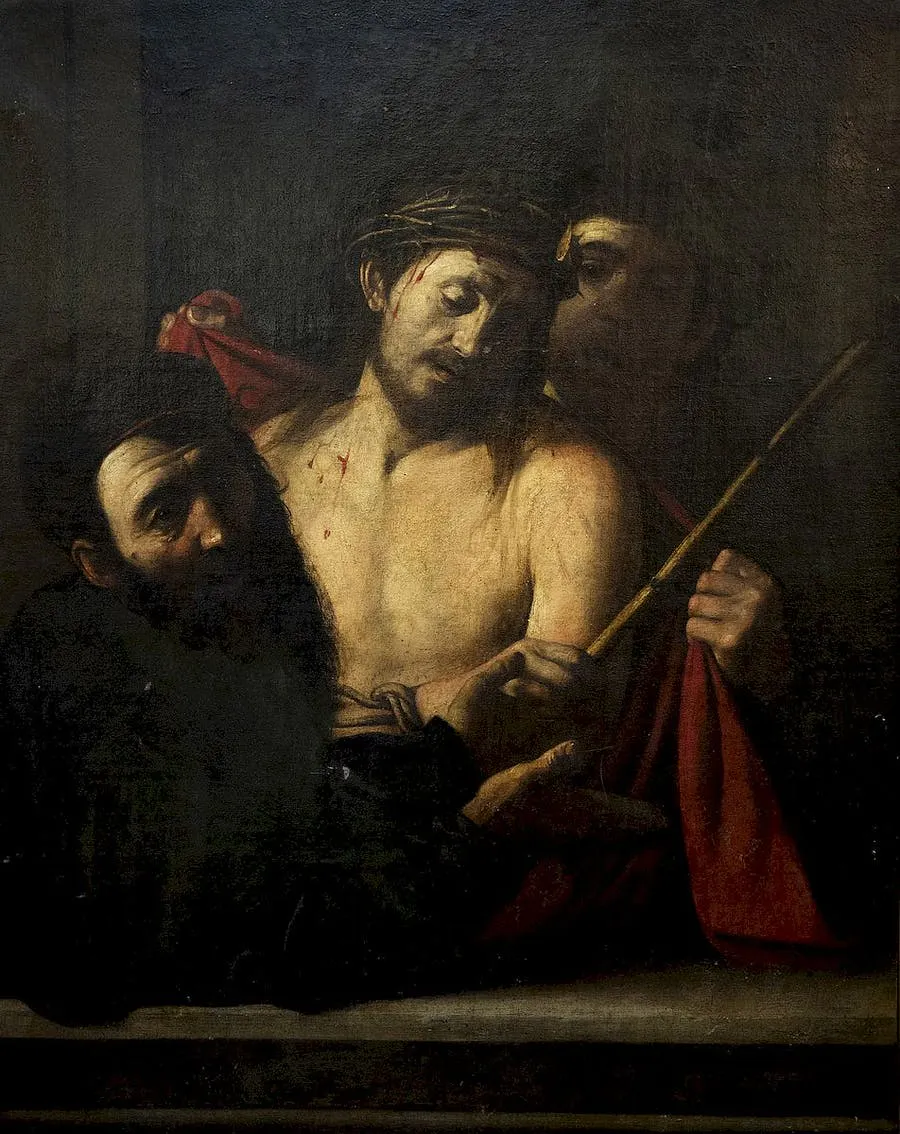
According to the Italian daily La Repubblica, Caravaggio had painted in 1605, in Rome, an Ecce Homo for Cardinal Massimo Massimi. A painting on the same theme, the description of which corresponds to the painting for sale at Ansorena, was inventoried in 1631 in the collection of the Spanish Ambassador to the Holy See, Juan de Lezcano, before appearing in 1657 in Naples in the collection of García de Avellaneda y Haro, Count of Castrillo and Viceroy of Naples. Both works may have left Italy for Spain with their owner in 1659.
Related: The Rediscovered Caravaggio Painting Sold Before Its Auction
Michelangelo Merisi da Caravaggio (1571-1610) is one of the most important painters of the early Baroque period, who developed the technique of chiaroscuro. His style was picked up, imitated and developed by many other painters, called "Caravaggism."
One of his followers was José de Ribera (1591-1652), a painter born in Spain who spent most of his life in Italy, where he first studied Caravaggio's work in Rome before moving to go to Naples and imitate, develop and transmit to his students this style.