Grandfather clocks, also known as longcase clocks, are imposing pendulum clocks characterized by an elegant wooden structure that encloses the complex clockwork mechanism. Introduced in the 17th century, they played a fundamental role in the development of watchmaking precision thanks to the innovative anchoring introduced by Robert Hooke. Typically between six and eight feet tall, these clocks feature a pendulum built into the tower and weights suspended from cables or chains. William Clement, a renowned English clockmaker, conceived this shape in 1670, significantly contributing to the evolution of time measurement. Due to their superior accuracy, grandfather clocks have served as time reference points for families and businesses for years. Today they are preserved mainly for their decorative and historical value, having been supplanted by analogue and digital clocks. Their fascinating peculiarity also lies in the need for periodic human recalibration interventions, giving them a more personal touch.
Related: The Royal History of the World's Most Expensive Clock
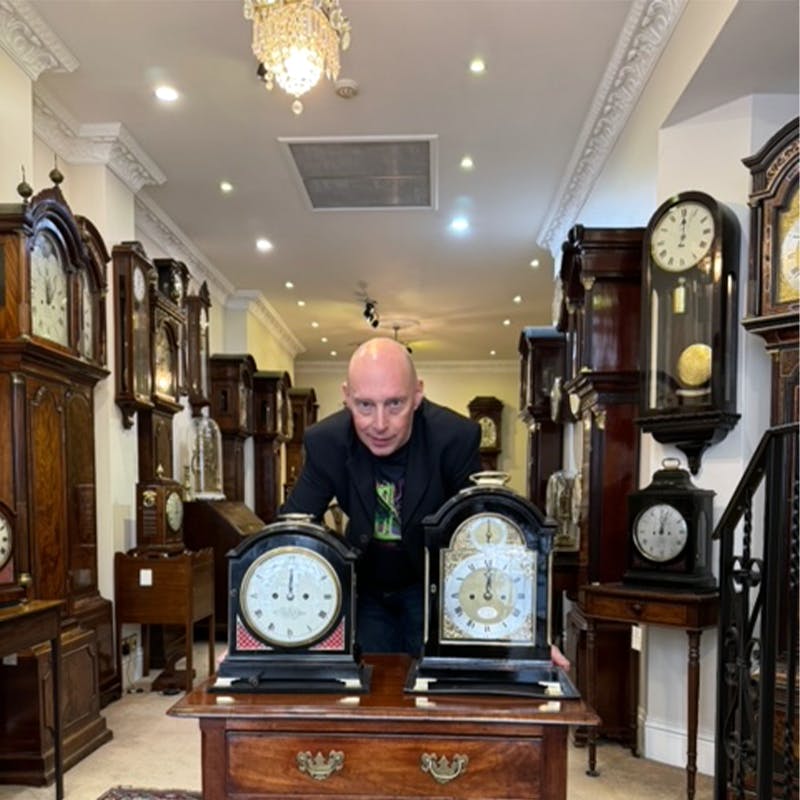
We had the pleasure of interviewing an expert on the subject: Daniel Clements, Manager of Pendulum of Mayfair Ltd and Coppelia Antiques Ltd. Steeped in a family tradition of antique watches, his journey into this sector began at a very young age.
Barnebys: How did your journey into the world of grandfather clocks begin? What drove you to specialize in this field?
Daniel Clements: I have been involved in the family antique clock business all my life. My father, Kenneth Roy Clements, was an antique watch consultant for Miller's Antiques Price Guide until 1984. I was born in 1971 and, from the age of 7, I went with my father to antique watch auctions, such as those of Sotheby's and Christie's, when I wasn't in school. During my childhood we also had a repair shop with a full-time watchmaker and cabinet restorers, who provided me with a vast amount of knowledge. We opened our London shop, Pendulum, in 1995, and our business and I have appeared regularly on national TV. Taking care of purchasing for the company, my years of knowledge are essential to judge originality. Our laboratory helps you understand what is authentic or not. The value, I believe, depends on the rarity of the item.
Related: 5 Facts to Know about Mystery Clocks
Barnebys: What is your favorite antique clock if you had to choose?
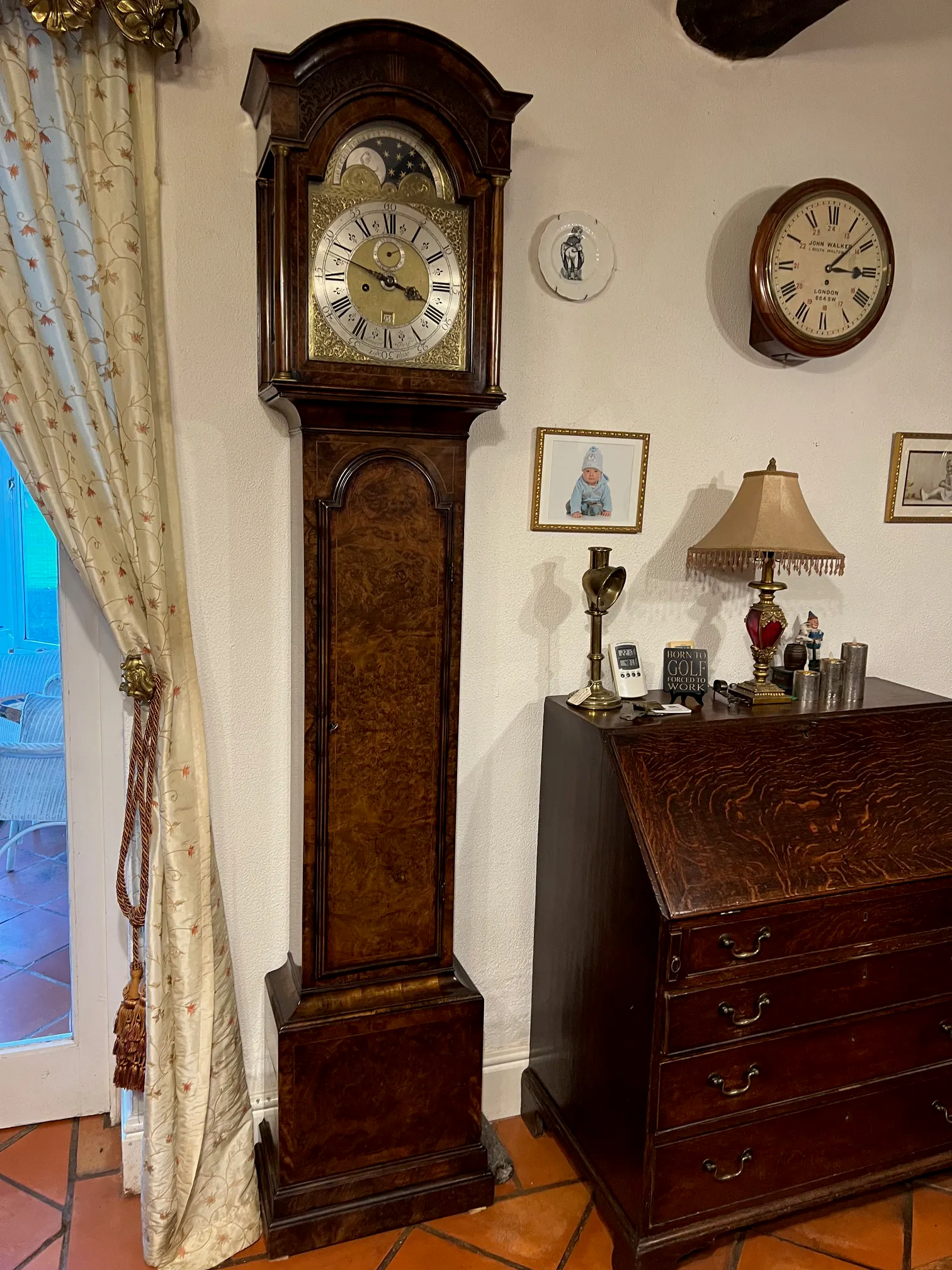
Daniel Clements: I love all antique clocks and I am asked many times to pick a favorite but it truly would depend on what type of house I owned. A simple 30 hour would be perfect for me in a cottage by a stream. But if I have a grand town house, then a lovely London mahogany or walnut grandfather would be amazing. I am definitely more a fan of English clocks instead of French I suppose though. The English, as a rule, tend to be higher quality movements, while the French are more decorative. The Clockmakers Company in London is still existing and is one of the oldest societies in the world. Many foreign clockmakers came to London and set up here as a result and standards are really high. London was the center of the clockmaking world. The workmanship of all clocks is so special. Even after being in this trade for 50 years we are still seeing new things that surprise us.
Related: Pocket Watches: History, Revival, Trends & Tips
Barnebys: What advice would you give to someone wanting to start a collection of long-case watches?
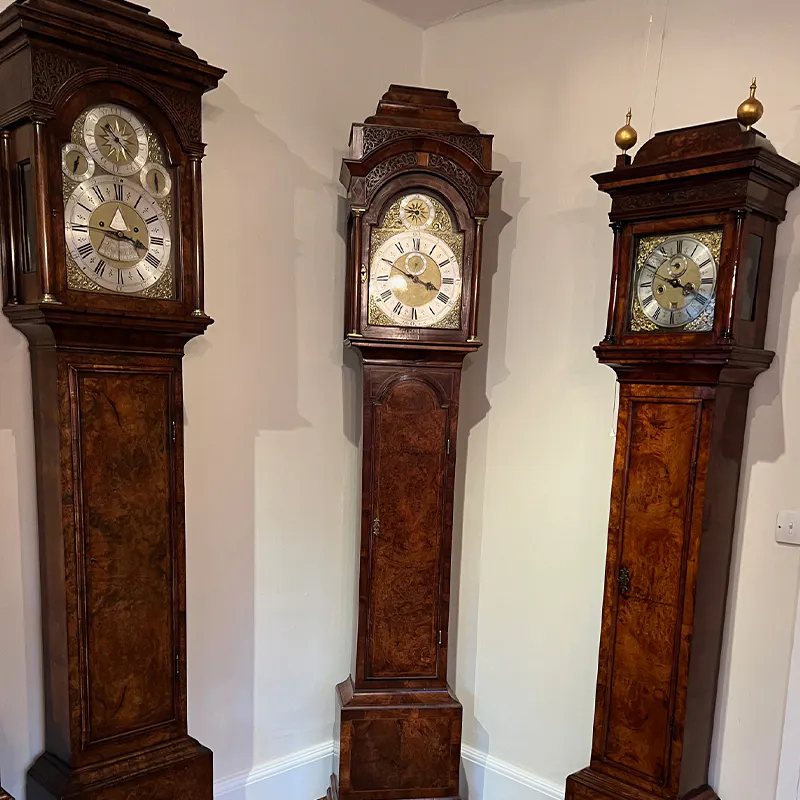
Daniel Clements: My father and myself both came into this business from being avid clock collectors. What I always recommend to any client is buy the best in your budget. If you have £200 to spend, buy a lovely balloon clock. If you have £1,000-2,000 buy the best 19th century French clock you can find. If you have £3,000-6,000 buy a fusee English bracket clock or a lovely oak 30 hours longcase clock. If you can spend £8,000-15,000 buy a lovely mahogany London longcase clock. Do not try and buy a cheap early 18th walnut longcase clock. Although this is still a lot of money, genuine fully-restored 18th century burr walnut longcase clocks start from around £15,000 and go upwards in price. Some clients fall into the trap of seeing one at half the price and thinking they have a bargain, but many times this clock has had the case re-veneered or the movement changed. That is why buying from a reputable dealer is so important. You can get a guarantee that the clock is working from a dealer and guarantee the clock is genuine and has less than 5 percent restoration, meaning that the movement is genuine to the dial and the case and the base is the original base. Because these older 18th century clocks stood on damp stone floors many have had replacement bases.
Want to receive more articles like this via email? Sign up to our newsletter!
Barnebys: Can you share a memorable or funny experience during your journey into the world of antique clocks?
Daniel Clements: We've had a lot of fun experiences over the years. One strategic move in particular comes to mind during an auction, where a very valuable electric watch was for sale. Given our reputation, we knew other merchants were watching our choices closely. They were keeping an eye on us and would probably bid on the same items we chose, resulting in increased competition. To avoid attracting too much attention, we therefore asked my mother, Valerie Clements (who sadly passed away this year), to make a bid on our behalf. During the auction, an attentive dealer asked me, "Isn't your mother the one bidding on the watch?" I responded by telling him only that she was an avid collector. It was a smart tactic to navigate the competitive auction environment without revealing too much about our interest in that specific watch.
Related: The Louis XIV Watch: The Birth of Modern Watchmaking
Barnebys: Do you believe grandfather clocks will continue to be enjoyed by future generations?
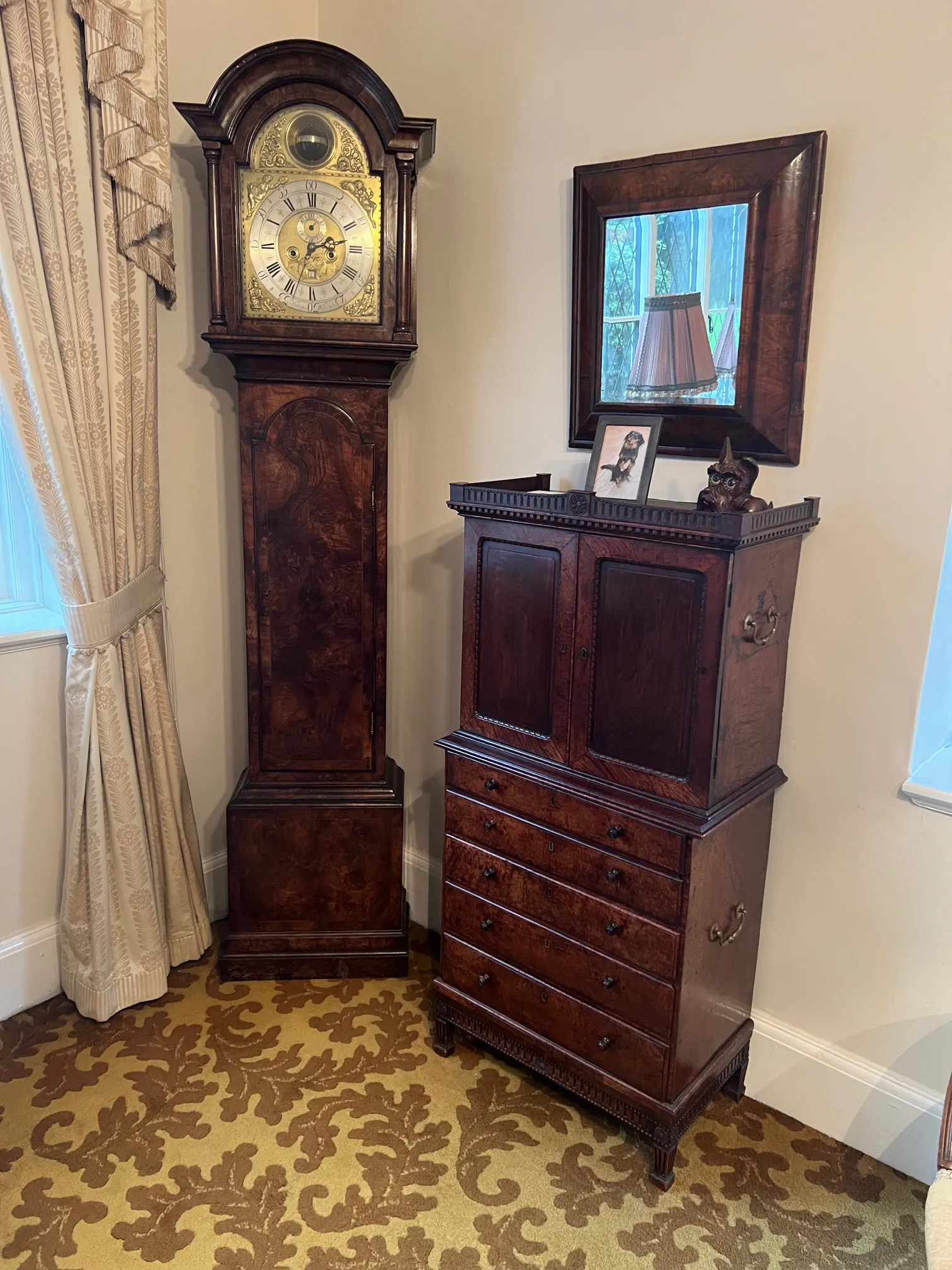
Daniel Clements: It is my opinion in future years antique clocks will be even more appreciated than today. They still offer fantastic value for money as they have hundreds of hours of intrinsic labor built in. All of ours from the 17/18th century are built by hand. My father was a mechanical engineer by trade and one of his first jobs in the early 1970s was to see how long it would take using the hand tools they had in the 18th century to make a set of hands. It took him 3 weeks just to make a set of hands, which is only a tiny part of a grandfather clock. These lovely clocks have so much labor built in and you cannot replicate them today. The cases are made using hand cut veneers and oak and the sunlight has transformed the finish and color over the years. This certainly applies to the ones we sell, which have not been stripped of this lovely patina and then given a shoddy finish.