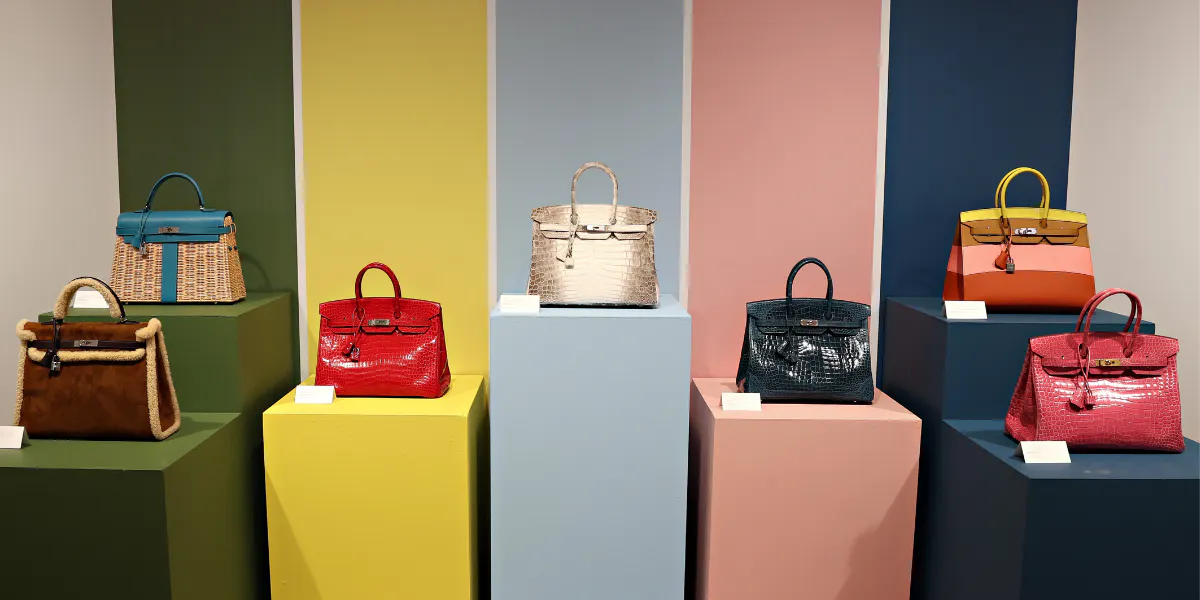
A Birkin doesn’t have to be on your shopping list for you to be invested in the recent lawsuit against Hermès. Here's everything you need to know about the lawsuit and why it might be favorable to buy the coveted bags at auction.
The lawsuit centers around Hermès' mythical product: the Birkin bag. On March 19, California residents Tina Cavalleri and Mark Glinoga claimed that Hermès' well-known sales scheme – requiring consumers to purchase ancillary products before accessing a Birkin – illegally exploits market power. They invited other frustrated consumers who felt coerced into spending a paycheck at Hermès to join their cause.
Related: It's Not a Bag, It's a Birkin: An Iconic Story
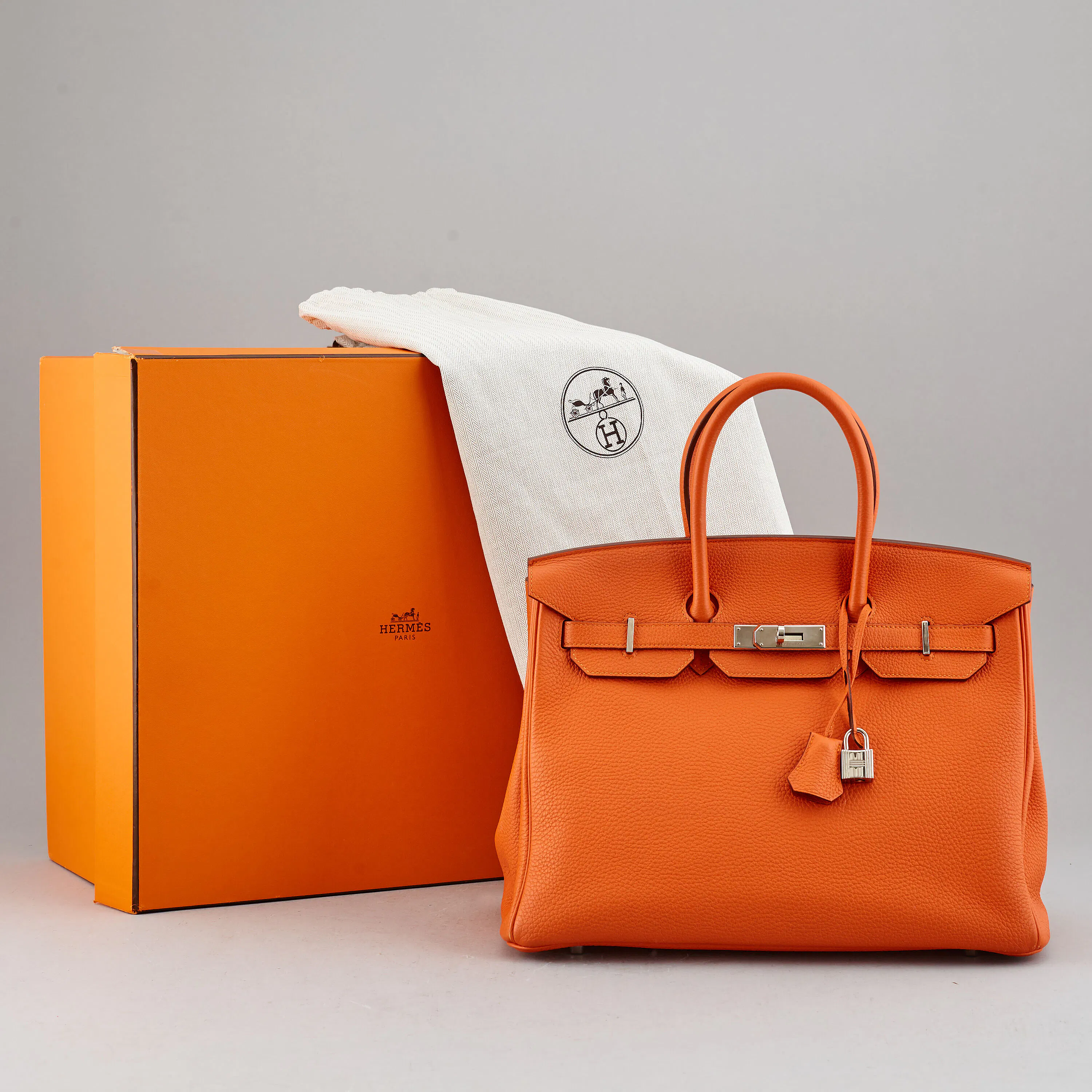
Hermès withheld commenting but hired renowned antitrust firm Latham & Watkins to represent them. It wasn't until their annual shareholder meeting on April 30 that executive chairman Axel Dumas finally acknowledged the case. "Obviously, we strictly respect antitrust laws wherever we operate, and we will vigorously defend ourselves in this case,” Dumas states.
Legal and economic experts are divided. Some see it as a pivotal moment that could redefine sales tactics across the luxury market. According to partners at Holland & Knight, who just released a report on the case, the lawsuit "stands to impact other luxury brands' sales and marketing strategies," especially in a legal environment increasingly focused on antitrust concerns.
Related: 5 Iconic Handbags and the Women Who Made Them Famous
Economic professor at Northeastern University John Kwoka doesn’t see the case going anywhere, because the defendants will have a hard time proving the market power of a Birkin – which needs to happen in order to attest sales practices as anticompetitive. “There’s only one Big Mac, too,” Kwoka says. “But that does not mean it has monopoly power. A product has to be more distinctive than that.” It's also challenging to argue that adults, who have full autonomy over their spending and were presumably aware of Hermès' sales practices, were "coerced" into anything.
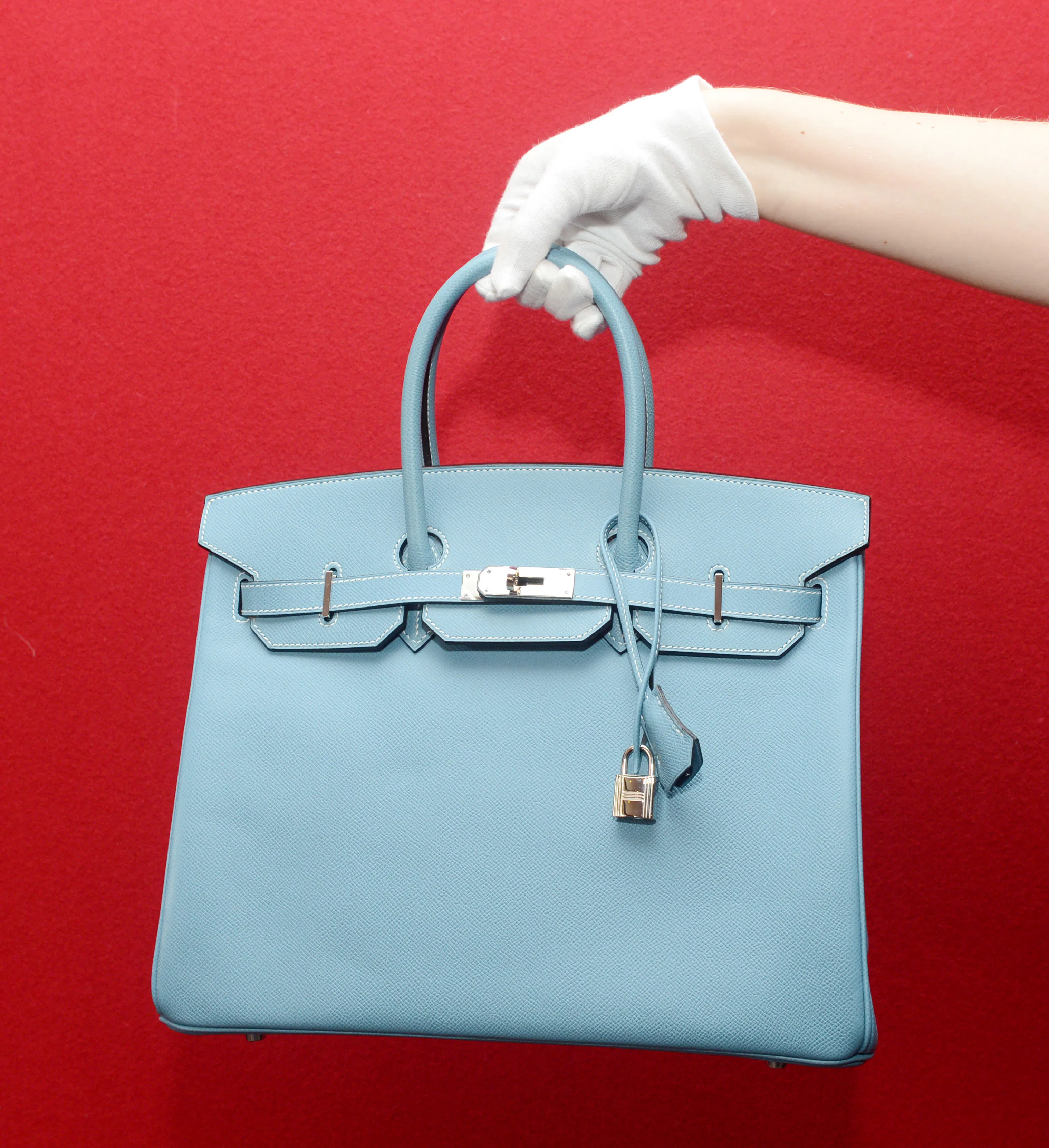
Regardless of the bags' market power (or lack thereof), Birkins maintain their status of a coveted collectible. Buying Birkins at auctions is a great way to ensure a straightforward sales process; auction houses operate on a clear bidding process, which is appealing to those who wish to avoid the opaque and possibly coercive sales tactics alleged in the lawsuit.
Related: How to Spot a Fake Hermès
You might even get a better price. While brand-new Birkins at auction carry a premium, a 'carefully used' one typically fetches between 80% and 120% of what the previous owner paid, reflecting their enduring value. To put this in context, lower status handbags in the same condition only resell for around 10% of the original price. This highlights the Birkin's exceptional resale value and investment potential.
Auction houses democratize the process by providing all potential buyers an equal opportunity to acquire a Birkin, regardless of their prior relationship with Hermès or other luxury brands. Newcomers and long-time collectors alike are competing on an even playing field.