
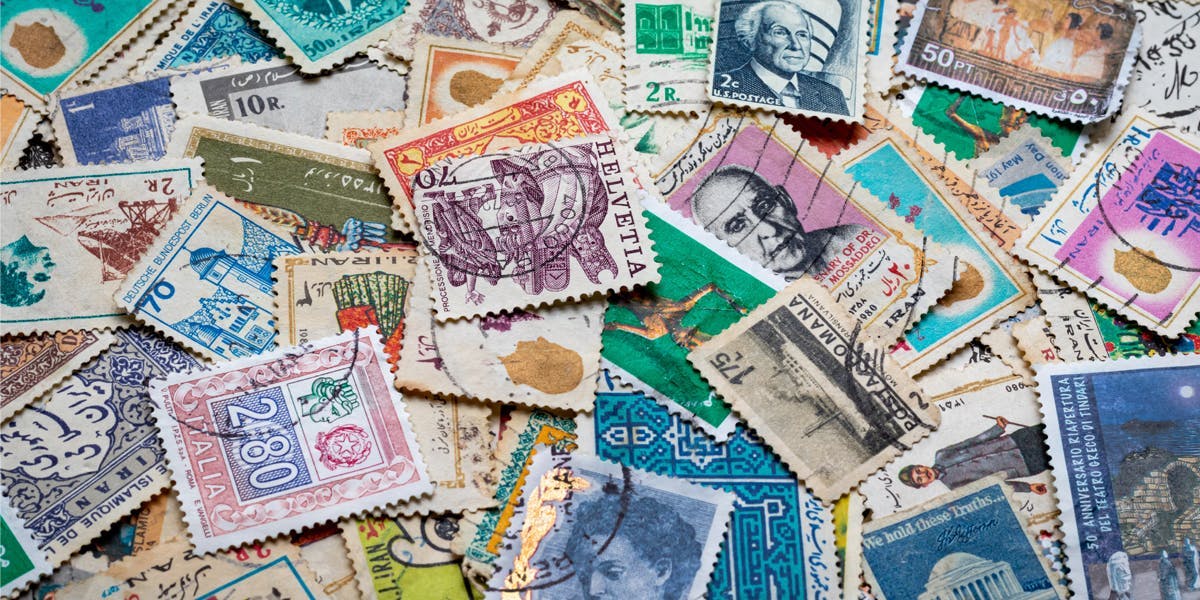
In 2018, the newspaper the Prague Monitor revealed that the famous Czech philatelist Ludvik Pytlicek was planning to sell the jewel of his collection: a green Austro-Hungarian four crown stamp from 1919, estimated at 5 million Czech crowns (approx. $235,000). For its part, The Wall Street Journal announced the sale of the collection of American stamps of investment fund manager Bill Gross for September 2018. The value of this set was estimated at $9.1 million.
But, believe it or not, in the world of stamp collecting, these amounts are relatively small. In fact, they look rather poorly when compared to the price of the most expensive stamp in the world.
The most valuable stamp in the world
The history of the world's most expensive stamp, the One Cent Magenta from British Guiana, began in 1856. That year the colony of British Guiana (now the Cooperative Republic of Guyana) ran out of postage stamps. While awaiting delivery from London, the local postmaster printed temporary stamps of four cents and one cent, the four cents for posting letters and the one cent for newspapers. These temporary stamps were distributed for two months, until the real stamps finally arrived.
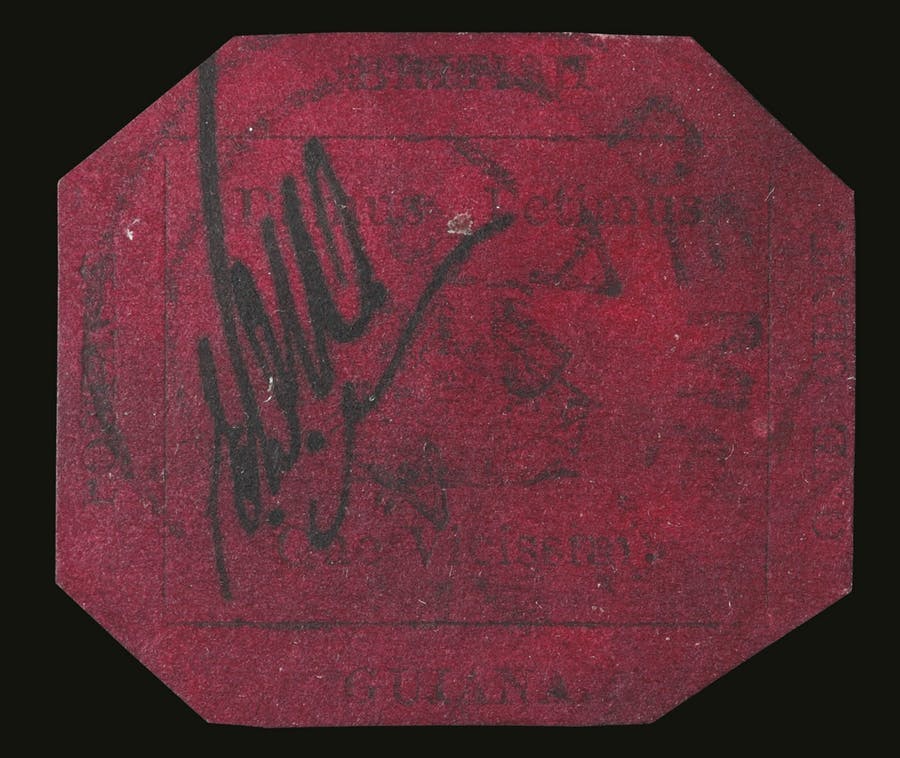
Because newspapers are usually thrown away after reading, it was thought that all temporary one-cent stamps were gone forever. But some survived. In 1873, a 12-year-old Scottish boy found a copy in a pile of old newspapers, which he sold to a local collector for a sum today equivalent to less than $20. A decent amount for a penny stamp, yes, but he could have done much better.
Related: Globes: All Around the World
This small stamp later became the triple-world-record stamp. Sold for the first time in 1922, it achieved $35,000 (£26,000). In 1970, for its second auction, it collected $280,000. Finally, in 2014, it reached $9.4 million: more than the cumulative value of the collection of Bill Gross and the Austro-Hungarian stamp of Ludvik Pytlicek.
The basics of philately
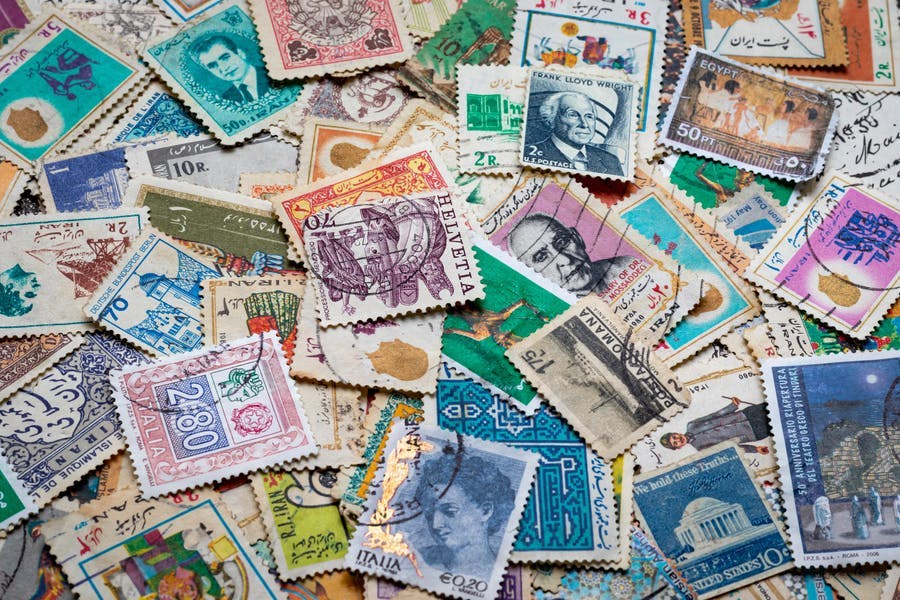
As we know, philately is the study of stamps, but there is also a science to it. Like anything, the more we study stamps, the more likely we are to build up a valuable collection. One of the basic principles is that the value of a stamp is first determined by its rarity. To determine this, two key criteria are involved: the age and the state of conservation of said stamp.
Related: Icons: The Sacred Art
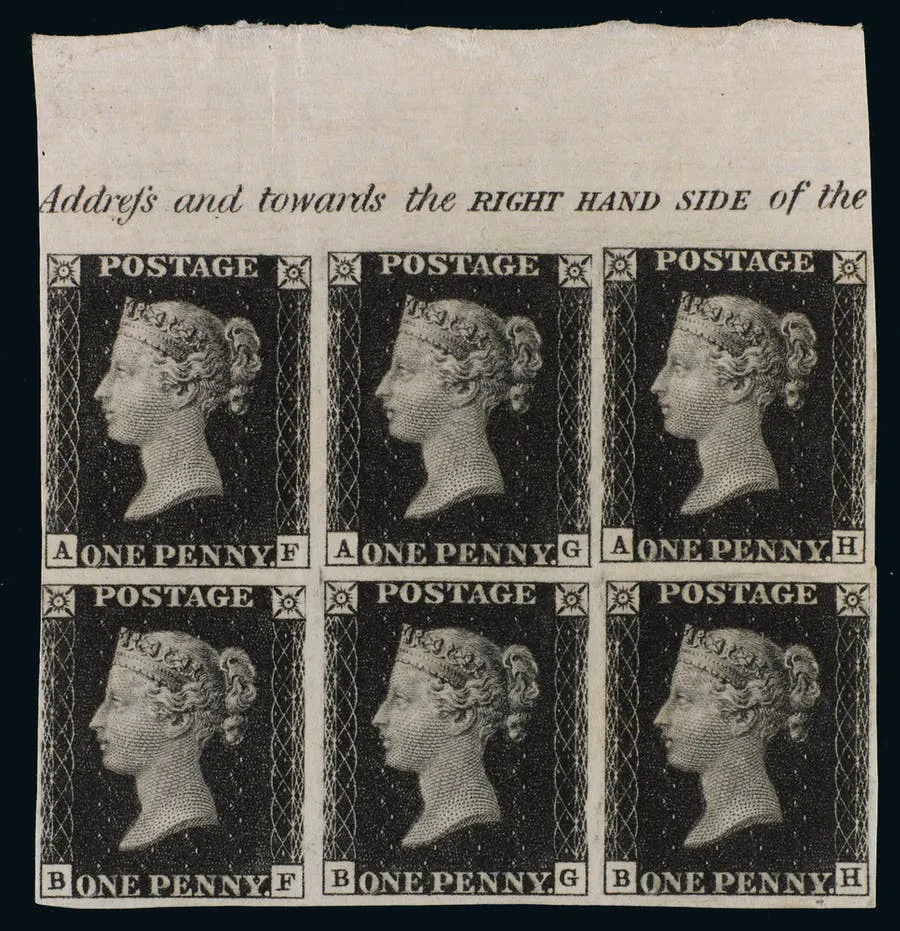
The British Penny Black is the oldest postage stamp. Almost 69 million Penny Black stamps were printed between April 15, 1840 and January 27, 1841. Having no serrations, each stamp had to be cut by hand. The value of a used or damaged Penny Black is less than $20, but an unused and undamaged copy can be worth up to $10,000. At the time, to print these famous stamps, eleven successive plates were used. The original plate can be identified on each print. The last plate in service produced only 168,000 stamps, which makes them rarer and thereby considerably more valuable.
A philatelist's equipment
Any self-respecting philatelist must surround him- or herself with the tools necessary for the analysis and conservation of treasures: a magnifying glass, a set of pliers (with flat ends to handle stamps without risk of damaging them), a set of catalogues (to be able to classify the postage stamps of each country), an odontometer (to differentiate identical stamps edited with different serrations) and, finally, a UV lamp as, like a coin, many stamps have a watermark.
Related: Mirrors: A Reflection
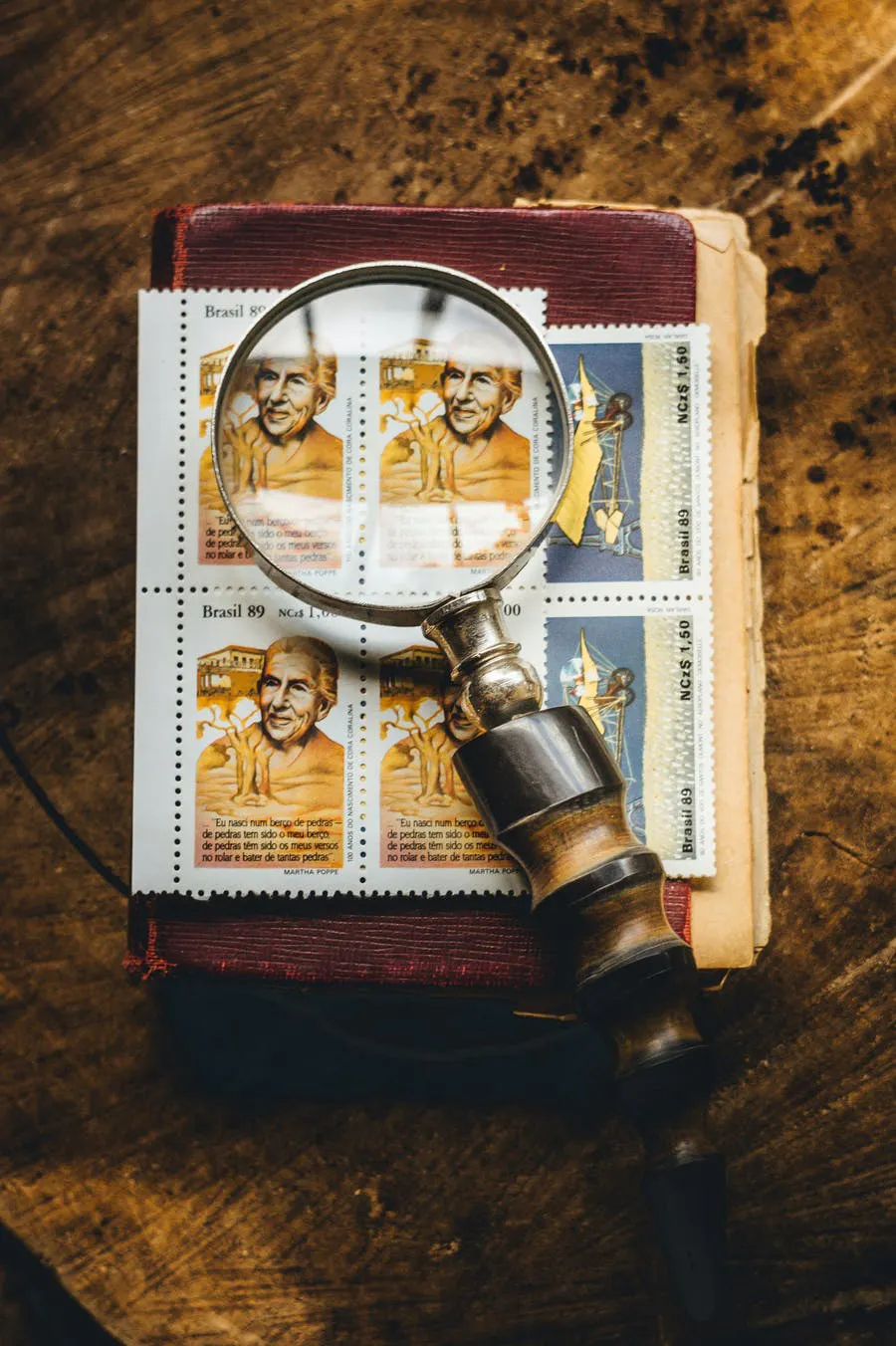
To protect stamps, although they are generally designed to withstand wear and tear and time, it is advisable to keep them in albums, binders, sleeves and even metal boxes.
Recognize valuable stamps
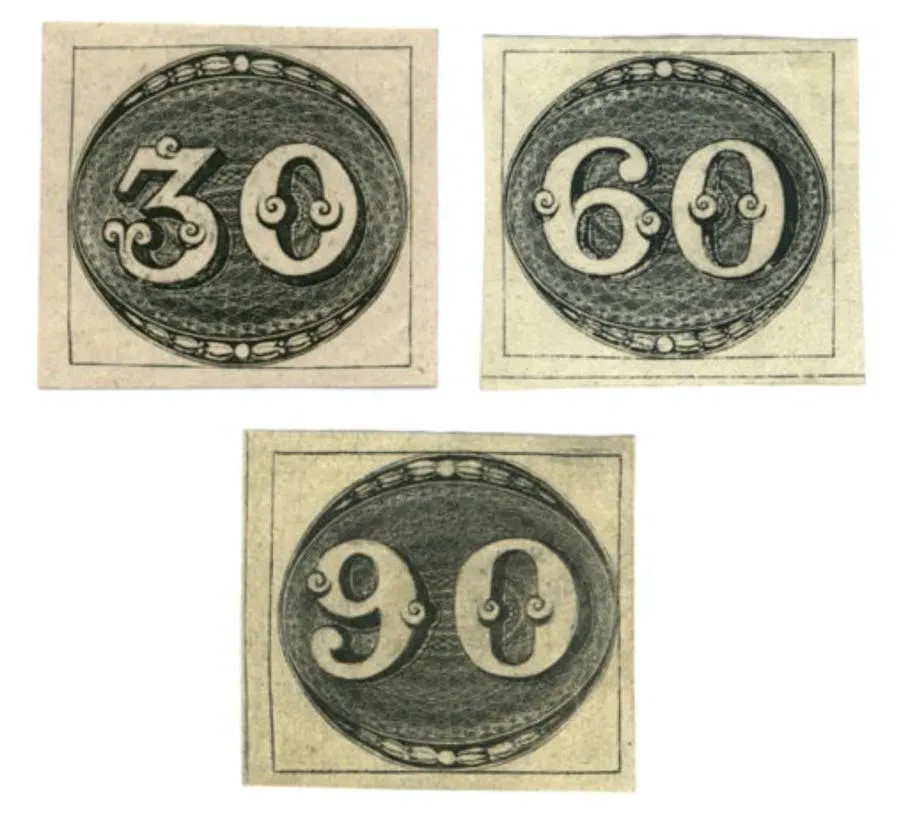
Often, the most valuable stamps are the oldest ones. In pristine condition, an 1843 Brazilian Bull's Eye stamp, the first South American postage stamp, can sell for $5,000. A sheet of 50 Bull's Eye 60 reis stamps in perfect condition was auctioned in 2013 for $648,500.
But seniority isn’t always a guarantee of value: a stamp with a printing error can take on a completely different value. These stamps include the Inverted Jenny (a US postage stamp with the image of a Curtiss JN-4 biplane plane printed upside down), and the Roses Error Stamp, a 13 pence UK stamp dating from 1973 on which 13p was not printed. Such a stamp with the missing 13p was recently sold for £130,000 ($180,000).
Related: The Gramophone: A History
The most famous of these kinds of stamps is the British One Penny Red from plate 77. Printed in 1863, the stamps on this plate were found to not be up to par and were destroyed. Well, almost all of them.
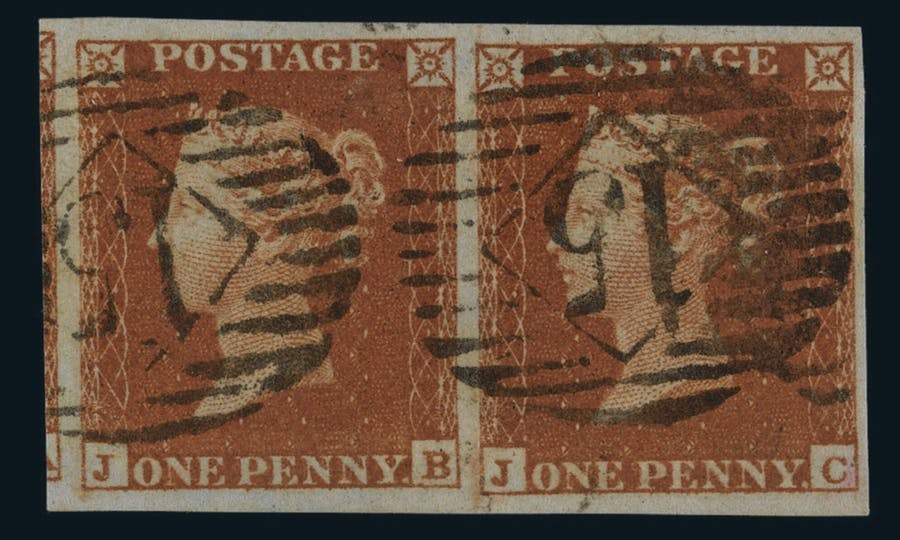
A worn One Penny Red from plate 77 was sold in 2016 for £495,000 ($680,000). Another, stuck on an envelope next to a Four Penny Red, sold for £550,000 ($750,000).
The true value of philately
But many enthusiasts don't see their collection as a financial investment. For them, philately is, above all, about history, tradition and the pleasure of learning. All countries of the world print stamps, and in doing so document and celebrate important moments in their history. Each stamp thus becomes the starting point for in-depth research into human culture. Its study is therefore the perfect excuse to approach history in all its facets.