Ikea founder Ingvar Kamprad (1926-2018) was more about sales than furniture. In fact, he was primarily an entrepreneur and only four years after Ikea’s founding, in 1947, was furniture added to the range. Growing up in Småland however, where a carpenter could be found at every other farm, he was no doubt aware of the explosive power of good craftsmanship and design.
Soon, the company’s mission was formulated: to make everyday life easier for the broad masses and design furniture that fits like a glove.
Related: Barnebys' Guide to Vintage Scandinavian Design
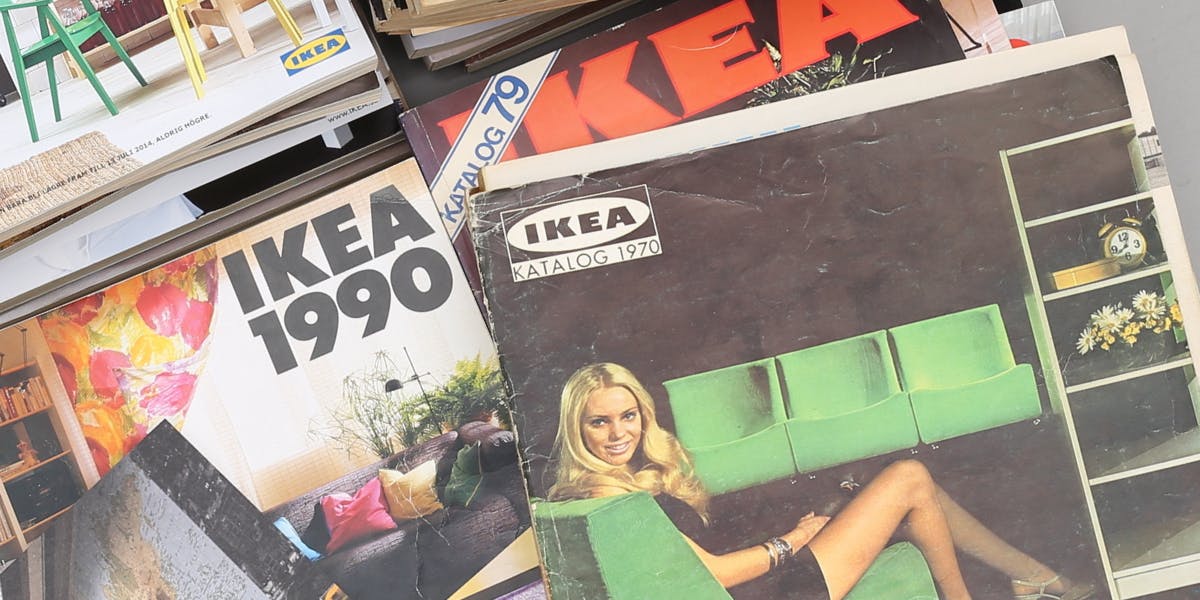
This is how Ikea’s furniture started – and eventually spread all over the world. In 1951 came the first catalogs and in 1956 the first flat packages, avoiding expensive shipping costs. The hexagonal key that turned white-collar workers into living room engineers could also be found at local competitors Swedese and the Ekström brothers.
The formula of form, function, and price worked together to make Ikea a good bargain. With low production costs, prices were pushed down and interior design was made available to everybody. In 1953, the first department store also opened at home in Älmhult, where the curious could both see and feel the pieces.
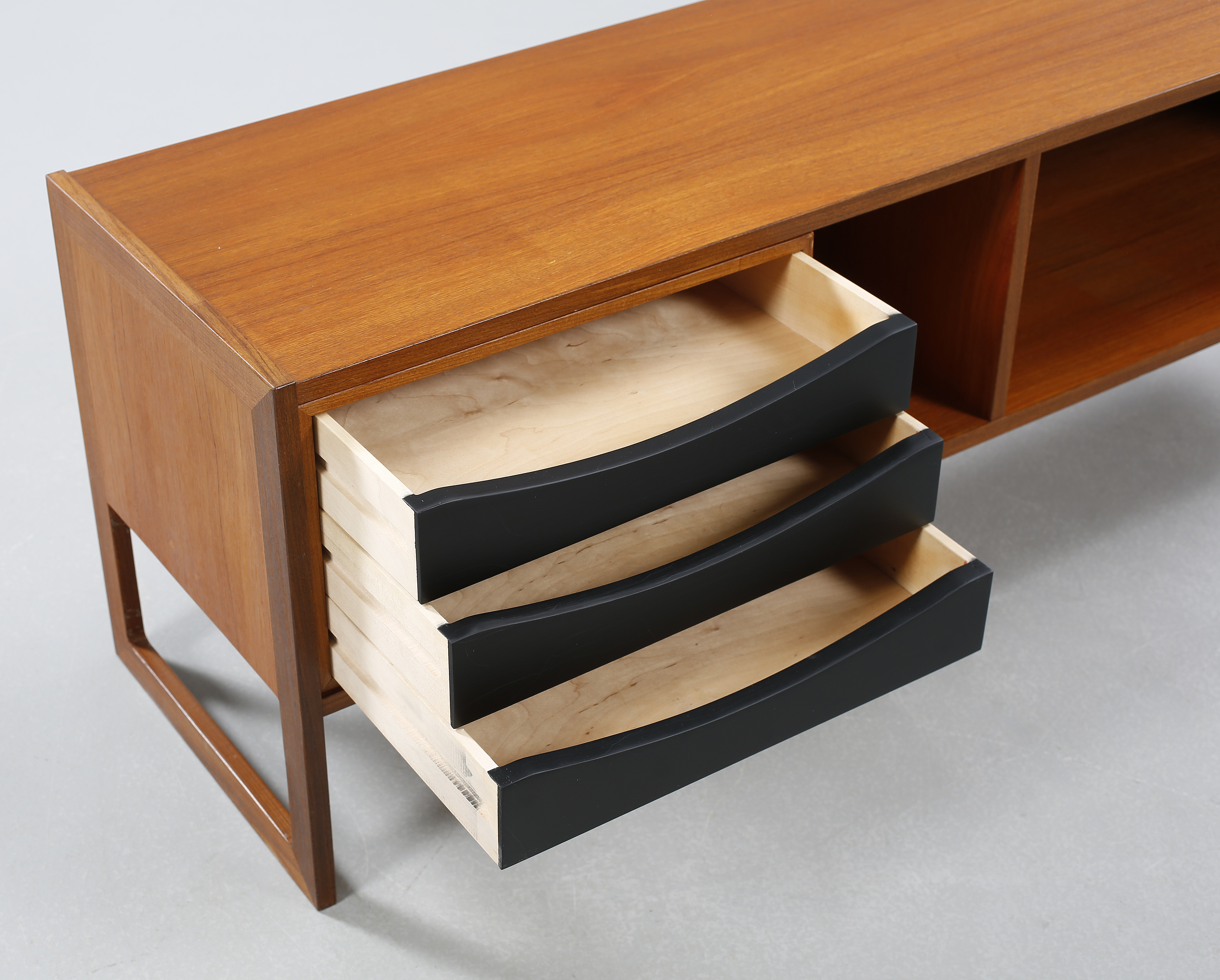
The combination of pushing back on prices and making copies of famous pieces made the company a pariah in the furniture industry – these practices even led to boycotts from both suppliers and workers. Luckily for Kamprad and the company however, cheaper suppliers could be found in countries such as Poland.
Related: Ikea's Sources of Inspiration
During the company's almost 80-year history, scores of designers have passed through its doors. In the early days, they looked to their competitors for inspiration.
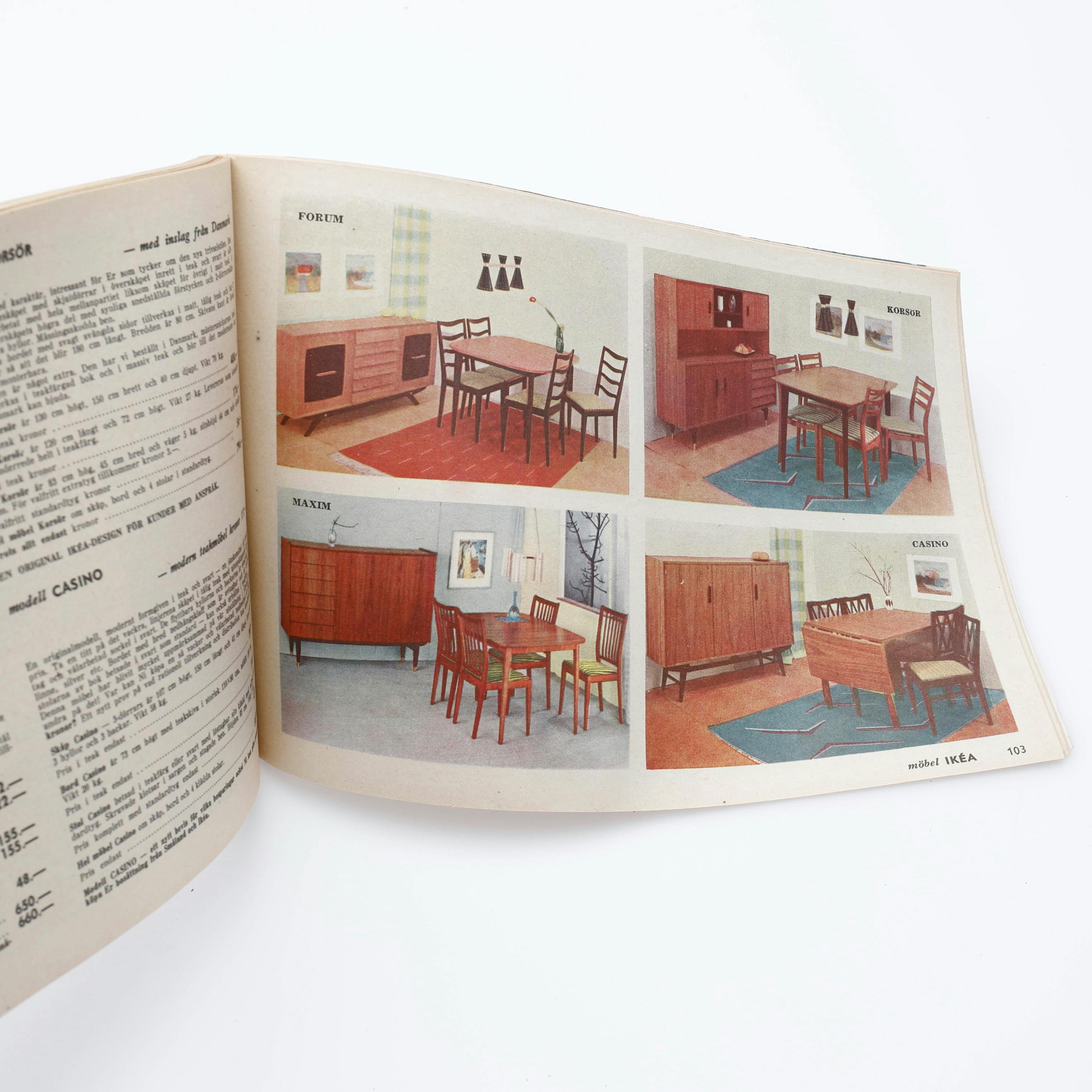
Setting up his own design office in the second half of the 1950s was a milestone for the company. Kamprad recruited two recognized names from Nordiska Kompaniet, at a time when there were many competitors with extensive catalogs and similar furniture ranges. "If Kamprad hadn't made those recruitments and raised his profile, I'm not sure Ikea would have become what it is," said author Andreas Siesing.
Advertising manager Gillis Lundgren (1929-2016) was one of the first Ikea designers, as were Bengt Ruda and Erik Wørts, who had been recruited from Nordiska Kompaniet.
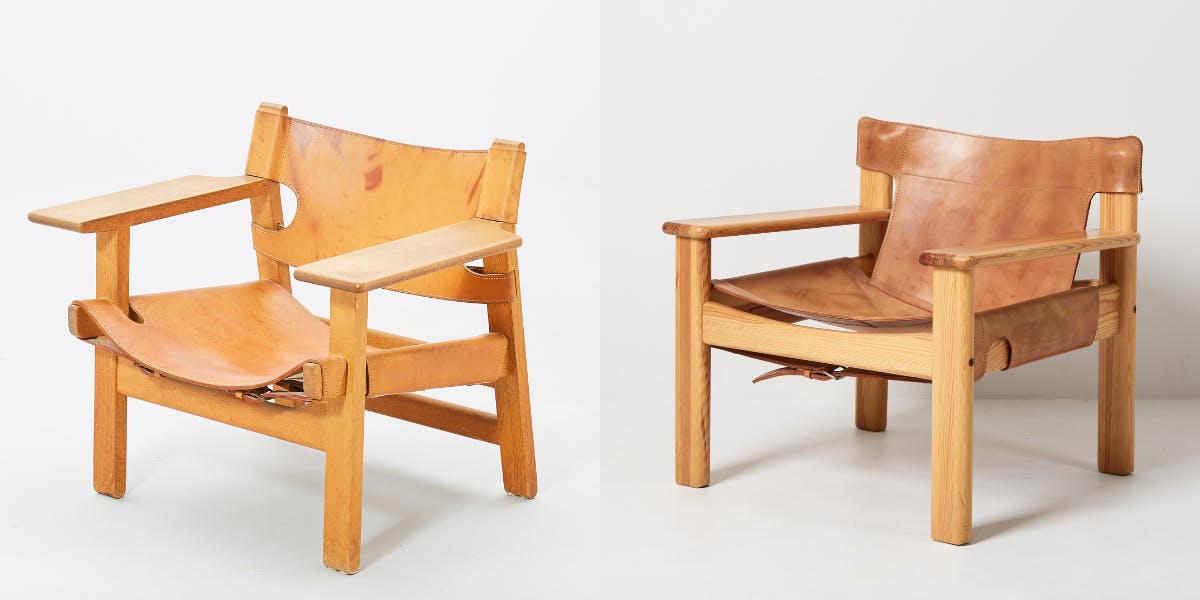
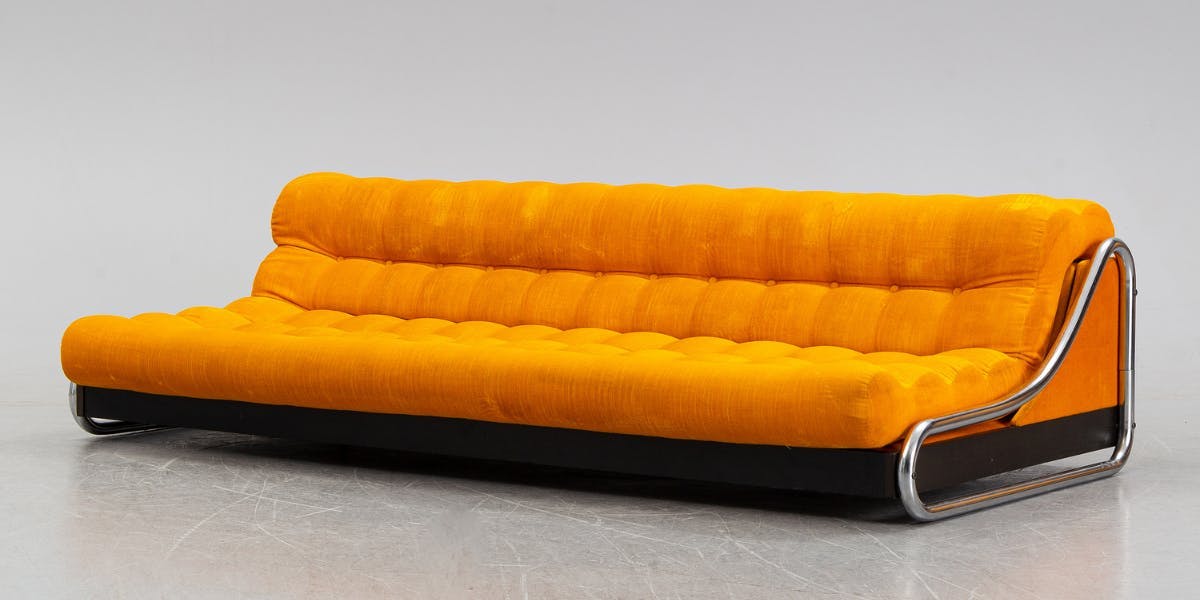
Lundgren, who was supposed to work on the catalog, soon became a designer and spat out models – close to 200 in the end, and among his best-selling is his bookshelf Billy. The Impala, Tajt, Pixi and Trofé armchairs also stand out and are today collectors' items, as well as the Robin and Bohem sofas. Wörts was behind, among others pieces, Lena and Domino, and Bengt Ruda the safari variant Cikada, as well as the models Cavalli and Focus.
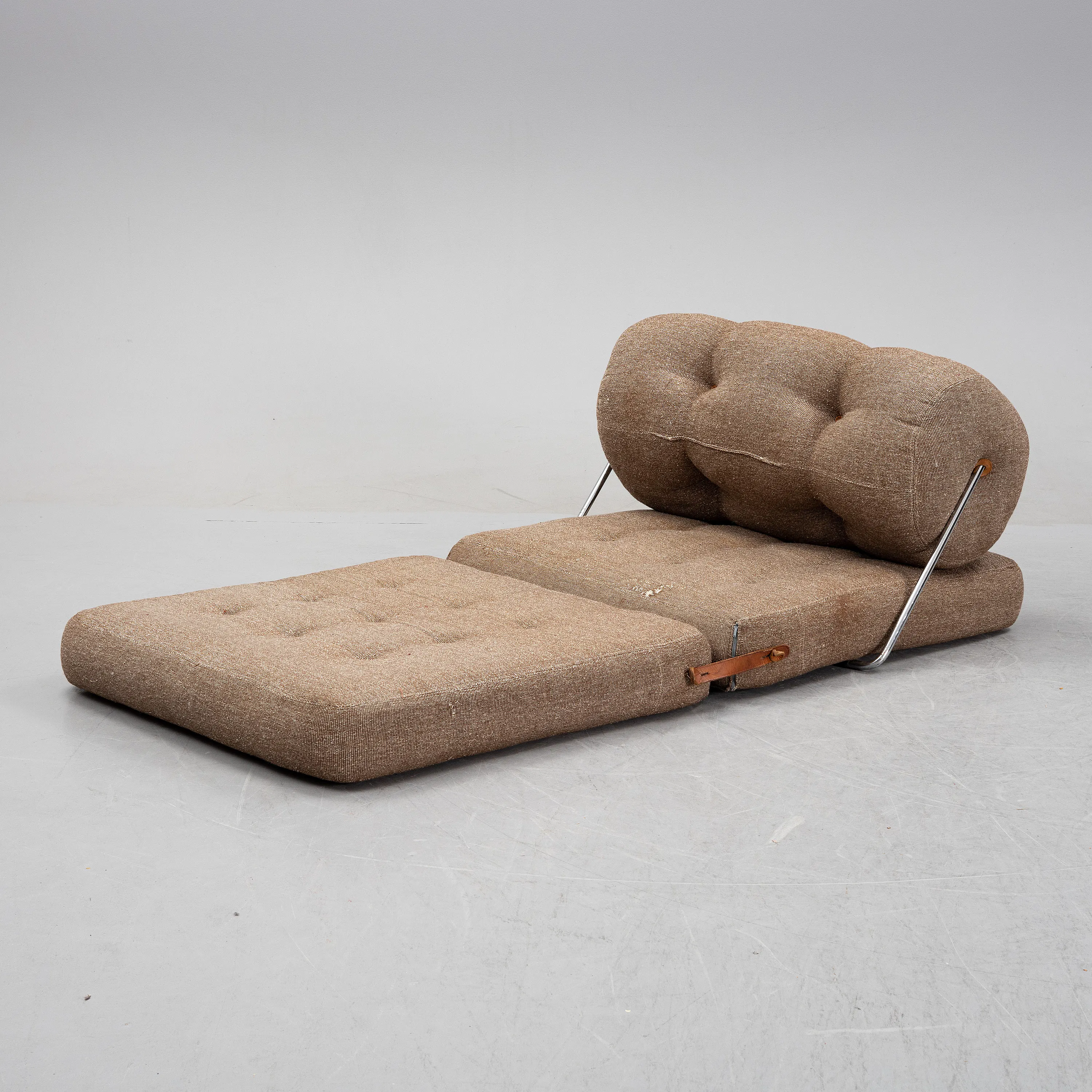
What was not done in-house was created in collaboration with other designers, or was purchased under licensing from other brands. For example, the TV armchair Åke, which has often been confused with the thousands of kronor models, ended up in Ikea’s range via a supplier.
Related: 10 Reasons to Buy Vintage
During the first decades, the company made design licenses and agreements with, among others, Tapio Wirkkala, Sigvard Bernadotte, Walter Paps, and Viola Gråsten. Later, among others, there were Vico Magistretti, Verner Panton, Innovator, Risto Halme and the duo Olle Gjerløv-Knudsen and Torben Lind.
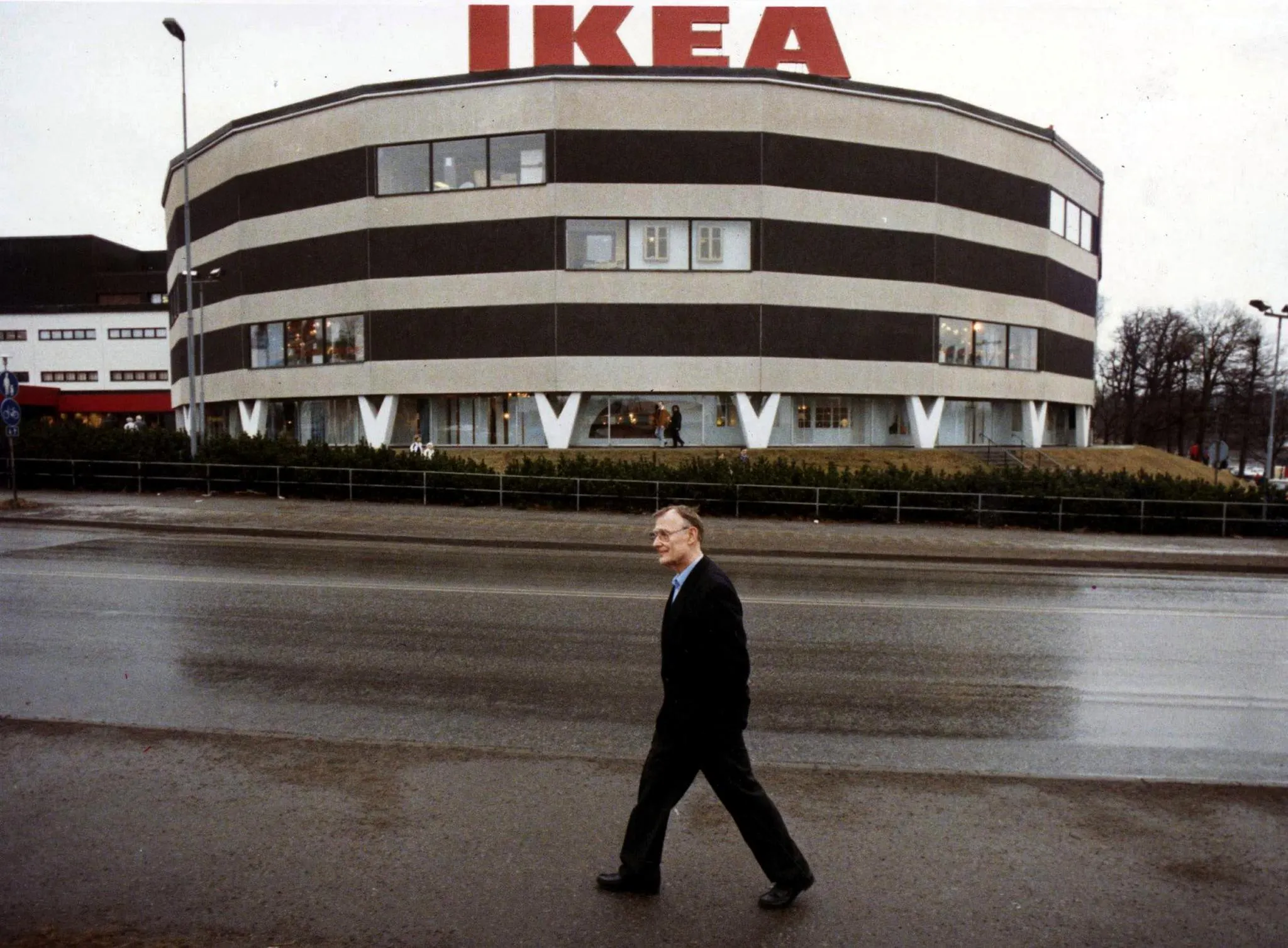
When in 1964 the magazine Allt i hemmet compared the quality of Ikea's models with expensive Swedish and Danish items in genuine materials, Ikea’s product showed surprisingly good results.
Perhaps this was the company’s turning point. In 1965, Kamprad, inspired by the Guggenheim Museum, invested in a department store in Kungens Kurva, outside of Stockholm. On each open floor, exhibition rooms were built where Swedes could see examples of ‘how to really decorate’ – 30,000 square feet of inspiration. And as if that wasn’t not enough, the rooms also offered something else, for example it was at Ikea that the Italian designer Joe Colombo's exhibition about the future housing vision was exhibited.
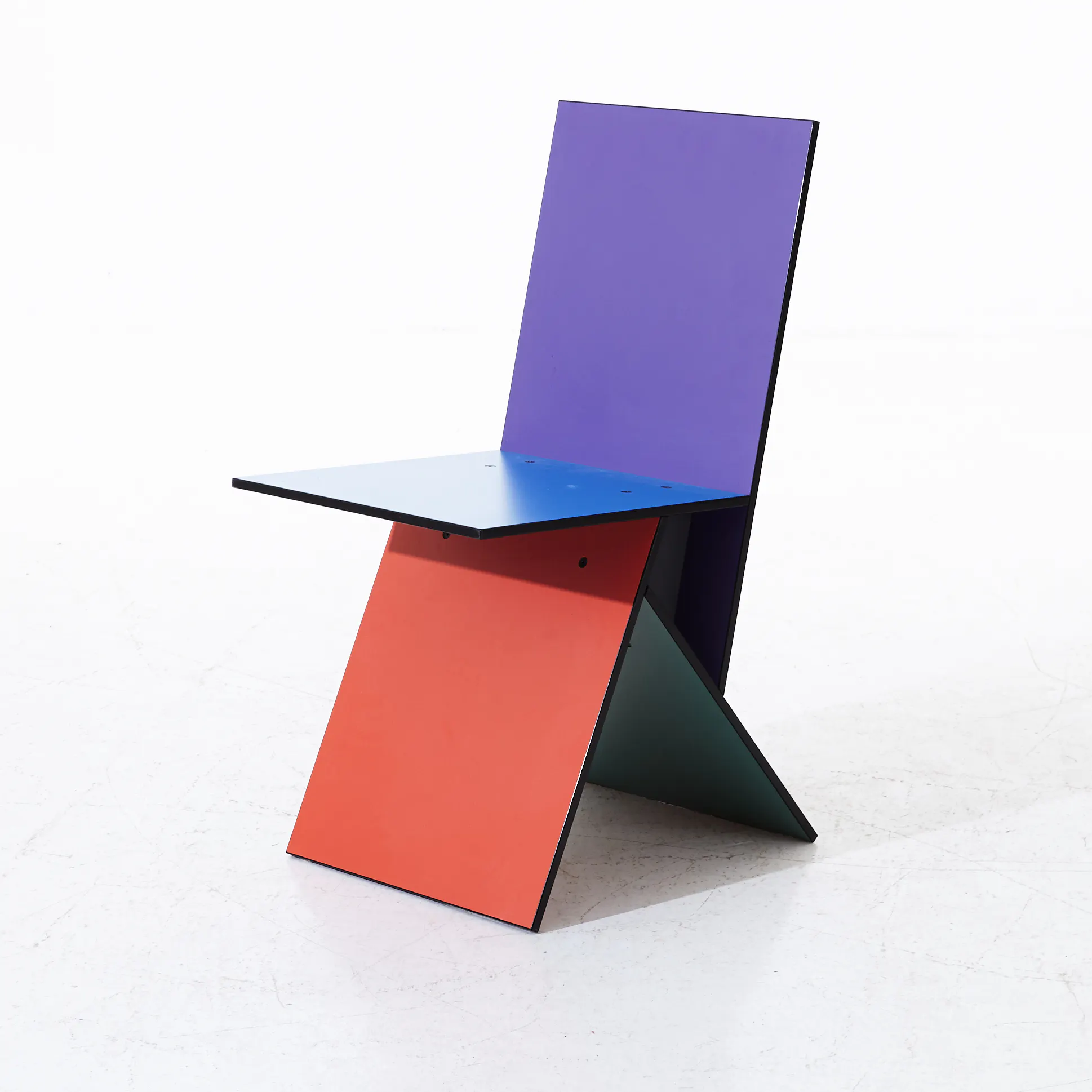
In 1972, an agreement was arranged and it was believed that Verner Panton's plastic Ikea furniture would be presented to the market. His pieces even had time to be photographed for the catalog – before the company realized that the mass production tools were too expensive. 23 years later, only the MDF chair Vilbert has been included in the catalog.
Related: The 10 Most Popular Furniture Designers
Throughout the 1970s, the company grew significantly and its ranges ended up in more and more people’s homes.
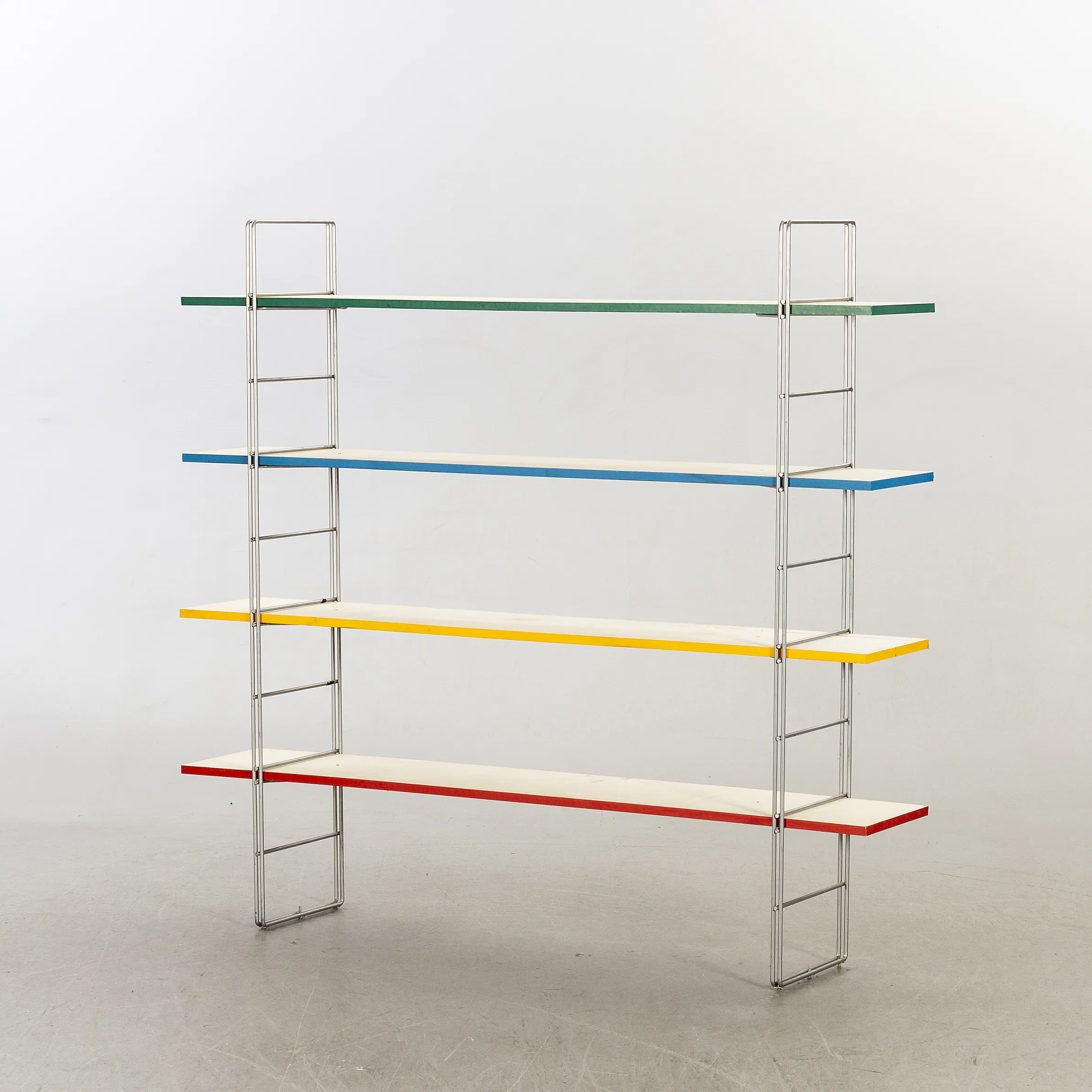
During the 1980s, Ikea’s focus was on the world and on global distribution. Its red and white logo was changed to take the yellow and blue of the Swedish flag. Soon, this logo ended up all over the world and became as famous as Ingmar Bergman, Ingrid Bergman and Greta Garbo. Ikea became synonymous with Sweden and eventually the department stores became a haven for every emigrant who longed for Swedish meatballs.
Want more articles like this straight to your inbox? Subscribe to our free newsletter!
During the same period, Ingvar Kamprad himself was transformed from a Porsche-owning entrepreneur to a cheap-car owner who demanded free coffee at his own restaurants. He wanted to live as he taught.
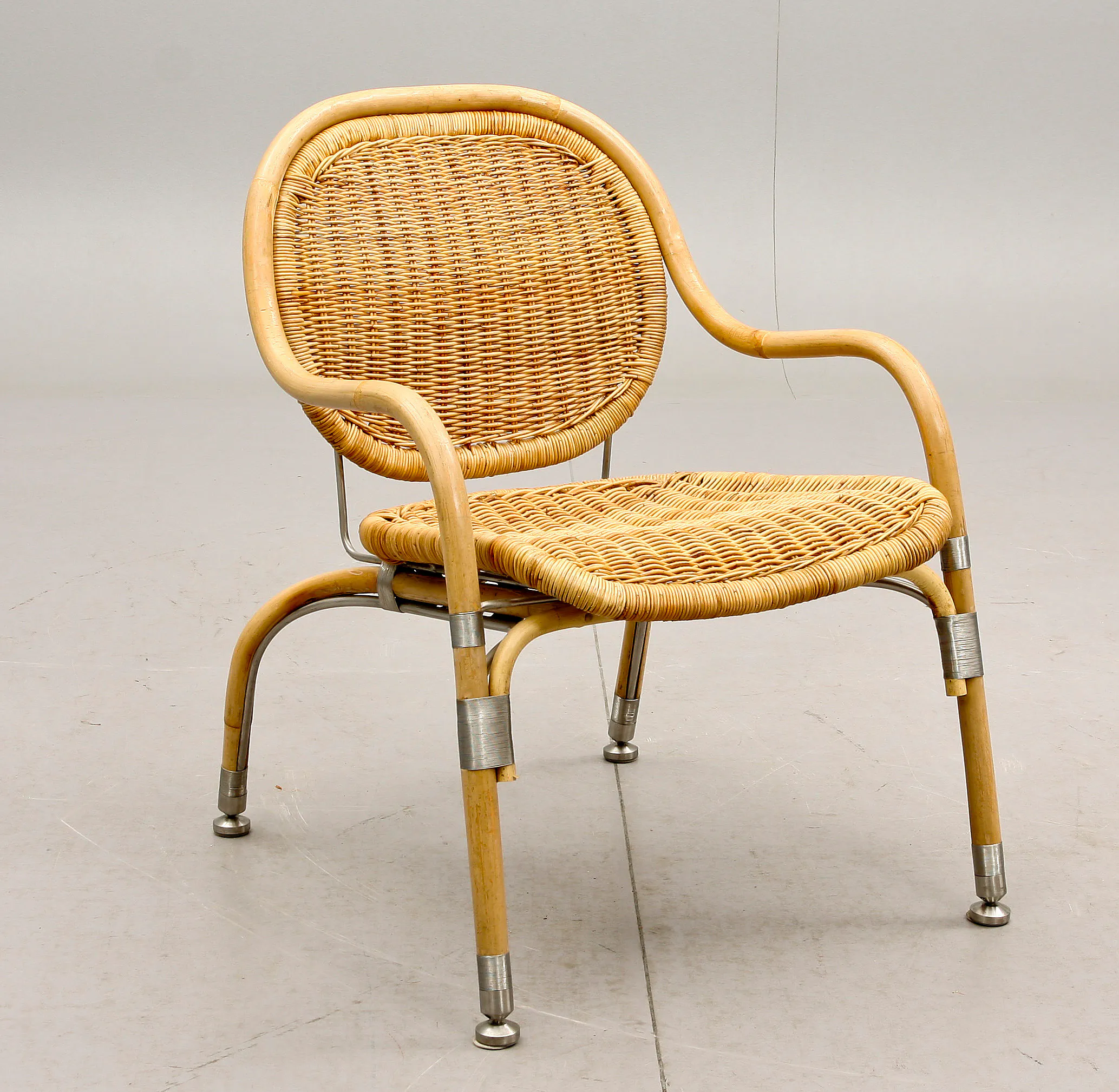
In the mid-1990s, Ikea was one of the world's largest furniture sellers and launched its own design line PS (Post-Scriptum), named after the advertiser Hans Brindfors (who designed the Absolut vodka bottle).
With it, its own identity was strengthened and, another thirty years of development later, the company is no longer such a unusual concept. Designers such as Mats Theselius and later Ilse Crawfoord, glass artist Ingegerd Råman and artist Ernst Billgren have collaborated with Ikea.
Over time, Ikea’s ‘own’ have also created increasingly exciting variants. Works by Karin Mobring, Hjördis Olsson-Une and Charlotte Rude have, just like Niels Gammelgaard's Moment, been praised.
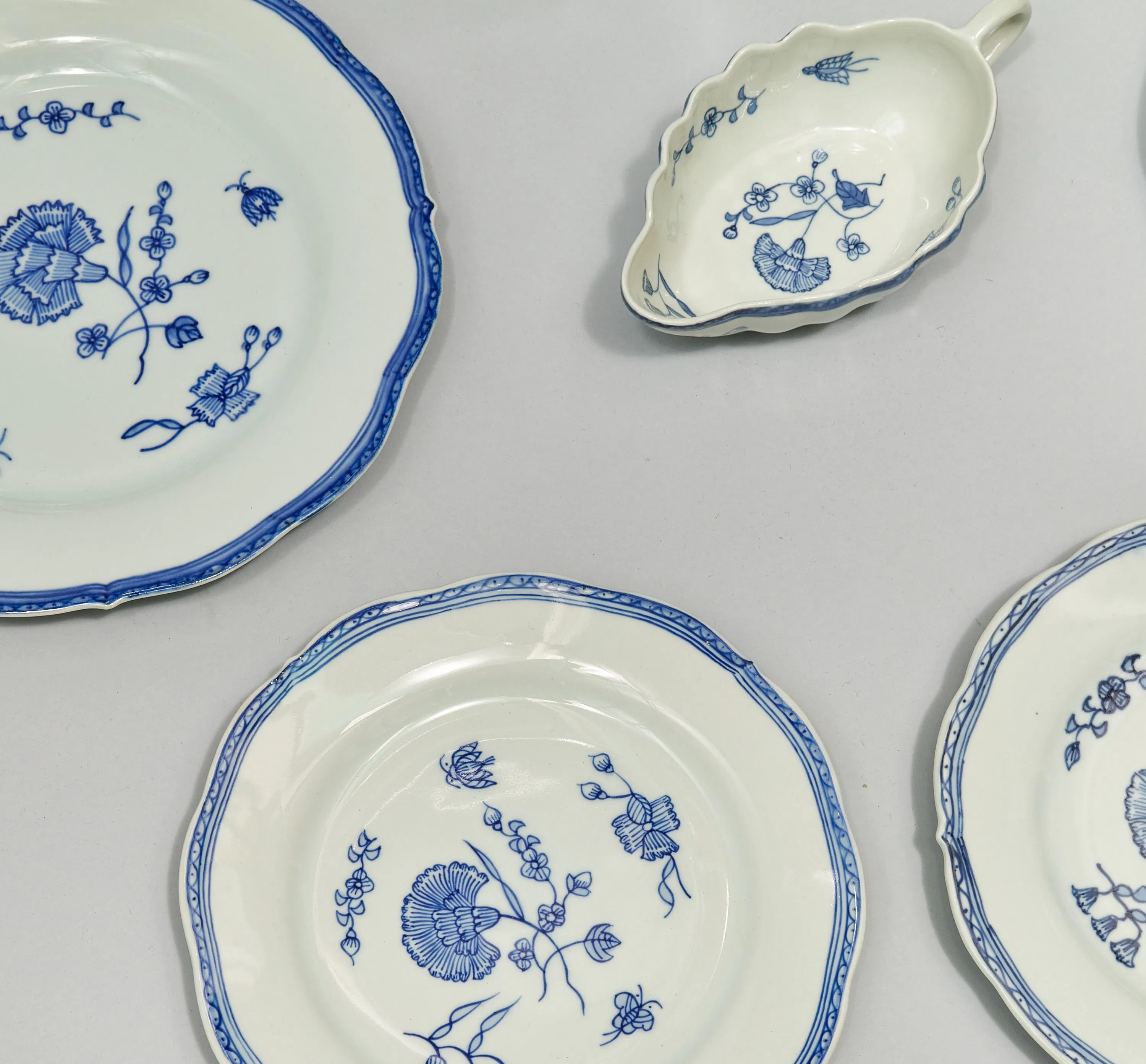
The 18th-century series, created during the 1990s, is considered one of the best. The series was created based on furniture models from Swedish castles and manors and was manufactured according to old craft traditions.
Related: IKEA's Most Expensive Designs
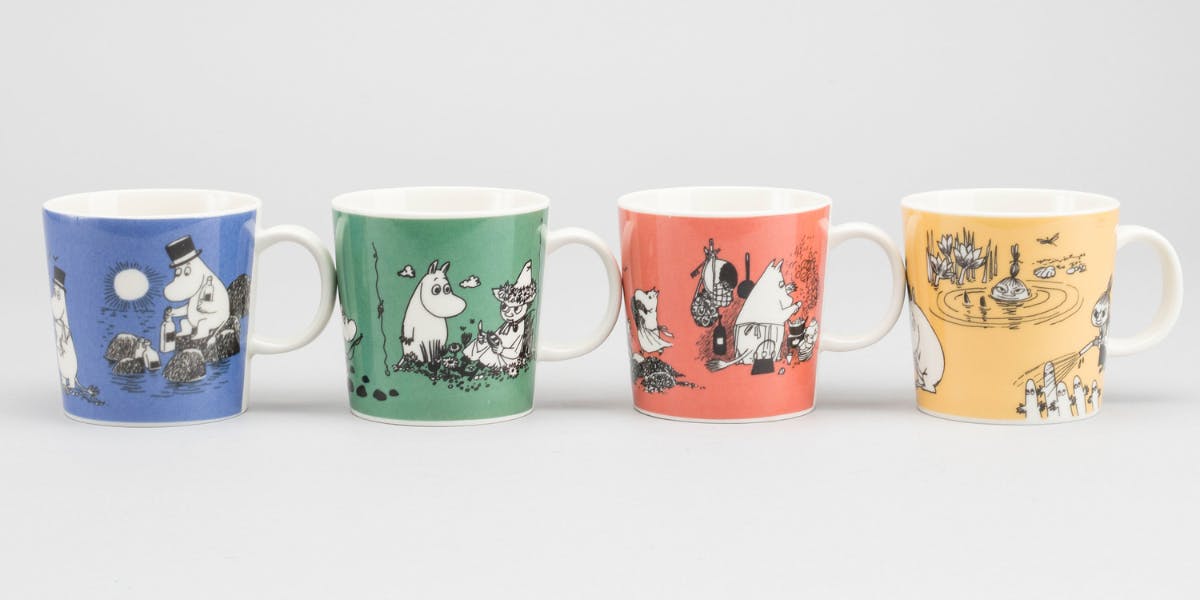
Since certain furniture soon became too expensive to manufacture and shipping and production was discontinued, these pieces are in high demand when they appear on the auction market. The Hallunda chairs, the Bergslagen table and the porcelain series Nejlika are, like the Sturehov lamp, in high demand. In fact, these Ikea variants are often sold at higher prices than the originals.
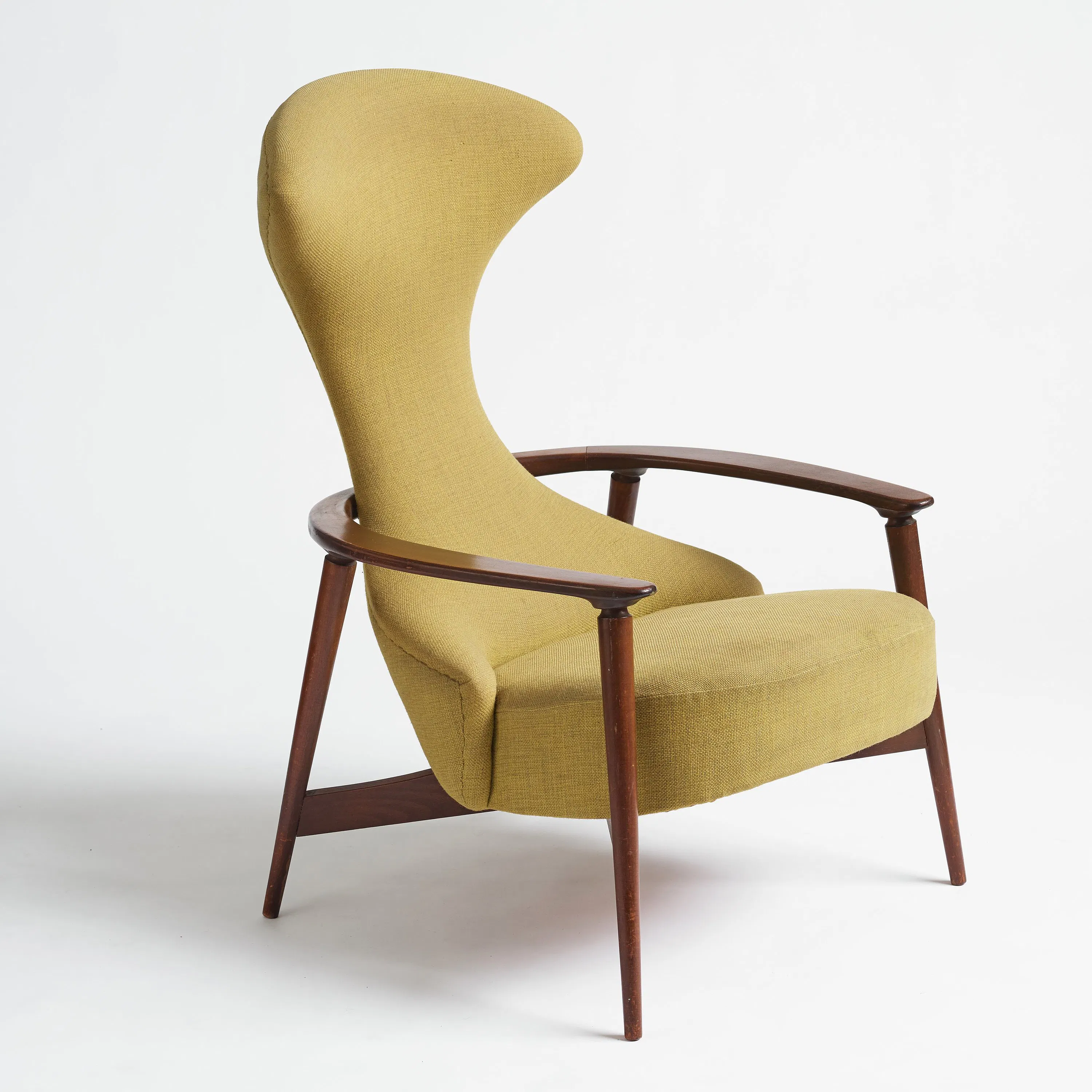
In spring 2022, one of Bengt Ruda's unusual Cavelli chairs was sold at Bukowskis for SEK 190,000 (about $18,900).
Related: This Is the Most Expensive Piece of Ikea Furniture
Karin Mobring’s Admiral and Ilse Crafords Sinnerlig are rising in price, and Niels Gammelgaard’s phenomenal series Torque and Järpen and armchair Oti aren’t any cheaper. The Stockholm series, produced by Karin Mobring and Thomas Jelinek, among others, is popular in the second-hand market.
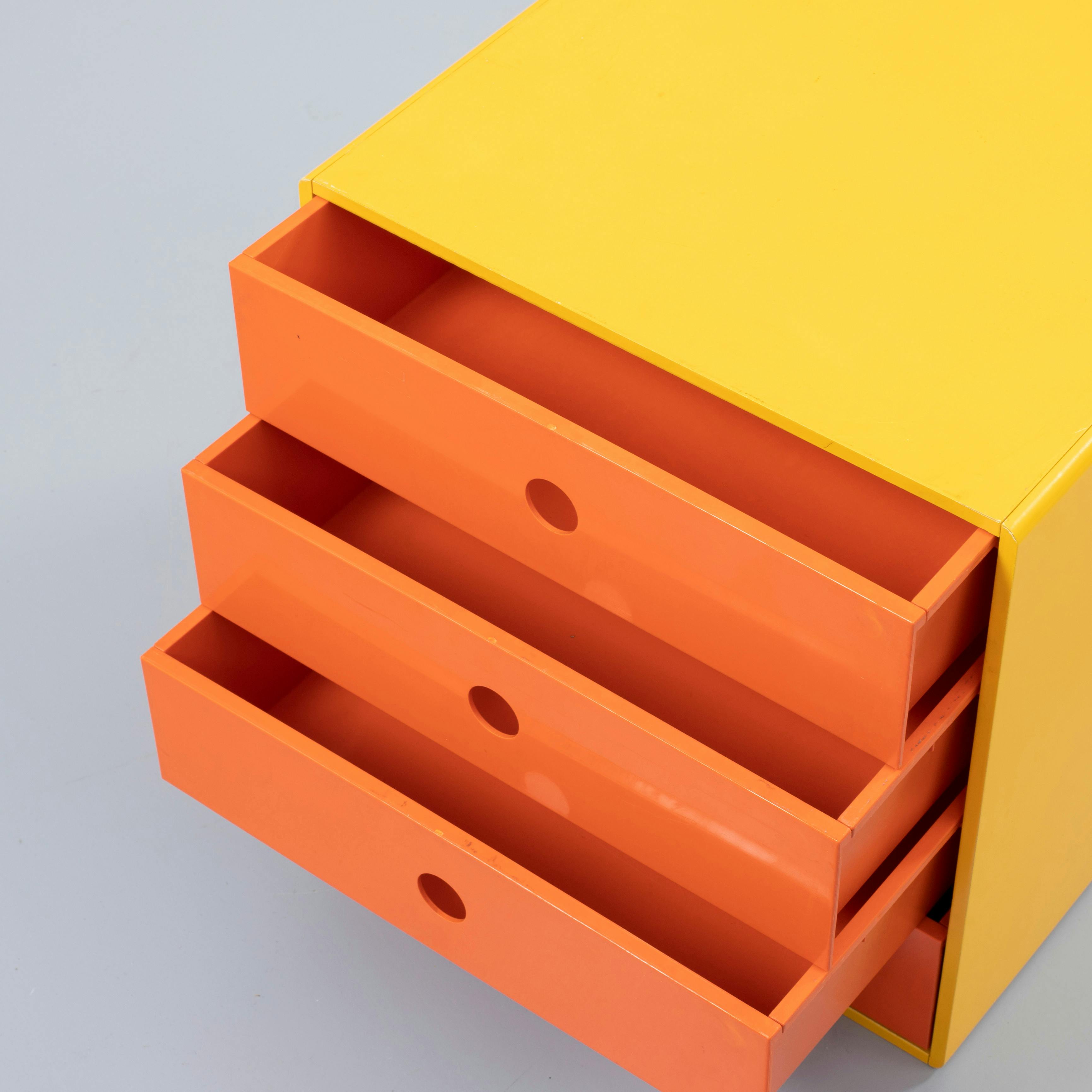
It must be said, the mission to make everyday life easier for the broad masses has succeeded. Ikea has allowed crowds of people to surround themselves with shapes and objects from which they find pleasure and beauty. It is clear that more and more of their models will eventually be found at auction.
Related: IKEA ‘Classics’ Triumph at Auction
Ikea currently has 460 department stores in 62 countries. In Älmhult, the first department store has been transformed into a museum. The company is familiar to everyone now, all over the world.
Find more articles in Barnebys Magazine
This is an updated version of an article originally published on 15 July 2020.