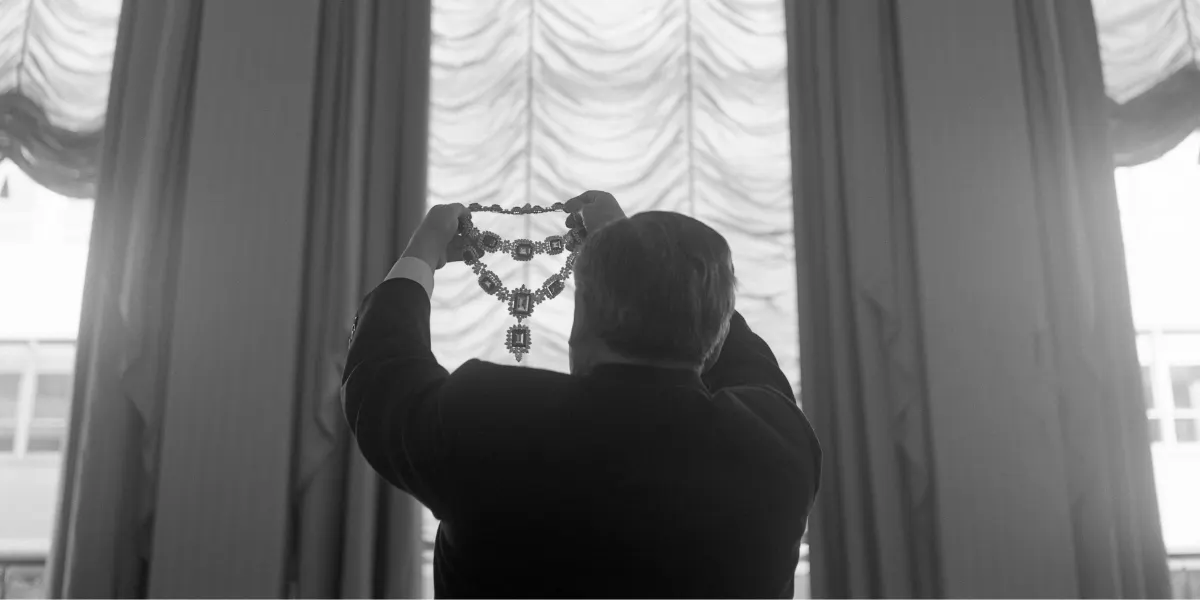
Photography as an art form is a relatively new phenomenon, started in the 20th century by a number of influential photojournalists and fashion photographers, who aimed to reveal deeper truths through the framing of their lenses. Recently, a new genre of photography of pop culture, from images of rock'n roll concerts to the civil rights rallies of the '60s, has been viewed as fine art, and collected as such, fetching prices in the six figures. Theron Kabrich, co-founder of the San Francisco Art Exchange, has been instrumental in making the art market take these works seriously since the 1980s. Here, Barnebys talks to Kabrich about his start in the industry, how it's changed and his top-selling works.
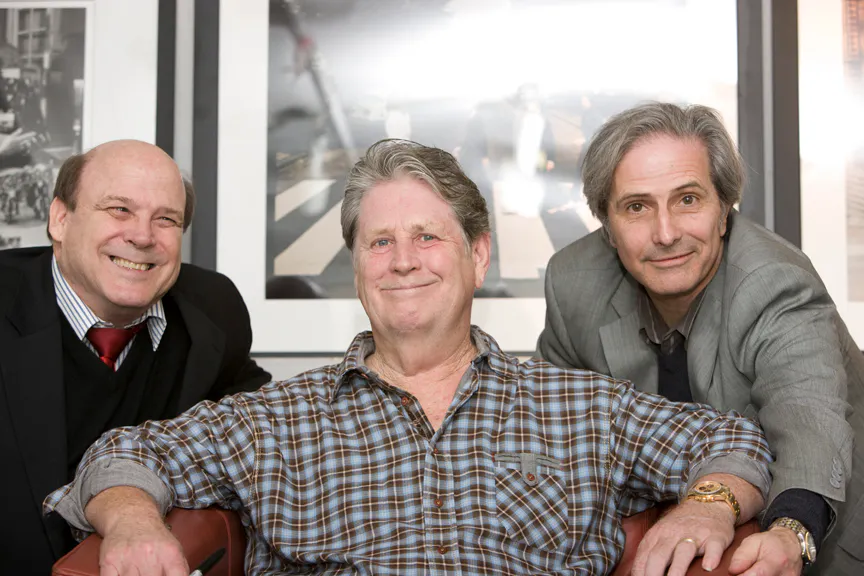
How did you get started in the industry?
I first sold the work of modern masters, like Miro, Kandinsky, Chagall, Picasso, Belle Epoch artists and Post Impressionists. When I opened San Francisco Art Exchange with my partner Jim Hartley in the '80s, we started working with Playboy and the Alberto Vargas estate. We've sold $35 million in Vargas art since 1985 to collectors around the world. After that, we started to sell photography by now-legendary photographers from the '60s and '70s whose work had never been exhibited or sold in a fine art gallery. Prior to us, the market didn't exist. We didn't see it as a business model, we just thought it was important and began to exhibit the works. As they sold, we proved there was money in it.
Why did people start seeing value in these photographs?
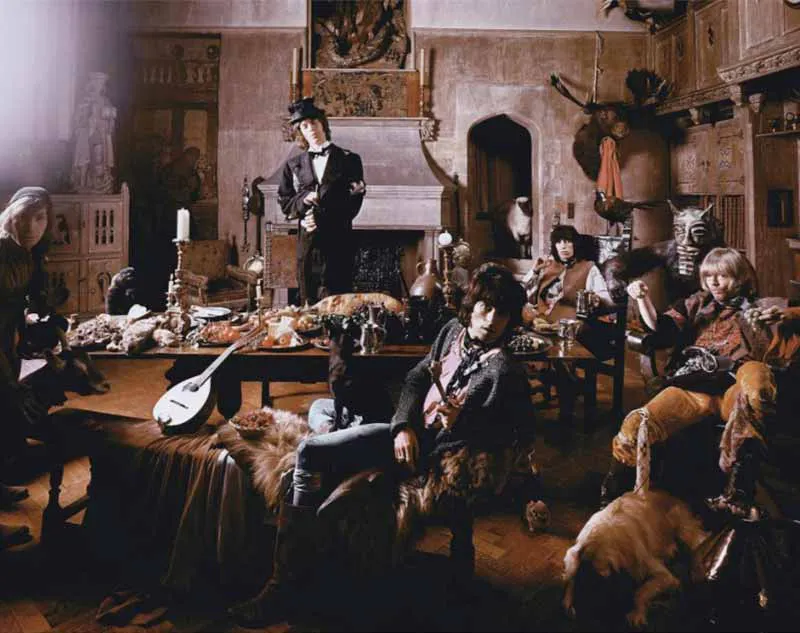
The market changed in 2006-2007 when people began taking rock n' roll photography seriously. In the early days, it was just cool and then we explained why it was important. We were focusing on pop iconography as an art form, not just images of rock'n roll and jazz but also of Hollywood. Ron Wood [guitarist for the Rolling Stones] had never sold his artwork but in '87 we became his first dealers and distributors in the US and his work became a phenomenon over time, just like we marketed Vargas pinups as fine art a few years earlier. Auction houses and museums had no interest in these works, but we started selling them for $3,000 up to $80,000. Our legacy is bringing things to market that no one took seriously at the time and now everyone does.
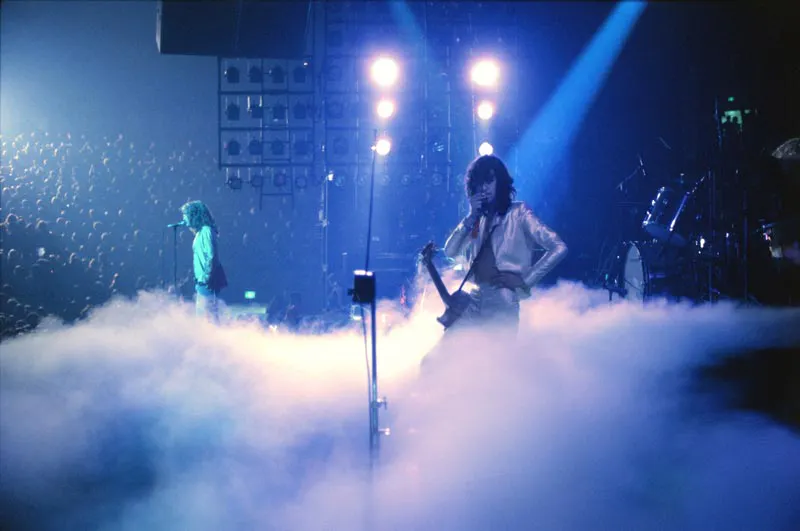
We identified imagery that reached millions of people in a popular format. Iconic images of pop culture, such as album covers or rock posters, are a short-hand medium of communication, like slang. These works are similar to Henri Toulouse Lautrec's work, which were treated as common at the time and now go for tens or hundreds of thousands of dollars.
History begins to appreciate these things as time goes by. Some of it will end up in museums dedicated to pop culture like rock photographs now sold at auction houses. Museums for pop culture are even being founded such as MoPOP in Seattle and the Lucas Museum of Narrative Art in LA. They've elevated those things like movie posters, popular illustration, photography and artifacts that weren't taken seriously before.
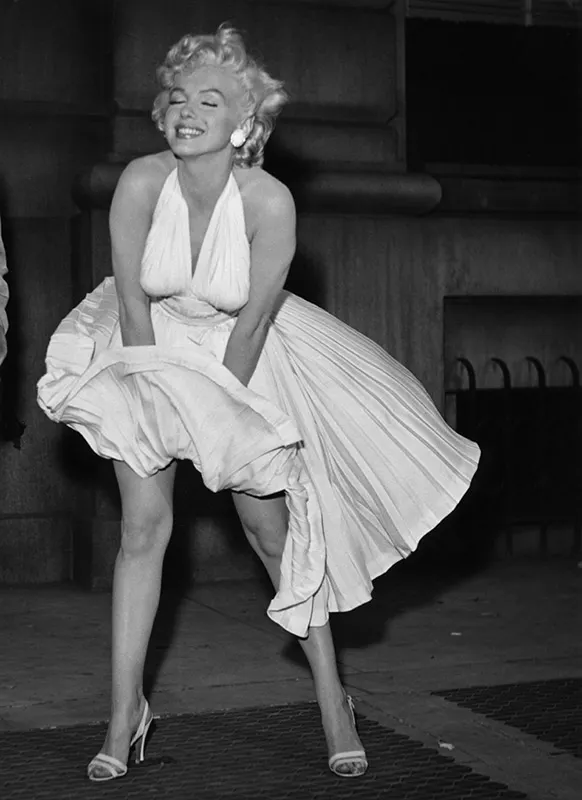
What are some of your top-selling items?
We're the largest dealer of Beatles fine art photography, especially pictures of John Lennon and the Beatles in India. The most pricy and rare is Abbey Road, which was produced in editions of 25. The first set of 7, including the front and back cover images as well as 5 outtakes, sold in 2005/6 for $40,000, now we've sold a set in a resale for $900,000.
Our record year was 2017 when we sold paintings used in animations for the cult-classic film The Wall by Pink Floyd. Gerald Scarfe did all the artwork, props, design sketches for the film and tour. Within 2-3 weeks of our announcing that the art for The Wall was available for purchase, we sold over $2.5 million of this rare pop artwork.
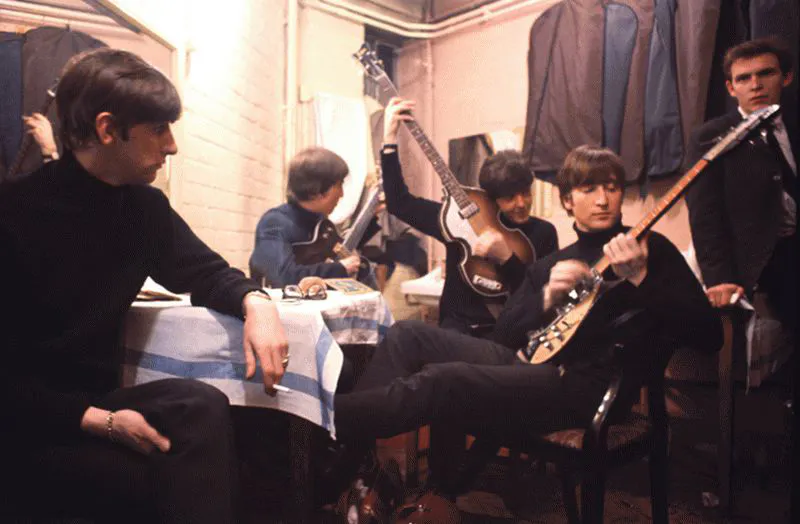
We sell artifacts and unusual things, anything that has popular resonance. A couple years ago, we sold the first piano John Lennon and Paul McCartney wrote their first songs on, from I Wanna Hold Your Hand to Eleanor Rigby. We also offer items that people likely haven't seen: outtakes or unpublished private shots like the Beatles backstage at the Cavern Club in 1963.
What exhibits have you held at the gallery?
In 2010, we held an exhibition called "Rosa Sat, Martin Walked and Barack Ran." We had over 100 photographs of Dr. King and Rosa Parks at civil rights rallies and marches, and Obama's campaign trail, as well as Nelson Mandela and Desmond Tutu.
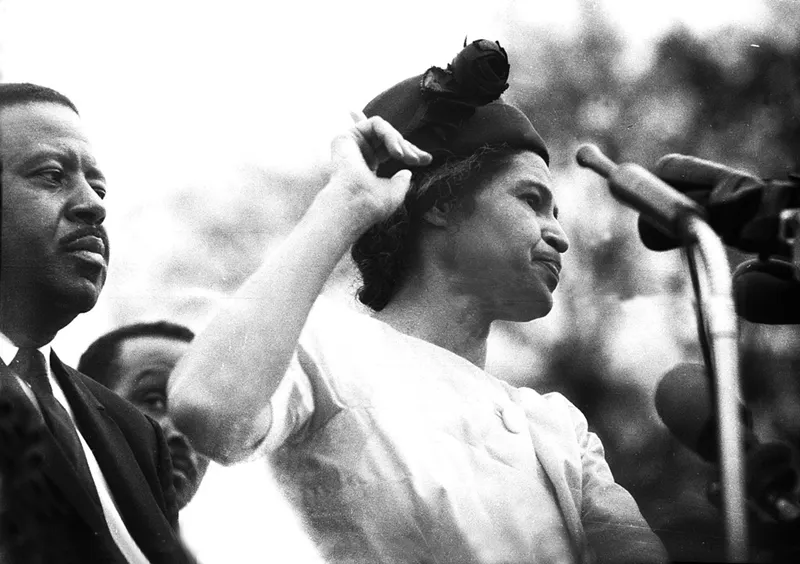
I tracked down all the photographers I could and was amazed at how many people participated. Dennis Hopper heard about it through a friend and loaned three photos from the Selma March. Many works by giants of photojournalism like Steve Schapiro were printed and exhibited for the first time. It's the most significant exhibit I've ever organized.
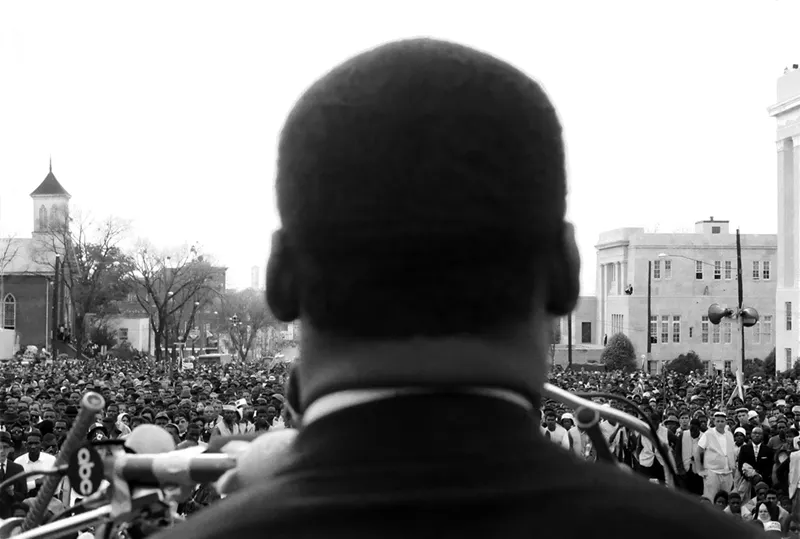
The last major show we did was a photography exhibition I curated that ran from April-June 2018 to honor the the lives of MLK Jr. and Bobby Kennedy during the 50th anniversaries of their assassinations. The thesis of the exhibit was based on the question of what the world would be like if both were still alive today and continued their drive to make things better. Our second question was: if their vision is still alive, can their work still be completed? I believe their deaths don't make that dream any less important or pursuable.
What do you think is next in the art world, especially with Covid-19?
Urban art will continue this concept as a new brand of popular communication with artists like Shepard Fairey, with whom I have worked, Banksy, Invader, JR, and others. These are the Norman Rockwells or Andy Warhols of their generation and have changed the paradigm for what art is.
I could see them being part of a historical narration of the Covid-19 experience in art. I also envision new technologies like holograms and virtual reality...where you feel integrated into the experience, like having a live Shakespearean play held virtually in your living room, for example. I also wouldn’t be surprised if the imagery of the Covid-19 virus showed up in a Damien Hirst.