In October 2018, an auction at Sotheby’s in New York set a new record for wine at auction. The sale included highly sought-after bottles from the collection of French wine merchant Robert Drouhin.
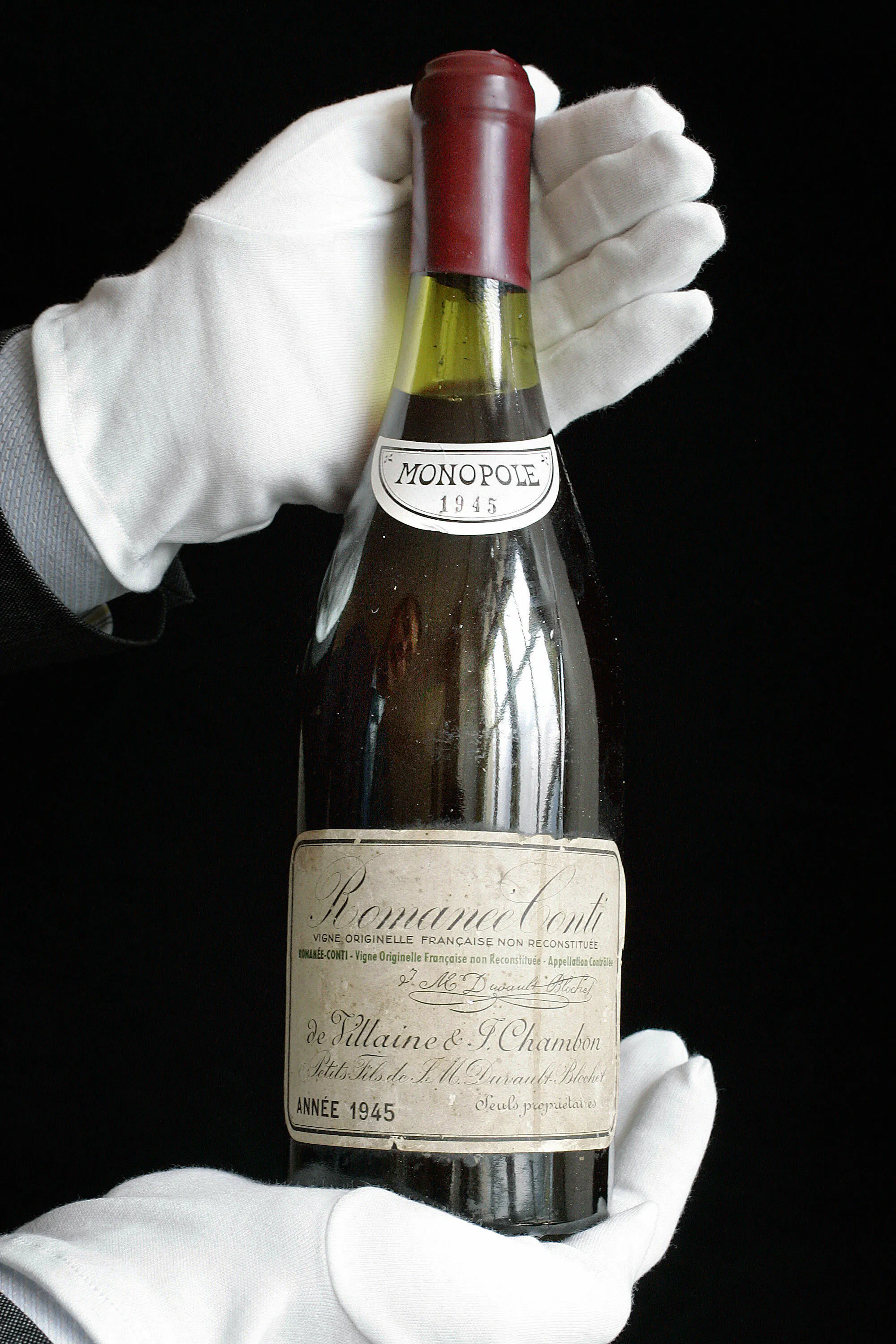
The headline result was a bottle of Romanée-Conti from the 1945 vintage, which sold for $558,000 including buyer’s premium. The buyer was New York real estate developer and wine collector Rob Rosania. Later in the same sale, Rosania purchased another bottle from the same vintage for $498,000.
See also: Barnebys’ Guide to Buying Wine at Auction
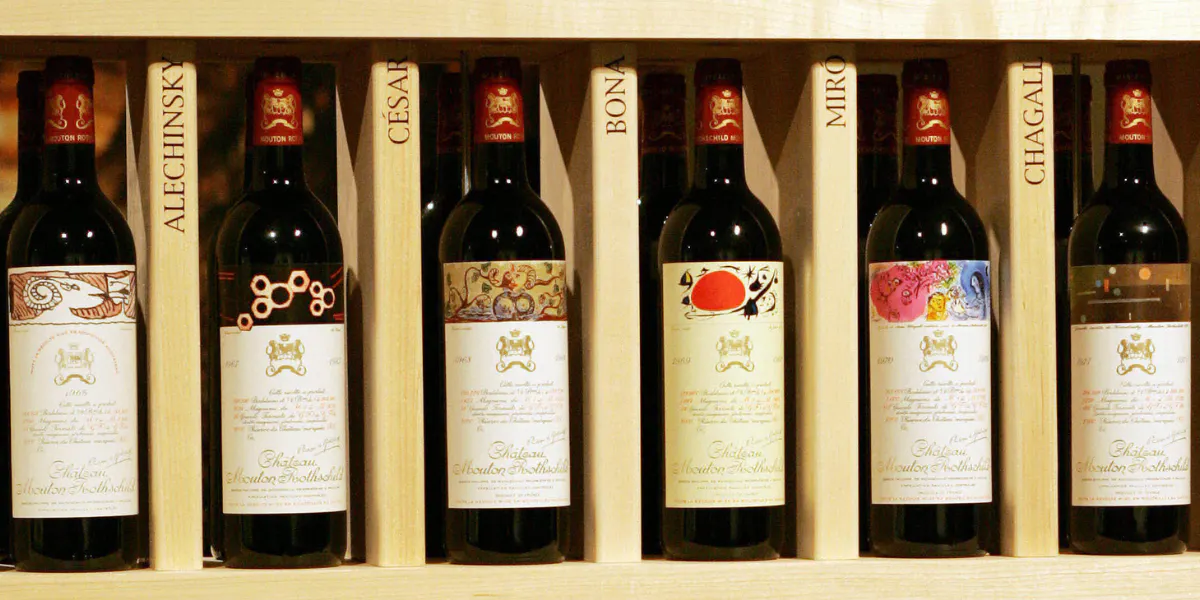
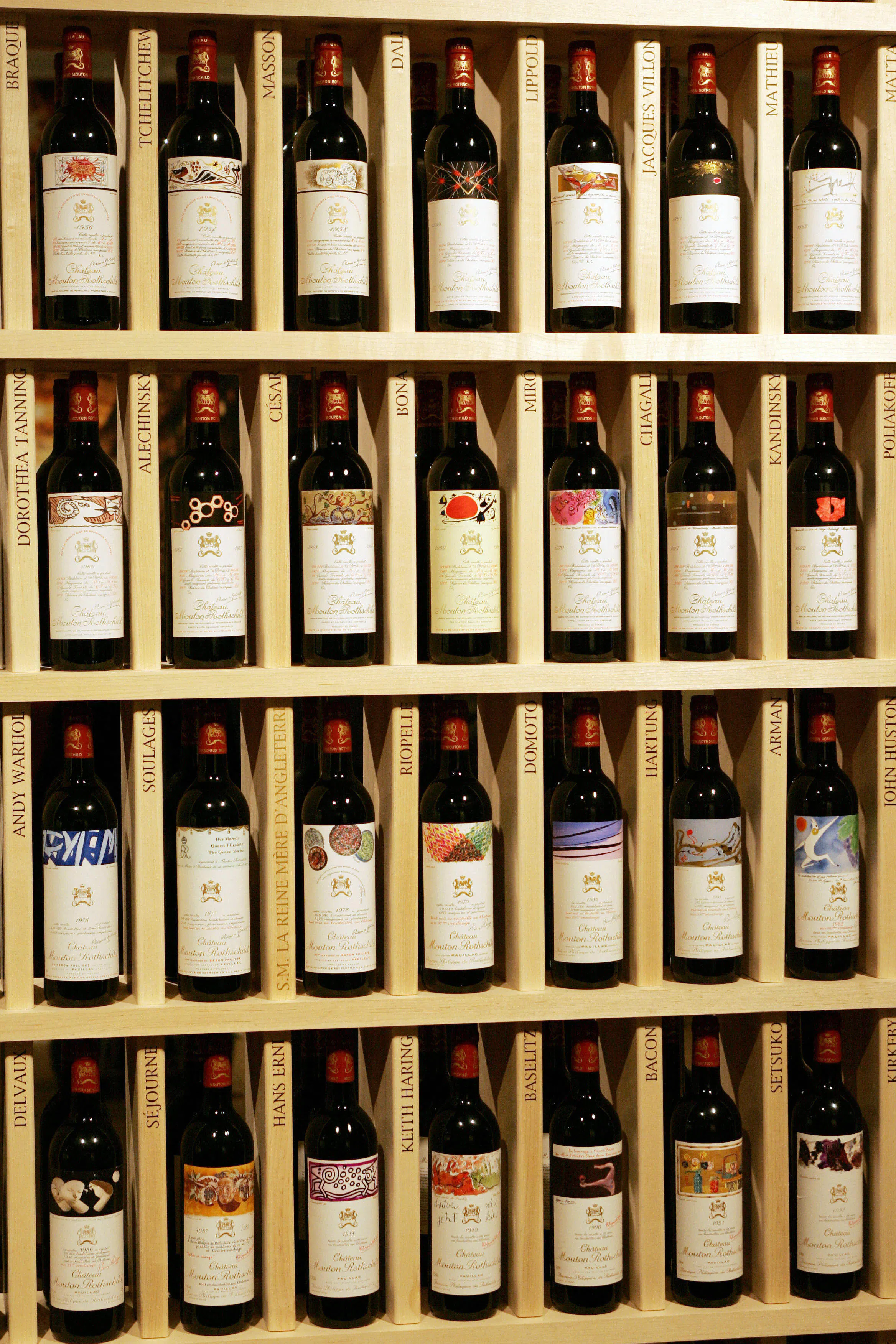
Both prices surpassed the previous auction record for wine, set in 2007 when a double magnum of Mouton Rothschild from the 1945 vintage sold for $310,700 at Sotheby’s New York.
What makes a bottle of Romanée-Conti from 1945 so exceptional that collectors are willing to pay half a million dollars for it?
Domaine de la Romanée-Conti
Domaine de la Romanée-Conti, in Burgundy, is one of the most prestigious wine estates in the world. Its most sought-after wines come from the Romanée-Conti vineyard itself, a Pinot Noir site classified as Grand Cru since 1936.
The history of the vineyard dates back to the 12th century, when monks from the Abbey of Saint-Vivant began cultivating vines on land granted to them by Hugh II, Duke of Burgundy. In 1584 the parcel that would later become the famous vineyard was sold and eventually became known as La Romanée.
Listen to: Podcast Ep #33 Diving into Wine Collecting
In 1760 the vineyard was purchased for 8,000 livres by Louis François I, Prince de Conti, a member of a cadet branch of the French royal family. A long-standing rumour claims that he outbid the royal favourite Madame de Pompadour, with whom he had a strained relationship. There is no evidence for the story. What is certain is that the prince added his name to the vineyard, and its wines became known as Romanée-Conti.
The name remained even after the Conti family lost the estate during the French Revolution. The property later passed through several owners before being acquired in 1869 by the ancestors of its current proprietors.
The 1945 vintage
By the mid-20th century, European viticulture was still dealing with the legacy of phylloxera, an insect introduced from North America that had devastated vineyards across the continent in the 19th century. The solution was to graft European grape varieties onto phylloxera-resistant rootstocks imported from the United States.
At Domaine de la Romanée-Conti, the vineyards were replanted later than most. The replanting did not take place because of phylloxera, but in 1945 after wartime damage. The 1945 vintage therefore became the last produced from the estate’s original vines before they were uprooted and replaced. Production then stopped entirely until 1952 while the vineyards were replanted.
Want more articles like this straight to your inbox? Subscribe to our free newsletter!
The harvest itself was also exceptionally small. Frost and hail reduced production to just 600 bottles of Romanée-Conti. In most years, several thousand bottles are produced, each selling for well over €10,000.
Despite the difficult growing season, the 1945 vintage is widely regarded as one of the finest wines ever produced from this celebrated Grand Cru vineyard.
The record price achieved in 2018 reflects a rare combination of factors: the reputation of the estate, the historical significance of the final harvest from the original vines, the extremely limited production of the vintage, and the wine’s provenance from an important private collection. Together, they help explain why collectors were willing to pay close to half a million dollars for a single bottle.