
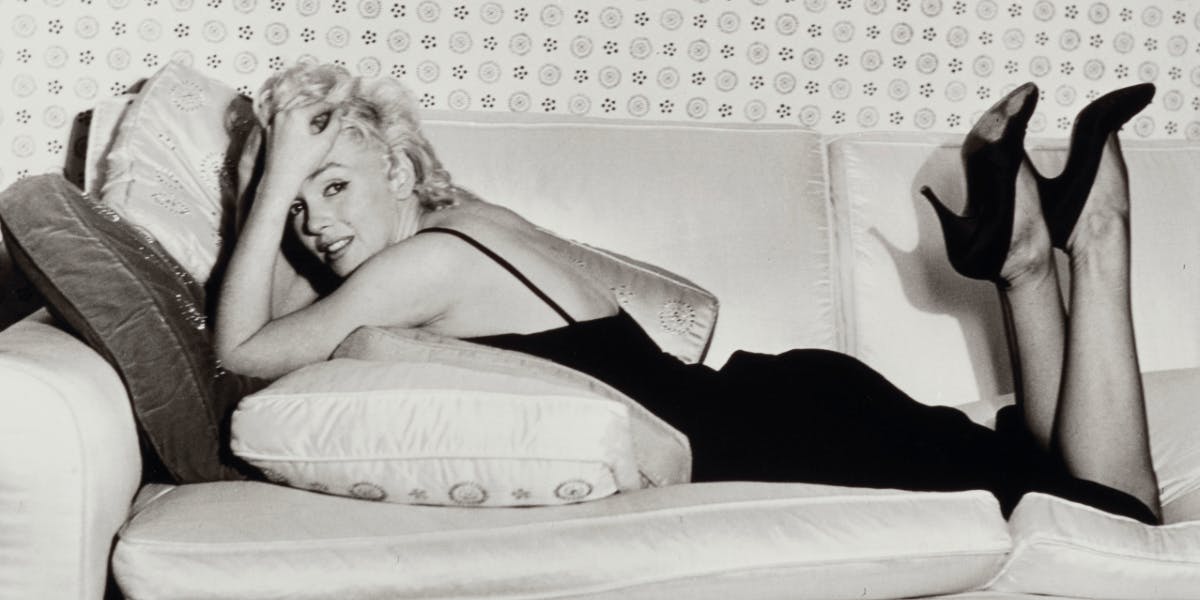
The concept of a 'sex symbol', coined sometime between the 1910s and 1920s, gained much more prominence in general culture during the 50s and 60s and was closely linked to the thriving film industry and Hollywood. With the promise of a simpler existence – without war and misery – a new generation of young people became attracted to cinemas around the world in which to see exciting dramas and beautiful faces, and the changing sexual and socials of the period helped popularize and reinterpret the concept for new audiences.
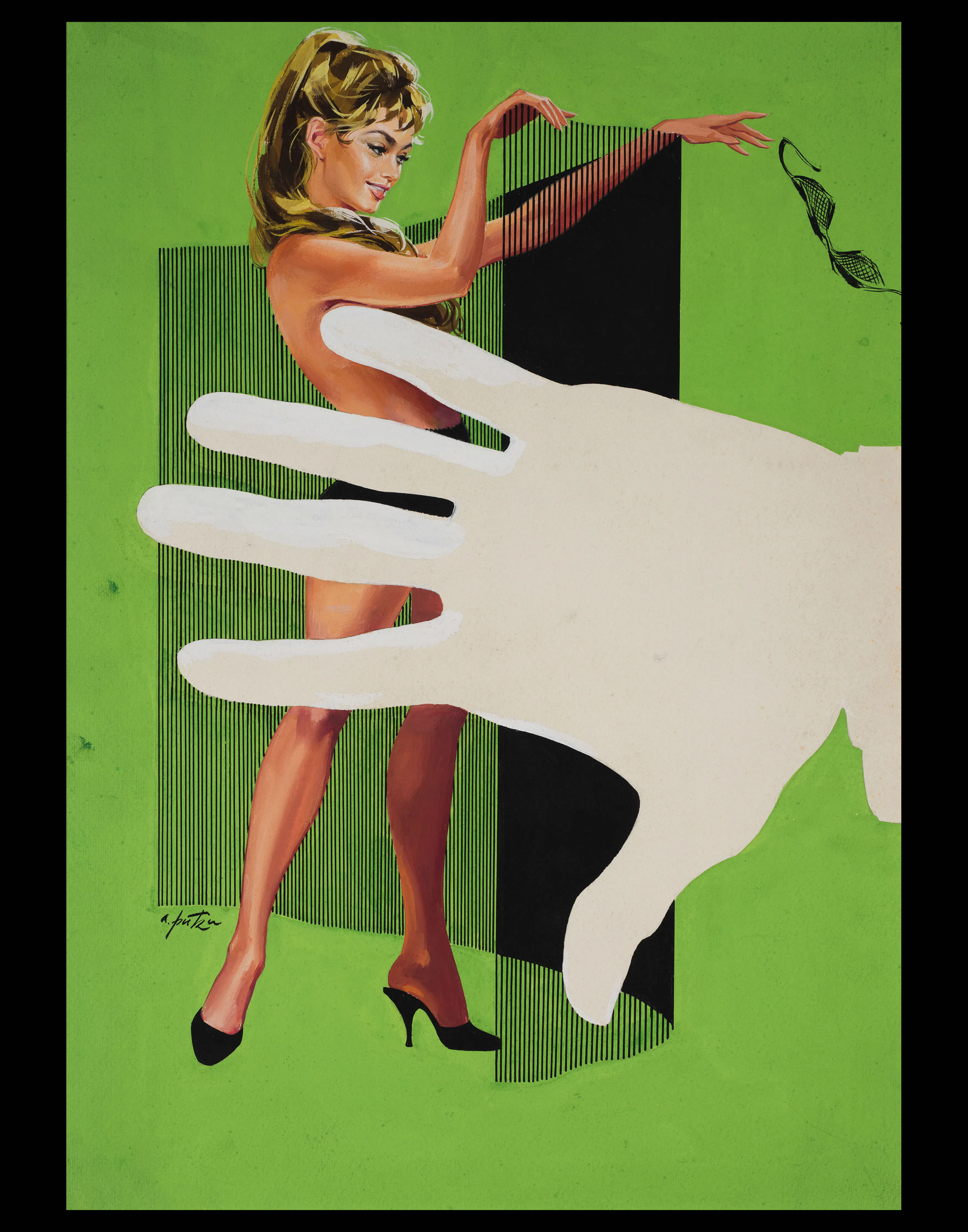
Throughout the ages, both women and men have been called sex symbols – those with beauty, charisma and, of course, sex appeal. However, the label could be both a blessing and a curse – despite the wealth and exaltation it might entail, it often obscured and even exacerbated personal issues such as tumultuous relationships and mental illnesses.
Here are some of Hollywood's most iconic sex symbols:
Marilyn Monroe
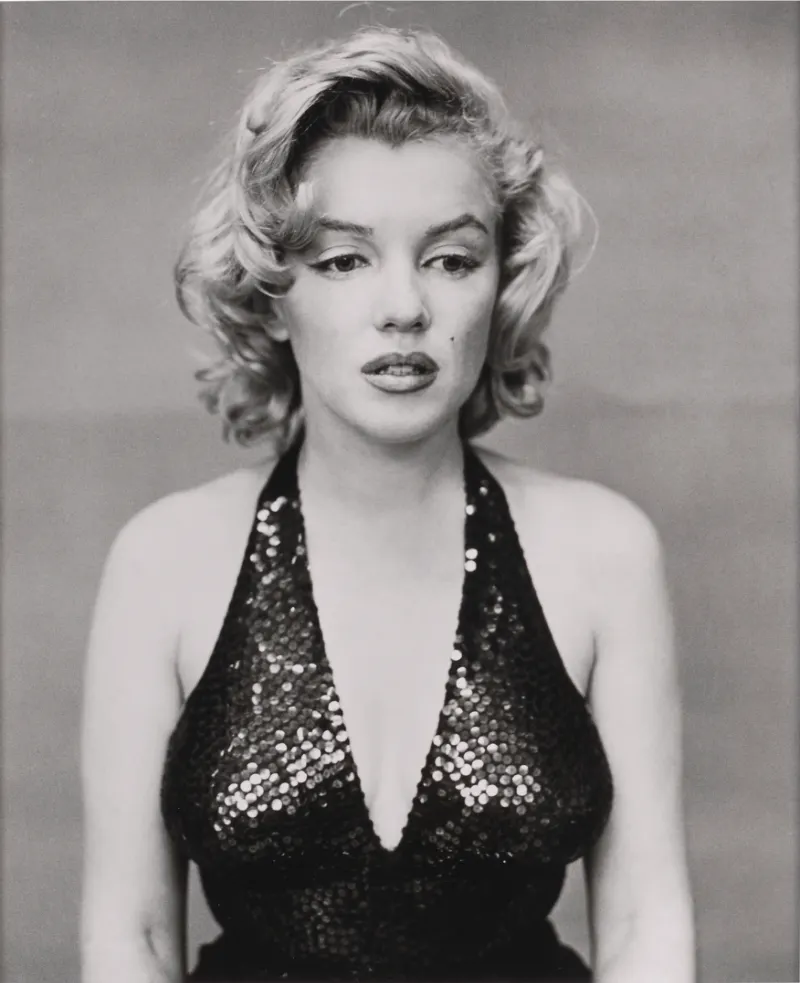
Marilyn Monroe was born Norma Jeane Mortenson, later Baker, in Los Angeles in 1926 and remains one of the world's most famous women in the world to this day. Scouted during WWII while working in a factory, Monroe started out as a pin-up model before transitioning to film, though it took until the early 50s for her to become an established star with hits such as Gentlemen Prefer Blondes and Some Like It Hot. A cultural icon in the 50s and 60s, her high-profile relationships and tragic, murky death helped to solidify her blockbuster, almost mythical status long after her death, along with the constant use of her image by artists and advertisers.
Related: Marilyn Monroe and the Camera: A Love Story
For many, she is first to come to mind as a ‘sex symbol’, the blonde bombshell that charmed millions through the screen, exacerbated by the fact that she was often typecasted into roles that reflected her 'sex appeal', which she resented. In recent times, reconsiderations of the objectification and mistreatment she faced during her life and after her death have complicated the mainstream understanding of the actress, allowing for a more complex and nuanced perspective on her life and career.
Brigitte Bardot
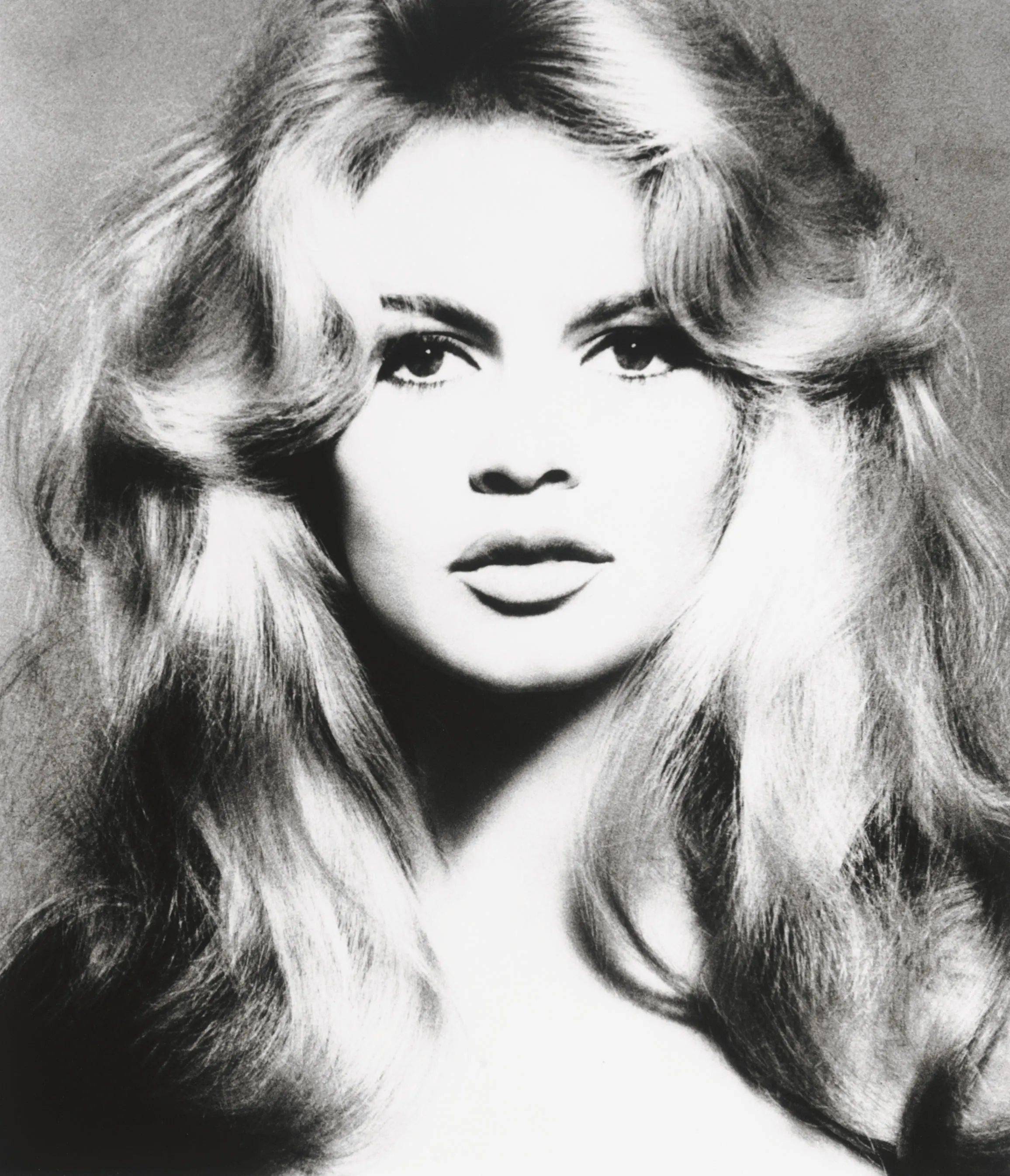
Brigitte Bardot, at one point an aspiring ballerina, had her breakthrough role as the protagonist in the film And God Created Woman (1956). The success was immediate and her character's overtly sexual and seductive nature immediately positioned Bardot as a 'sex symbol' in the real world as well. Her husband, Roger Vadim, was a director and strongly contributed to Bardot's status by providing her with roles where she was portrayed as the ultimate desirable woman.
Related: Why is Erotica Still a Touchy Subject in the Art World?
Famous feminist writer Simone de Beauvoir used Bardot as the subject of her 1959 essay 'Brigitte Bardot and the Lolita Syndrome' and positioned her as the face of independent female sexuality, further solidifying her iconic status. In the 1960s, after she divorced Vadim, Bardot began to take more serious film roles where her acting talent and hard work became clear, allowing her to break away somewhat from the sex symbol framing that had defined her career.
Elizabeth Taylor
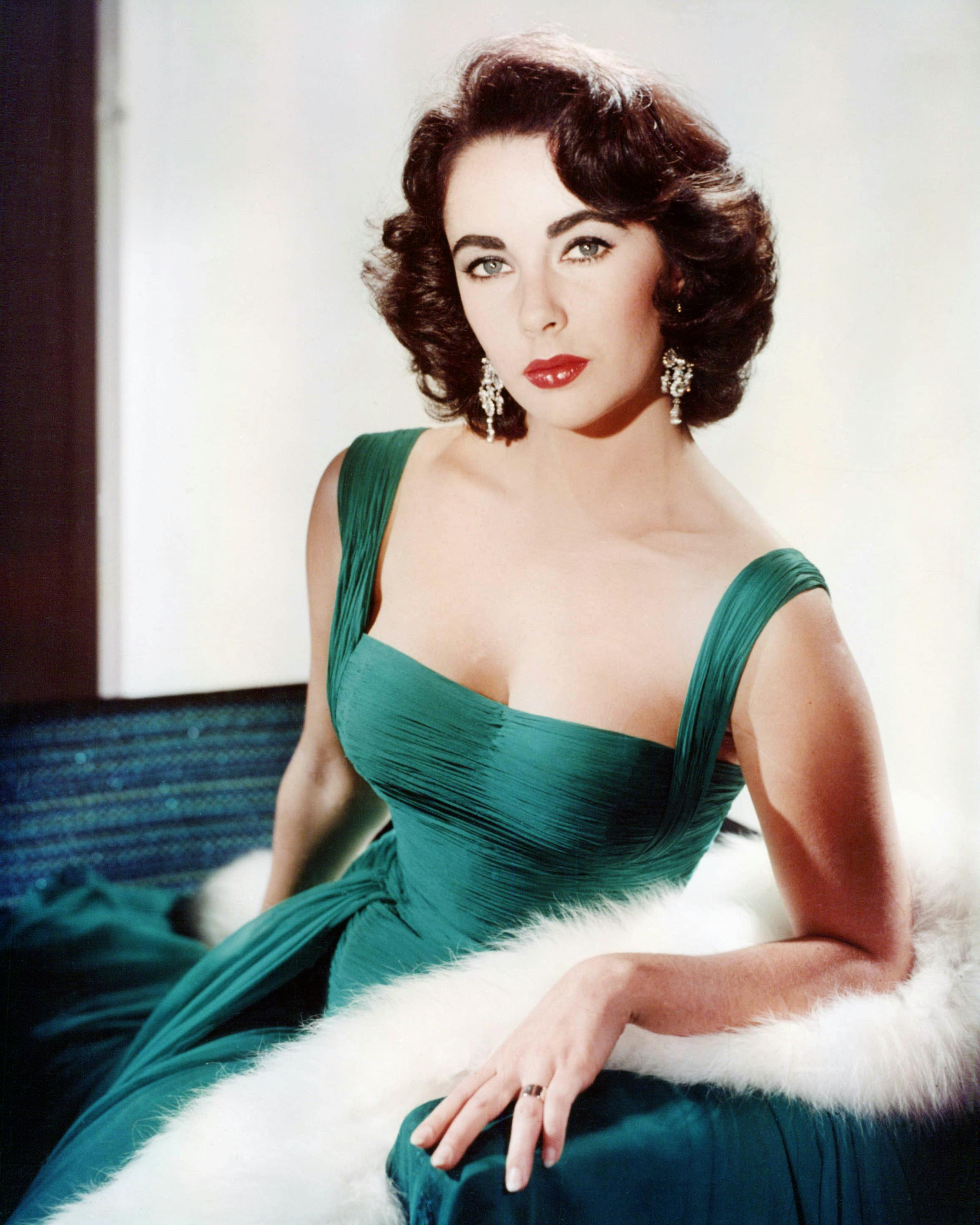
Actress Elizabeth Taylor was born in 1932 in London, but moved to Los Angeles as a seven-year-old. Even as a child Taylor was recognized for her charm and debuted as a film star in 1942. In time, she would become one of the world's most famous actresses – as well as one of the most well-paid. Her magnetic charisma and beauty were unmissable, but it was her performance as Maggie the Cat in the 1958 film adaptation of Tennessee Williams' Cat on a Hot Tin Roof that solidified her 'sex symbol' status, as well as her Oscar-winning role as a call girl in Butterfield 8. Her real-life romantic affairs, such as her 'stealing' Eddie Fisher from his wife, fellow star Debbie Reynolds, the year after Cat on a Hot Tin Roof premiered, and her eventual total of eight marriages only added to this status in the public imagination.
Related: History's Most Famous Engagement Rings
Unlike the previous women in this list, however, Taylor's legacy is viewed more through the lens of her many roles, awards, and husbands, rather than as a sex symbol.
Sophia Loren
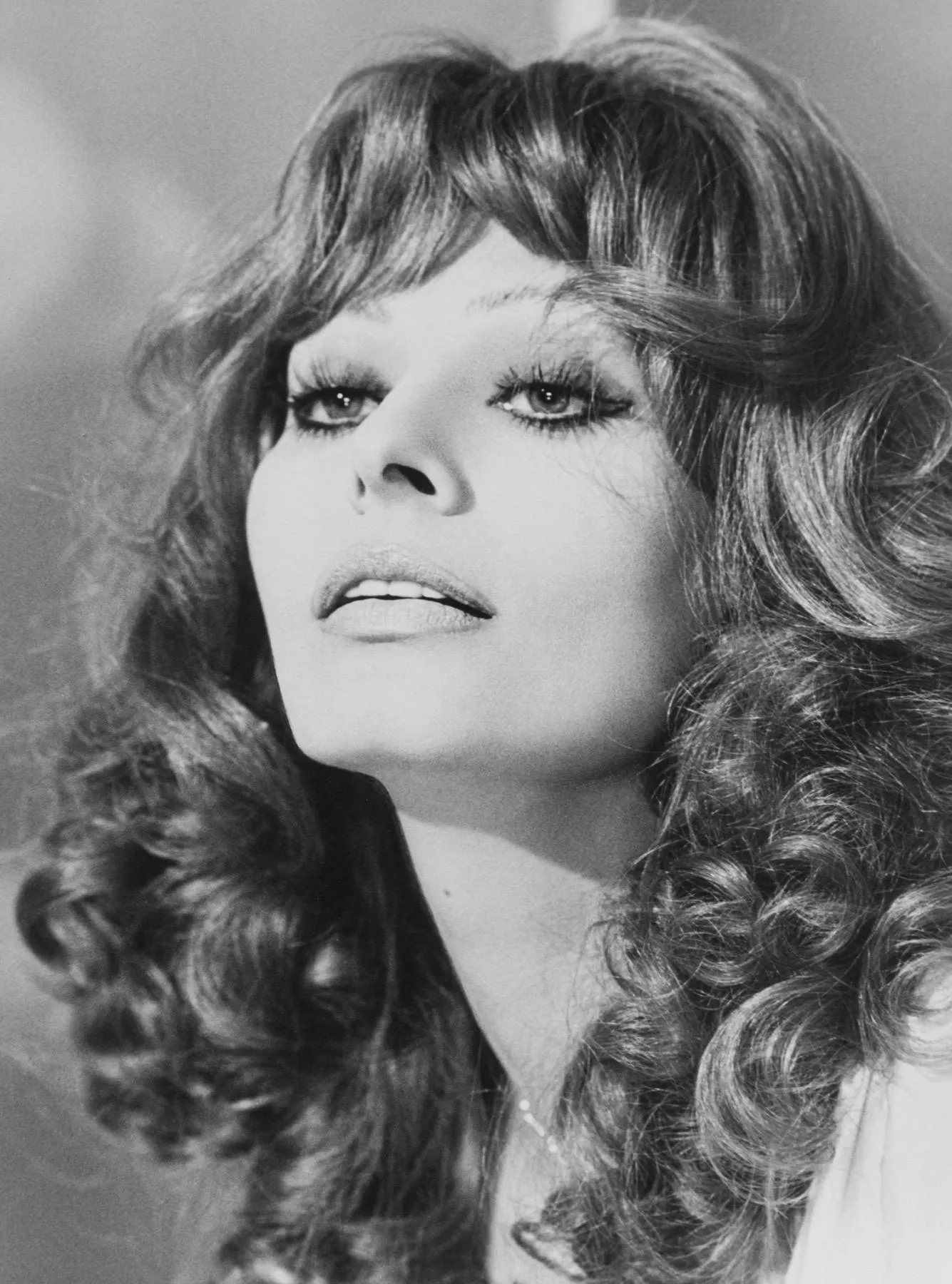
Sophia Loren was born in 1934 and grew up in poor conditions in Rome with her single mother. She was discovered young, at 14 years, by her future husband, the 37-year-old film producer Carlo Ponti, and started her career as a contestant in the Miss Italia beauty pageant, for which she won the title of Miss Elegance 1950, before getting into acting. She broke through in 1954 with the film The River Girl, and reached international fame after signing with Paramount Pictures and in 1961 she received an Oscar for her work in The Two Women. Her tumultuous romantic life, including barely escaping a charge of bigamy after marrying Ponti due to him not divorcing his first wife, as well as an affair with fellow star Cary Grant, only added to her fame and status as a 'sex symbol'. Loren, one of the last surviving icons from the Golden Age of Hollywood, broke barriers for foreign-language and Italian stars in America and was also awarded an honorary Oscar in 1991.
Want more articles like this delivered straight to your inbox? Subscribe to our free newsletter!
Audrey Hepburn
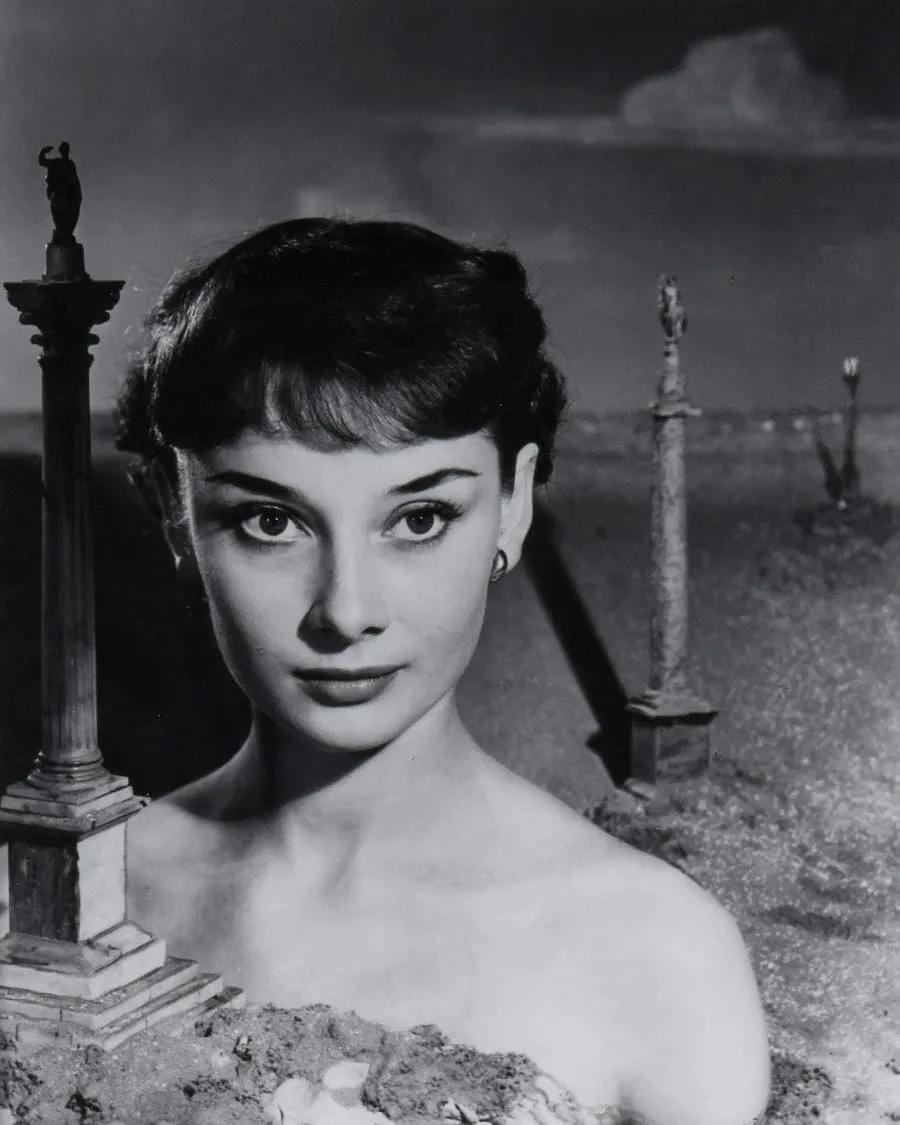
Born in 1929 in Belgium, the daughter of a Baroness, Audrey Hepburn studied ballet and performed as a chorus girl on the West End before achieving fame through her breakthrough role in 1953's Roman Holiday, which she beat out Elizabeth Taylor for, and received an Oscar, Golden Globe, and a BAFTA for her performance. Her best-known films today are Breakfast at Tiffany's and My Fair Lady, both of which continue to be used as aesthetic inspiration by actresses, designers, and the general public.
Related: 3 Iconic Women and the Jewelry They Made Famous
Although Audrey Hepburn is often portrayed as Marilyn Monroe's antithesis, the two actresses have achieved the same pervasive, iconic status, forever altering the history of cinema, fashion, and popular culture. While the two women were unfortunately often pitted against each other, with Hepburn's more classic, intellectual style elevated over Monroe's perceived tackiness and lack of intelligence, in more recent times more respectful and accurate understandings of both actresses' careers and lives have allowed for an appreciation of both on their own merits, rather than uplifting one at the expense of the other.
Find more articles in Barnebys Magazine
This is an updated version of an article originally published on February 2019.