Just in time for the holidays—and all the more welcome for it—Catawiki, the online auction house, is hosting its final No Reserve Day of 2024. This popular event once again features a wide array of exciting items available with no minimum starting prices. From art and handicrafts to jewelry, watches, vehicles, and diverse collectibles, you have until December 16th or 17th to snag a real bargain!
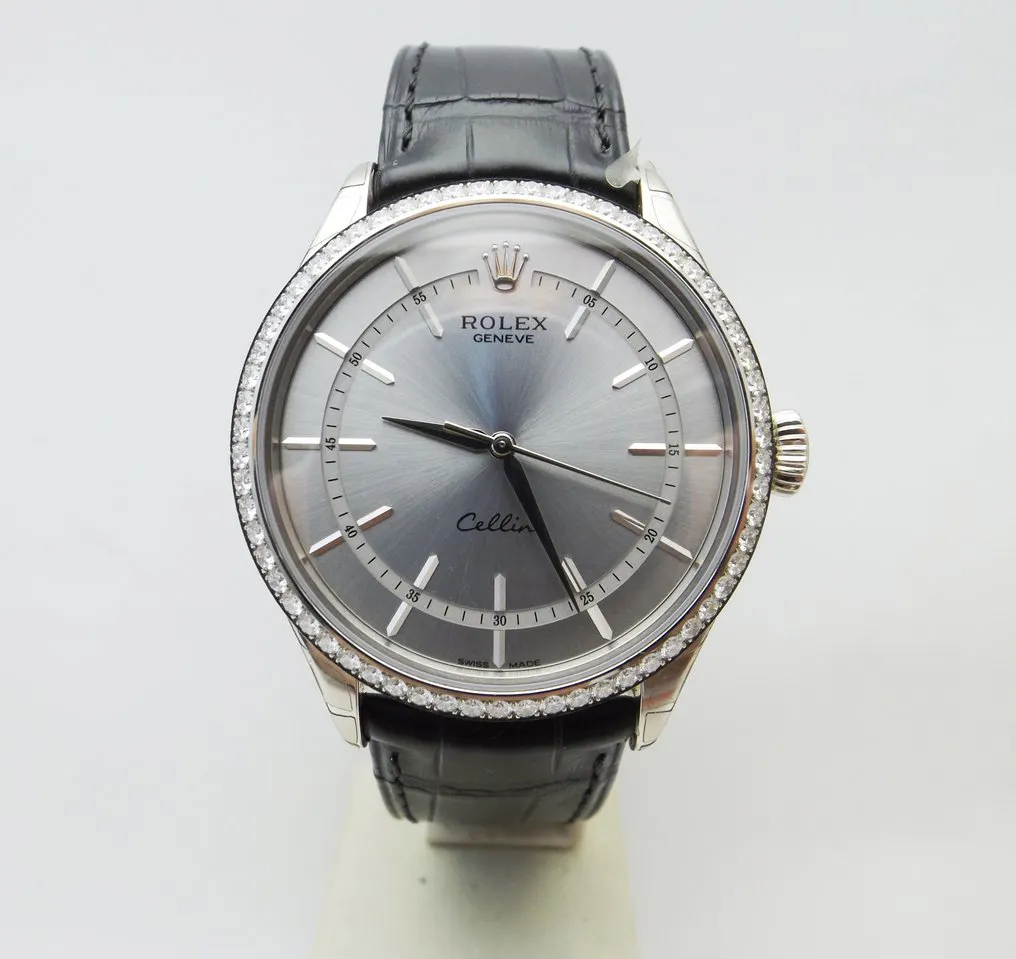
Describing the Rolex Cellini is no easy task. Known for its innovative watches with specialized features designed to assist divers, pilots, and researchers, Rolex introduced the Cellini line in 1968, named after the Italian sculptor and goldsmith Benvenuto Cellini. This collection was a departure, focusing on aesthetics rather than functionality, making these elegant dress watches sophisticated yet understated companions. Their diverse designs defy a single description. The featured Cellini Time White Gold Diamond, however, boasts a white gold case housing a silver rhodium-plated dial and an automatic movement.
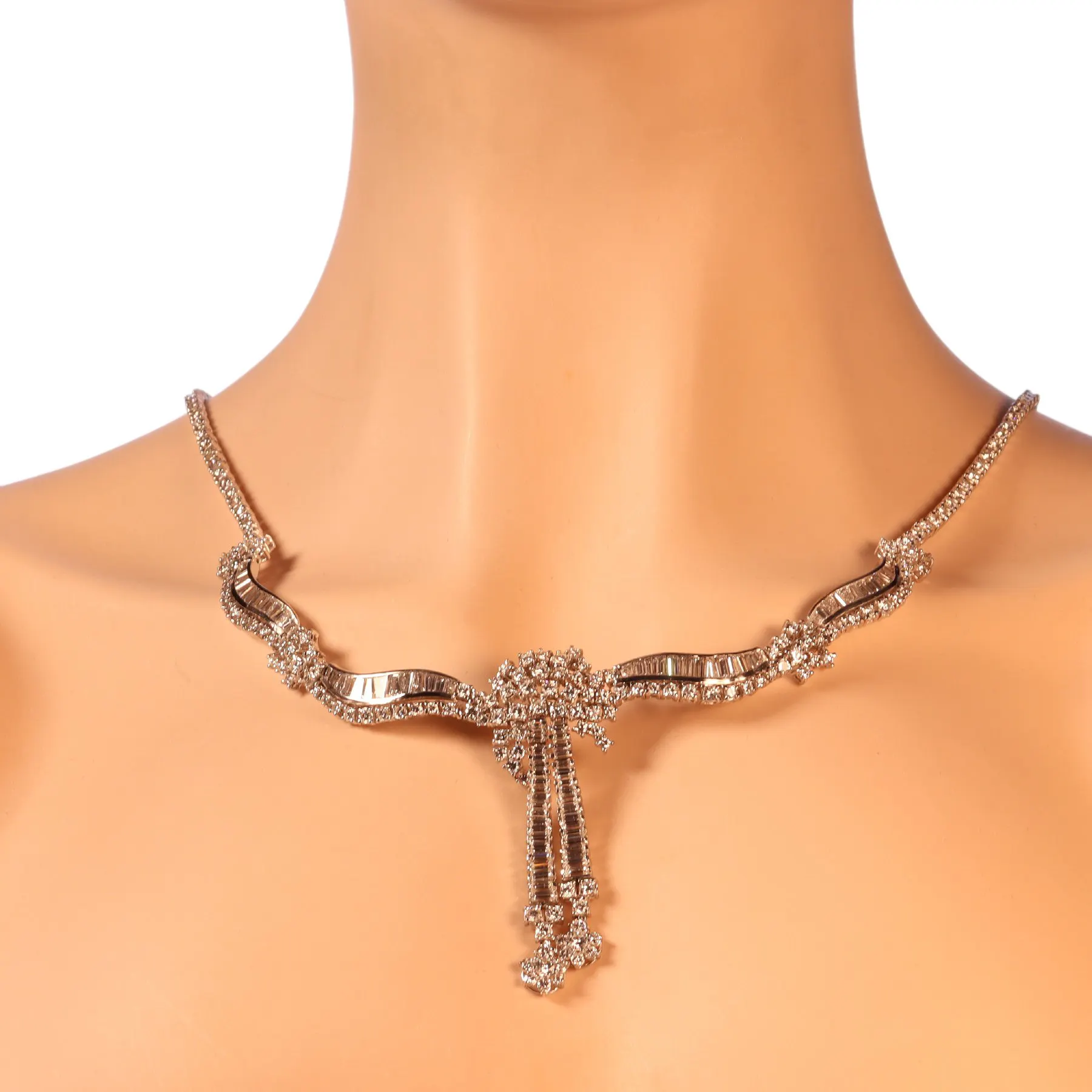
While the Rolex Cellini impresses with its combination of white gold and diamonds, this magnificent vintage necklace showcases platinum adorned with diamonds. Created in the 1970s, it features 312 diamonds weighing a total of approximately 27.14 carats. Of these, 17.88 carats come from 223 brilliant-cut diamonds, and 9.26 carats are from 89 baguette-cut stones.
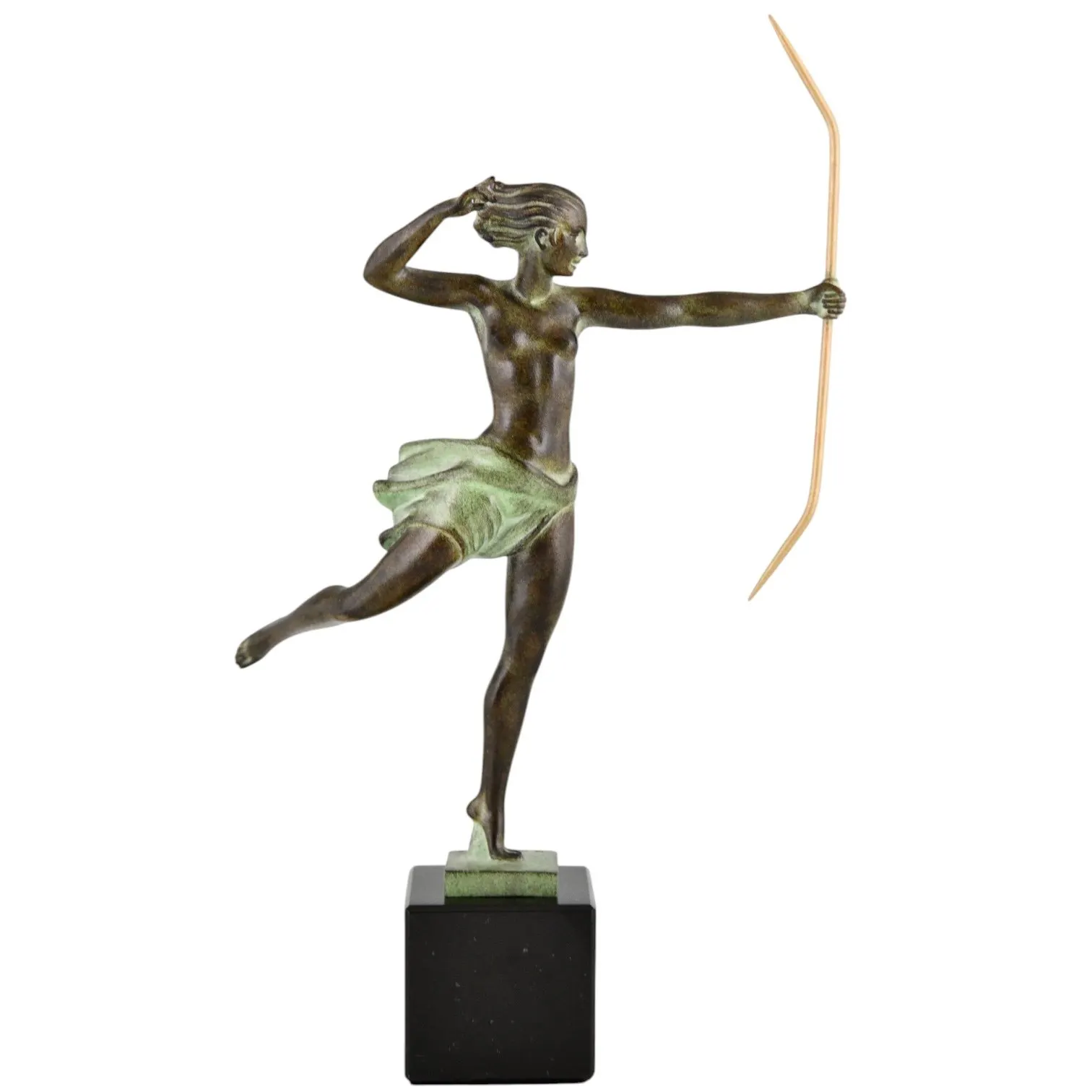
A career in art seemed predestined for Max Le Verrier, born in 1891 as the son of a jeweler and goldsmith. However, much to Max’s dismay, his father envisioned him in agriculture. During World War I, Le Verrier served as a pilot and discovered his passion for sculpture while in a prisoner-of-war camp in Münster, Westphalia. After studying at the École des Beaux-Arts in Geneva, he returned to Paris and founded his own small foundry, creating sculptures and decorative objects in the Art Deco style and casting works by other artists. This bronze sculpture of an Amazon with a bow bears the signature of Jean Demarco and, of course, the mark “Le Verrier PARIS.”
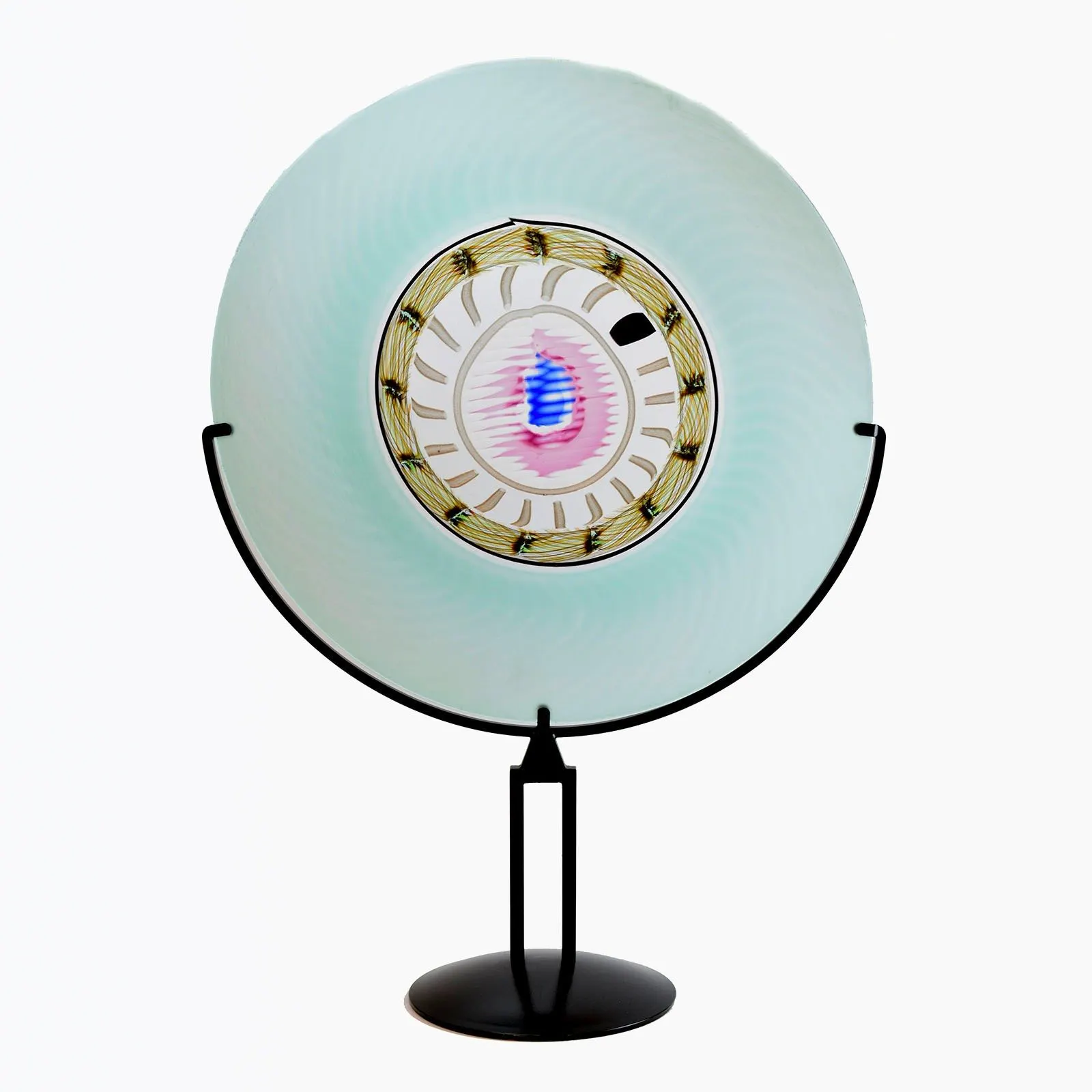
Afro Celotto’s name is inherently linked to the famous island of Murano due to his profession, yet he was born in 1963 on the lesser-known Venetian island of Burano, known for its colorful houses and fishing community. He entered the world of glass art at the young age of 14, becoming an assistant to glass artist Lino Tagliapietra at Effetre International. After 12 years, Celotto became the head craftsman at La Murrina but later returned to Effetre International in the same role after Tagliapietra’s departure. In 2000, he founded his own studio. Celotto’s work is distinguished by his mastery of traditional techniques such as filigrana and murrine, combined with vibrant colors likely inspired by his childhood among Burano’s colorful homes.
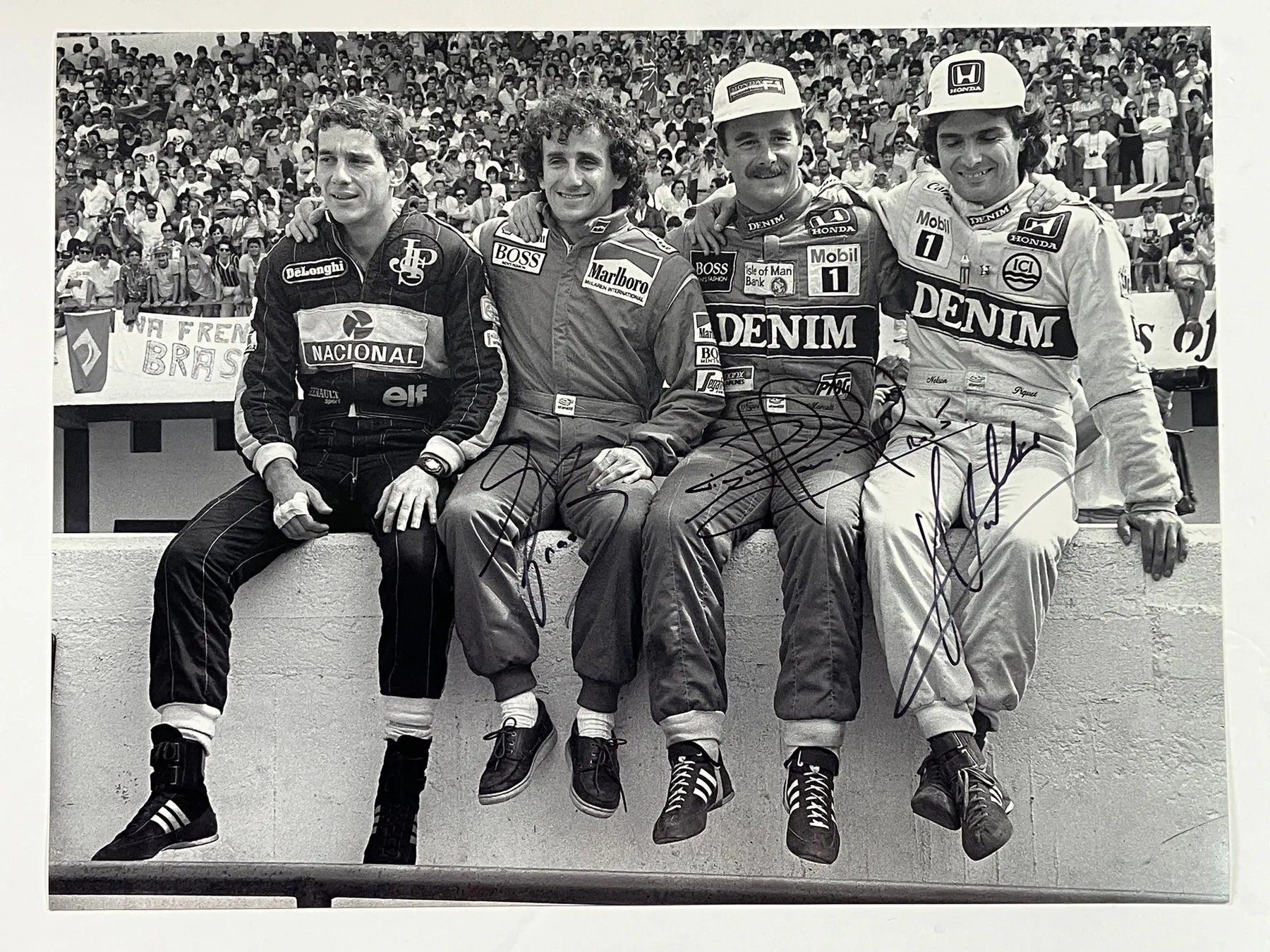
This iconic photograph, taken on September 21, 1986, by renowned Formula 1 photographer Steven Tee, captures four world champions who dominated motorsport at the time: Ayrton Senna, champion in 1988, 1990, and 1991; Alain Prost in 1985, 1986, 1989, and 1993; Nigel Mansell in 1992; and Nelson Piquet in 1981, 1983, and 1987. The photo, arranged at the initiative of Bernie Ecclestone, was taken during the Portuguese Grand Prix. Mansell, Prost, and Piquet finished in the top three at the race, and the black-and-white print bears their signatures.
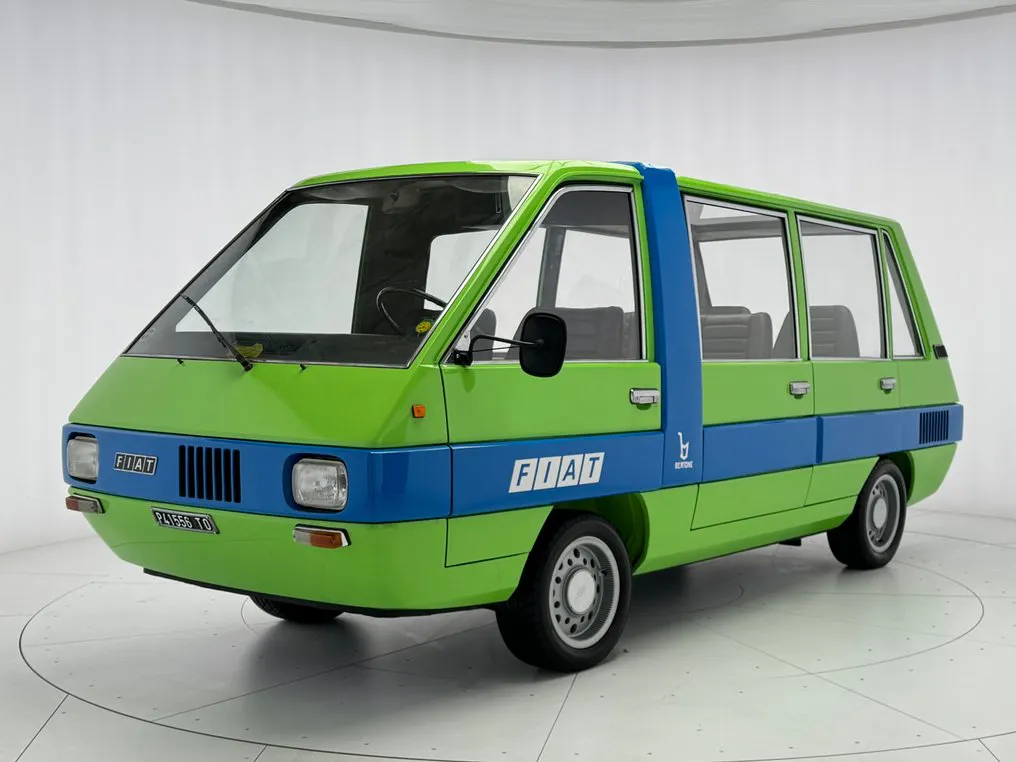
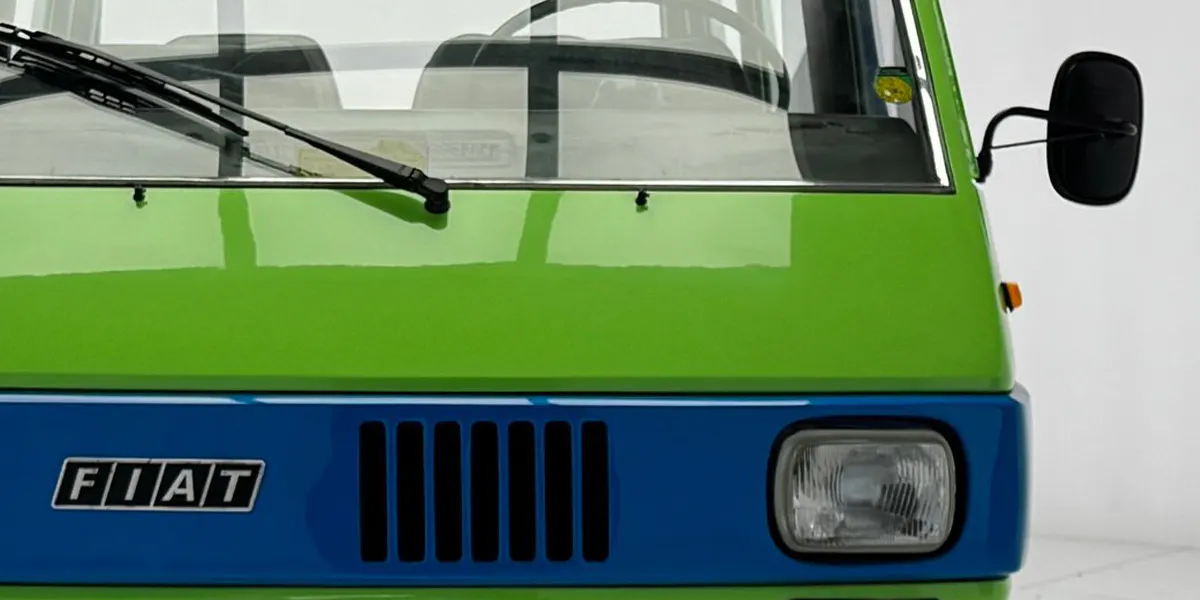
Designed for far less thrilling purposes, this vehicle was created to transport visitors comfortably and with a good view through Fiat’s factories rather than racing tracks. Designed by Marcello Gandini for the coachbuilder Bertone, this minibus, based on the Fiat 850 T’s mechanics, was presented at the Turin Industrial Vehicle Show in 1975. Only six examples are known to exist.
Bids for the lots in the No Reserve Day auction can be placed online until December 16th or 17th.