
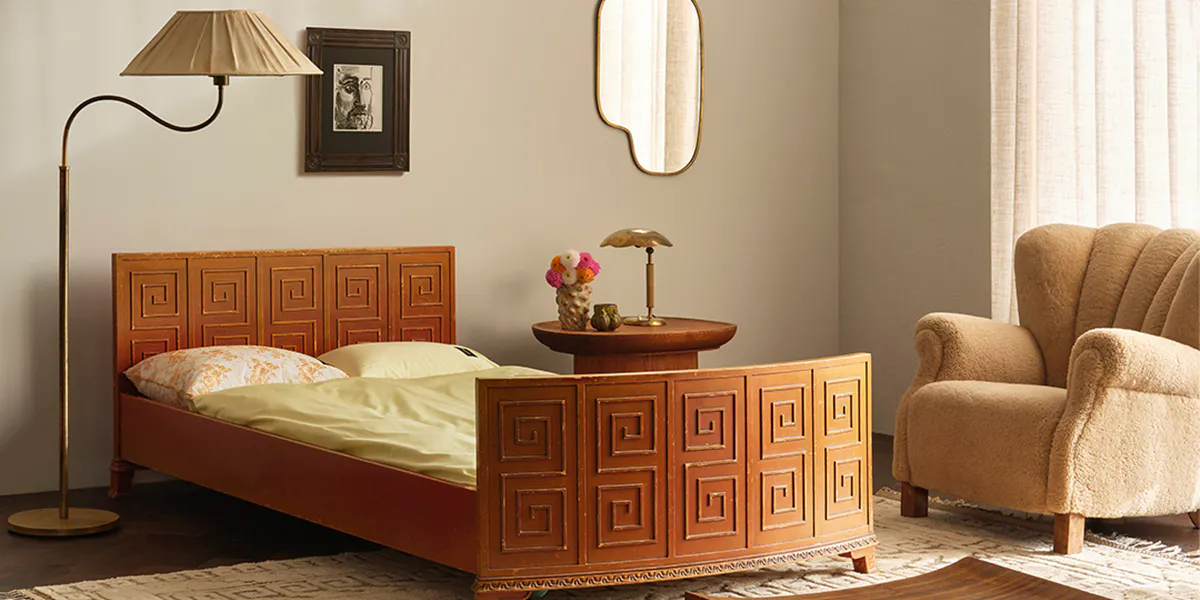
The early 20th century constituted a golden age in Swedish art and design history. Several masterpieces from the period can now be found at Bukowski's Modern Art + Design auction, which will take place from November 16-17. In the design section, highlights include a curated collection of lighting from Arvid Böhlmark's Lampfabrik and rare Swedish pewter objects by Estrid Ericson and Josef Frank. Modernist pioneers such as Isaac Grünewald, Gösta Adrian-Nilsson and Bernard Buffet are all represented in the catalogue.
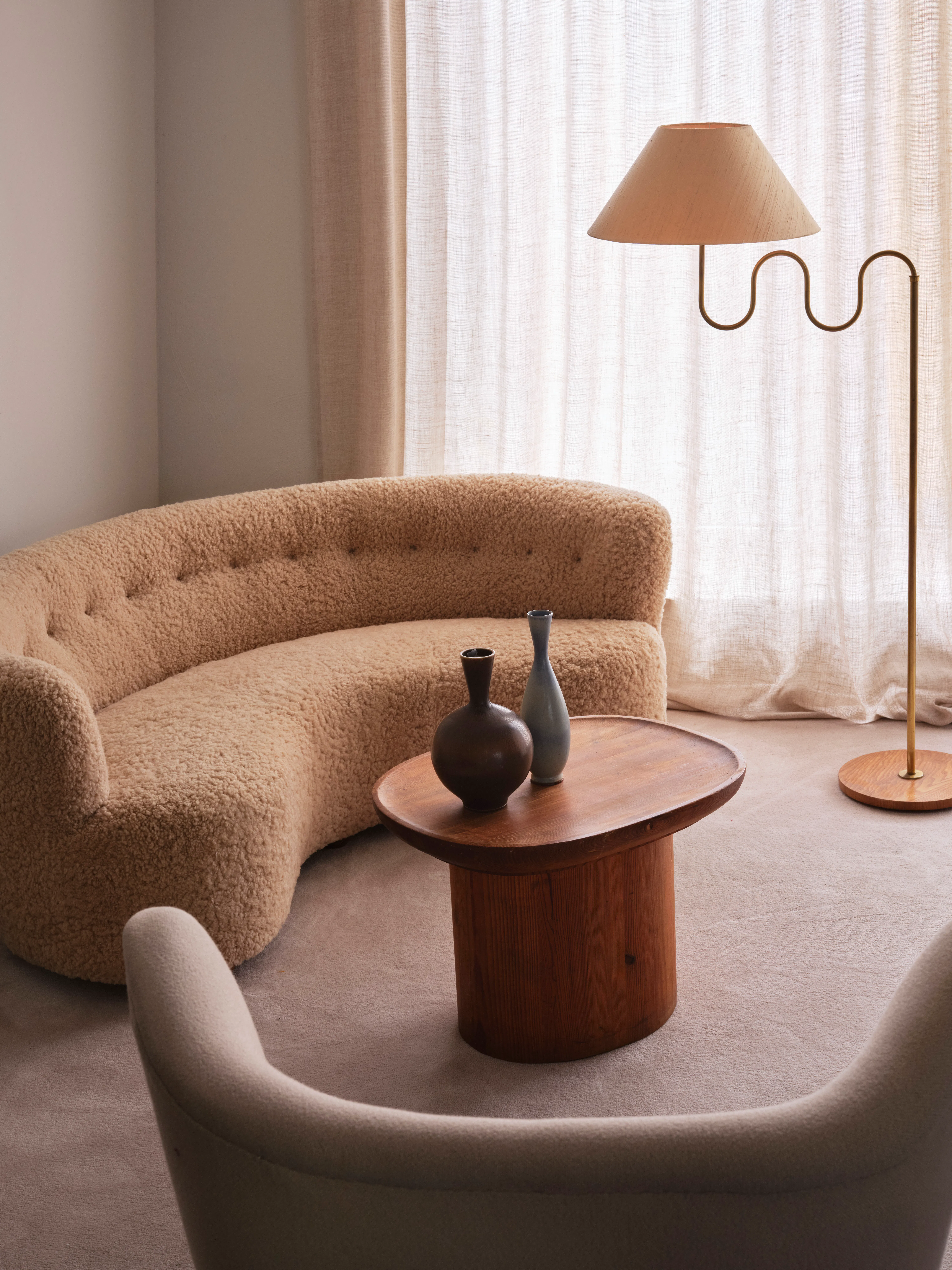
After studying sculpture and interior architecture at Konstfack, Harald Notini was employed as artistic director for Arvid Böhlmark's Lampfabrik. The company, which was founded at the end of the 19th century, grew rapidly with the increasing demand for electric lighting and was one of Scandinavia's leading luminaire manufacturers, both in terms of design and technology. This sleek brass floor lamp dates from the 1940s and is a clear example of Notini's modern elegance.
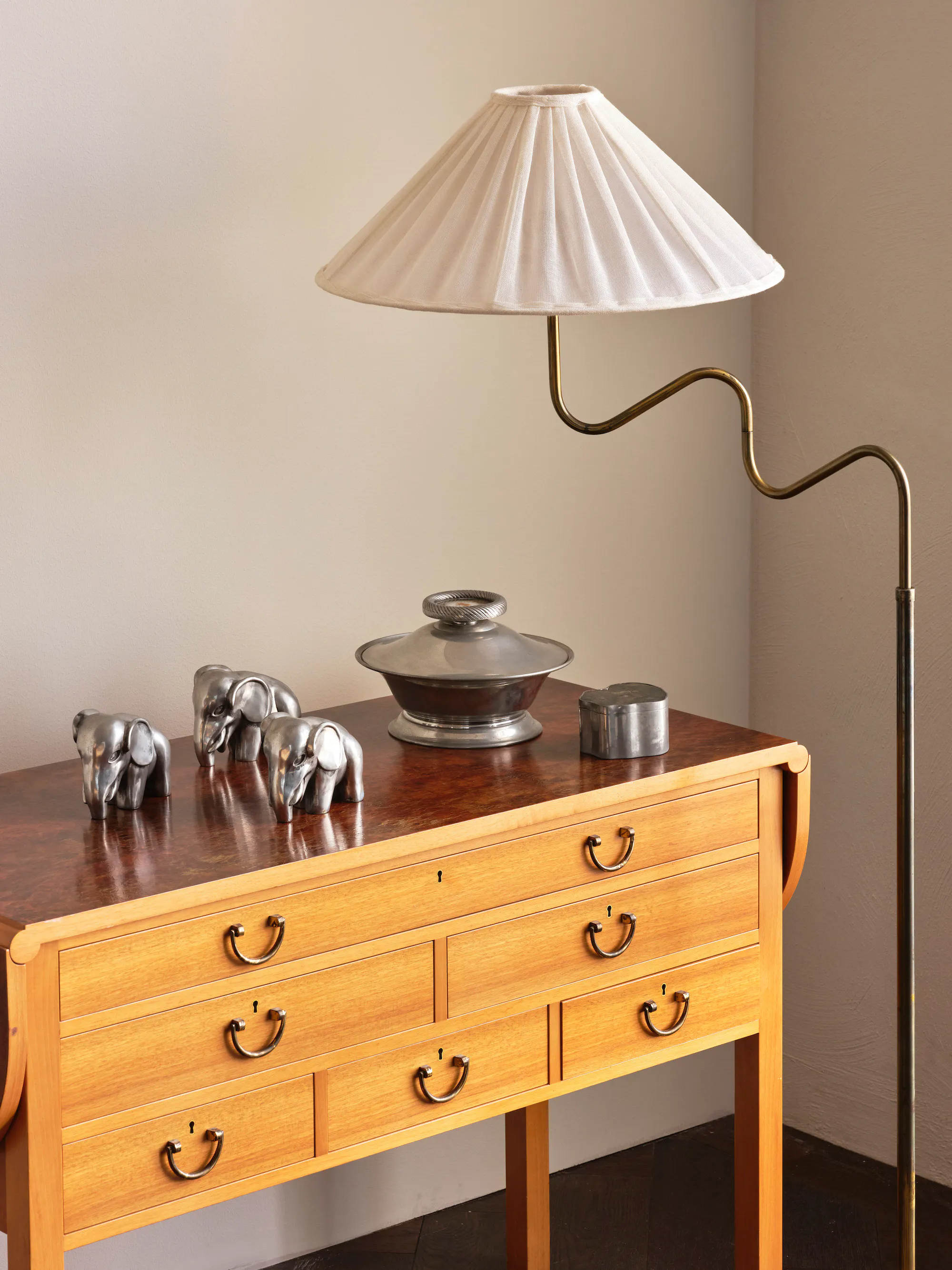
In 1924, Estrid Ericson founded the company Svenskt Tenn, which initially produced innovative and imaginative pewter objects. However, they expanded their offerings and in 1927 opened their design store on Strandvägen where it is still located today. One of the first designers who worked for Svenskt Tenn was Björn Trägårdh. He created everything from pewter objects to fixtures and furniture. Among other things, he designed the three elephants featured in this auction. These three pieces belonged to Estrid Ericson's friend Hildur Hansson (1912-1999), who was one of the firm's earliest customers and remained a faithful collector of Svenskt Tenn objects throughout her life.
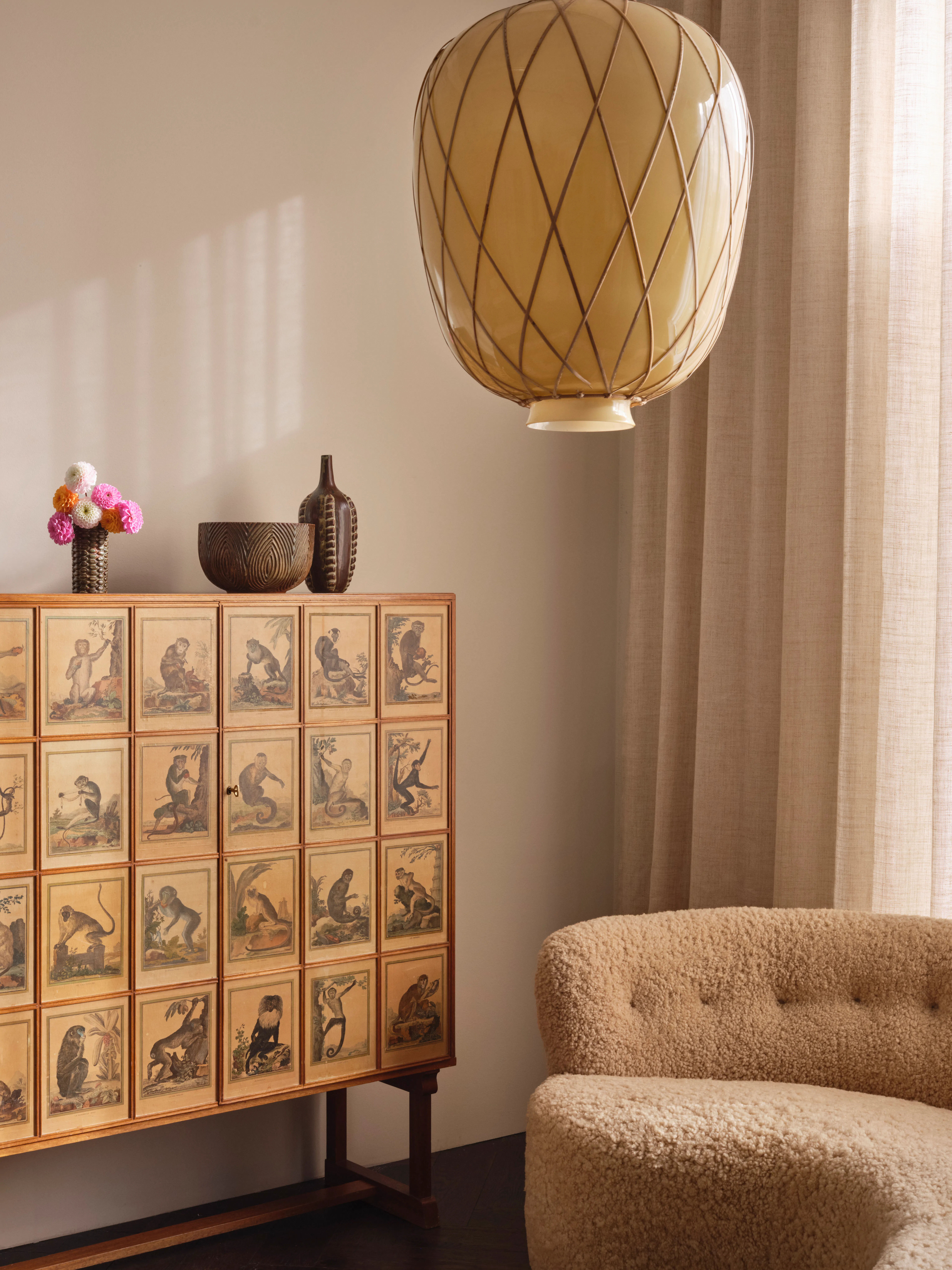
In 1934, Josef Frank took a job with Estrid Ericson at Svenskt Tenn, which became the start of one of the most iconic partnerships in Swedish design history. Frank grew up in Vienna and studied architecture at the Kunstgewerbeschule. During the 1920s, he ran the interior design firm Haus und Garten, but, as he came from a Jewish family, was forced to flee Austria when the Nazis took power. Although strongly influenced by the ideas of the Bauhaus school, he opposed the international modernist craze for mass production and streamlined furniture. Frank and Ericson both shared the vision of creating modern interiors with a more personal and cosy touch.
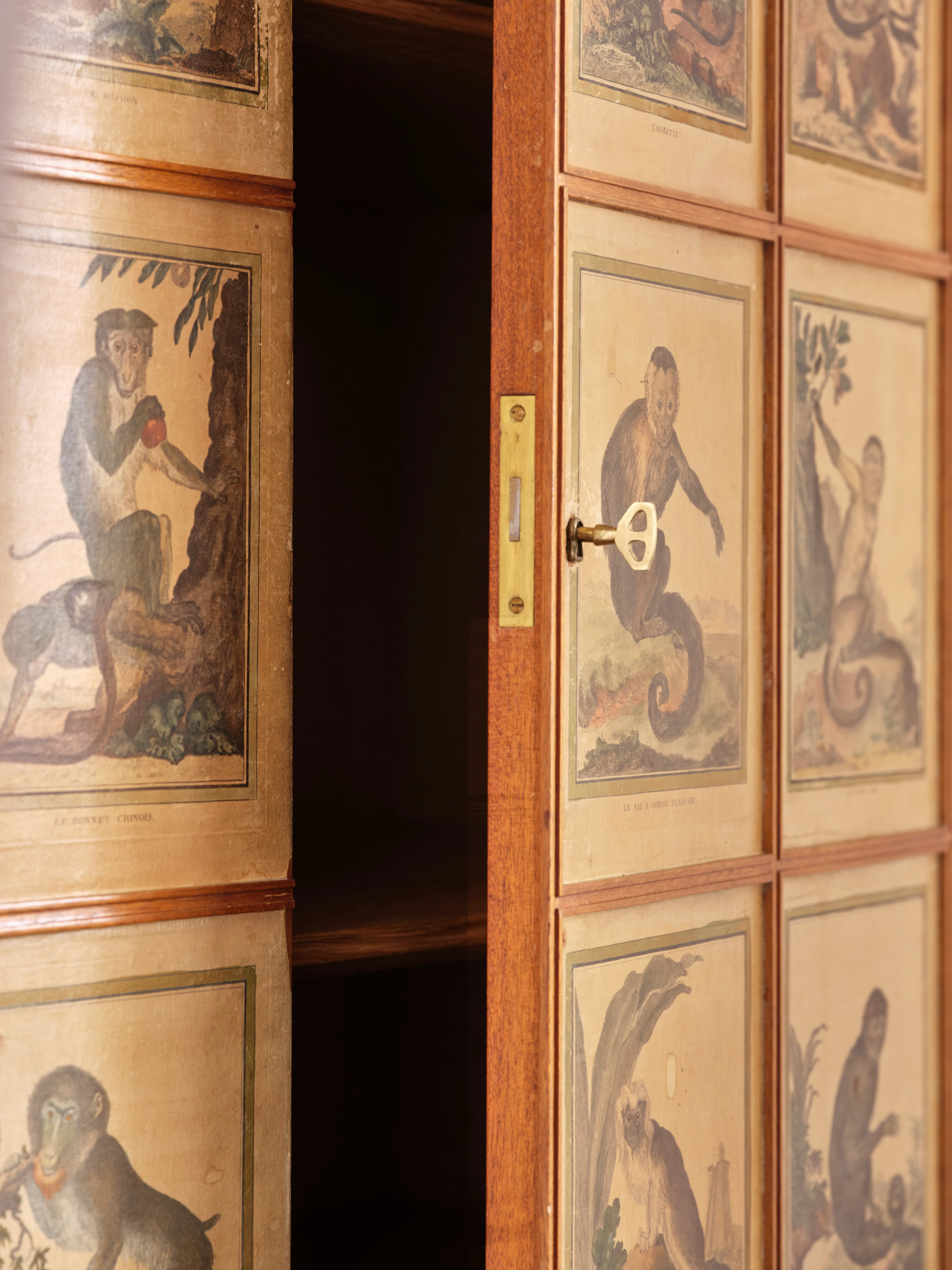
The collaboration was a success and Frank came to create the distinctive aesthetic line for which Svenskt Tenn is still known today. During his long career, he also designed special orders such as this so-called Ape Cabinet. The cabinet is made of mahogany and decorated with 40 hand-colored engravings from Comte de Buffon's (1749-1804) Enlightenment classic Histoire naturelle. It belonged to businessman Axel Wenner-Gren's family and was purchased in the 1940s for the newly married couple's first home.
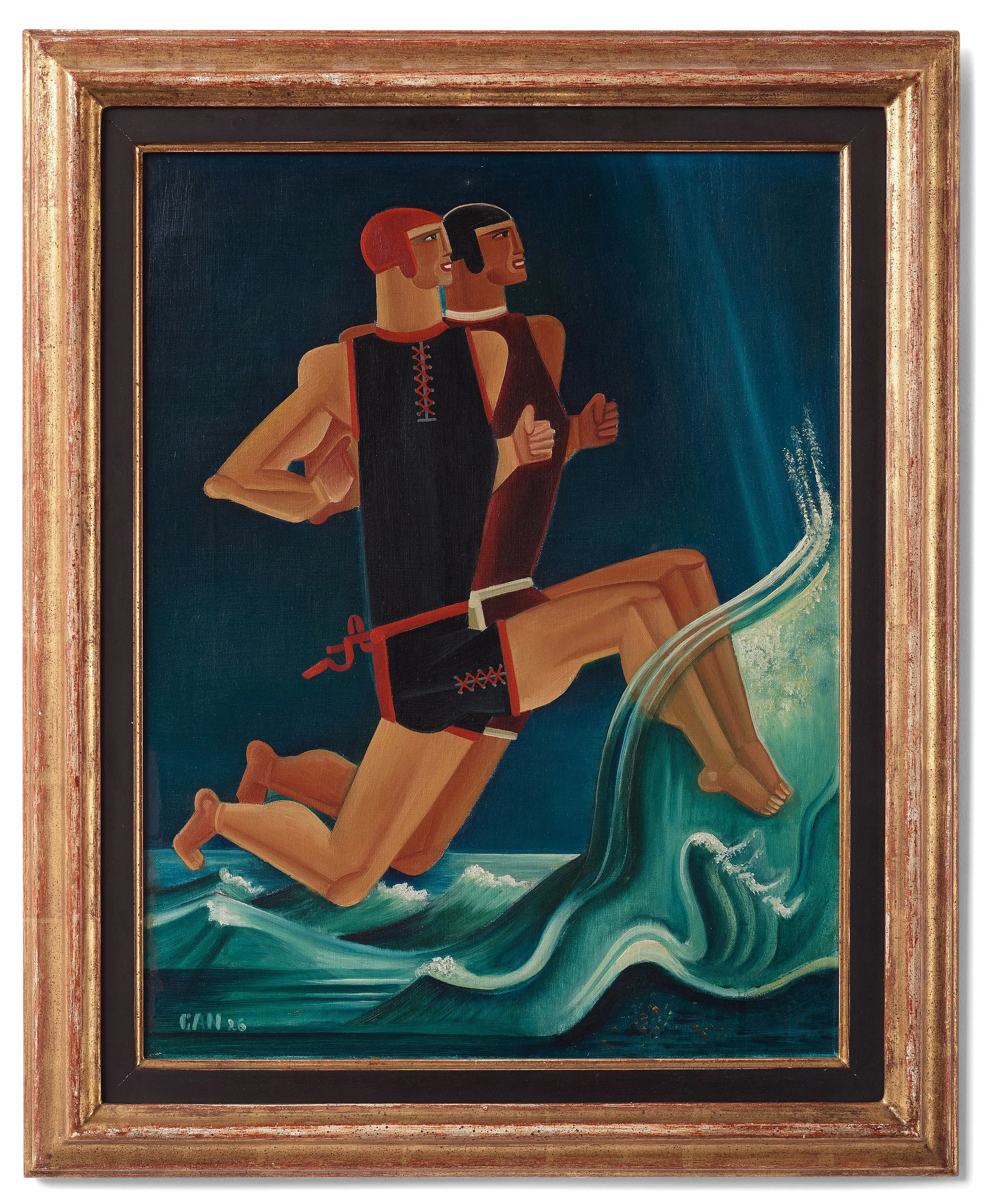
The artist Gösta Adrian-Nilsson (GAN) fully embraced the wave of progress that swept across Europe during the beginning of the 20th century. After studying art in Copenhagen he wandered around Europe to take part in the latest currents of ideas. From an early age, GAN was fascinated by the world of sports, which at the time was a new phenomenon. Competing in physical trials embodied the era's spirit of forward thinking and vitality. In 1924 he visited the Olympic Games in Paris, and the swimmers he saw there are believed to be the inspiration for Bather (Summer Evening). And GAN was not only captivated by the athletes' achievements, but also by their beauty. These sports motifs gave him a way to express homoerotic desire, albeit cleverly disguised.
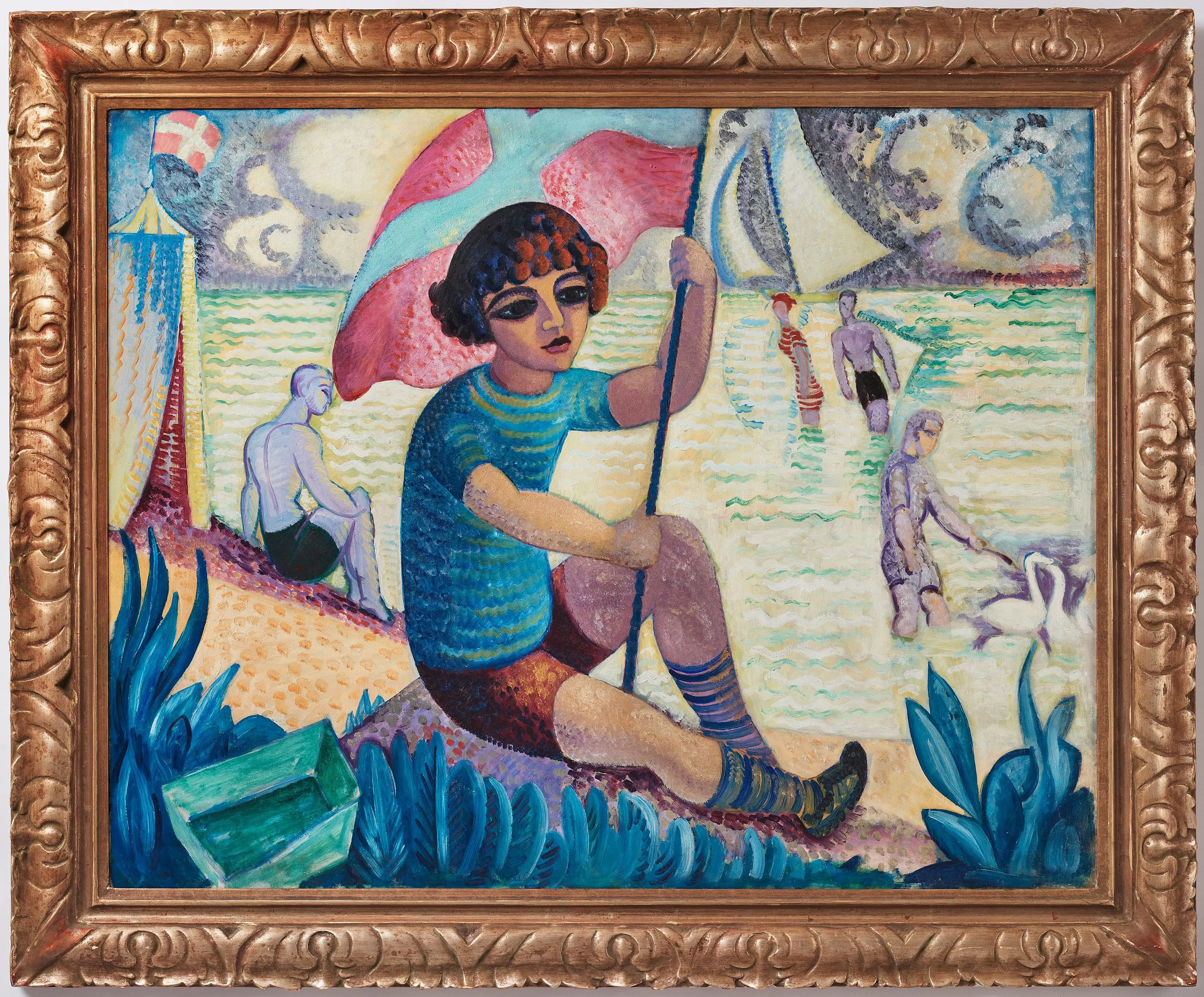
Isaac Grünewald moved to Paris after the turn of the century to study with Henri Matisse, but when World War I broke out he left the French capital for Denmark. Many other Scandinavian artists did the same, and Copenhagen became a creative haven during the war years. In this idyllic scene, Grünewald has depicted his son Iván waving a Danish flag. Grünewald, along with his wife Sigrid Hjerténm, spent the summer of 1917 at the coast, and it was a time of intense creation for both of them. The overall impression is harmonious, almost utopian, with the undulating shapes and pleasant colors. The first time the painting was exhibited was at Liljevalch's art gallery in 1918 and since then it has been shown in several exhibitions, including at Norrköping's museum.
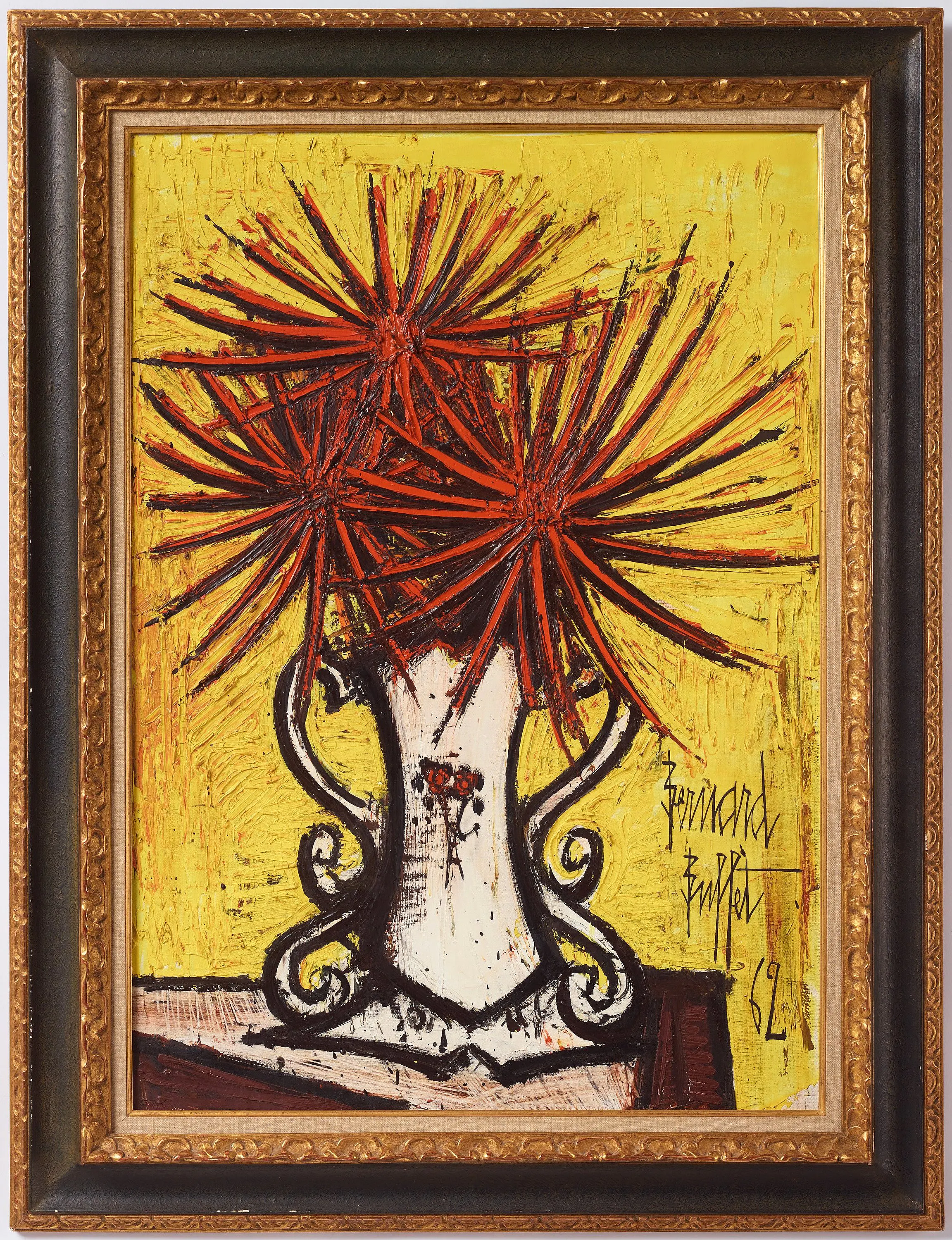
Bernard Buffet was considered an enfant terrible of the French art scene after World War II. His expressive and humorous style, characterized by thick black outlines, was appreciated by the public but condemned by critics. Through his new kind of realism, Buffet sought to free art from bourgeois notions of good taste. He often reinterpreted traditional motifs, as in this painting where he depicted the classic Dutch flower still-life in his own unique style.