Hans Hofmann was born on March 21, 1880 in Bavaria, the second of five children. His family moved when Hans was 6 to Munich when his father got a job with the government. His early interests were actually in math and science, and he started working for the Bavarian government as a teenager in the public works department. At the age of 18, he started taking art lessons with German artist Moritz Heymann, with whom he developed his creative talents.
He met his future wife Miz around this time, as well as Philipp Freudenberg, a wealthy department store owner, who became Hofmann's patron. He paid for Hofmann and Miz to move to Paris in 1901, where the artist studied and met Paris' avant-garde talents like Henri Matisse, Georges Braque and the Delaunays. Some of his first works in Paris were portraits of Miz done in the Pointillist technique, championed by Signac and Seurat.
Related: 8 Artists Inspired by the South of the France
Hofmann lived in Paris with Miz during the seminal years of the early 20th century, describing the city as “a baptism of fire." He became especially close with Robert and Sonia Delaunay, who had pioneered Orphism, an artistic movement that expressed the lyricism of color in artwork and was inspired by the Post Impressionist color palette and the Cubist manipulation of shape.
In the summer of 1913, the Hofmanns went to the French island of Corsica for a study painting trip for Hans, who was suffering from tuberculosis. After Corsica they moved back to a lakeside suburb of Munich to take care of one of Hans' sisters temporarily, but after Russia declared war on Germany in August of 1914, the Hofmanns could not return to their home in Paris and moved into Munich.
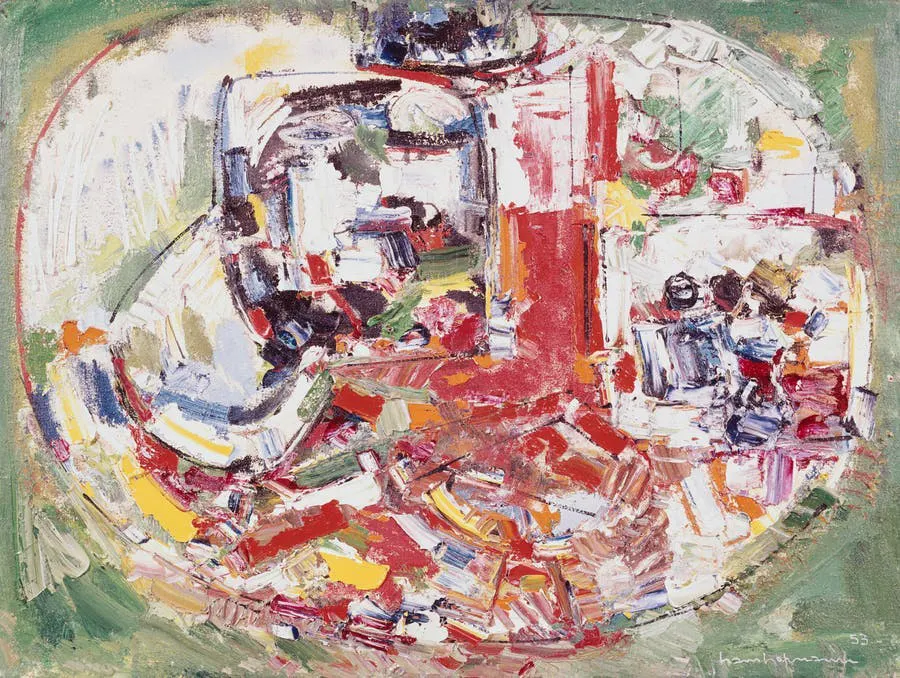
Hofmann then decided to open Schule für Bildende Kunst (School of Fine Art) in Munich in 1915 as he was able to avoid military service because of his poor health. The school has been referred to the first school of modern art in existence. Inspired by the works of Wassily Kandinsky and Paul Cezanne, Hofmann taught the tenets of abstraction, shape and color in art, as well as art theory, drawing from life and employed a hands-on approach to his students.
Related: Bauhaus: A New Guild of Craftsmen
The school drew students from all over who were interested in learning avant-garde styles and techniques as most art schools were steeped in tradition. During the year, the school operated in Munich, and in the summer, classes took place in different locations throughout Europe, such as Capri and St. Tropez. The school operated for 17 years until 1933, a year after Hofmann decided to move permanently to the US.
By September 1932, Hofmann moved to New York, where his love of teaching continued with the opening of the Hans Hofmann School of Fine Arts in the fall of 1934. He started a summer program on Cape Cod in the former studio and barn of artist Charles Webster Hawthorne. In 1937, one of Hofmann's most important students, Lee Krasner, enrolled, the future wife of Jackson Pollock. Krasner would introduce Hofmann to art critic Clement Greenberg, who would go on to promote Hofmann's work.
In the 1940s, Hofmann experimented with new techniques, like drip paintings. Art patron Peggy Guggenheim visited Hofmann's New York studio and inspired by his work, organized his first solo exhibition in the city at her Art of This Century gallery in 1944.
Related: Peggy Guggenheim: 7 Fascinating Facts
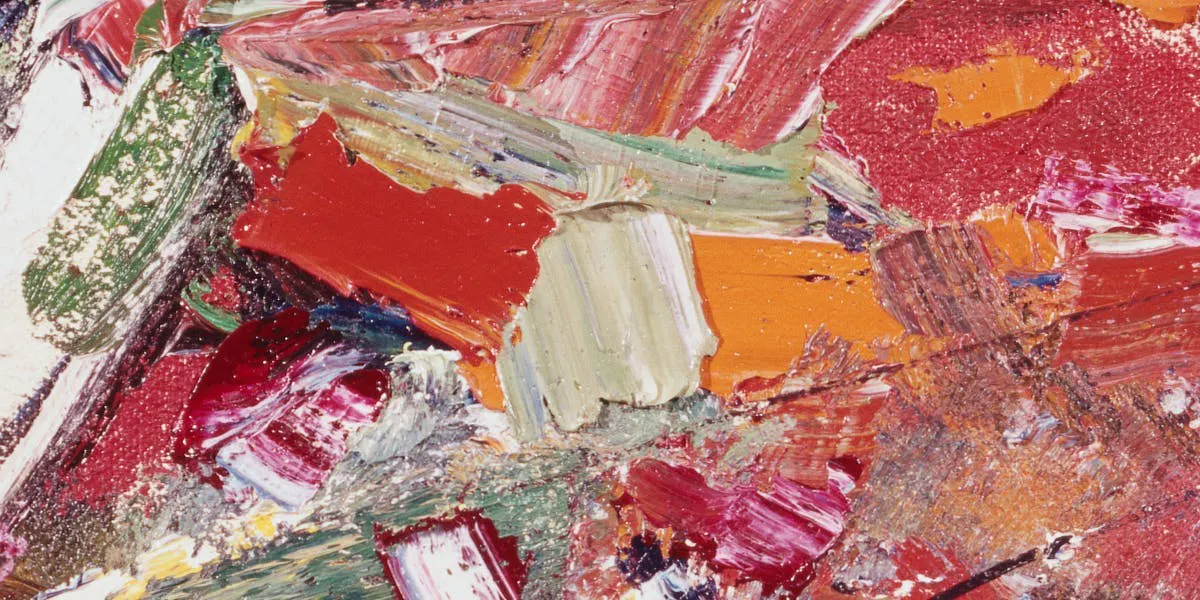
His style of art combined abstract forms and shapes with vibrant color, with attention to the relationships between colors side by side, and colors and shape. “I invented what I call ‘push and pull,’ ‘force and counterforce,'" said Hofmann. "I have been very modest about it, but they are really great discoveries.” This concept of creating a visible dynamic and force through color and form would trace throughout most of his artworks.
I want always to live in color.
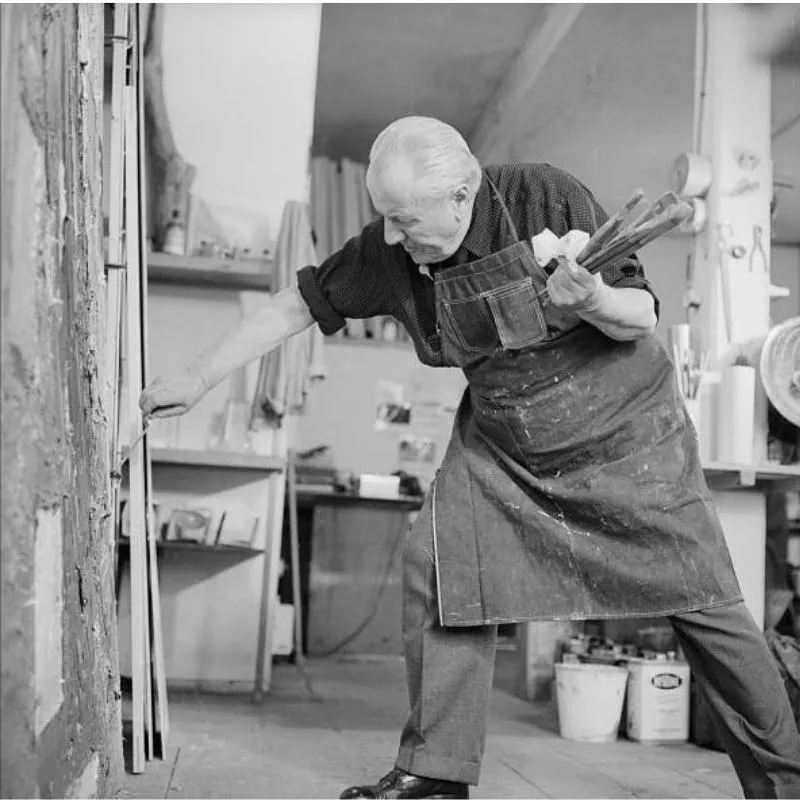
Hofmann closed his New York school in January 1957, the same month that the Whitney Museum of American Art launched a major retrospective of his work with 55 paintings. “No American artist could mount a show of greater coherent variety than Hans Hofmann," said art critic Harold Rosenberg. The following year Hofmann experimented with other art forms, including creating a mural for the exterior of the New York School of Printing in Manhattan.
For the 1960 Venice Biennale, 13 of Hans Hofmann's paintings, including Pompeii (1942), were chosen for the American Pavilion along with works by Philip Guston and Franz Kline. Hofmann was labeled the “the acknowledged dean of Abstract Expressionism" as the oldest proponent of the movement in the US.
Related: Helen Frankenthaler: 5 Facts to Know
After Miz died in 1963, Hofmann started to paint prolifically, throwing himself into his work to deal with his grief. A large retrospective of the artist, which had been curated by Hofmann and Miz before her death, opened in September at MoMA before traveling throughout the United States, South America, and Europe.
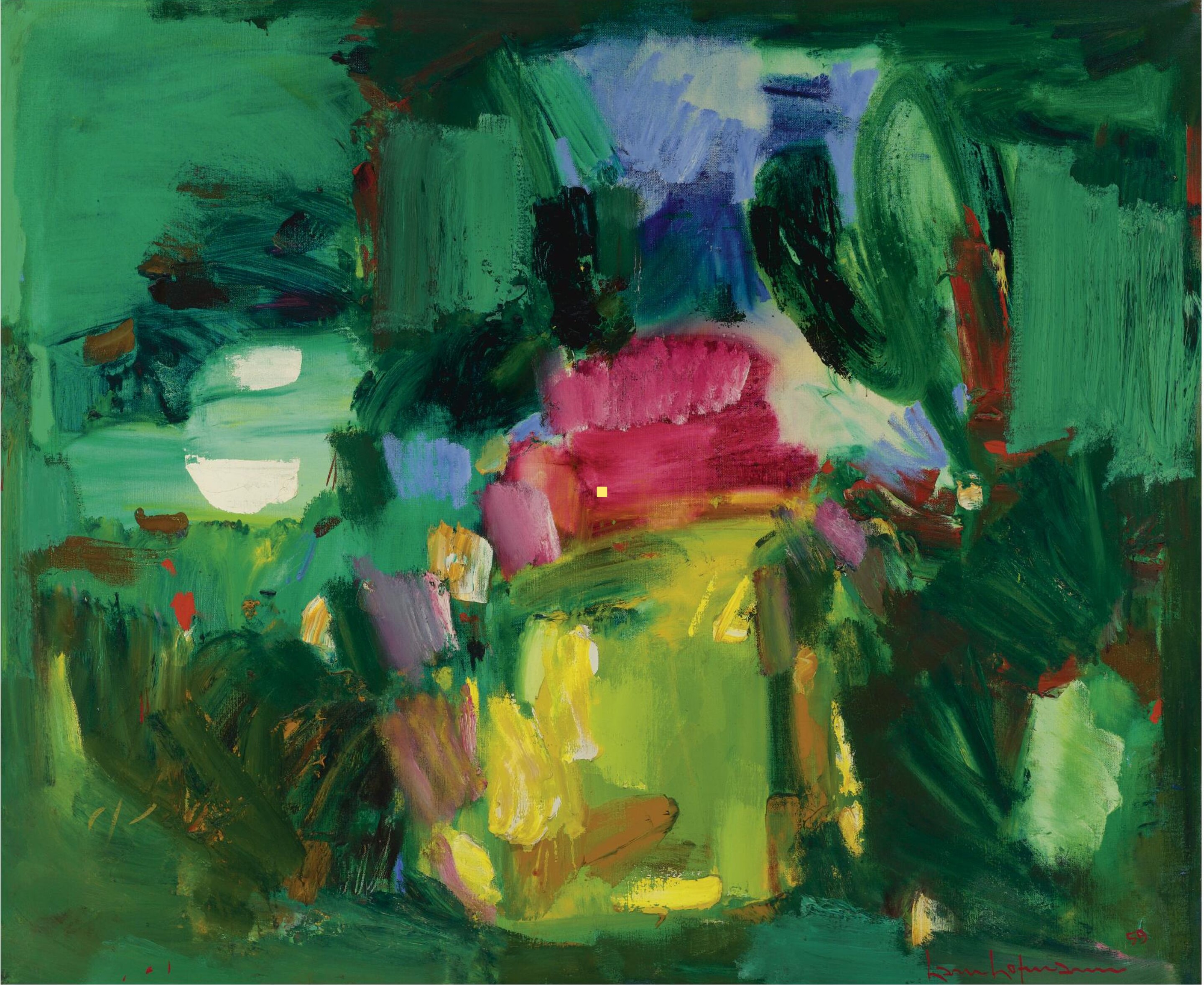
In 1965, Hofmann married Renate Schmitz, a 34-year-old German woman who was 50 years his junior. Hofmann continued to produce paintings into his mid-80s and completed the Renate series, named for his new wife.
Related: How Cubism Changed the World
On February 17, 1966, Hofmann died of a heart attack at the age of 85 in New York City. After his death, major exhibits continued to be dedicated to the father of abstract expressionism, including one at the Hirschhorn Museum in Washington, DC in 1976 that Renate organized.
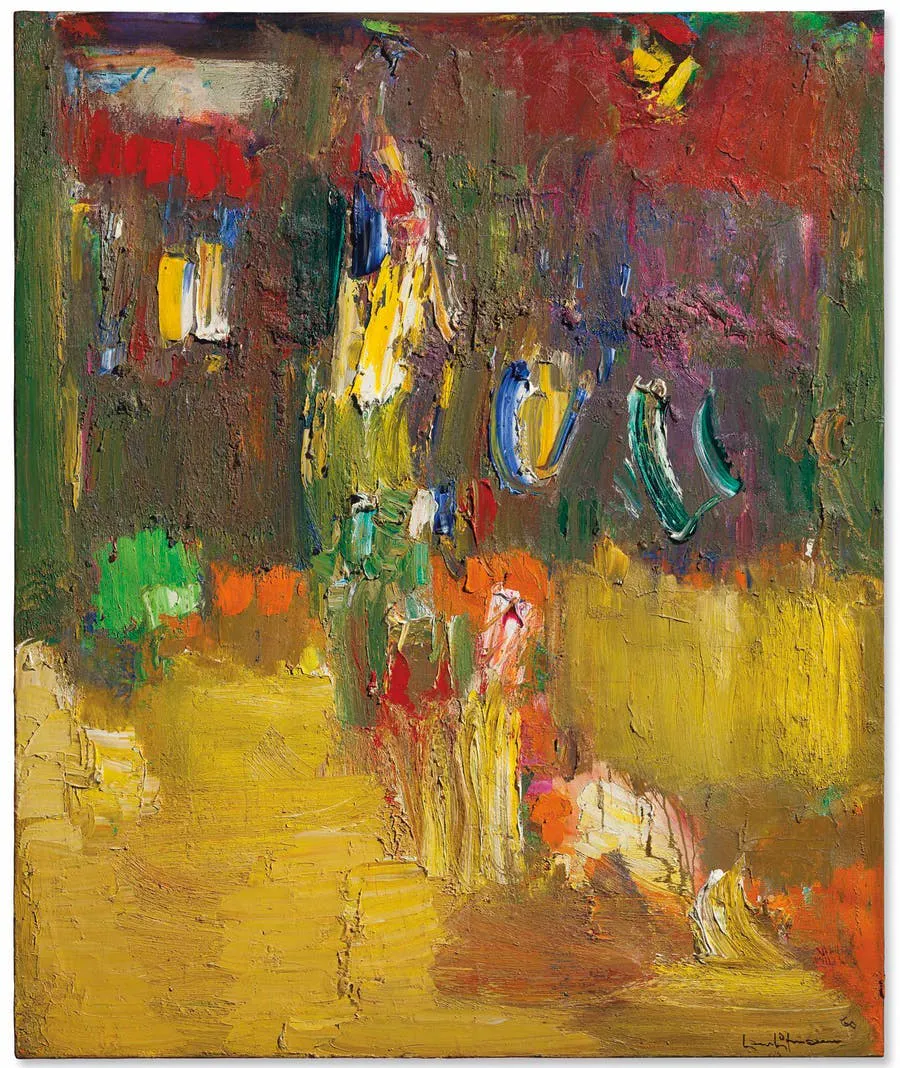
His artworks continue to command multimillion dollar prices at auction. His current record is for Lava (1960), which had been the cover work for Hofmann's 1963 retrospective at MoMA, that sold for $8.8 million at Christie's in 2017.