The French New Wave
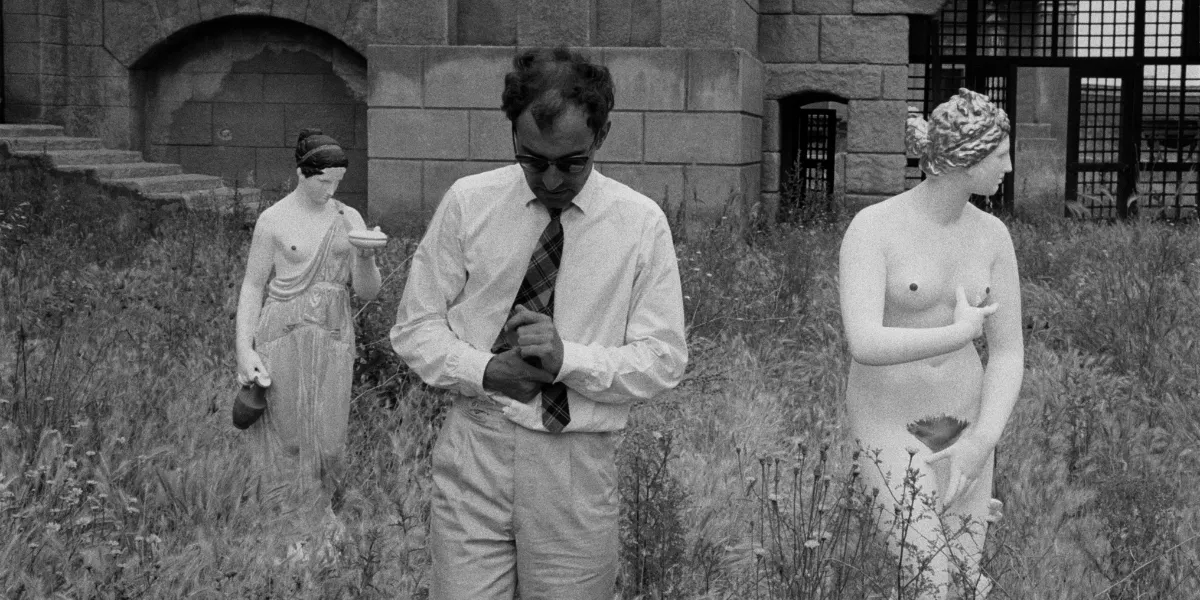
Jean-Luc Godard is often thought of as one of the founding fathers of the French New Wave, among other important figures such as Agnès Varda, Jacques Rivette, François Truffaut, Claude Chabrol and Éric Rohmer. But unlike most, he was a modern visual artist as much as he was a director.
Like Picasso, the father of cubism, Godard reproduced scenes from everyday life and deconstructed the traditional temporality that gave rhythm to the cinema at the time. As in modern painting, Godard, in his New Wave period, was obsessed with representing men and women, love and conflict with simple but deep forms, full of meaning. His films symbolize the break from a bourgeois world and the burning desires of a new generation. The images of everyday scenes collide and overlap as in a huge collage echoing reality.
Related: Picasso on the Beach: Idyll Immortalised
As theorized by André Bazin in Les Cahiers du Cinéma, there is a cinema of reality and a cinema of images. Godard falls in the latter category. He does not try to mislead the spectator, yet his work is provocative and revolutionary. With more than 100 films spread over several periods (including the Pop period in the 60s, the politics of '68 and the videos from the '70s), Godard forever changed the history of cinema. We return to those with the most striking pictorial allusions:
Pierrot le Fou (1965)
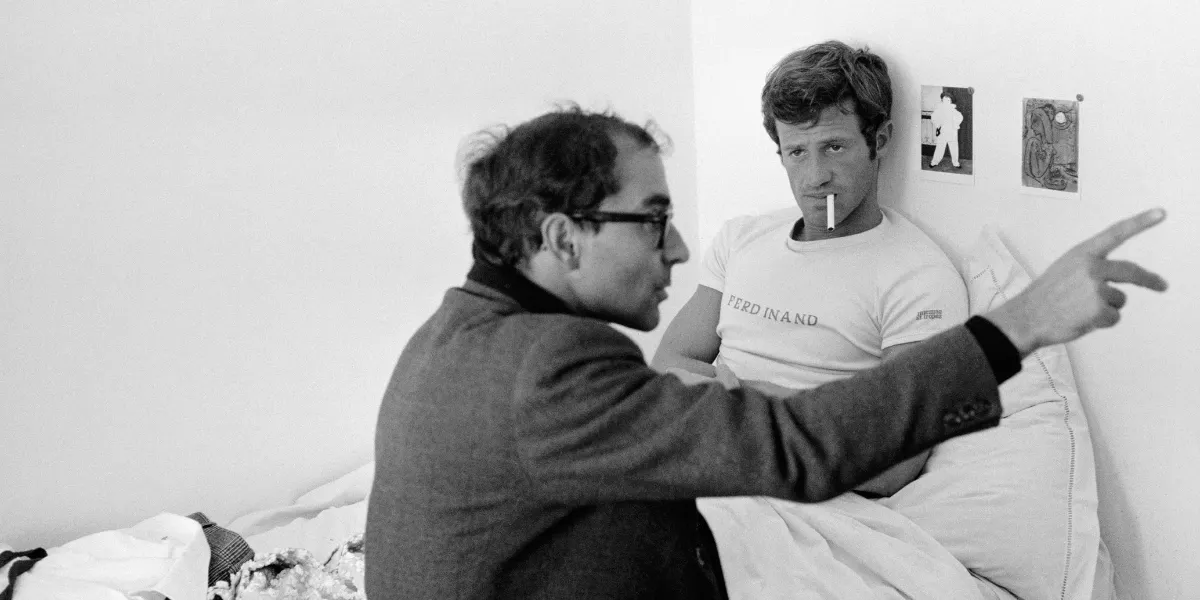
In Pierrot le Fou (1965), the main character Ferdinand (Jean-Paul Belmondo) is that of the ordinary man of the 20th century who accesses art through literature and reproductions. References to art history follow one another and collide. In addition to reminiscences of works by Matisse, Modigliani, Picasso and Renoir, which embellish the simple interior of the characters, the suicide of Ferdinand at the end of the film recalls the death of Nicolas de Staël (1914-1955). The fact that the character paints his face in 'Bleu Klein' before killing himself also evokes the artist Yves Klein, who died a few years before the shooting of the film.
Related: The Colors of Controversy
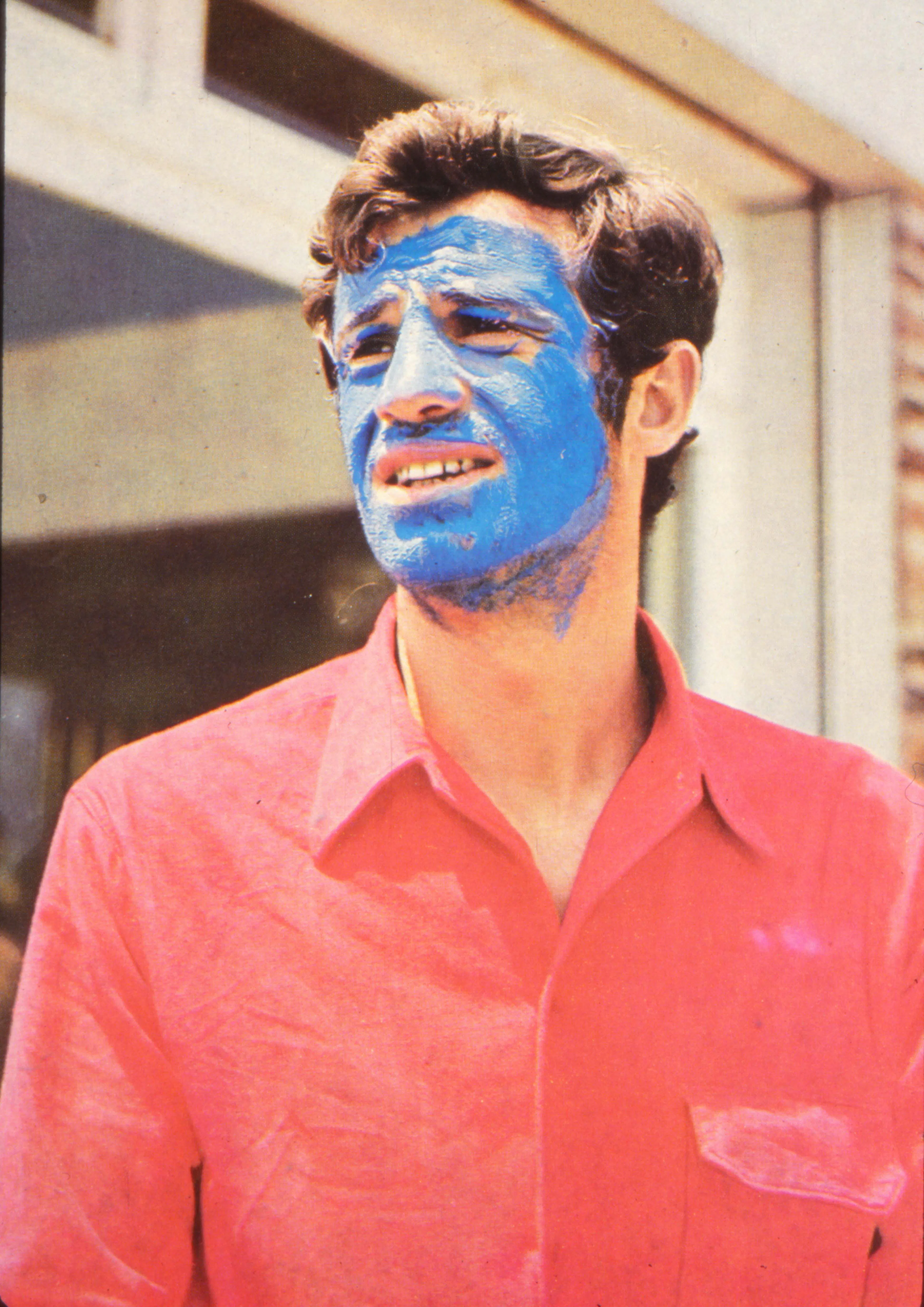
It's about what art of Delacroix here looks like art of Godard in Pierrot le fou. Doesn't that jump out at you?
Passion (1982)
Part of Godard's post-New Wave period, Passion (1982) is a 'general public' kind of film in which the director once again seeks to push back the narrative limits of filmmaking. In this feature film, Godard creates 'living paintings' superimposed on interpersonal issues and social conflicts, against a backdrop of classical music and ancient art.
Among the masterpieces which he brings to life, we find the Immaculate Conception by El Greco, The Night Watch by Rembrandt, The Little Odalisque by Ingres, and a series of paintings by Goya, including The Nude Maja, The Third of May, The Parasol and Charles IV of Spain and His Family, as well as Jacob Wrestling with the Angel and The Entry of the Crusaders in Constantinople by Delacroix, and finally The Embarkation for Cythera by Watteau.
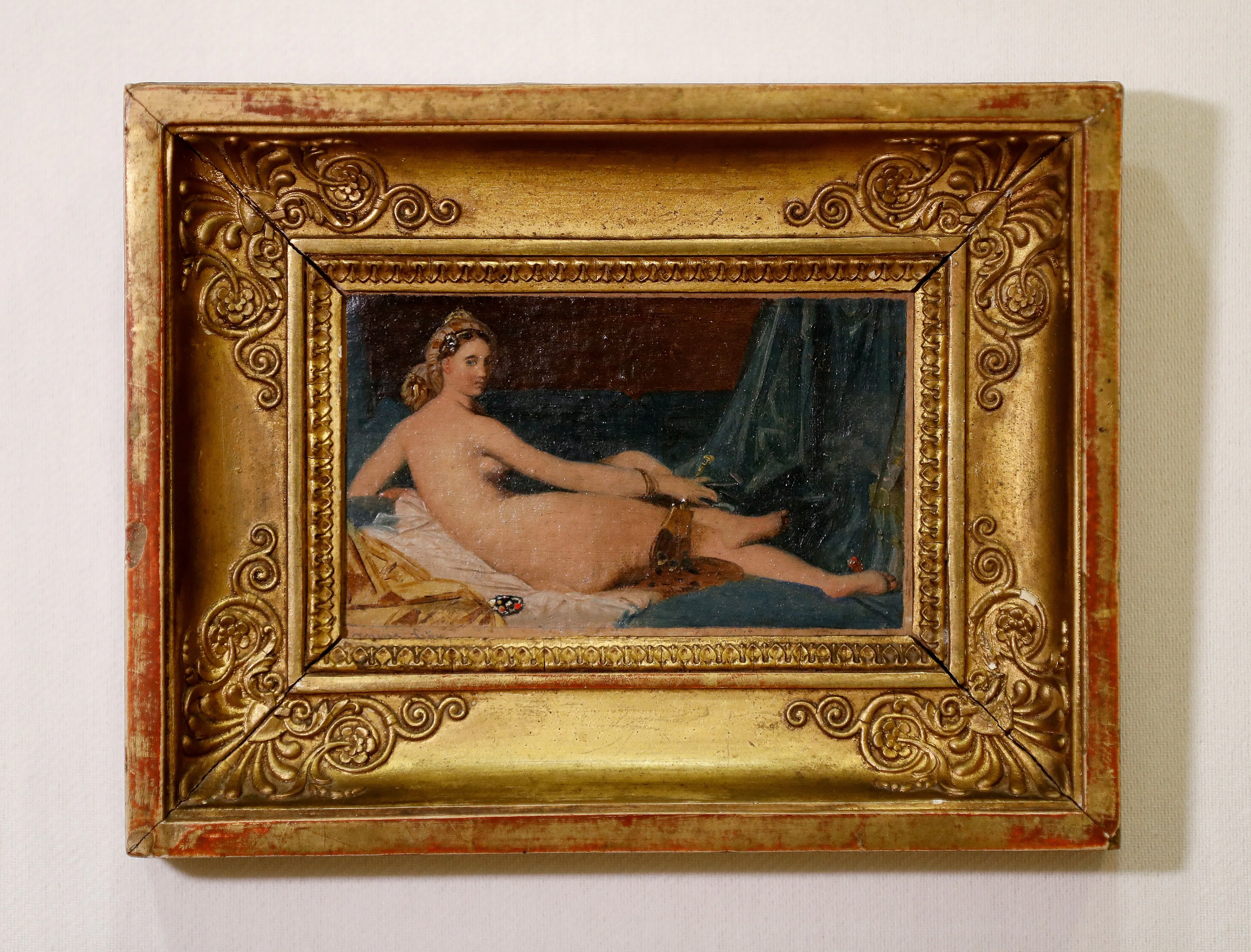
Related: Jean-Auguste-Dominique Ingres and the Power of Classicism
Godard's films follow one another, each full of literary, artistic and musical references. Nurtured throughout his life by the great works of the past, J.L.G. shared his world at the Centre Pompidou in 2006. In Voyage en Utopia, the artist invites visitors to reflect on current philosophical, social and political issues through film extracts, artistic, modern and ancient references and fragments of soundtracks, leaving the field open to multiple interpretations.
Want more articles like this delivered straight to your inbox? Subscribe to our free newsletter
The Image Book (2018)
The Image Book (2018), his latest film, continues this tradition of collage. Godard cuts, glues, patches and mixes extracts from films, archives, clips, TV reports and other textual and musical fragments. Both a visual and auditory experience, the director seeks to bring the public back, perhaps unconsciously, to the depths of the past and the turmoils of the present and its obsessions. In the credits, we find another series of paintings by great masters, from Da Vinci, Giacometti, Derain, Delacroix, Masaccio, Caillebotte and the school of Fontainebleau.
The Image Book is like a blank canvas on which J.L.G. projects flat areas of paint, transmitting a certain pain, anger and sadness.
Related: Jackson Pollock: Drawing the Unconscious
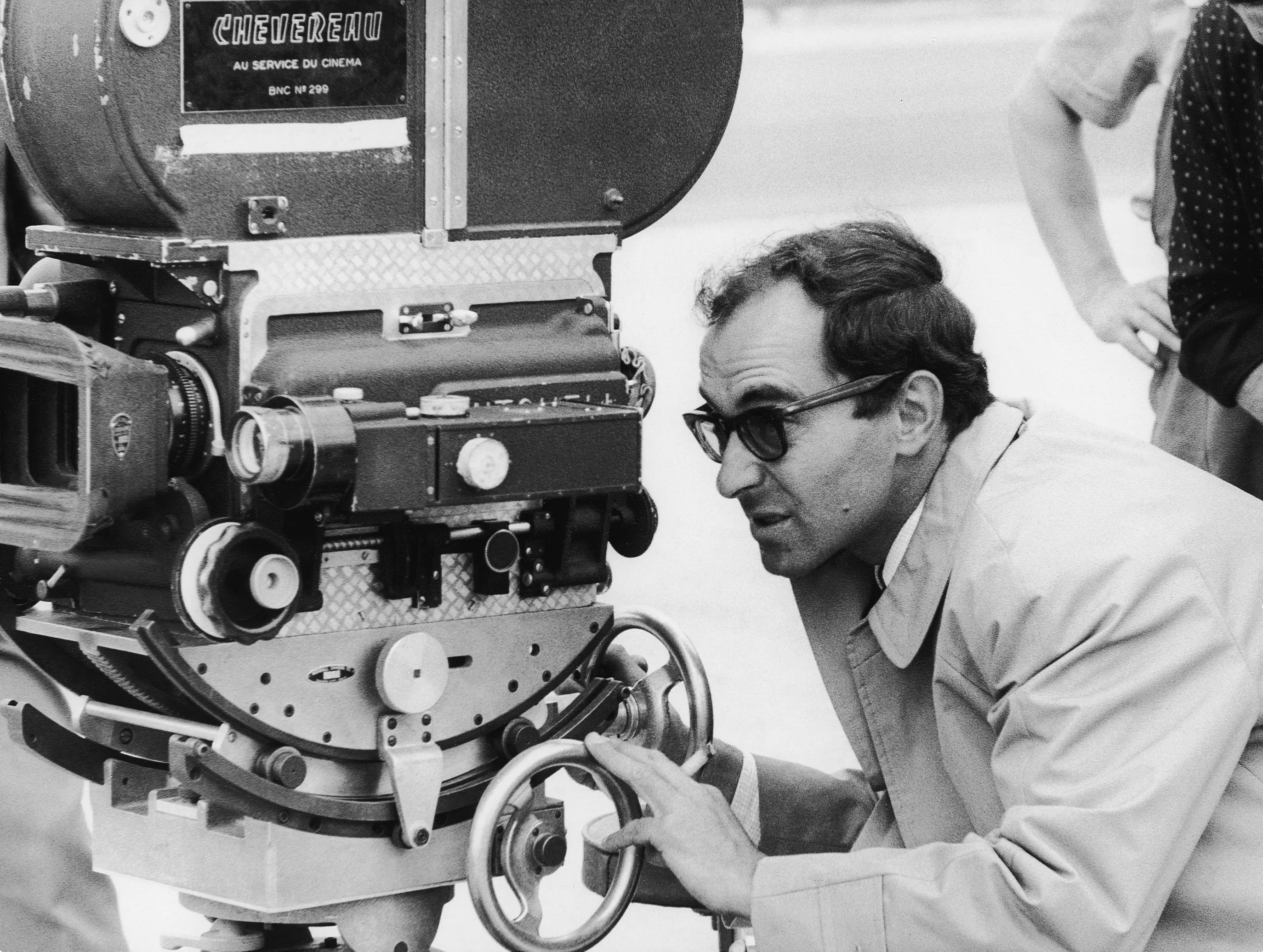
"Godard is Art"
“Godard is Art!" said Jean-Louis Aragon (1897-1982) following the release of Pierrot le Fou in 1965. In an interview from 1997, Pierre Assouline (b. 1953) asked Godard which artist he identified with the most. Godard replied: “Novalis, Nicolas de Staël... Those who died young and tragically”.
Godard sadly passed away at the age of 91, on September 13, 2022, by assisted suicide in Switzerland.