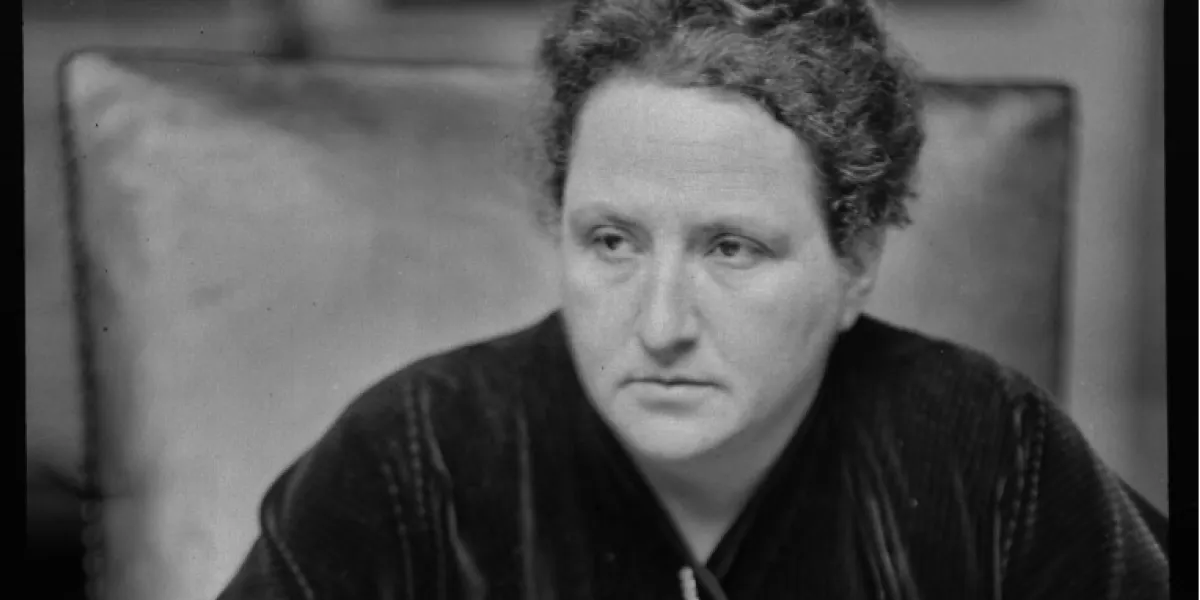
Gertrude Stein was more than a collector; she was a multifaceted figure in the Parisian avant-garde art scene of the 20th century. Gertrude Stein was born on February 3, 1874, in Allegheny, Pennsylvania, and died on July 27, 1946, in Paris.
Here are five essential aspects of the patron's life and work that have left a mark on culture.
1. An American in Paris
In 1904, 29-year-old Gertrude Stein left the United States to find refuge in Paris. This move marked a decisive turning point in her life. She flourished in Paris as a poet, novelist, and playwright, joining the artistic vibrancy of the Montparnasse district in the early 20th century.
Related: Out of the Closet: 5 Pioneering Artists
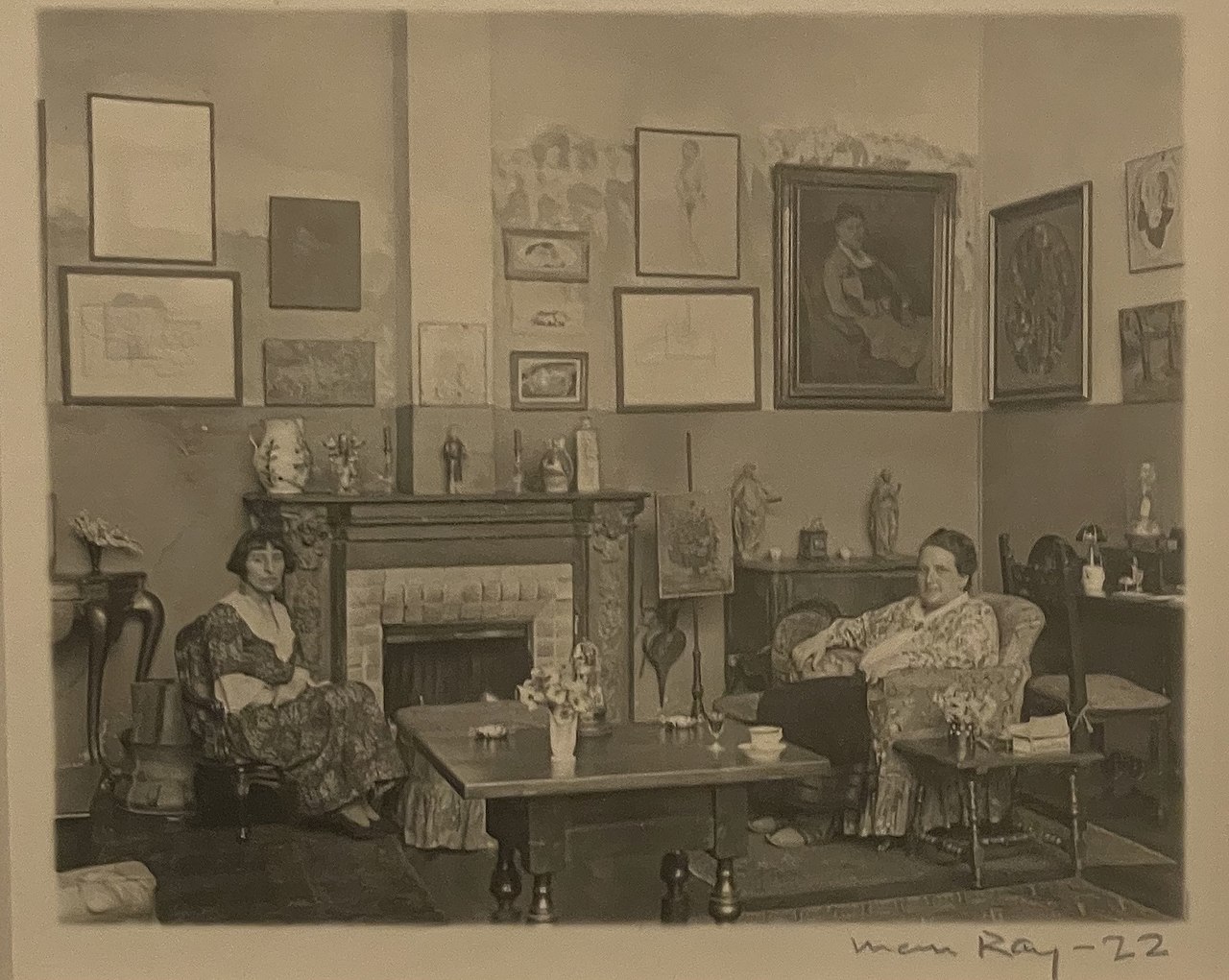
2. An Iconic Salon
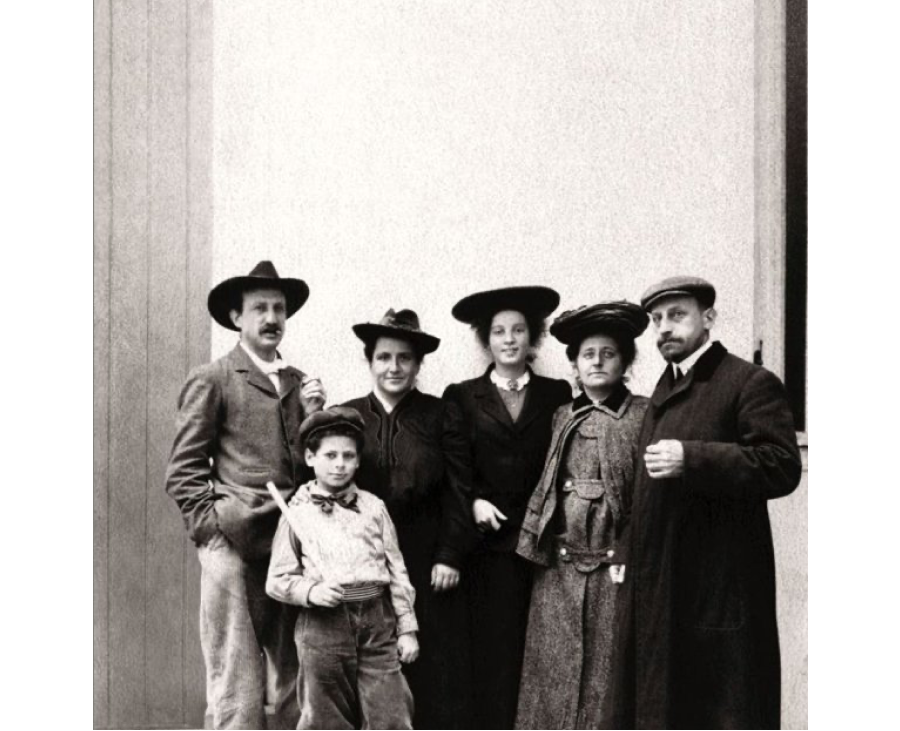
Her apartment at 27 Rue de Fleurus became an iconic venue for Paris's intellectual and artistic life. Every Saturday evening, Gertrude Stein's salon hosted personalities such as Picasso, Matisse, Hemingway, and Fitzgerald. Unlike the formal salons of the time, her salon was characterized by a relaxed atmosphere full of Parisian artists and foreigners alike. The salon facilitated exchanges and collaborations; undoubtedly contributing to the development of new artistic and literary movements.
Related: 8 Patrons of the Parisian Avant-garde
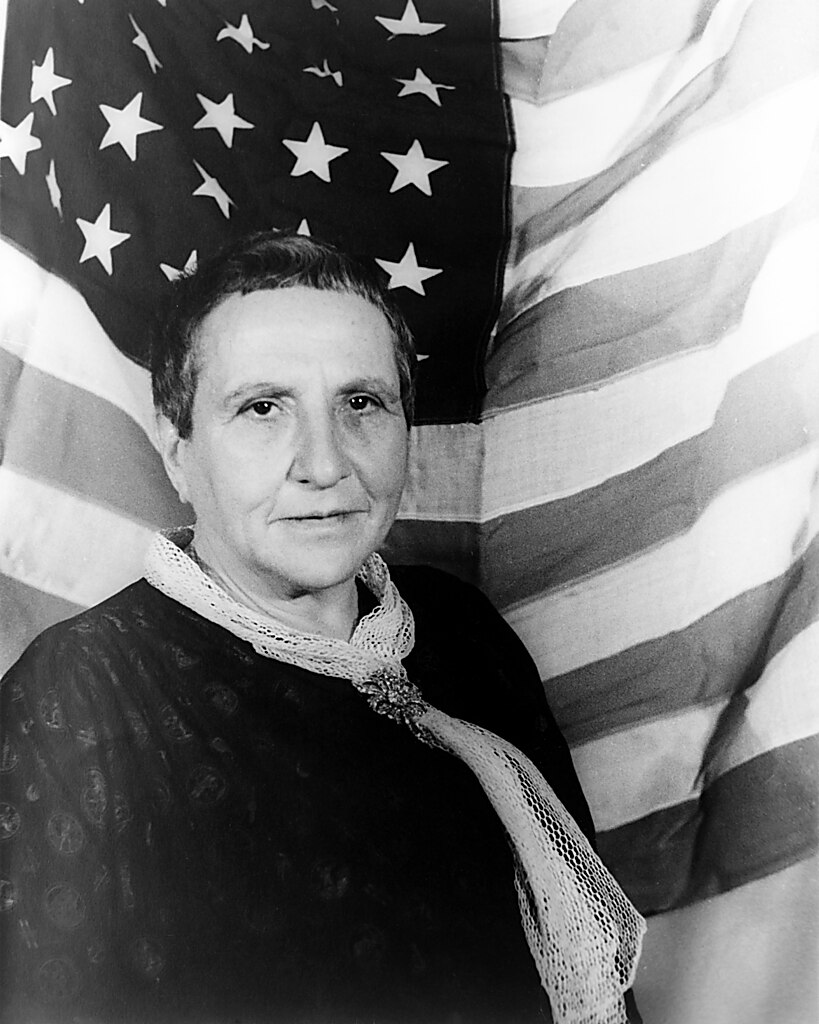
3. The Greatest Patron of Modern Art
Gertrude and her brother Leo, accompanied by the dealer Ambroise Vollard, began their journey into the world of modern art. They started their collection of paintings with the acquisition of Matisse's Woman with a Hat at the 1905 Salon d'Automne. Gertrude Stein championed modern art, particularly the Cubists and especially Picasso, while her brother remained more traditional. She quickly became one of the greatest collectors of the École de Paris. Their collection included revolutionary works that shaped the artistic landscape of the time and influenced modern culture.
Related: How Cubism Changed the World
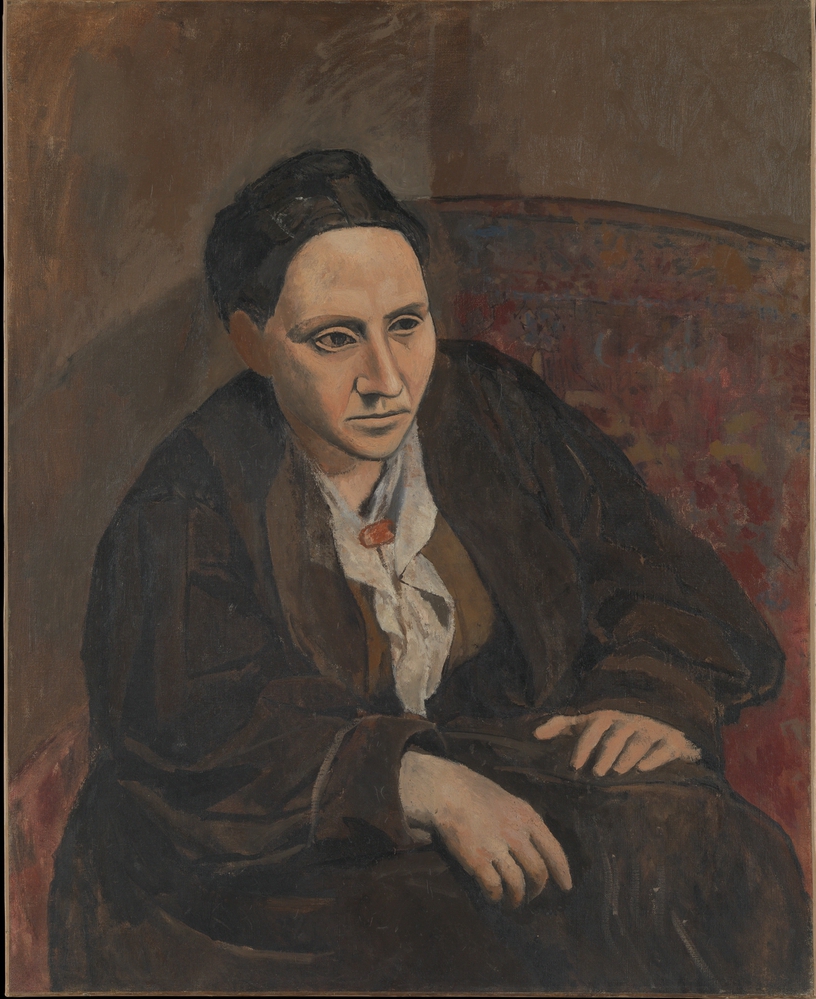
4. Revolutionary Writing Style
Gertrude Stein’s salon celebrated innovative ideas because she herself had adopted an innovative writing style. Before becoming a collector, Gertrude was a writer who explored experimental forms of expression. Her style was influenced by the aesthetics of painting and her medical studies, defying literary conventions. Stein wrote many poems, plays, and theoretical manifestos in a characteristic repetitive style.
Want to receive articles like this straight to your inbox ? Subscribe to our free newsletter!
5. Pioneer of Literary Modernity
Her most famous work, The Autobiography of Alice B. Toklas, achieved commercial success in 1933; however, Gertrude Stein also shaped literary history with less conventional works. The Making of Americans, written thirty years before The Autobiography of Alice B. Toklas, reflects her bold vision. The novel traces the genealogy, history, and psychological development of the members of the fictional Hersland and Dehning families. She considered it her greatest work. Her keen eye, scholarship, and modernity made her a pillar of literature and literary criticism. It was Gertrude Stein who coined the term "lost generation" to describe Ernest Hemingway and F. Scott Fitzgerald.
Related: How The Great Gatsby Got Its Cover
Gertrude Stein left an indelible mark on modern French culture, challenging norms and inspiring future generations to push the boundaries of creative expression.