
Seasoned collectors and lovers of beautiful things can't miss Catawiki's No Reserve Day on Monday, April 8. From classic cars to designer handbags, all of the lots are available with no reserve price. To give you an idea of the wide range of items on offer, we have outlined some of the highlights of the "No Reserve Day" here:
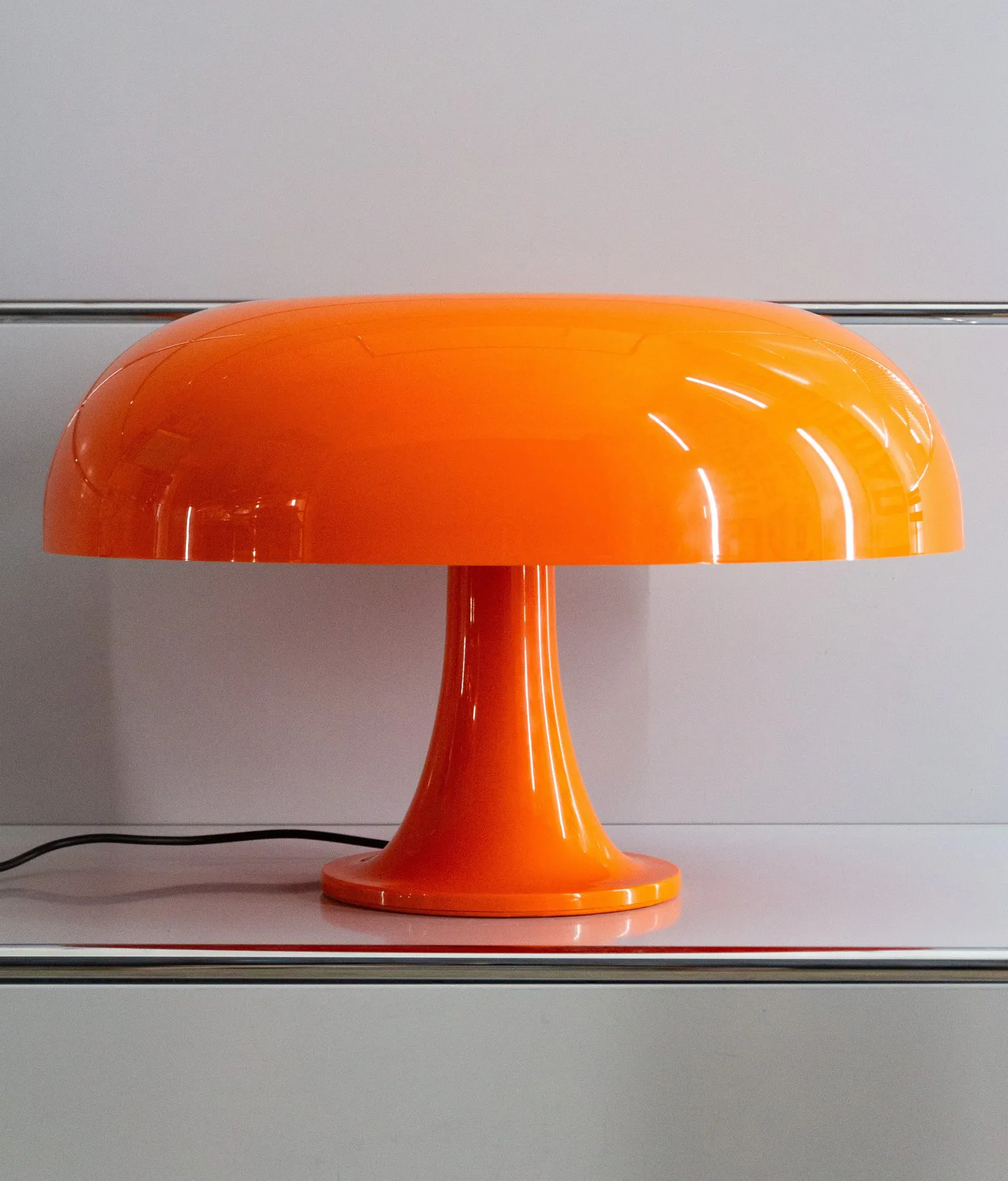
In 1965, Giancarlo Mattioli's architectural firm Città Nuova, which he had founded four years earlier together with five colleagues, took part in a competition organized by the lighting manufacturer Artemide. Città Nuova submitted a lamp design whose simple shape with a large, flat shade was inspired by a jellyfish. The design was well received and from 1967 the table lamp went into production at Artemide under the name Nesso. The importance of Nesso for design history is also made clear by the fact that one example belongs to the collection of the Museum of Modern Art in New York.
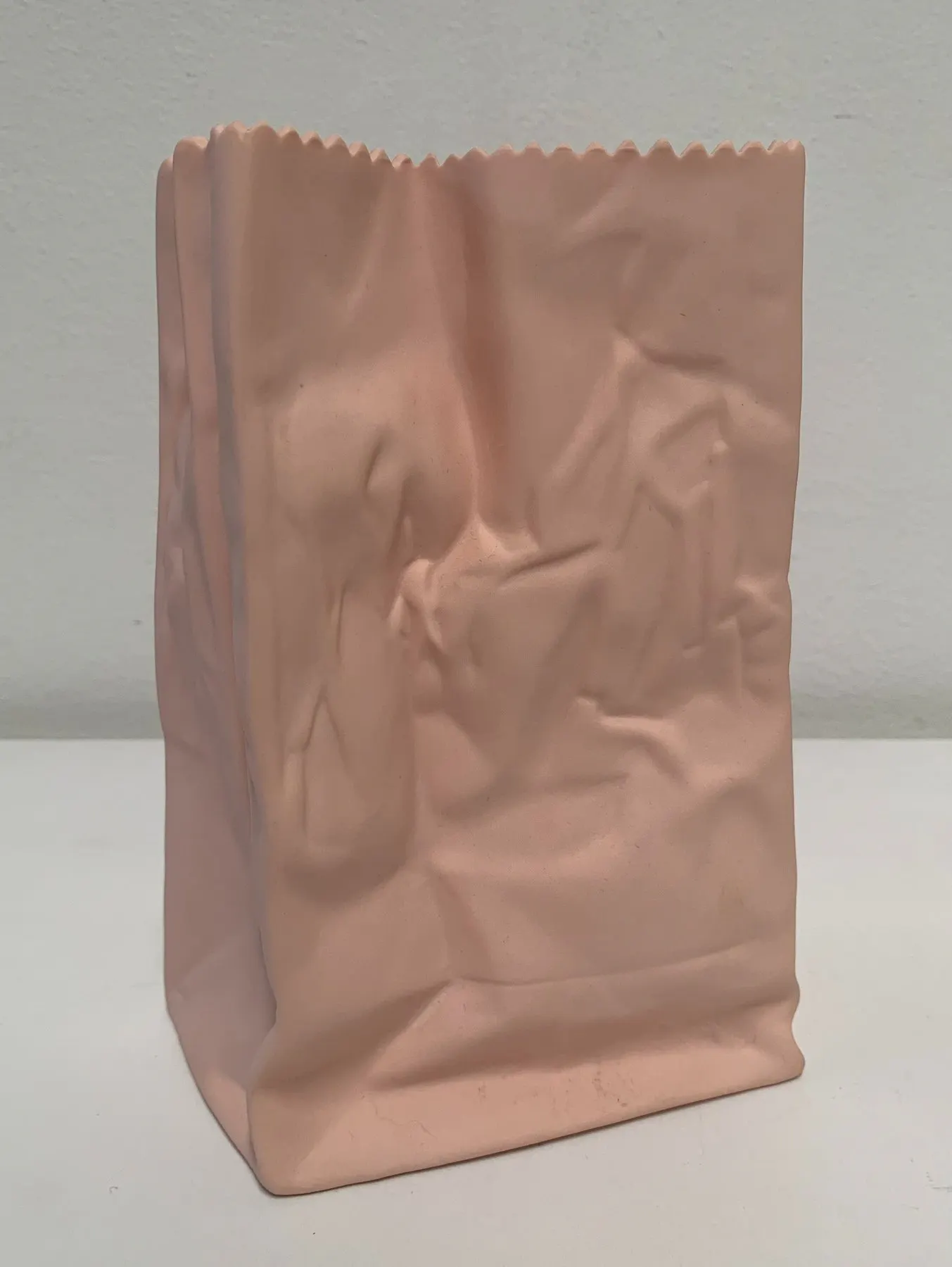
It was also in the 1960s, more precisely in 1961, that the Rosenthal porcelain factory in Selb created its studio line, for which it called on renowned artists, architects and designers for its contemporary creations. One of them was the Finnish designer Tapio Wirkkala, who had been designing porcelain creations for Rosenthal since 1956. In 1971 he created the Do Not Litter series with bag-shaped vases of different sizes. Wirkkala's creation seduces with its deceptive appearance and its feel reminiscent of a real paper bag.
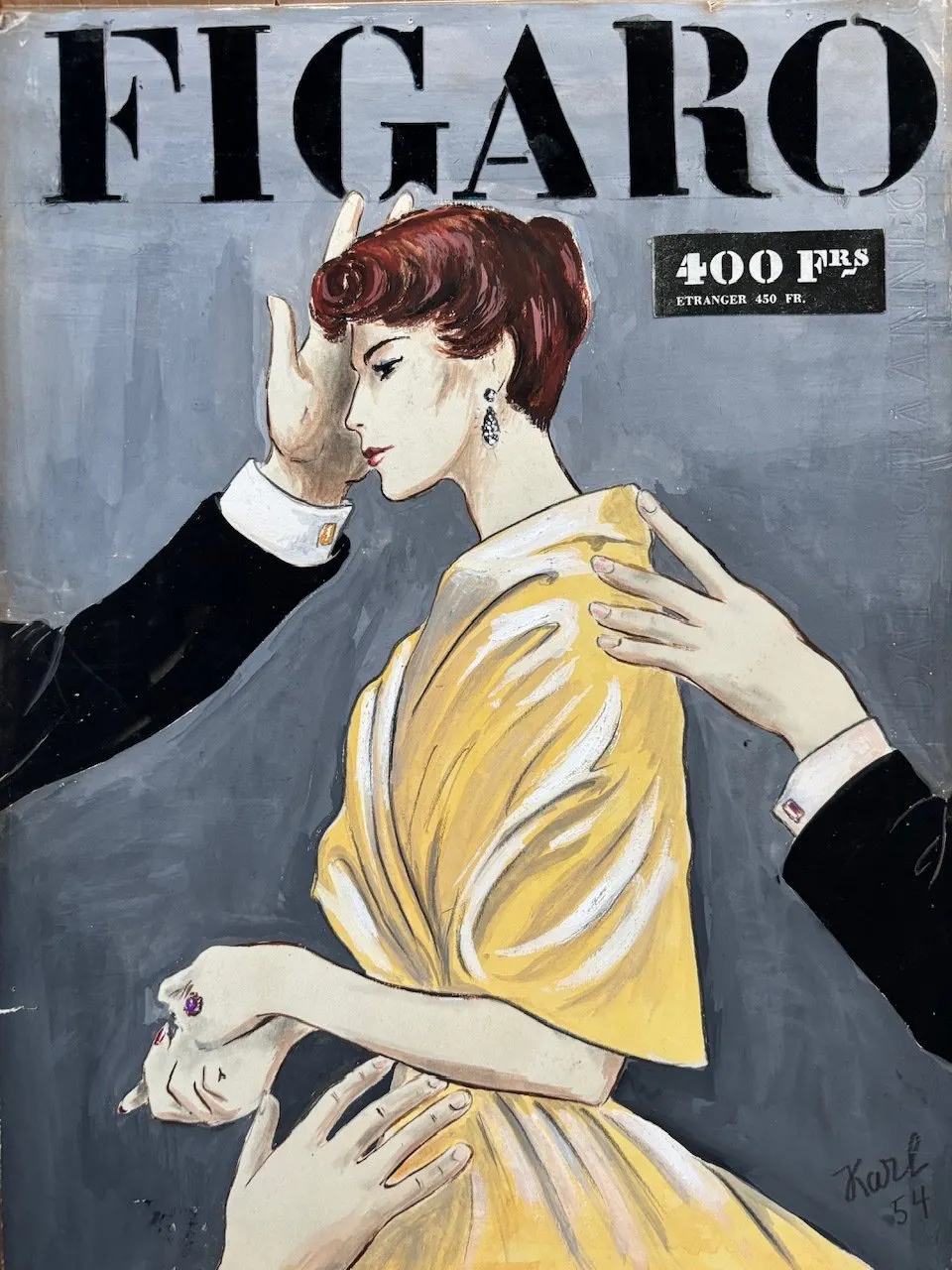
1954 was a significant year for the young Karl Lagerfeld, who had left his childhood home in Hamburg two years earlier and gone to Paris, where he attended the Lycée Montaigne and a private drawing school. He submitted a design for a coat to a competition run by the International Wool Secretariat and won first place. The prize was an apprenticeship as a tailor and subsequent employment with the couturier Pierre Balmain. This fashion drawing by Lagerfeld, which was used for the cover of the magazine Le Figaro, also dates from 1954. The gouache is not only dated, but also signed “Karl” in the lower right corner.
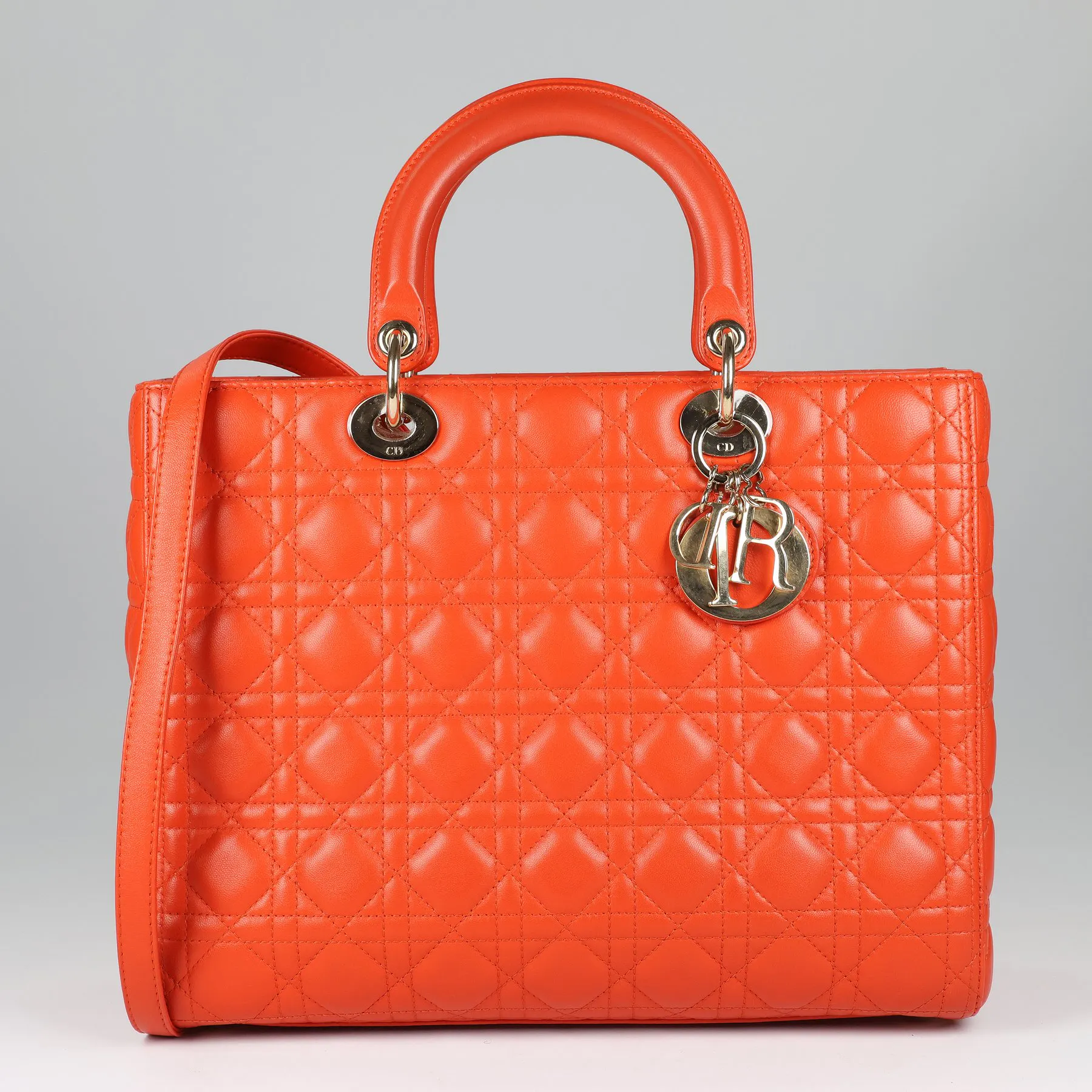
When Princess Diana attended the opening of a major Paul Cézanne exhibition in Paris in September 1995, France's then First Lady Bernadette Chirac gave her a special gift: a unique handbag by Dior called the Chouchou. Afterwards, Diana was frequently seen with her new black Dior handbag, which resulted in extensive series production and the model's final name of Lady Dior, now the iconic bag of the brand.
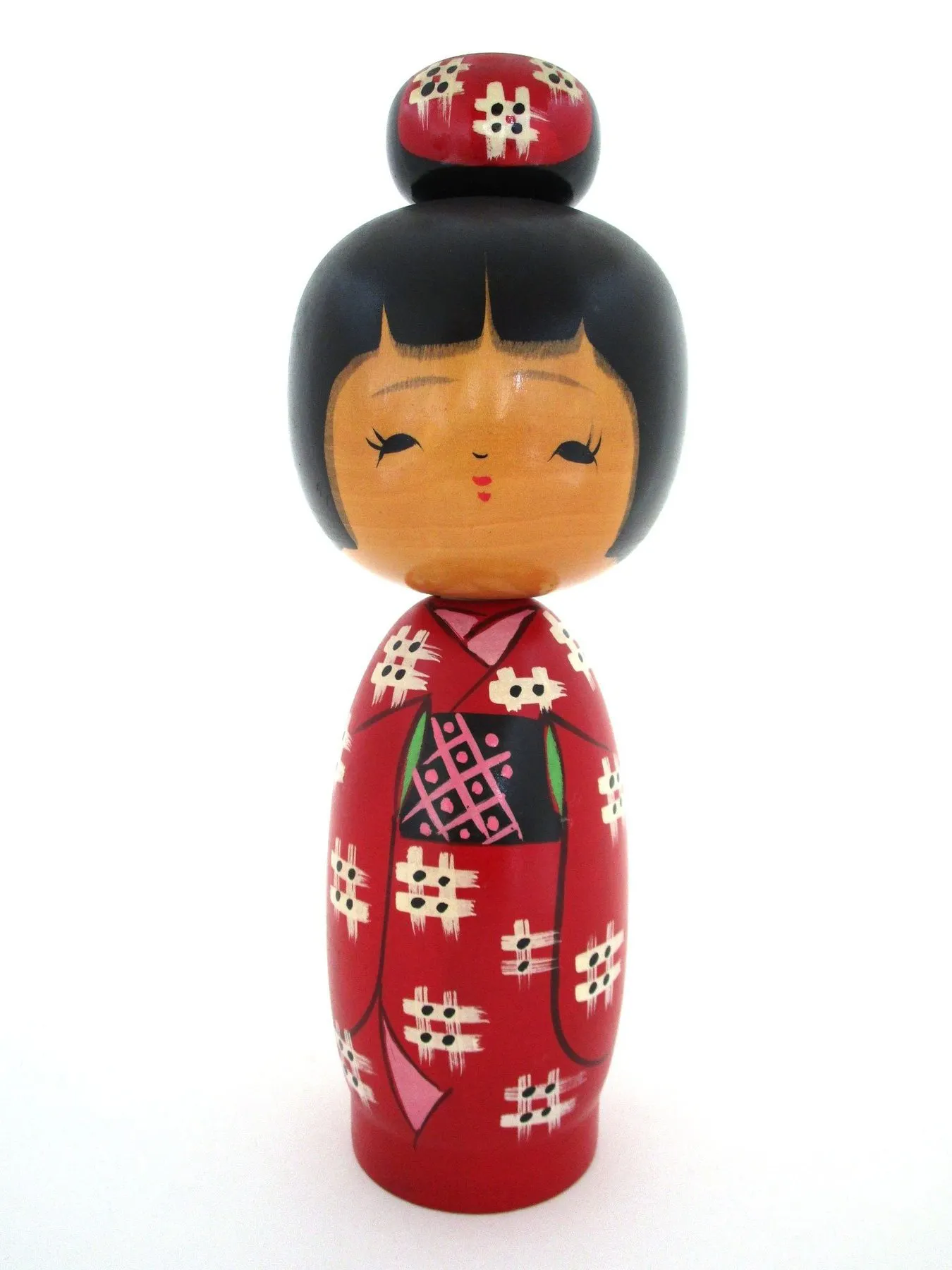
Native to the northern part of Japan's largest island, Honshū, are the enchanting kokeshi, wooden dolls which have been produced since the mid-Edo period (1600-1868) and whose name is probably composed of ki/ko for "wood" and keshi ("dolls"). The kokeshi, painted in polychrome, are made of fruit wood and depict female figures. This example was created by artist Torao Hosaka, who has won several competitions with his kokeshi. The figure's painted dress resembles the Japanese kasuri fabric dyeing technique.

In 1975, Jaguar brought the Gran Turismo XJS, the successor model to the successful E-Type, onto the market. A total of 115,413 cars were built in three series that rolled off the assembly line until 1991. After the first series (1975-1981) consisted exclusively of coupé variants, a convertible was added during the second series (1981-1991), which was continued in the third series (1991-1996). At Catawiki you can bid on a second series convertible from 1990, which impresses with its attractive "Diamond Blue Metallic" paintwork and light leather interior.
Catawiki’s "No Reserve Day" online auctions end on Monday, April 8.