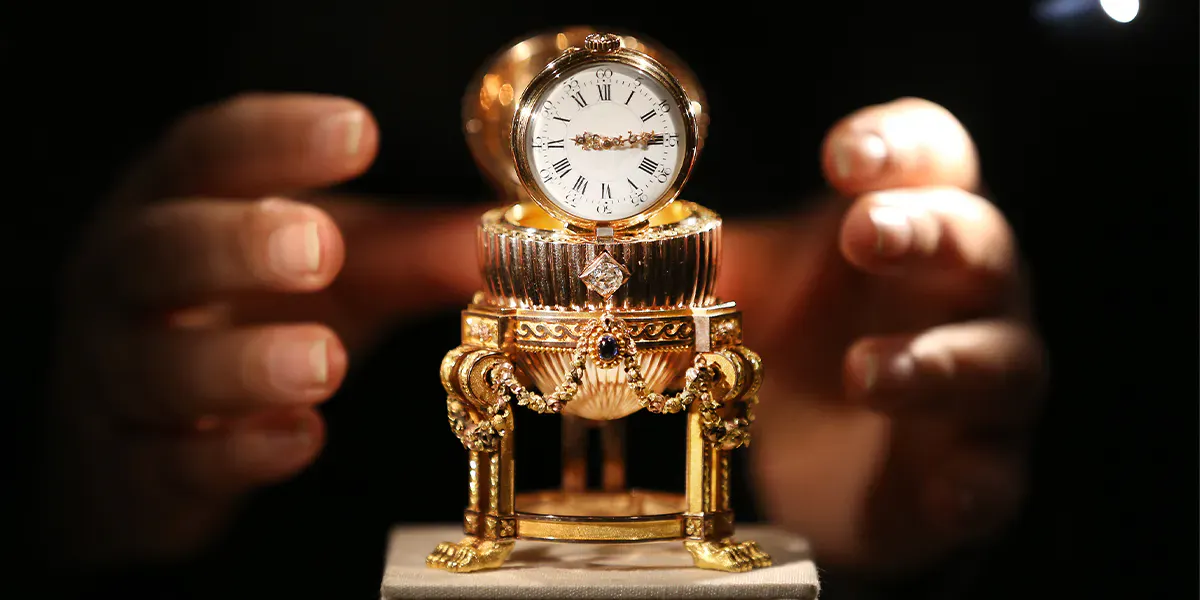
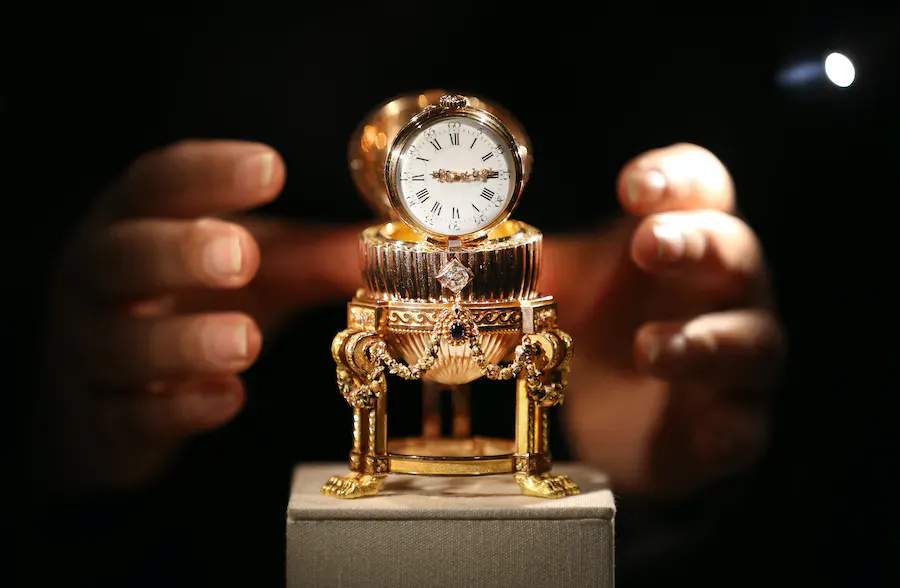
In 2004 at a flea market stall, a Midwestern scrap metal dealer came across a gold jeweled egg with a tripod stand and clock. The dealer paid $13,302, a high sum for a flea market, and took the 8.2 cm-high egg home with him.
Related: 8 Sensational Flea Market Finds
However, the resale turned out to be difficult, since the interested parties were of the opinion that the assessed price for was set too high. The golden egg, which no one wanted, remained in the kitchen cupboard of the scrap metal dealer, who only decided in 2012 to find out more about his seemingly unfortunate purchase.
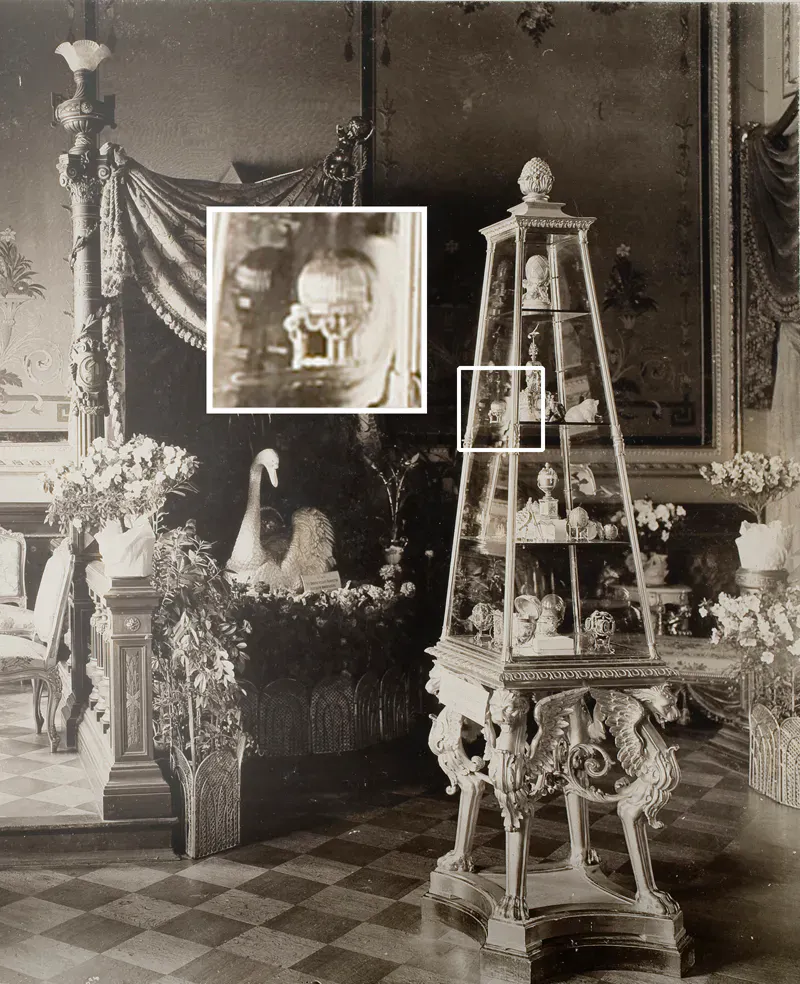
During his research, he came across a 2007 photograph of a charity exhibition held in Saint Petersburg in 1902, which featured several of the Imperial Fabergé Eggs. Dimly visible in the photo was the Third Imperial Egg, which has been considered lost since 1922.
Related: Fabergé's Eternal Easter
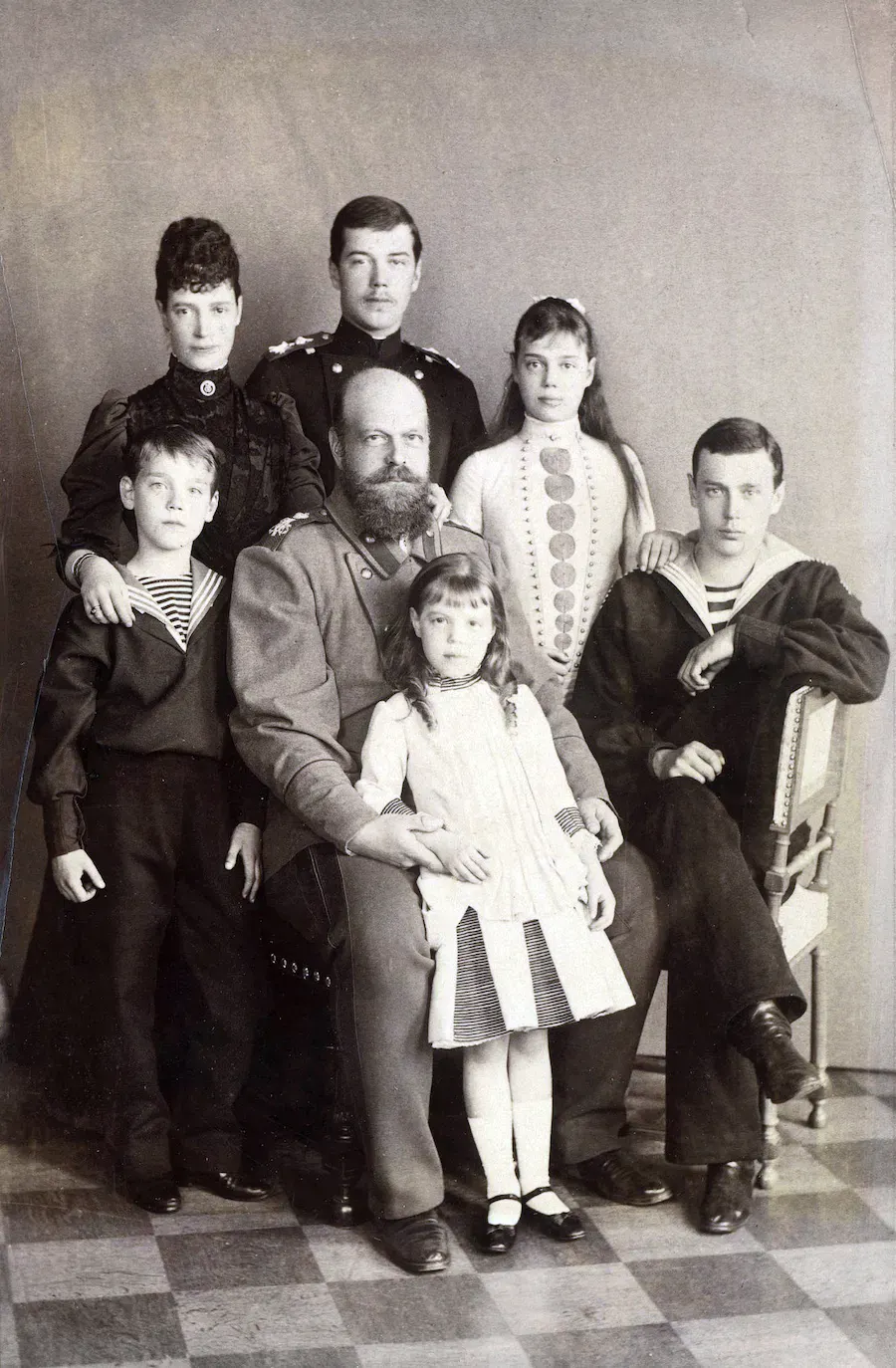
The Third Imperial Egg was the third precious ornamental egg that the Russian Tsar Alexander III gave to his wife Maria Fyodorovna for Easter. In 1885 he first approached the exceptional jeweler and goldsmith Peter Carl Fabergé with such an order. The tsarina's eggs were to be true works of art and have a surprise inside. The Third Imperial Egg of 1887, designed by the Finnish goldsmith August Holmström, enclosed a Vacheron-Constantin watch. The corresponding engraving of the watch manufacturer helped the scrap metal dealer in 2012 figure out true identity of his egg.
Related: Fabergé Eggs: 8 Little Known Facts
More information about the egg emerged in 2011, when two Fabergé experts came across an image of the egg from the 1902 photograph in a 1964 catalog from New York auction house Parke-Bernet. Even then, the auction house didn't know it was an Imperial masterpiece. The egg sold for $2,450 to an unknown buyer and eventually turned up at said Midwest flea market, by a route as obscure as the one that brought it to the United States previously.
Related: The 9 Most Popular Jewelry Brands
The now happy scrap metal dealer approached the London jeweler Wartski, who confirmed the authenticity of the golden egg and finally sold it to an equally unknown private collector in 2014 for an undisclosed sum. However, the value of the egg was estimated to be in the region of $33 million. In 2021 and 2022, the Third Imperial Egg was on view as part of the Fabergé in London: Romance to Revolution exhibition at the Victoria & Albert Museum.
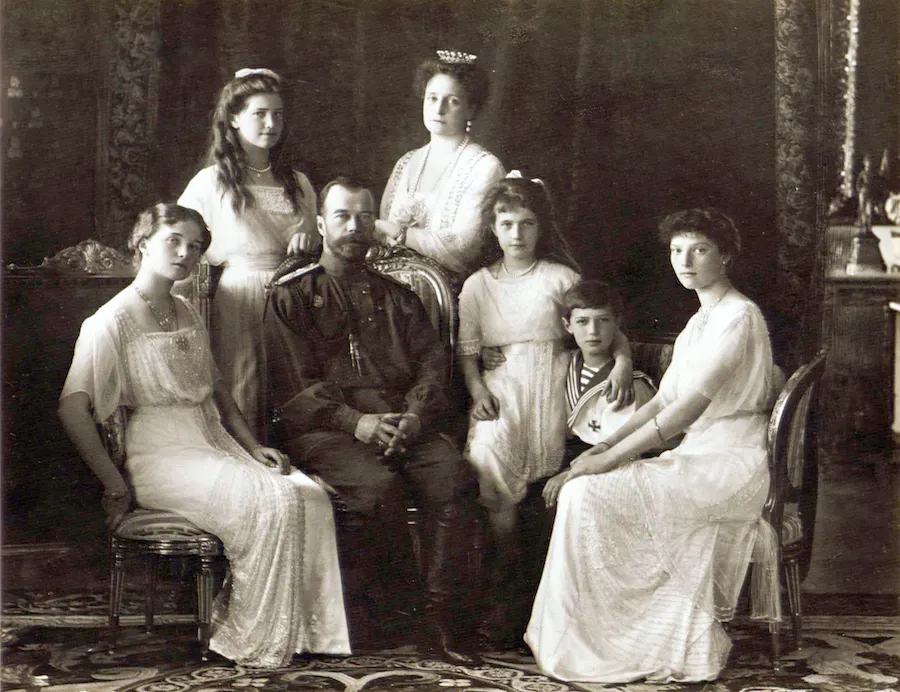
A total of 52 Imperial Eggs were commissioned from Fabergé. After the death of Alexander III, his son and successor Nicholas II took over the tradition and gave his mother Maria Fyodorovna and his wife Alexandra Fyodorovna each an egg every Easter. The two eggs ordered in 1917 did not reach the Tsar's family due to the revolution.
One of the eggs left Russia with Maria Fyodorovna in 1918, and others were forgotten or stolen in the years following the revolution. In 1930, Josef Stalin had 14 Fabergé eggs auctioned off at bargain prices to improve the state budget. Ten of the imperial eggs are now in the armory of the Moscow Kremlin, and nine more are part of the collection of Russian oligarch Viktor Wekselberg and are on display in the Fabergé Museum in Saint Petersburg. Most of the others are in museums or in private collections.
Related: Possible Fabergé Egg Found on Russian Oligarch's Megayacht
But six of the Imperial Fabergé eggs have not been found to this day. As this story proves, you never know where those other eggs may be. The ultimate Easter egg hunt!