Cinnamon and wet earth after the rain is what red-haired women evoked in the imagination of French writer Renaud Meyer. Certainly a poetic image, it is decidedly in contrast with representations of the less delicate reds. In the past, this very particular and rare colour (in Italy, the frequency of red hair is less than 1%) was frequently associated with demonic characteristics. According to Jewish literature, Lilith, or the first wife of Adam, was associated with adultery, seduction and lust, and was portrayed by many as a woman with very long, red hair. In the Middle Ages, red was seen as the colour of the devil and red hair was synonymous with moral degeneration and exaggerated sexual urges.
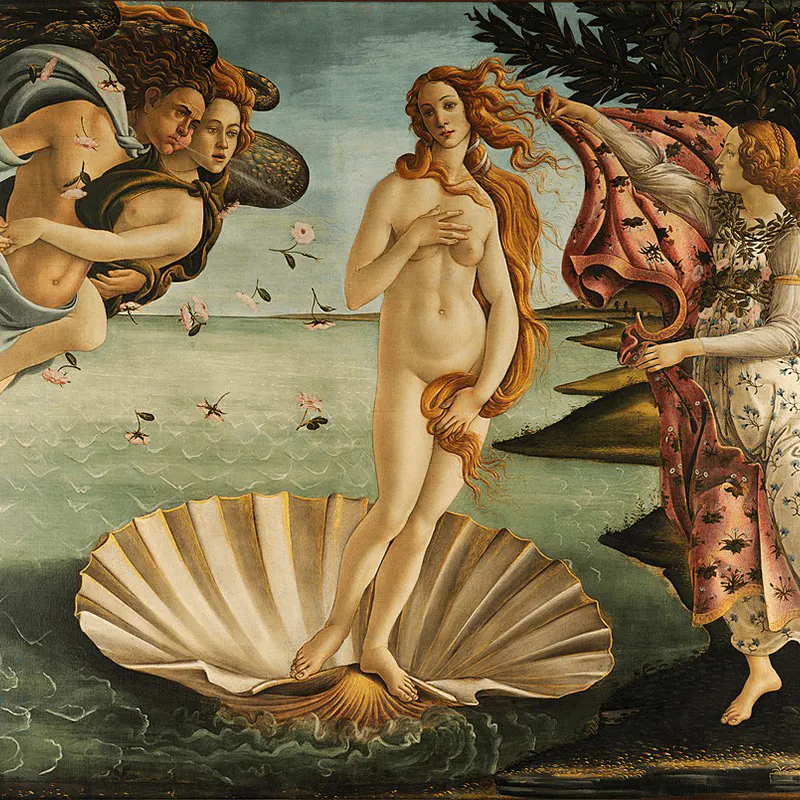
In the history of art, red-haired women have often served as inspirational muses who have contributed to the creation of world-famous masterpieces. Take, for example, The Birth of Venus by Sandro Botticelli. Here, the naked body of the goddess is covered only by her right hand and her long, red hair, gathered together with three strings.
Related: 10 Artist Couples You Should Know
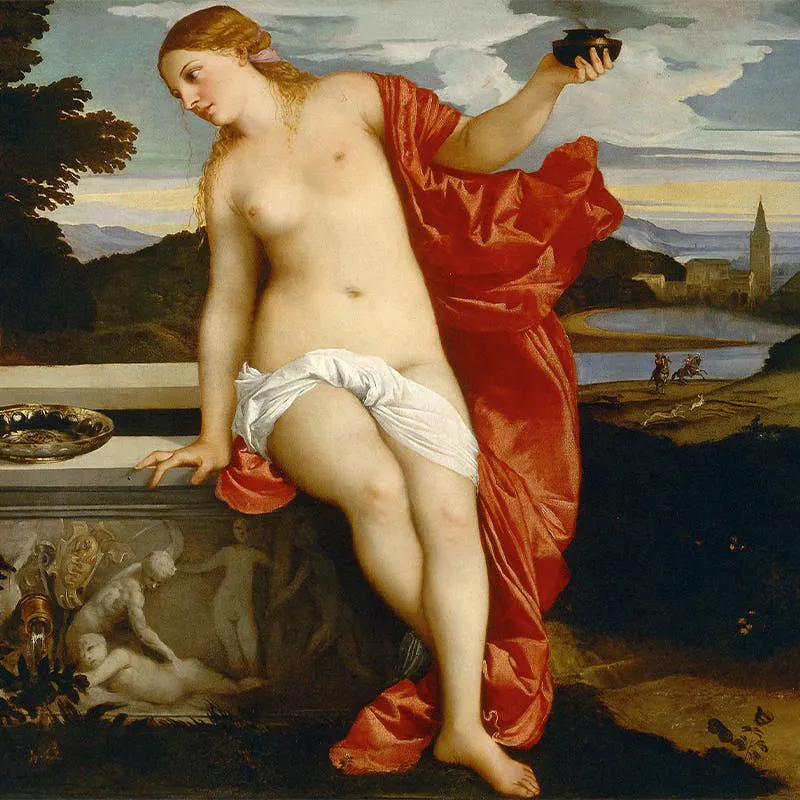
For Titian, the use of red was very important, so much so that the term ‘Titian red’ was coined. In one of his best-known paintings, Sacred and Profane Love, a wonderful example of Venetian tonalism, the colors are orchestrated and calibrated without being rigidly confined to the contour lines. Here, the chromatic solemnity of red contributes to the compositional grandeur.
Related: The First Works of 10 Famous Artists
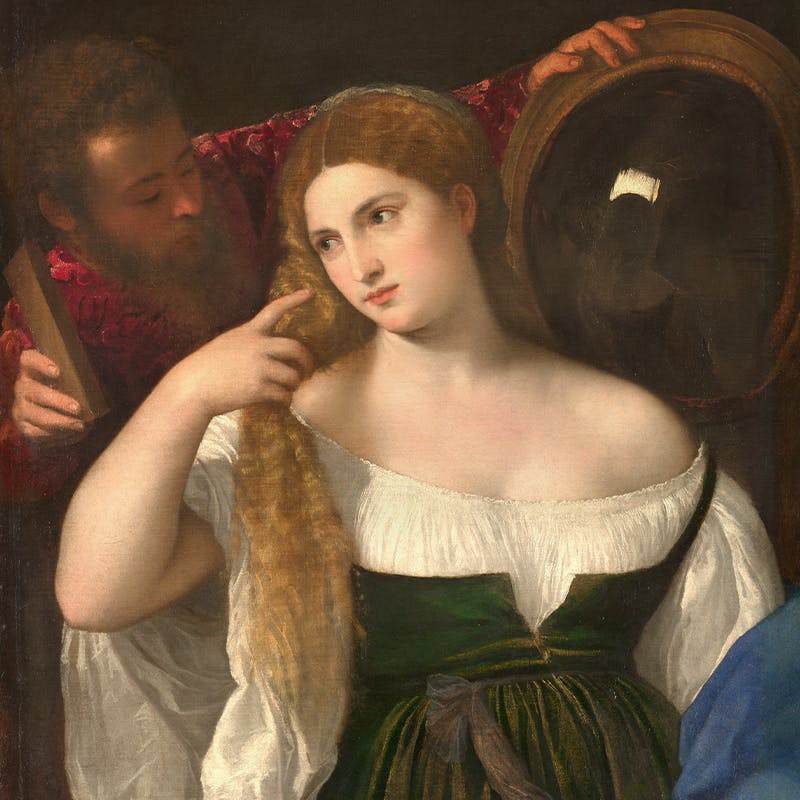
Another work by Titian, Woman with a Mirror, shows an extraordinary balance of compositional harmony and chromatic variation which enhances the beauty of the subject. There seems to be a certain complicity between the woman with tawny hair and the man holding the mirrors in which she admires her hairstyle. The result is an image with a vaguely sensual connotation, also given by the fact that women at that time wore their hair down only at home or in intimate situations.
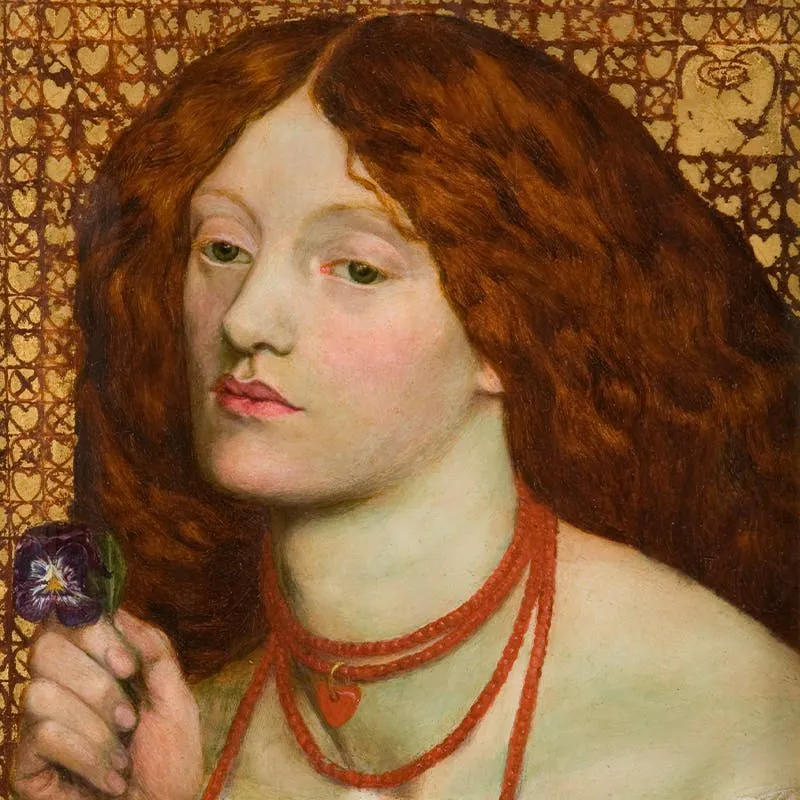
In this roundup, Elizabeth Siddal deserves a special mention, who plays the triple role: model, muse and painter. Siddal, a beautiful woman with long and thick red hair, was chosen as a model by various painters and was an artist herself. She created paintings of considerable value, including a well-known self-portrait in which her red hair stands out against the simplicity of the image. The life of this extraordinary painter was unfortunately very tormented and ended at the young age of 32 due to an overdose of laudanum.
Related: The 15 Most Expensive Female Artists
Among the various admirers of Elizabeth Siddal, Dante Gabriel Rossetti should first be mentioned, who had a passionate but stormy relationship with Siddal. The woman was for him the inspiring muse of poems and paintings. Rossetti (b. 1828) had a tragic fate similar to that of his beloved and died in 1882 in solitude, poor and suffering from a form of psychosis resulting from the abuse of a dangerous mix of whisky and chloral hydrate.
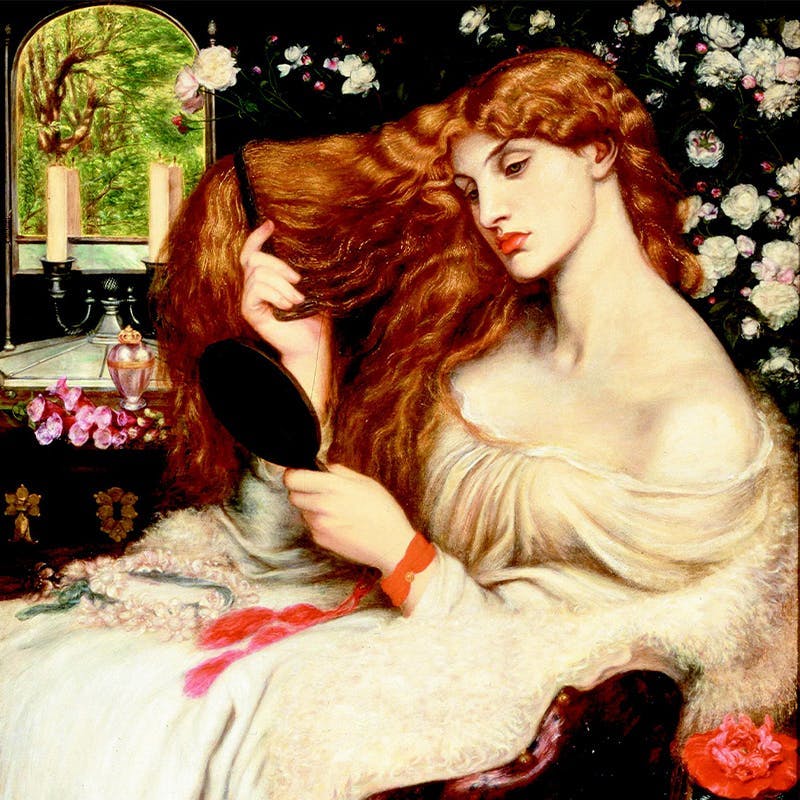
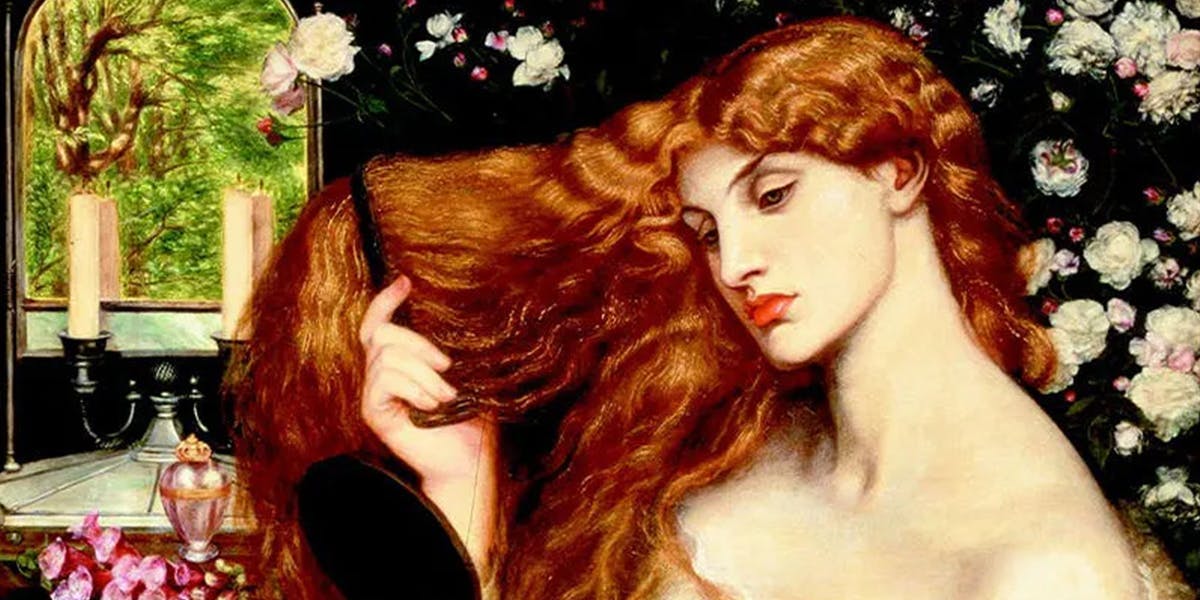
In addition to his paintings depicting the redhead Siddal (such as Regina Cordium), Rossetti also loved to portray other red-haired subjects. From the opera Lilith, for example, Rossetti depicts Lady Lilith as an iconic woman with flowing red hair. This color is also recalled by the poppy in the lower right corner. The poppy was a symbol of the opium-induced sleep flower, and its inclusion contributes to further languishing the image. There are two versions of this subject, one from 1866-68 in which Lilith's face belongs to the painter's lover, Fanny Cornforth. Later, in a second version of 1872-73, Rossetti replaced her face with that of Alexa Wilding.
Related: The Top 10 Stolen Masterpieces
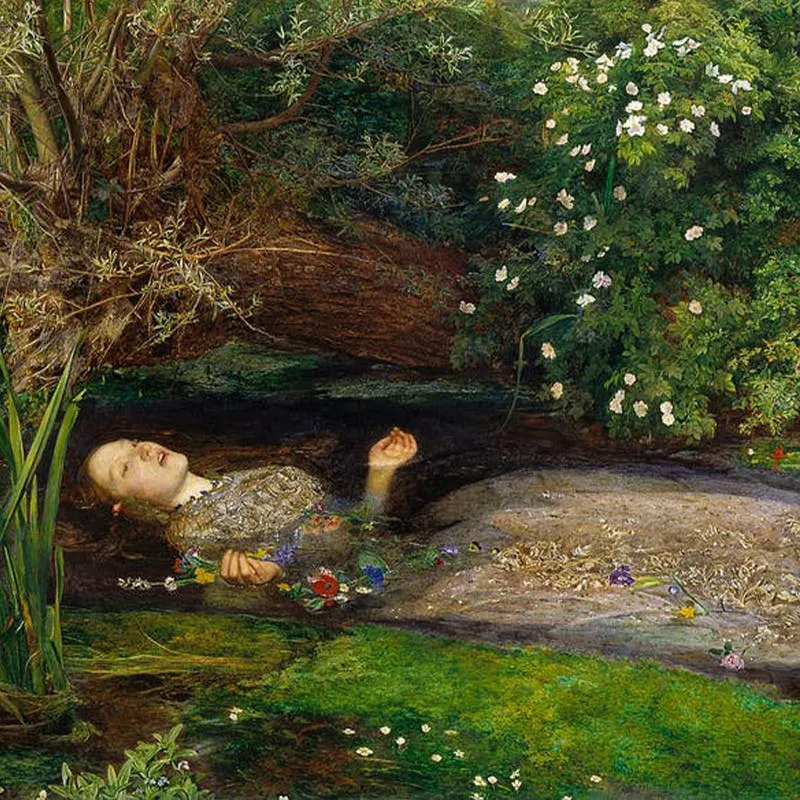
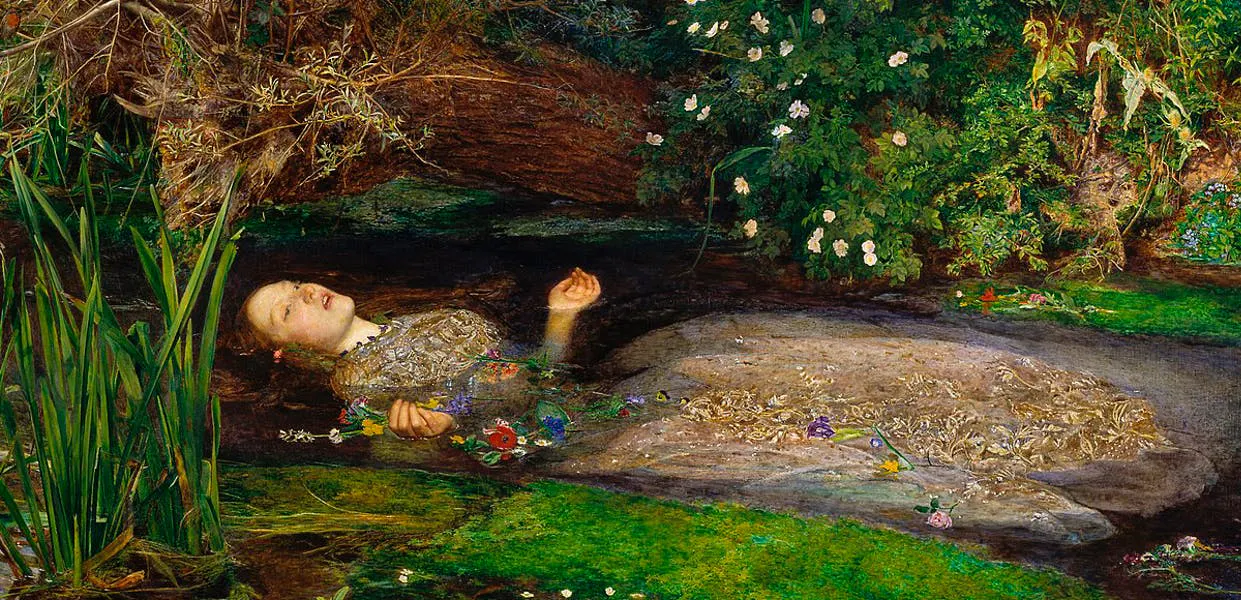
The Englishman John Everett Millais also portrayed Elizabeth Siddal, in his 1852 painting Ophelia. The tragic subject of this painting conceals an equally tragic anecdote: in order to reproduce the drowned young woman as faithfully as possible, Millais asked Elizabeth to immerse herself in a bathtub. It was winter and the water in the tub was only heated by a few candles, which however went out during one of the sessions. The painter, concentrated in his work, did not notice when Siddal fainted from the cold, later becoming seriously ill. It is likely that it was precisely because of this illness that Elizabeth began to use laudanum as a pain reliever.
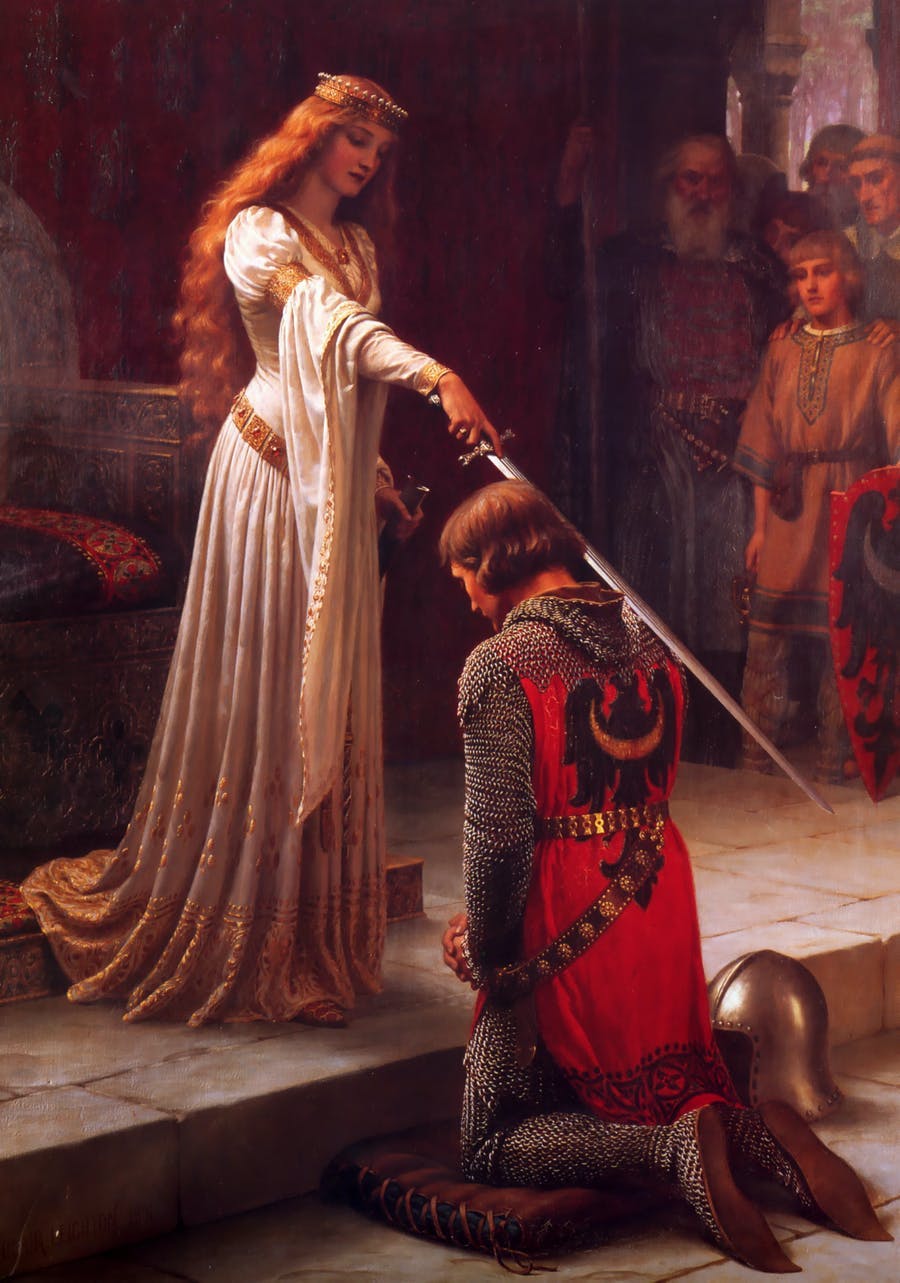
British painter Edmund Blair-Leighton painted in the era of Victorian Romanticism. His works were mainly of a historical genre and with medieval themes. In the painting The Accolade, he depicted a red-haired queen during the investiture ceremony of a young knight. The painter's intent is clearly to focus the viewer's eyes on the beautiful queen, who seems to feel a particular emotion for the young man at his feet. Red is definitely the protagonist, with the woman's hair emphasized by the light at her shoulders.
Related: 10 Artist Couples You Should Know
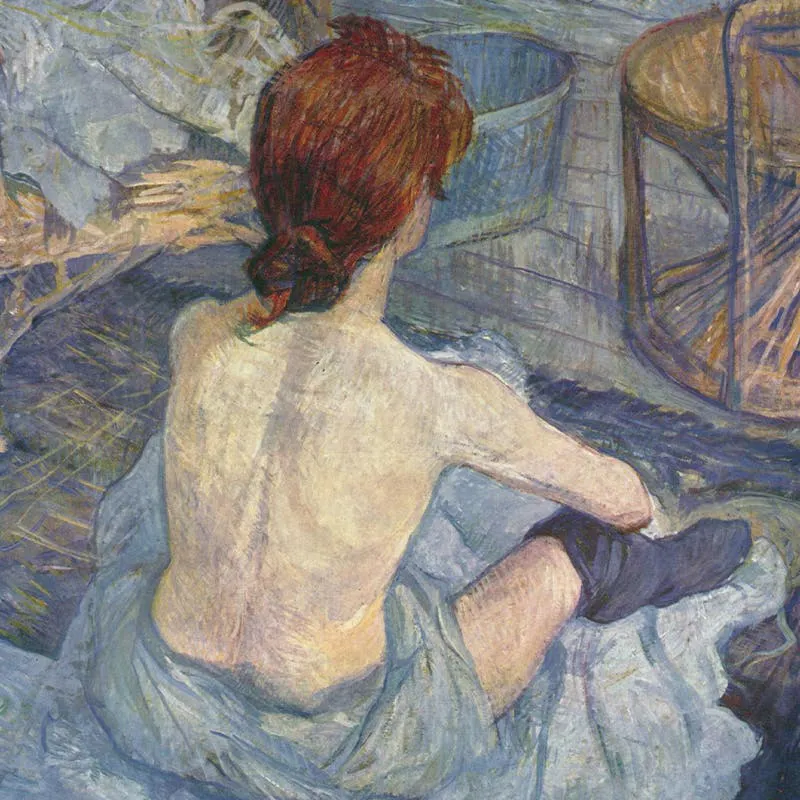
There are many works by the Frenchman Henri de Toulouse-Lautrec depicting women with flamboyant hair. Among these is La Toilette (also known as Rousse), completed by the painter in 1889. The work depicts a red-haired woman, stripped to the waist, sitting on the floor, with her face turned away from the viewer, immortalized immediately before or immediately after a bath. Whoever observes the painting has the impression of being somewhat of a voyeur-spectator, absorbed in contemplating the beauty of the subject.
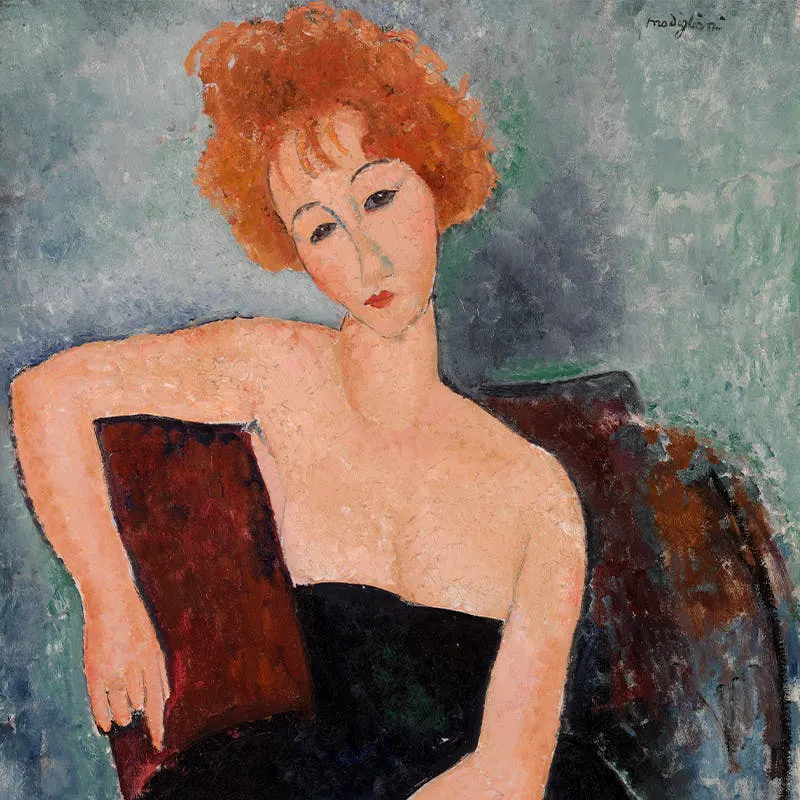
Amedeo Modigliani was often inspired by the beauty of red hair, not only in women but also in men (take, for example, the 1919 work Red-haired Young Man). One of the artist's best-known paintings is the Red-Headed Girl in Evening Dress from 1918, in which the model's flamboyant hair stands out in addition to her iconic long neck.
Related: Who Was Beatrice Hastings, the First Muse of Modigliani?
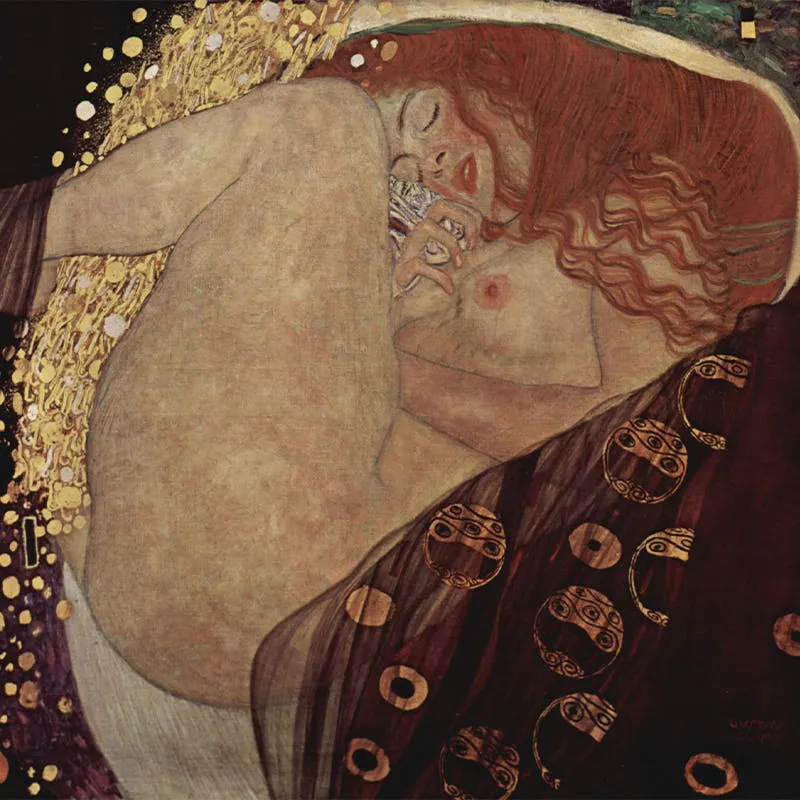
In highly erotic symbolism, Danae by Gustav Klimt depicts a sensual woman curled up on herself, her face half-covered and surrounded by red and wavy hair. The almost fetal position refers to the symbolism taken from Greek mythology: the beautiful Danae was fertilized in her sleep by the father of all gods, Zeus, who had turned into a rain of gold to penetrate her. In the painting, the subject seems to be wrapped in a circular structure that perhaps refers to the concept of motherhood.
We therefore find many artists, from various parts of the world and in different eras, who have been fascinated by red hair. American writer Mark Twain said that "While the rest of the human race are descended from monkeys, redheads derive from cats." In common with felines, red-haired women certainly seem to have a charm of their own, full of mystery.