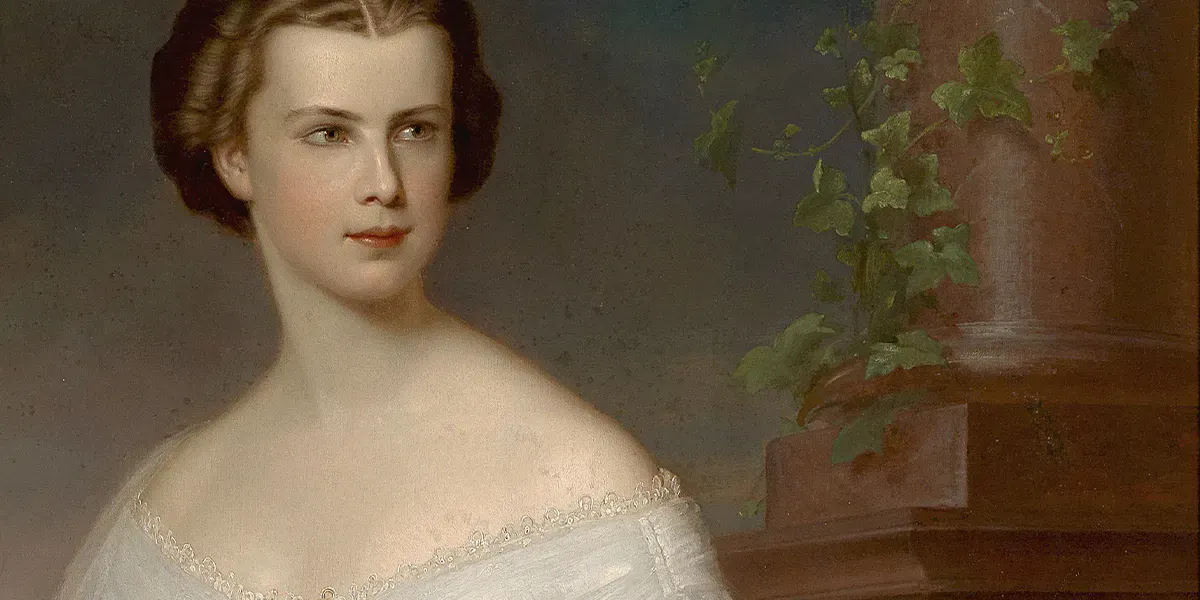
Empress Elisabeth of Austria (1837-1898), known as Sisi, is one of the most famous and popular people in the history of the House of Habsburg. To the delight of her many fans, some of her possessions have stood the test of time and continue to be offered on the auction market, where they attract a great deal of interest. "It's because of Elisabeth's power and also because of her beauty. Without them, she wouldn't be famous," says Dr. Georg Ludwigstorff, specialist at Dorotheum, where one of Elisabeth's undershirts will be auctioned on June 13.
Related: Beauty is Truth: A Real Portrait of Empress Elisabeth of Austria
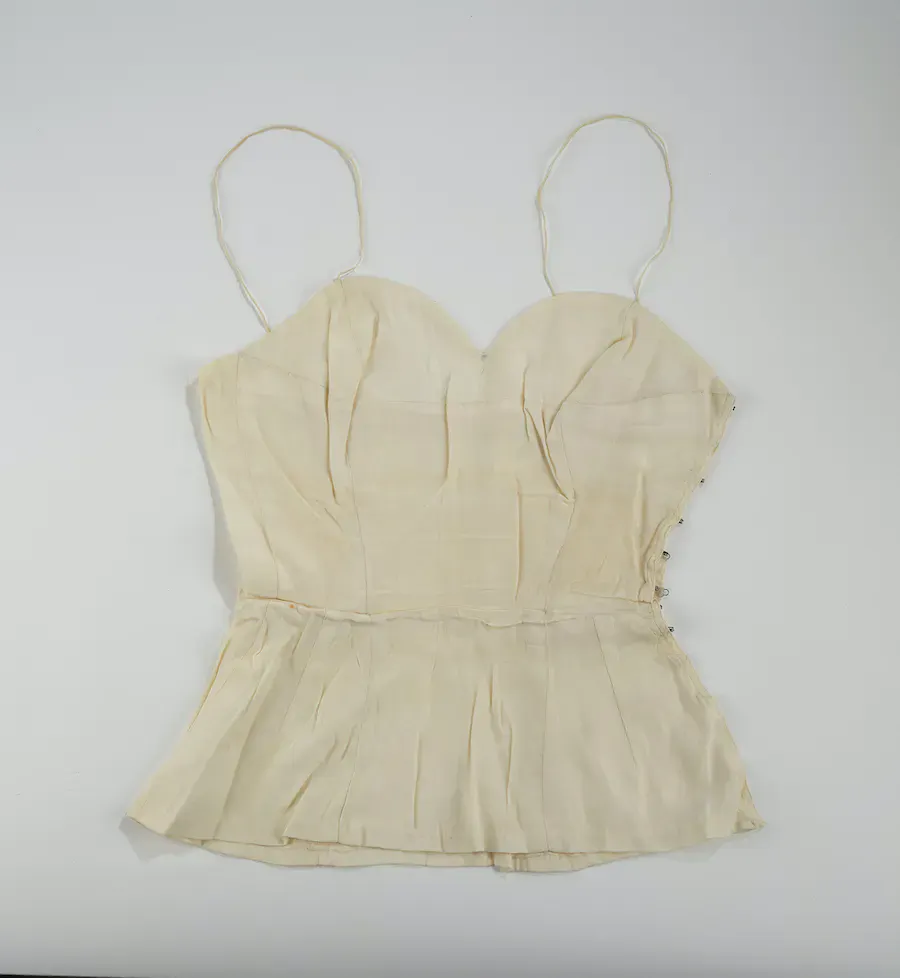
The undershirt, made of silk with side fastening hooks, is similar to today's tank top and dates from around 1850. At the time, Elisabeth, who was around 12 years old, led a rather quiet life as the daughter of Duke Max in Bavaria from an insignificant side line of the Bavarian ruling house of Wittelsbach. Contrary to the image conveyed by the popular films of the 1950s, the marriage of Duke Max and Ludovika, a daughter of King Maximilian I Joseph of Bavaria, was anything but harmonious. They had only reluctantly married each other because that was what their parents wanted.
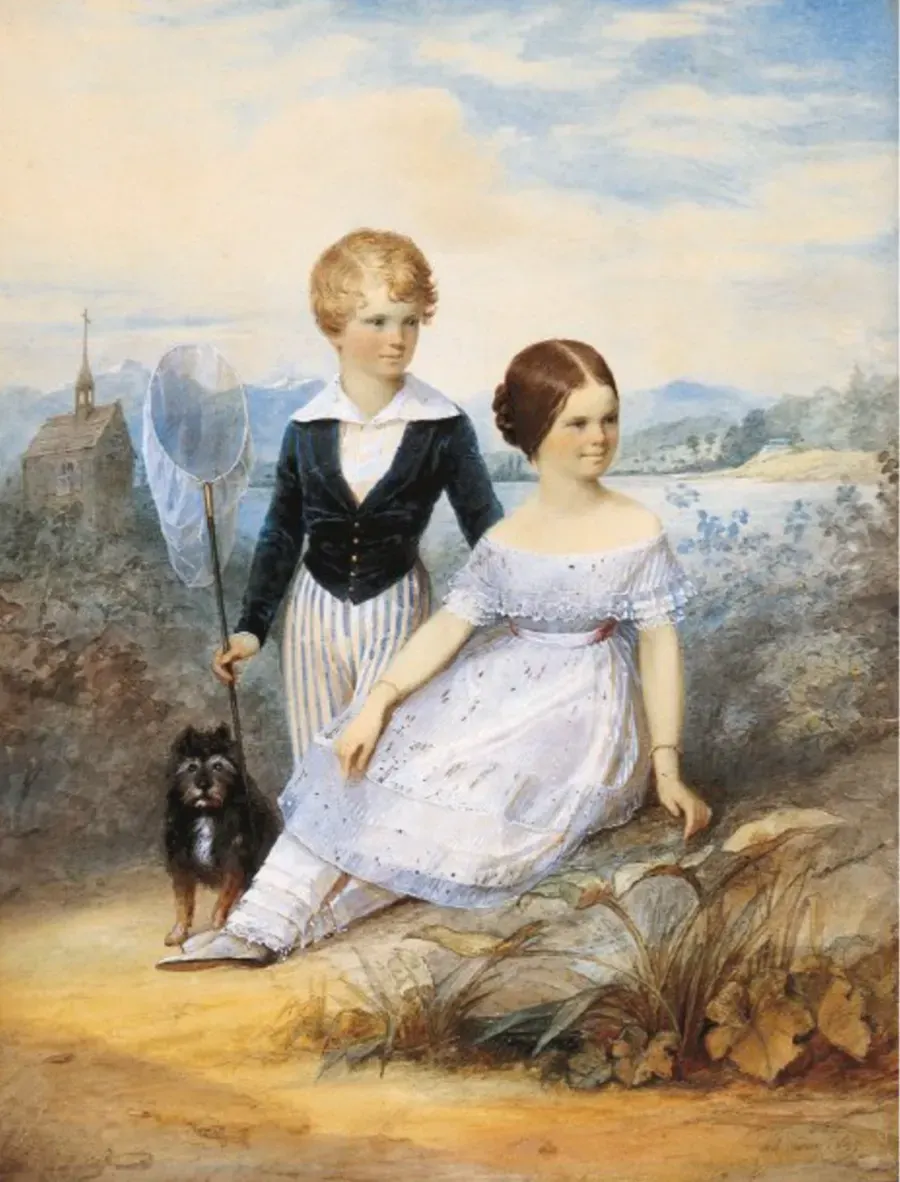
The duke, who was popular with the people of Munich for his democratic views, liked to travel (his playing the zither on the top of the Cheops pyramid is legendary) and left the upbringing of the children to Ludovika. At some point she came to terms with her situation and was absorbed in her role as a mother, which she fulfilled in winter in Munich and in the warm season in the little summer palace in Possenhofen on Lake Starnberg.
Related: 5 Portraits of Women in Black
The eight ducal offspring, above all the five daughters, inherited their parents' good looks. As is well known, the second eldest daughter Sisi in particular is famous for her beauty to this day. However, even her own mother thought that Sisi didn't have a pretty face. The first to recognize Elisabeth's "potential" in this regard was Emperor Franz Joseph I of Austria in 1853, who then made his 15-year-old cousin his bride and not her older sister Helene, who was actually intended for him.
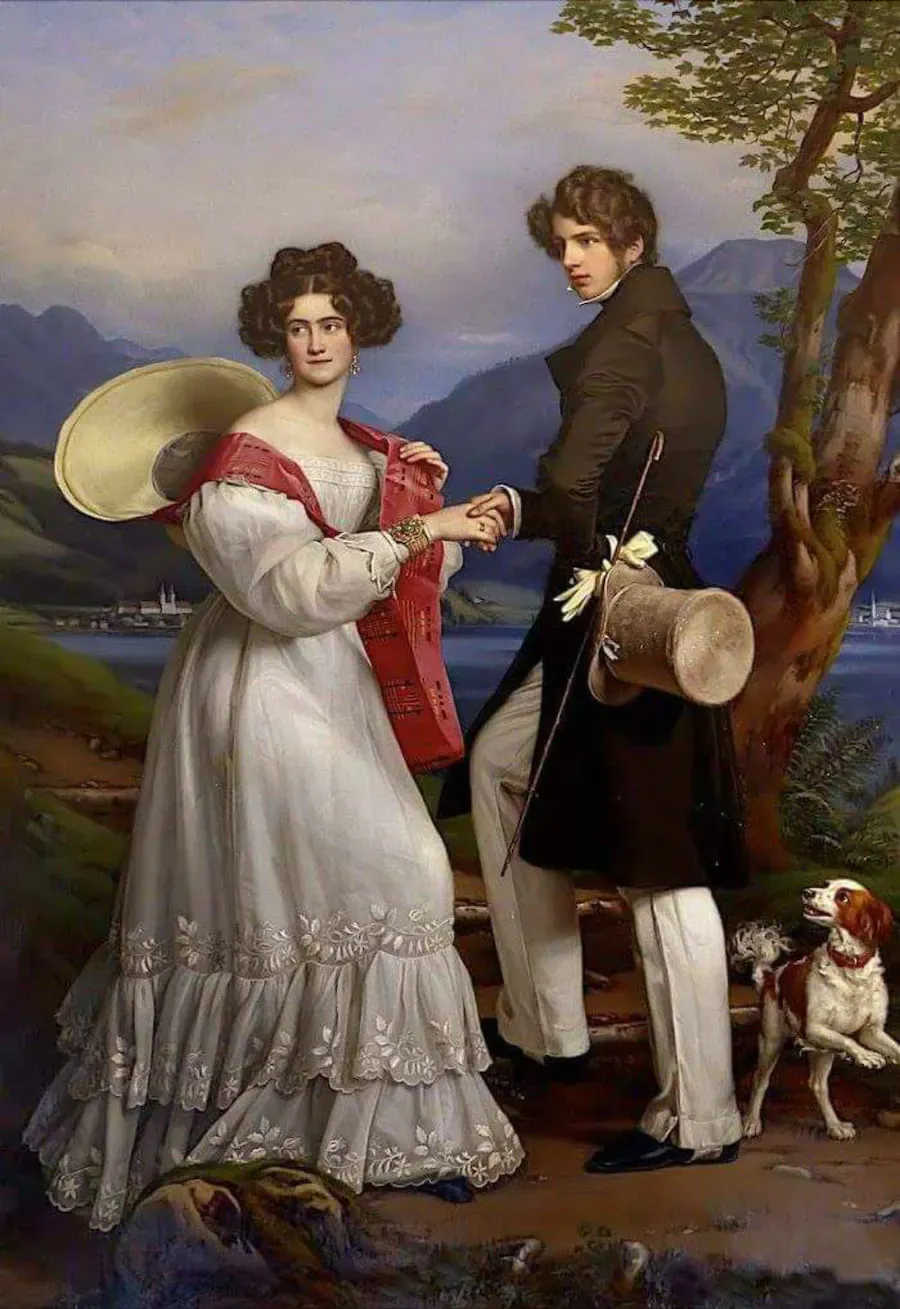
Helene, called Néné, had long been chosen as the emperor's bride (a joint plan by Ludovika and her sister Sophie, Franz Joseph's mother). Shortly before the unexpected engagement in the spring of 1853, Sisi had been sent to Dresden to look for a groom, where another sister of Ludovika and Sophie was queen. Sisi returned home without a bridegroom and instead fell in love with a Count Richard., who was in the service of the ducal family. He was sent away as quickly as possible and died a short time later, which put the shy and withdrawn Sisi into what was possibly the first depressive mood of her life.
Related: The 6 Most Famous German Paintings
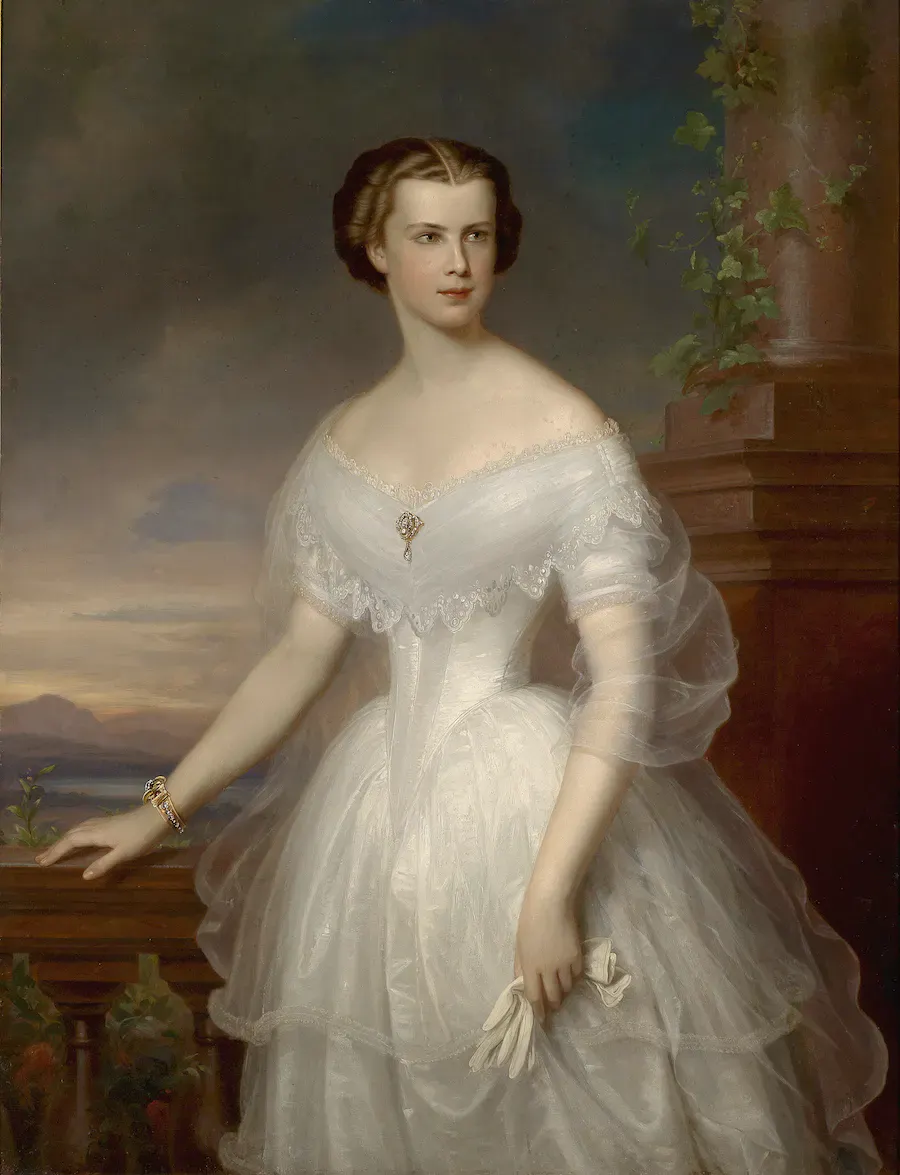
Bu the most sought-after bachelor of the time, Franz Joseph, fell under the spell of Sisi's hitherto undiscovered charm and made Sisi Empress of Austria with her marriage on April 24, 1854. After giving birth to three children, she set out towards the end of 1860 to seek treatment on the distant island of Madeira for her various illnesses. She returned home with renewed self-confidence and appointed the theater hairdresser Fanny Feifalik as her personal hairdresser in 1863.
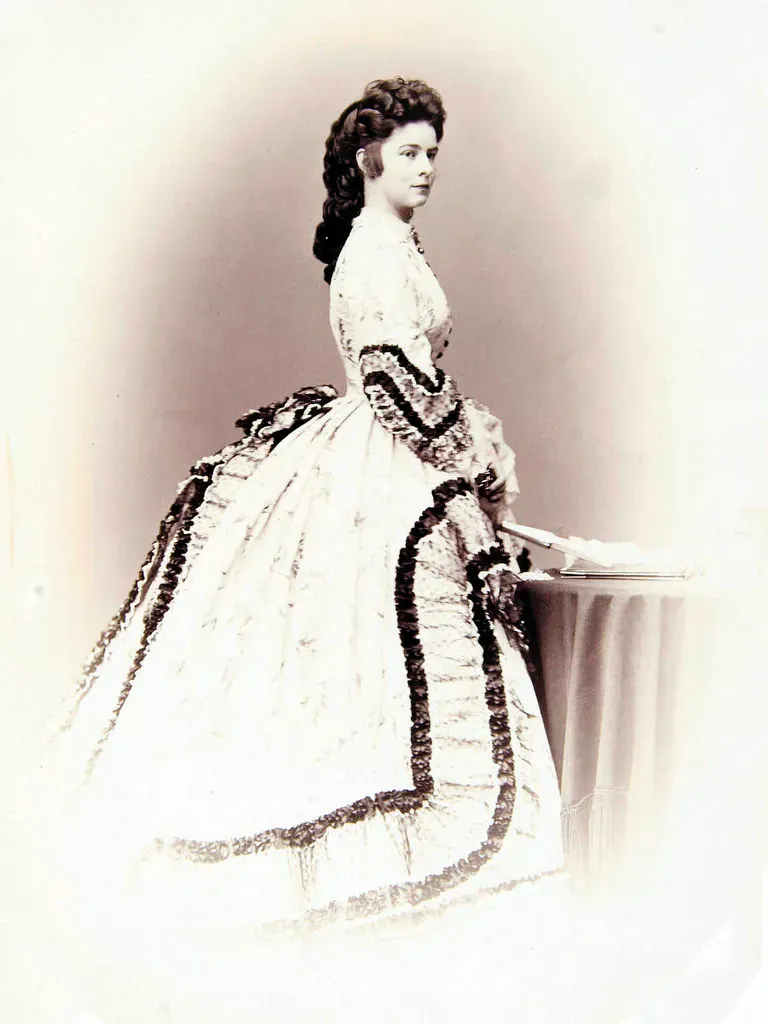
Daily hair styling took three hours and a hair wash a whole day. She followed a strict diet and exercised daily, which kept her waist excessively slim. The waist of the undershirt worn by 12-year-old Sisi on sale at Dorotheum is around 24 inches. As an adult, the empress had a waist measurement of an unbelievable 20 inches, which was emphasized by the tight lacing of the corset.
Want to discover articles like this straight to your inbox? Then register today for our free newsletter!
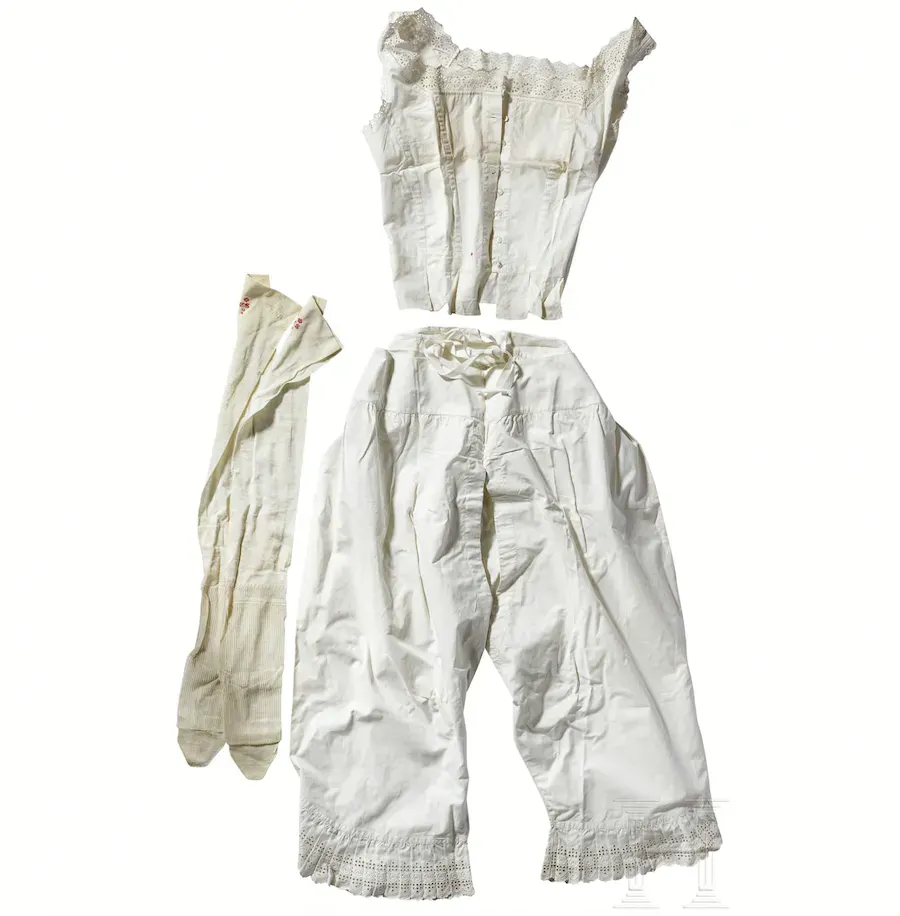
The empress' shirt is estimated at 5,000-10,000 euros. However, it is not the first time that Empress Elisabeth's lingerie has been auctioned off. In 2021, for example, an underwear set from the 1870s/80s, consisting of a shirt, trousers and a pair of stockings, caused a stir when it was offered for sale at the Hermann Historica auction house. The estimated price at the time was 1,000 euros, but the lot was finally sold for 3,800 euros.
Check out Barnebys Magazine for more news from the auction market!