
I will make everything around me beautiful. This will be my life.
In 1883, Elsie de Wolfe, known as Lady Mendl, was presented to Queen Victoria's court, making her entry into London society official. American by birth, she grew up in a wealthy family surrounded by the salons of good society. However, de Wolfe chose an unexpected route for a woman of her status, forging a new professional path for women: that of the interior designer.
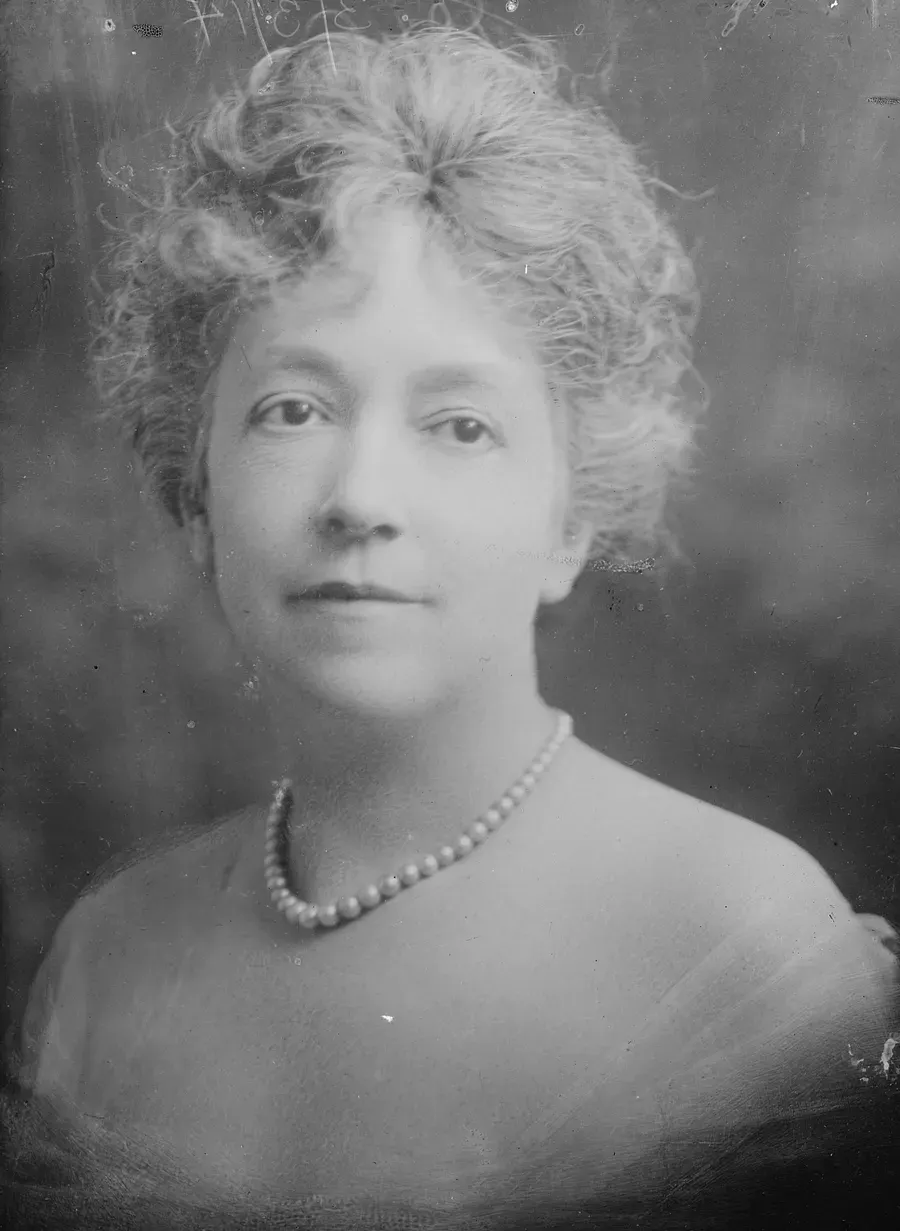
At the end of the 19th century, De Wolfe was an actress who graced New York theaters, who made her debut in her first major role in 1891 with Thermidor, a play by French playwright Victorien Sardou. It was only following the loss of her father and economic hardship that the need arose to transform her passion into something more.
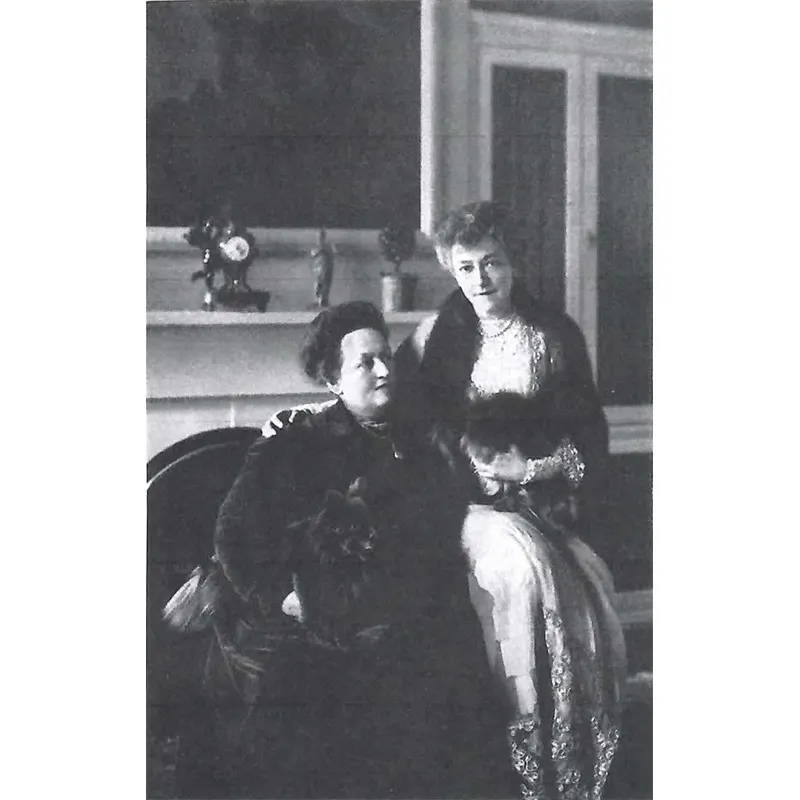
Through the stage she met Elizabeth (Bessie) Marbury, a theatrical agent with whom ensued - despite a front wedding to a man - a very long love story. In 1884 de Wolfe joined the Frohman theatrical company and then founded her own only seven years later. Elsie De Wolfe's entrepreneurial spirit manifested itself with strength, punctuality and precision: her show The Way of The World was on Broadway for two years. She retired from the stage in 1905, but only because her goal had become something else. For De Wolfe the time had come to leave her mark in the history of design.
Related: A Brief History of Furniture Design
It is difficult to establish what factors of taste and aesthetics lead to an influential and successful career. It is even more difficult if Elsie De Wolfe's life is contextualized within a purely patriarchal society, in which the confidence and stubbornness necessary to emerge professionally in a creative sector were not well-regarded characteristics, nor encouraged in a woman. Despite these obstacles, from De Wolfe's privileged childhood to the theatrical sets in which she immersed herself in adulthood came her construction of a visual culture, a taste and awareness for details. It was at the suggestion of Marbury, who continued to support her, and her friend Sara Cooper Hewitt that De Wolfe officially started her career as an interior designer. Her popularity and regard in society obviously accelerated her rise to prominence.
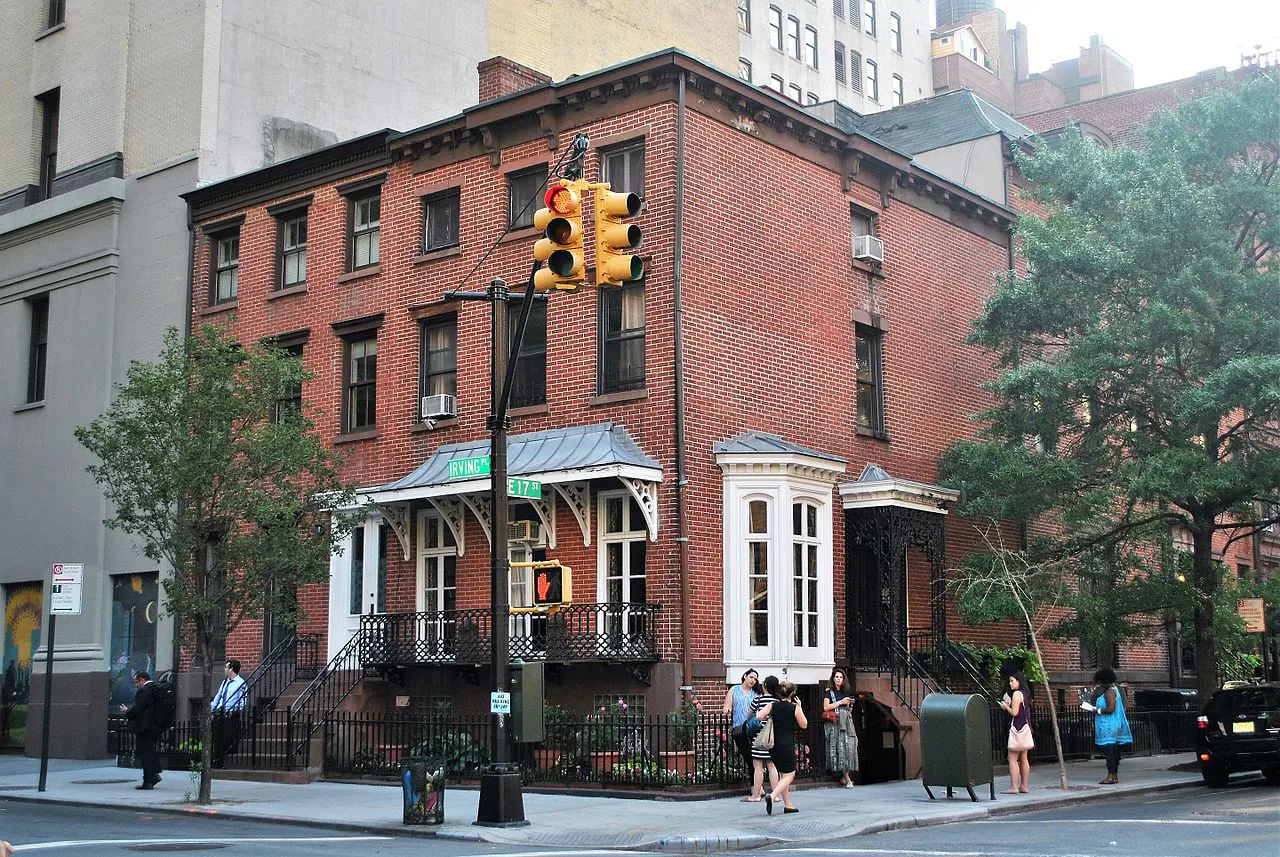
One of her acquaintances was the architect Stanford White, who helped her get the commission for the interior design of the Colony Club, the first social club set up by and for women on the Upper East Side of New York. From this work emerged the distinctive features of De Wolfe's way of conceiving spaces: sense of proportion, airiness (mainly through the use of mirrors and the choice of very light shades for paints and fabrics) and visual, rather than stylistic, unity. She also showed a fondness for green and white stripes, black and white combinations and fabrics that mimicked animal skins. For the interior designer, bathrooms were never secondary but rather environments to be elevated like real rooms. Among her many future clients was millionaire Henry Clay Frick, who commissioned her to design the private rooms of his Neo-Renaissance-style mansion on 5th Avenue, now home to the Frick Collection.
Related: The 10 Most Popular Furniture Designers
The surprising success of Elsie De Wolfe, who would become the first professional interior designer in America and beyond, rested on the collective desire for a break with the Victorian style, a style born and spread between 1830 and 1900 under the influence of industrial development. With the advent of technology came the democratization of taste: interior design ceased to be exclusively for the rich and became an integral part of everyday life for everyone. However, with the influx of furniture, art, fabrics, and decorative arts at affordable prices, people filled their homes with little direction or concept of design, creating the heavy, maximalist style characteristic of the Victorian era.
Do you know what your design pieces are worth? Find out with ValueMyStuff
Want more articles like this delivered straight to your inbox? Subscribe to our free newsletter!
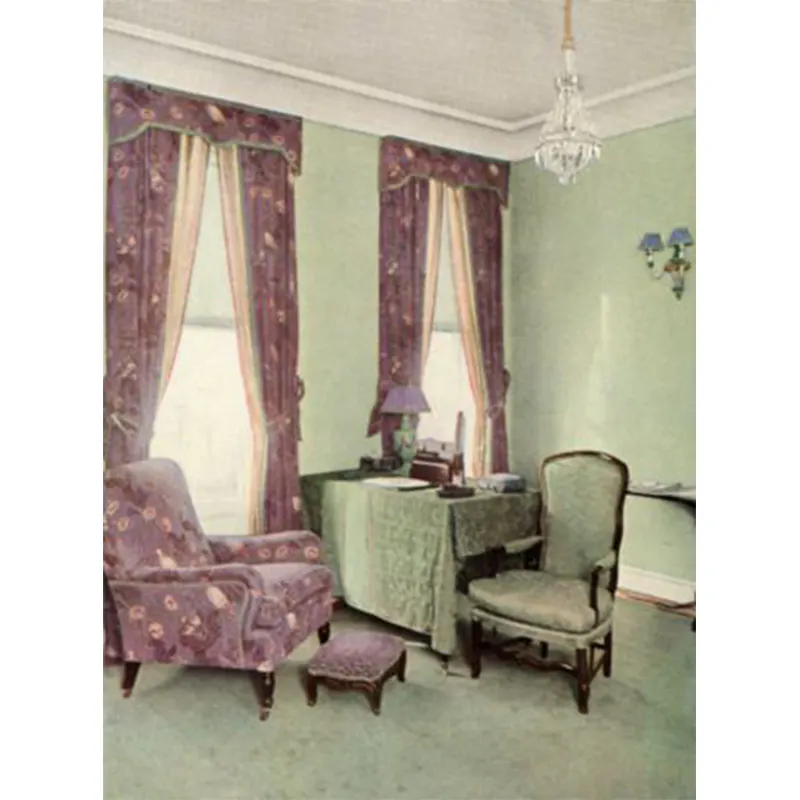
Elsie De Wolfe had been raised in rooms packed with excessively dark green, blue and brown tones and highly decorated furniture. With her interior style, she chose to deconstruct, becoming a spokesperson for the taste of a new generation. Her interiors became lighter with soft and delicate colors and more minimalism in terms of furniture. Little was left to chance: her taste was practical and prioritized people and their use of space.
If at times the life and work of Elsie De Wolfe seemed to be forgotten, this has never happened to her objects - the furniture, small accessories and works of art - that the designer collected in the course of her life. Symbols of her status quo, taste and influence in the communities of artists and designers, certain objects have arrived to us, and are becoming increasingly popular and valuable.
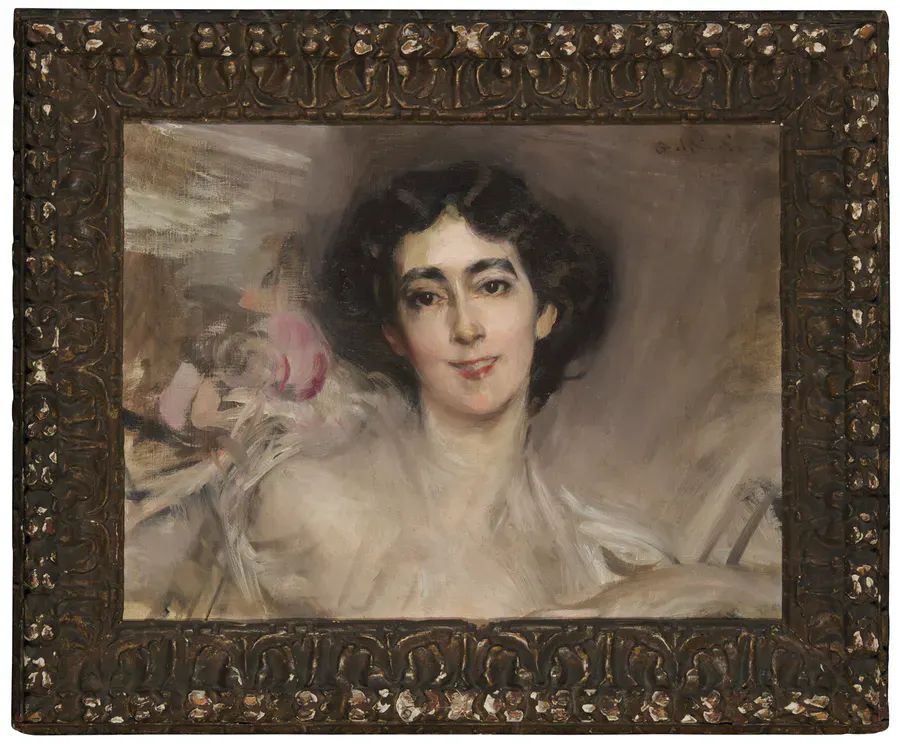
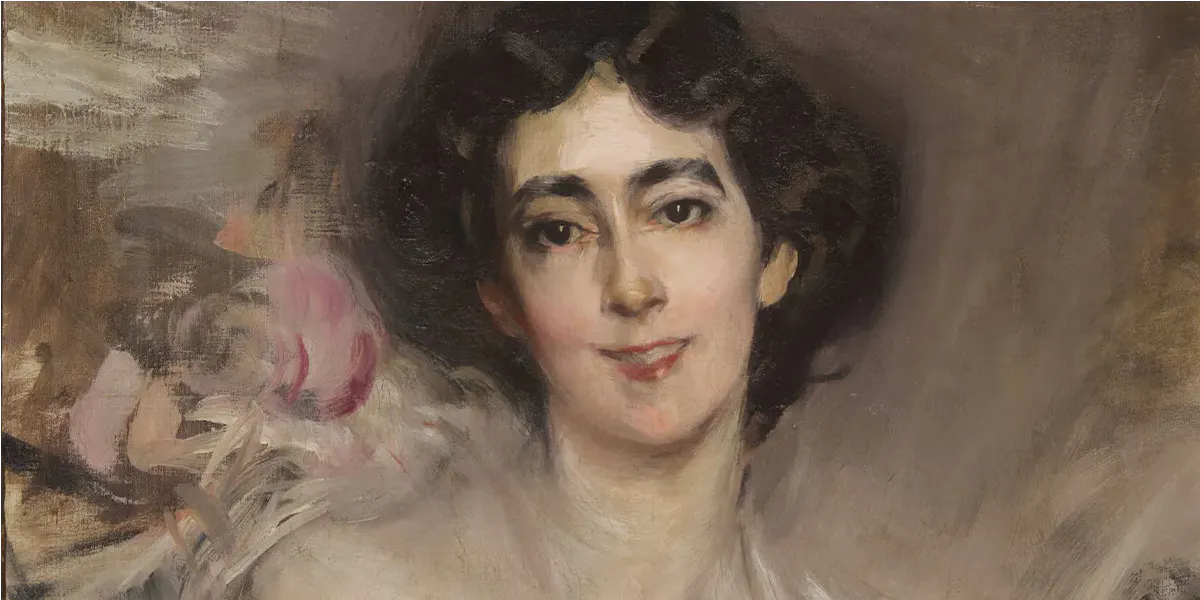
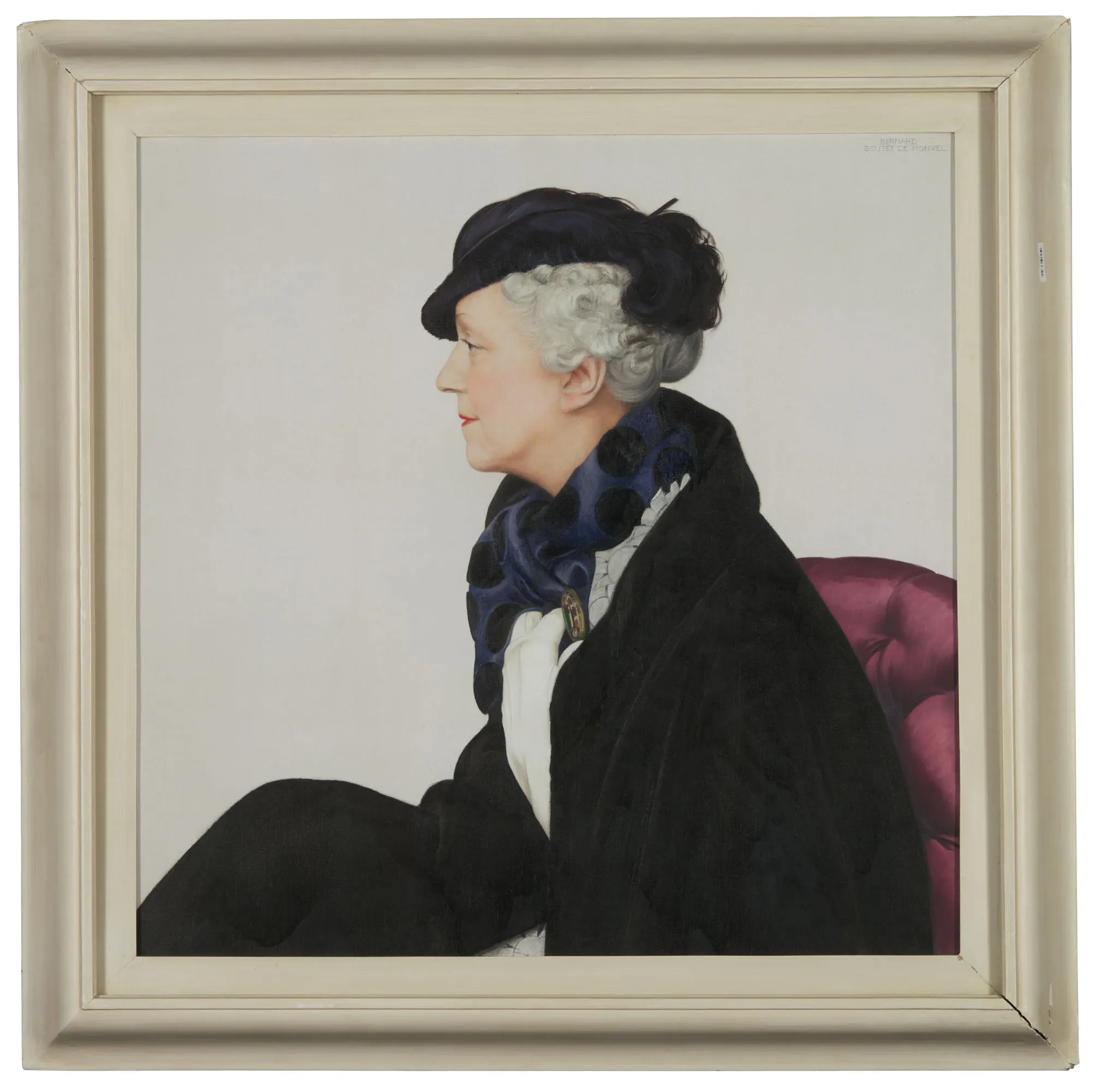
In September 2020, Christie's presented a portrait of Elsie De Wolfe, entitled Portrait d'Ella de Wolfe, dite 'Elsie', plus tard Lady Mendl, made between 1865 and 1950 by Giovanni Boldini, the Italian painter considered among the most sensitive interpreters of the Belle Époque. The painting was sold for the final price of $134,213. The story behind this canvas demonstrates De Wolfe's temperament who, quite sure of her preferences, did not hesitate to convince Boldini to abandon the original idea of a standing portrait, to move to a half-length one instead. About thirty years later, the designer and painting were reunited in a photograph taken by Horst Paul Albert Bohrmann, the well-known Vogue photographer. At 68, Elsie de Wolfe posed next to herself, in a dress of Art Deco motifs.
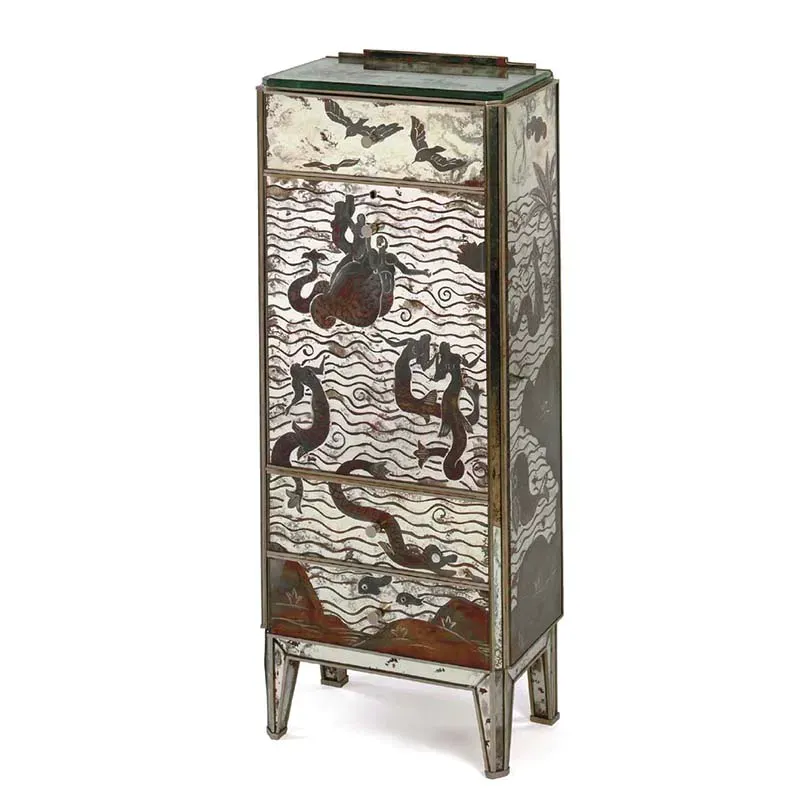
At the end of the 1920s, as a demonstration of her taste in design, De Wolfe commissioned the creation of a cabinet with a boudoir mirror to Max Ingrand, a French decorator and designer. For about 10 years, Ingrand was the artistic director for the Italian lamp company Fontana Arte, for which he designed objects - especially lamps - that would mark the history of design. De Wolfe was so attached to the cabinet that she doubled the space of her luxurious bathroom and placed it in the space of the new living room. The piece remained in the Paris apartment on number 10 Avenue d'Iéna for her whole life. In 2006, it was auctioned at Christie's, and was sold at an astonishing $78,000.
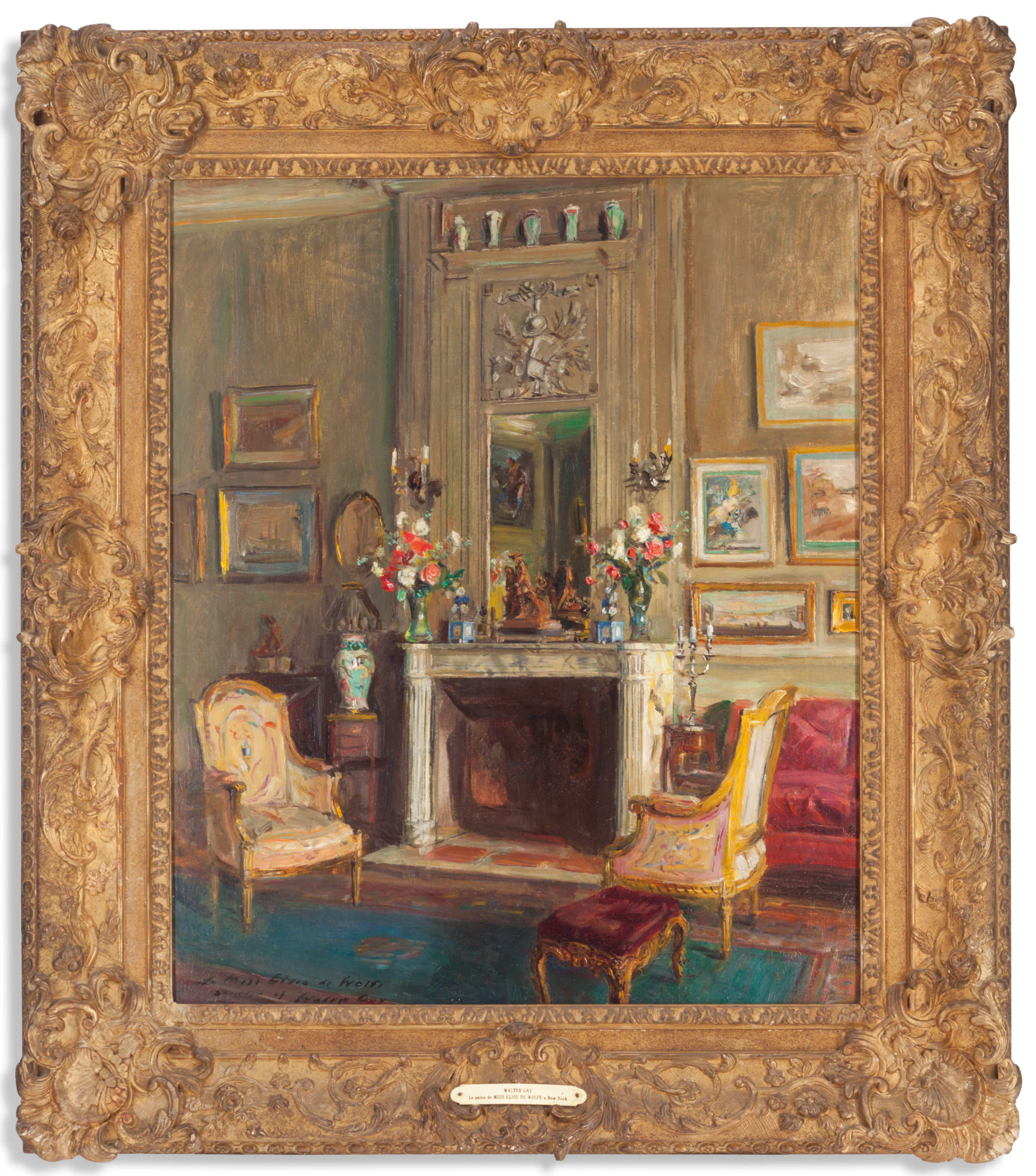
Shortly after starting her career as an interior designer, Elsie De Wolfe said “I will make everything around me beautiful. This will be my life". The passage of time can be merciless on legacies like hers. In fact, it is very difficult - in the absence of large quantities of photographs - to recreate the innovative environments imagined by the designer. Condé Nast's commission was one of the greatest peaks of her career: her combination of modern decor with 18th-century furniture, rich chinoiserie and flowery walls consolidated her style. A very rare and colorful testimony is the oil on canvas from De Wolfe's New York apartment, sold at Christie's for $68,750. It is clear that beauty, for her, was always a personal aspiration, and not just a career goal.
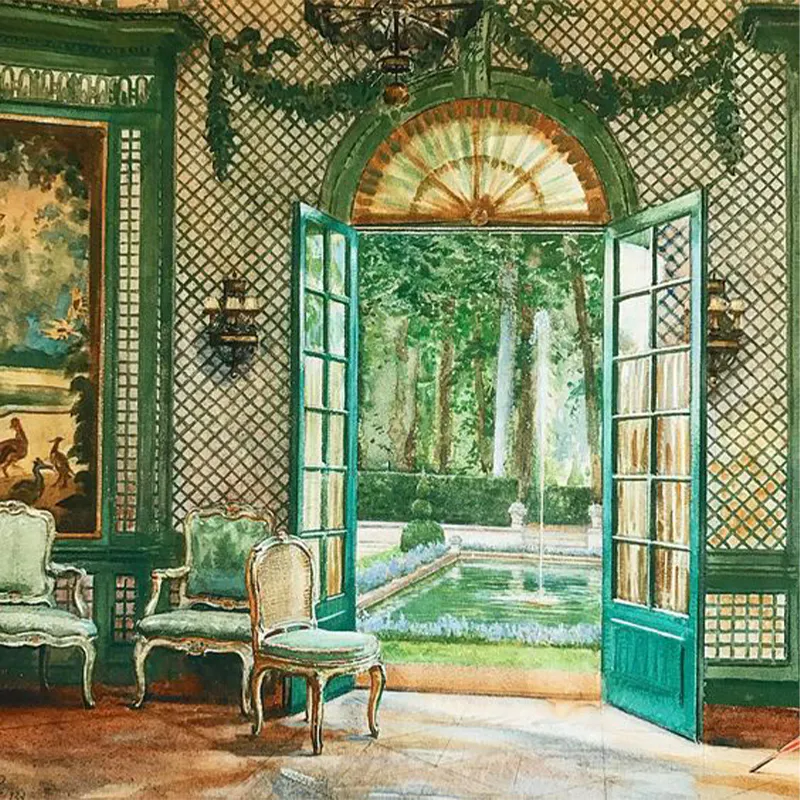
In 1941, Elsie de Wolfe and her husband Sir Charles Mendl were forced to abandon the splendid rooms of Villa Trianon in Versailles following the Nazi occupation of Paris. De Wolfe was so fond of the place that she returned there as soon as the war was over, deciding to stay there until her death in 1950.
The purchase and furnishing of the Petit Trianon dates back to 1905, and marked De Wolfe's definitive entry into the world of European furniture. The house obviously boasted a very prestigious history: ten years prior it belonged to none other than Prince Louis d'Orléans, Duke of Nemours, related to the royal family. De Wolfe got Villa Trianon at the bargain price of $12,000, which would be around $310,000 today. In this new phase she was supported, as usual, by Bessie Marbury, with whom - without causing little scandal - she lived together for long periods of time. At the time of purchase, the original furnishings of Villa Trianon were practically intact thanks to the care of a devoted client of De Wolfe, the French industrialist Paul-Louis Weiller, who had until then used the Petit Trianon as a residence for his holidays.
Related: 8 Patrons of the Parisian Avant-garde
De Wolfe's touch is most clear in the renovated bathroom on the second floor. Twice as large as the adjacent bedroom, it was transformed into a large living room full of antique furniture, sculptures, paintings and other small objects. In full De Wolfe style, decor is scattered around with harmony, while a sense of comfort is still maintained. There is no shortage of color combinations, with a fireplace in black and green veined marble paired with a tub in the same color. Near the fireplace, you can still see a golden andiron in the shape of a horse, a real dream for the designer. As she told in her biography After All, published in 1935: "I thought that if I ever could afford it, I would surely have a fireplace in my bathroom."