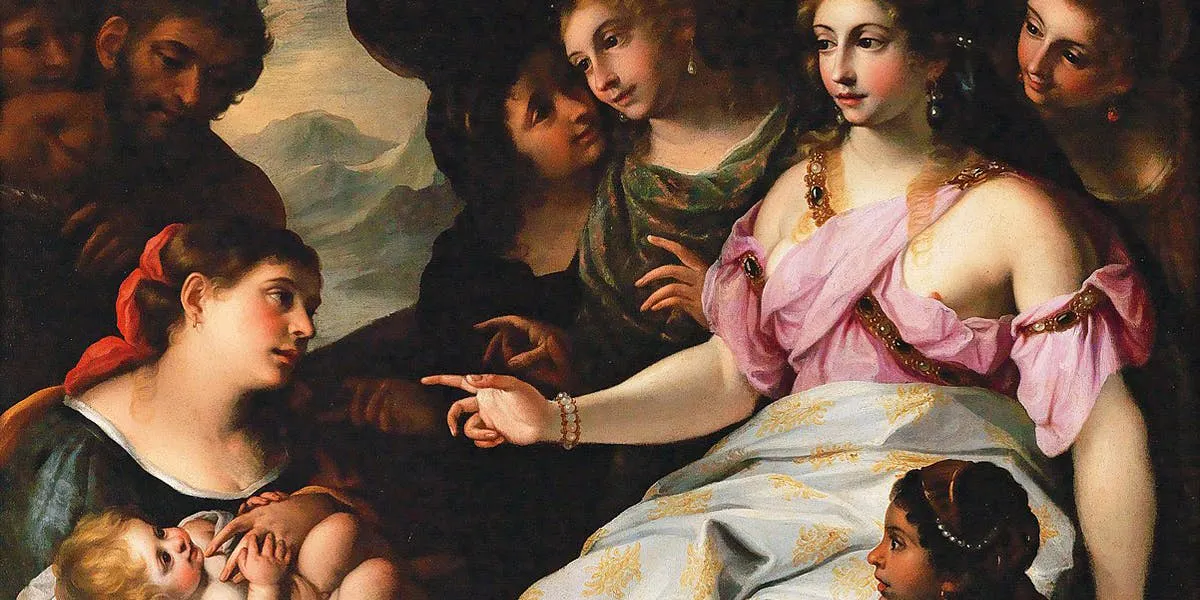
In 1600, the city of Bologna experienced a flourishing period in terms of career opportunities for female artists and Elisabetta Sirani was born into the Renaissance period on January 8, 1638. Her father Giovanni Andrea Sirani was a successful painter who had studied and collaborated with Guido Reni and trained his three daughters Elisabetta, Barbara and Anna Maria in his atelier.
Related: On Rocky Paths: Female Artists from the Renaissance and Enlightenment
The training of the three sisters was not limited to painting, but also to the humanities and music, teachings that Elisabetta would greatly benefit from later on. Meanwhile, her great talent soon became evident, so much so that at 17 she got her first job. Shortly thereafter she also took over the direction of her father's workshop after Andrea Sirani fell ill with gout.
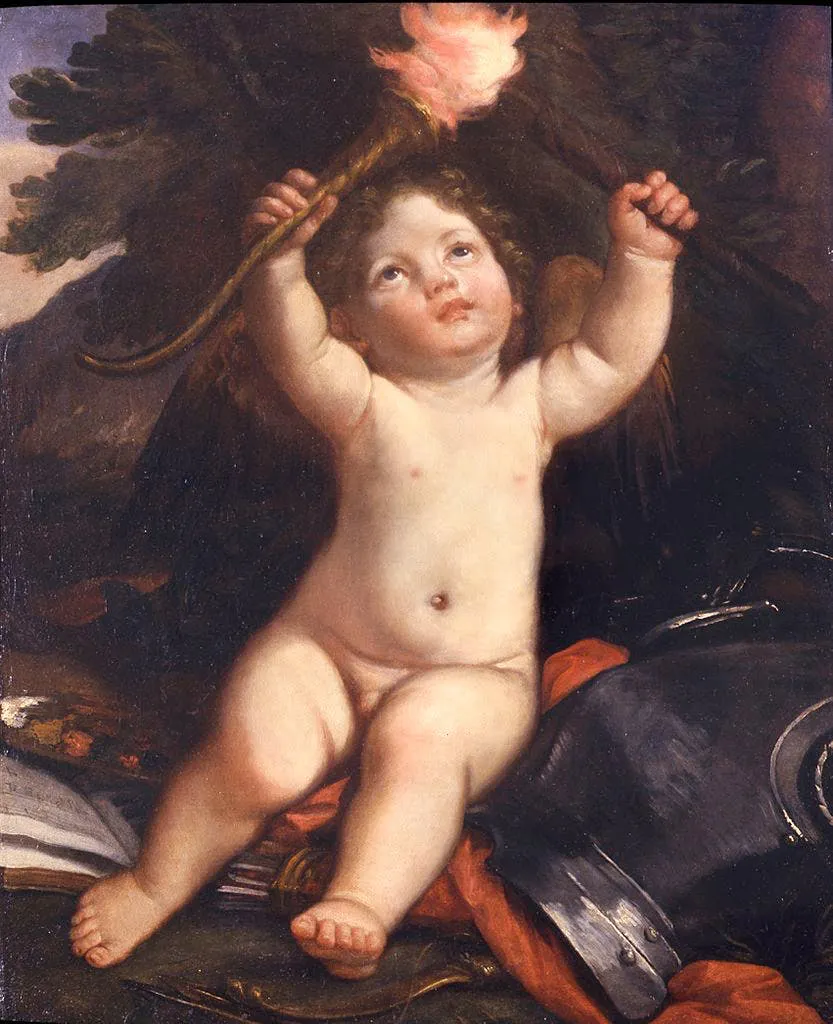
Elisabetta's first clients belonged to the upper middle class. Later, however, the first commissions from prominent nobles arrived, including Cosimo III de' Medici. However, the proceeds from the commissions went directly to the father and for this reason, the young artist accepted some commissions secretly.
Related: Lavinia Fontana: The Papal Painter
Sirani's works were stylistically based on Guido Reni and Caravaggio. However, some doubted that that was actually her hand and so Elisabetta began to paint in an open studio that soon became an attraction for travelers and visitors. To nip these rumors in the bud, she also decided that she would always sign her works.
In Allegory of painting, a self-portrait from 1658, Elisabetta portrayed herself as a rich woman with kind features, looking confidently at the viewer. Her classical training proved fundamental to her work, and was also inspired by ancient writers such as Plutarch.
Related: Artemisia Gentileschi: 5 Extraordinary Facts
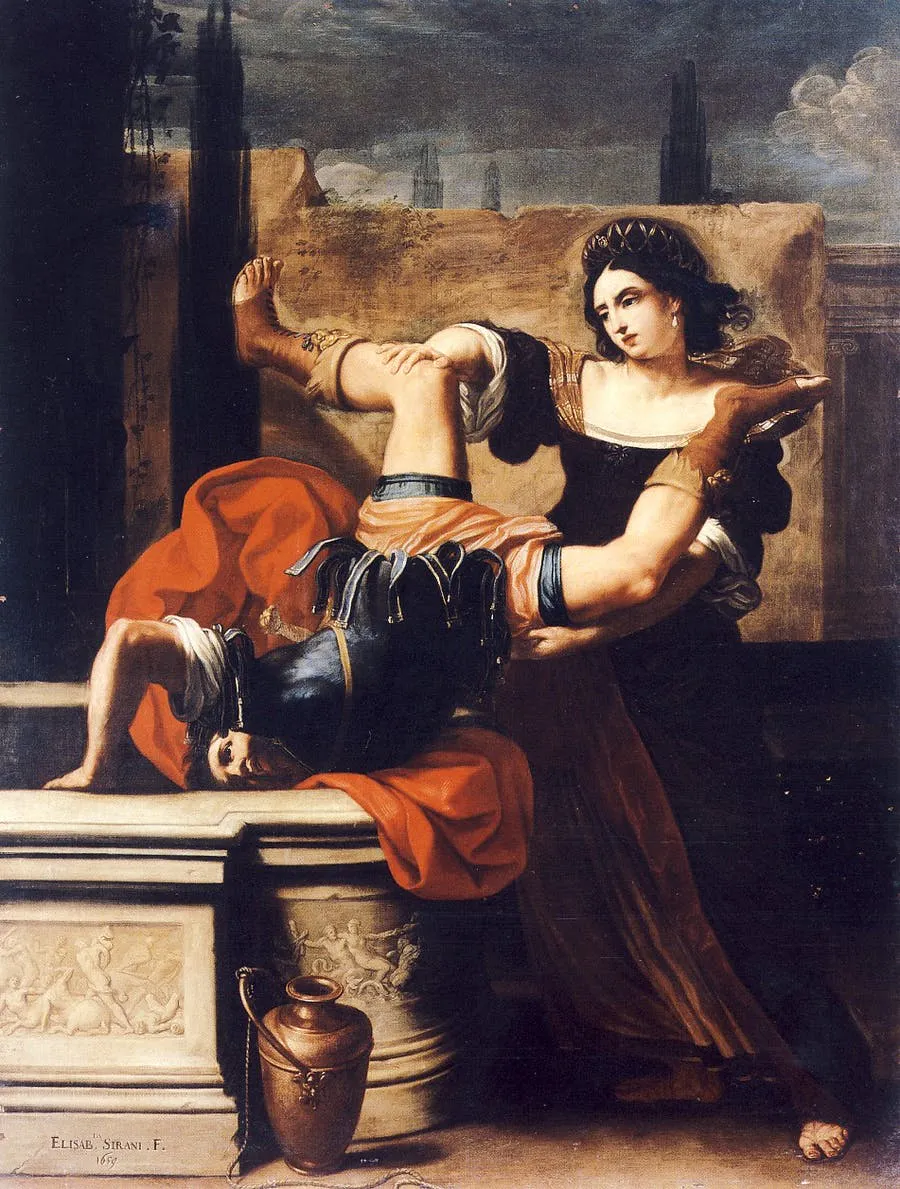
Elisabetta Sirani's style was very similar to that of her contemporary Artemisia Gentileschi as both dedicated themselves to depicting strong female figures of history such as Judith, Portia (Brutus's wife) and Timoclea, who throws her tormentor into a fountain.
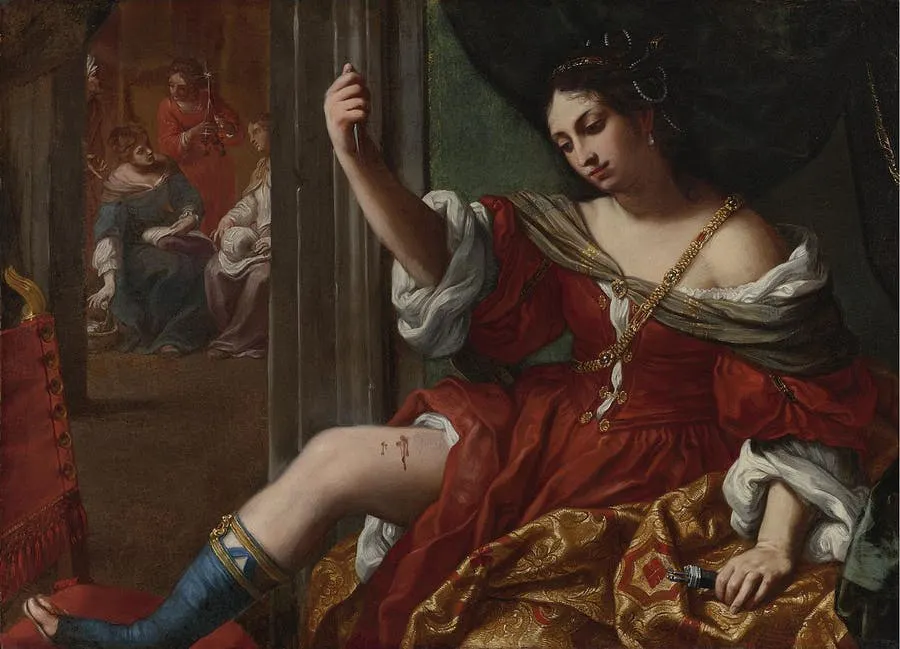
Elisabetta Sirani had the great honor of being one of the first women to be accepted at the Accademia di San Luca. Until then, in fact, artistic training was forbidden to women. However, she was not satisfied with this and soon decided to found her academy, dedicated solely to training girls.
Related: Weaponized Femininity: A History of Women Beheading Men in Art History
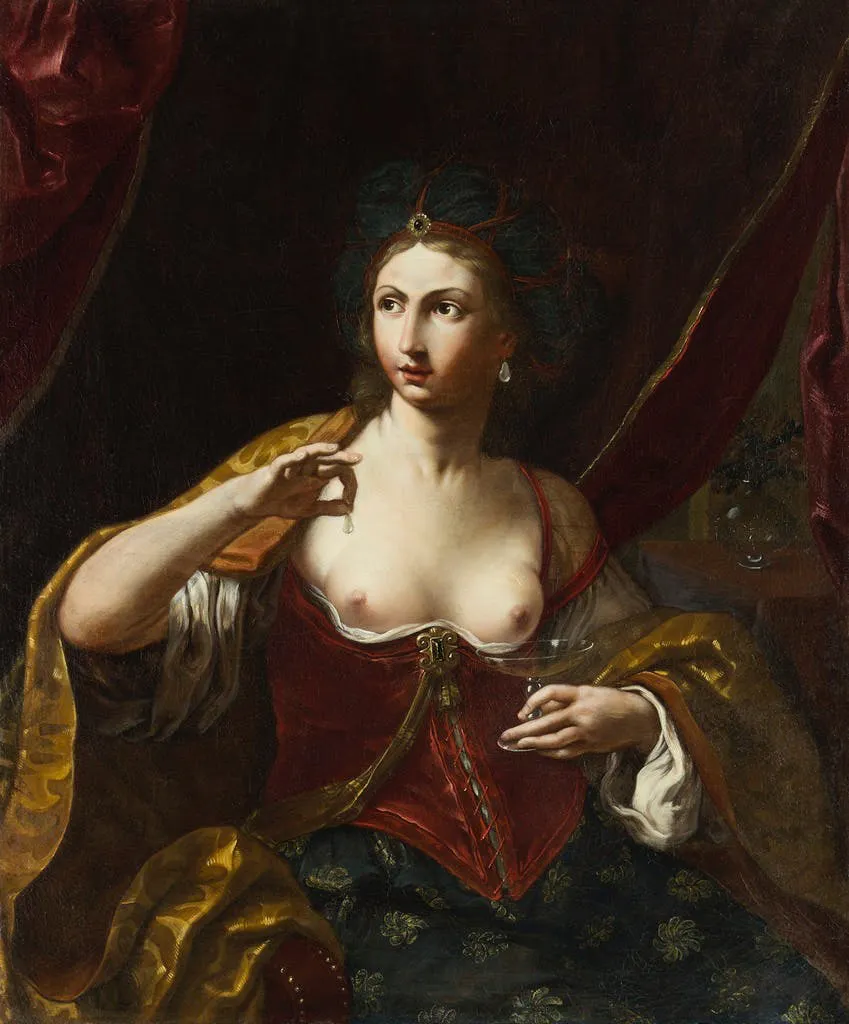
The educated and talented Elisabetta Sirani was a respected and popular personality throughout Bologna. When she died on August 28, 1665 at the young age of 27, rumors immediately arose related to possible poisoning. Her father accused the maid Lucia Tolomelli, who had given up her job with the Sirani family a few days before Elisabetta's death.
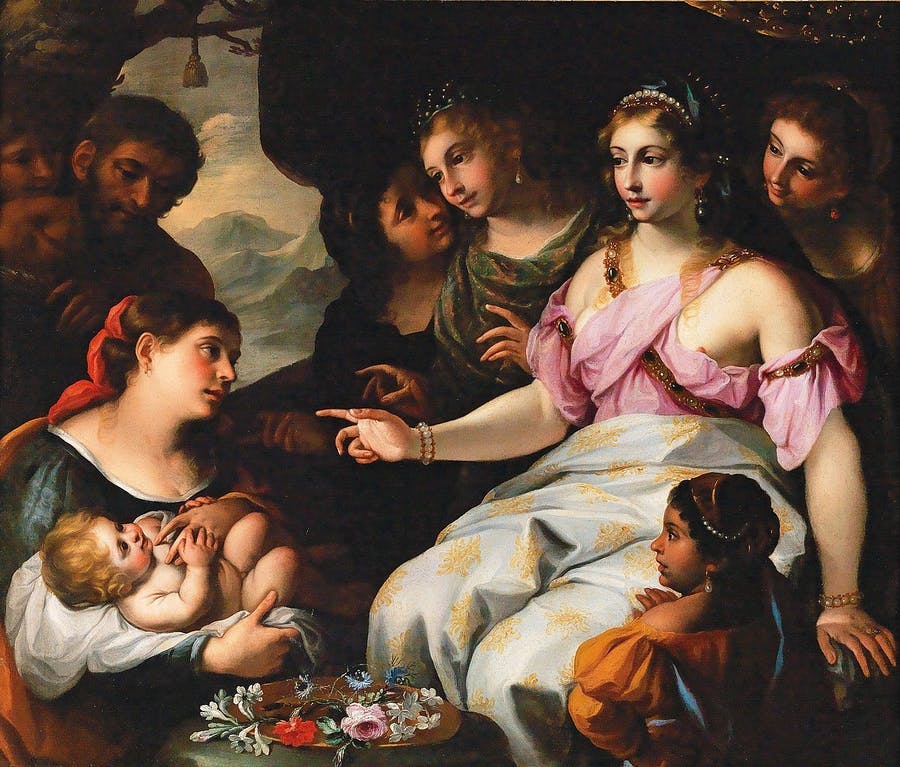
However at trial it was concluded that Elisabetta died of an ulcer due to stress, which seems plausible, considering that she created about 200 paintings, hundreds of drawings and engravings in just over ten years. She is also said to have been able to complete a half-length portrait in one session.
Related: The Enduring Appeal of Old Masters
Elisabetta Sirani's life was commemorated with a great funeral service that attracted the whole city of Bologna and was paid for by some of her wealthy clients. The artist found her final resting place in the same chapel of the Church of San Domenico where Guido Reni had been buried 23 years earlier.
Today, Elisabetta's works can be found in prestigious public and private collections and fetch impressive six-figure prices at auction. Her current record was set by Portia Wounding her Thigh, which sold for $505,000 at Sotheby's in 2008.