

I never felt the need to cultivate my unconscious. Then or now. It is there. Alchemically fused with my conscious self, assuring my individuation. They mesh and work together to make of me whatever it is that I am.
Dorothea Margaret Tanning was a self-taught American painter, printmaker, sculptor, writer, and poet. Born on August 25, 1910, Tanning was raised in Galesburg, Illinois, the second of three daughters to Andrew Tanning and Amanda Hansen. After attending Knox college for two years (1920-30), she quit university to pursue an artistic career, moving to Chicago in 1930.
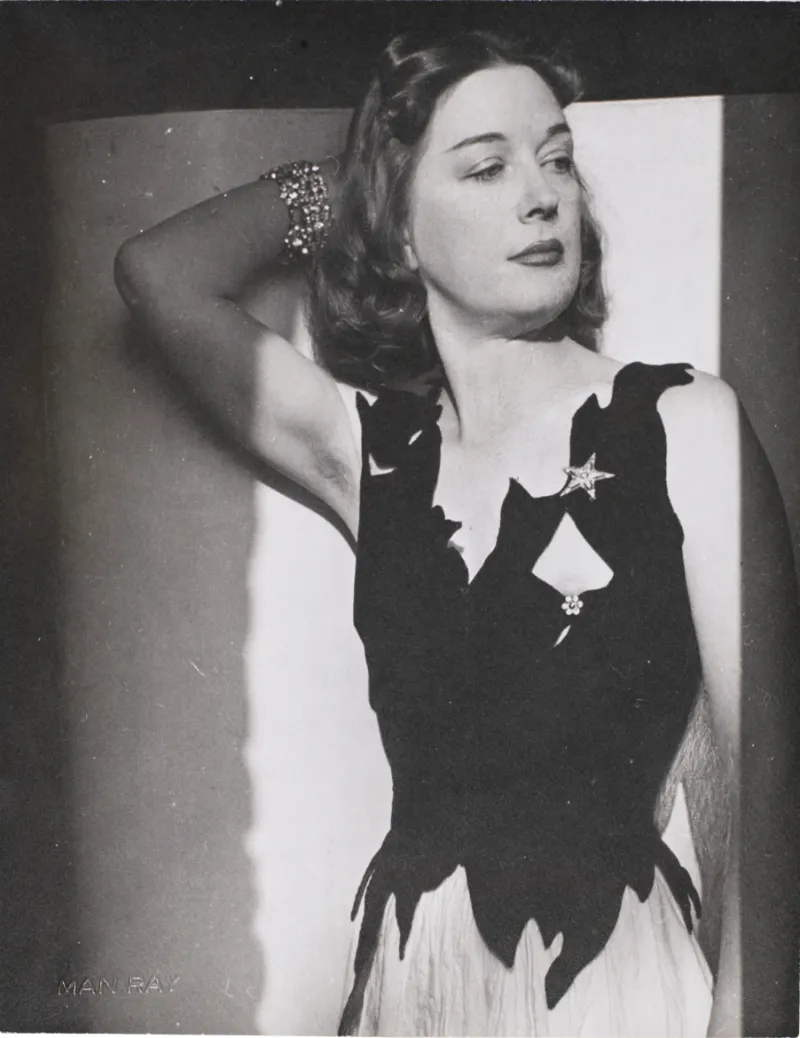
In 1935, she moved to New York to work as an illustrator. There, she discovered Surrealism at the 1936 MoMa exhibition Fantastic Art, Dada and Surrealism. The encounter with works by artists such as de Chirico, Duchamp, Picasso, and Breton would influence much of her early artistic production. In one of her memoirs, she described the exhibition as “the infinitely faceted world I must have been waiting for”.
Related: The DADA Eccentricity of Elsa von Freytag-Loringhoven
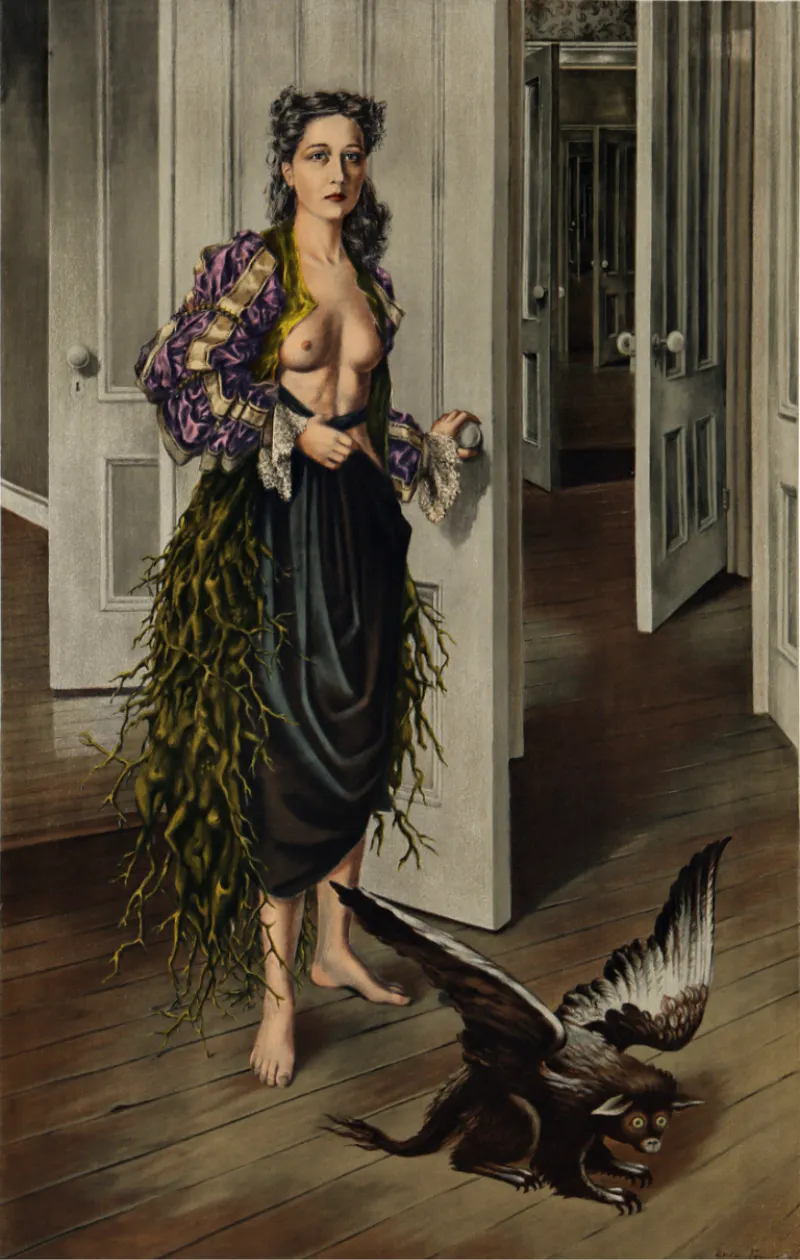
In 1941, she married the writer Homer Shannon. In the same year, she had her first breakthrough thanks to the gallery owner Julien Levy, who gave her two solo exhibitions and introduced her to the circle of Surrealists living in America, including Max Ernst, who was married to Peggy Guggenheim at the time. Tanning got to know Ernst better in 1943, when he dropped by her studio to consider her work for an exhibition at the Art of This Century Gallery, owned by his wife Peggy Guggenheim. Ernst became enamored with her self-portrait titled Birthday, now one of her most famous works. He stayed to play chess and the two hit it off immediately.
Related: Max Ernst: 5 Facts to Know
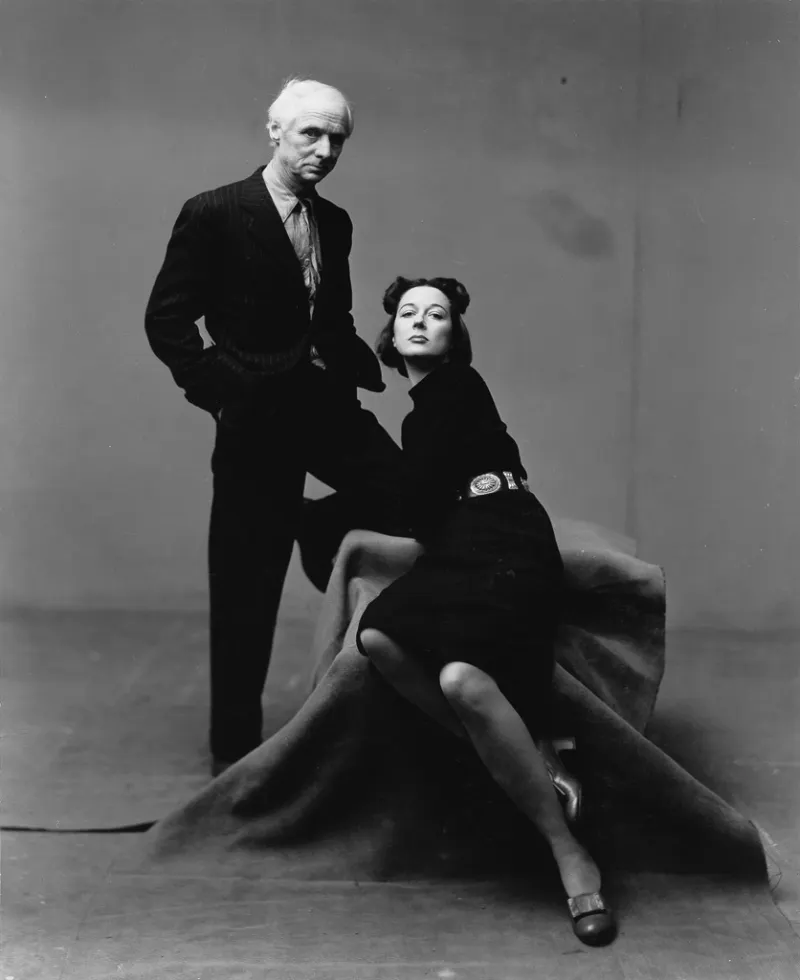
Tanning and Ernst fell in love and broke off their respective marriages. The two quickly became a New York art-world power couple with many friends, including Henri Cartier-Bresson, Lee Miller, Roland Penrose, Yves Tanguy, Kay Sage, Pavel Tchelitchew, George Balanchine (who she designed ballet sets for), and Dylan Thomas. In 1946 Tanning and Ernst got married in a double wedding with Man Ray and Juliet Browner. They lived together in Sedona, Arizona, as well as Paris and Touraine in France until Ernst's death in 1976.
Want more articles like this delivered straight to your inbox? Subscribe to our free newsletter
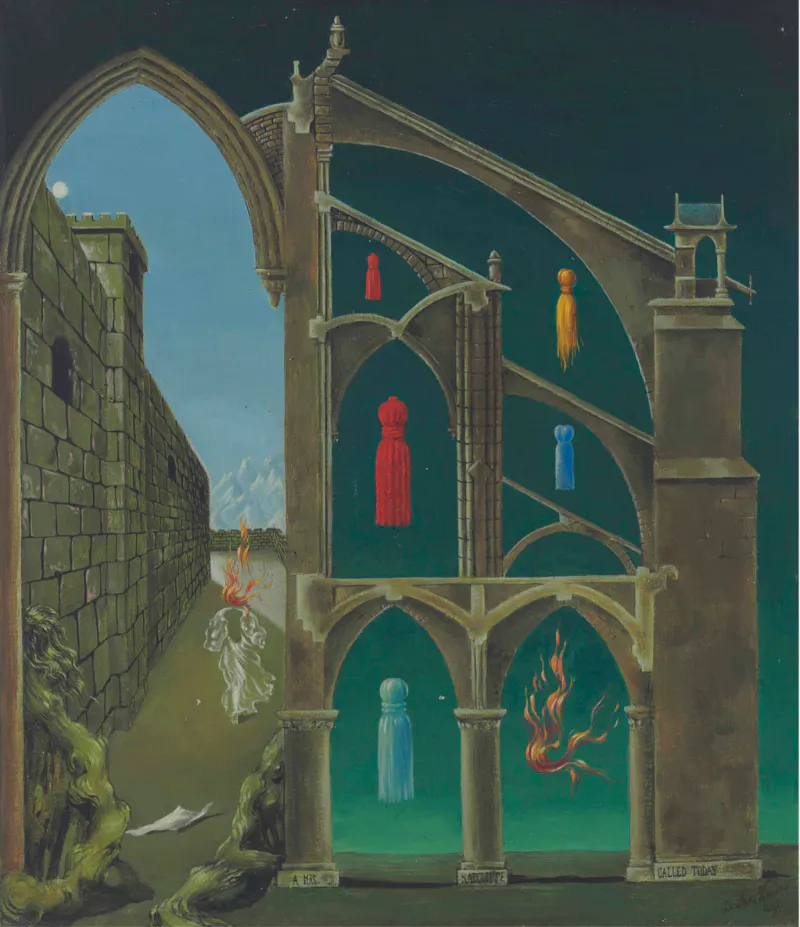
Tanning's early works are figurative renderings of dream-like situations. Paintings such as Birthday and Eine Kleine Nachtmusik, with their meticulous attention to detail, attest to her Surrealist influences. Her fascination with the Gothic and Romantic novels that she read in her youth also shines through. Many of the works combined erotic subjects with enigmatic symbols and desolate spaces. Tanning’s work often centered around the feminine form and the lived experience of female bodies.
Related: Surrealism and the Subconscious
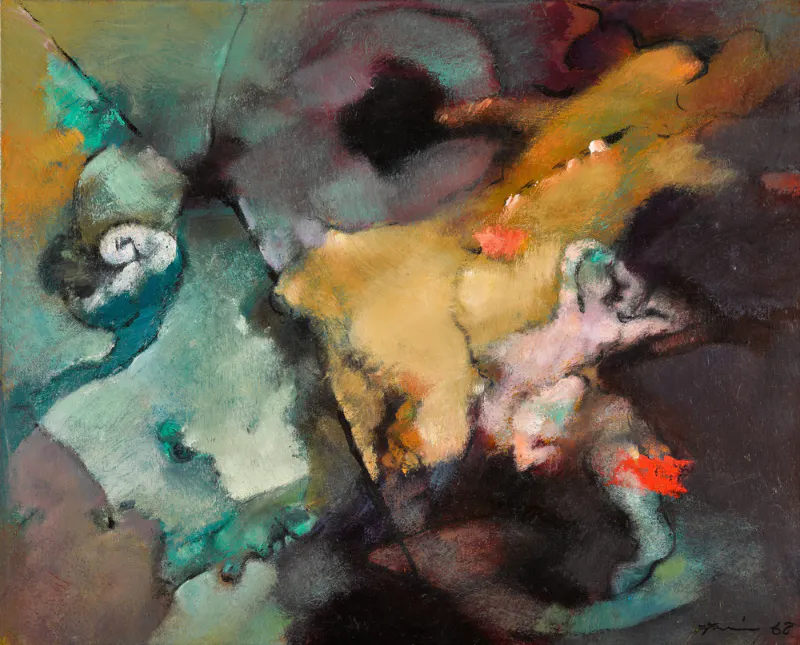
During the 1950s, she began to develop her own unique style - fragmented and prismatic - such as in Insomnias (1957). "Around 1955 my canvases literally splintered... I broke the mirror, you might say," she explained in her memoirs. By the late 1960s, her work became completely abstract. She described the years 1969-1973 as ‘an intense five-year adventure into soft sculpture’. The installation Hôtel du Pavot, Chambre 202, from this period, is an example of this work.
Related: Abstract Art: From Genre to Movement
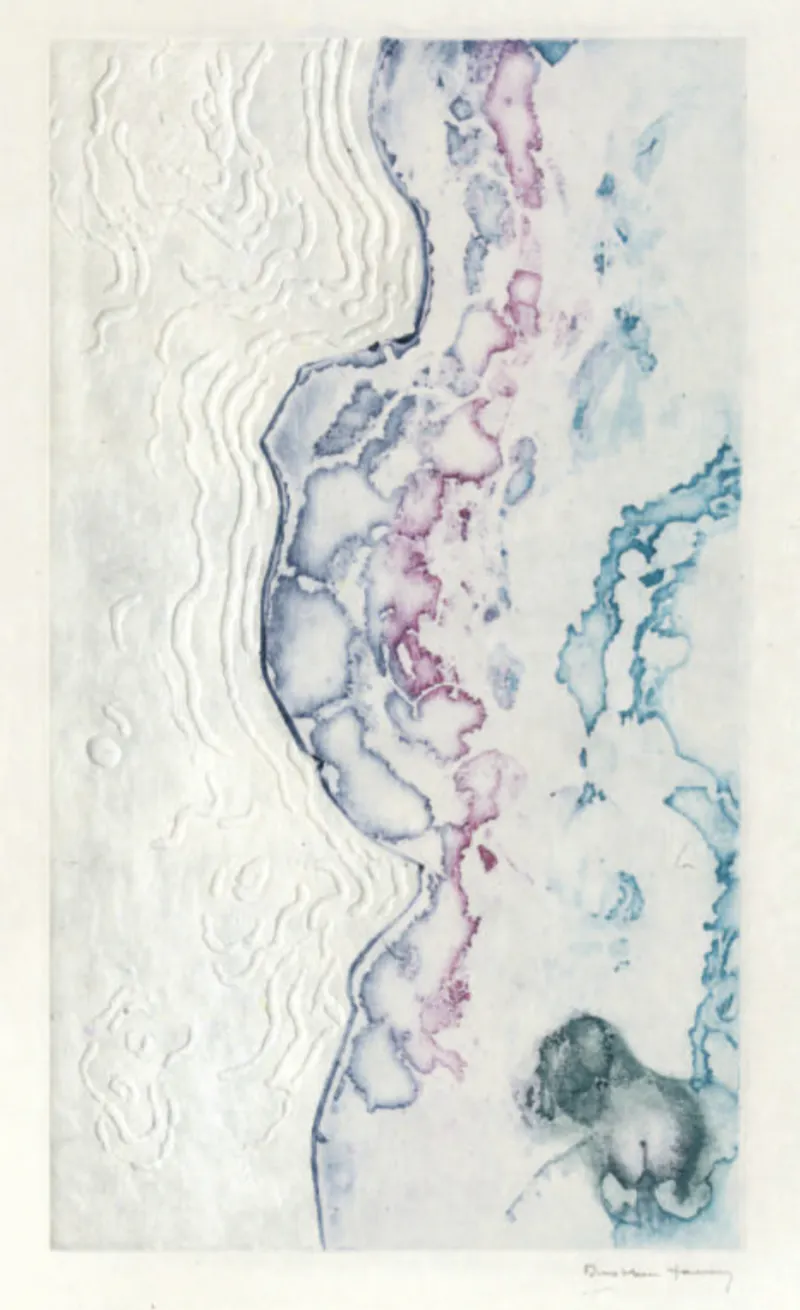
Her later artistic activities also included printmaking, and writing short stories and poems. Of particular interest are her memoirs Birthday, published in 1986, and Between Lives: An Artist and Her World, published in 2001. Tanning continued working and publishing until her death in 2012. She was 101 years old, and had just published her second collection of poems titled Coming to That, when she died in her Manhattan apartment.
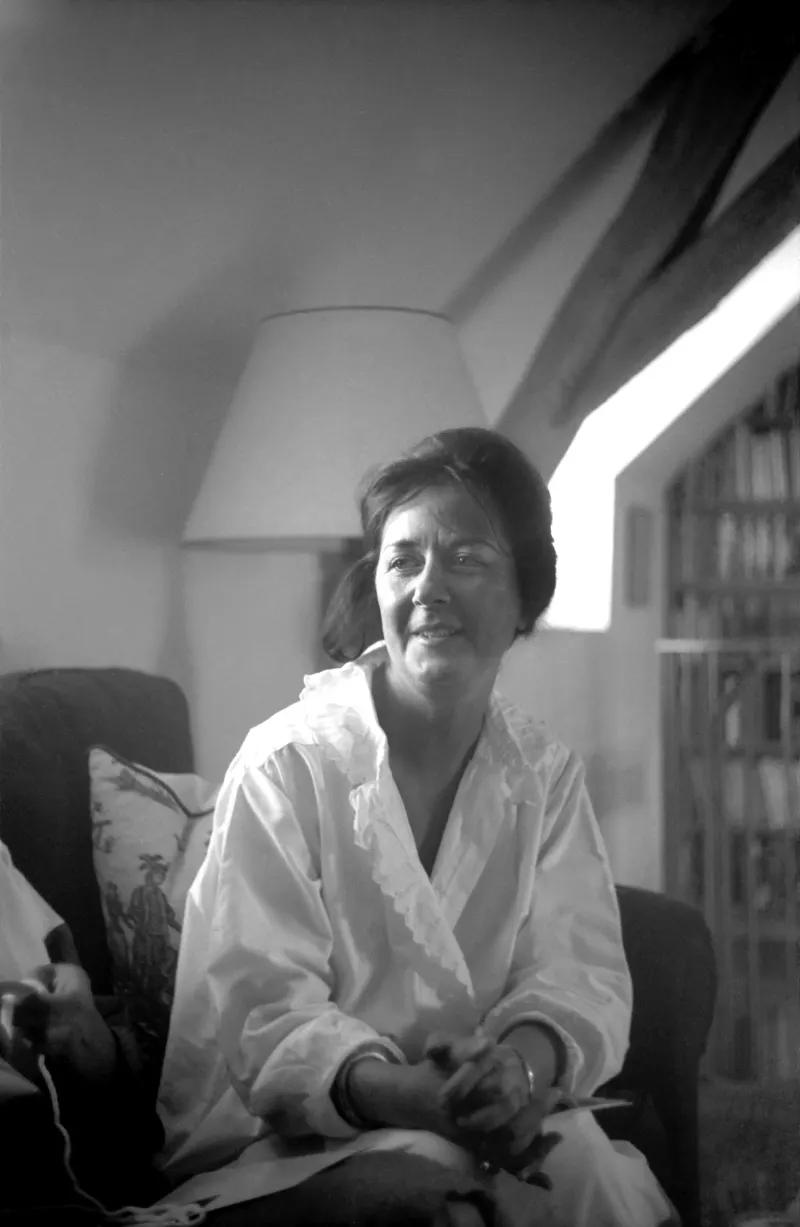
Today, Tanning is known for having refashioned Surrealism, bringing a female perspective to the exploration of the unconscious. Interested in the liminal spaces between fantasy and reality, she developed her own visual language out of the tradition of Surrealism. As she described in an interview in 1970 with Alain Jouffroy, her aim was "to capture the moment, to accept it with all its complex identities."


