
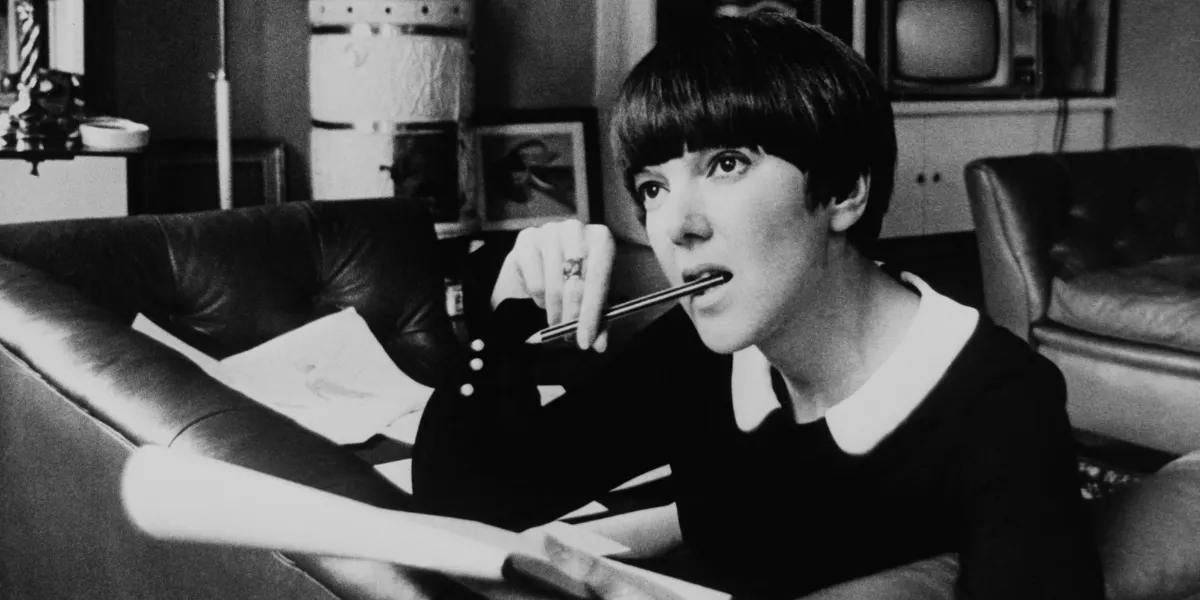
Pioneering fashion designer and cultural icon Dame Mary Quant has died at age 93, as reported by her family on April 13. Quant had a massive influence on the aesthetics of the 1960s, and her work not only revolutionized fashion but also helped advance women's liberation and freedom of choice. Not merely a fashion designer, Mary Quant was a wildly successful businesswoman whose brand remains strong to this day.
Related: Summer in the Sixties
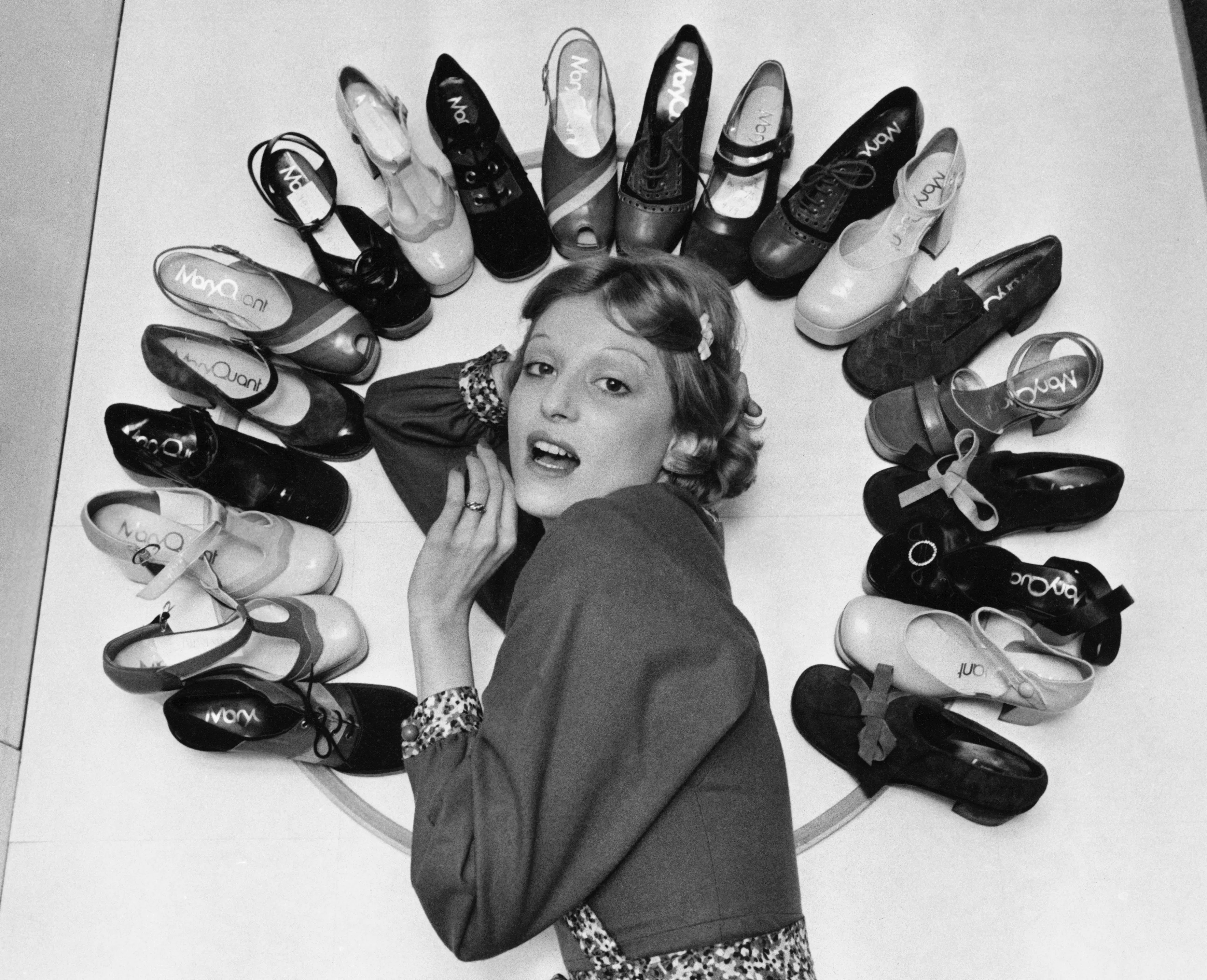
Born in 1930 in London to Welsh parents as Barbara Mary Quant, she began her career in fashion as a hatmaker's apprentice before opening her first shop, Bazaar, in Chelsea with her husband Alexander Plunket Greene. Located in an already 'hip' neighborhood, the shop soon became a cultural force of its own, offering art, music, and community in an unparalleled way. Also pioneering was Quant's vision for the shop, which she stocked with every element of clothing from dresses to shoes to stockings, allowing it to function as a one-stop-shop, in contrast to most retailers at the time who focused on a specific type of clothing. She was concerned with the overall outfit and 'look', a perspective which would help her to define the visual culture of the 60s, along with the adoption of her style by celebrities such as Twiggy.
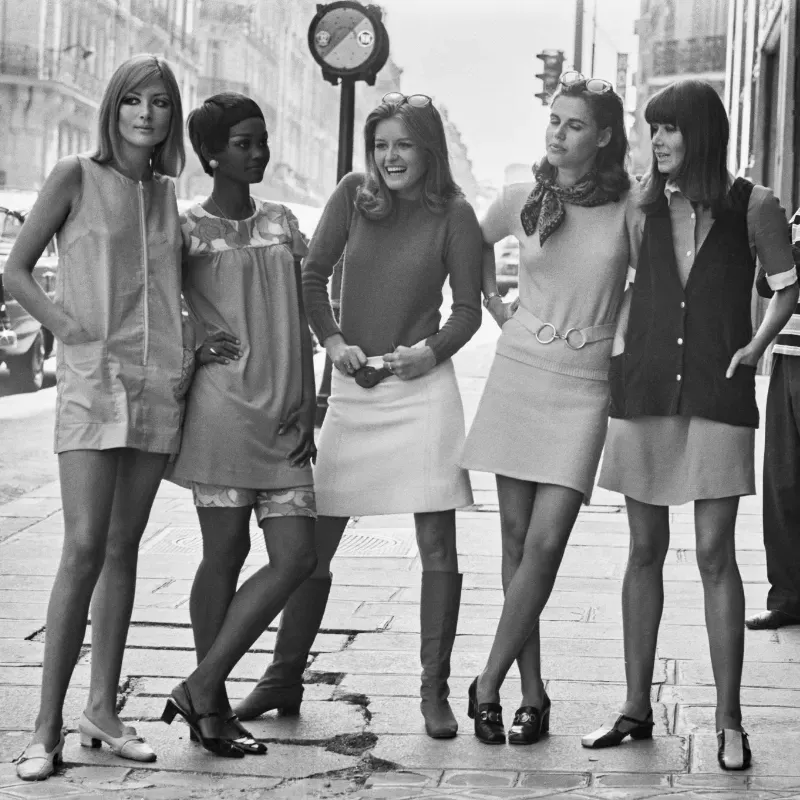
Quant herself was also a style icon and well-known in her own right, as her chic haircut and carefree personality embodied the energy of her designs perfectly. She was influenced by the Mod subculture as well as children's clothing designs. The clothes appealed to the growing youth movement, as teenagers began to emerge into their own social group and wanted their own styles to reflect this – though Quant always insisted fashion was for all ages. Her innovative and often scandalous designs also embodied the growing agency and freedom of girls and women, who were able to experiment with and challenge fashion norms in bold new ways.
Related: Is Vintage Clothing the Answer to Fast Fashion’s Impact on the Planet?
Her influence soon spread beyond England, aided by her partnership with the American company JC Penney, which brought her designs to an entirely new audience. Soon, she became an icon in countries across the globe. Her foray into makeup and household goods lines in addition to fashion only further cemented her reach and popularity. Some of the styles and pieces she popularized were jersey dresses, loungewear, and PVC clothing. Her experiments with the traditional cuts and styles of women's clothing, often bringing in elements of menswear, broadened the definitions and possibilities of femininity and self expression for her customers – a reported seven million by the end of the '60s.
Want articles like this delivered straight to your inbox? Subscribe to our free newsletter!
Perhaps her most famous addition to fashion was the miniskirt which, along with hotpants, are often credited as Quant's own inventions, with some competition coming from French designer Andre Courreges. In any case, Quant undoubtedly popularized the styles, making them a staple of '60s fashion as well as a consistent mainstay with subsequent generations. For her part, Quant stated that, "It was the girls on King's Road who invented the mini. I was making clothes which would let you run and dance and we would make them the length the customer wanted. I wore them very short and the customers would say, 'shorter, shorter'."
Related: A Brief History of 20th-Century Wedding Dresses
For her contributions to fashion and culture she was awarded an OBE in 1966 at just 32, and in 2015 she was appointed a DBE. While she officially retired as director of her self-named brand in 2000, her revolutionary and forward-thinking designs have and continue to influence generations of fellow designers, including Betsey Johnson, Marc Jacobs, and Diane von Furstenberg. A recent retrospective put on by the V&A in 2019 further highlights her enduring place in fashion and pop culture history.