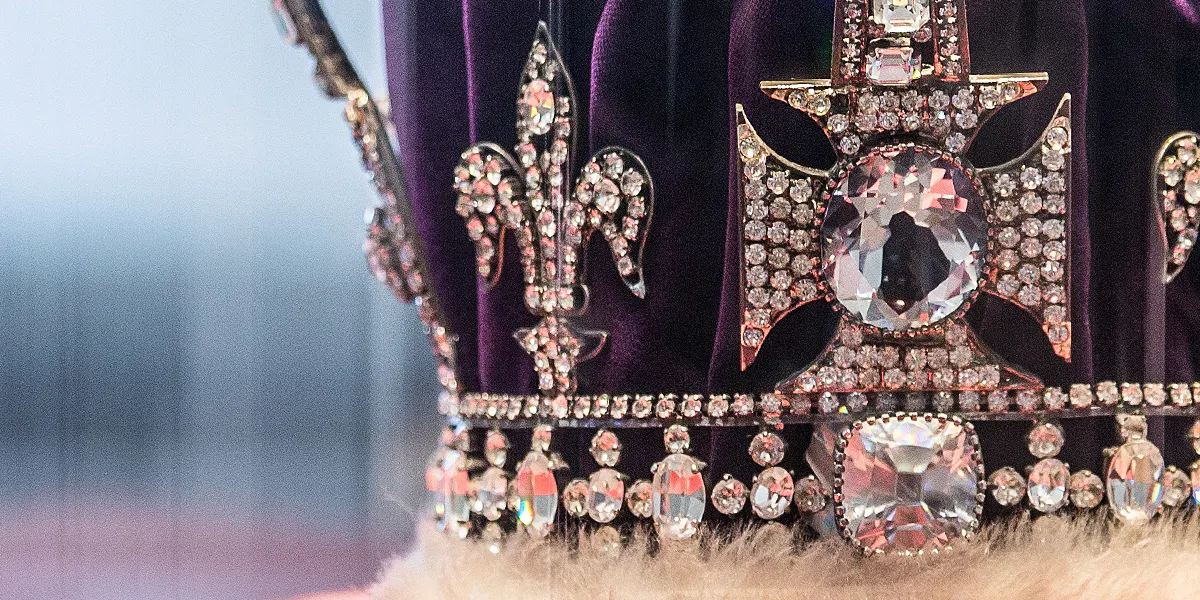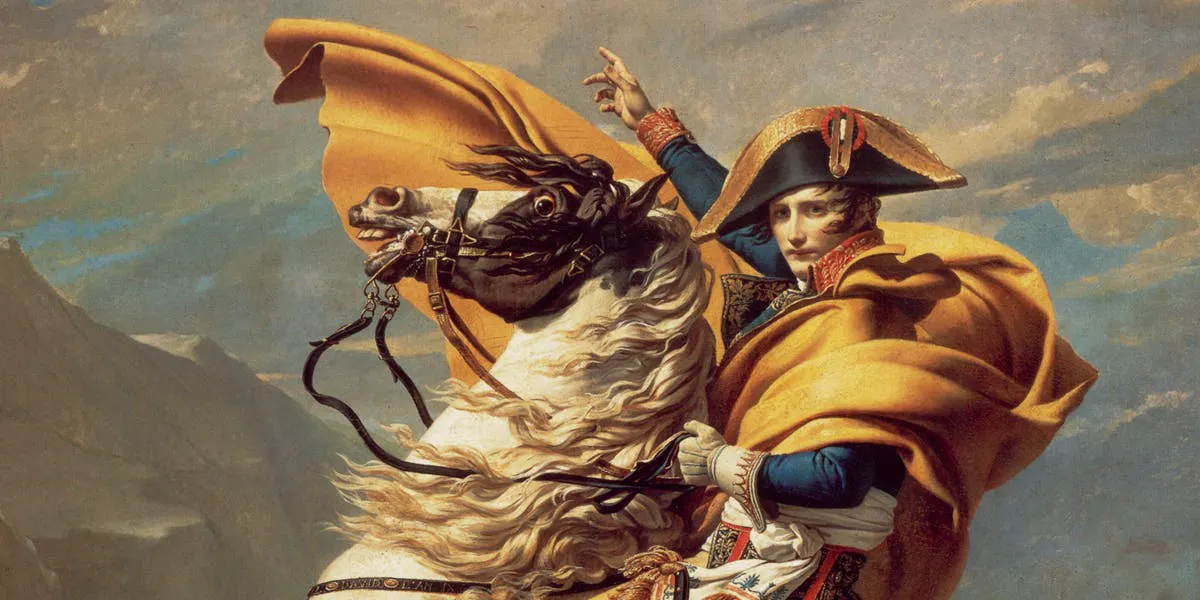
From royal headlines to documentaries to the Emmy-award winning series The Crown, the fever for the British Royal family – and indeed all royal families – has never been stronger. For this reason, we take a look back at five auctions of some of the most incredible royal jewelry pieces.
The Cambridge Lover's Knot tiara
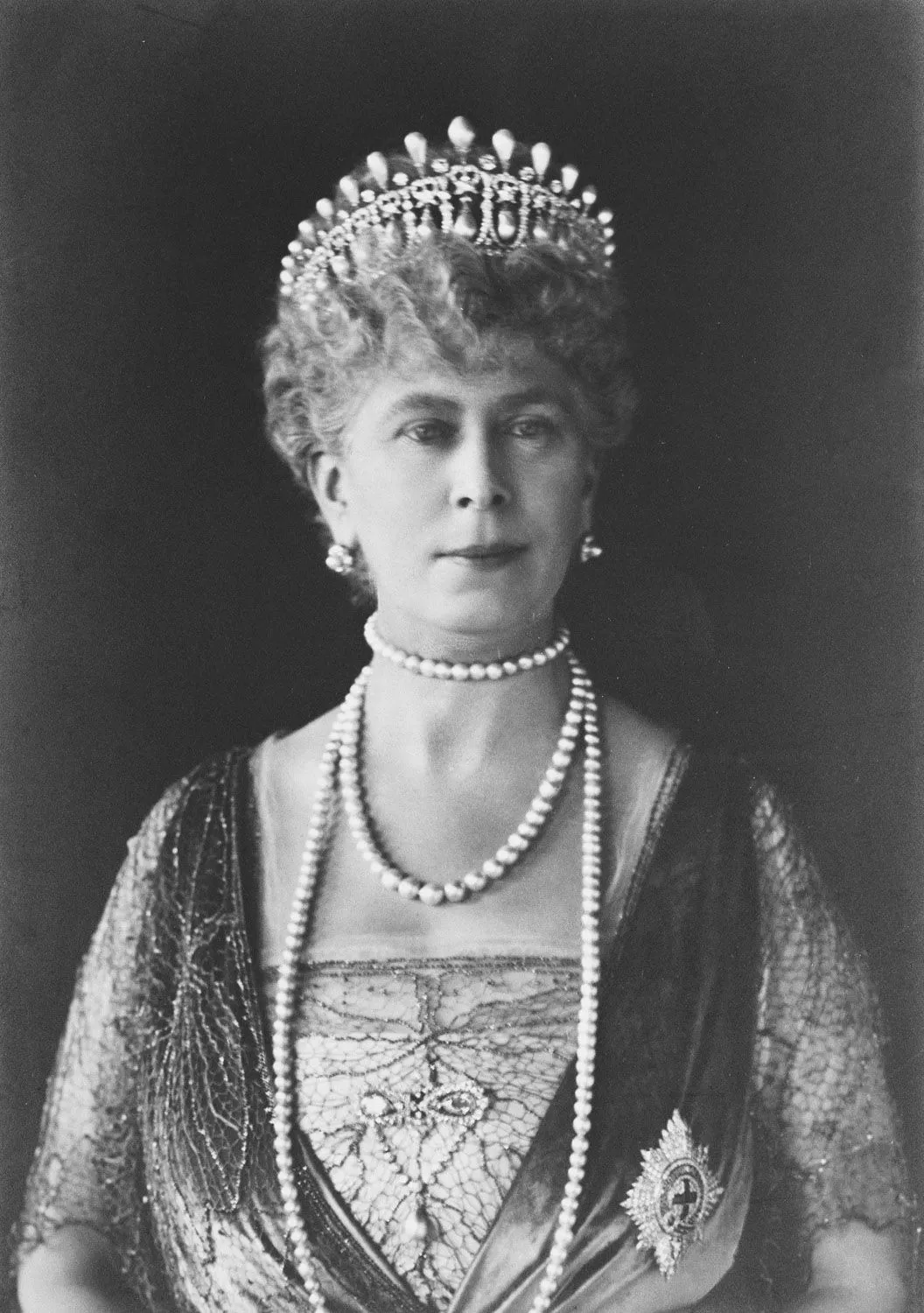
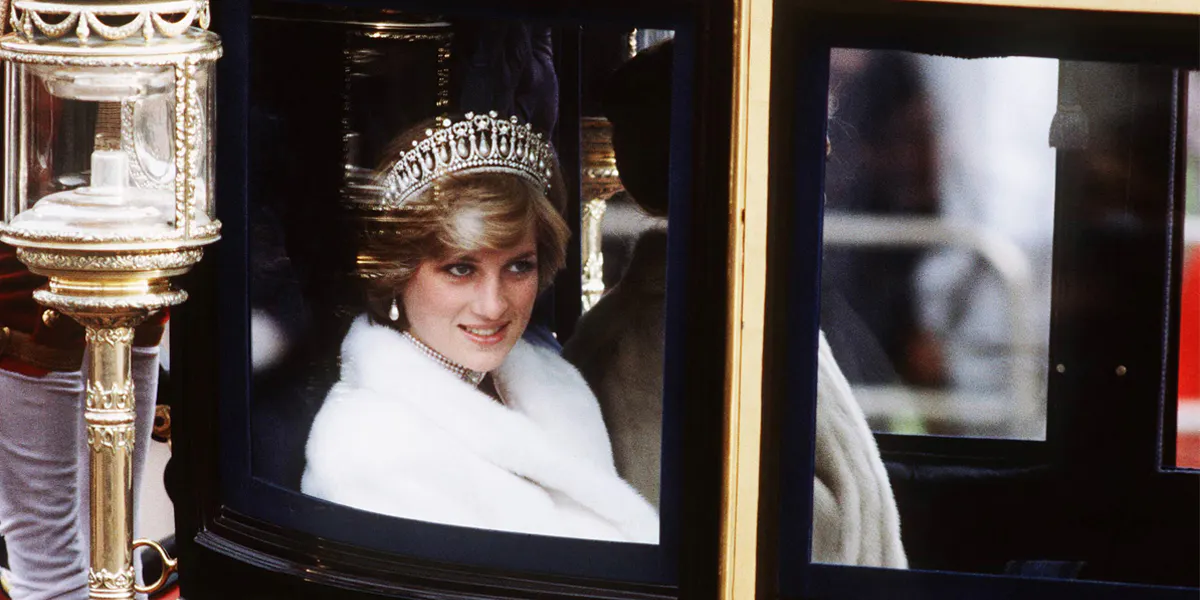
In 1981, Christie's sold the Cambridge Lover's Knot tiara, a 19th-century piece made for Princess Augusta of Hesse Cassel, Duchess of Cambridge. The tiara was inherited by Grand Duchess of Mecklenburg Strelitz, and her great-granddaughter, Princess Jutta of Montenegro. There is a connection to the British Royal household in that Queen Mary requested a replica be made, which she left to Queen Elizabeth II. Both Diana, Princess of Wales, and Kate Middleton, the Duchess of Cambridge, have been pictured wearing the tiara.
Related: History’s Best Wedding Dresses
Queen Elizabeth II presented the tiara to Diana as a wedding gift. However, on her wedding to Charles, Prince of Wales, Diana chose to wear the Spencer Tiara, an 18th-century family heirloom from her great aristocratic family.
In 1985, another Lover’s Knot model was sold at Christie’s, known to have been worn by the Maharani of Patiala.
The Duchess of Berry's emeralds
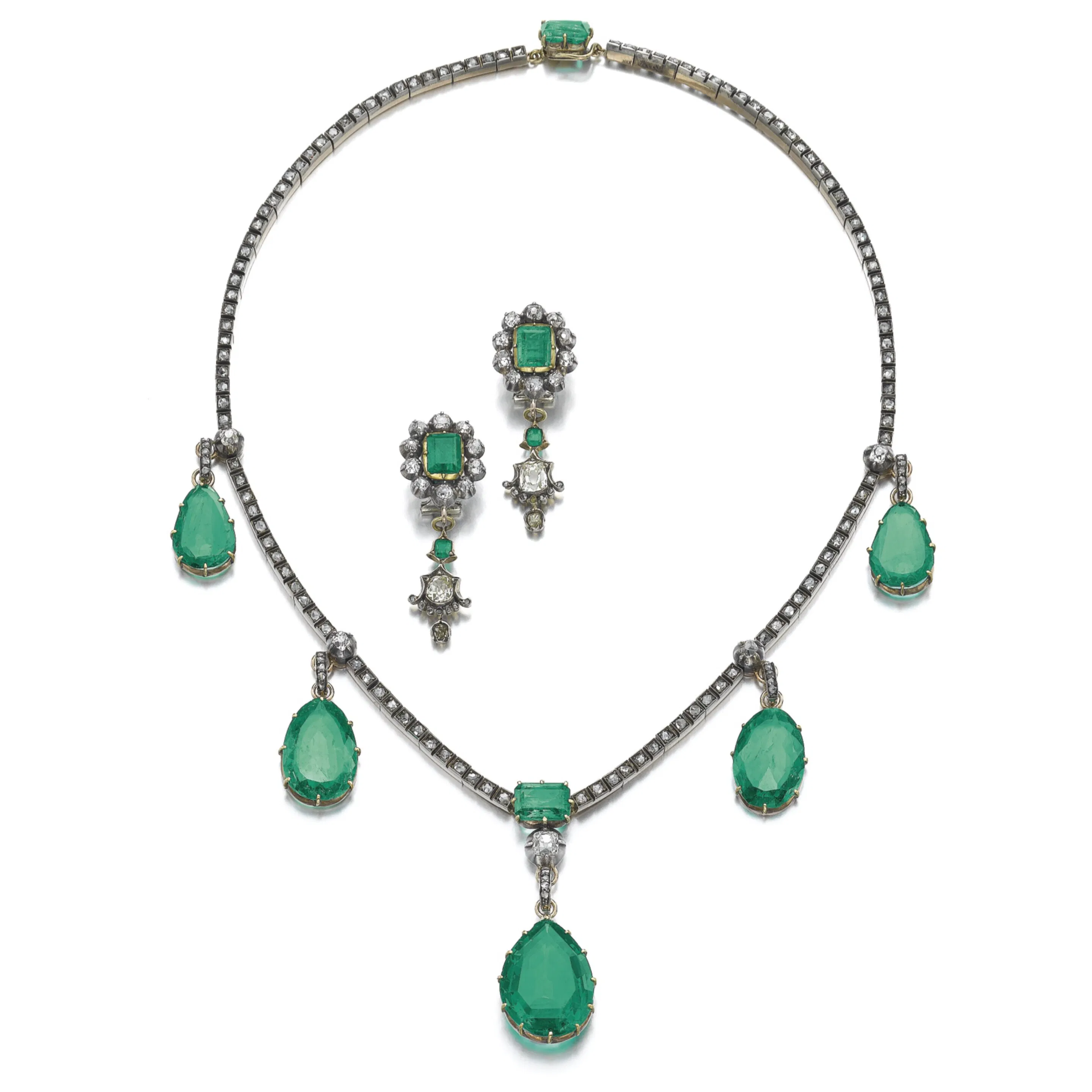
In 2017, Sotheby's Magnificent Jewels and Noble Jewels sale in Geneva on November 15 presented a piece from the collection of a woman who was one of the most famous and intriguing aristocratic figures of the 19th century. A Bourbon Italian princess and grandniece of Queen Marie Antoinette who married into the French royal family, the Duchess of Berry lived during a time of turmoil in French politics.
Related: Barnebys’ Guide to Diamonds
The necklace, which gives the appearance of the emeralds floating, is set with rose diamonds and cushion-shaped stones supporting detachable pendants set with rose diamonds and pear-shaped emeralds. The central emerald weighs 14.03 carats. The semi-parure comes from the Collection of Marie-Caroline of Bourbon-Two Sicilies (1798-1870), Duchess of Berry (1816), then Duchess della Grazia (1831). It sold for £1.3 million in 2017.
La Régente: a pearl to rule the world
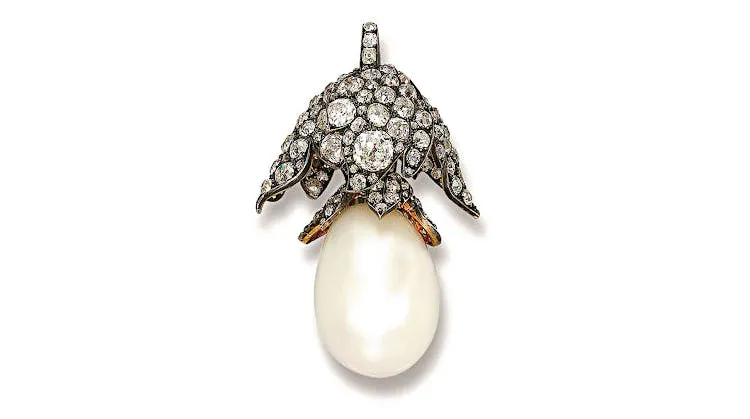
At 302.68 grains, the Régente is one of the world's biggest pearls. Its auction history begins in 1987, when it sold at Christie's New York, catalogued as having a Russian provenance. Two years before the fall of the Berlin Wall, artifacts from the Soviets were still a mystery. La Régente was indeed from Russia, worn by the empresses of France and Princess Youssoupov of Imperial Russia.
The pearl dates from 1811: Emperor Napoleon acquired the gem from Nitot, the jeweler mounting it in a diadem worn by his second wife, Empress Marie-Louise. After the fall of the French Empire in 1870, La Régente and the other Crown Jewels were left in Paris. At the announcement of The Third Republic, the location of the state treasure became unknown. In 1887, most of the collection was auctioned at the Louvre and La Régente was sold to Rossel, a dealer thought to have been bidding on behalf of Russian prince Nikolai Youssoupov.
Related: How Diamonds Became a Symbol of Love
In 1919, the Youssoupovs were exiled. Unable to take their jewelry collection, they hid it under the stairs of their Moscow palace. In 1925, the collection was uncovered and, in 1987, La Régente came up for auction in New York. It came to auction again at Christie's, this time just a year later in Geneva, and then for a third time at Christie's in 2005 where it sold for $2.5 million.
The Jewels of the Duchess of Windsor

A woman whose life was overtaken by controversy: Wallis Simpson, The Duchess of Windsor, perhaps not adored by the British public, was at least revered for her impeccable style.
In 1987, Sotheby's took on the giant task of presenting 300 jewels from the collection of the Duchess of Windsor. During her 35-year marriage to Edward, Duke of Windsor, although she never became queen, the Duchess was never photographed without custom-made jewels.
The collection at Sotheby's totaled an incredible $50.3 million and included pieces made by Cartier, Suzanne Belperron and Van Cleef & Arpels, many of which were one-of-a-kind jewels which personified the Duchess' style.
Related: The World's 10 Most Expensive Diamonds
The auction included an 18-karat-gold and gem-set cigarette case inscribed ''David from Wallis Christmas 1935,'' with an etched map tracing a joint holiday tour of Europe, which sold for £181,000. A pair of yellow-diamond lapel clips, weighing 40 and 52 carats, were purchased by Laurence Graff for $2,273,000, four times their estimate.
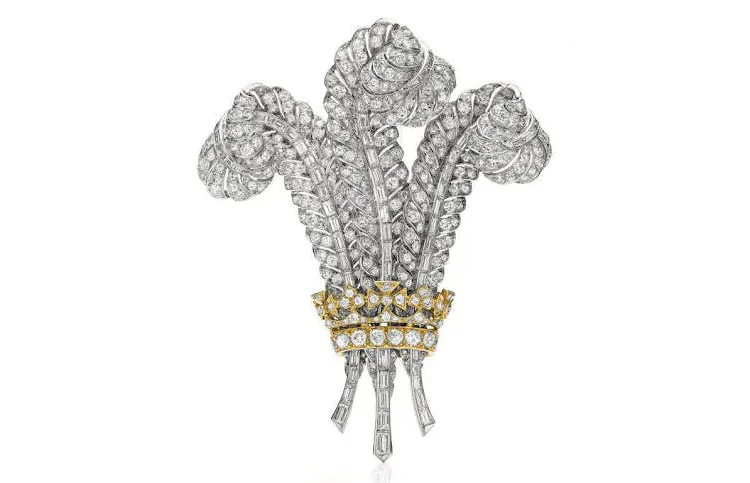
Elizabeth Taylor purchased the diamond clip designed as the plumes and crown of the Prince of Wales for $623,327, it was later sold for $1,314,500 at Christie's historical sale ‘The Collection of Elizabeth Taylor: The Legendary Jewels’ in December 2011.
Related: Fabergé's Eternal Easter
A natural pearl necklace with diamonds made by Cartier, formerly belonging to Queen Mary, was purchased by Calvin Klein for $733,333 at the 1987 auction, which at the time was a record for natural pearls. Twenty years later, the necklace was sold at Sotheby's for an incredible $3,625,000.
Princess Margaret, Countess of Snowdon: jewelry and Fabergé
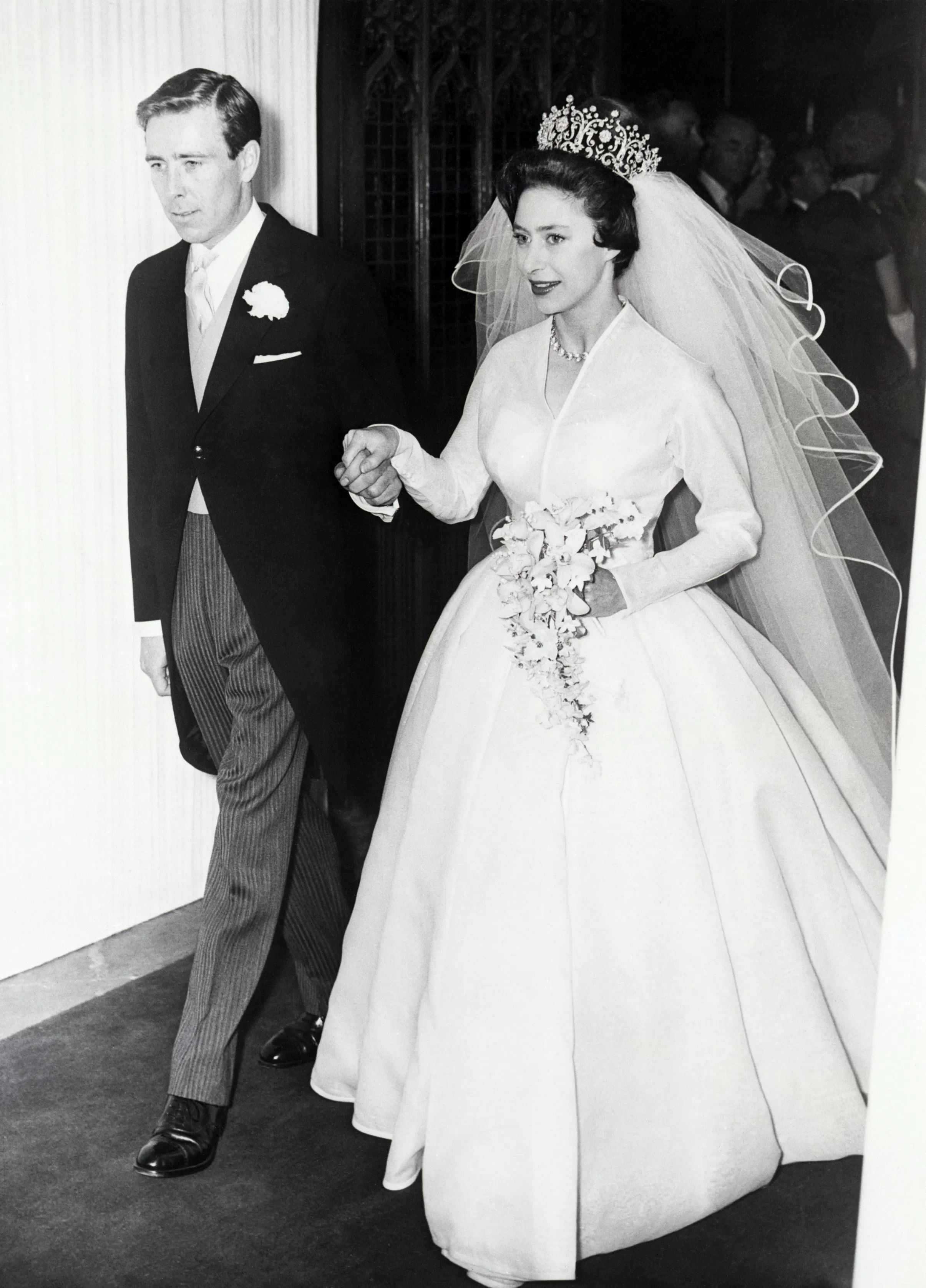
From one 20th-century royal fashion icon to another, the Collection of Her Royal Highness The Princess Margaret, Countess of Snowdon in June 2006 at Christie's totaled £9.5 million.
The auction featured the Poltimore Tiara, made in 1870 by Garrard for Lady Poltimore, the wife of the second Baron Poltimore and Treasurer to Queen Victoria's household between 1872-74. It was first sold at auction in 1959, for £5,500, a year before the official announcement by Queen Elizabeth The Queen Mother on February 26, 1960 of the engagement of Princess Margaret to Antony Armstrong-Jones. It was sold in 2006 for £926,000, over four times its high estimate.
A diamond rose brooch, made by Cartier London in 1938, which Princess Margaret wore to the Coronation of her sister Queen Elizabeth II on 2nd June 1953 at Westminster Abbey, sold for £153,000.