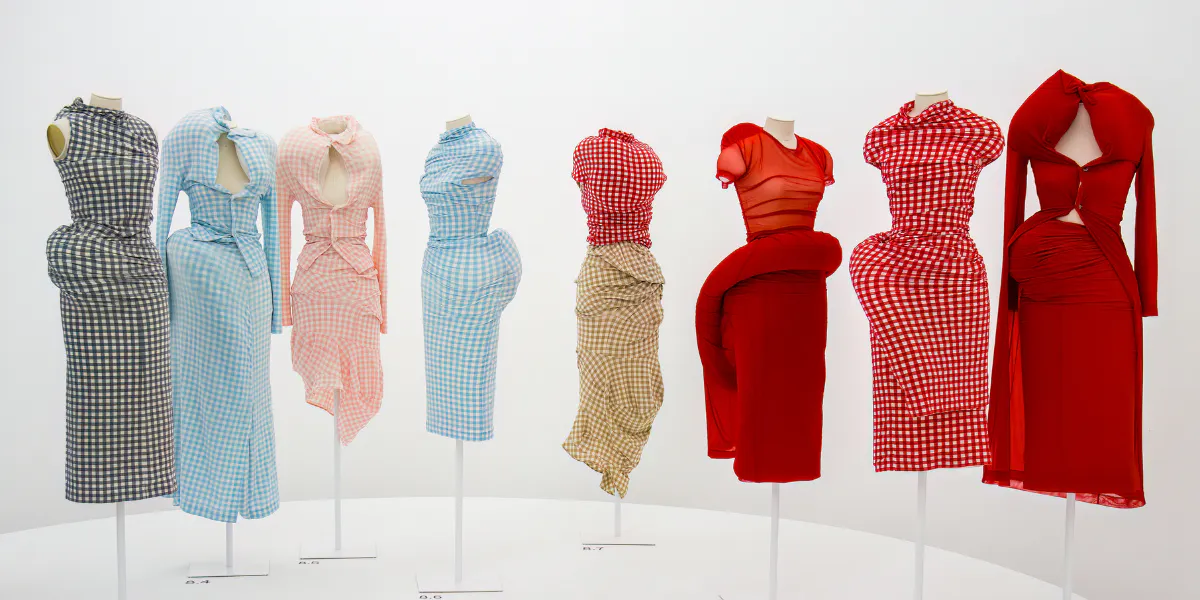
When Rei Kawakubo founded Comme des Garçons in Tokyo in 1969, her ambition was not to follow trends, but to question the very nature of clothing. The name, taken from Françoise Hardy’s song Tous les garçons et les filles (“All the boys and girls”), signalled an early interest in gender and identity. The label was formally established in 1973 and quickly found success in Japan before its high-profile Paris debut in 1981. Since then, Kawakubo, now widely regarded as one of the most influential figures in fashion history, has continued to shape the industry on her own terms.
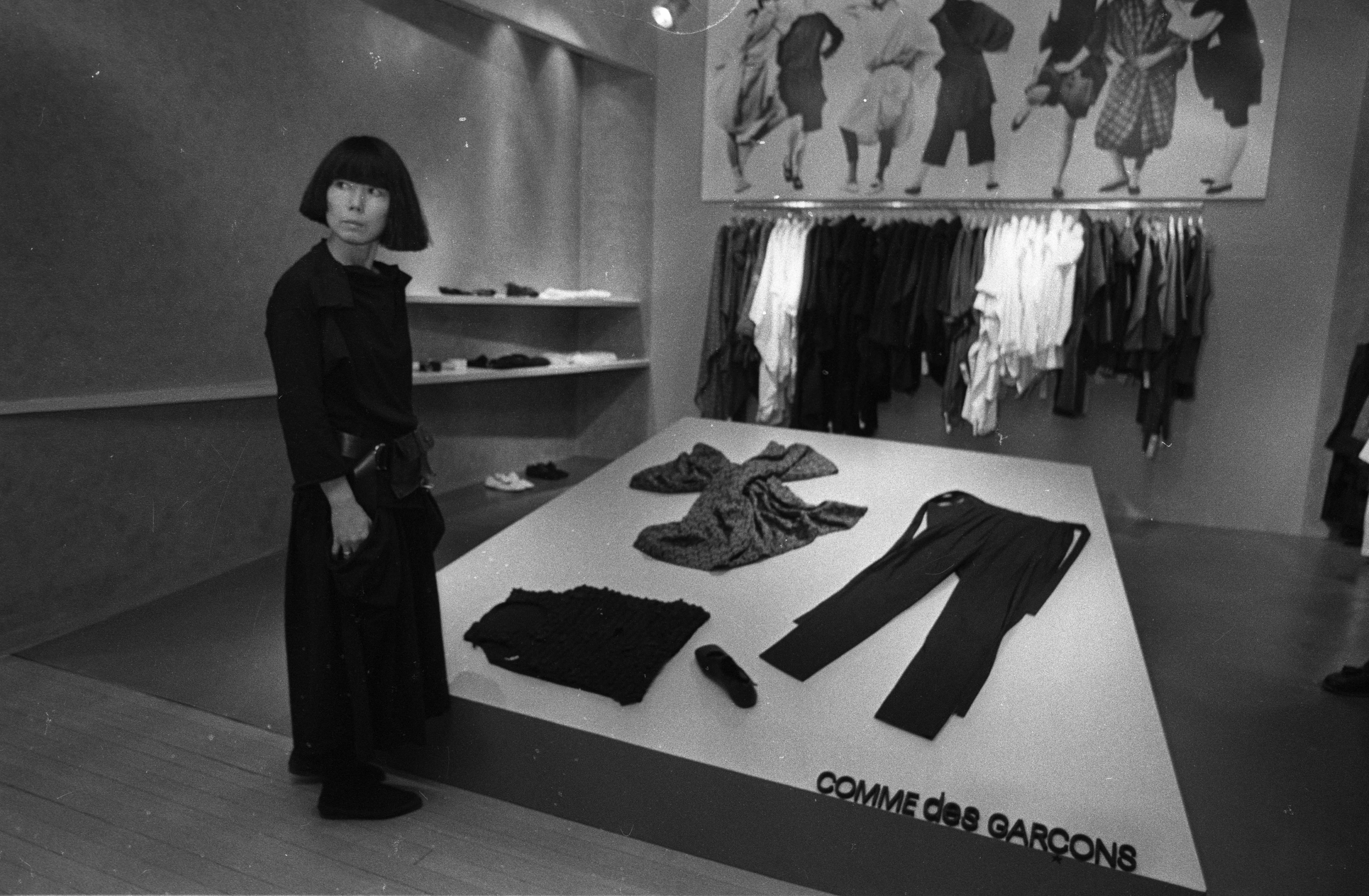
The first encounter with the French fashion press provoked strong reactions. The collection, dominated by black garments and asymmetrical forms, led critics to coin the phrase “Hiroshima chic.” Distressed fabrics and raw, unfinished seams were seen as a direct challenge to established ideals. This impulse to confront convention became the foundation of a new aesthetic, one in which beauty was no longer defined by polish or perfection, but by the courage to reject them.
See also: Issey Miyake: The Art of Sculptural Fashion
Kawakubo developed a philosophy in which fashion could be conceptual, intellectual, and at times deliberately unsettling. She blurred the line between fashion and art, presenting collections as ideas to be interpreted rather than clothes designed purely for wear. Japanese tradition met Western tailoring, punk references collided with sculptural forms, and the result was a visual language that felt both of its time and resistant to time altogether.
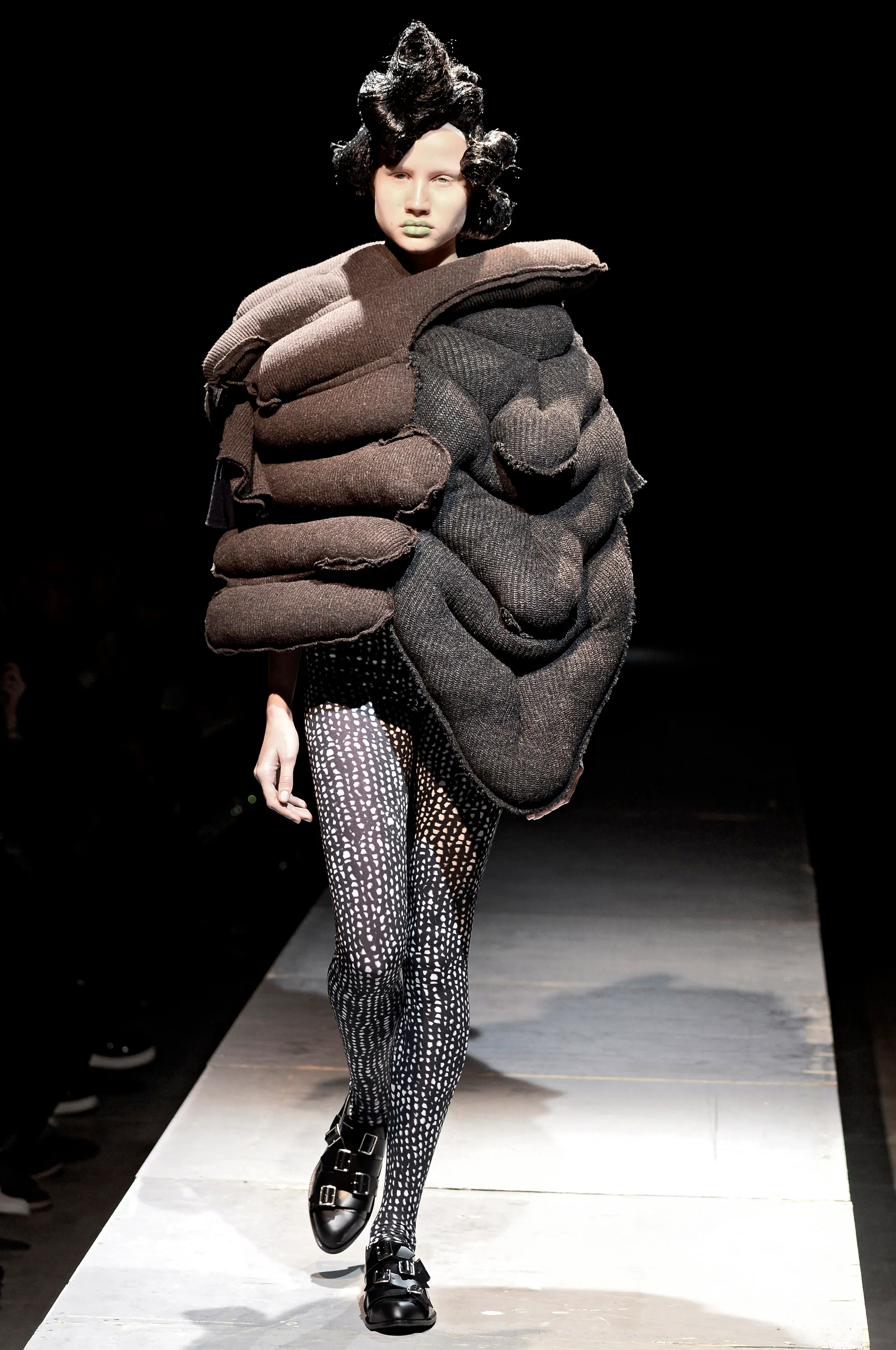
Many of Kawakubo’s most celebrated collections have since become highly sought-after by collectors. In the spring of 1997, Body Meets Dress, Dress Meets Body, often referred to as Lumps and Bumps, introduced padded garments that distorted the human silhouette and challenged conventional ideals of the body. Earlier collections such as Destroy (1982), with its torn knits and lace-like holes, Broken Bride (2005), which dismantled the traditional wedding dress, and Not Making Clothes (2014), where garments took the form of body-hugging sculptures, reinforced her position as an artist as much as a designer. At auction, individual pieces can sell for five-figure sums, and in some cases even six figures, placing them firmly in the realm of collectible art.
Create a search alert for Comme des Garçons and you will be notified when new items appear!
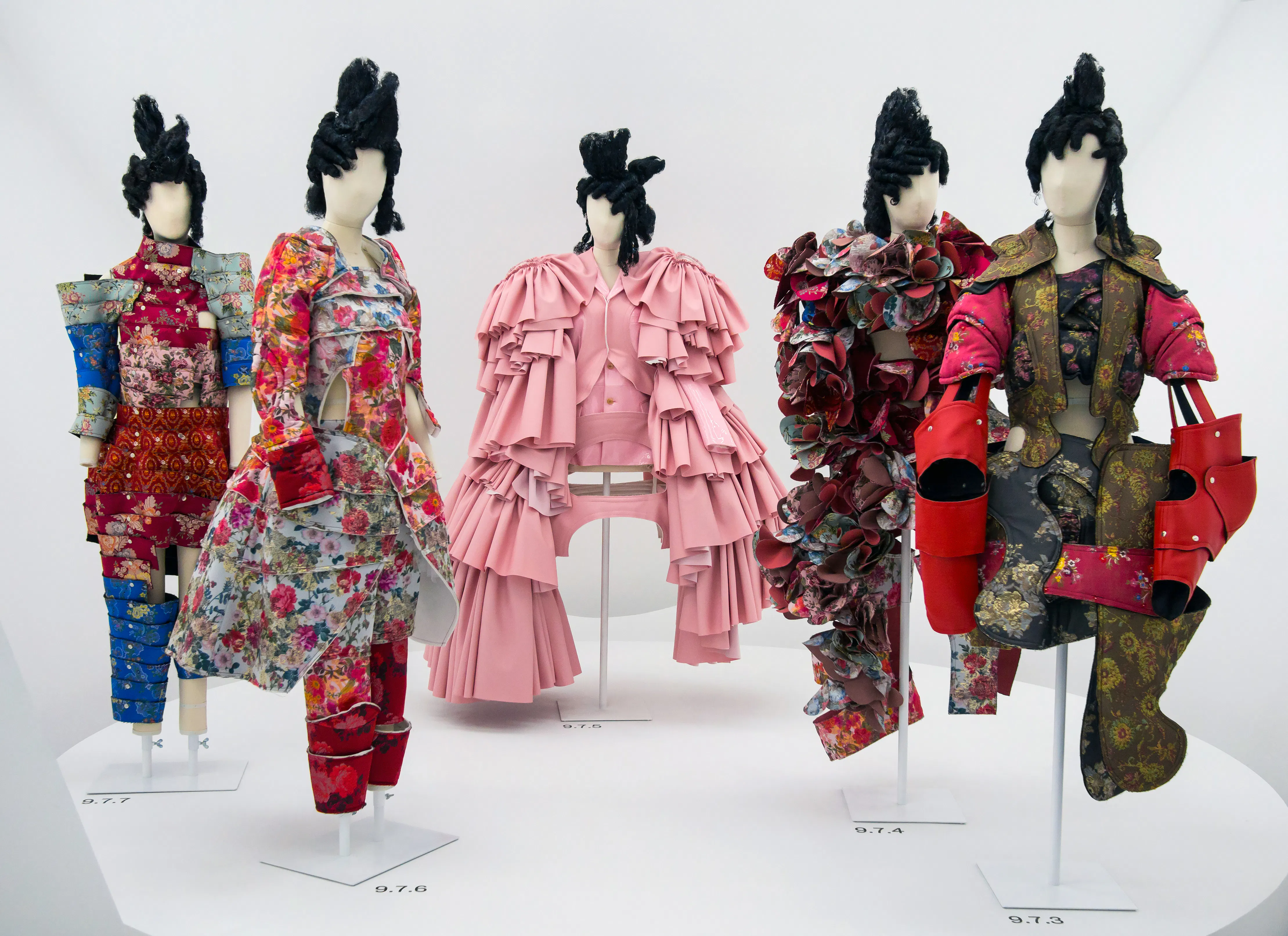
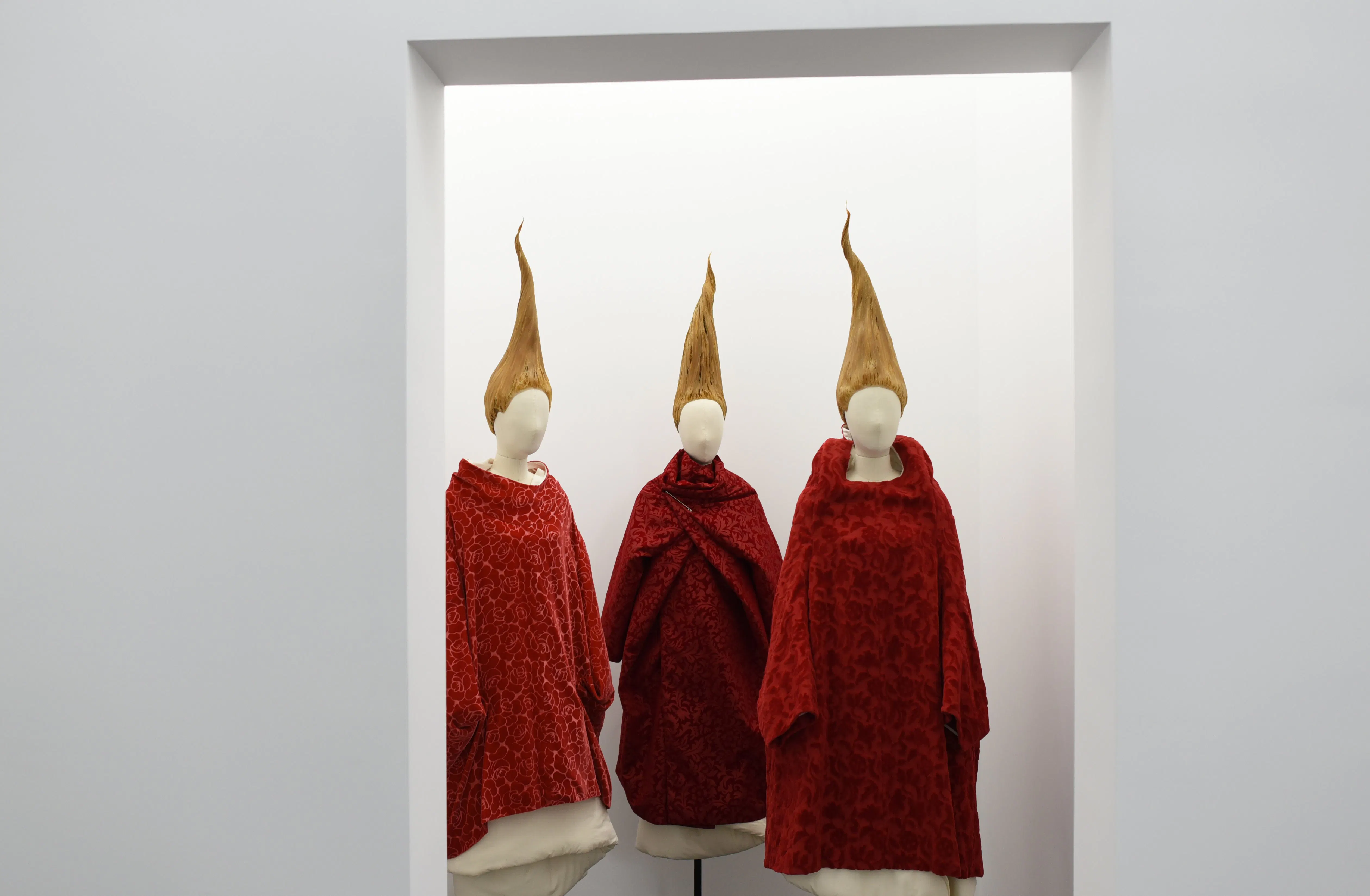
Beyond the runway, Comme des Garçons has built a wider cultural presence through collaborations with brands such as H&M, Louis Vuitton, Nike, and Supreme, as well as through fragrances and the conceptual Dover Street Market stores, where fashion, art, and retail intersect. The brand’s influence extends into music and popular culture. Björk wore Comme des Garçons in the music video Isobel, Frank Ocean titled a song after the label, and in 2017 Kawakubo was honoured with a major retrospective at the Metropolitan Museum of Art in New York, Rei Kawakubo / Comme des Garçons: Art of the In-Between.
See also: Carolyn Bessette-Kennedy's Iconic 90s Wardrobe at Auction
Want more articles like this straight to your inbox? Subscribe to our free newsletter!
For collectors and fashion enthusiasts, Comme des Garçons is more than clothing. It represents a sustained commitment to experimentation, where materials, silhouettes, and colour are used to question long-held assumptions about fashion. Rather than simply breaking the rules, Comme des Garçons has reshaped them.