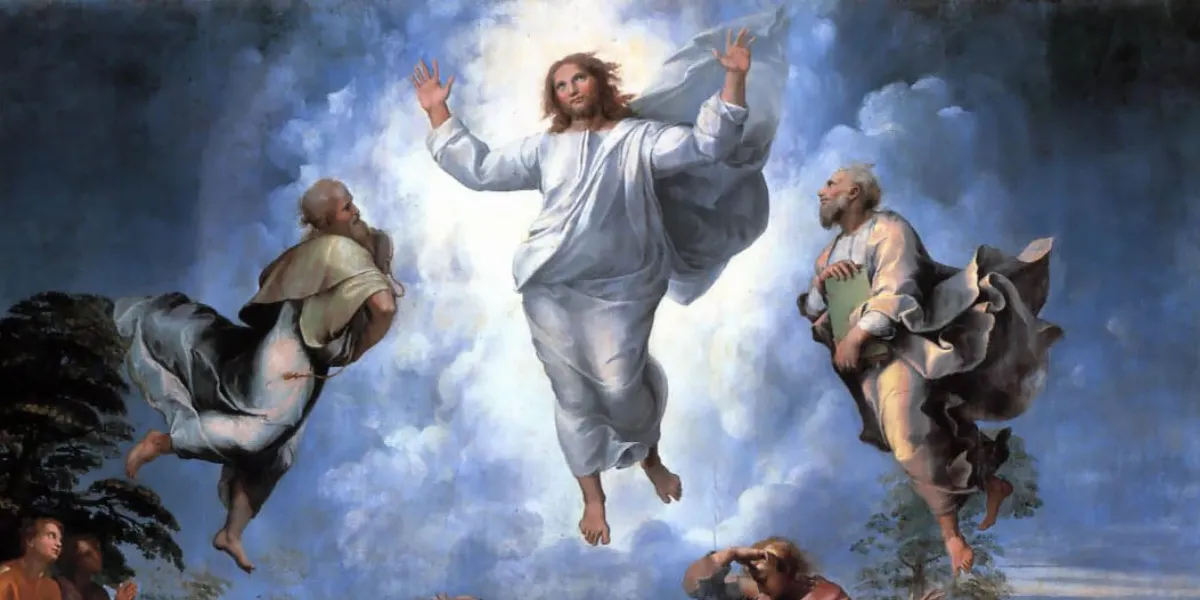
Christian art, defined as depicting scenes or people from the Bible, dates back to the beginning of Christianity. The earliest chronicles of Jesus' life were found in Roman sarcophagi and the Catacombs of Rome from the 2nd century. During the Middle Ages and later the Renaissance, Christian art was produced prolifically for churches and wealthy patrons. Here we look back on the iconography of the three most significant figures in Christian art:
Jesus Christ

Jesus is the most depicted figure in the Christian faith, as well as the most important. The oldest recorded works date from about 200 AD, but it is not until about the 400s that Jesus is portrayed as we recognize him today – with long, dark hair, a beard and dressed in a robe. During the late Middle Ages, Jesus was depicted as very lean, a sign of the suffering he encountered during his life.
Related: The Nativity, According to Paul Gauguin
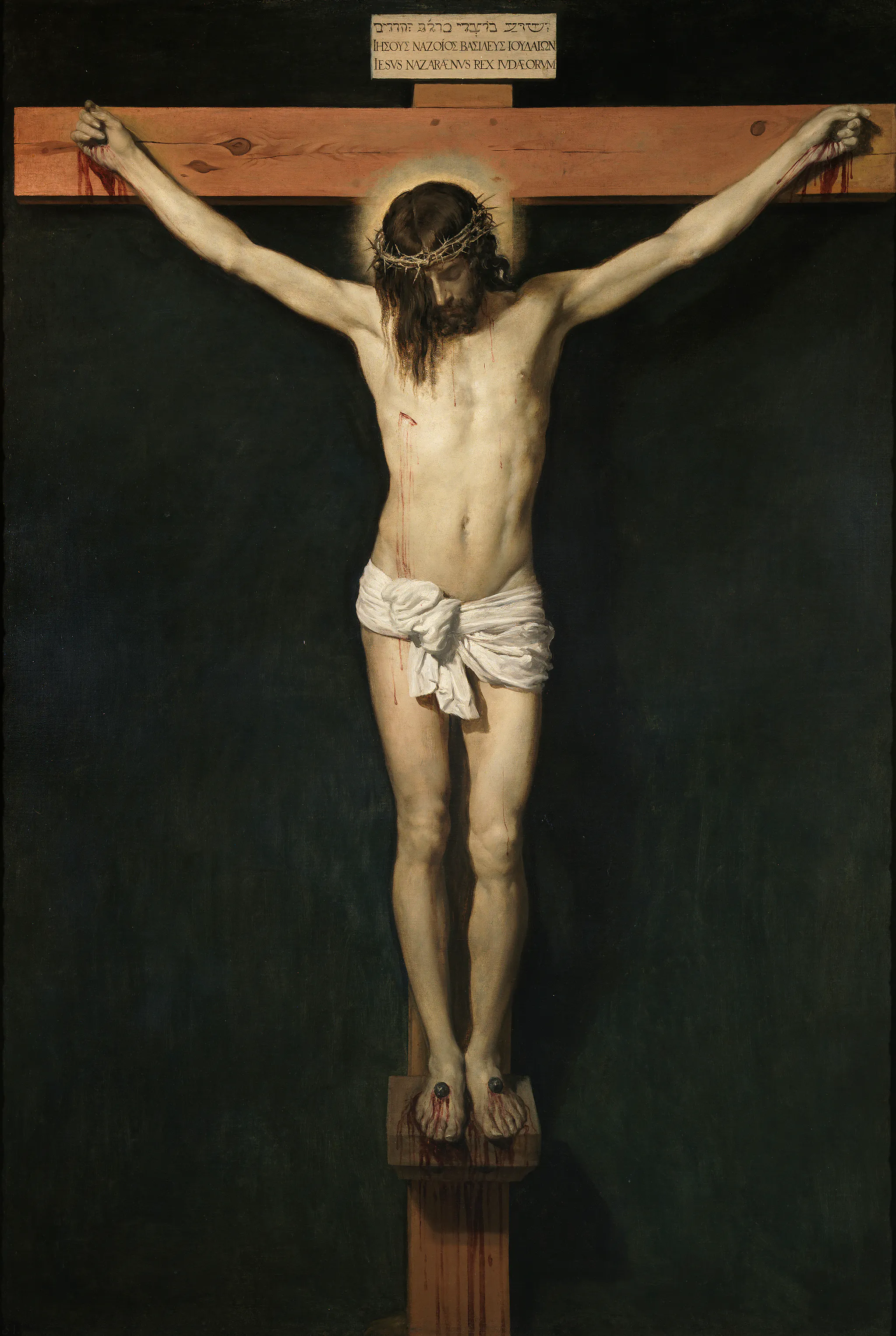
In many portraits, Jesus is paired with a radiant heart, either on his chest or held in his left hand. This heart is a symbol of Jesus's eternal love. However, the crucifixion is the most prevalent image of Jesus, often found in churches as a symbol of his sacrifice.
Related: The Testaments Transformed: Printing The Gutenberg Bible
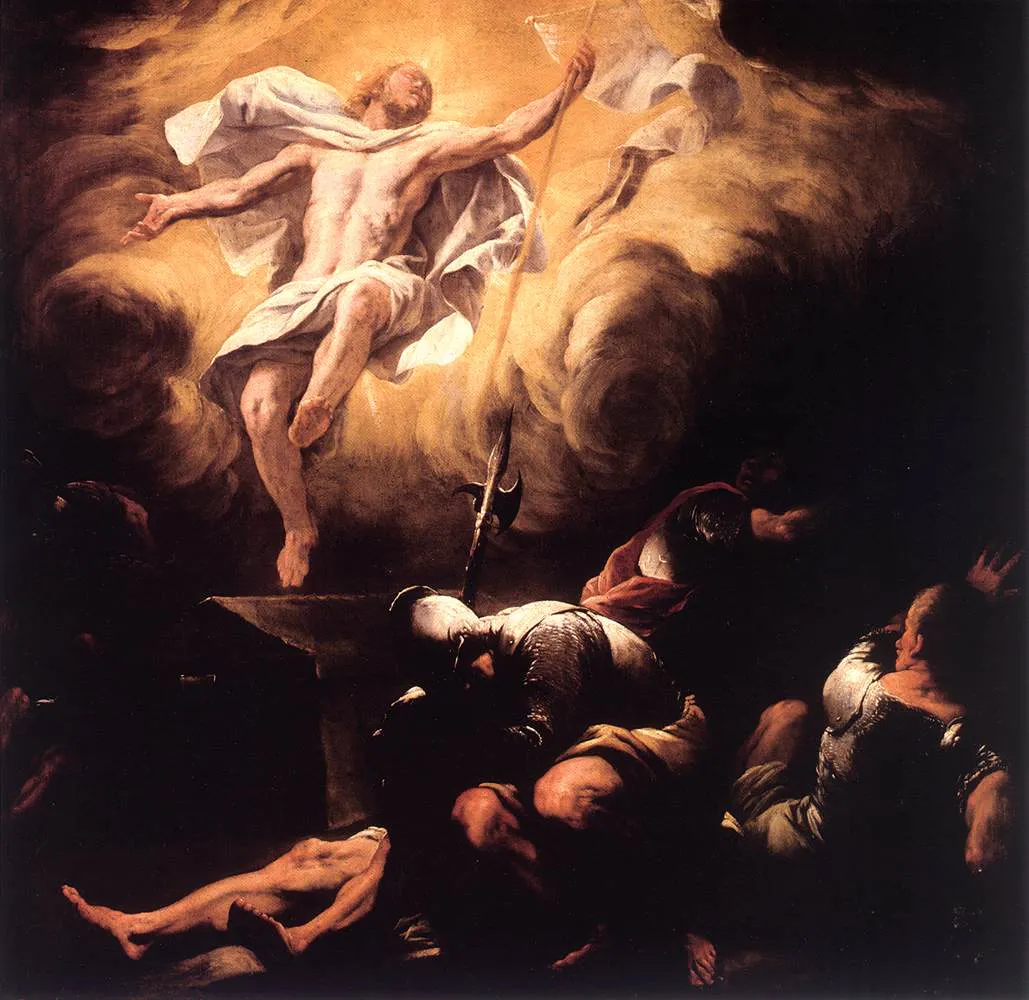
Another popular scene of Jesus is his resurrection, when Jesus rose from the dead on Easter Sunday, the third day after he was crucified. In these works, Jesus is often portrayed in white, a symbol of his purity, and with a gesture of guidance.
Virgin Mary
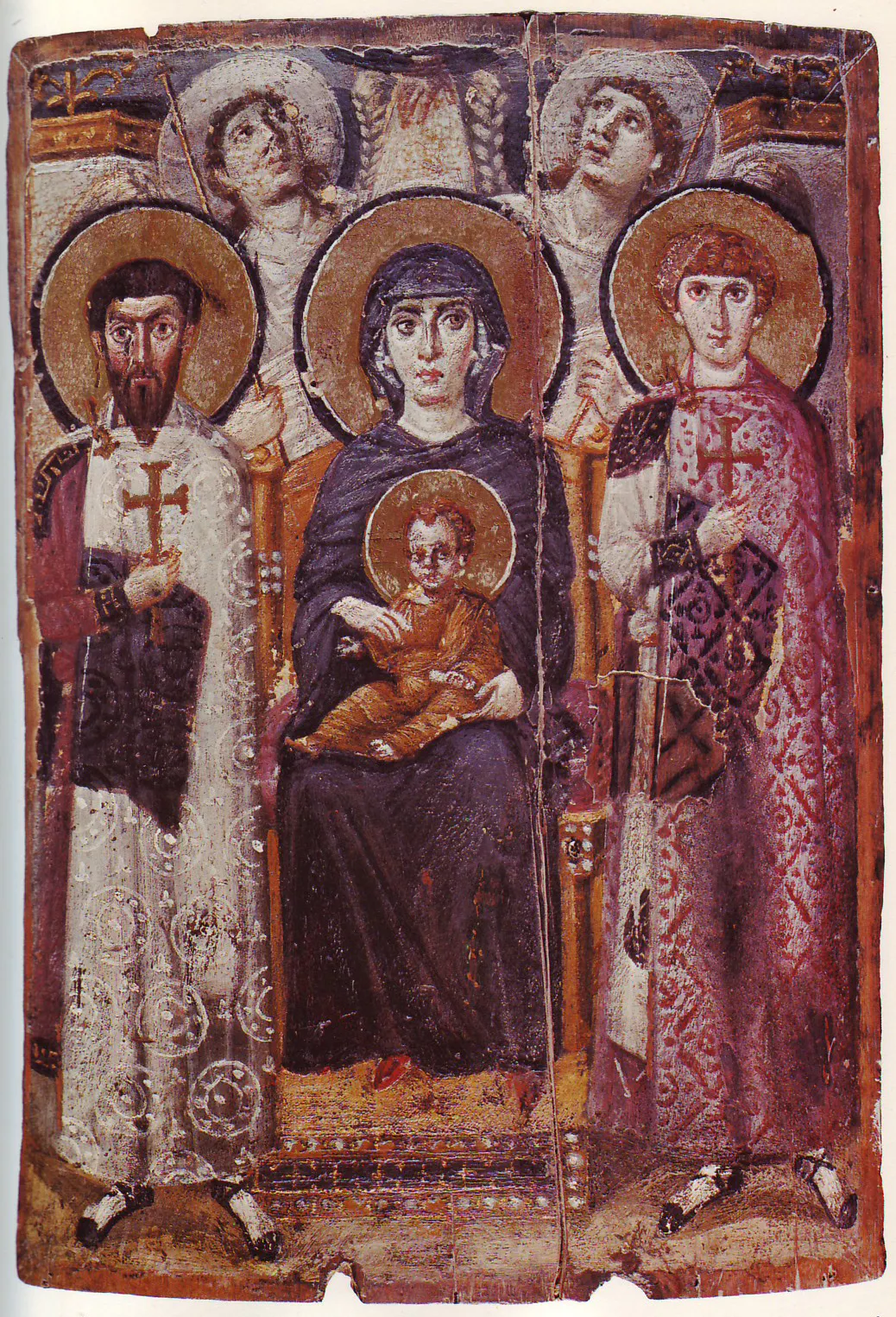
One of Christianity's most prominent figures is undoubtedly the Virgin Mary, the mother of Jesus. Although Madonna plays a significant role in the Christian world, she is mentioned only a few times in the New Testament. But where Virgin Mary is lacking in literature, she is compensated for in the visual arts and has thus been portrayed countless times. Madonna pictures have been in Christian art since the early years of the 400s and are among the most common Christian motifs.
Related: The Art of Motherhood

As the Virgin Mary is highlighted as Jesus's mother, she is usually portrayed with the infant Christ in her arms, as ‘Mary Eleusa’ (the tender mother of God). Depictions like the painting above are often called ‘misericordia’ pictures (the mother of mercy), where the Virgin Mary's mantle offers viewers protection and security.
Related: Here Are The Gothic Painters You Should Know
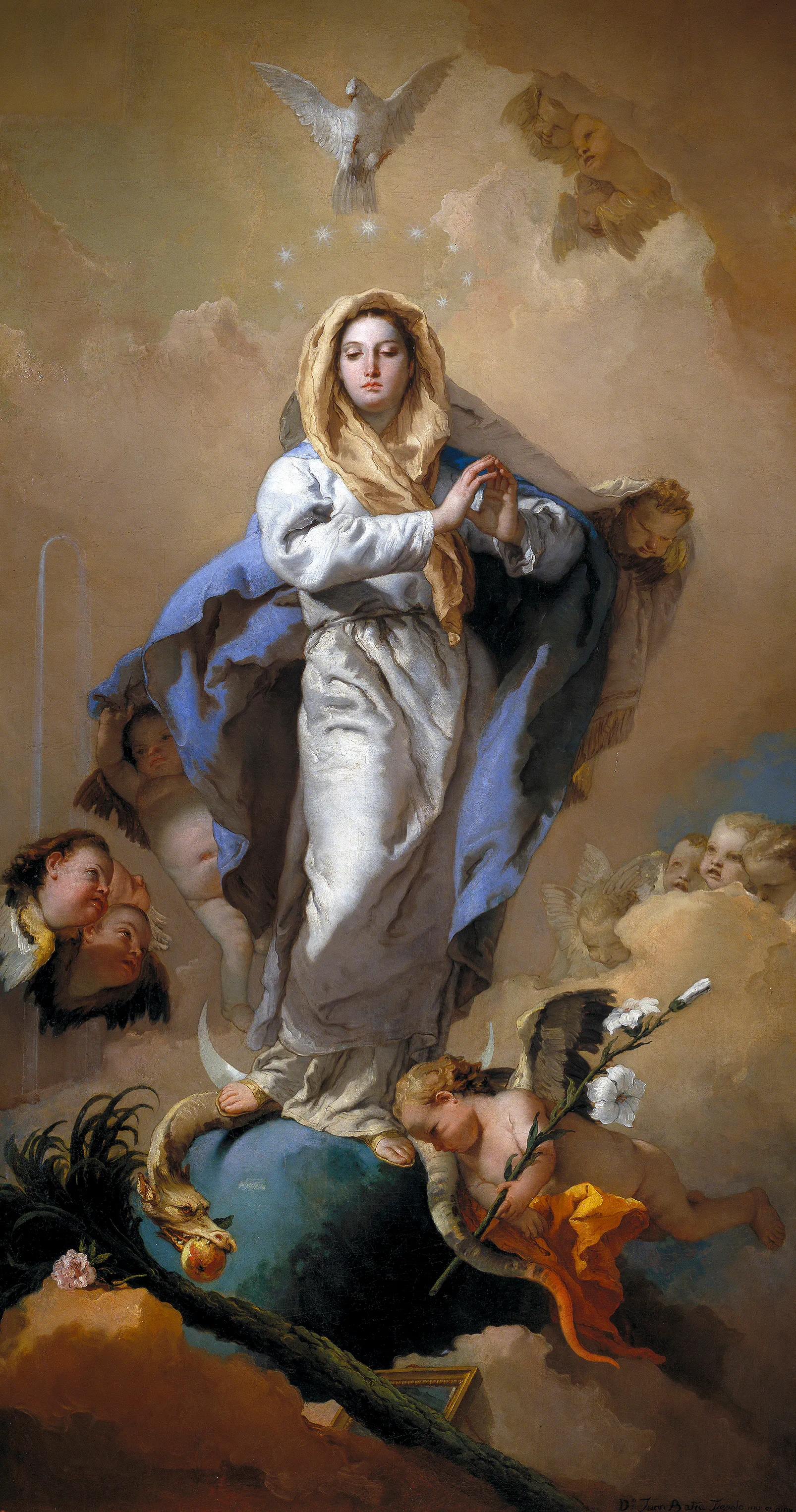
During the 16th century, Mary was often depicted alone as the ultimate female idol – no woman other than a perfect one was worthy to bring forth the Son of God. In these artworks, Mary is almost always portrayed surrounded by angels with her hands joined in prayer and sometimes trampling on a snake or serpent. The other most common image of Mary is in "Pieta" scenes, when she holds Jesus' body after he has been taken down from the cross.
Mary Magdalene

One of Christian art's main figures is undoubtedly Mary Magdalene, one of Jesus' female followers, and, according to the Gospel, the first to discover Jesus's empty tomb and see him after his resurrection. Noli me tangere (touch me not) scenes of Mary Magdalene trying to touch Jesus after she sees him resurrected were popular for artists.
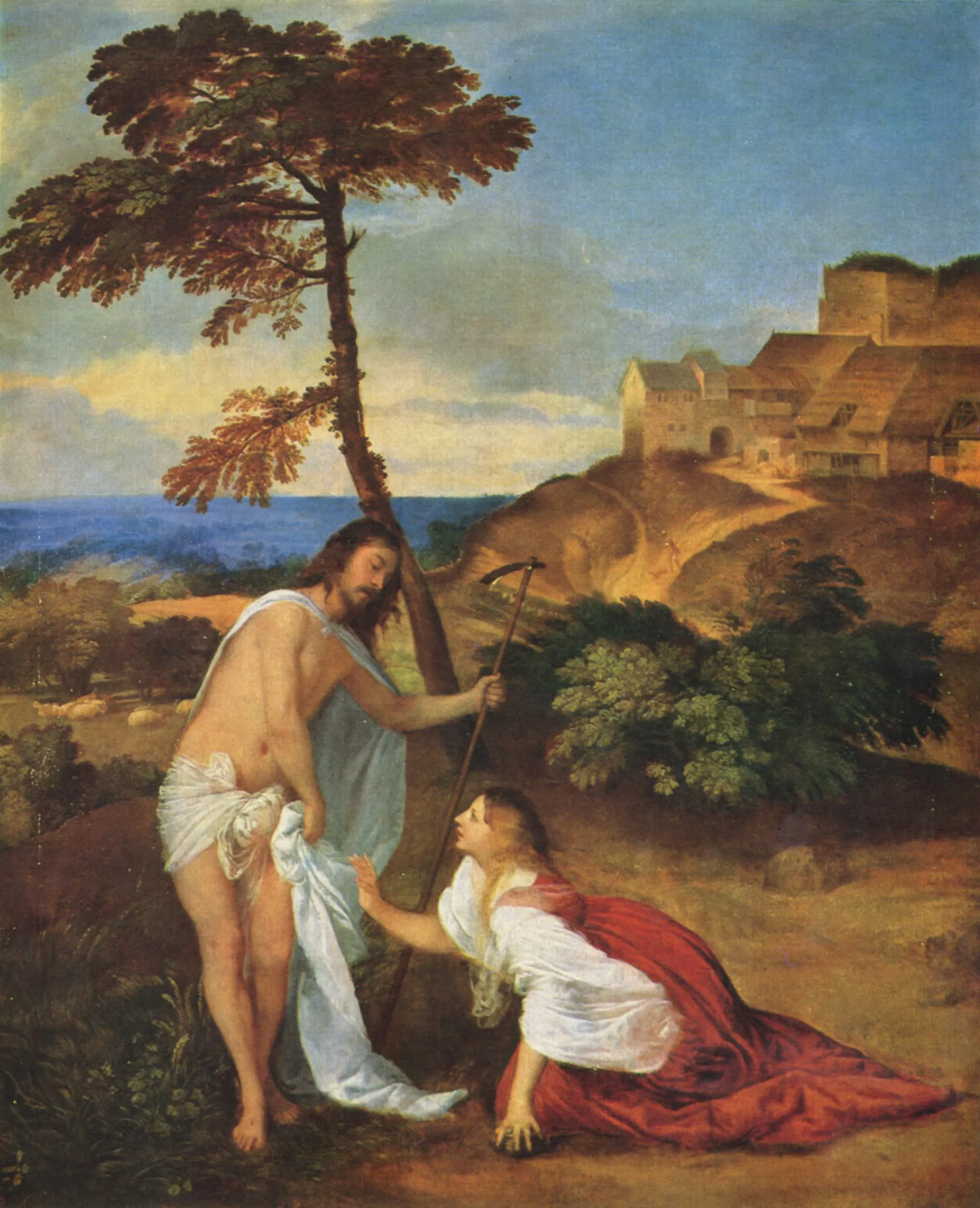
Since Mary Magdalene has been interpreted as both Mary of the siblings Mary and Martha and the sinner described in the Gospel of Luke, the image of Mary Magdalene has changed over time and has depended on interpretation. Today, these women are separated in the Christian faith and perceived as two different people.
Related: The Sacred Art of Icons
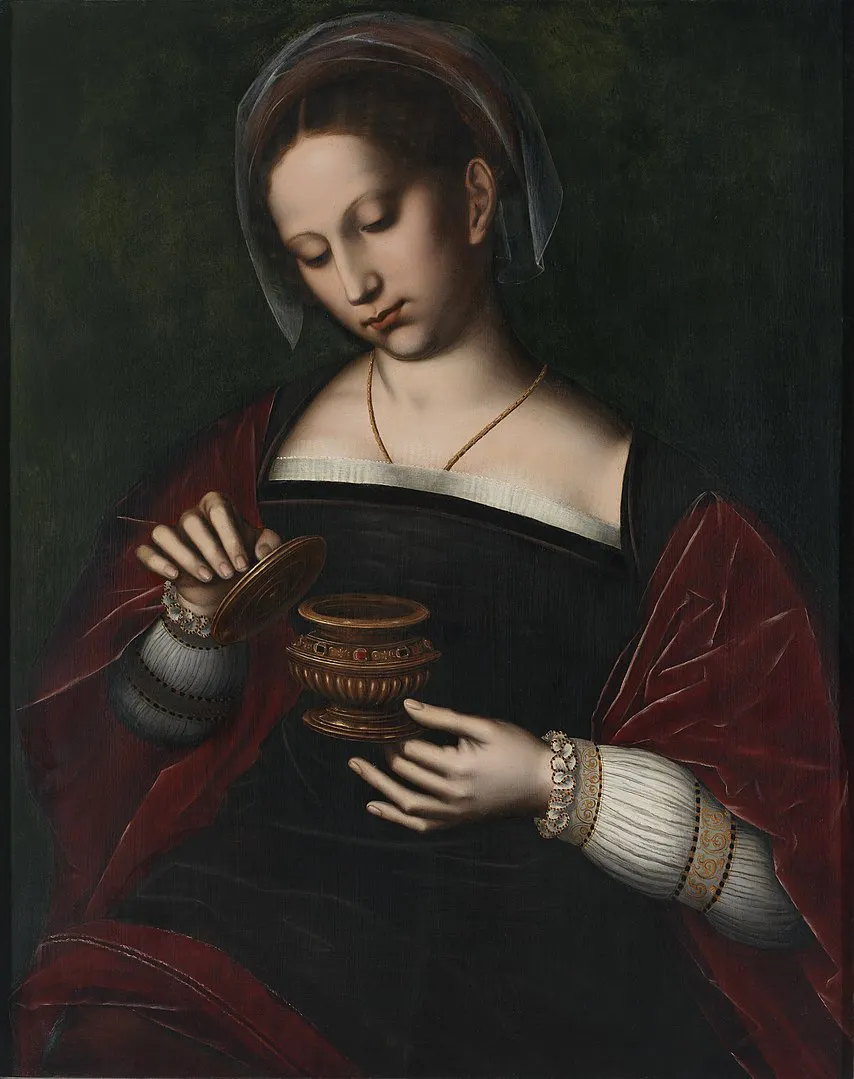
Mary Magdalene is often portrayed together with a skull, which represents life's impermanence. Other times, she is portrayed with her saint attribute, an anointing vessel, if she is represented as the Mary who anointed Jesus' feet with balm.
Find more articles on Barnebys Magazine
This is an updated version of the article originally published on April 15, 2019