
The chairs of French designers reflect the excellence of French design. Their iconic creations combine functionality, aesthetics and innovation, thus marking the history of furniture. Many of their designs are still very popular on the auction market today and fetch impressive prices. Here are the five French chair designers you should know:
Pierre Chapo
Pierre Chapo intended to paint, but when he met a marine carpenter in 1947, he discovered the material that would determine his design practice: wood. After studies interspersed with trips to Scandinavia and military service, Chapo continued working with wood, particularly oak, ash and solid elm. He combined the know-how of traditional craftsmanship with his interest in contemporary design and created his first pieces, which quickly led him to open a workshop in Paris. His S11 chairs are characterized by ingenious assembly, made without the use of nails or screws, and are a real visual pleasure from all angles of the structure.
Related: 10 Ingenious Chairs: Design Classics of the 20th Century
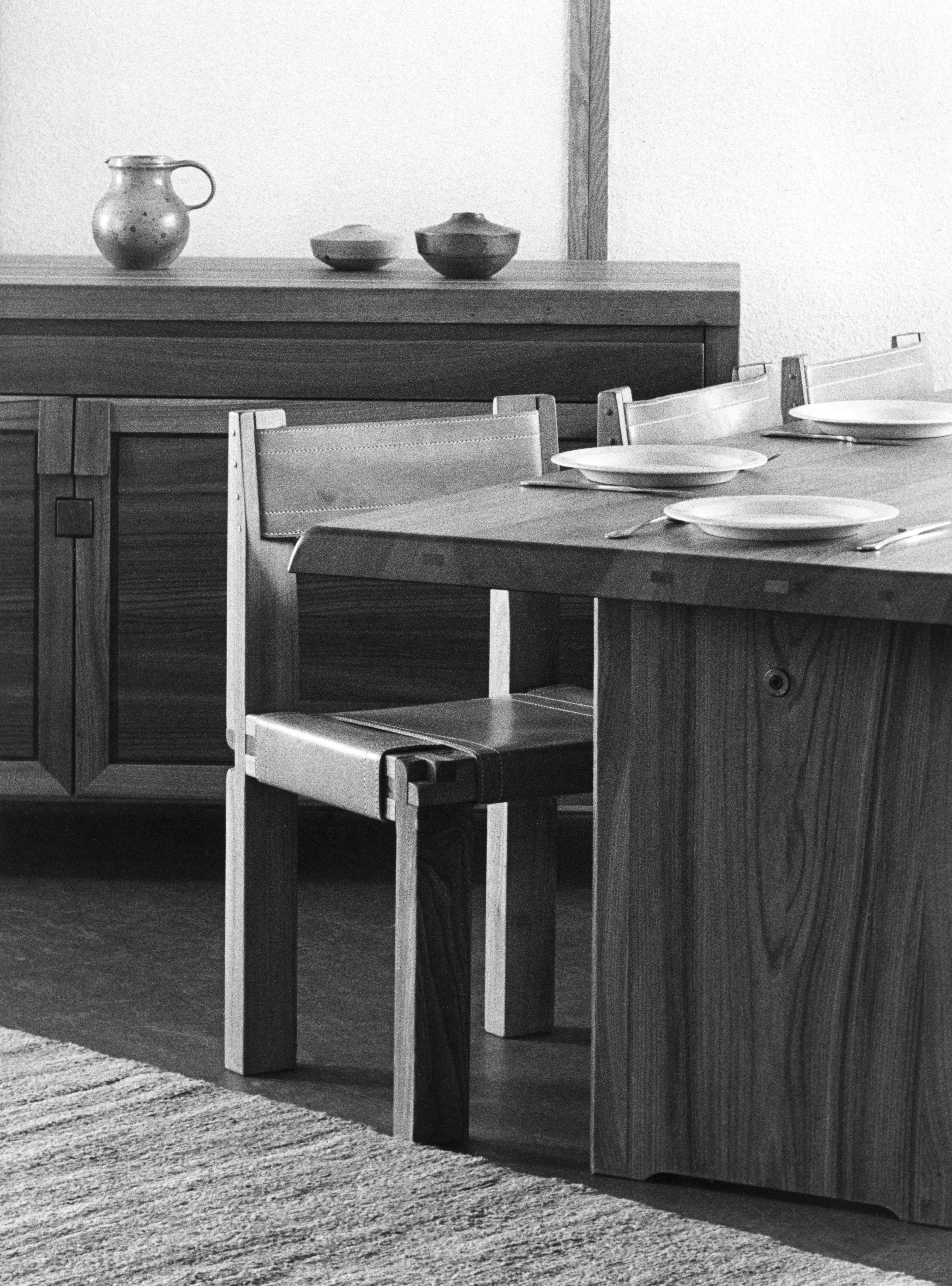
Influenced by master architects, Chapo exhibited at the Salon des Artistes Decorateurs in 1967 and won the Bronze Medal from the Society for the Encouragement of Art and Industry.
Related: The Story of 'Dragons': The World's Priciest Chair
Jean Prouvé
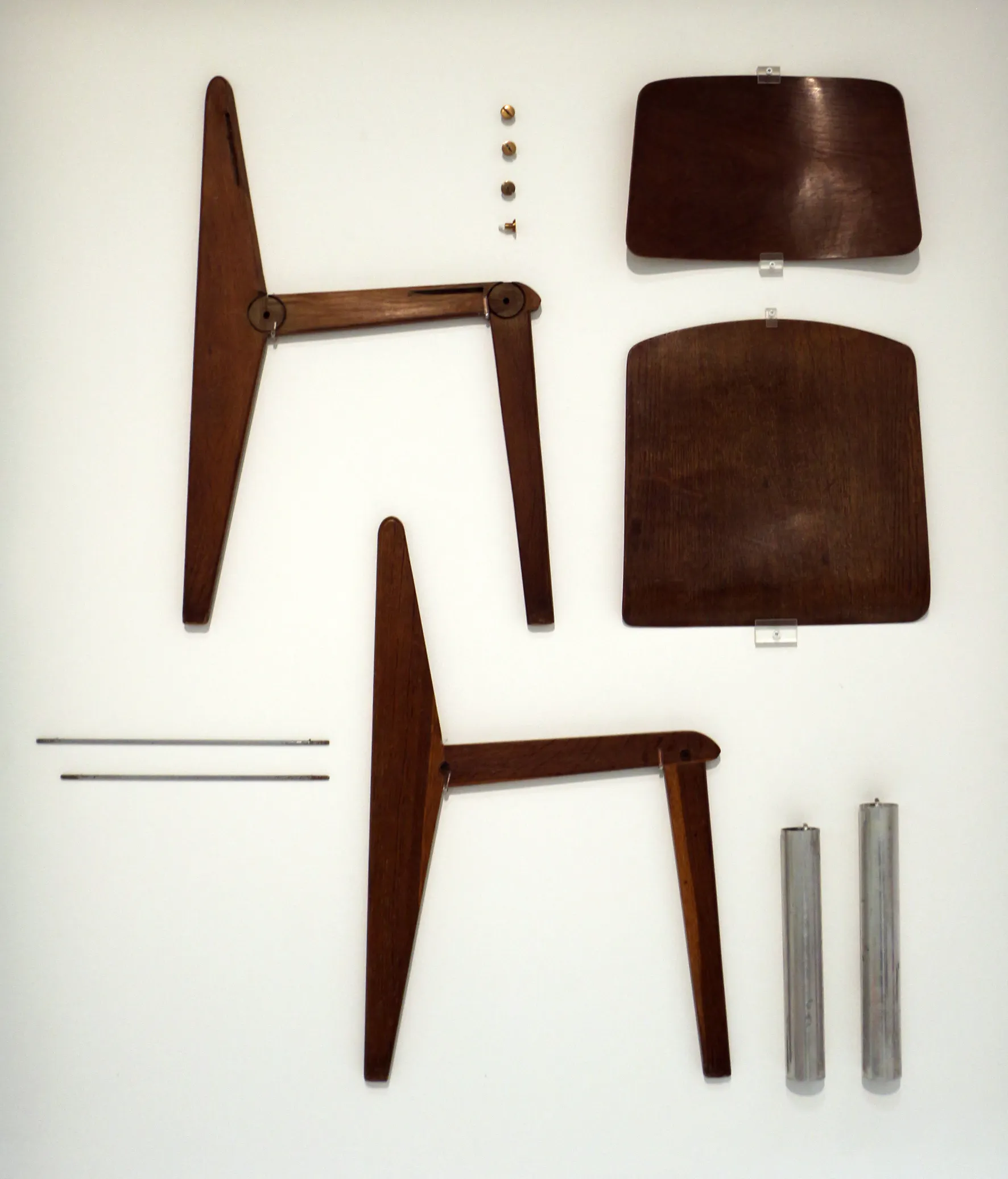
The "demountable" chair by Jean Prouvé was his response to the traditional office chairs and was followed by several variants. It gives an impression of stability and solidity while being simple. The model is based on human anatomy: the rear legs are thickened because they support more of the seated person's weight, while the rear joint is solidified to prevent deformations due to the weight of the torso and possible swaying.
Want to receive articles like this straight to your inbox? Subscribe to our newsletter!
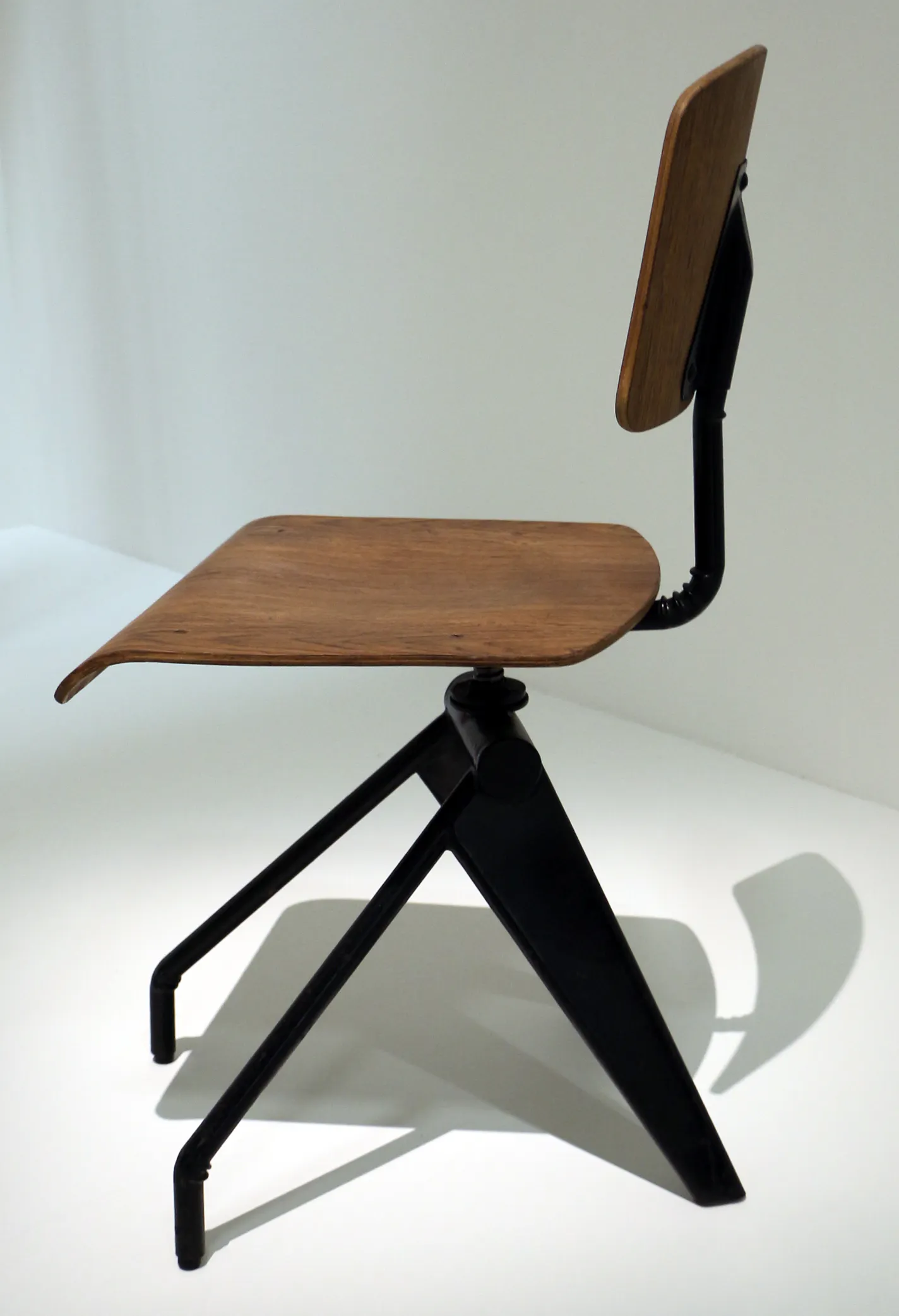
"In my mind, a chair had to be light," Prouvé said. "A chair always breaks at the rear joint between the legs and the seat. This is the reason why all my furniture has shapes of equal resistance." Certain manufacturing elements have remained visible, such as the bolts securing the backrest and the seat.
Related: 11 Eccentric Designs to Rest On
Le Corbusier and Charlotte Perriand
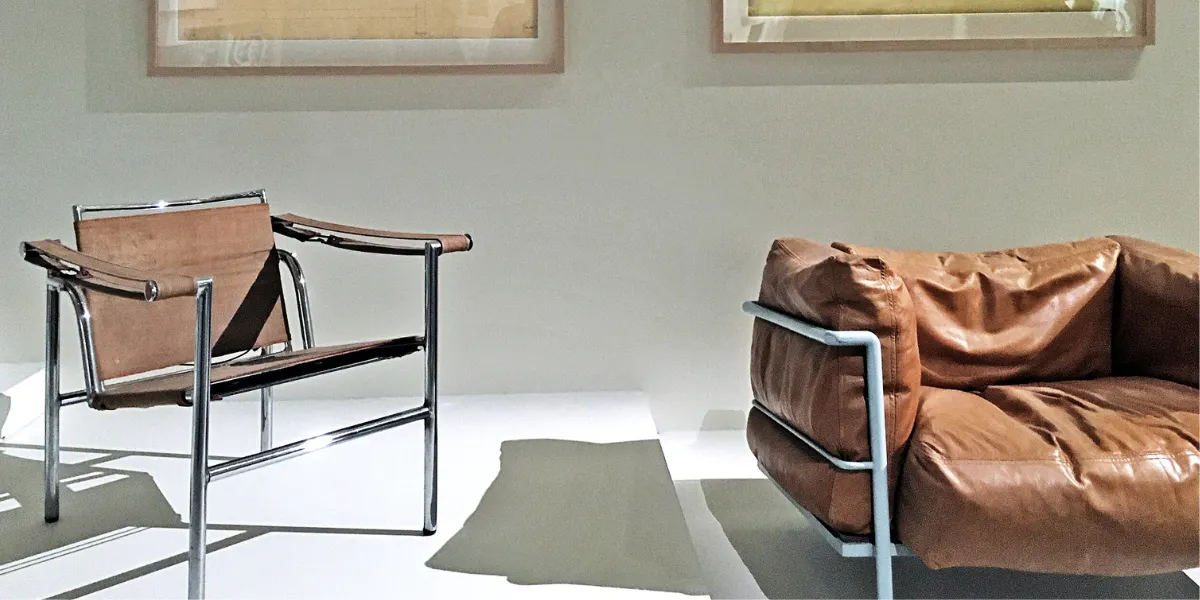
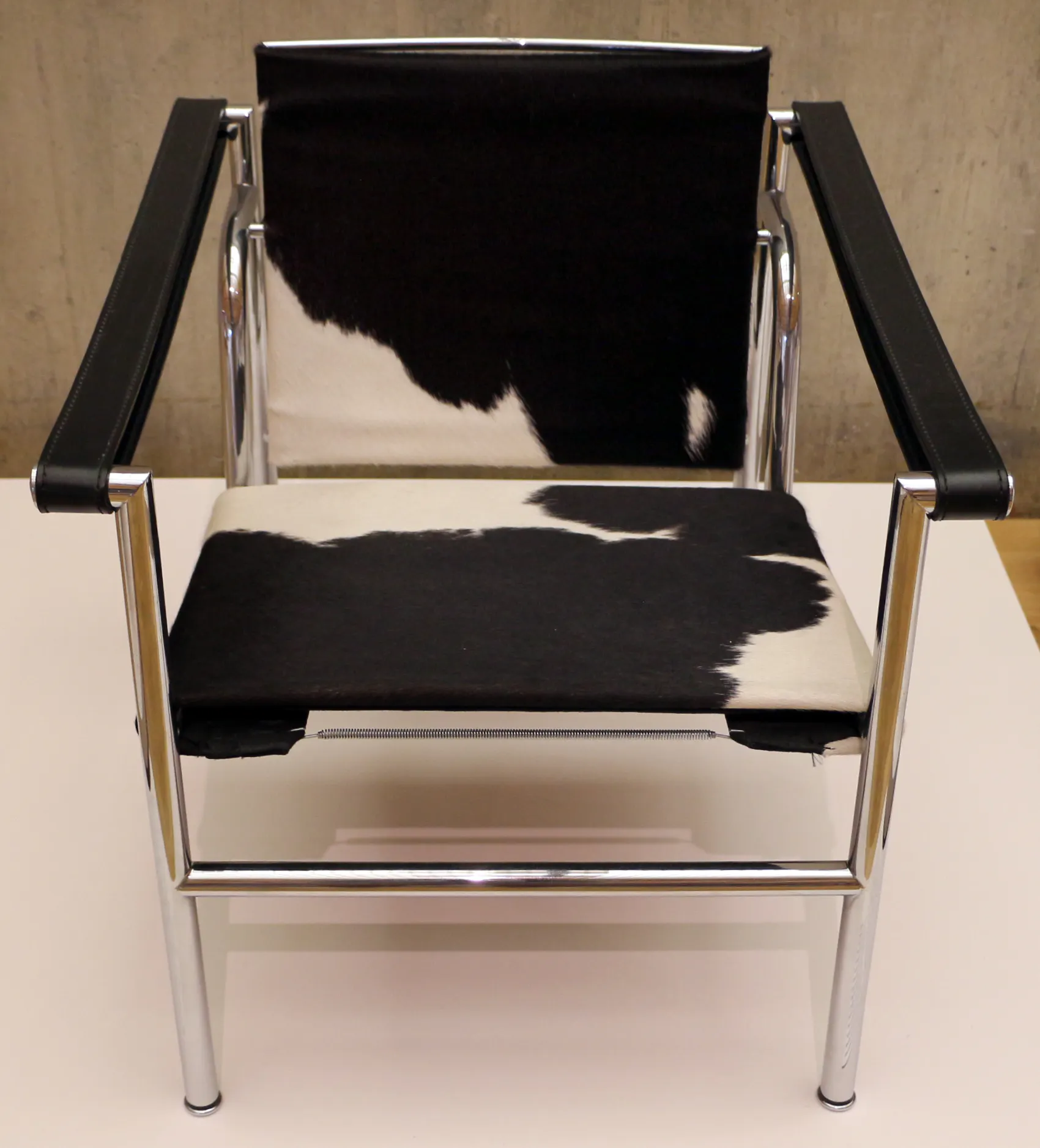
It is impossible to imagine French design without the masters Le Corbusier, Pierre Jeanneret and Charlotte Perriand. Le Corbusier and Perriand designed iconic chairs in 1928 together, including the Chaise Lounge LC4 and the Grand Confort LC3, which were intended for use in Le Corbusier's Maison La Roche in Paris.
Related: Pierre Jeanneret: The ‘Other Jeanneret’
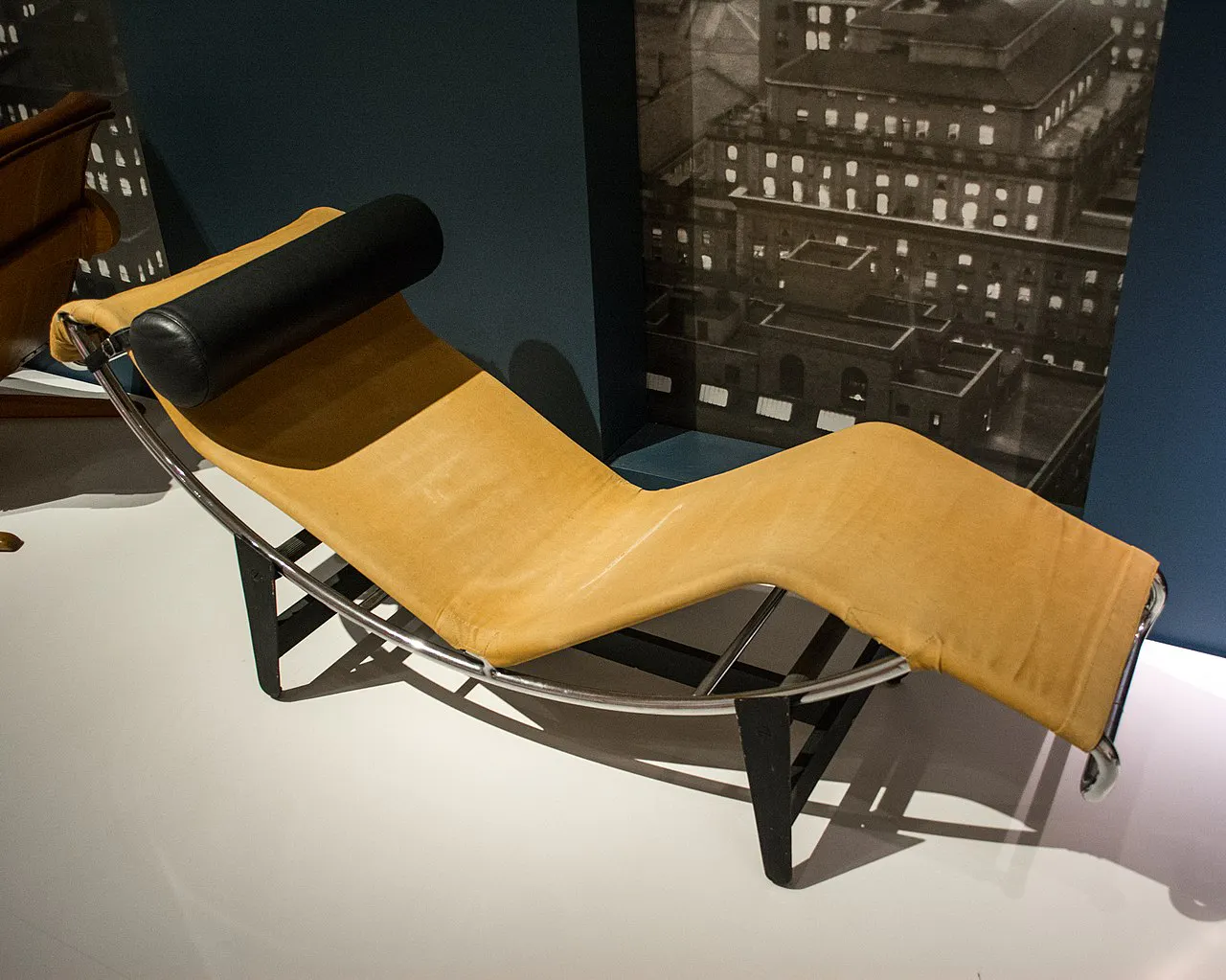
The LC4 has a wooden base and a tubular steel frame for the seat and back. Metal fixings are used to attach the headrest to the structure, as well as the base. The chair was designed to be covered in cowhide.
Related: Le Corbusier: 5 Facts to Know
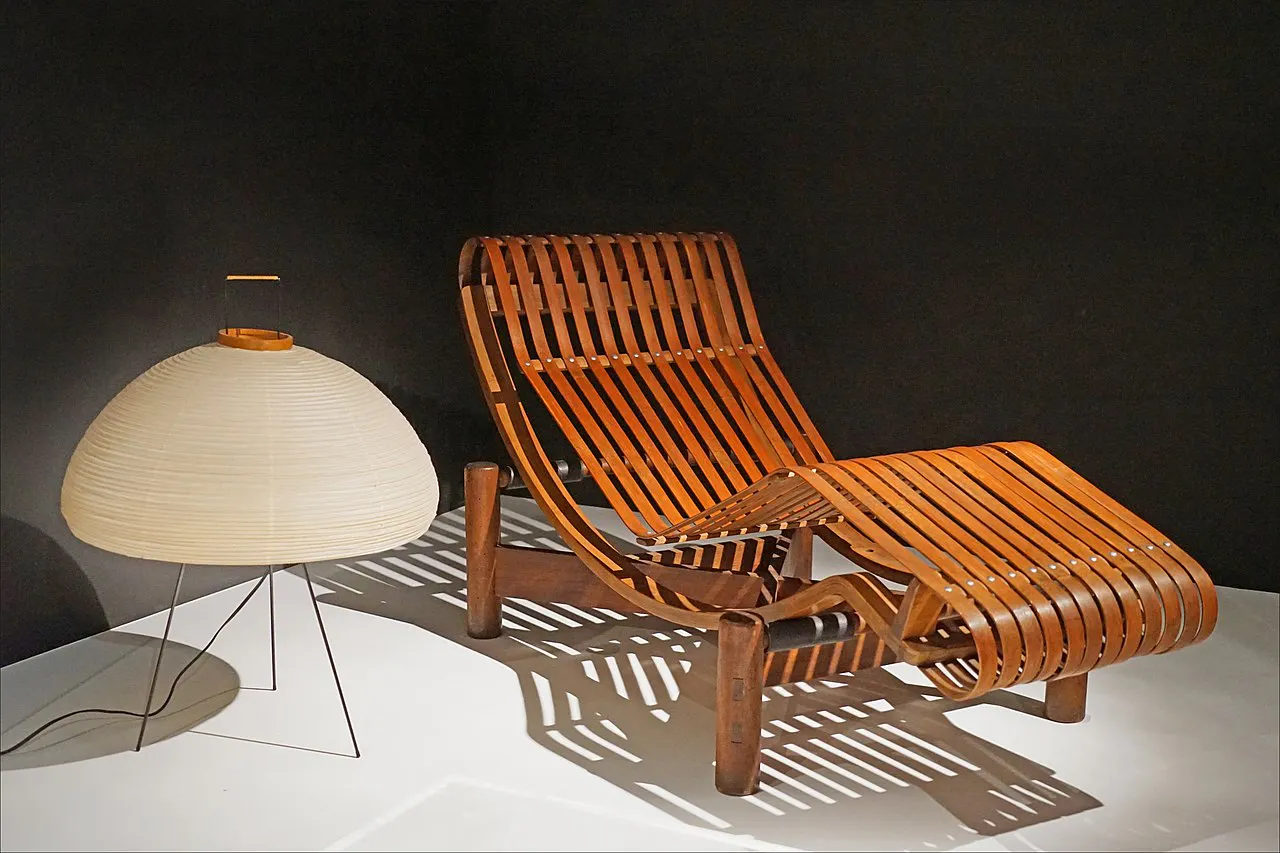
Charlotte Perriand also had a flourishing career with her storage furniture, stools, and deck chairs. Her approach to design was also influenced by her travels, notably to Japan, where she stayed between autumn 1940 and winter 1942, which resulted in a minimalist, simple aesthetic.
Related: Charlotte Perriand: A Creative Life Remembered
Joseph-André Motte
Joseph-André Motte became known with his "tripod" armchair from 1949 characterized by its shell-shaped seat. In 1954, he co-founded the Atelier de Recherche Plastique (ARP) with Pierre Guariche and Michel Mortier to create furniture that combined the classic ideals while remaining simple and accessible to the general public.
Related: The Design Classics of the Future
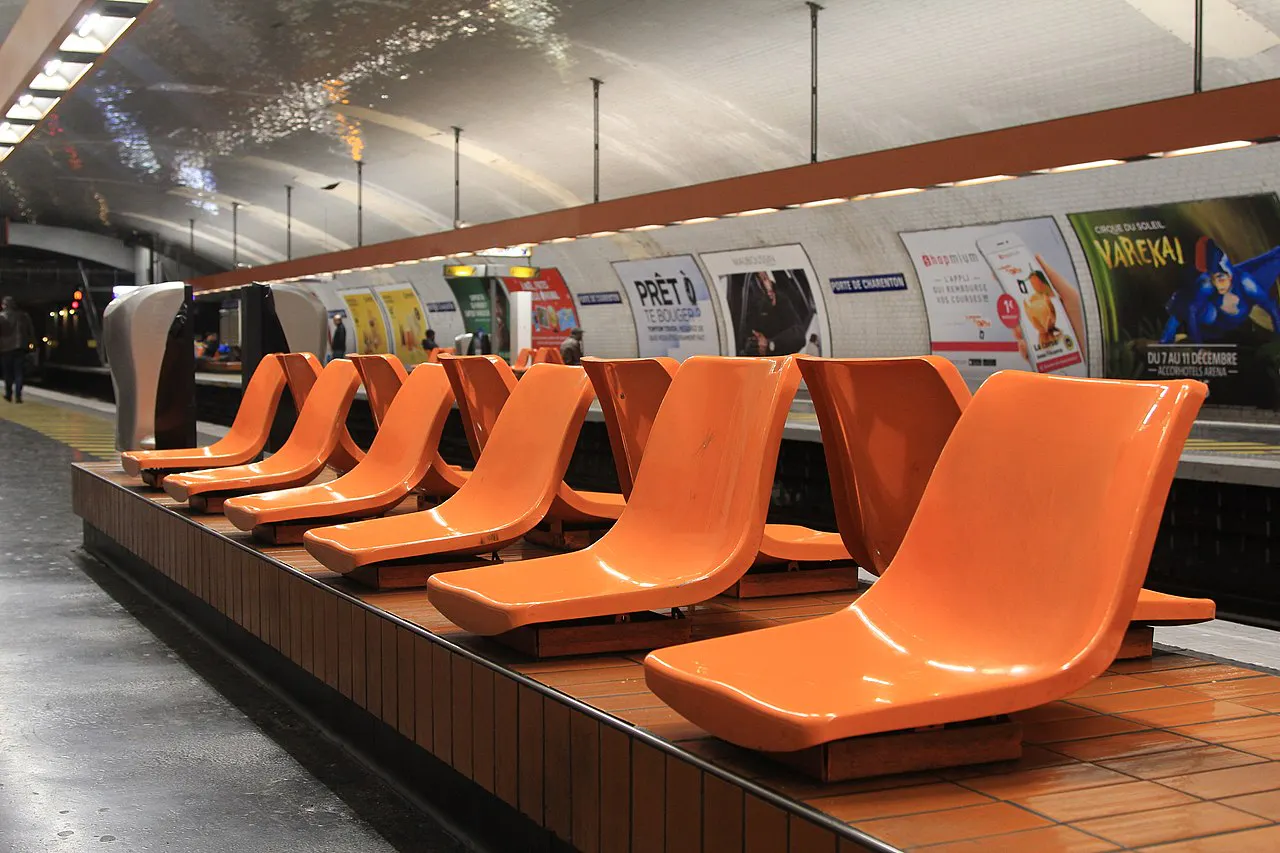
At the request of the RATP (Régie Autonome des Transports Parisiens) in 1973, Joseph-André Motte revolutionized the layout of Paris metro stations. His innovative style is distinguished by the use of white tiles, benches, and lines of colored lighting along the platforms. He notably designed the seat that has become emblematic of the Paris metro, the individual shell seat, which is still present in many Paris metro and RER stations today.