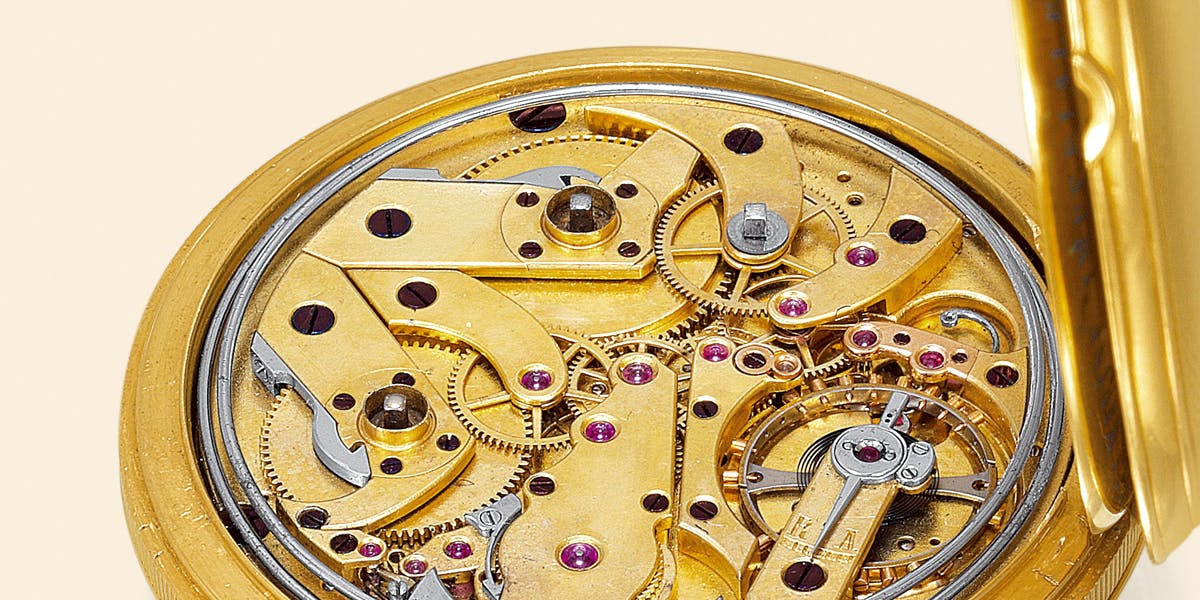
The rarity of the mechanism, the ambition for excellence and the expert know-how: these attributes can just about give the essence of the work of Charles Oudin, one of the oldest French watchmakers who dedicated his life to mastering precision watches.
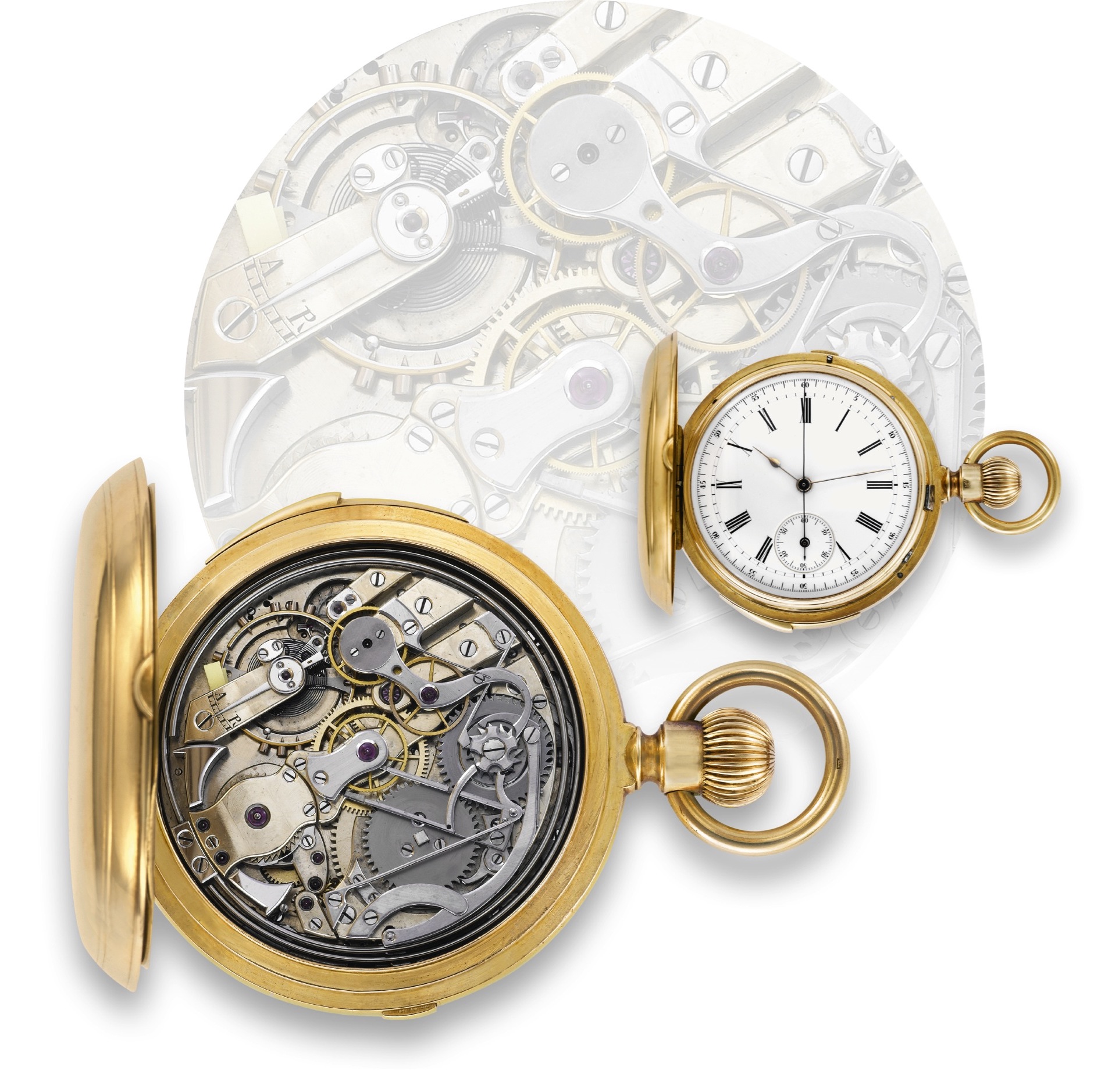
Coming from an eminent watchmaking dynasty, Charles Oudin began his brilliant career in the Parisian workshop of master Abraham-Louis Breguet, then considered the founder of modern watchmaking. During his apprenticeship, which he continued alongside his first cousin Joseph, Charles perfected a device for the equation of time, which enabled Breguet's subscription watches to display 'real' time, i.e. the time of the sun, and the median time, used in everyday life.
Related: The Royal History of the World’s Most Expensive Clock
Charles Oudin set up on his own at the end of the 18th century to devote himself to luxury and precision watchmaking. His former master, who had fled the country during the French Revolution to take refuge in Switzerland, had offered for him to take over his Parisian studio, an offer which Oudin politely refused. His very first watches, dating from 1797, bear the signature 'Charles Oudin, pupil of Breguet', a signature granted to him by Breguet himself and which remains extremely rare in the world of watchmaking.
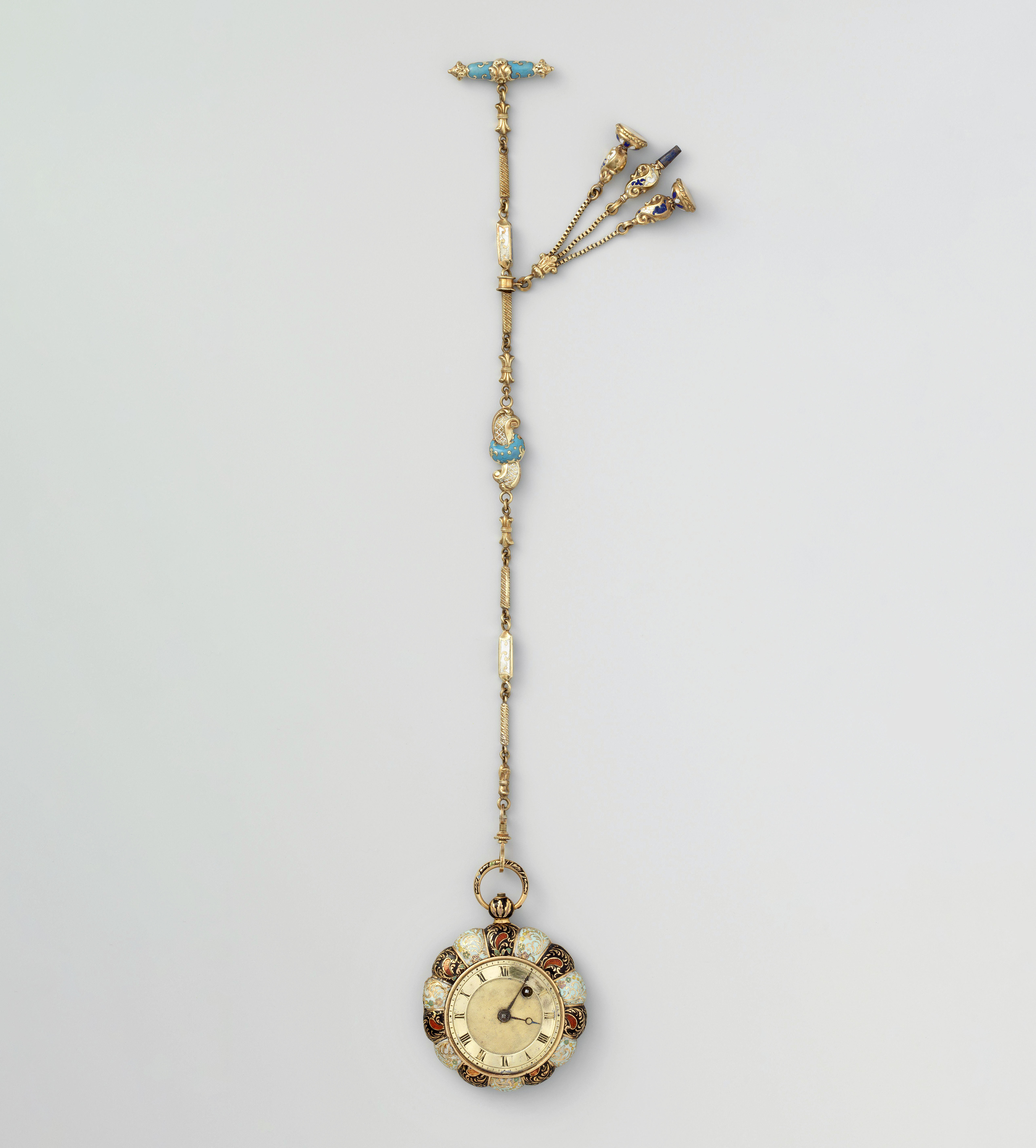
Oudin quickly gained so much notoriety that in 1805 he created a 'tact repeater' watch for Empress Josephine, the first of a long line of royals who would call upon his services. During his career, Charles Oudin would use his talent to satisfy the desires of Queen Victoria, the Count of Adhémar, the King of Spain, the Tsar of Russia, and even Napoleon III.
Related: Pocket Watches: History, Revival, Trends & Tips
In 1809, Oudin was stationed at 52 Rue de Richelieu, Palais du Tribunat – a place which has become historic for watchmaking enthusiasts and artists, where you can still see the mosaic embedded in the pavement, which reads: 'Charles Oudin, Clockmaker of the State Navy'.
Related: The Louis XIV Watch: The Birth of Modern Watchmaking
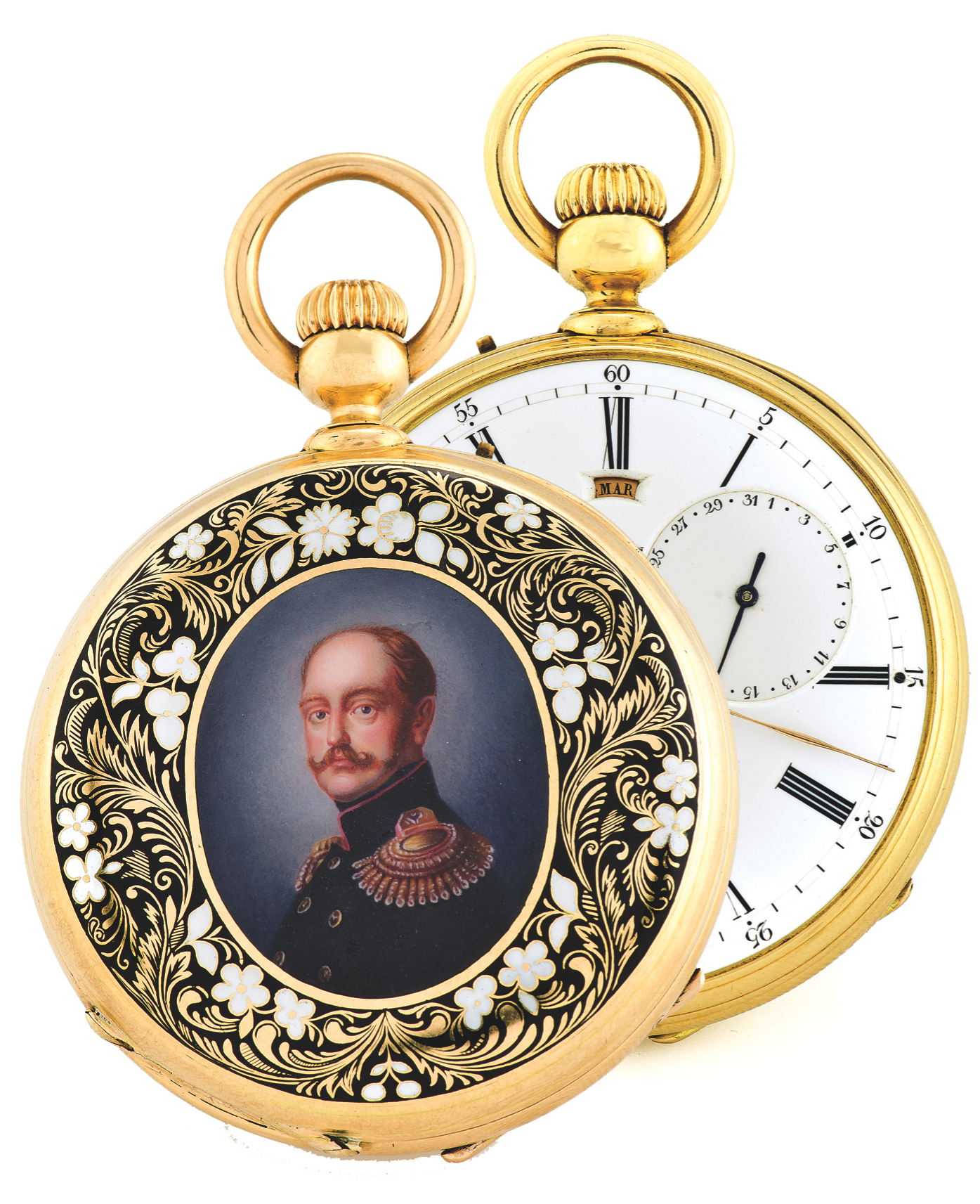
Throughout his life, Charles Oudin remained close to the historic center of Paris, with shops located successively at the Palais Royal, Avenue de l'Opéra, and Place Vendôme. He participated in several Universal Expositions, and Expositions of the products of French industry. It is those of 1806 and 1819 which earned him, respectively, a medal for a watch winding up by the pendant and a citation for an ingenious equation watch.
Related: Who Wore the First Wristwatch?
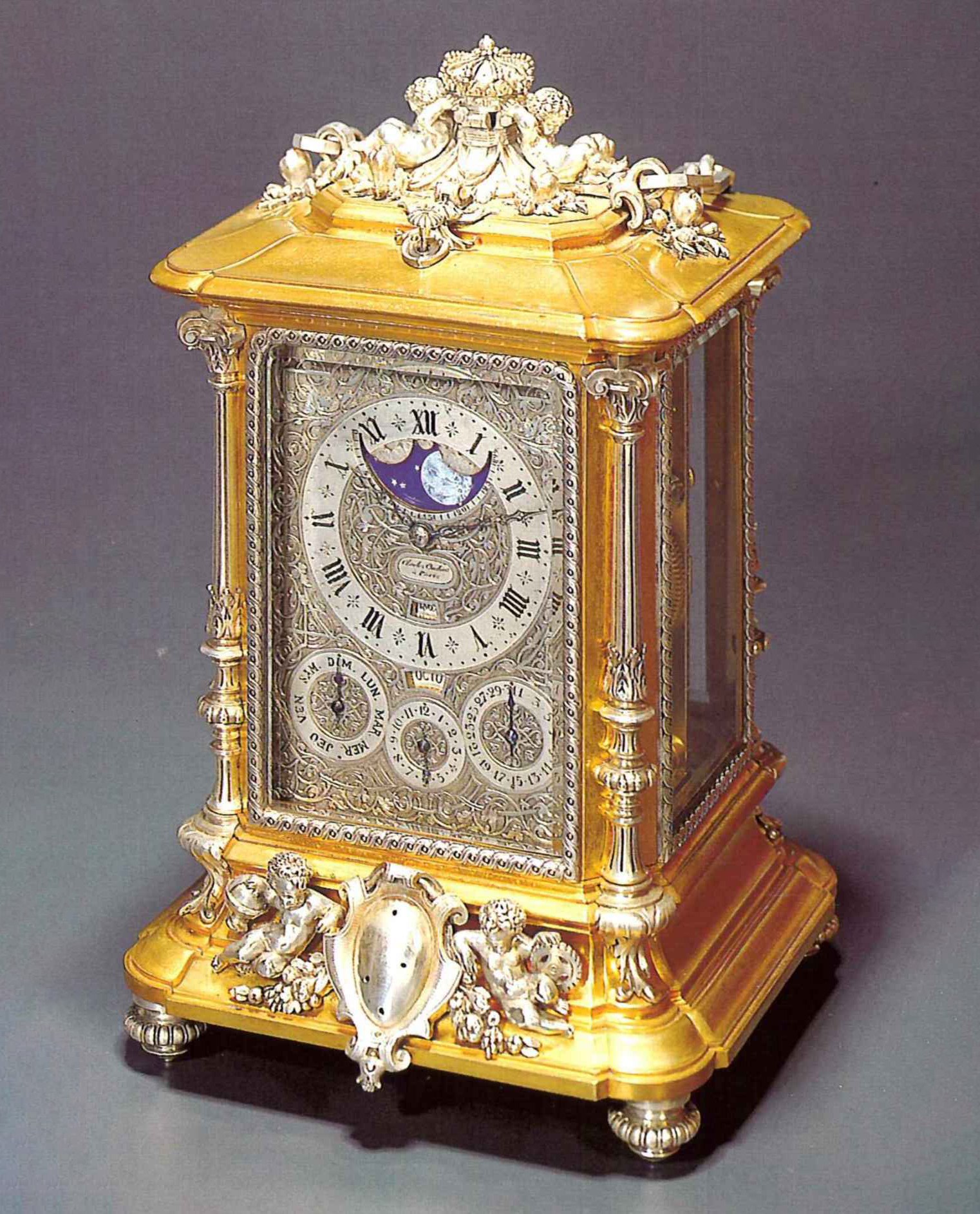
The work of this genius watchmaker is wonderfully represented in museums, including the Met Museum, the British Museum, the Hermitage, the Philippe Patek Museum in Geneva and the Breguet Museum in Paris. At auction, the results range from a few hundred dollars to several tens of thousands. The auction record for the house of Charles Oudin has not been broken since 2003. According to Barnebys’ realized price database, it is currently held by a 20K gold double-barrel self-winding perpetuelle watch, sold for $249,125 by Antiquorom. The previous record had been set eleven years earlier, in 1993, by a gilt bronze and silver 'big and small ringtone' clock, sold for €46,345 at Antiquorum. Exceptional pieces from the house of Charles Oudin remain relatively rare on the market and never fail to arouse the interest of collectors with each appearance.