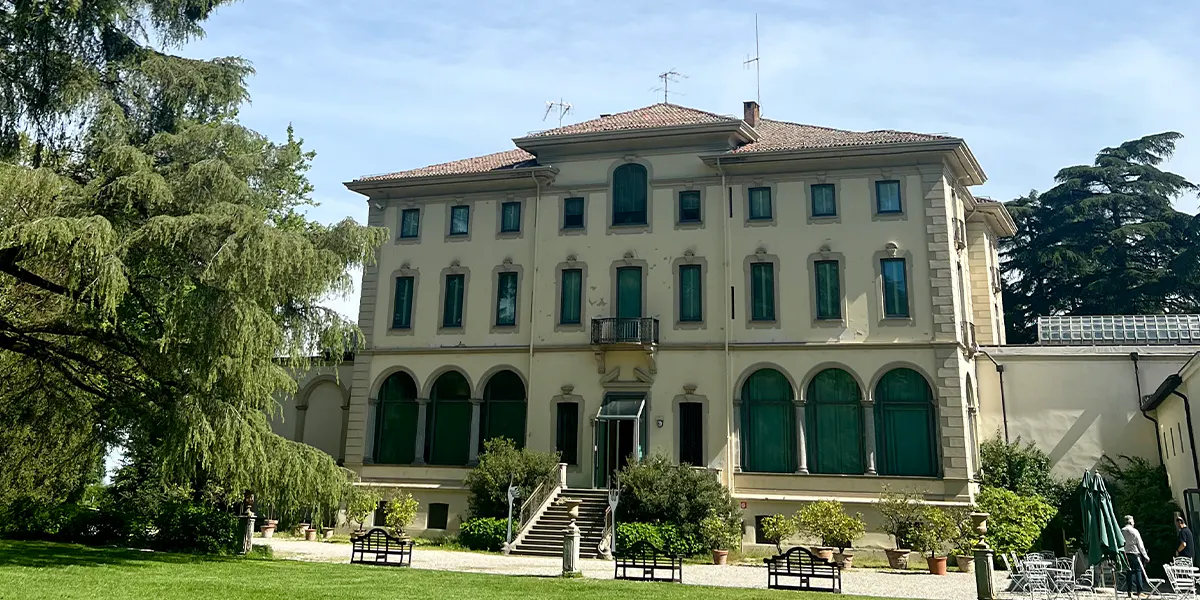
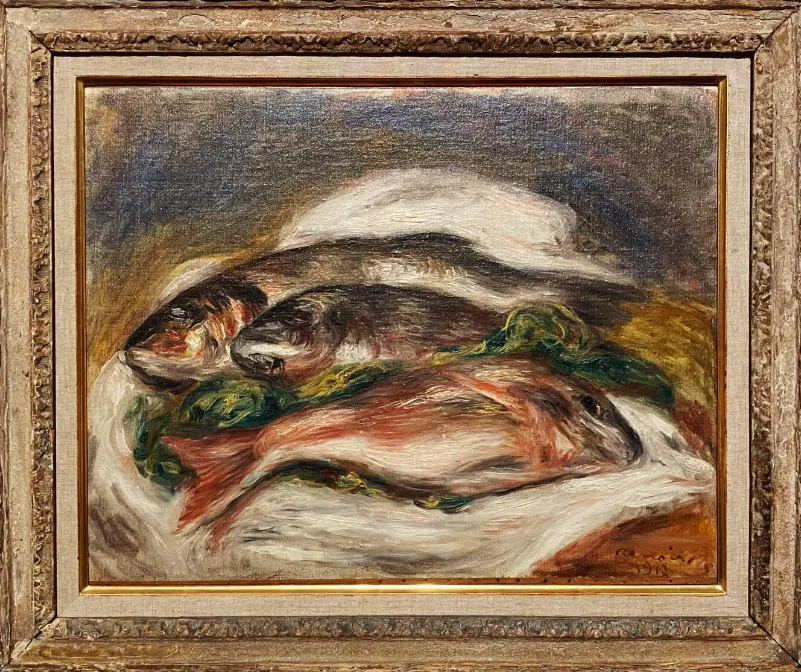
Another museum theft was reported last month. On the night of March 22, four masked men broke into Villa Magnani near Parma, home to the art collection of musicologist Luigi Magnani, who died in 1984. Their target was the French section, where they took three works: Paul Cézanne’s Nature morte aux cerises, Henri Matisse’s Odalisque sur la terrasse, and Pierre-Auguste Renoir’s Les Poissons.
A painting by Picasso was also reportedly on their list, but the museum’s alarm was triggered, alerting security and the police. The thieves fled after just three minutes. Italian media estimate the value of the stolen works at around €9 million.
See also: The Top 10 Stolen Paintings That Are Still Missing
The collection at Villa Magnani, also known as the Villa dei Capolavori, or “Villa of Masterpieces”, has been managed by the Fondazione Magnani-Rocca since 1977 and has been open to the public since 1983. It includes works by artists such as Albrecht Dürer, Peter Paul Rubens, Francisco de Goya, Titian, Claude Monet, and Giorgio de Chirico.
See also: Major Museum Gold and Jewel Thefts in Recent Years
In recent years, museums have increasingly been targeted by organised thieves who carry out such thefts in a matter of minutes, often with careful planning. This has added urgency to calls for stronger security. The issue drew particular attention after last year’s high-profile jewellery theft at the Louvre, when thieves entered the museum in broad daylight and stole parts of the historic crown jewels.
At Villa Magnani, a recently updated alarm system helped prevent a more serious loss.