
On December 6, 1917, Finland asserted its independence following a prolonged struggle by the Finnish people. In this year, 2024, the nation commemorates its 107th anniversary, acknowledging the rich history of art and design shaped by talented artists, adept craftsmen, and innovative designers.
Related: Barnebys' Guide to Vintage Scandinavian Design
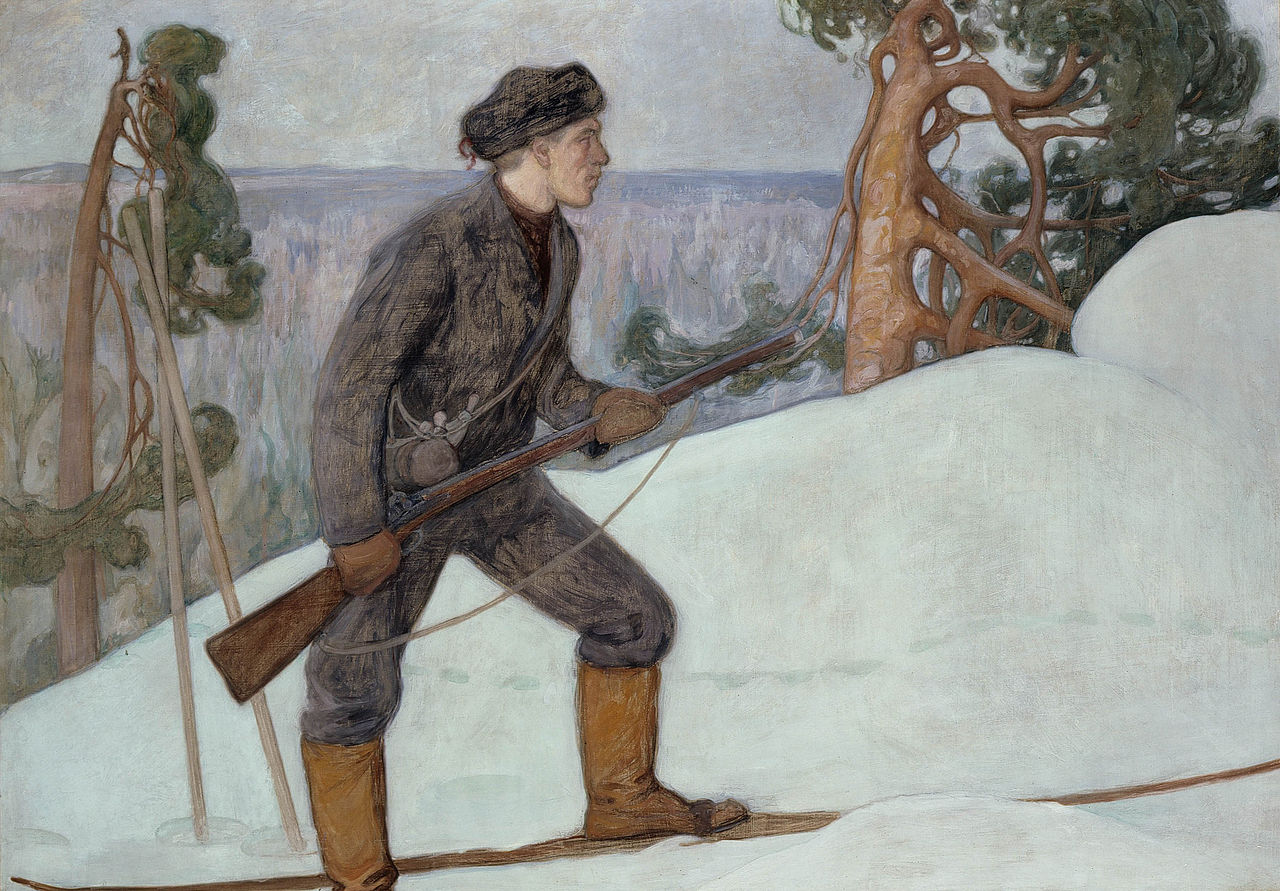
The history of Finland is marked by centuries of occupation and conflict. In the 13th century, the nation became a part of the Swedish kingdom and remained under Swedish rule until 1809. During this time, a significant portion of Finnish-speaking Sweden came under Russian control, leading to the establishment of the Russian Grand Duchy of Finland. In the 19th century, a sense of Finnish nationalism began to take root, grounded in shared cultural traditions, folklore, and, notably, the language of the geographic region that would eventually evolve into modern Finland.
Related: Fabergé Eggs: 8 Little Known Facts
However, many conflicts arose owing to the diverse occupying powers in the region, making independence far from certain. Following the declaration of independence, a civil war erupted between the social democratic 'red' faction, backed by the Bolshevik regime in Russia, and the 'white' conservative Finnish Senate, supported by Germany and, to some extent, Sweden. Ultimately, the 'white' side emerged victorious.
Upon gaining independence, Finland also started building its cultural and aesthetic identity. There was a deliberate effort to create an artistic, architectural and design identity aligned with the nation's naturalistic traditions, influenced by both Swedish and Russian occupations.
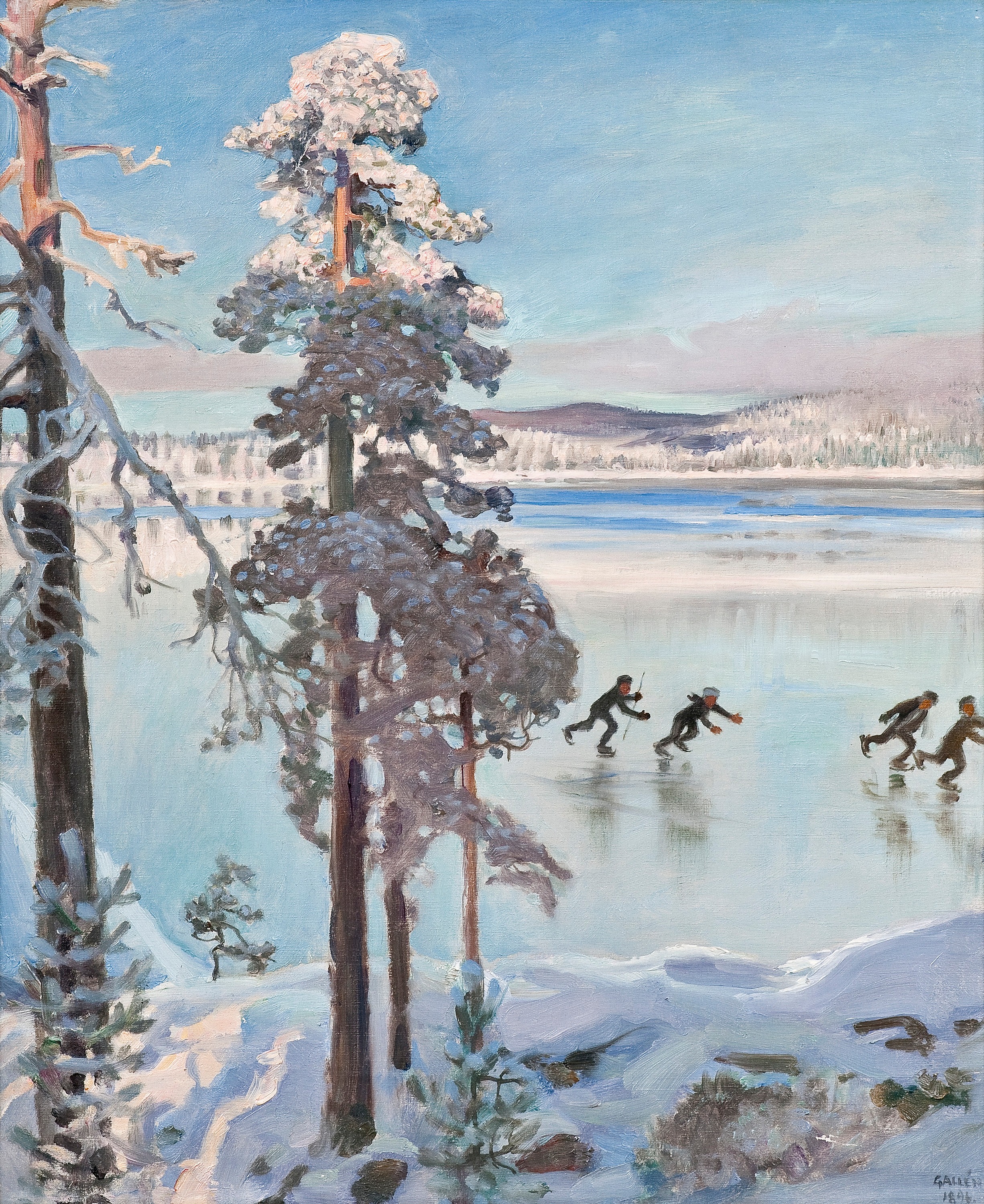
The 1880s were a golden age for Finnish art, with National Romanticism taking the lead. Akseli Gallen-Kallela and Albert Edelfelt, both considered among Finland's greatest artists, met in Paris during that time. Edelfelt, being eleven years older than Gallen-Kallela, had a significant influence on him.
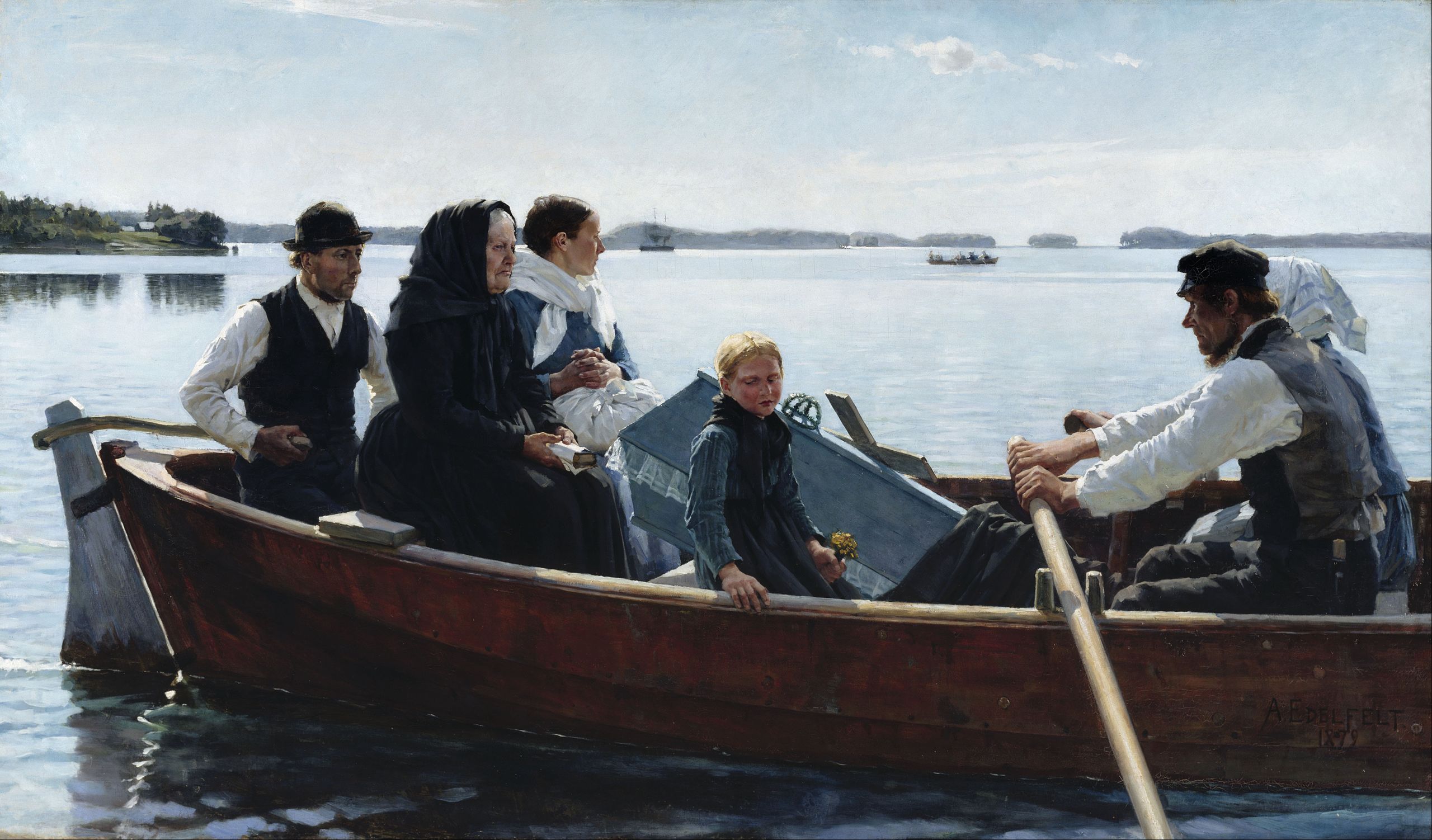
Edelfelt holds the distinction of being the first Finnish artist to achieve true international fame in the art world. His stint in Paris proved highly successful, with a gold medal awarded to him at the 1889 World Exhibition in the French capital, propelling his international career further. Known for numerous portraits of notable figures and royalty, Edelfelt is acknowledged in Finland as the pioneer of the realist movement.
Want more articles like this straight to your inbox? Subscribe to our free newsletter!
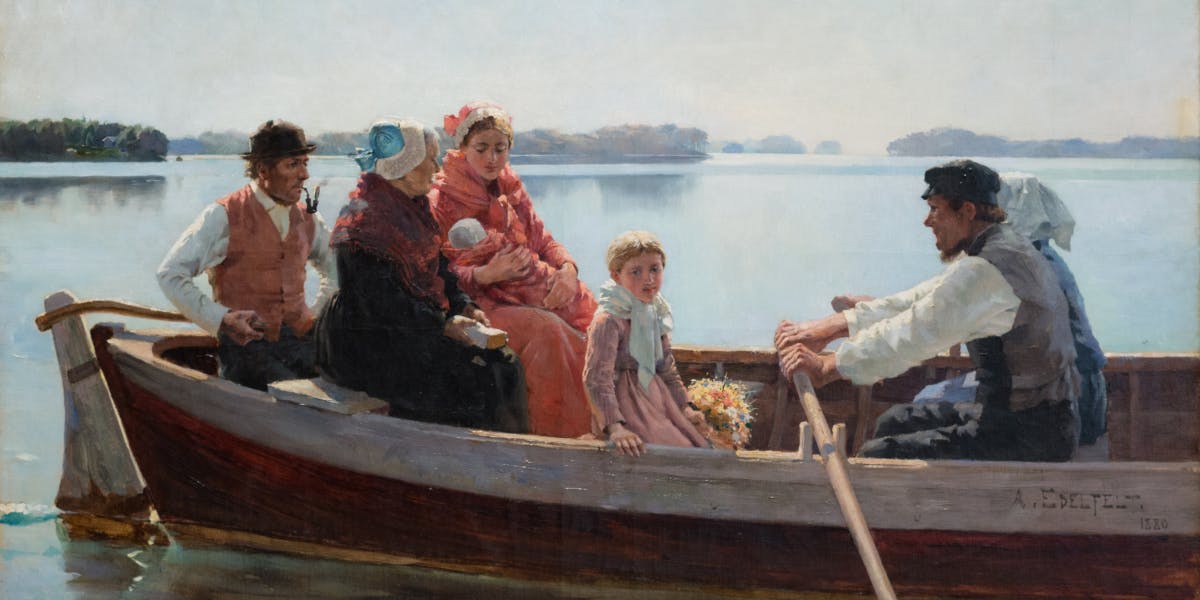
On December 3, 2017, an oil painting by Albert Edelfelt established a Finnish auction record by fetching SEK 6,337,000 (around $604,806). This artwork, titled Dopfärd ('Christening'), was derived from the artist's earlier piece, Ett barns likfärd ('Corpse of a Child'), created in 1880. According to Stockholms Auktionsverk, the American art collector Joseph Bulla believed that the somber theme of a funeral procession might not attract buyers. Consequently, he commissioned Edelfelt to depict a baptismal procession instead, omitting the coffin, after being inspired by some sketches by the artist.
Related: International Bidding War for Finnish Artist Albert Edelfelt
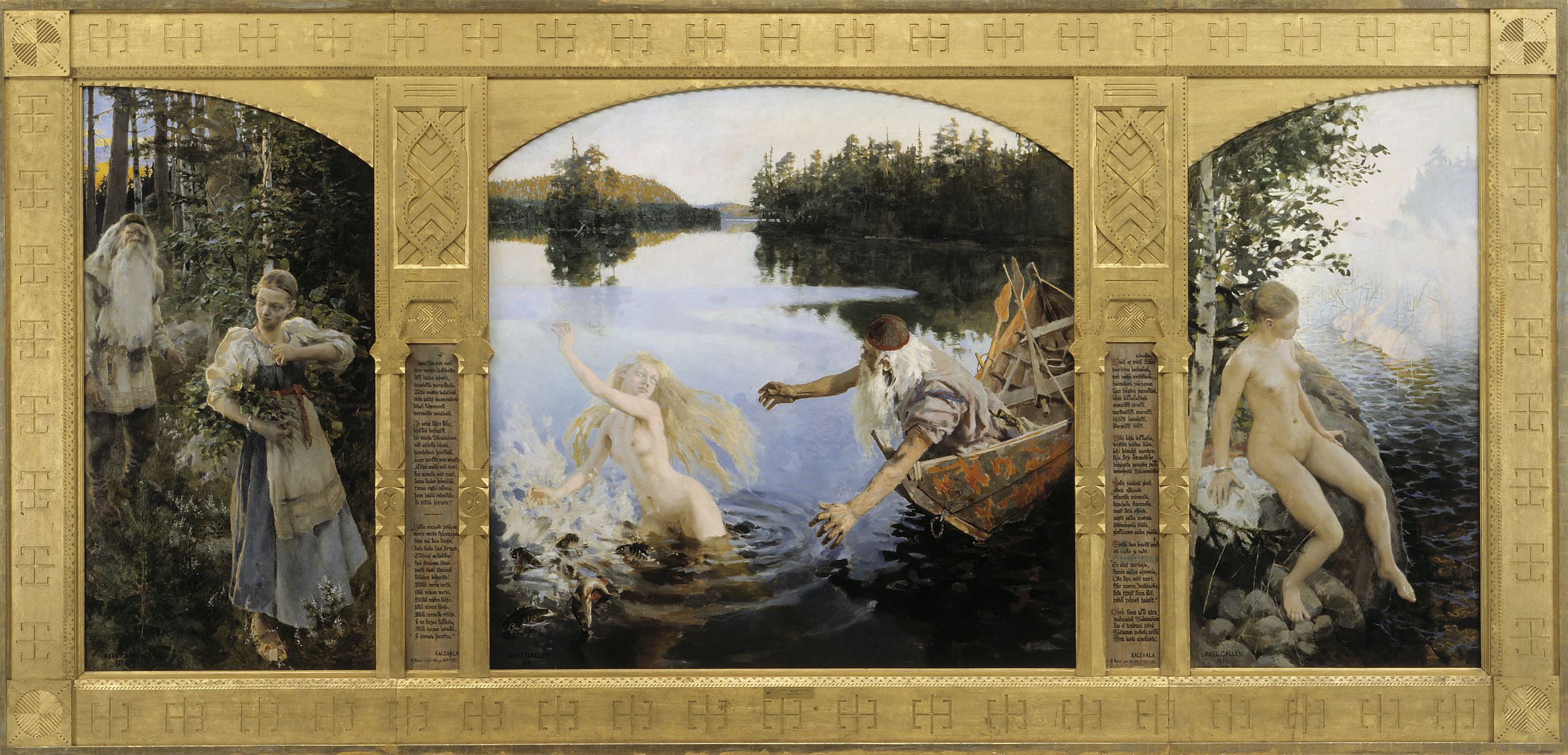
Akseli Gallen-Kallela's artworks hold significant importance in shaping the Finnish national identity, particularly for his notable illustrations in the Finnish-Karelian national epic, Kalevala. His influence extends beyond Finland, with his national romanticism making an international impact. In 1900, he created frescoes for the Finnish pavilion at the Paris World Fair, using imagery to convey his political ideals and the aspiration for an independent Finland. Notably, his artwork depicted vipers adorned with the Russian crown being removed from a field by Ilmarinen, a key character in the Kalevala. Further showcasing his connection to the cause, General Mannerheim commissioned Gallen-Kallela to design flags, official honors and uniforms for an independent Finland after learning about the artist's involvement in the Finnish Civil War, fighting alongside Mannerheim's son.
Related: Moomin Mugs: 30 Years of Collectibles
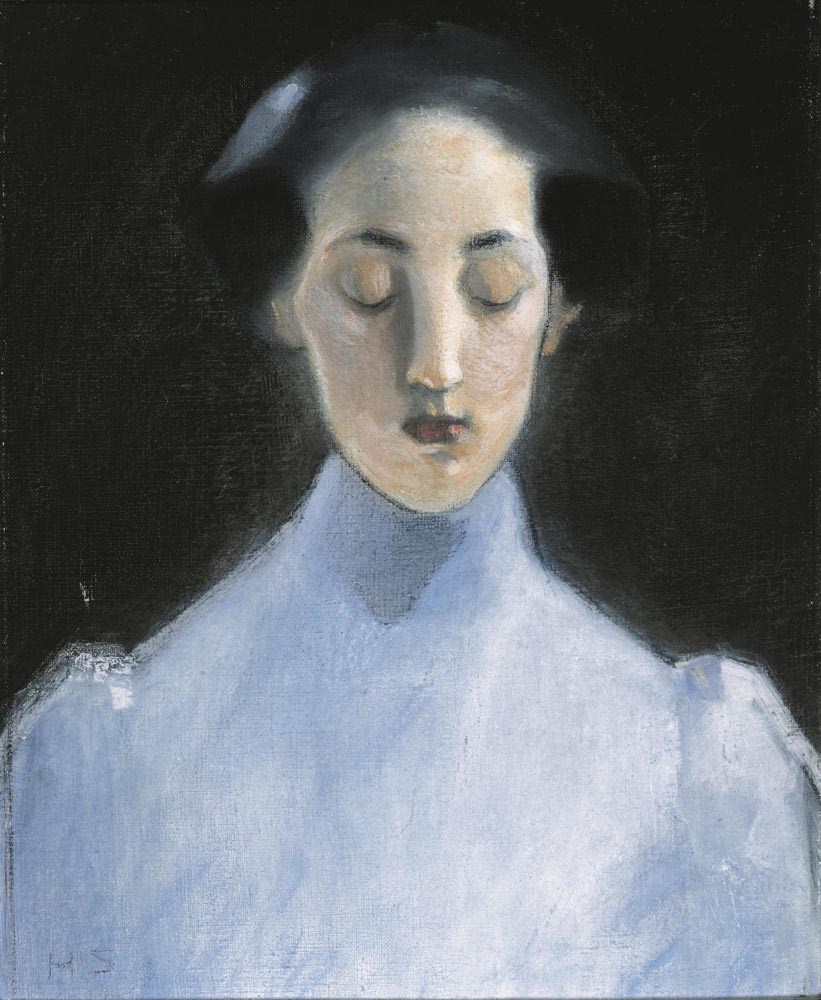
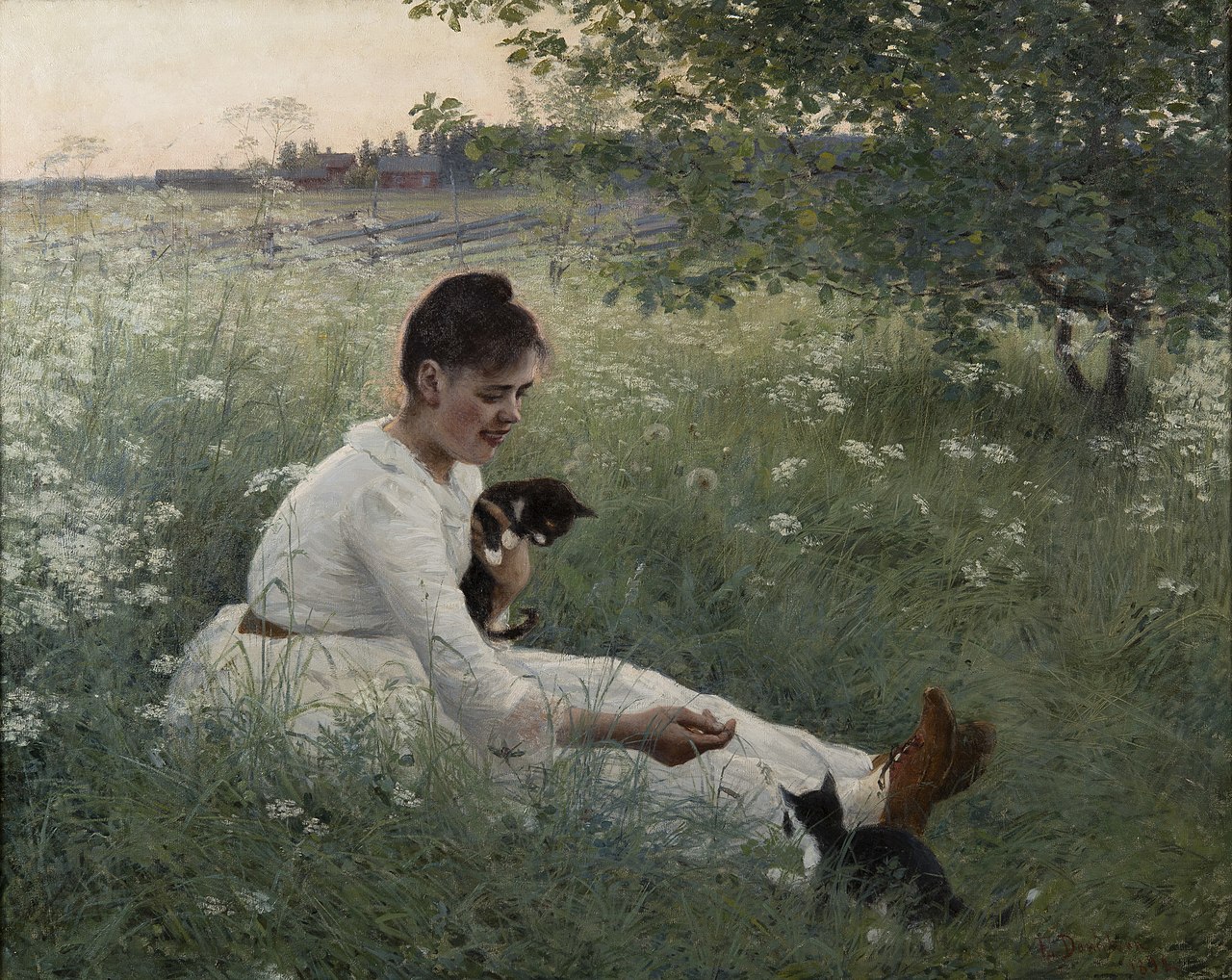
Pekka Halonen, Elin Danielson-Gambogi, and Helene Schjerfbeck are three additional Finnish artists renowned for their realistic landscape paintings, portraits, and still lifes. Their works have garnered considerable international acclaim, becoming highly sought after worldwide and playing a significant role in shaping the Finnish national identity.
War and devastation persisted during World War II when Finland found itself in conflict with the Soviet Union in both the Winter War and the Continuation War. While the nation successfully defended itself in the initial conflict, it experienced territorial losses, including Karelia and other regions, to the Soviets during the Continuation War.
Related: Ilmari Tapiovaara: A Finnish Master
After World War II, Finland worked on rebuilding. In the 1970s, the economy boomed, making Finland one of the world's leaders in per capita GDP.
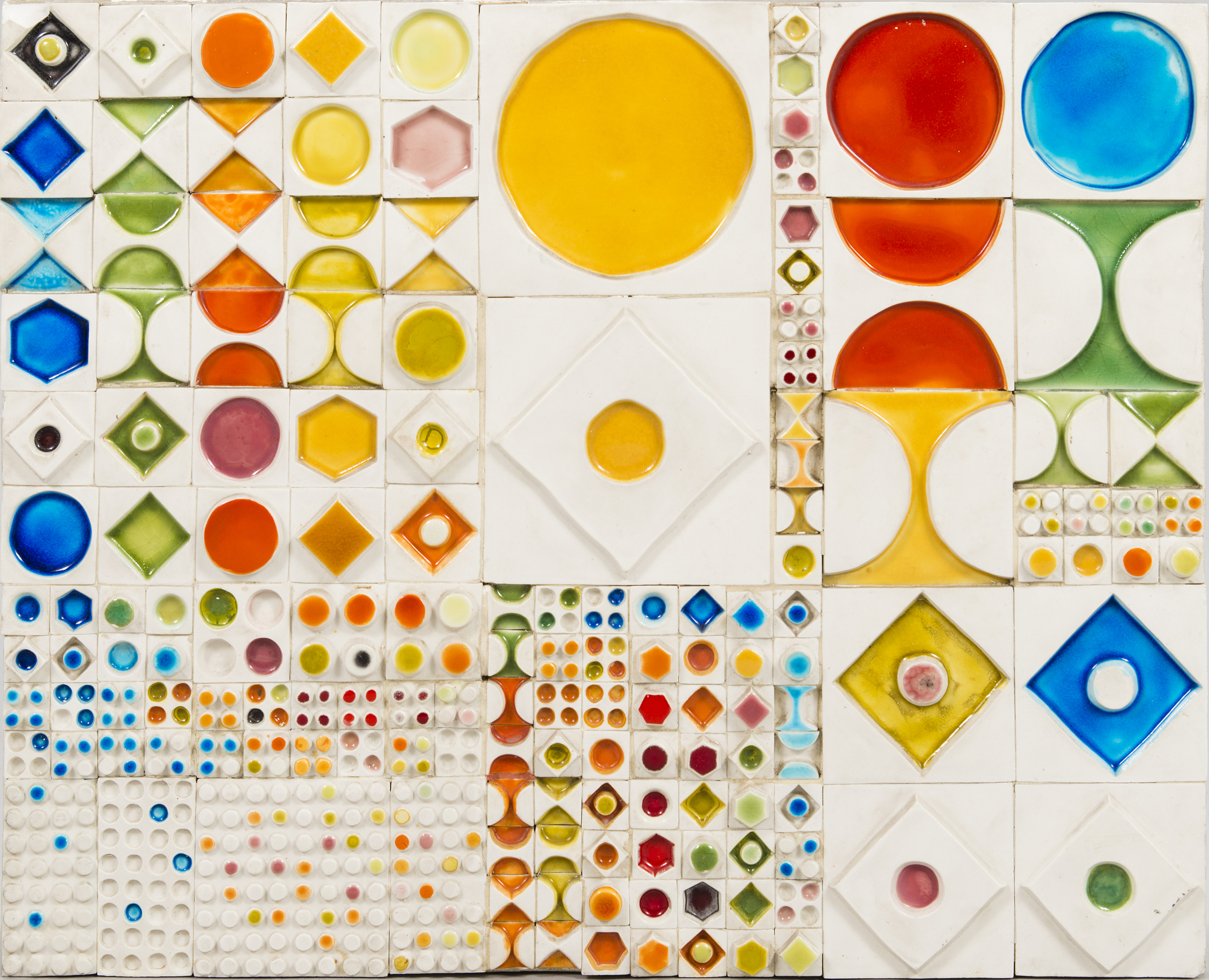
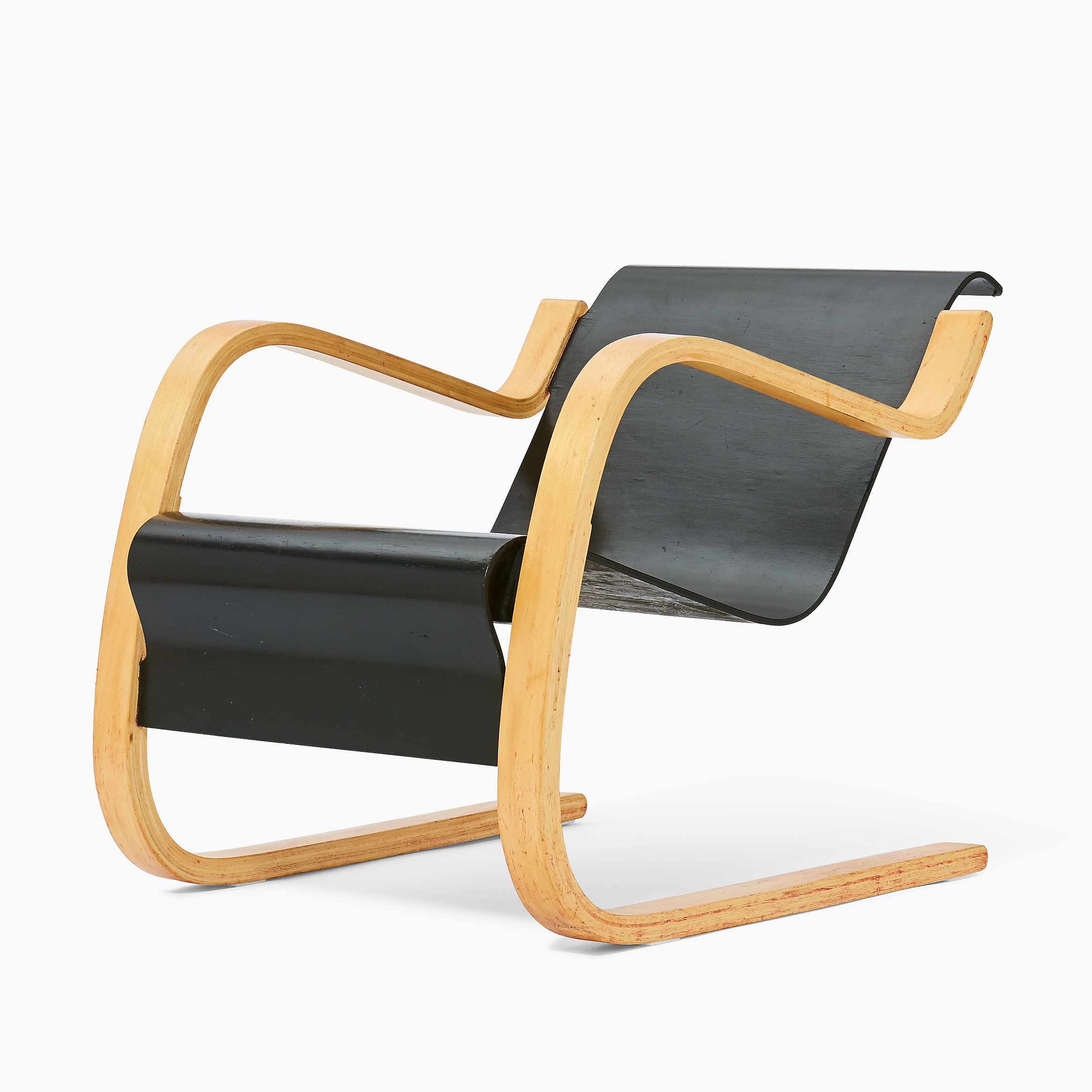
Finland not only takes pride in the artists who played a key role in establishing the identity of an independent nation but also in a considerable number of later internationally recognized artists, architects, and designers who have further shaped and evolved the Finnish identity. Some of the most notable names that come to mind include Alvar Aalto, Paavo Tynell, Ilmari Tapiovaara, Rut Bryk, Tapio Wirkkala, Eero Saarinen, and Timo Sarpaneva.
Related: Alvar Aalto: A Finnish Hero
Related: The Woman Behind One of the World's Most Famous Patterns
Glassworks, porcelain manufacturers, furniture makers, and design companies associated with designers who left a lasting impact on our homes in the 20th century include well-known names like Iittala, Arabia, Marimekko, and Artek.