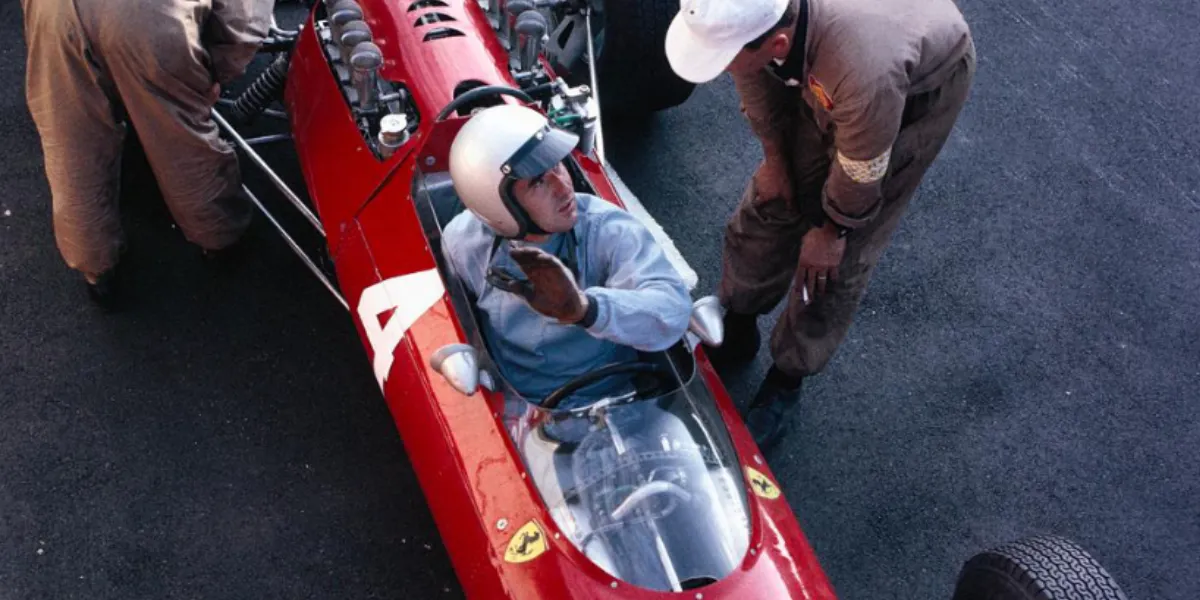
With top speeds of 230 mph, hitting 180 mph in a corner, and drivers losing 7-9 lbs of body weight due to G-force every race, today’s Formula 1 racing may seem like the ultimate sport for the reckless and daring. But there was a time when driving was even more extreme: when there were no safety regulations, cars would often burst into flames and drivers would get into harrowing incidents and even lose their lives. Those were the 1960s and 1970s, known as the golden years of Formula 1. It is tempting to fall into cliches about the past, but Formula 1 really used to be the stuff of legends.
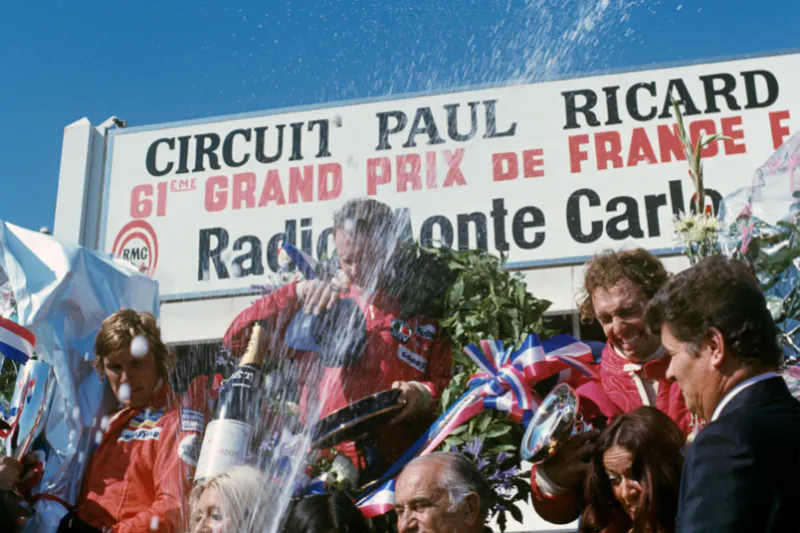
On the race tracks were icons such as Lorenzo Bandini, James Hunt, Emerson Fittipaldi, Niki Lauda and more. Behind the lens, capturing the drivers in their element, a number of photojournalists who followed them from Grand Prix to Grand Prix. Snapping impressive action shots and the more intimate moments too, here are some of the photographers who told the story of the most radical years of Formula 1:
Bernard Cahier
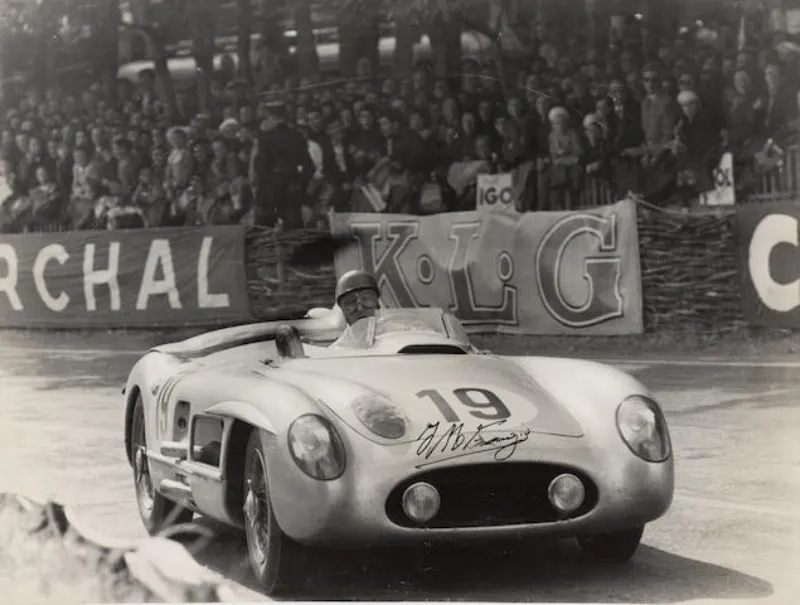
Bernard Cahier, born in Marseilles in 1927, was a photographer and journalist considered by many the prototype of the Formula 1 photographer. After joining the resistance in Brittany when World War II broke out, he moved to Paris in 1952 and attended his first Grand Prix in the same year. After that trip, he got his first job writing about F1 For L’Action Automobile by publisher LV Roussel. It wasn’t long until he became part of the inner circle of F1 drivers and managers, who continued to commission his photographs, leading to him becoming one of the key personalities of F1 racing up until the 1980s.
Related: Combining Passions: Watchmaking and Cars
He reached the peak of his career in the 1960s, when he also became close friends with drivers Manuel Fangio and Stirling Moss. In 1966, he collaborated with John Frankenheimer on the production of a movie titled Grand Prix, where he played a role himself. When he wasn’t taking pictures, he raced with his own car, even winning the GT class in 1967. Throughout his lifetime he became a kind of F1 celebrity in his own right. His archive, carried on by his son Paul-Henri, includes 23,000 photos of F1 history.
Rainer W. Schlegelmilch
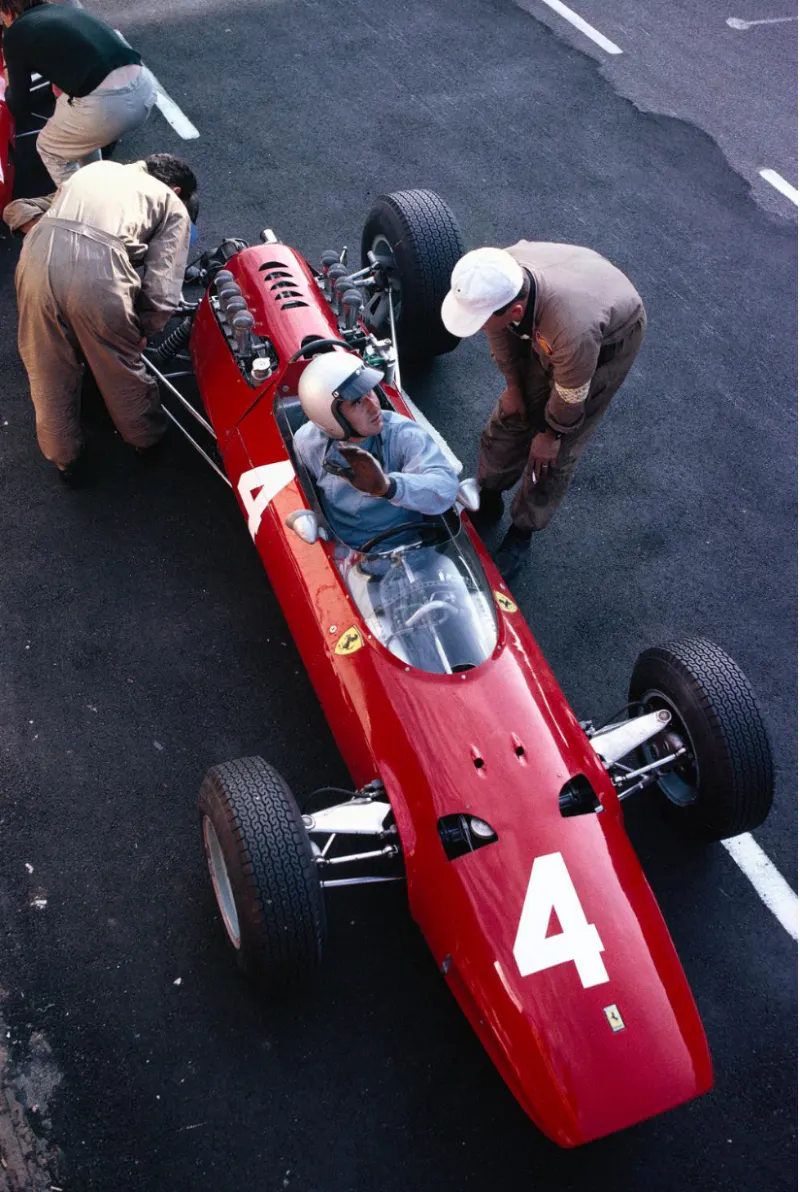
Rainer W. Schlegelmilch, born in 1941 in Suhl, is probably the best-known photographer of Formula 1. He started portraying racing drivers in 1962 as part of his final exams at the Bavarian State School of Photography. Shortly after, he attended his first Grand Prix in Belgium, which spurred him into a career in racing photography. He opened his studio in 1964 and photographed in black and white until 1970. From about 1970, he took color photographs, and his pictures began circulating more and more among the famous sports magazines of the time.
Related: Why are Ferraris Red?
During his whole career, he took a total of around 500,000 photos, becoming famous for his ‘zoom-shots’: long-exposure photos of cars, usually taken during the practice runs, with the racing driver’s helmet in the focus and the speeding car serving as the colored background. He became so well-regarded among the tracks that he formed lifelong friendships with many of the drivers, among whom were Jochen Rindt, Juan Manuel Fangio and Jacky Ickx. In 2011, he was honored with a lifetime press photographer’s pass at Monza. It is estimated that to date, Schlegelmilch has photographed around 600 GPs.
Don Coles
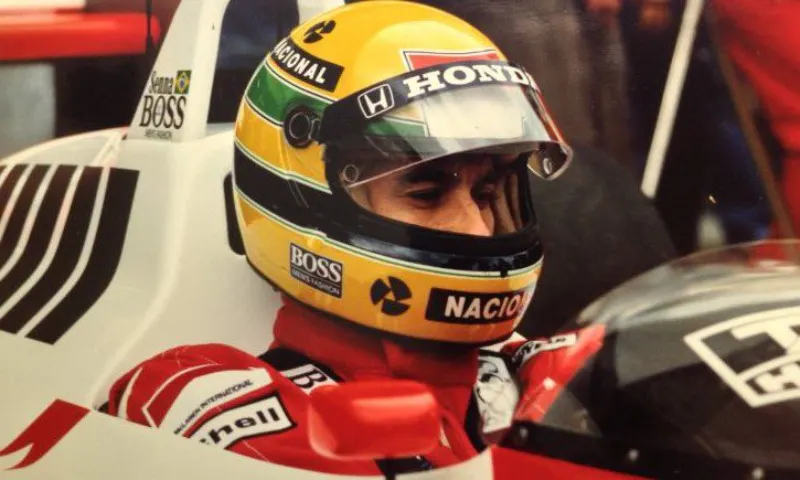
Don Coles, born in 1930, was a highly active sports photographer concentrating mainly on Formula 1. He had privileged access to both the pits and the paddock areas, enabling him to take candid shots of the drivers and teams. Many of his images have been published in leading motorsports magazines and are held by motor racing photographic libraries.
Related: Top Picks: Iconic Photography
He was introduced to motor racing at Goodwood in the early 1950s by journalist Tommy Wisdom, and gained photographer accreditation from the RACMSA during the 1970s, covering the British GP from 1972 to 1988. He attended his first Grand Prix in 1972, when Emerson Fittipaldi triumphed in his Lotus 72D and went on to win his first championship. The pictures from that first race marked the beginning of a prolific career, in which he took thousands of pictures of the sport’s biggest legends, including Ayrton Senna, Tom Pryce, James Hunt, John Watson, Stirling Moss and Jackie Stewart, to name a few.
Anwar Hussein
Related: The 6 Most Expensive Film Costumes Sold At Auction
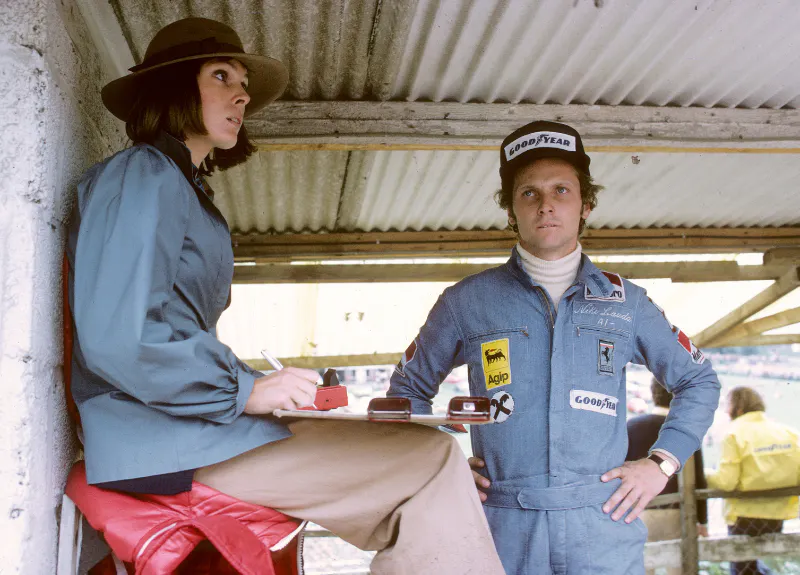
Anwar Hussein is a Tanganyika-born British photojournalist born in 1938. Not technically an F1 photographer, Hussein made a name for himself by becoming the longest-serving photographer covering the British royal family and Queen Elizabeth II. His style, known for casual photographs and intimate snapshots of the royal family, made a dent in Formula 1 photography as well.
His archive from the 1970s includes a rich collection of photographs of the greatest names of the time – Niki Lauda, James Hunt, and Emerson Fittipaldi are pictured in casual moments before and after the races, as they sign autographs, rest with their partners and recover from the madness of the race.
Want more articles like this delivered straight to your inbox? Subscribe to our free newsletter
The 1960s and 1970s saw some incredible moments on the race tracks: just in the final race of the 1964 World Championship in Mexico, Lorenzo Bandini hit the back of Graham Hill’s car and spun, Jim Clark's engine failed and the third runner, John Surtees in his Ferrari, won the World Championship amid crowds of fans storming the track as cars were still racing. There were bleak moments too: just in 1968, four drivers were lost in racing. Even as safety measures were slightly implemented, cars would often fail and burst into flames, as happened to Niki Lauda, who almost lost his life to fire in 1976. The anecdotes from the golden age of Formula 1 are many – the drivers who survived the 1970s became legendary, as did the photographers who accompanied them along the journey.