Phillips stands out as the auction house with a refined focus on a select number of collecting categories. What are they?
Yes, Phillips has a unique approach to auctions, focusing solely on the 20th and 21st centuries. The categories we offer include art, design, editions, photographs, watches, and jewelry from these periods. We are also the only house exclusively offering Modern, Post-War, and Contemporary works of art in a single sale event.
Why these categories?
The global shift in taste and collecting trends over the past two decades has been incredible to witness. At Phillips, we work to meet demand as well as shining a spotlight on new artists and makers. The categories seeing the most interest and which hold the greatest potential for continued growth are the categories we focus on. We work to bring the very best of these categories to our global community of collectors.
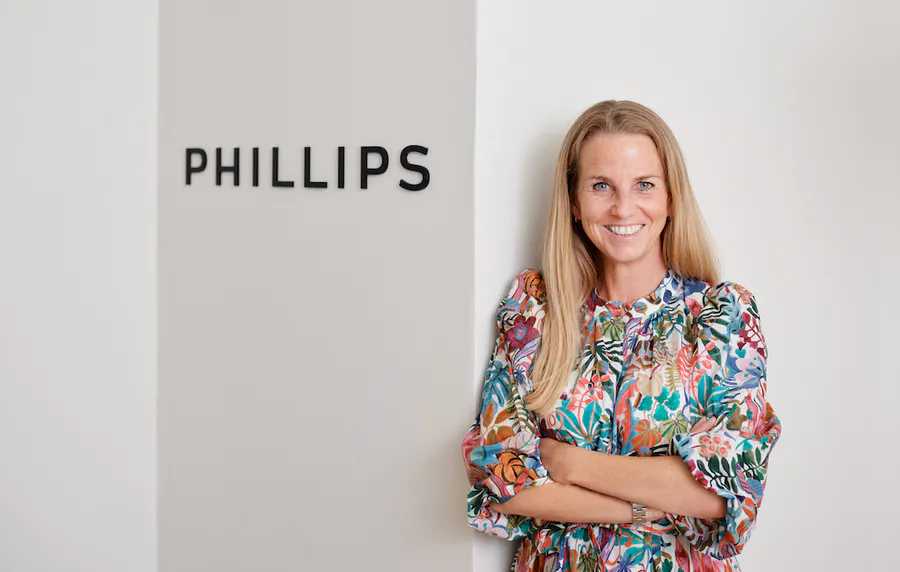
You are Phillips' regional director in Scandinavia. Why does Phillips focus on Scandinavia?
Scandinavia has a rich history of art and design, and there is a long-standing, passionate community of collectors across Scandinavia. With an office in Copenhagen and an increased presence in Sweden and the other Nordic countries, we are getting closer to our clients and can thus offer them excellent service. This regional presence allows us to gain a deeper understanding of what collectors are looking for and opens up interesting dialogues and exciting opportunities.
You were born in one of the 20th century design cradles, Denmark. Why do you think the global interest in Scandinavian design is so great?
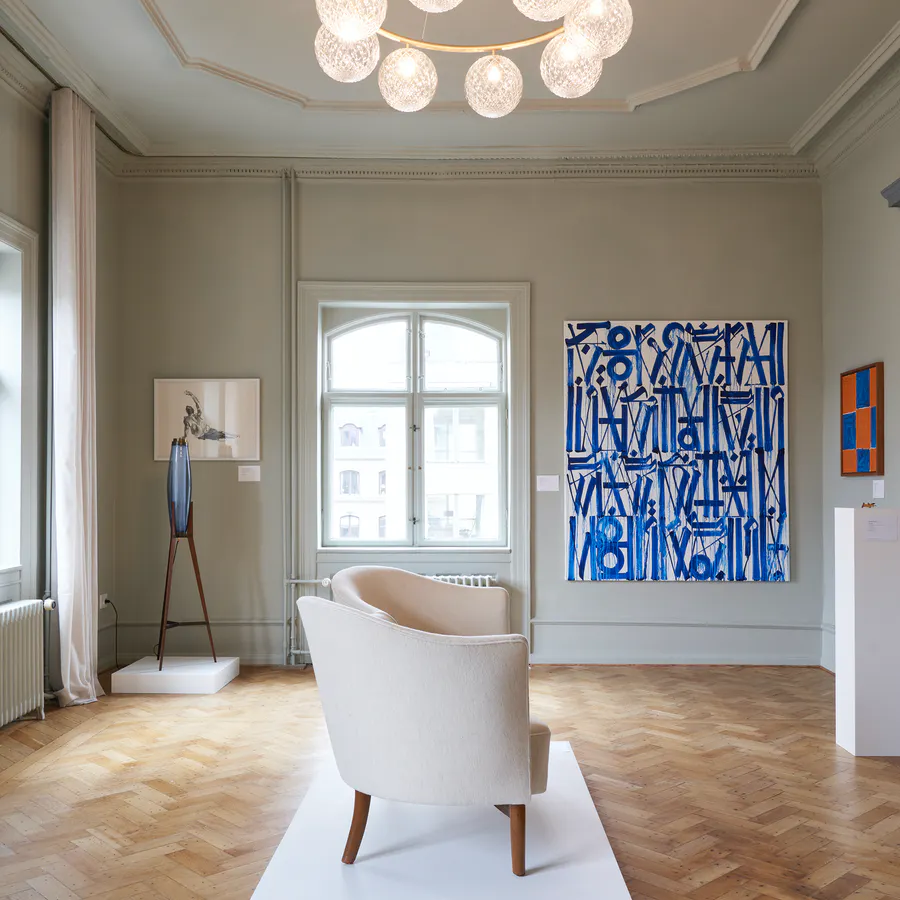
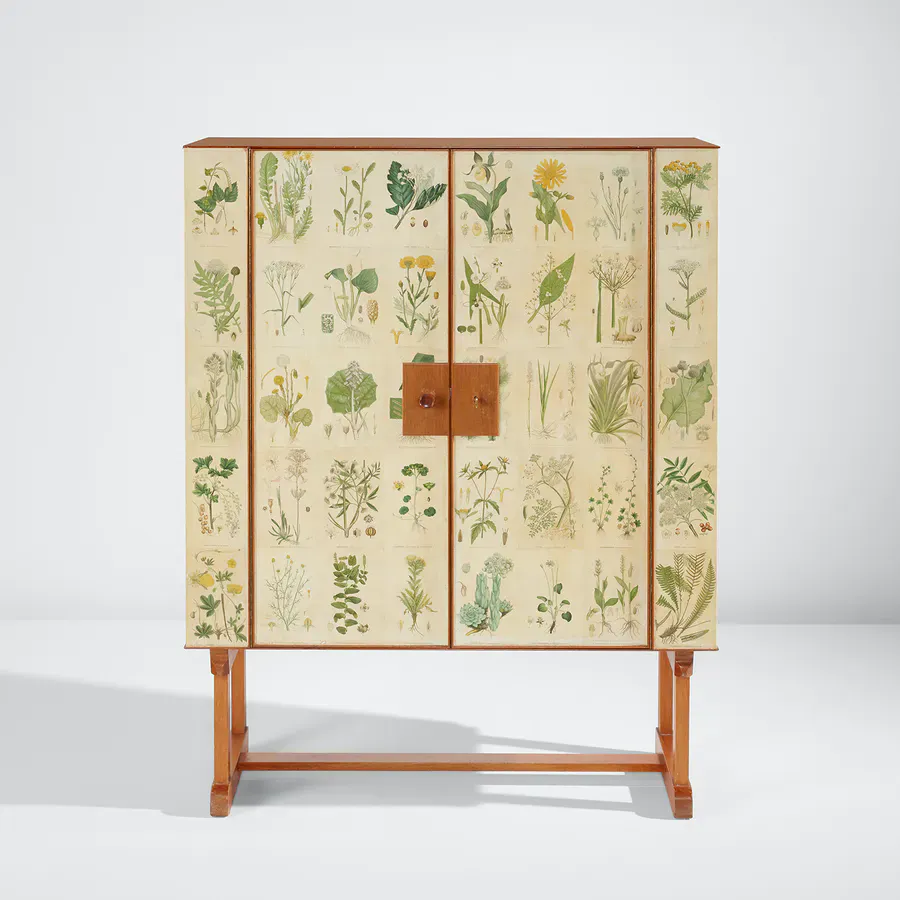
I think it's a combination of several factors. First and foremost, it's about the incredible craftsmanship. It started with Kaare Klint and continued with Ole Wanscher, Finn Juhl, Hans J. Wegner to name just a few. They were all born into a good craft tradition, with a strong pride in creating unique objects in quality materials that will last forever. Another reason is the simplicity and aesthetics of the design. These are fantastic objects that also work in beautiful harmony with art and other objects.
Does it also have to do with the fact that many of the most successful Danish designers were also trained architects and thus had an understanding of the whole space?
Yes absolutely! Take, for example, Arne Jacobsen who designed the famous SAS Royal Hotel in Copenhagen. He designed everything, from the furniture to the door handles and coat hangers. It formed a whole and completely unique environment. Then, of course, it helped that John F. Kennedy sat in Hans Wegner's "The Chair" in a TV debate with Richard Nixon in September 1960. Like the popularity of the TV series Mad Men, it further spurred interest in Mid-century modern Scandinavian design.
You were on Barnebys’ list of Sweden’s 51 most influential art professionals. In a short time you have managed to make a significant impression in Scandinavia. How important is it to be on site and meet customers and collectors?
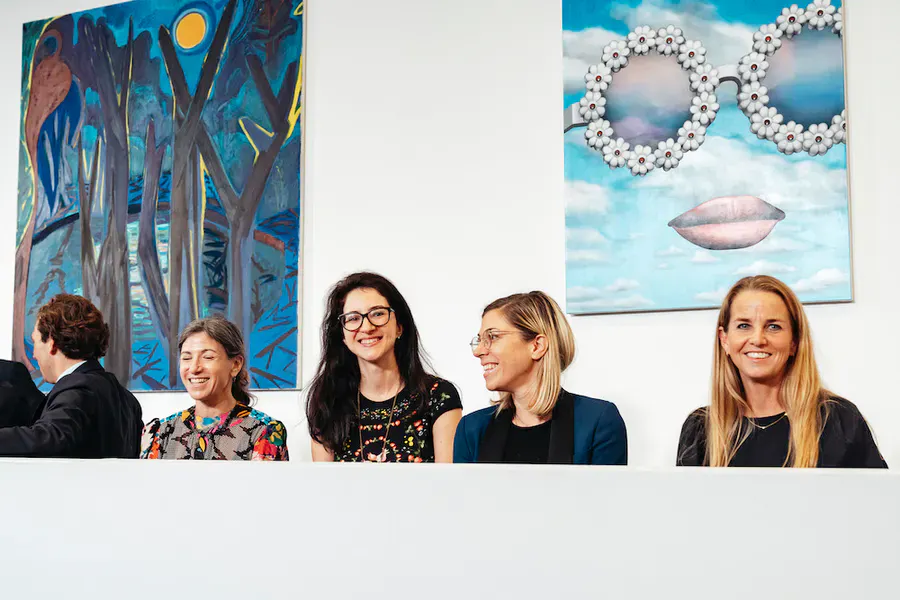
That means everything! I usually say that I do not work in the art industry, but that I work in the relationship industry. It's all about building trust and creating relationships. You have to be humble and grateful when you are invited to the homes of different buyers and sellers to see their collections and share their passion. It takes time to establish that level of trust with anyone who is considering selling a work of art, a piece of design or a wristwatch. You have to earn trust, and I take this very seriously in every interaction I have with a client.
How often are you in Sweden?
I try to be in Stockholm at least once a month, but I will come anytime there is a reason to.
Do you see different behaviors between, for example, Danish, Norwegian and Swedish collectors?
I tend to think that Sweden and Norway have a greater appetite for international art than the Danes but of course, there are exceptions. Despite the deeply traditional collecting history in Scandinavia, it is exciting to see established collectors learning about and engaging with emerging artists more and more. Collecting is in our DNA, and it’s exciting to see collectors expanding their collections to include more diverse and international names.
I assume that the supply of art in the various markets also has to do with which galleries have been active there and what they have shown and sold over the years?
Absolutely! In Denmark, for example, we had Galerie Birch and Galerie Moderne who during the 1950s and 60s, introduced great artists to local collectors such as Pierre Soulages, Pablo Picasso, Pierre Alechinsky, Lalan, etc, which means that masterpieces by these artists still belong in Danish collections today. In the same way, we look at the Swedish market for everything from Andy Warhol to Lucio Fontana.
You started at Phillips in the fall of 2019. What has been the most fun?
All of it! There are many ingredients in the recipe. Phillips is a fantastic and very professional company to be a part of. It is an incredible experience to see and hold some of the world's foremost contemporary works of art, wristwatches and design icons in your hands.
What surprised me the most is the team I work with and which I am extremely proud of. I work with colleagues who surprise me every day with their competence, creativity, professionalism, team spirit and drive to make a difference. We are a relatively small team globally and everyone knows each other.
And toughest?
I started working for Phillips just before the pandemic. It was a big change to learn to build relationships via the screen, without really having the opportunity to meet face-to-face.
Before Phillips, you were at the Danish auction house Bruun Rasmussen. What is the biggest difference to working for an international auction house like Phillips?
You get a greater understanding of the global appetite and international tastes and collecting habits. At Phillips there is an extraordinarily deep awareness and understanding of the international art market and various trends.
Everyone at Phillips is so incredibly professional on every level. From those who catalogue the works, to those who sell them, and to those who pack and ship the items around the world.
What trends are you seeing right now?
We are continuing to see growing interest from our collectors in figurative art, especially by female artists, as well as a continued interest in the work of contemporary Black American and African artists. These young artists are engaging with politics and topical issues as well as themes of identity, colonialism, sexuality, gender, and multiculturalism, among others.
In the last twelve months, you have not produced any printed catalogues; instead you have put more effort into how you present the objects online. Tell!
In this industry, people often do as they have always done, but it is essential to understand how the next generations of collectors behave, how they obtain information, and where they are at. Instead of the printed catalogues, we market ourselves online through Instagram, Facebook, WeChat, Google, Barnebys, YouTube, etc. Many people think we are crazy for not printing and sending catalogues, however, we have seen a 50% increase in new clients from the previous year, so it has definitely been a game changer.
You have previously worked with communication and branding. As the market changed in recent years from analogue to online, many seem to have forgotten the value of communication of brand. How important is it to Phillips?
That is absolutely crucial! A cornerstone of our business model and brand identity is being "digital first". Online is in our DNA and our collectors and new customers need to understand and recognize Phillips all the way through every step and every touch point. Phillips have the leading app in the industry which allows bidders to easily participate in our auctions at the touch of a button from all corners of the globe. We are also keen to collaborate with likeminded partners which enables us to engage with a wider audience that have an interest in the categories that we offer.

In just over a decade, Phillips has managed to profile itself as one of the world's leading auction houses alongside Sotheby's and Christie's when it comes to selling valuable contemporary art. You recently had a record sale of Jean-Michel Basquiat's "Untitled" from 1982, which sold for $85 million. The painting became the third most expensive painting by the acclaimed artist. How come people pay so much money for art today?
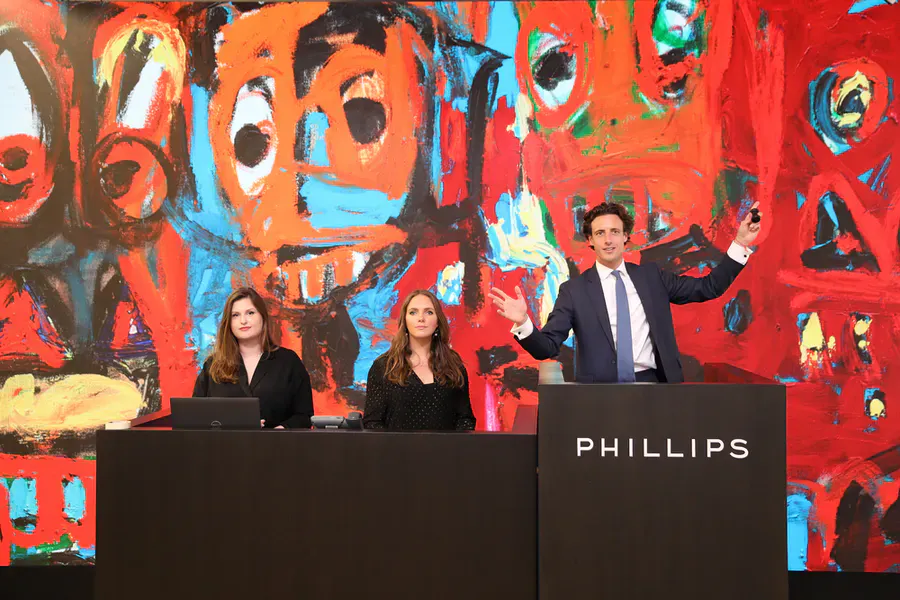
It was an incredible week in New York. Despite the stock market being particularly volatile that week, collectors from across the globe joined our saleroom remotely and in person. When the Basquiat finally came under the gavel, it achieved an impressive price, contributing to what was Phillips’ most successful auction in company history and a "white glove sale" (when 100% of lots are sold). When exceptional art comes to market, there is huge demand.
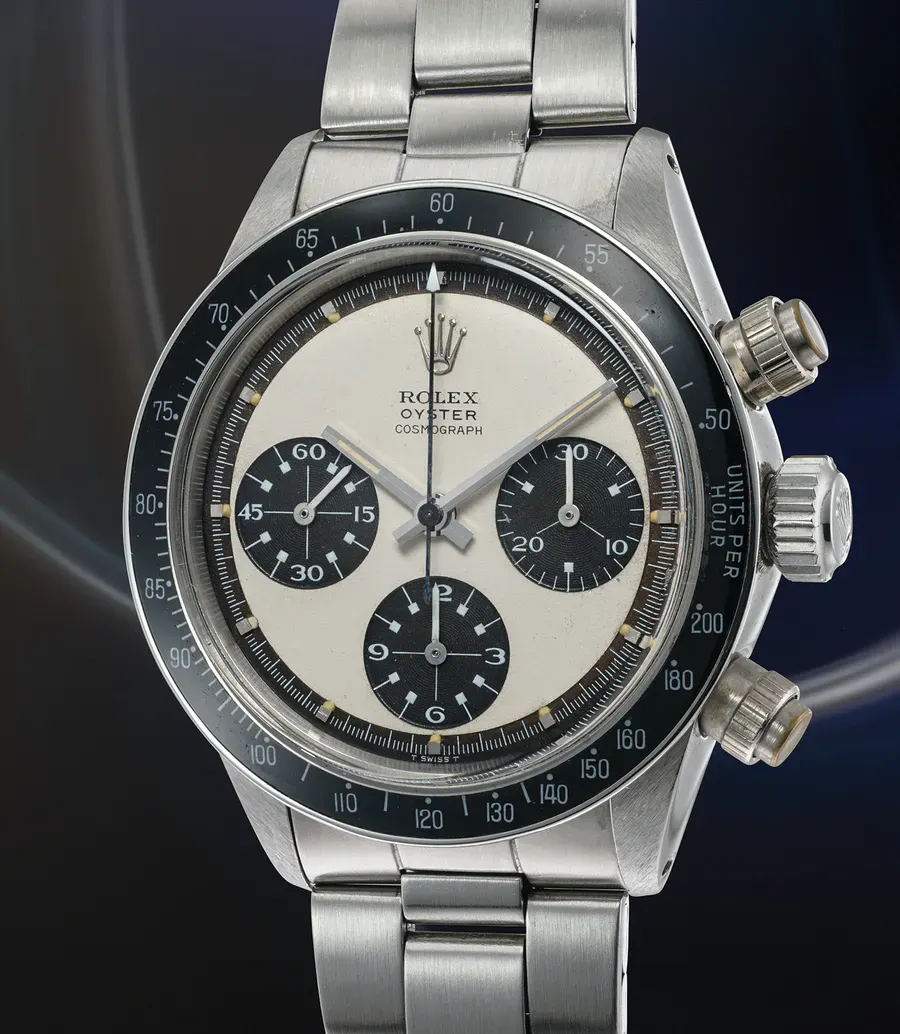
Phillips is the world's leading auction house when it comes to wristwatches, with sales of several iconic wristwatches such as Paul Newman's own ‘Paul Newman’ Rolex Daytona. The watch market has completely exploded in recent years and today we see more watch collectors than art collectors. Why is the market so big?
It's like art. It's all about access. If you go to any watch retailer and try to buy a Rolex Daytona, they will look at you and start laughing. Firstly, they have none in stock and it will probably take several years before they are on the market. In addition, you have to "earn" your place in the queue to be able to buy them once they reach the market. As a result, more and more people are turning to the secondary market. Thanks to Phillips' collaboration with Bacs & Russo, we have built an outstanding, market-leading team. There is a security in buying from us as our watch specialists and watch makers have inspected each works, which in turn means that many people prefer to buy their collector watches from us before any other player in the market. This year and last year, we have sold every single watch that has been put up for auction, and for large sums too.
Will it continue?
Given the development over the past ten years, it is difficult to expect a similar continuation, but considering the extraordinary, uncompromised quality of the watches we offer, we don’t anticipate the interest in these types of watches slowing down any time soon.
What trends do you see going forward?
If only I had a crystal ball! What we see coming very strongly is the continued development of figurative art by female artists and African contemporary art. Most collectors want their collections to reflect the present, societal issues and moments of celebration, and how the world looks today, which is why I think many continue to review their collections with a view to creating something more balanced.
And for Phillips?
We will continue to develop our online presence and a unique experience for the collector of today.