Inception
Bram Bogart was born on July 12, 1921 in Delft, Netherlands. The son of a blacksmith, he first trained as a house painter before taking a job as a commercial artist in an advertising agency. He maintained his use of compact chunks of rich color throughout his career, a method he had established during his formative years.
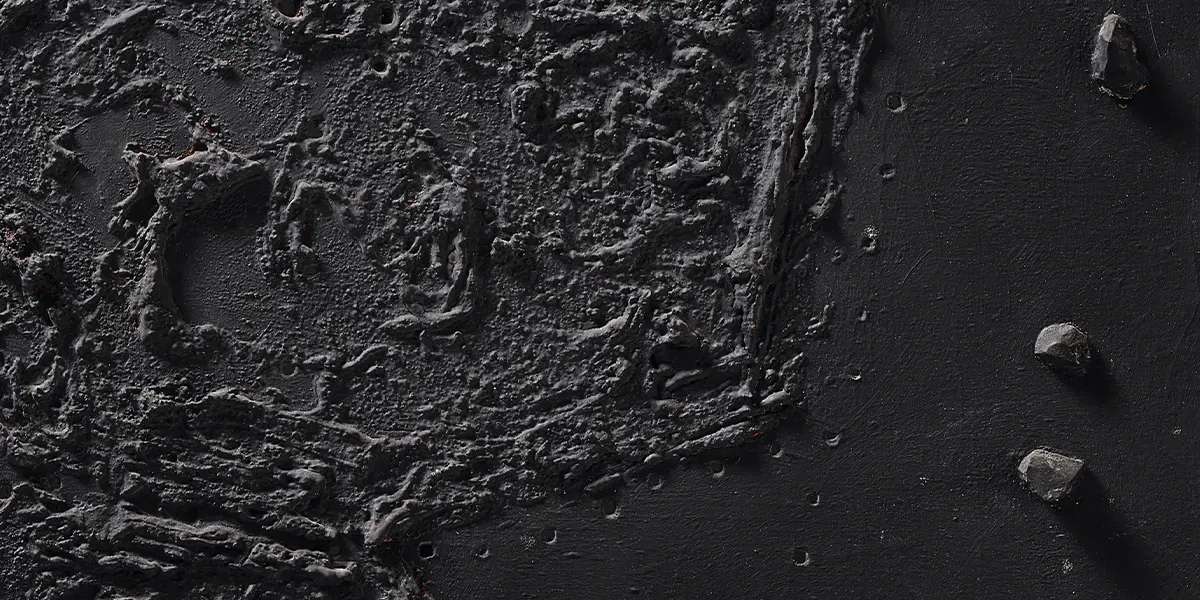
In 1939, Bogart enrolled into the Fine Arts Academy in The Hague (chiefly to avoid being conscripted by the Germany army) where he discovered Cubist abstraction. After World War II, he emigrated to the south of France before settling in Paris in the 1950s. There, he conceived his first impasto (first popularized during the Italian Renaissance) following a technique that combines pigment and plaster to form a paste which is then applied to a thick jute canvas.
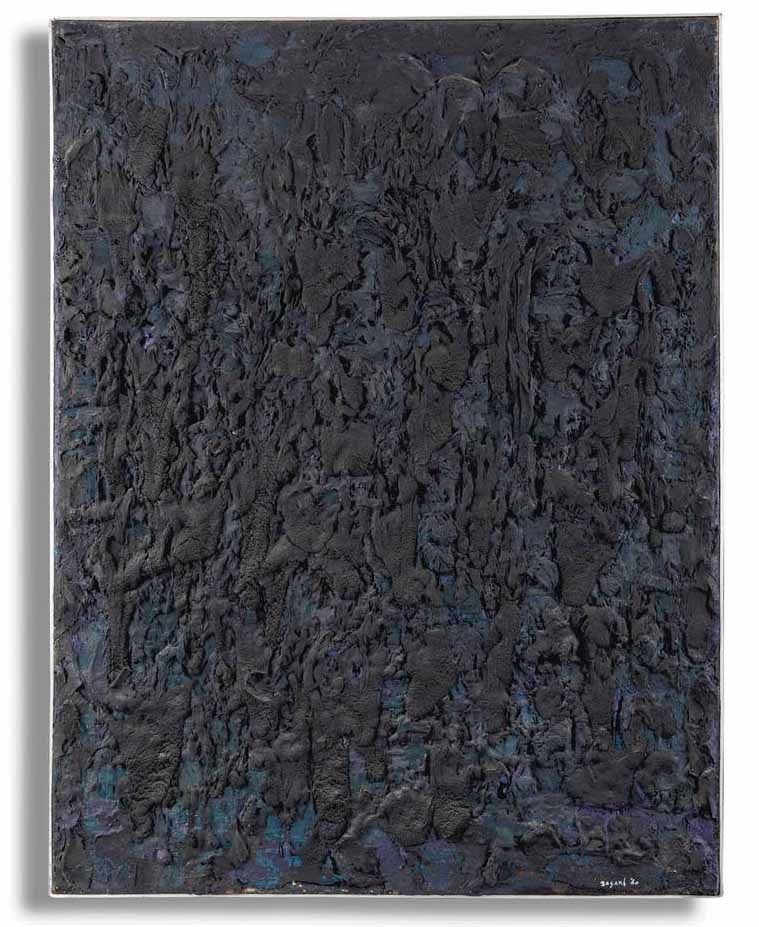
Bogart’s impasto was formulated to overcome his lack of monetary funds and paint; plaster seemed the perfect solution by virtue of its cheap cost. Bogart famously used the roof of his workshop on rue Santeuil to dry his paint blocks.
Related: Hans Hofmann: Father of Abstract Expressionism
Since the start of his career, Bogart has consistently refused categorization into any school or grouping. However, today his work is frequently associated with post-war Art Informel movements, such as Expressionism or Matterism. Art historians have also attached him to the 1948 CoBrA group as well as the 1957 ZERO movement.
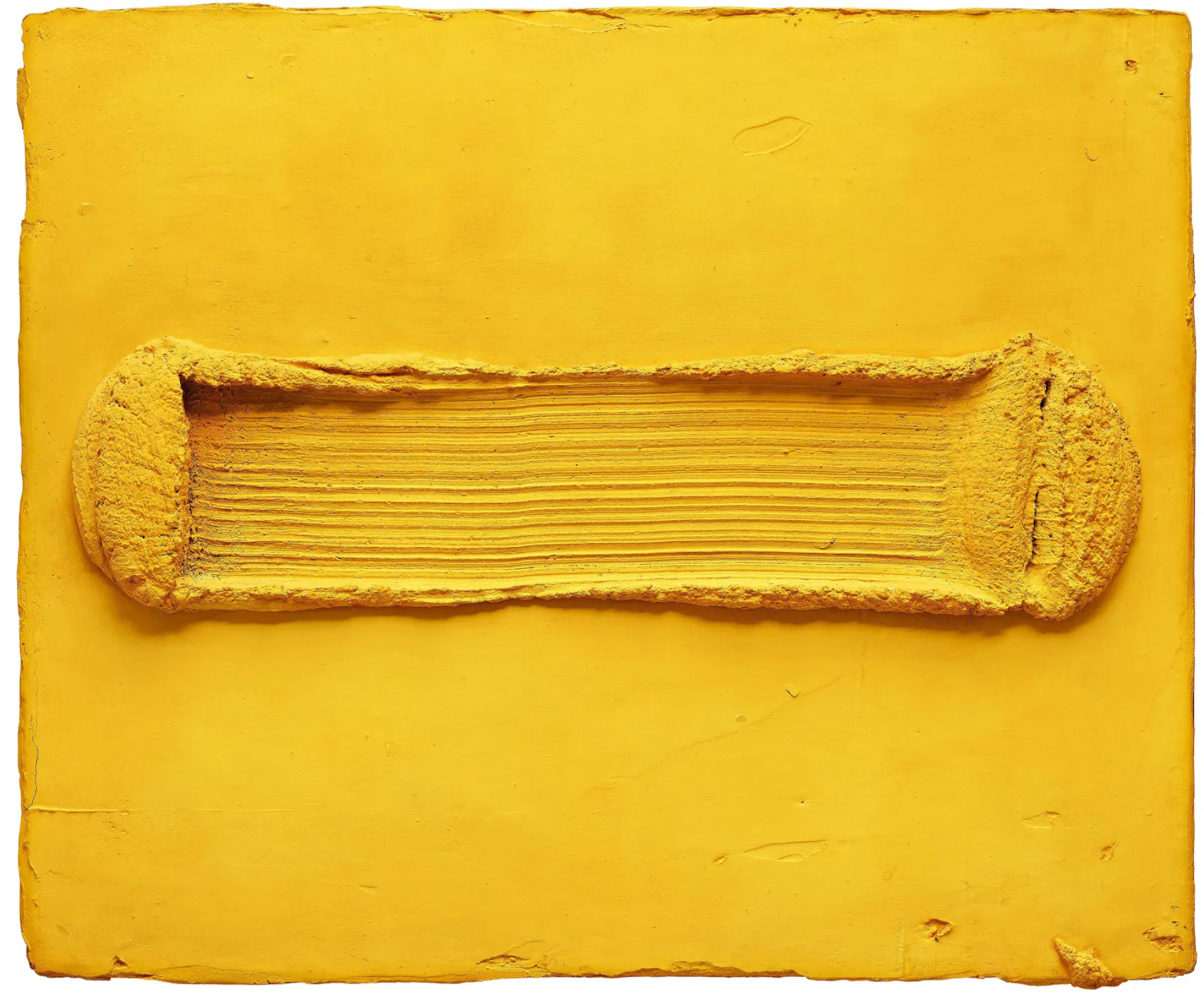
In the late 1950s, Bogart held his first solo exhibition at the Creuze Gallery in Paris. Here, his painting's impregnated layers of paint seemed to be thickening; the color itself akin to a textured façade. Chromatic mass is at the basis of every one of Bogart's compositions in which he addresses questions pertaining to matter, its physicality and its forms of representation. The materiality of his three-dimensional foundations blurs the line between painting and sculpture.
Related: Sonia Delaunay: Fine Art to Fashion
Painting in blocks
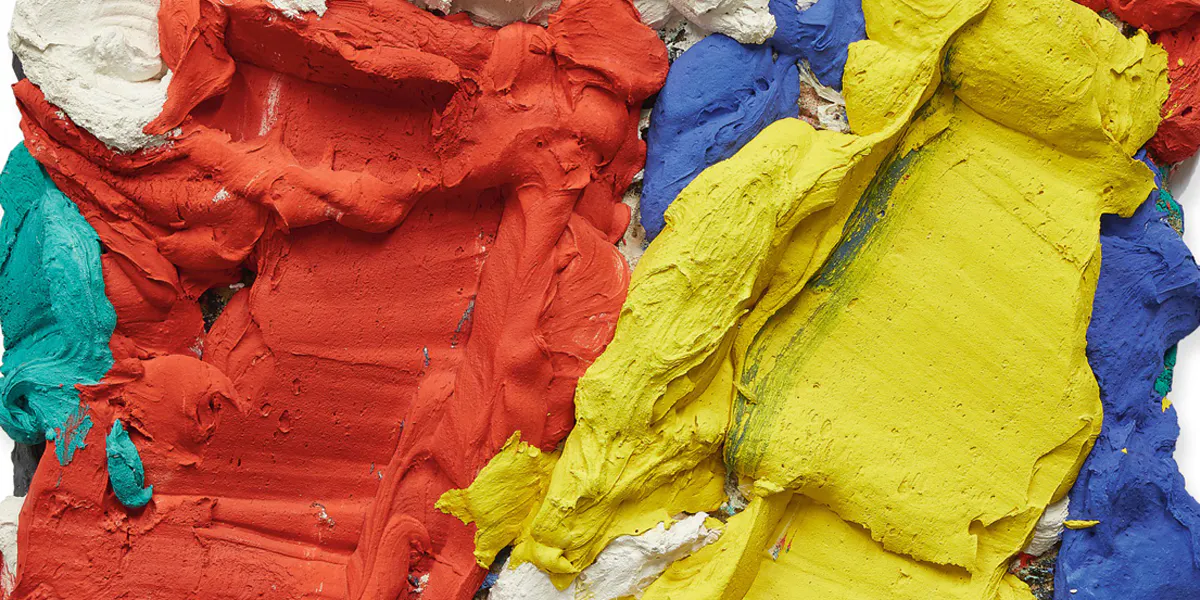
When Bogart settled in Brussels in the late 1960s, the dimensions of his paintings found themselves increasing yet again. As the painter inflated the volume and weight of his work, the canvases themselves were expanding and becoming more and more colorful, a phenomenon demonstrated by Call-Girl (1964). As jute cracks under an excess of oil, Bogart was compelled to develop a system of reinforced wooden panels to support compositions that could weigh hundreds of pounds. He would spread the paint using tools such as the trowel.
He was granted Belgian citizenship in 1969 and represented his new homeland in the 1971 Venice Biennale.
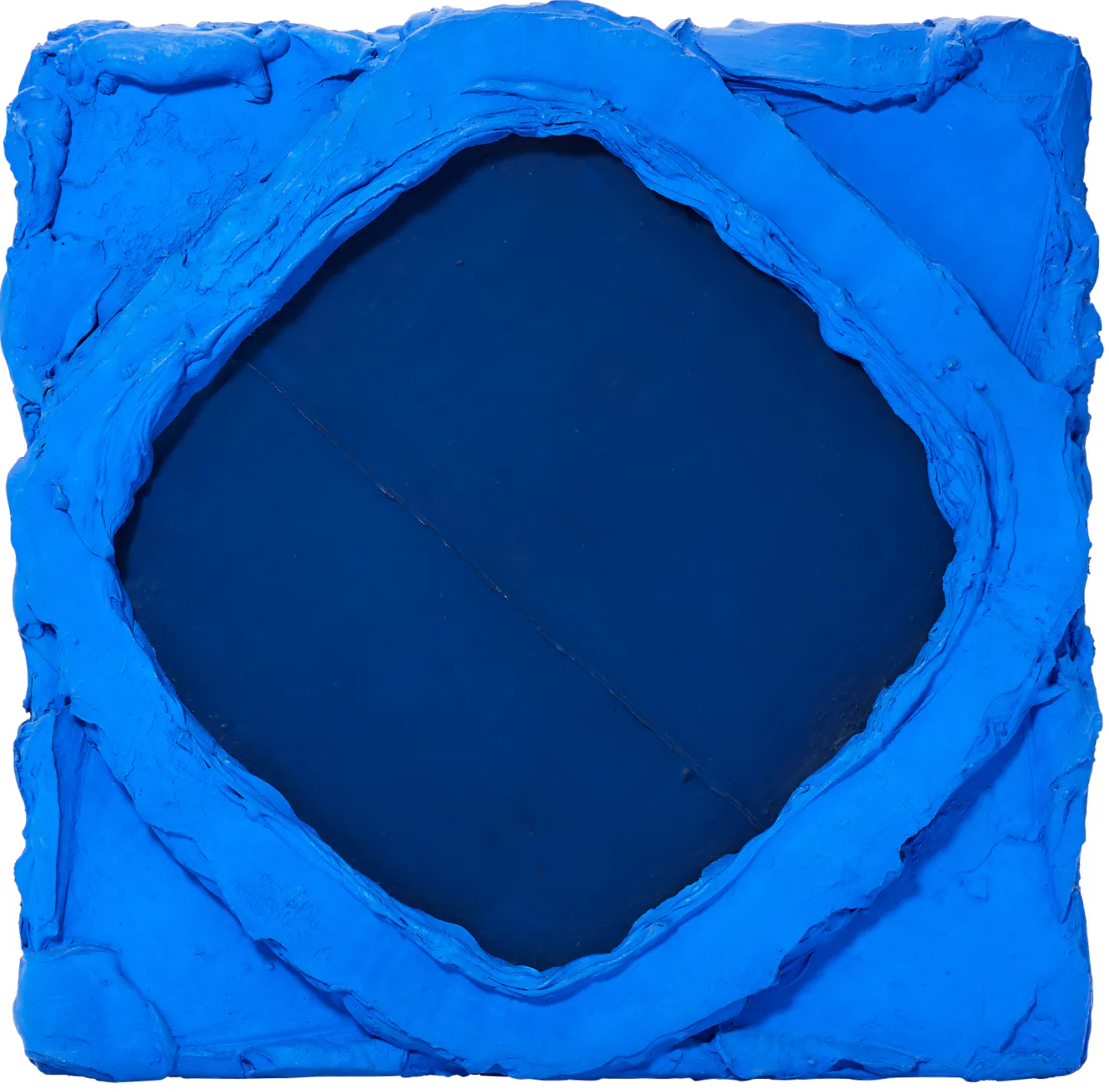
Gradually, Bogart infused his palette with a more extensive variety of vivid colors, ranging from Roodinblauw's (1967) blue to the vibrant yellow apparent in Rye Summer (1963). These compositions evoke the same zesty spirit found in Nicholas de Stael's work. Across the globe, artists such as Ron Gorchov in the United States and Takesada Matsutani in Japan began embracing this movement of pictorial empowerment.
Despite appearances, matter is not the central element in Bogart's creations. To the artist, the most crucial aspect was the construction: the realization of his works. He would always avoid repeating the same brushstrokes, which is why he made sure to apply the paint as thickly as possible.
Final years
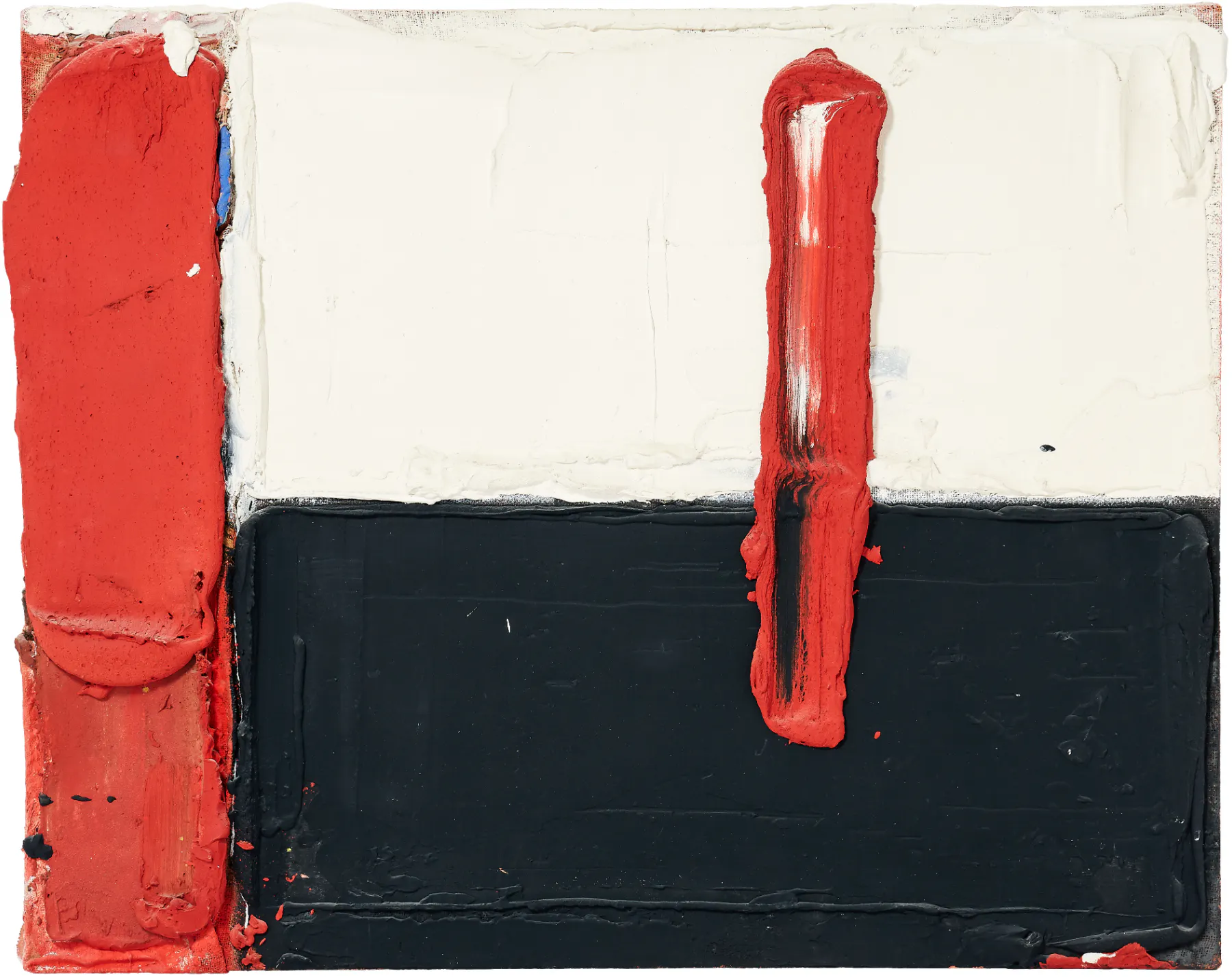
The last years of Bram Bogart's career were characterized by monumental and brilliant layering, reflecting a spectacular taste for the baroque. This technique also attests to the influence of the great Dutch masters, the artists Vincent van Gogh and Piet Mondrian, whom Bogart explicitly refers to in Homage to Mondrian (1991).
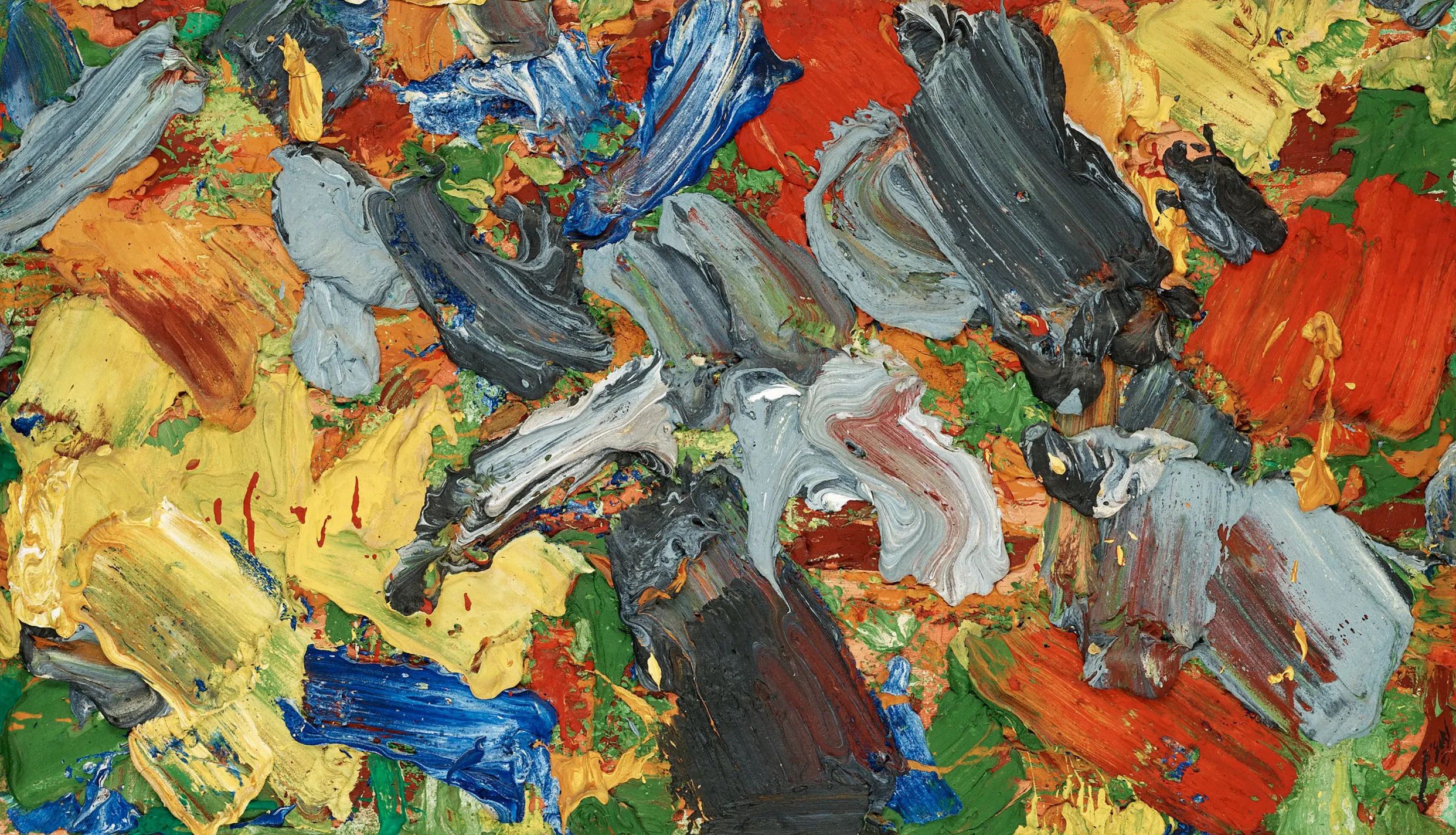
Mr Vollard's Parrot (1989) is undoubtedly one of his most accomplished creations. A whimsically assembled pictorial ensemble forms a field of multi-colored cells of striking vivacity. Juli (2002) results from a process that Bogart employed in later creations in which he plays with primary and secondary colors. Monochrome colors became increasingly adopted, notably green as in Lichtgroen (1990), red as in Red (1991), or white as in Gebrokenwit (2002).
Bram Bogart passed away on the 2nd of May, 2012, at the age of 91, leaving behind the 20th century’s thickest works of art, each with layers upon layers of paint and materials. In today's market, his best creations sell for tens of thousands of pounds. Bogart is one of the few big-name artists that you can acquire with a more modest investment, and his paintings offer an ideal solution to brightening up interiors. In May 2010, Bram Bogart's most expensive work, Les Blancs (1958), was sold for €130,000 ($172,900).