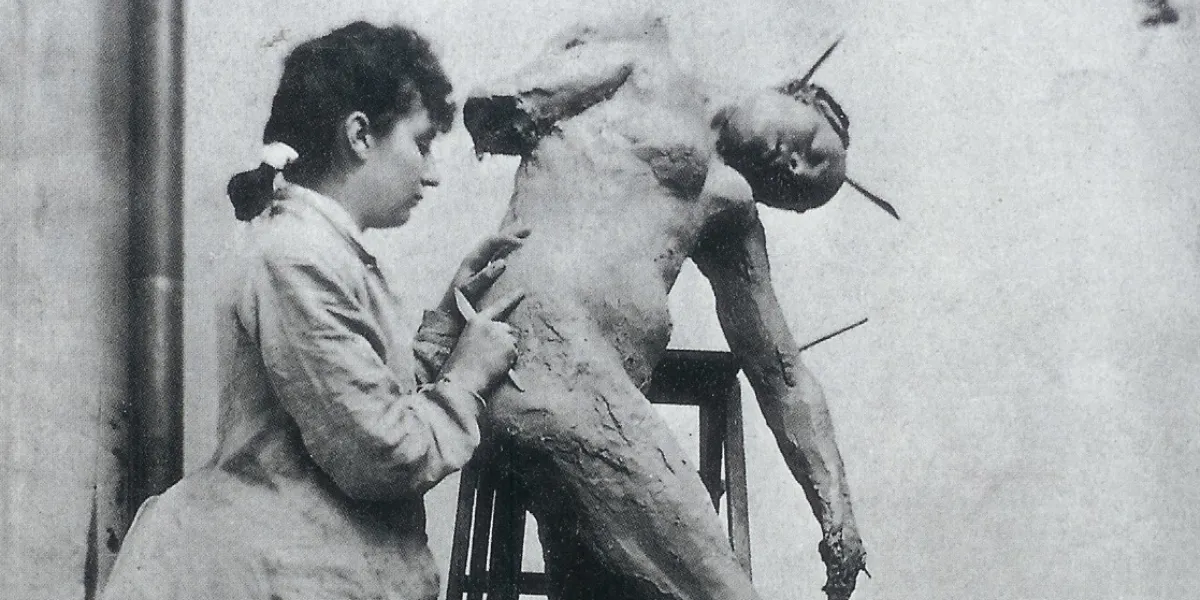
In the annals of art history, certain names fade into obscurity, overshadowed by the prominence of others. Camille Claudel, a sculptor of remarkable skill and creativity, was one such artist who experienced a period of relative neglect. Despite her undeniable talent and significant contributions to the world of sculpture, Claudel’s name remained largely forgotten for many years, during which she was mainly known as the mistress and muse of Auguste Rodin.
Related: 12 Women Who Rocked the Art World
Born on December 8, 1864, in Fère-en-Tardenois, Aisne, France, Claudel displayed an early aptitude for artistic expression and was already a skilled sculptor by her teenage years. When her family moved to Paris in 1881, Claudel enrolled at the Académie Colarossi and later the École des Beaux-Arts.
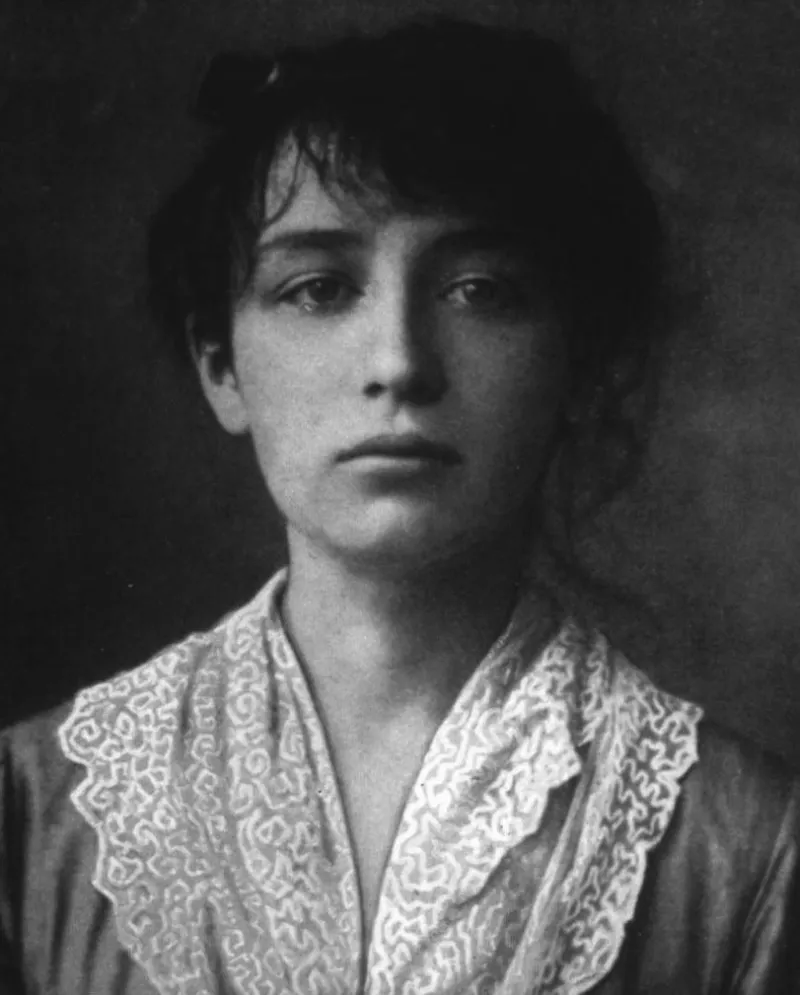
It was during this time that she crossed paths with Auguste Rodin, who had agreed to supervise a course for the French sculptor Alfred Boucher in his absence. At that time, Rodin was already an established figure in the art world, known for several notable works including The Age of Bronze and The Kiss, which had cemented his reputation as a leading figure in the field of sculpture.
Related: Auguste Rodin: 7 Facts to Know
Shortly after their meeting, 18-year-old Claudel became Rodin’s mentee, collaborator, model, and lover. Under Rodin’s guidance, Claudel honed her craft and developed a distinctive style marked by fluid forms and emotional depth.
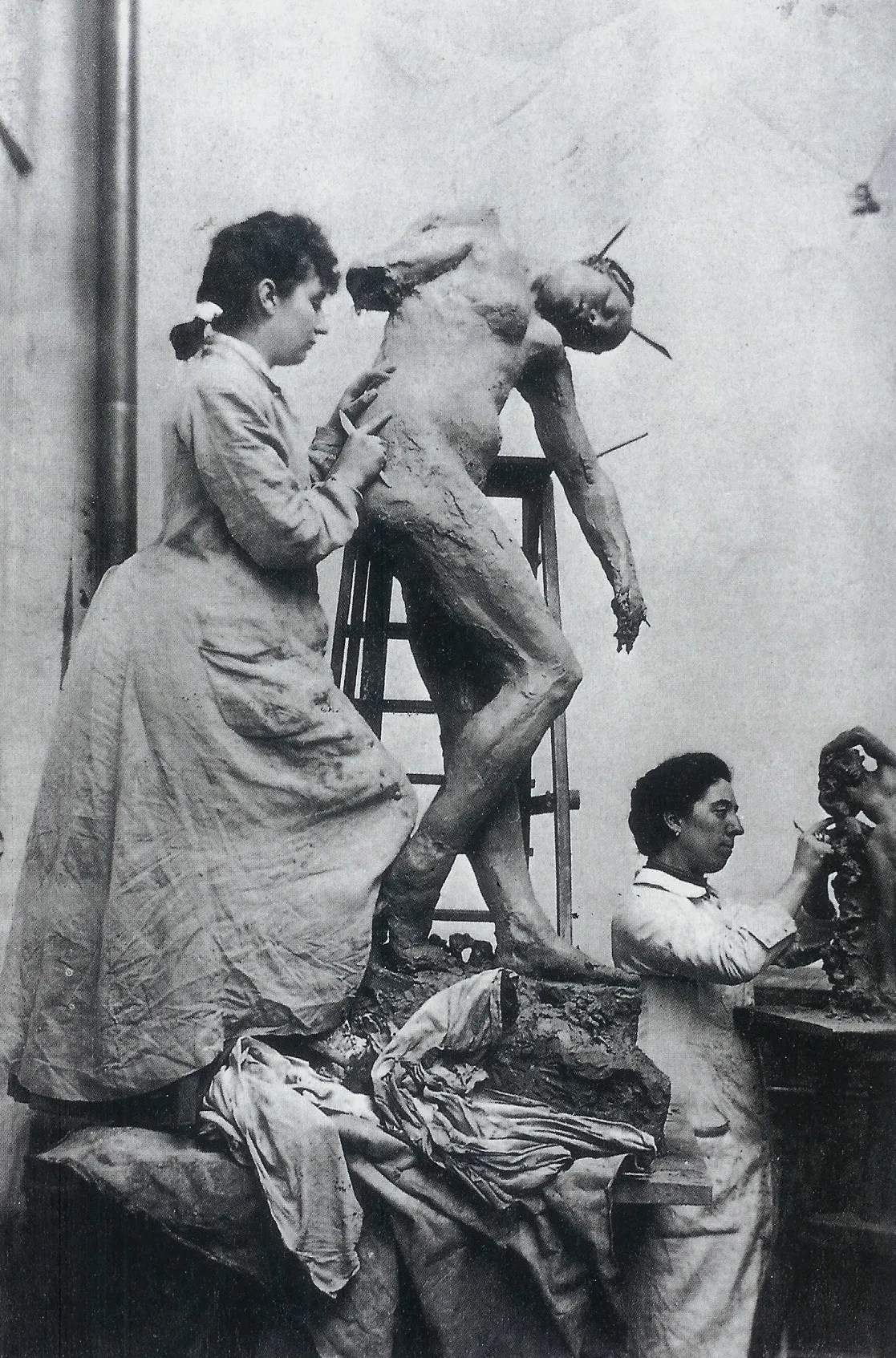
Claudel’s relationship with Rodin was both a source of inspiration and anguish. While their collaboration fueled her creative spirit, it also brought heartache and uncertainty. The complexities of their partnership would come to define much of Claudel’s personal and professional life.
Related: 6 Female Artists and the Male Muses Who Inspired Them
From 1882 to 1889, Claudel started to gain recognition as an artist in her own right, and regularly exhibited busts and portraits of her inner circle at the Salon des Artistes Français. During the 1890s, she gained further recognition as numerous pieces were acquired by prestigious French museums. Throughout the late 19th and early 20th centuries, Claudel produced a diverse array of sculptures, ranging from intimate studies of the human form to monumental works infused with mythological themes.
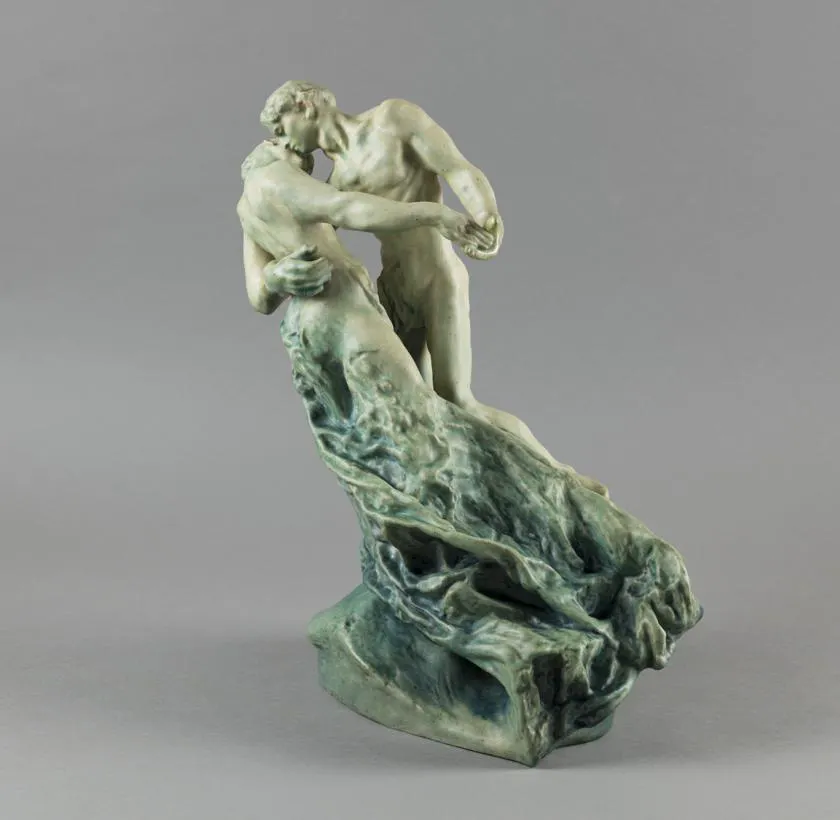
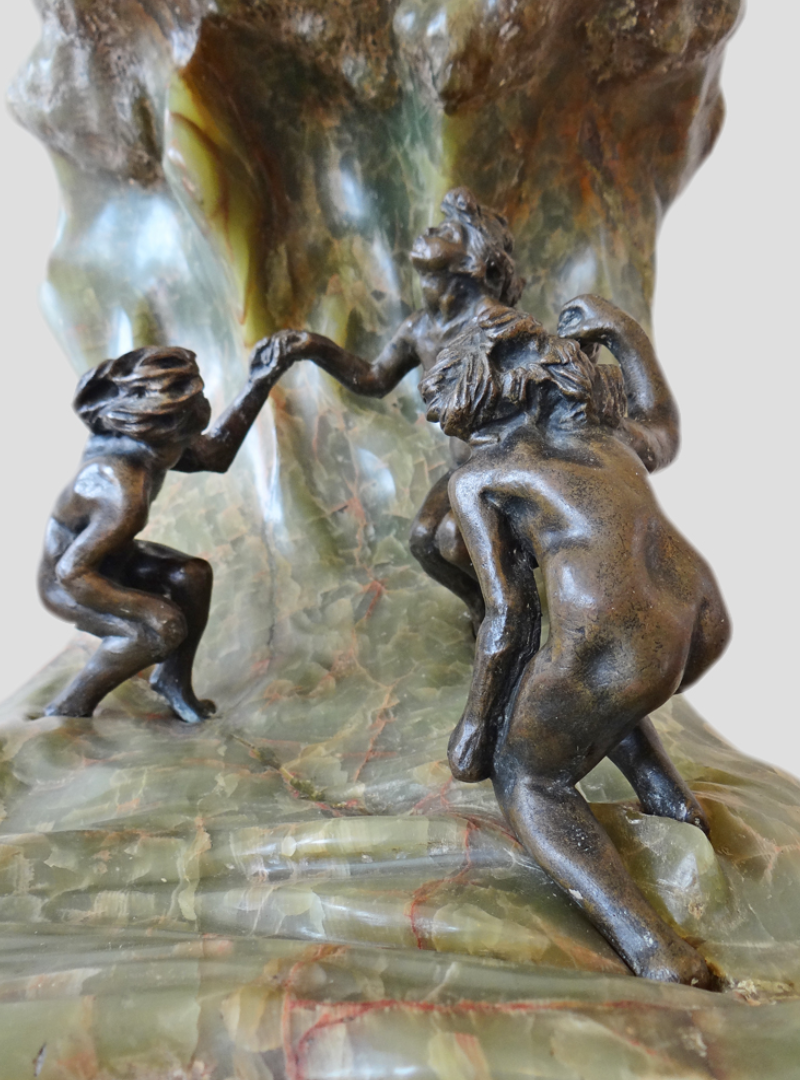
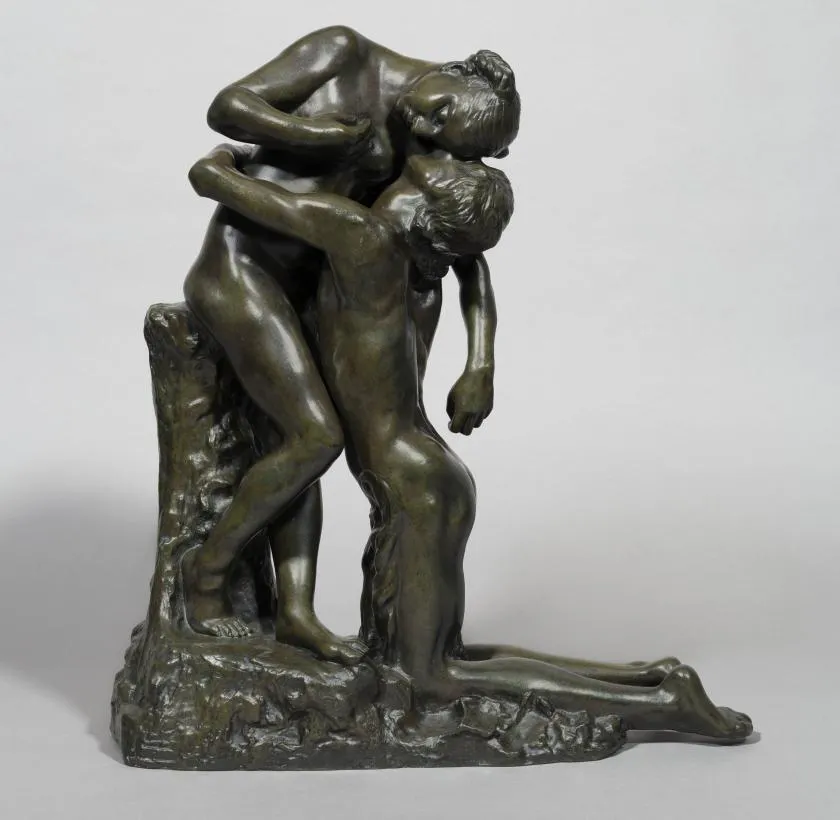
Among her most celebrated works is La Valse ('The Waltz', 1893), a dynamic composition consisting of two intertwined figures dancing a waltz, inspired by her burgeoning relationship with Rodin. La Vague ('The Wave', 1897) is a clear break in style from Rodin's influence, picturing three female figures bent at their knees at the sight of a wave made of onyx marble.
Related: The 15 Most Expensive Female Artists
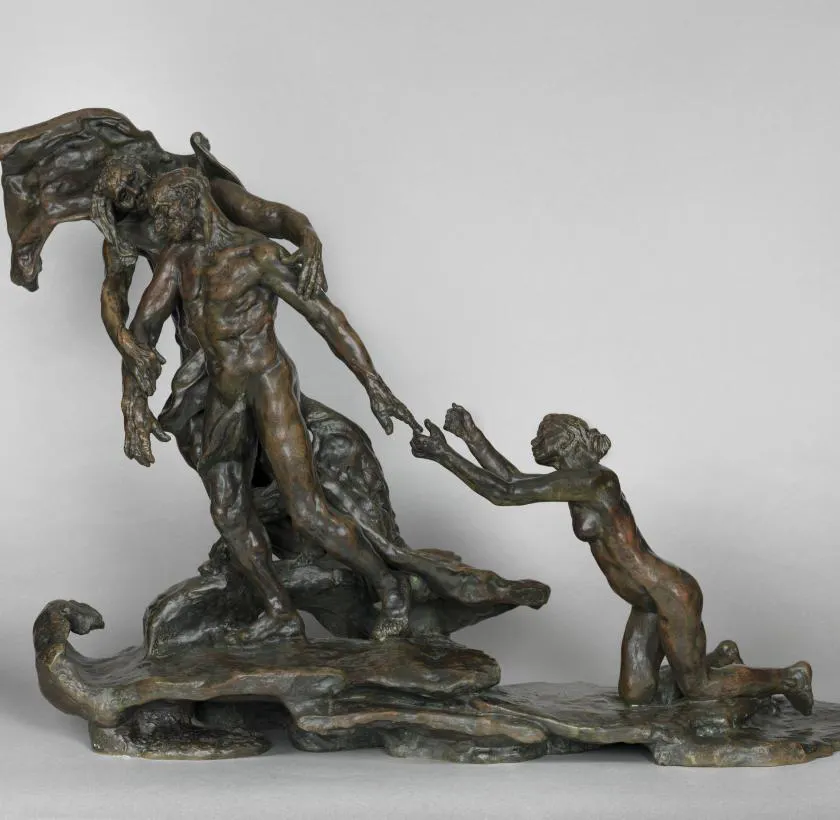
L'Âge mûr ('The Mature Age', 1899), commissioned by the French government but cancelled before the bronze was cast, meditates on the passage of time and human experience. It comprises three figures: a young woman, releasing the hand of an older standing man, who is being drawn away by the embrace of an older woman. The sculpture serves as an allegory of aging, symbolizing the progression from youth to maturity and eventual death, but it also can be interpreted as reflecting Claudel's struggles, particularly her perceived abandonment by Auguste Rodin. Allegedly, when Rodin saw the piece for the first time, he reacted angrily and abruptly stopped his support for Claudel.
Want more articles like this straight to your inbox? Subscribe to our free newsletter!
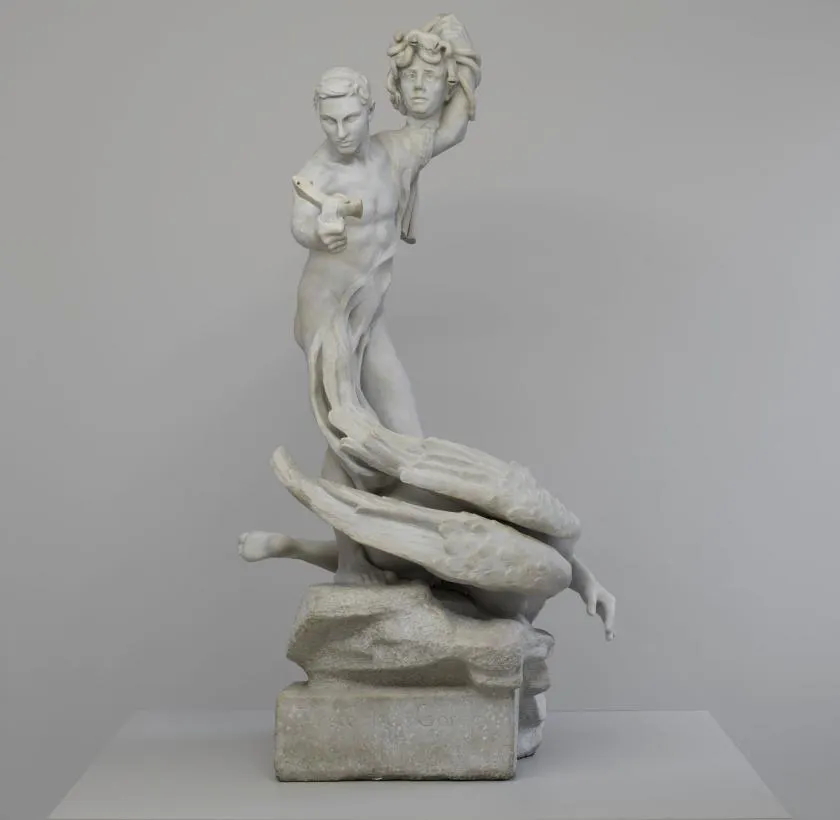
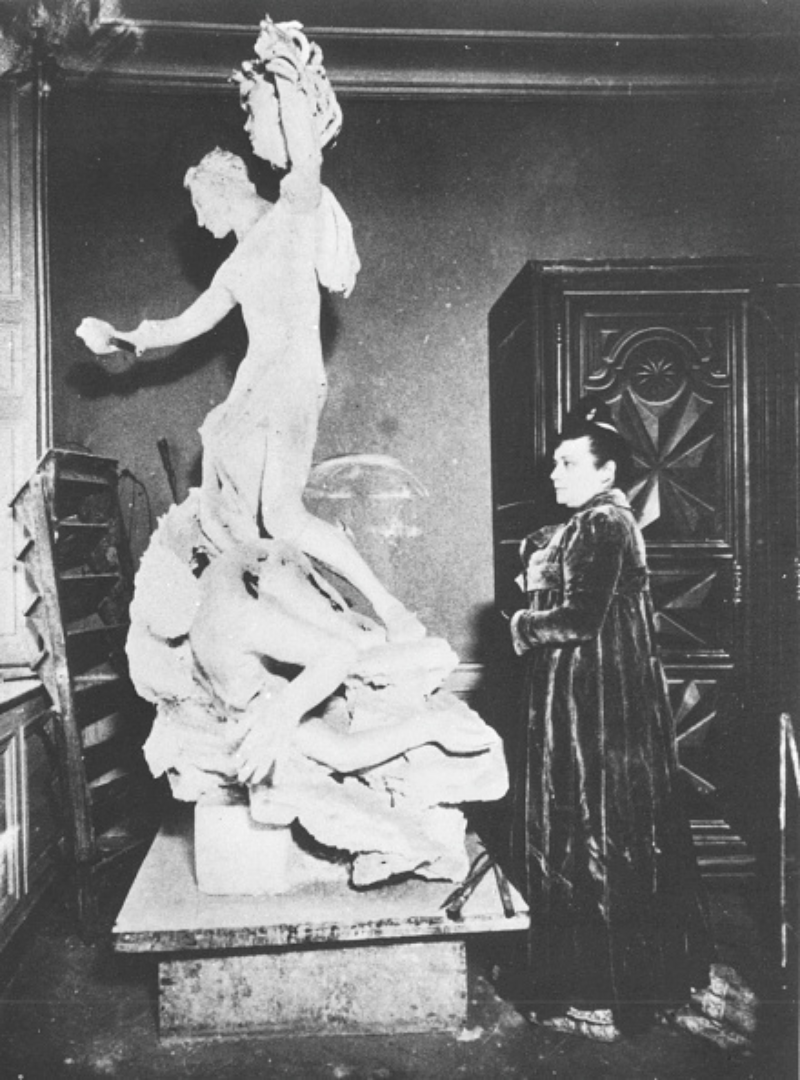
Persée et la Gorgone ('Perseus and the Gorgon', 1902), is one of Claudel's most ambitious works, reimagining the mythological tale of Perseus slaying Medusa. Perseus is portrayed looking towards his bronze shield, used as a mirror, to see in the reflection the head of Medusa, whom the artist sculpted in her likeness. Like The Mature Age, the work was influenced by her breakup with Rodin and the anger and pain it evoked in her.
Despite being recognized as a leading sculptor by many, Claudel’s career was not without its setbacks. By 1893 her relationship with Rodin had begun to deteriorate, and in 1898 she stopped communicating with him. In the years following their separation, Claudel worked incessantly, and though she continued to exhibit at various salons, she became increasingly impoverished and reclusive, often destroying every piece of work in her studio.
Related: 5 Artists Who Went from Sickness to Success
Mental health issues began to manifest, and she became convinced that Rodin was conspiring against her, stealing her ideas and having her public commissions rejected by the French state. In 1913, she was institutionalized, spending the remaining years of her life in relative obscurity in a psychiatric hospital, until she died in 1943 at the age of 78.
Related: 10 Artists Between Genius and Madness
It was not until the latter part of the 20th century that Claudel’s work experienced a resurgence of interest. In the 1970s, scholars and art enthusiasts started to reevaluate her contributions to the art world, recognizing her as a pioneering sculptor. By the 1980s, the works of Claudel were no longer unknown in the eyes of the general public, especially thanks to the written works of Anne Rivière (L’Interdite, 1983) and Anne Delbée, who released her monograph on Claudel titled Une Femme in 1982.
Related: 10 Famous Sculptures in Art History
In 1984, the Sainte Croix Museum in Poitiers and the Musée Rodin in Paris both held exhibitions on Claudel’s work. Finally, the film Camille Claudel released in 1988 by Bruno Nuytten reinforced the French artist’s reputation.
Today, two public spaces devoted to the works of Camille Claudel stand: The Musée Camille Claudel in Nogent-sur-Seine, which opened in 2017 and boasts the world’s largest collection of works by the artist, and her former house in Villeneuve-sur-Fère, which opened in 2018. Her works are also highly sought after at auction, with a bronze version of L'Abandon selling for $1.7 million at Christie's in 2013.