I loved, I lived, I wandered through the world, but never reached what I strove for.
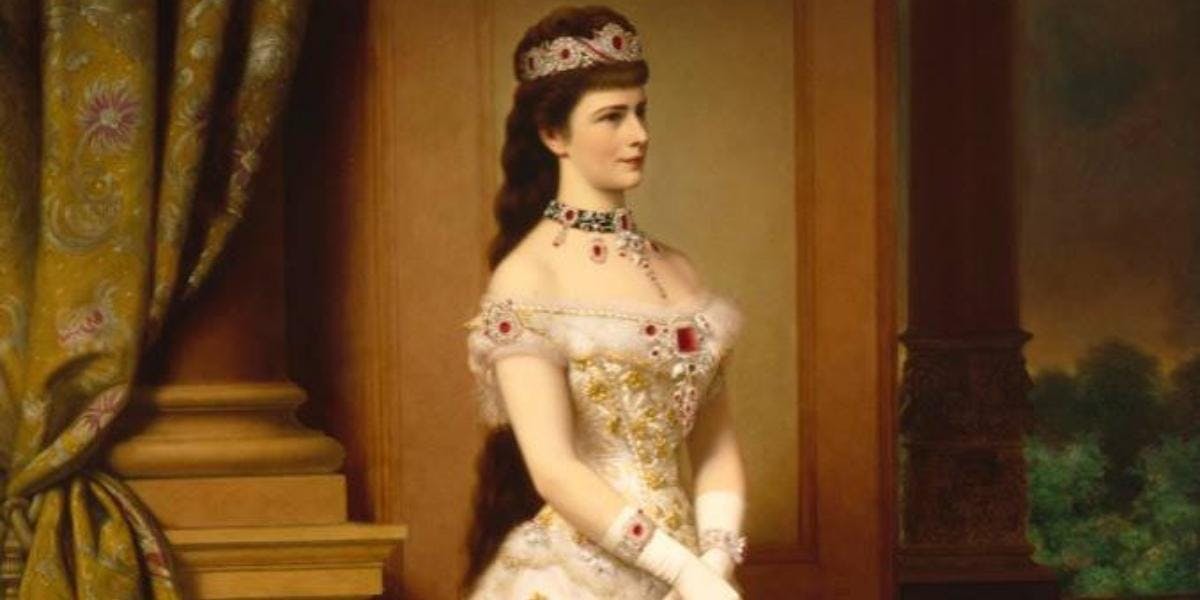
Beautiful, nonconformist, rebellious and tormented, Empress Elisabeth of Austria (1837-1898) was a decidedly more restless character than the one made famous by actress Romy Schneider in the 1950s in the film Sissi.
The true nature of the Empress can be seen in the poetic diary found many years after her death. Sisi loved poetry and had a fondness for Heinrich Heine, a German poet, and she even composed lyrics herself. Her poetic confessions were at times provocative and fired against the strict conventions of the court, to which the young ruler was never accustomed. By her own will, her verses remained hidden from the world for several years after her murder. Elisabeth, in fact, had given orders for them to be disclosed no earlier than 60 years after her death, so that they could be read (and understood) only by the "souls of the future".
"They will be kept for generations / safe from those who cannot understand them now; / years full of vicissitudes it will take, / only later will these songs blossom."
One of her poems sounds almost like a premonition: Sisi had foreseen that her writings would be made known only after "years full of vicissitudes". And in fact, two world wars occurred after her death, before the poetic diary was brought to light.
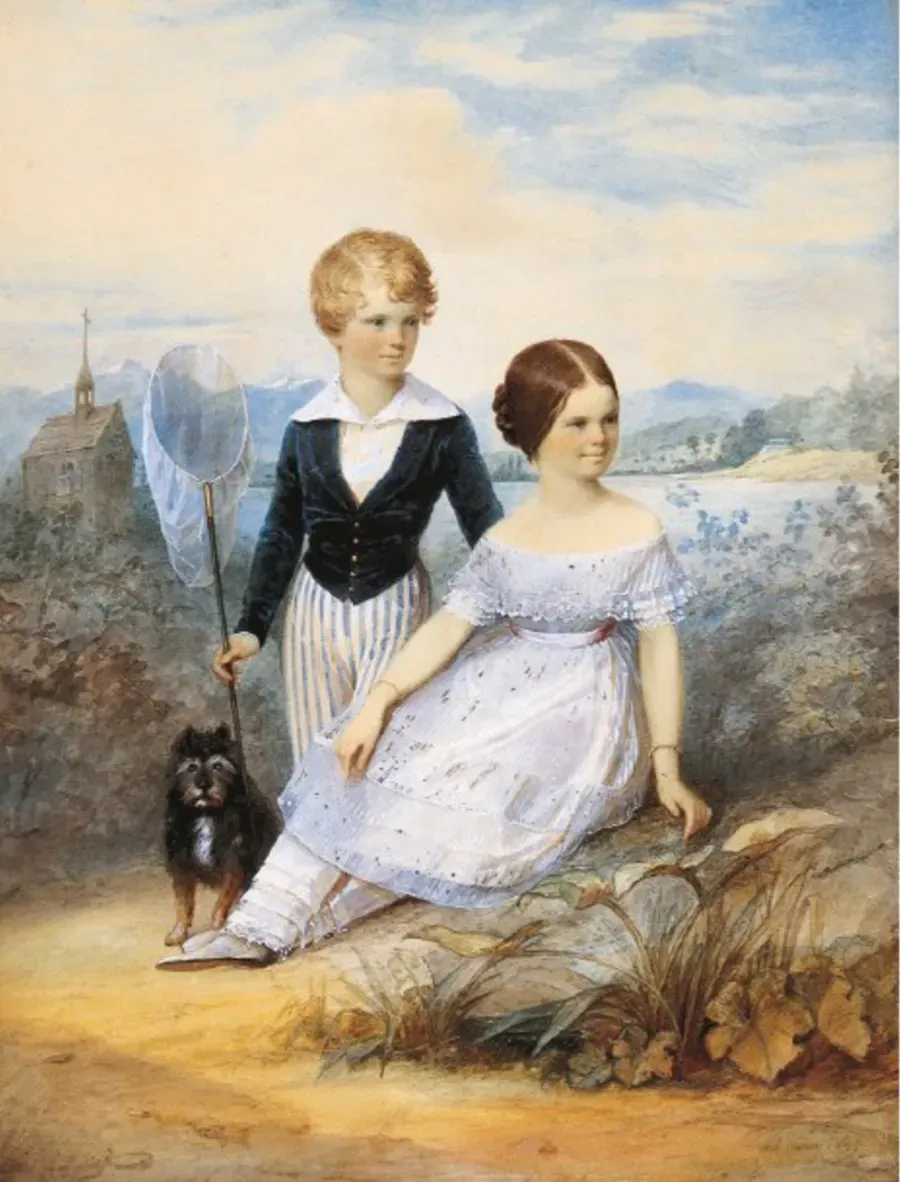
Born in Bavaria on Christmas Eve 1837, Elisabeth was the fourth of ten children of Duke Maximilian and Ludovica of Bavaria. She grew up between the family palace in Munich and the summer residence of Possenhofen Castle. Here, the little duchess lived her most carefree moments, with her free spirit that characterized her throughout her life. Very fond of nature, she spent her time swimming, taking long walks with her dog and riding a horse, even performing dangerous stunts.
Accustomed to so much freedom and an informal education, Elisabeth felt suffocated by the rules of Habsburg court life when she married the Austrian Emperor Franz Joseph in 1854. The rigid protocols imposed on her, especially by her glacial mother-in-law, Archduchess Sophia, immediately made her hate her new role.
Related: A History of Élisabeth Vigée Le Brun's Portraits of Marie Antoinette
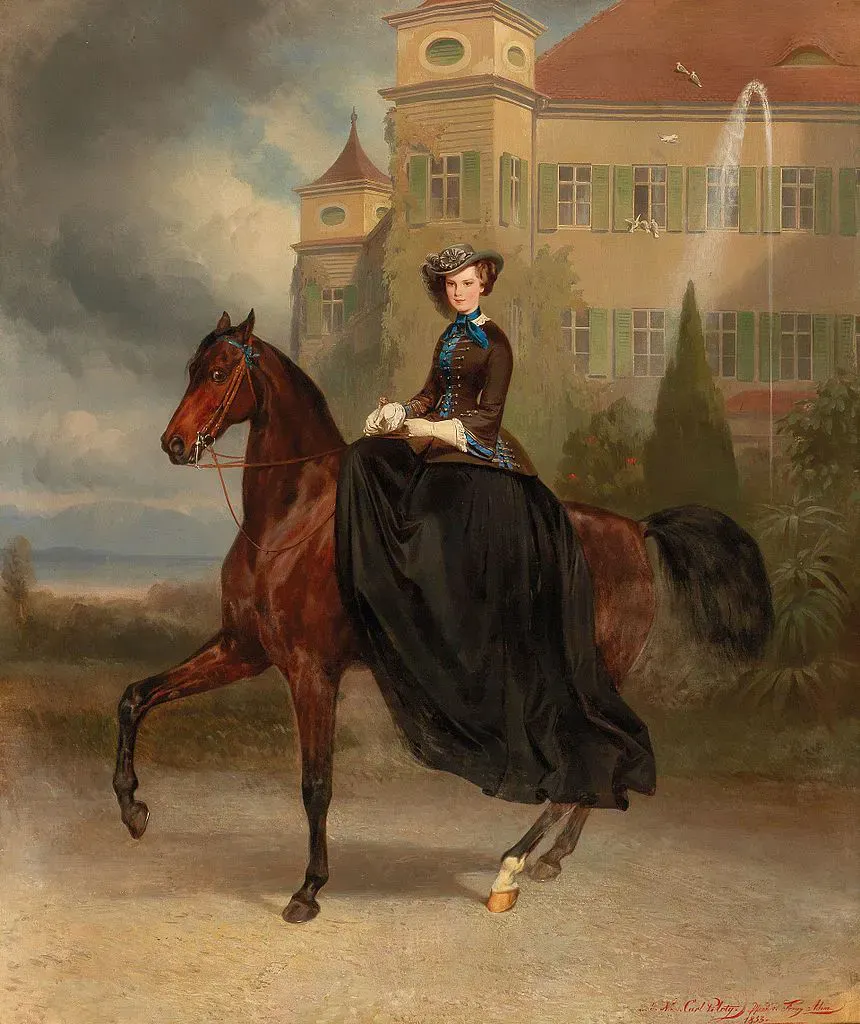
Intolerant of court etiquette, Sisi often loved to get away from the aristocratic environment that surrounded her and traveled a lot during her life, visiting numerous countries and falling in love with the island of Corfu in particular. She was a great rider since she was a child and continued to cultivate a passion for horseback riding, so much so that she was considered one of the best riders in Europe. In addition to riding, the Empress loved fencing and she spent most of the day doing gymnastics, since she was obsessed with her own appearance. To keep fit, she had a gym set up at the palace equipped with weights, ropes, bars and rings, and she took very long walks for several hours.
Want articles like this directly to your email? Sign up for our free newsletter!
In the 19th century, the corset was considered a real status symbol for the wealthy classes. High society women wore them to shape the body, having them tailored by the most fashionable tailors. The Empress of Austria was much envied by her contemporaries for her particularly thin waistline, perennially encircled by very tight corsets, which required about an hour of effort to be laced.
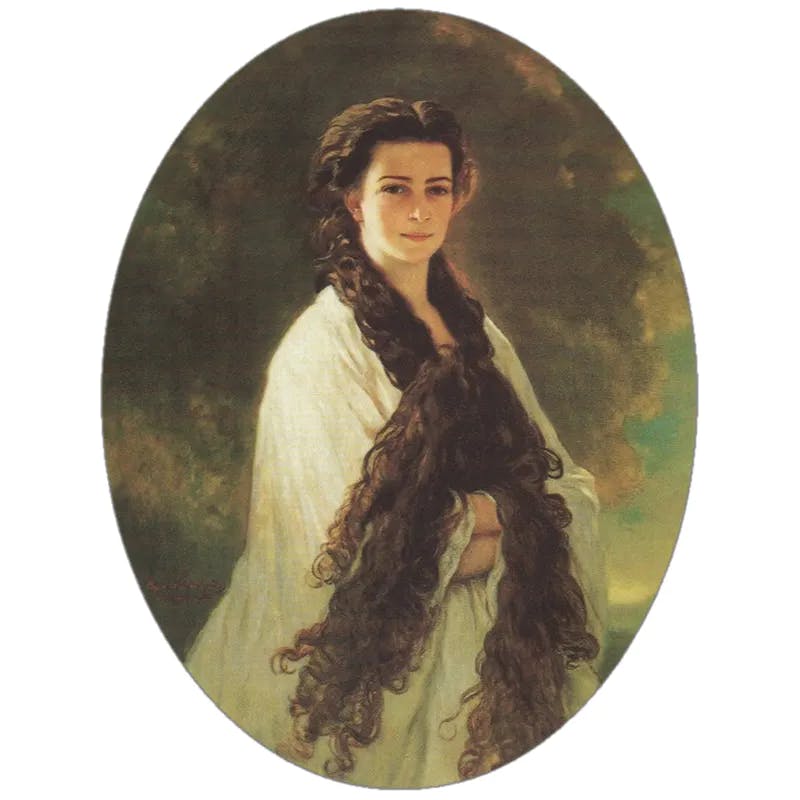
Considered one of the most beautiful, charismatic and mysterious women of her time, Sisi was admired and envied by the ladies of the time also for her thick and shiny hair. Her hair was so long that, once untied, it reached her ankles, and sometimes even caused severe headaches. Hair of this type was obviously demanding and required a lot of care. Her hair was washed every three weeks with cognac compresses and fresh eggs, to keep it soft and shiny, and was woven by a hairdresser expressly requested by the Empress. The latter also spent three hours arranging her hair in the hairstyle that made Sisi even more famous and imitated by the aristocrats of the time: a "crown" created by large braids cascading down her back.
Related: The 6 Most Famous German Paintings
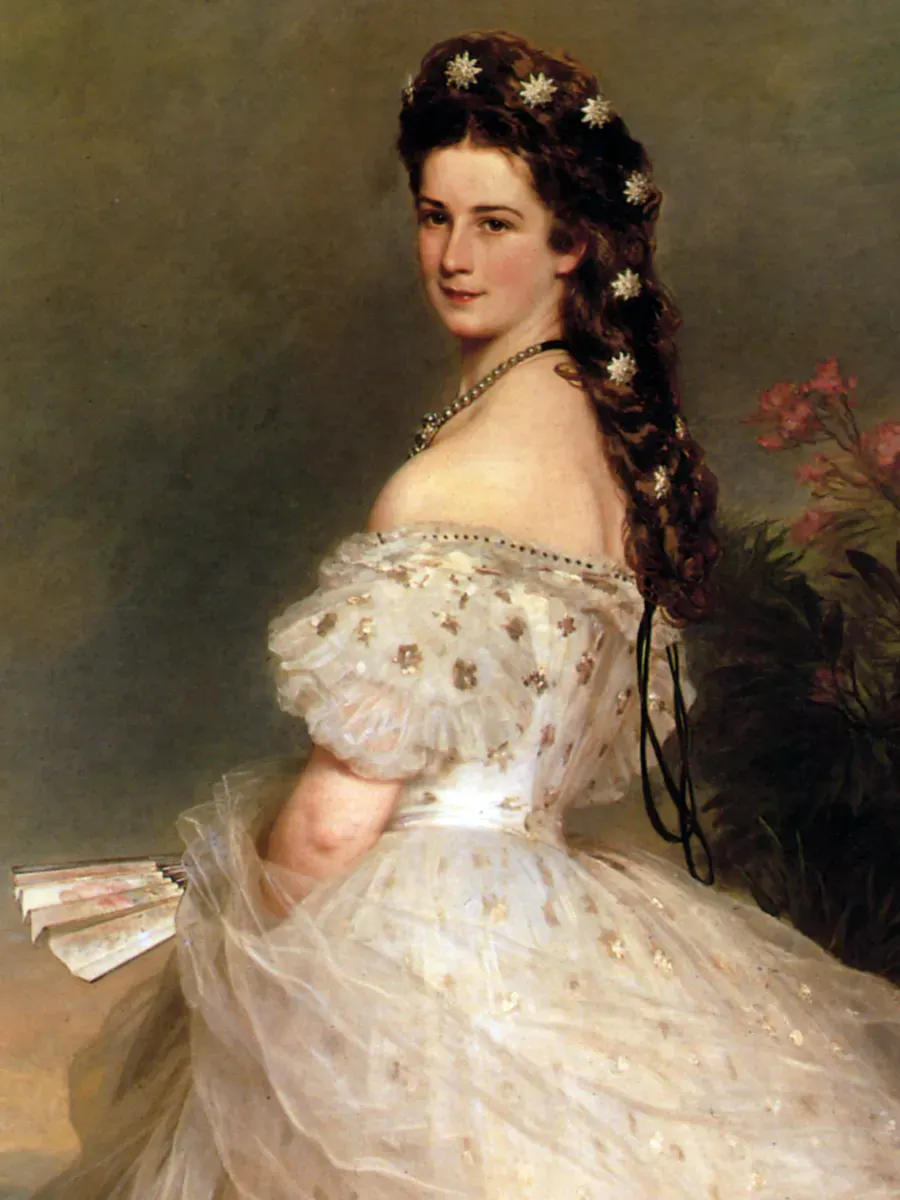
To preserve the elasticity of the skin, Elisabeth used face masks; two in particular have remained proverbial, one based on strawberries, the other based on raw veal. Her beauty rituals also include frequent hot baths in olive oil.
Related: The Art of Fashion: Fashion in Art
Sisi became a prisoner of her own physical appearance, which worsened her depression. Serious mourning ravaged her life, in particular the death of her first child Sofia in 1857 and that of her only son, Rodolfo, by suicide in 1889.
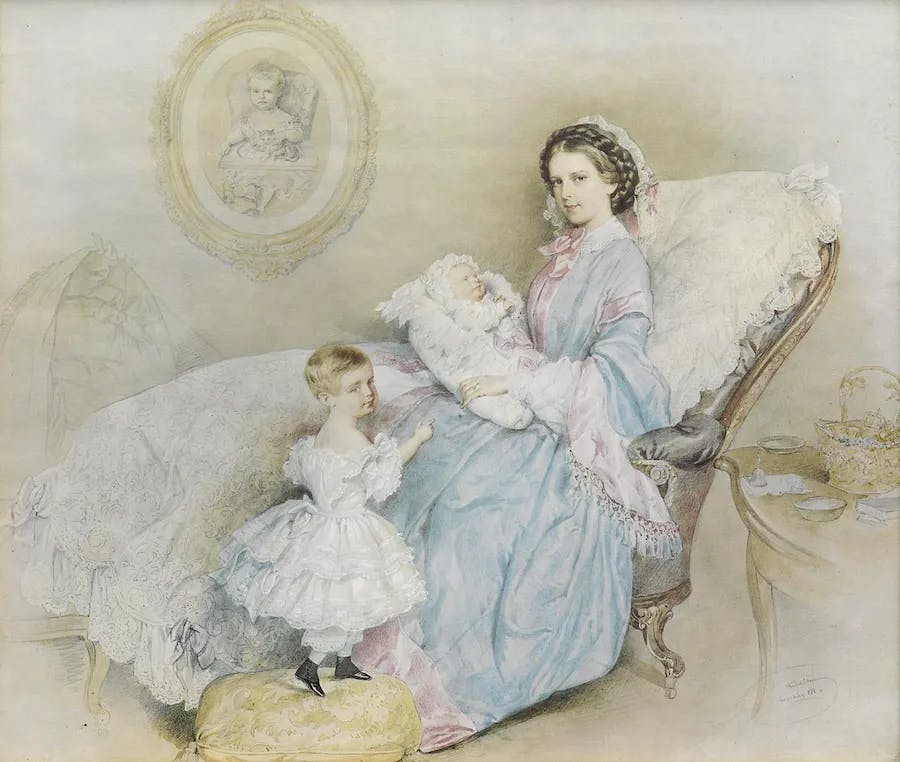
By the age of 32, the Empress began to hide from the gaze of the people behind veils, umbrellas and hand fans, even refusing to be portrayed or photographed, because she was worried about her beauty fading. Following the death of her son, she stripped off her jewels and began to dress only in black, becoming a shadow of herself, but at the same time increasing the aura of mystery that always surrounded her figure.
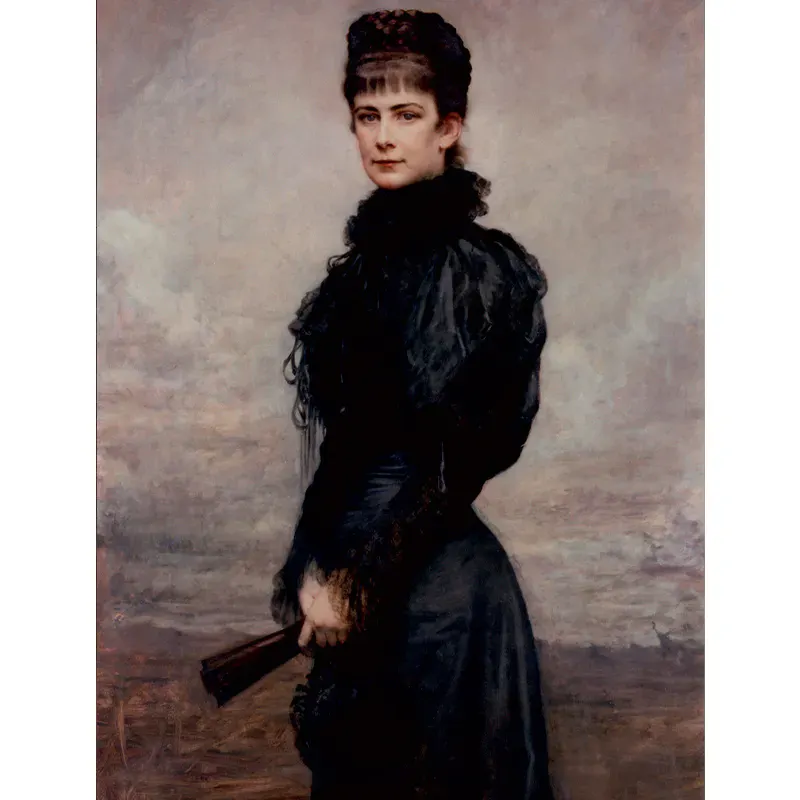
Mysterious, rebellious, stylish and incredibly modern, the real Elisabeth of Austria was different from how she has been portrayed for years in various films and plays inspired by her life. Few people know that the Empress also had a tattoo, further proof of her unconventional temperament, since getting tattooed was not very common at the time, especially for an aristocrat. Being very fond of the sea, in 1888 Sissi had a small black anchor tattooed, perhaps during one of her many trips. At the Wachsfigurenkabinett, the wax museum in Vienna, her statue appears as in the famous painting that Franz Xaver Winterhalter made for her, in a white formal dress, with the diamond stars pointed in her hair and bare shoulders. And on the left shoulder is the famous tattoo.
Related: 5 Portraits of Women in Black
On September 10, 1898, Elisabeth was assassinated at the age of 60 in Geneva by an Italian anarchist named Luigi Lucheni. He stabbed her in the chest with a needle, after her life had already inflicted numerous blows to the heart.
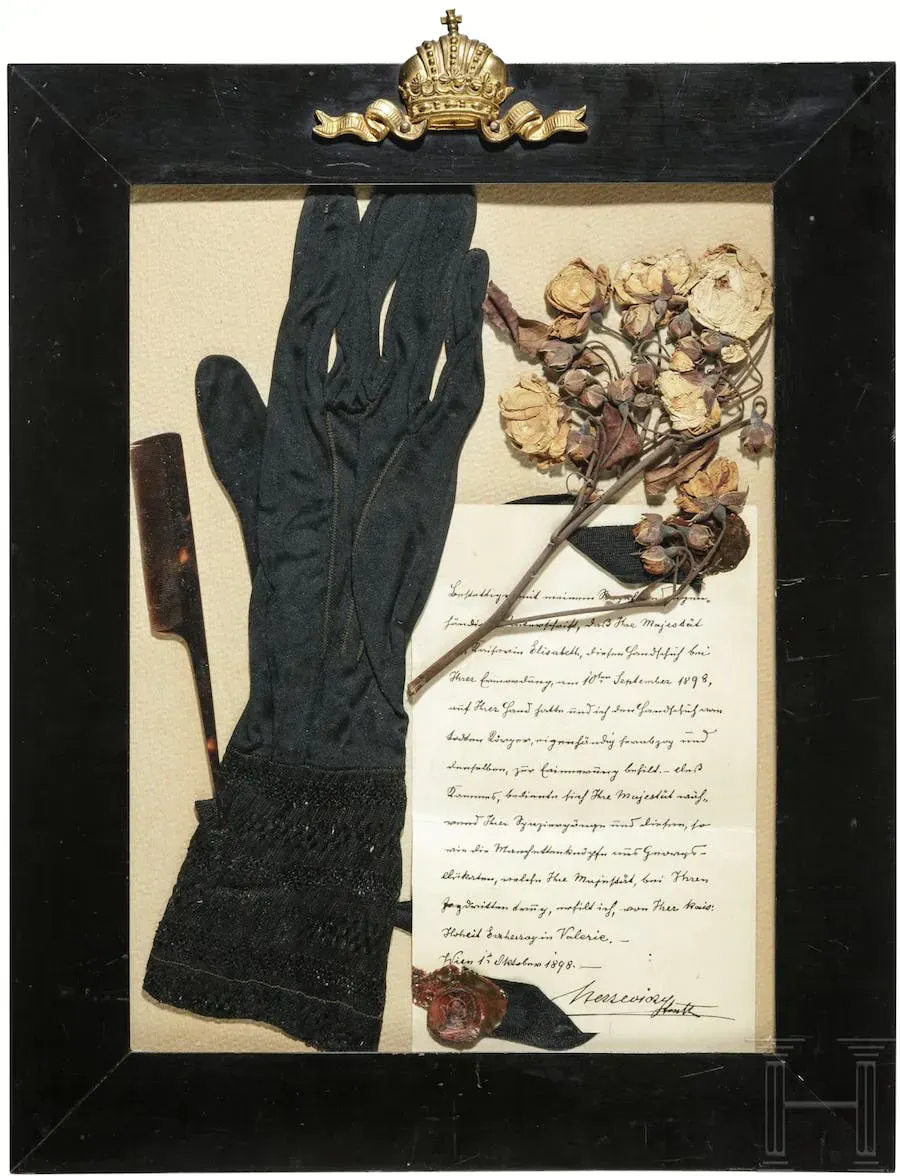
The tumultuous life of Sisi continues to fascinate many years after her death, and her memorabilia is sought after on the auction market. In 2014, the Dorotheum house sold a riding hat, believed to have been worn by the Empress, for 134,500 euros, a figure 50 times higher than the estimated estimate. At the end of 2021, the black silk glove she wore on the day she was murdered was sold by the Hermann Historica auction house for 66,000 euros.