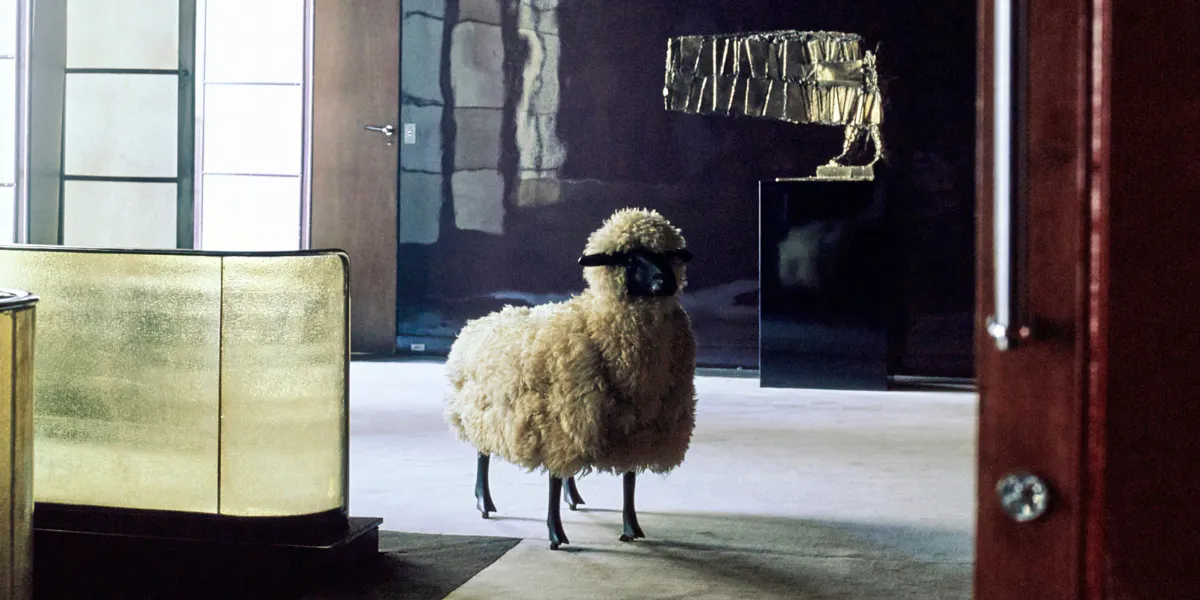
Looking ahead to 2026, Barnebys Magazine sees a clear shift towards homes shaped by character and personal expression. Trends are moving away from restrained, overly controlled interiors. Instead, spaces are emerging that feel layered and developed over time, often eclectic, with clear references to art and scenography. Natural materials, deeper color ranges and a more staged approach define a year marked by careful choices and conscious design.
The staged home

One of the most prominent trends for 2026 is the theatrical home. Interiors take on a more composed, staged quality, where drama, layering and contrast are used with intent. Velvet, embroidery and heavier textiles are paired with generous curtains and considered lighting that enhances depth and atmosphere.
References are drawn from stage design, opera and Baroque painting, where drapery is used to shape and define space. Antique doll’s houses, musical instruments and objects associated with theatre and music appear as decorative elements, reinforcing the narrative quality of the interior. Art with strong, dramatic expression adds to the effect through both subject and composition.
Alabaster
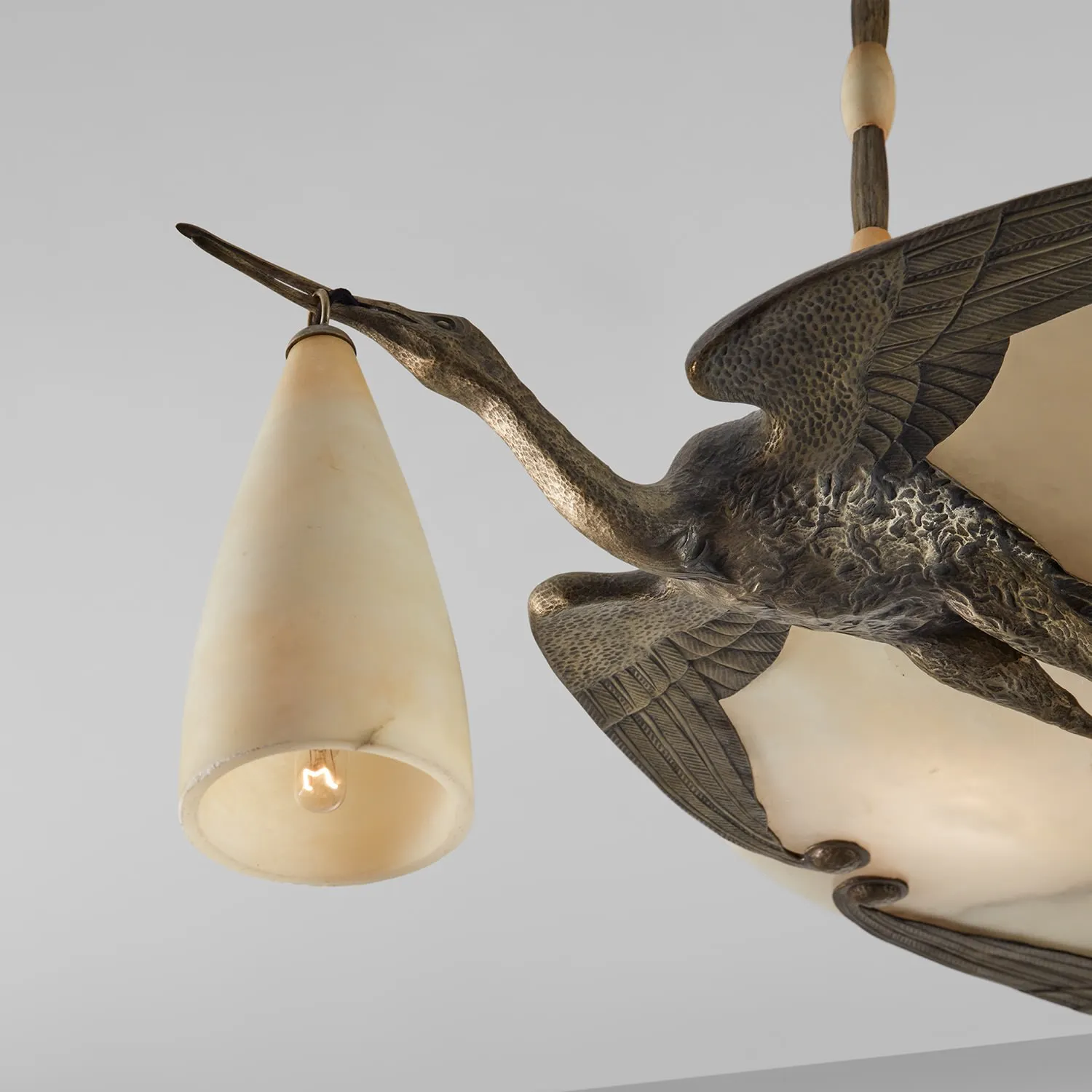
Alabaster sees a notable resurgence in 2026, particularly in lighting. Table lamps, floor lamps and wall fixtures made from alabaster emit a soft, warm glow and function both as practical lighting and as natural focal points. Sculptures and smaller alabaster objects are also increasingly sought after, especially in interiors where texture and material presence are central.
Dark woods
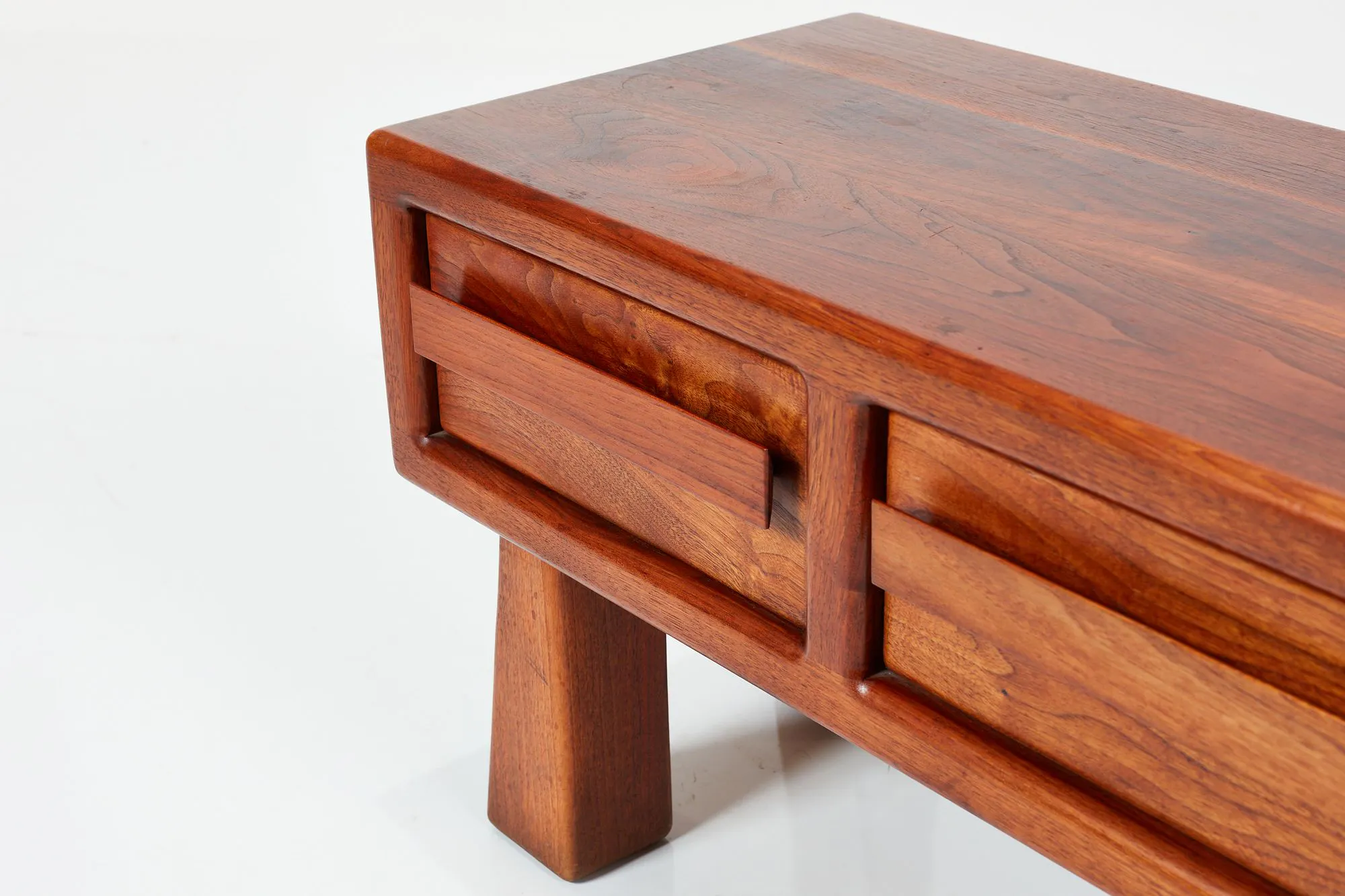
Lighter woods face strong competition from walnut, jacaranda, mahogany and other darker woods with pronounced grain. Furniture is solid yet refined, often marked by artisanal craftsmanship and a sense of physical weight. Dark wood contributes warmth and stability, providing a grounding element in homes where different styles and periods meet.
Deep, muted colors
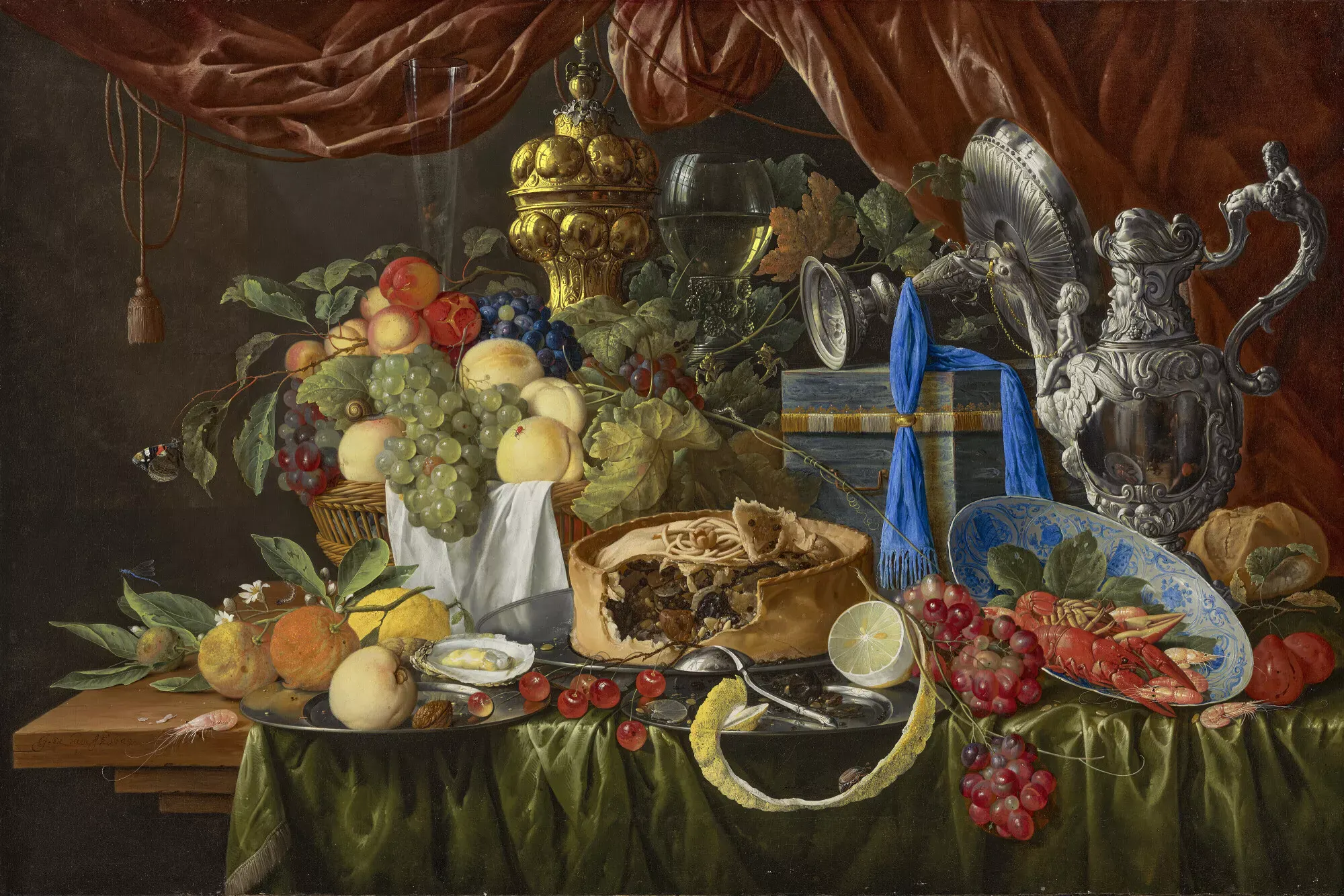
The color palette for 2026 centres on blue, red and brown in rich, earthy tones reminiscent of Baroque painting. Midnight blue, wine reds and deep browns recur throughout interiors, creating a cohesive yet powerful overall impression.
Rooms within rooms
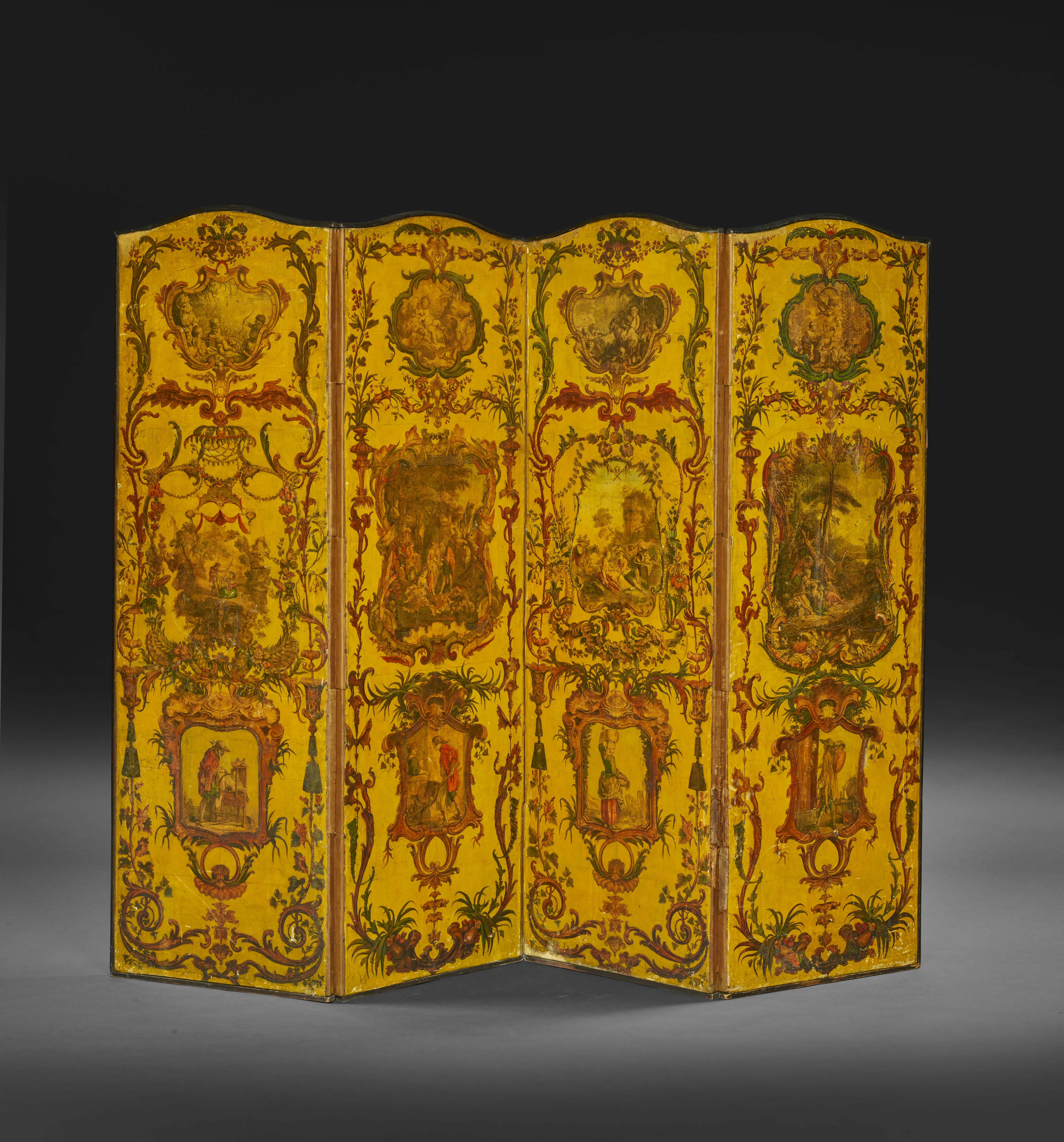
Room dividers, screens and freestanding furniture such as bookcases, cabinets and wardrobes play an increasingly important role in interior design. They create rooms within rooms, add flexibility and introduce greater spatial depth. Older furniture and objects with distinctive detailing are particularly popular, reinforcing the sense of a home that has evolved over time.
Want more articles like this straight to your inbox? Subscribe to our free newsletter!
The eclectic and unexpected

Objects with strong personality and unexpected forms are gaining ground. Surreal lamps, mirrors with optical effects and pieces that spark curiosity contribute to a more lively and expressive home. These are objects that invite conversation and assert their presence in the room.
The table as a setting
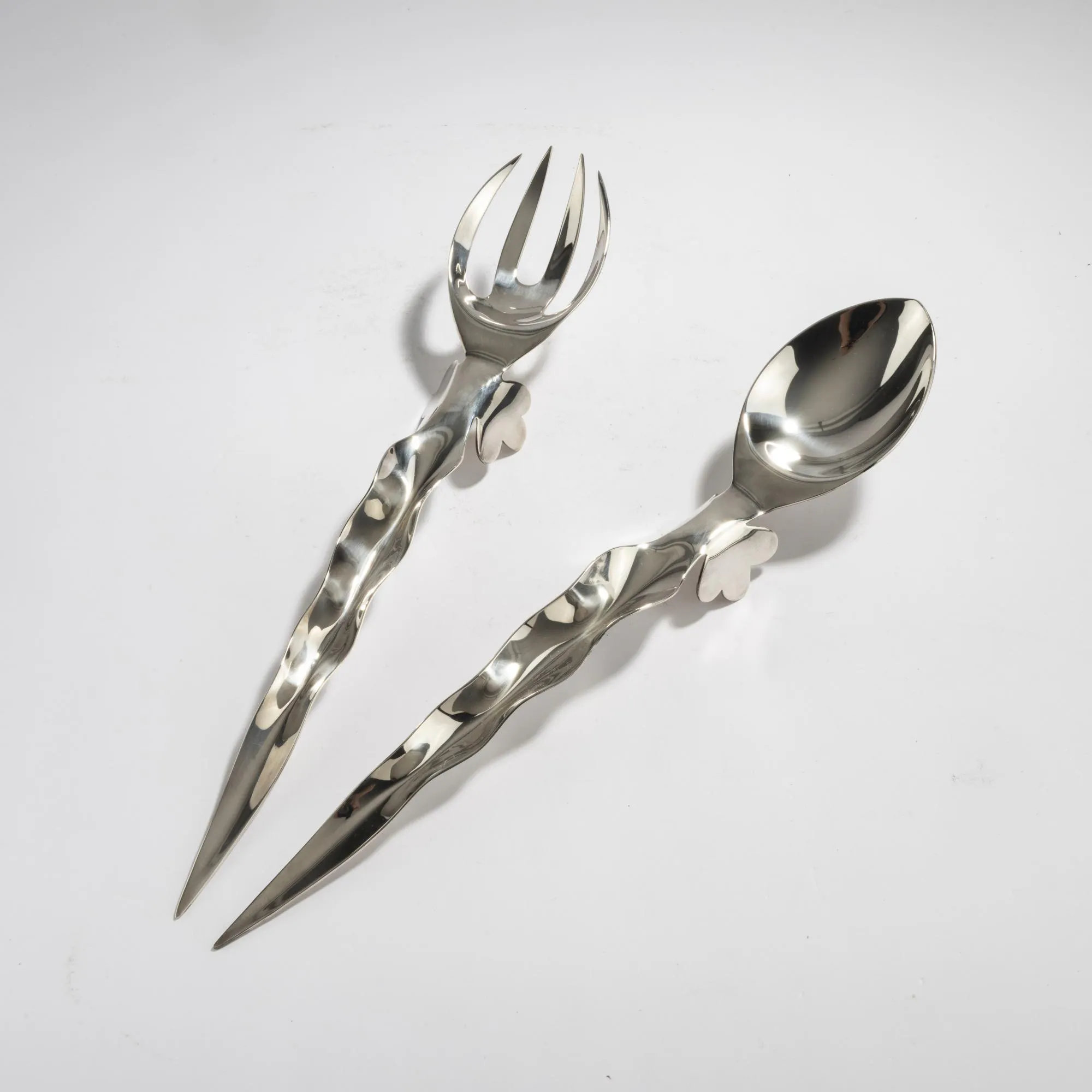
As dining out becomes more expensive, social life is shifting further into the home. Heavy silver trays, extensive glassware collections and carefully composed table settings lend dinner gatherings a more ceremonial feel. The table becomes an integral, deliberately designed part of the interior, where materials and arrangements work together.
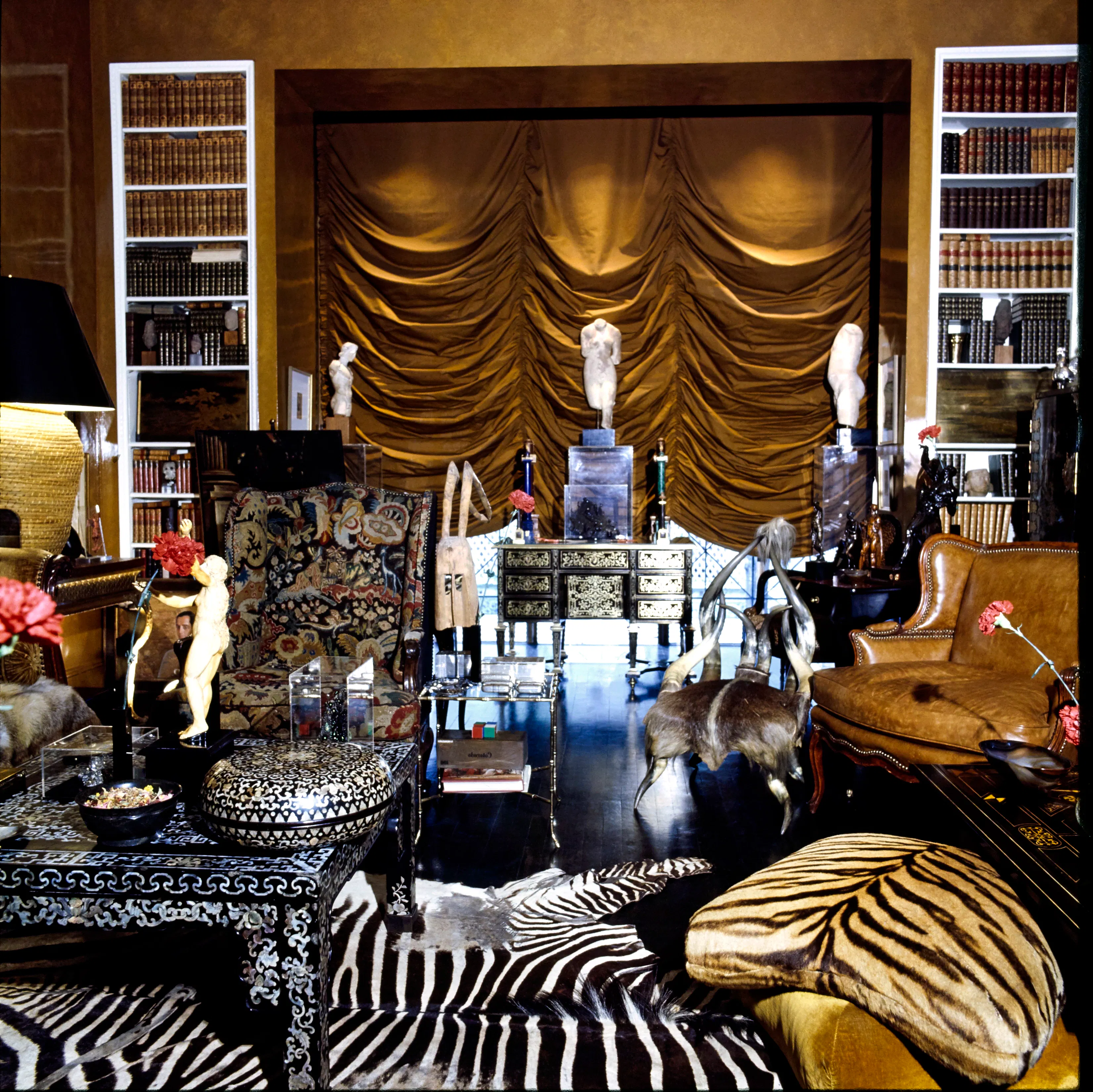
The year 2026 is marked by a growing interest in objects with history, materials that are allowed to take space, and interiors that feel considered and intentional. Through eclectic selections and references to earlier periods, homes are shaped to feel personal, collected and alive, places where everyday life and celebration can coexist.