
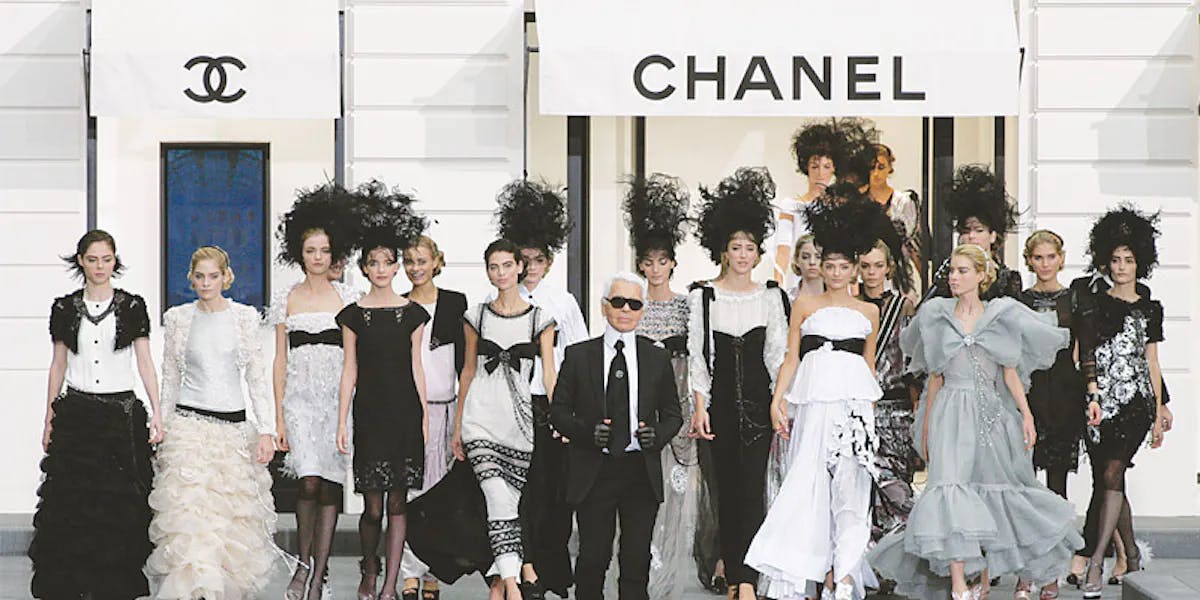
Karl Lagerfeld was born on September 10, 1933 to manufacturer Otto Lagerfeld and his wife Elisabeth in the port city of Hamburg, Germany. His childhood, spent together with an older sister, was sheltered at their estate, far away from the massive bombardments that hit Hamburg during World War II.
At the age of 19, Karl Lagerfeld, who from early childhood was convinced that he would be famous all over the world, moved to Paris, where he studied at a private school and the Lycée Montaigne, before embarking on a career as an illustrator in the fashion world.
Related: The 8 Most Popular Fashion Brands
Lagerfeld won the prestigious International Woolmark Prize in the Coat category in 1954 and was then hired by Pierre Balmain where he completed a tailor's apprenticeship. Yves Saint Laurent also took part in the competition, but in the category of 'evening dress'. The two young talents of the fashion industry initially maintained a friendship, which developed into a rivalry over the years.
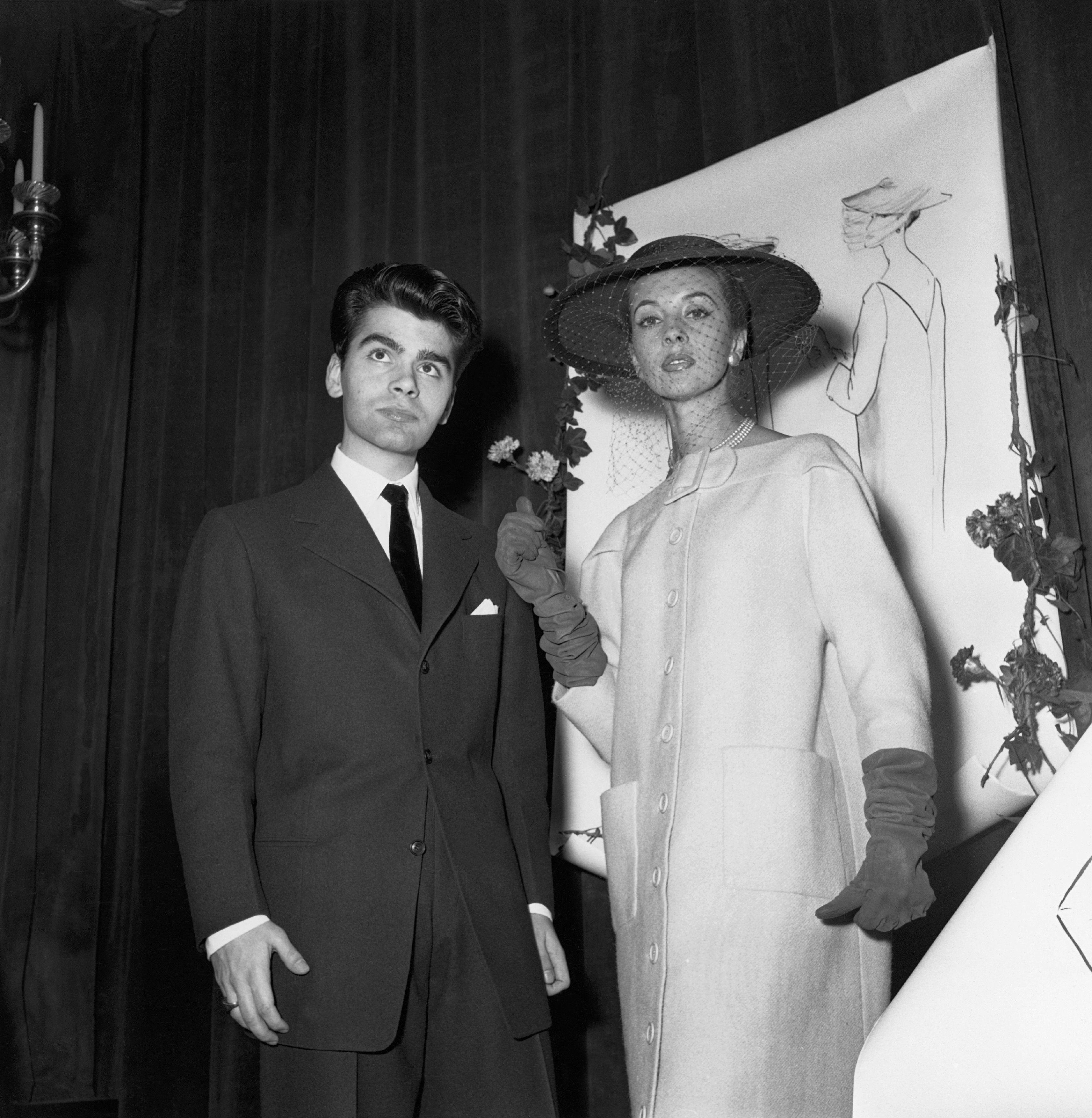
From 1958 to 1963, Karl Lagerfeld worked as Artistic Director for the fashion designer Jean Patou, and from 1963 to 1978 in the same position at Chloé. Incidentally, he also worked as a freelancer for various companies and began to create under his own name. In 1965, he entered into contract with the Italian fashion brand Fendi, for which he designed two collections every year.
Related: Chanel: French Fashion Par Excellence
Finally in 1983, Chanel hired the 50-year-old as Creative Director, first in haute couture, and a year later for their prêt-à-porter collections.
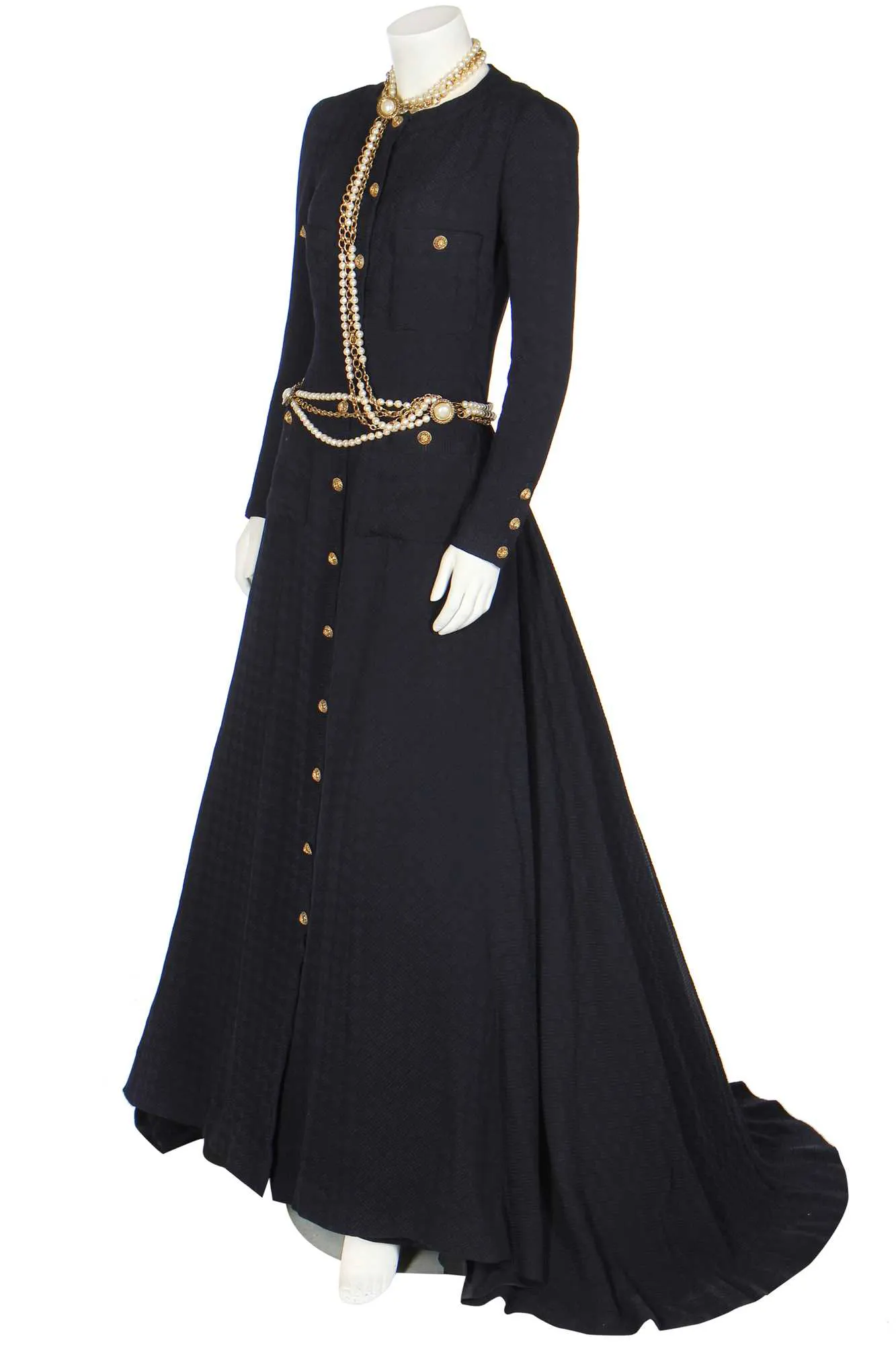
The fashion house, founded in 1913 by Coco Chanel, was the epitome of modern and revolutionary women's fashion in its early years, but after the death of Coco Chanel in 1971, it had somewhat gone out of style. Karl Lagerfeld immediately gave new life to the brand, attracting women of all ages, and launching what is today a multibillion-dollar enterprise.
Related: How Coco Chanel Revolutionized the Handbag
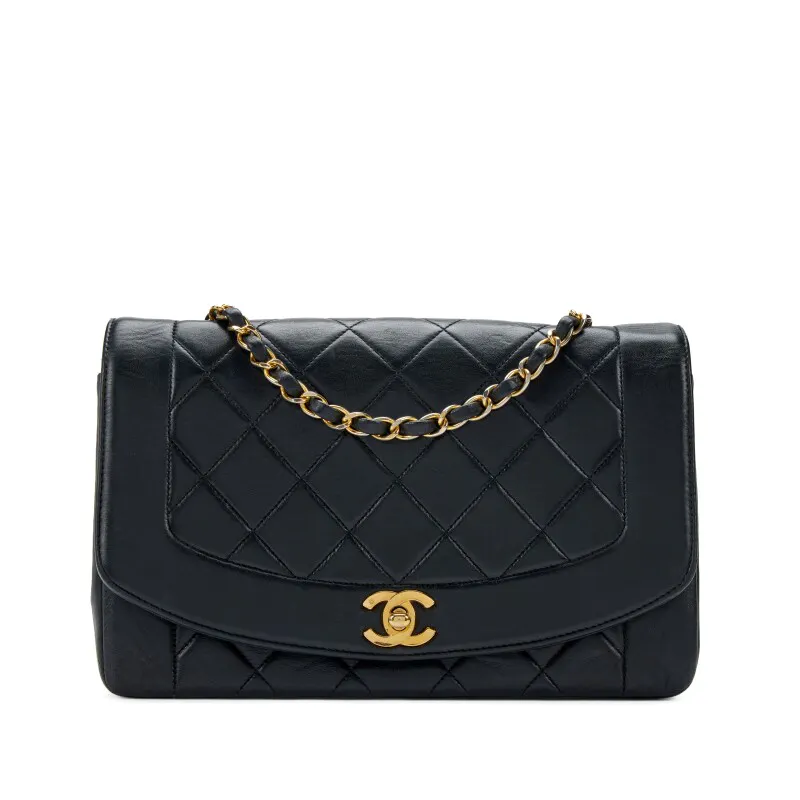
He infused modern flair into the brand, reconciling the chic glamour that Coco Chanel had inspired with a contemporary edge in both haute couture and ready-to-wear. He introduced iconic bags like the Chanel Diana flap, named for Princess Diana, and the Chanel Boy Bag, named for Coco Chanel's lover, Arthur 'Boy' Capel. In 1984, he also founded his eponymous brand Karl Lagerfeld, whose contemporary clothes and accessories were meant to channel 'intellectual sexiness'.
Related: 5 Iconic Handbags and the Women Who Made Them Famous
In 1987 Karl Lagerfeld discovered photography as a new field of activity. His oeuvre spanned from fashion and nude photography to advertising campaigns. In 2013, he published a book titled Modern Mythology, in which his photographs are inspired by Greek antiquity. The photographs of the illustrated book were taken in the South of France and told the Greek myth of the tragically in love couple Daphnis and Chloe. The male 'lead role' was given to model Baptiste Giabiconi, whom Lagerfeld called his muse.
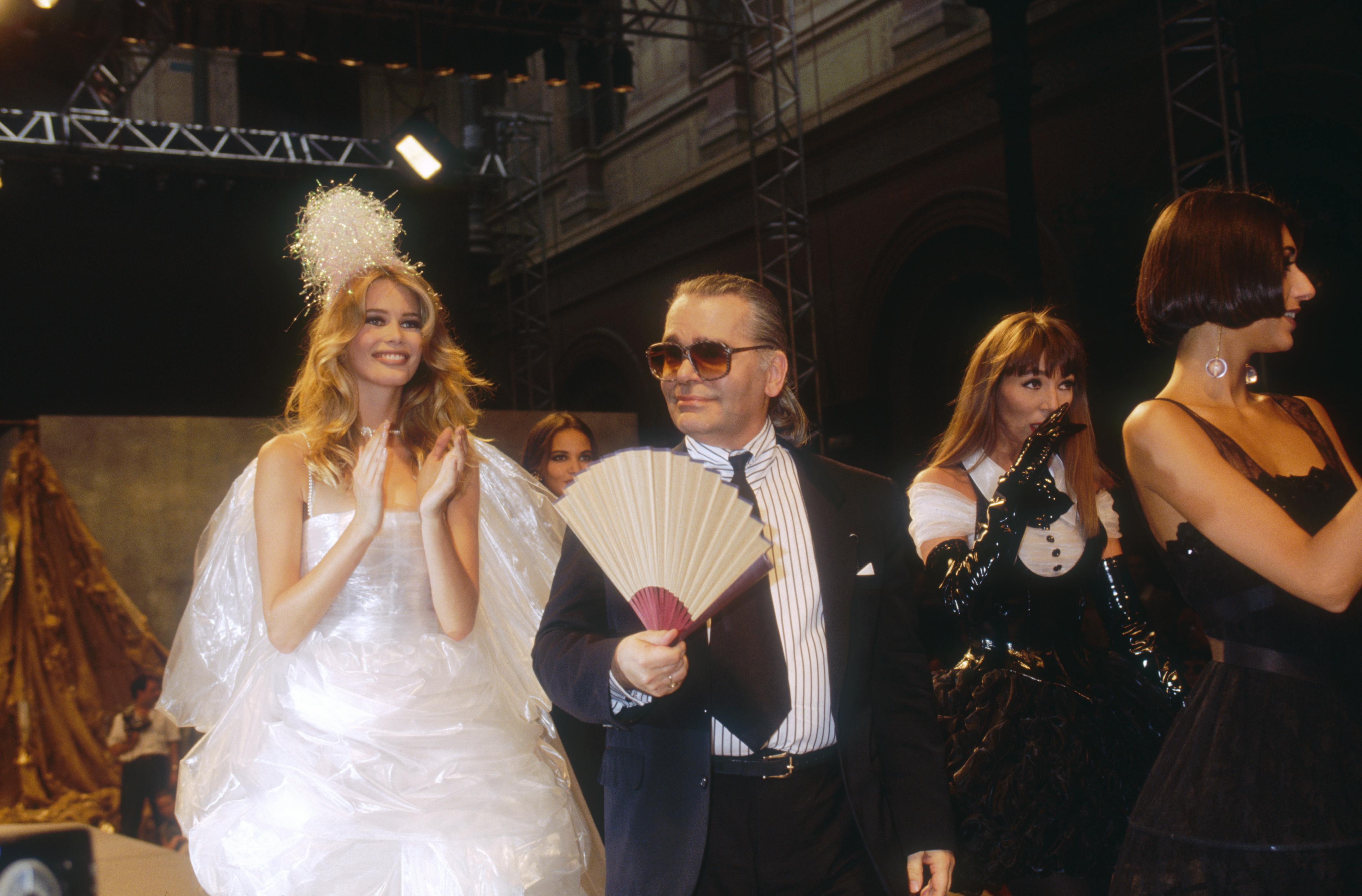
His most important muse, however, was Claudia Schiffer. After she was discovered at the age of 17 in a nightclub in Düsseldorf, she went to Paris and walked on the runway in 1988 for Chanel. The rest is fashion history. Until Lagerfeld's death, he and Claudia Schiffer had a close professional and personal friendship.
Related: Haute Couture: Fashion Meets Art
Undoubtedly, Karl Lagerfeld was a workaholic, but he enjoyed his work and did not allow himself to be worn down by it. But where did all this creativity come from? On the one hand, it must have been intrinsic; on the other, he certainly owed it to his love of learning. More than 300,000 books line the shelves and pile up on the tables of his homes in Paris, Monaco, Rome, Biarritz, New York and Vermont.
Related: It’s in The Bag: The Handbag Collectors’ Market
By 2011, a Burmese cat named Choupette captured the heart of the fashion designer, who from then on lived a luxurious life at his side. In addition, the kitten 'worked' as a model and became Lagerfeld's muse for his own collections, as well as generating a 120,000-follower strong social media base.
Undoubtedly, Karl Lagerfeld was an icon who cultivated his image with an excellent sense of humor. His most recognizable features were his white braided ponytail and black sunglasses. In the 1980s, but especially in the 1990s, when he was struggling with weight problems, a fan was his constant companion.
Want articles like this straight to your inbox? Subscribe to our free newsletter here!
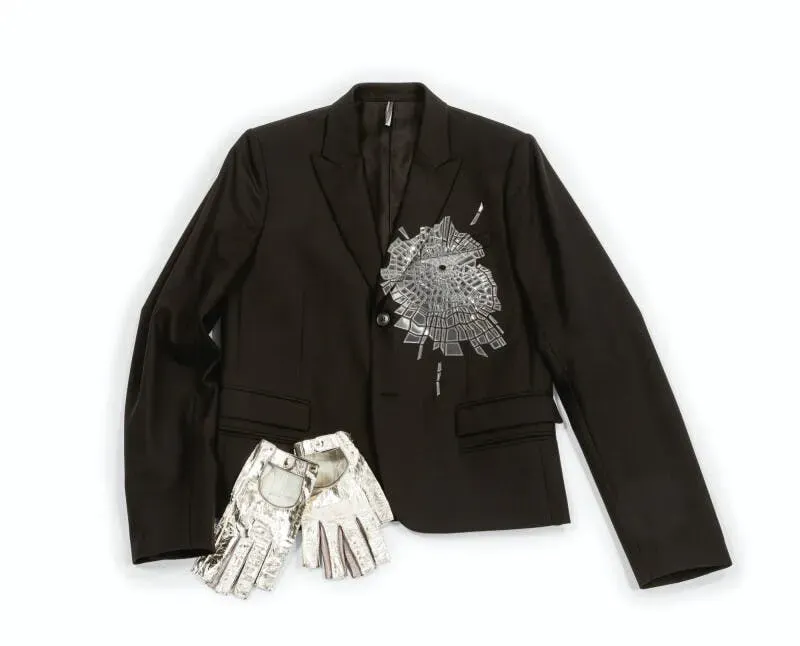
The turnaround came in 2000, when Lagerfeld was unable to wear the slim-fitting Dior Homme suits. He immediately went on a diet, that he later publicized, and lost more than 90 pounds in just 13 months. In addition to his previous trademarks, a slimming black and white tailored outfit, a high collar and driver gloves became his uniform.
Related: Christian Dior: A Flash of Brilliance
Karl Lagerfeld died on February 19, 2019 at a hospital in Neuilly-sur-Seine near Paris, due to pancreatic cancer at the age of 85. Already in January 2019, his absence at the Chanel show at Paris Fashion Week had led to speculation about his potentially worrying state of health.

However, Lagerfeld's legacy will live on with his iconic designs, dedicated eye to detail and style, and the international prowess of Chanel. He revolutionized the world of fashion, bringing it into the 21st century while maintaining its timeless elegance and glamour.
Related: The Karl Lagerfeld Auctions Bring Astounding Results
This is reflected by the success of his estate, which was sold in three parts at Sotheby's, and which captured his wide-ranging style in both fashion, art and design. The most astounding result was for four notebooks with fashion drawings, which the designer had used around the year 2000. Estimated at 500-800 euros, the unique piece of fashion history was finally sold for 315,000 euros (including buyer's premium and fees), showcasing the enduring fascinating with Lagerfeld's genius.


