The relationship between artists and their muses has been immortalized forever in their art. Given the amount of time spent together, these unions often grew into passion and love, and though some stood the test of time, many devolved into stormy divorces or even death. Here are the most famous models and muses of art history, both as they were portrayed in painting and in photographs:
Berthe Morisot (1841-1895)
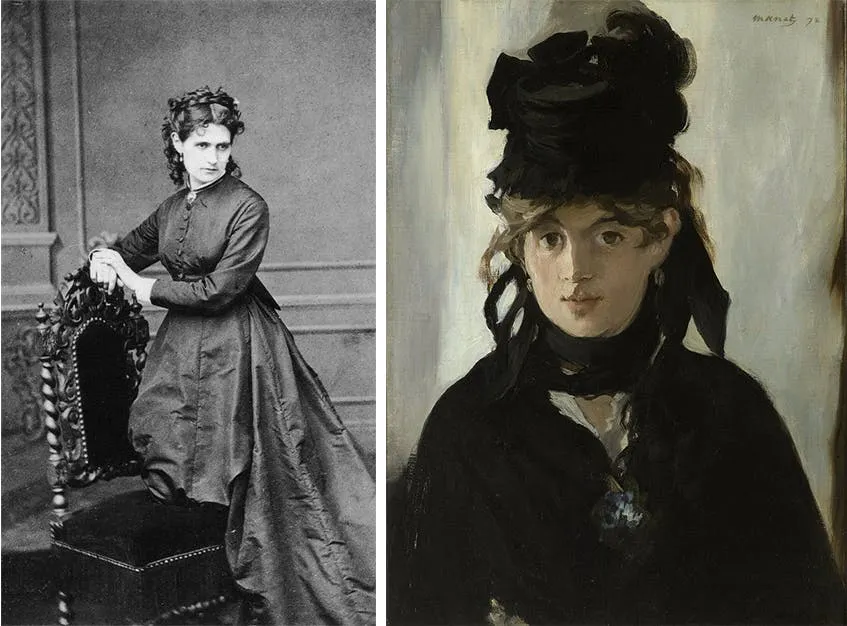
Berthe Morisot was not only a model of Édouard Manet, but a famous Impressionist painter herself. Manet, painted her twelve times between 1868 and 1874. At that time it was very unusual for a young woman of her high status to sit as a model for paintings that were not commissioned portraits. Morisot and Manet's relationship was purely platonic as Morisot married his brother, Eugène.
Elizabeth Siddal (1829-1862)
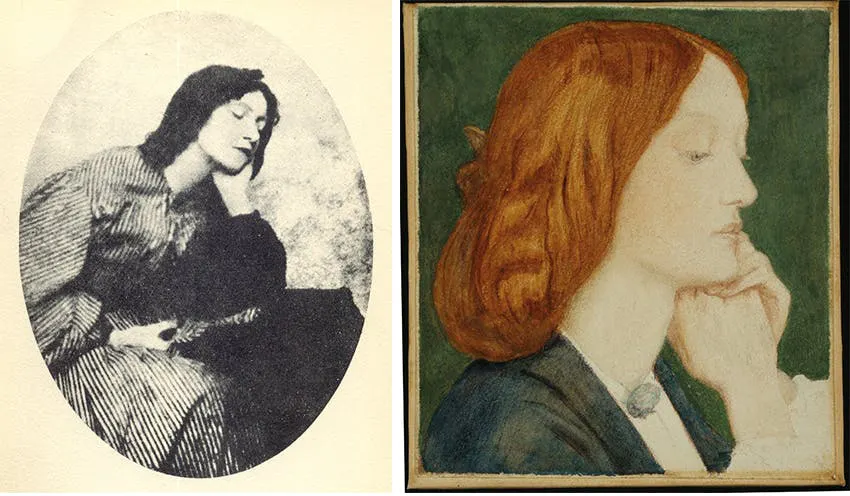
Though Englishwoman Elizabeth Siddal was active as a painter, her ethereal beauty made her the favorite model of the pre-Raphaelite artist group. She married one of these painters, Dante Gabriel Rosetti. However, her work as a model for John Everett Millais' Ophelia was to doom her to a young death.
Jeanne Hébuterne (1898-1920)
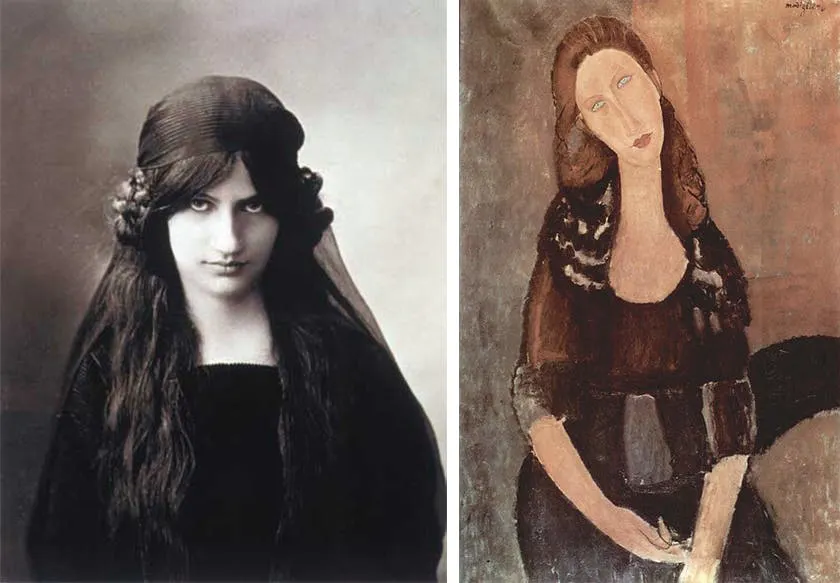
When 19-year-old Jeanne Hébuterne met the 14-year-old Amedeo Modigliani in Paris in 1917, she was a talented art student. He was a brilliant painter, whose genius unfortunately escaped most of his contemporaries and Jeanne's parents who were against the relationship. But Jeanne chose to stay with the poor painter who suffered from tuberculosis and alcohol addiction. Their relationship ended tragically with Modigliani's early death and Jeanne's subsequent suicide.
Emilie Flöge (1874-1952)
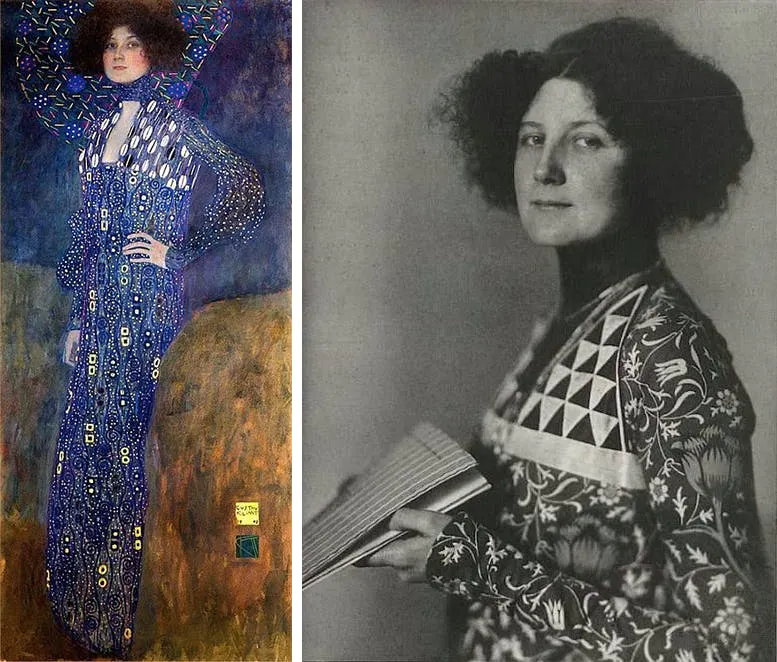
At the beginning of the 20th century, Emilie Flöge worked as a fashion designer with her two sisters and ran a haute couture salon where they sold loose-fitting “reform dresses." Well connected in the Viennese art scene of the Belle Époque, Emilie met the brother-in-law of one of her sisters, the painter Gustav Klimt, around 1890. She was his partner and muse until his death in 1918.
Wally Neuzil (1894-1917)
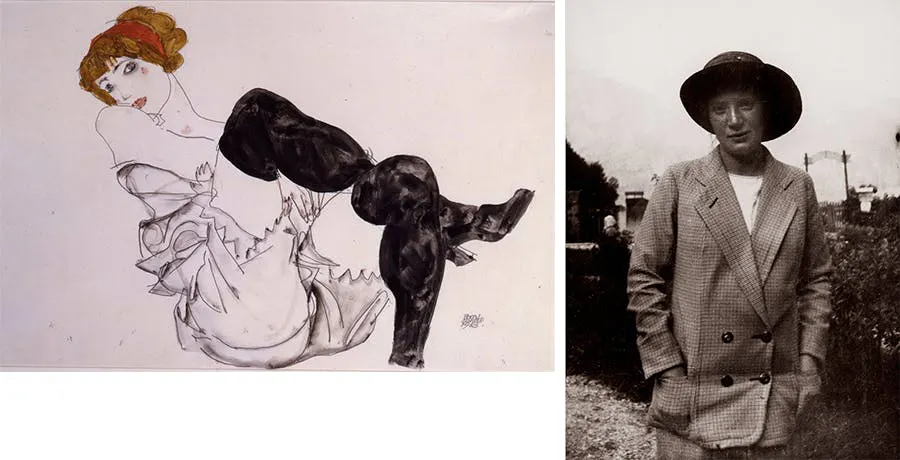
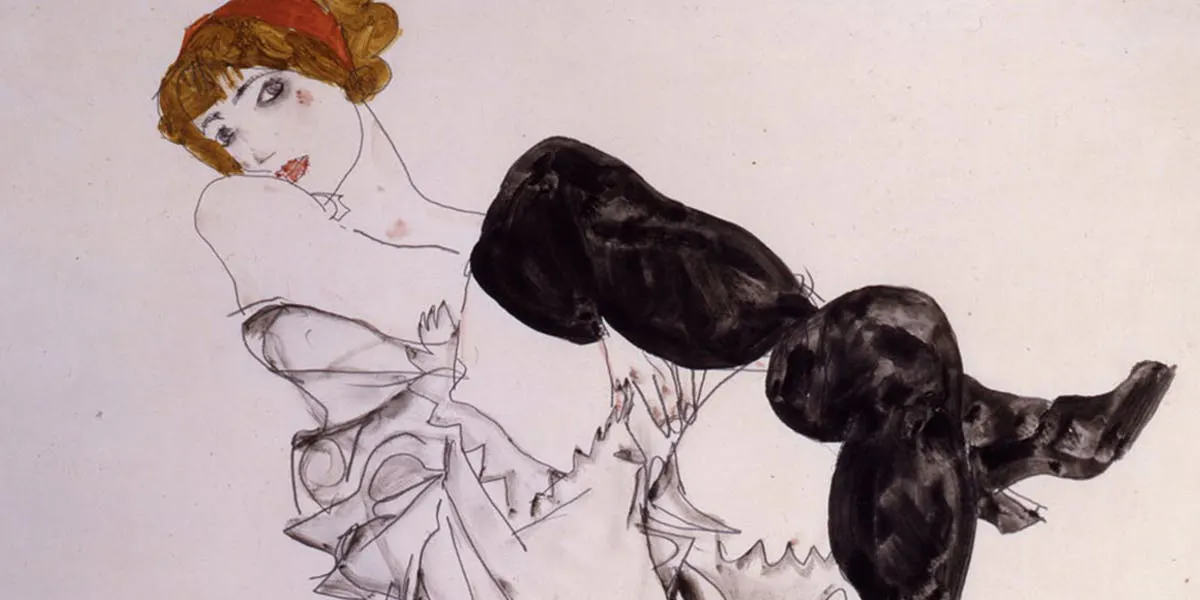
Beginning in 1912, Wally Neuzil, who was not artistically active herself, was Egon Schiele's partner and muse for three years. It was an important phase in the artist's work, in which many masterpieces and erotic drawings were created. However, Schiele married another woman in 1915. His proposal to establish a kind of tripartite relationship was not received positively by either his wife or Wally. Wally Neuzil died of scarlet fever in 1917, Egon Schiele the following year from the Spanish flu.
Marie-Hortense Fiquet (1850-1922)
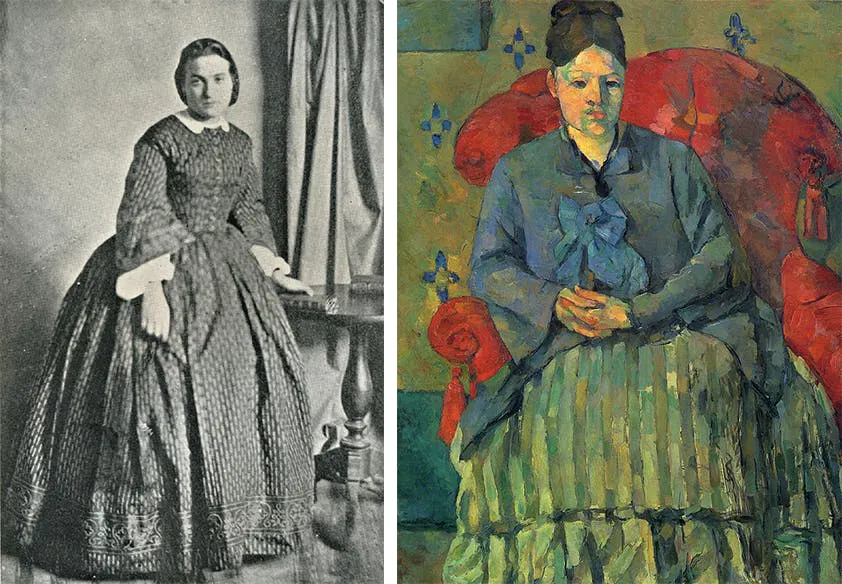
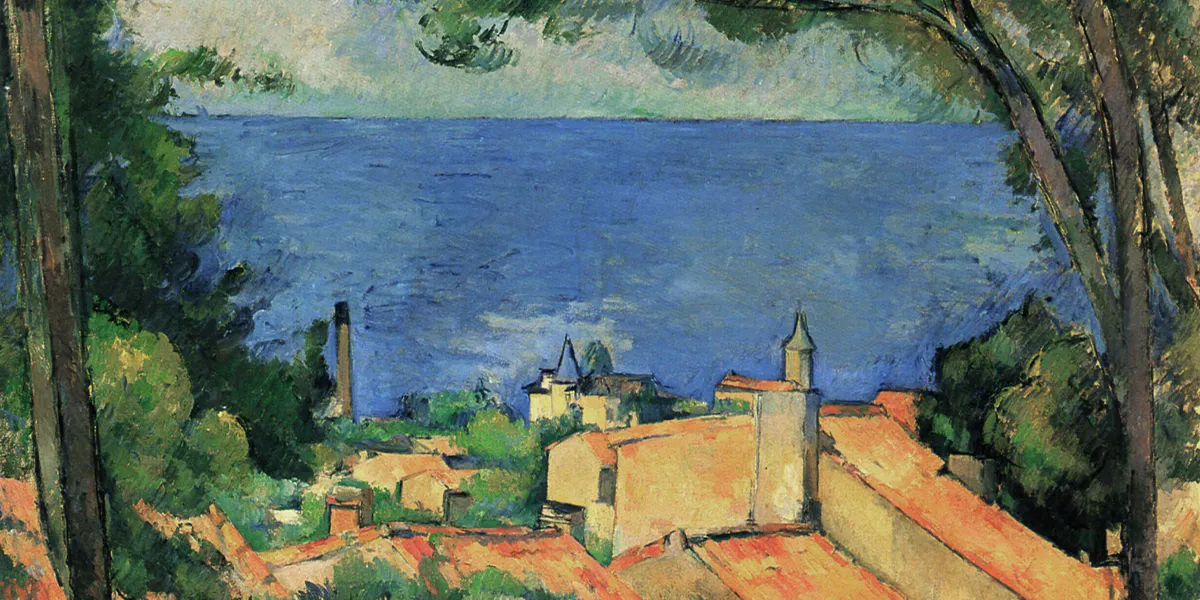
Fourteen years after the birth of their son, Paul Cézanne married his partner Marie-Hortense Fiquet in 1886. The marriage was not a happy one and they lived separately for the majority. Nevertheless, Hortense was his preferred model, who had to pose for him for hours.
Perhaps no other artists had as many muses (who were also lovers) as Pablo Picasso. Here are the muses who changed his life and inspired his art.
Fernande Olivier (1881-1966)
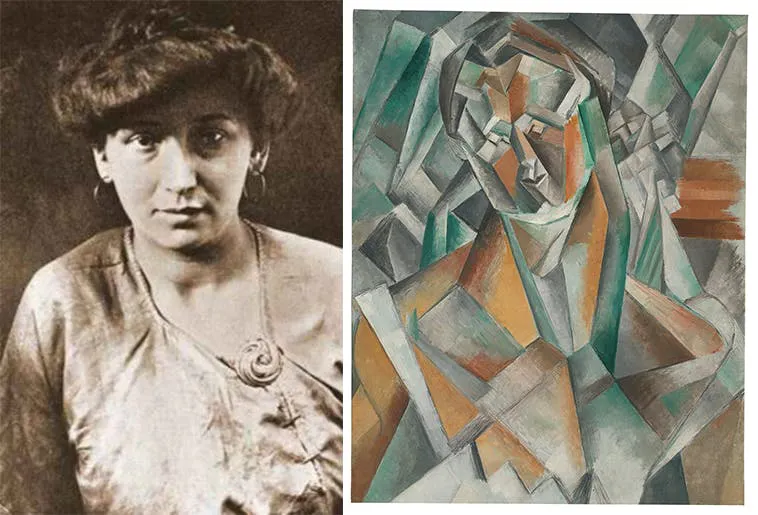
In 1905 Fernande Olivier, actually Amélie Lang, became the first partner and muse to Picasso. They spent seven years together, during an important period in Picasso's career when he developed Cubism, a manner in which he portrayed Fernande several times.
Olga Chochlowa (1891-1955)
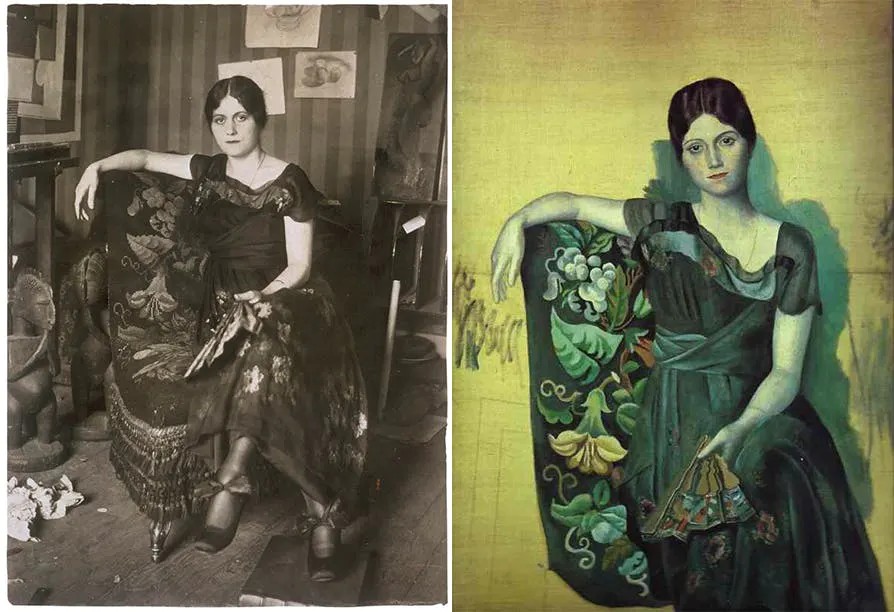
Picasso met dancer Olga Chochlowa in Rome in 1917 when he designed costumes and sets for the Ballet Russes. They married in Paris in 1918 and had their son Paolo three years later. The marriage finally broke up due to Picasso's affair with Marie-Thérèse Walter, and from then on they lived separately, but never divorced.
Marie-Thérèse Walter (1909-1977)
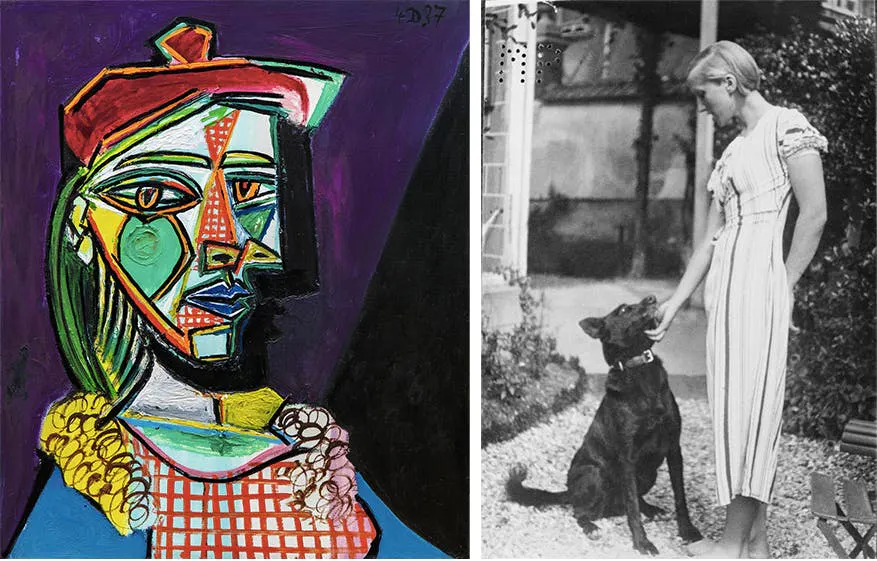
Beginning in 1927, Marie-Thérese Walter was Picasso's secret mistress until 1935, when their daughter Maya was born. He was fascinated by her beauty and painted her again and again. When the 1932 painting Nude with Green Leaves and Bust, for which Marie-Thérèse modeled, was auctioned for $106 million in 2010, it was Picasso's most expensive work to date on the auction market.
Dora Maar (1907-1997)
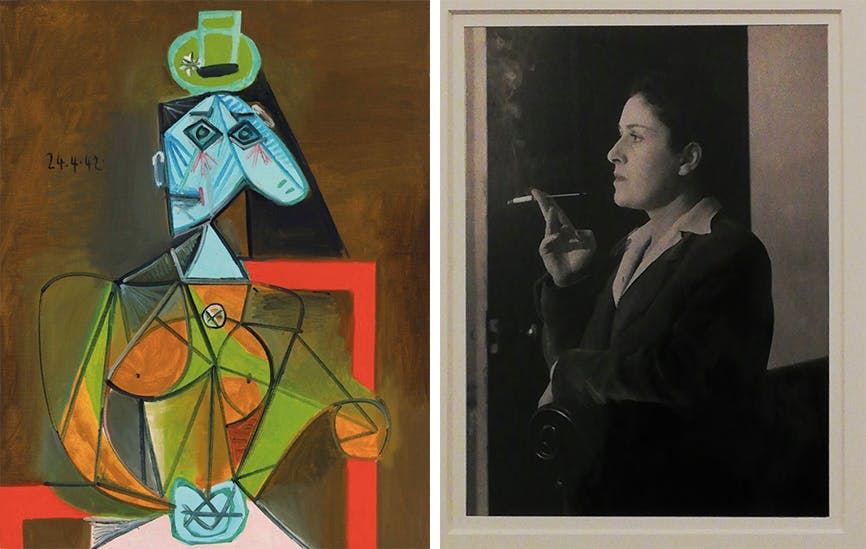
As early as 1935, Marie-Thérèse Walter had competition from the passionate photographer Dora Maar, who also became Picasso's lover. For three years the two women competed for the painter's love and attention. In 1937 Dora Maar photographically documented the creation of Picasso's patriotic masterpiece Guernica. When Picasso left her in 1943 for 21-year-old Françoise Gilot, Dora Maar fell into a severe depression.
Françoise Gilot (b. 1921)
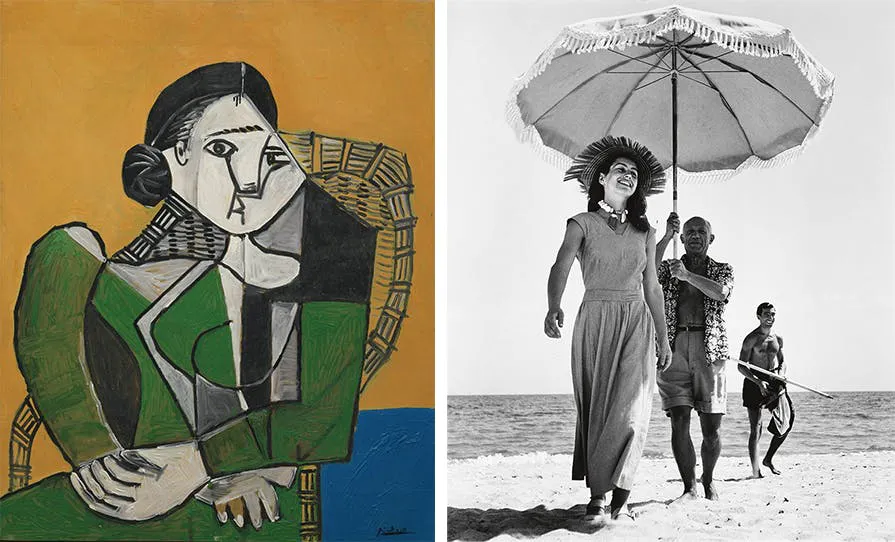
Françoise Gilot was just starting to gain a foothold as a watercolor painter when she met Picasso, who was 40 years her senior, and she became his next muse and partner. They had two children together, Claude and Paloma, and lived in Vallauris in southern France from 1948. Then, in 1953, Françoise left him. Picasso subsequently prohibited all galleries in Paris from exhibiting his works of her. To make a living, Françoise Gilot published a book in 1964 about her years with the painter.
Jacqueline Roque (1927-1986)
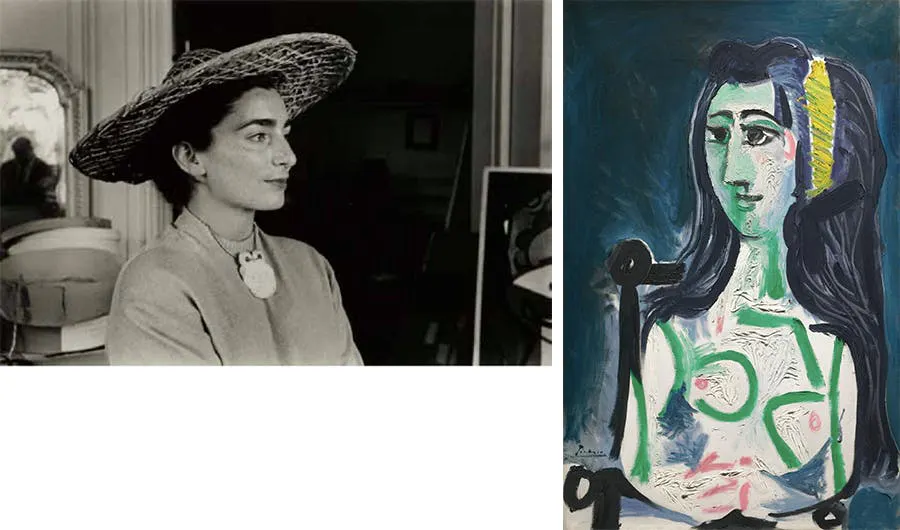
Jacqueline Roque, who worked in Vallauris as an employee of Picasso's ceramic factory, became the painter's second wife in 1961 and his most represented model. In order to win the young woman over, the 70-something painter was persistent: for six months he brought her a rose every day until she was ready for a relationship.
The painter Henri de Toulouse-Lautrec, who came from a wealthy family, found acceptance in the artist haven of Montmartre. He recorded the life of local artists and dancers not only in paintings, but also on posters that he designed for various shows in bars and dance halls.
Louise Weber "La Goulue" (1866-1929)
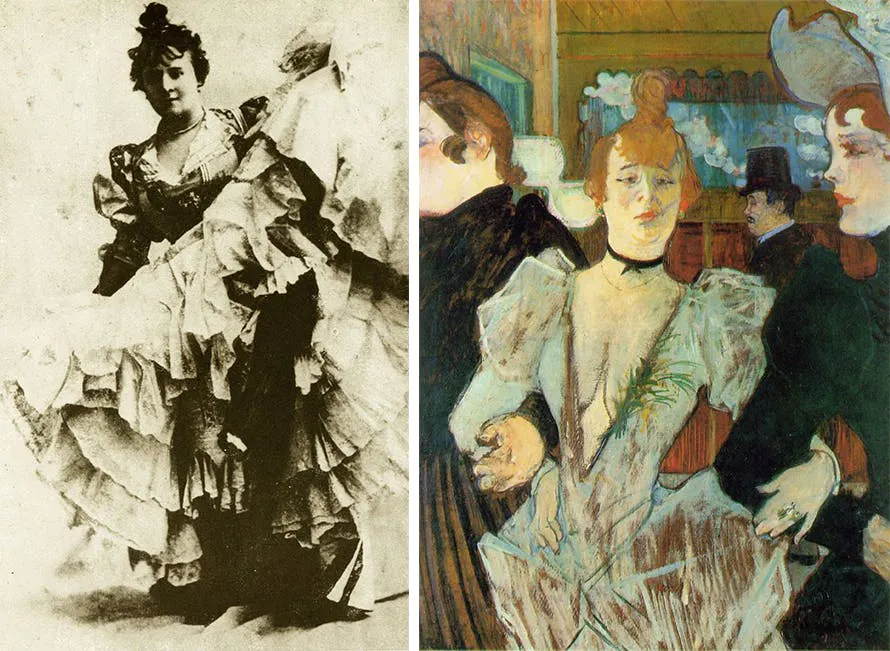
The queen of the can-can dancers in the Moulin Rouge was Louise Weber, called "La Goulue" (The Glutton). Toulouse-Lautrec made one of his most famous posters for one of her shows. After leaving the Moulin Rouge in 1895, La Goulue danced in her own booth on the Foire du Trône in Paris before marrying an artist in 1900 and traveling with him from one fair to another as a lion tamer.
Marcelle Lender (1862-1926)
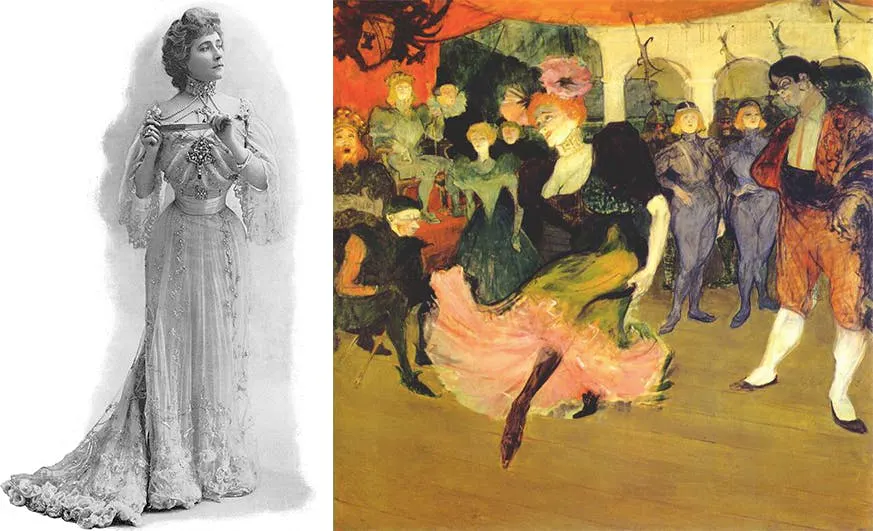
Another star on the Paris stages was the actress and dancer Marcelle Lender, who was also painted several times by Henri de Toulouse-Lautrec. His famous portrait shows Lender Bolero dancing in the play Chilpéric.
Loïe Fuller (1862-1928)
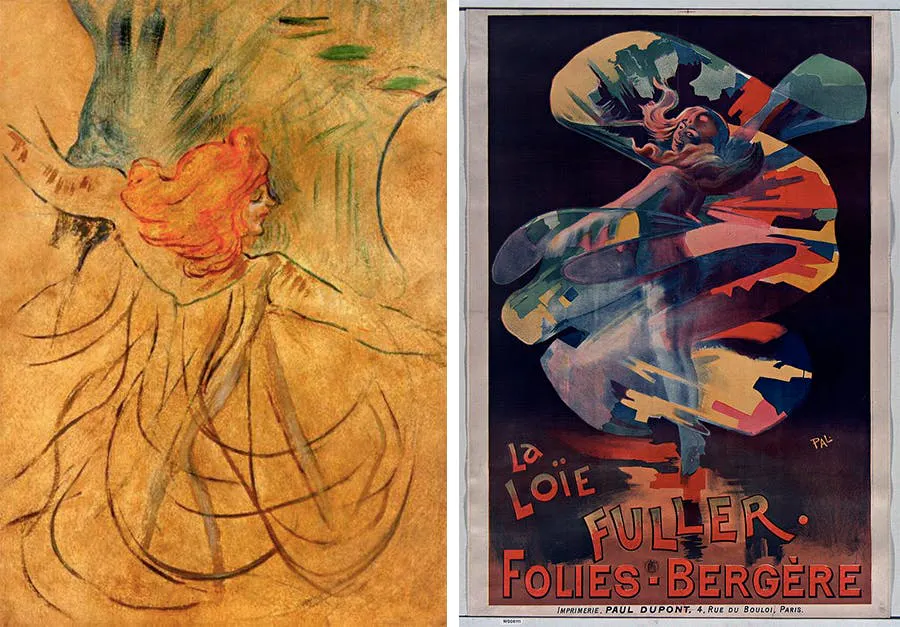
The American dancer Loïe Fuller, who appeared in Paris from the 1890s, was of great importance for the development of modern dance. Her stage appearances, including the famous serpentine dance, inspired many artists, including, of course, Henri de Toulouse-Lautrec. A new medium provides information about the actual appearance of Loïe Fuller here:
Discover news and stories from the world of art and auctions in our magazine!