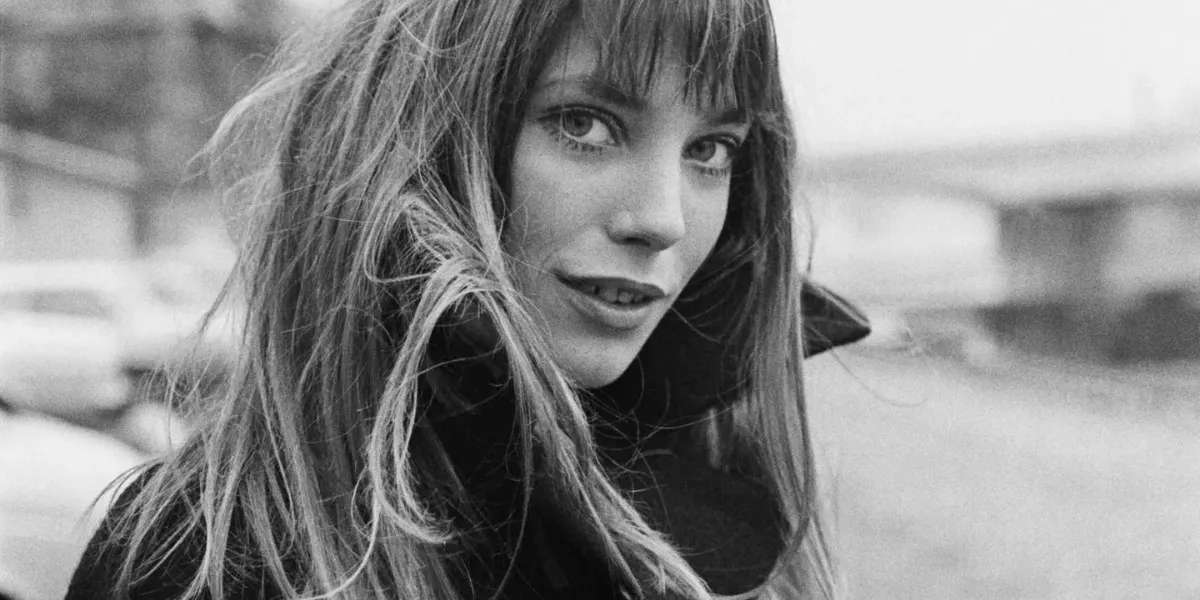
Jane Birkin was born in London in 1946 to an actress mother and a soldier father. At the age of 17, she married composer John Barry, with whom she had a daughter, Kate. After their divorce, Jane Birkin began auditioning for television films.
Related: Summer in the Sixties
She quickly made a name for herself in 'Swinging London': she landed a role in Michelangelo Antonioni's Blowup (1966) – a controversial film because of an explicit scene in which Jane appeared. She had a more substantial role in Jack Smight's Kaleidoscope (1966), and then in Joe Massot's Wonderwall in 1968. That same year she auditioned for the lead role in Pierre Grimblat's Slogan. Although she didn't speak a word of French, she got the part and starred alongside Serge Gainsbourg, whom she met for the first time there. But it was thanks to her role in La piscine (Jacques Deray, 1969), alongside Alain Delon and Romy Schneider, that Jane Birkin was able to establish herself permanently in France. Thanks to her talent and daring, her international career was quickly launched.
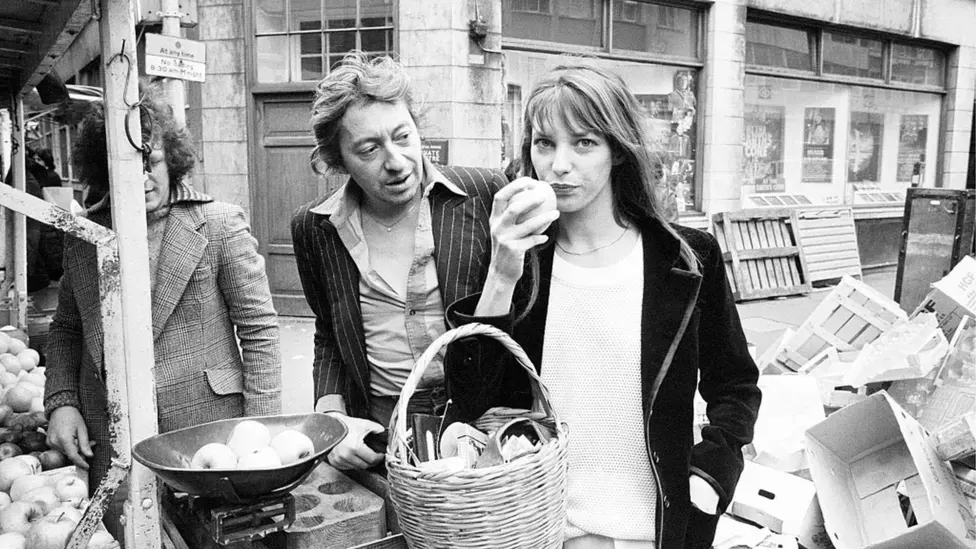
In 1969, her relationship with Gainsbourg intensified and together they sang the song Je t'aime...moi non plus, causing a scandal because of its explicitly sexual references. She then appeared on the album Histoire de Melody Nelson in 1971, where she played the role of Melody, both in the songs and on the album cover. More than just a muse, Birkin was Gainsbourg's collaborator in many ways. She would later recall: "[It's] very flattering to have probably the most beautiful songs in the French language written for you. But how talented was I really? Maybe not that much." Nevertheless, Birkin gave Gainsbourg a great deal of advice, both about his image and his songs, and there is no doubt that he listened carefully.
Related: On and Off the Canvas: Art's Most Famous Muses
Their relationship lasted 12 years, and their daughter Charlotte was born in 1971. Gainsbourg, however, was too violent, and they finally separated in 1980. After their separation, Birkin worked alone, though he continued to write regularly for her, for her albums in French and English.
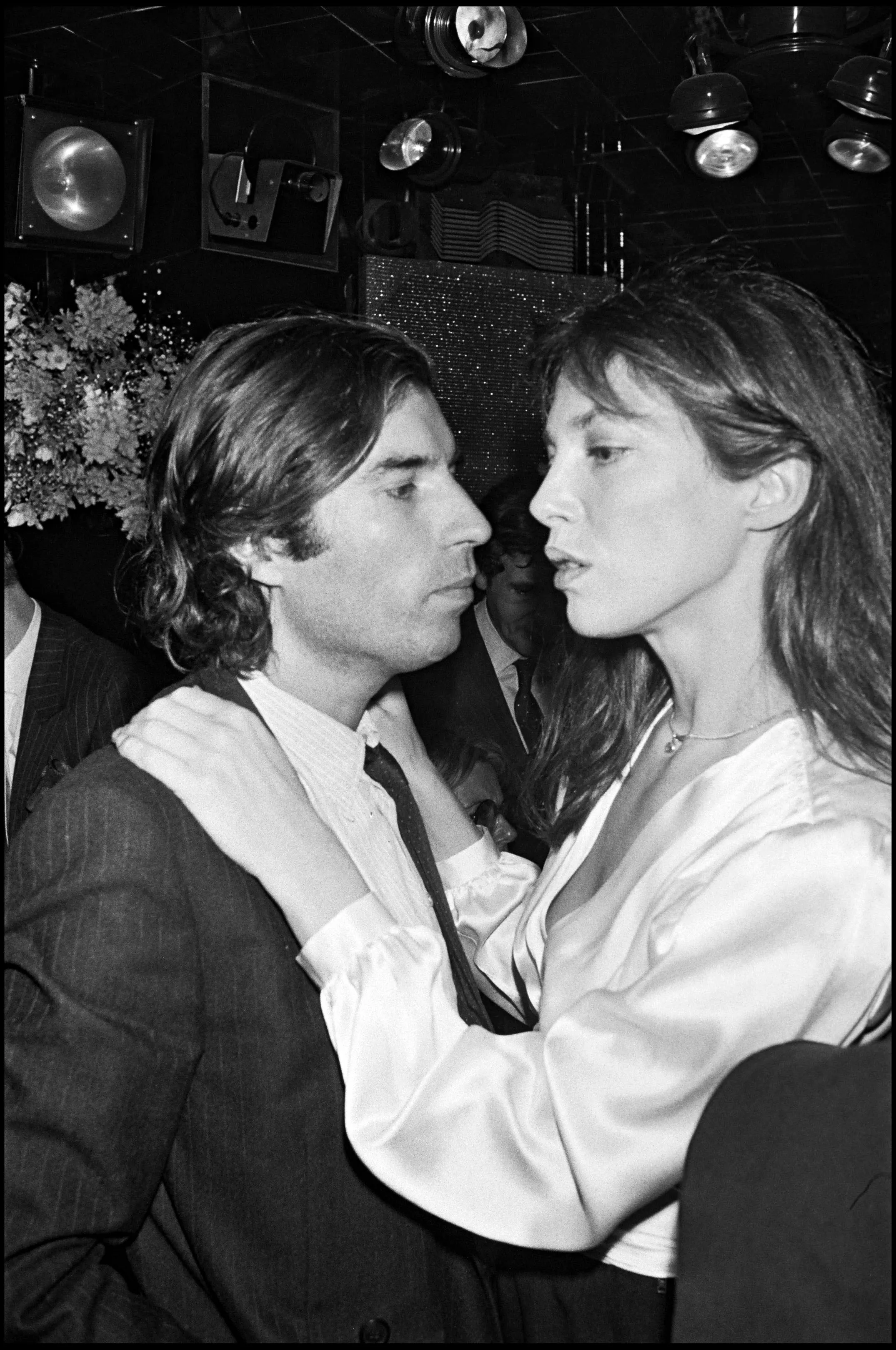
Jane Birkin then met Jacques Doillon, a meeting which she said was a real turning point in her career. She starred in his film La fille prodigue (1981), in which she played a jealous young woman who wanted to use her father's feelings for his mistress to her advantage. The theme was transgressive, and Jane Birkin claimed that it was the first time a director had offered her such a role, in which she could completely let go. They then went on to make La pirate, an even more transgressive film, which caused yet another scandal at Cannes because of the themes of homosexuality and polyamory that it tackled.
Jacques Doillon and Jane Birkin began a relationship that would last 13 years, giving birth to Lou Doillon in 1984.
Want more articles like this delivered straight to your inbox? Subscribe to our free newsletter!
As well as music and film, Jane Birkin also had a huge influence on fashion. A model and trendsetter, she never stopped posing for photographers. She could wear anything with a natural, sophisticated elegance, halfway between France and England.
Related: 5 Iconic Handbags and the Women Who Made Them Famous
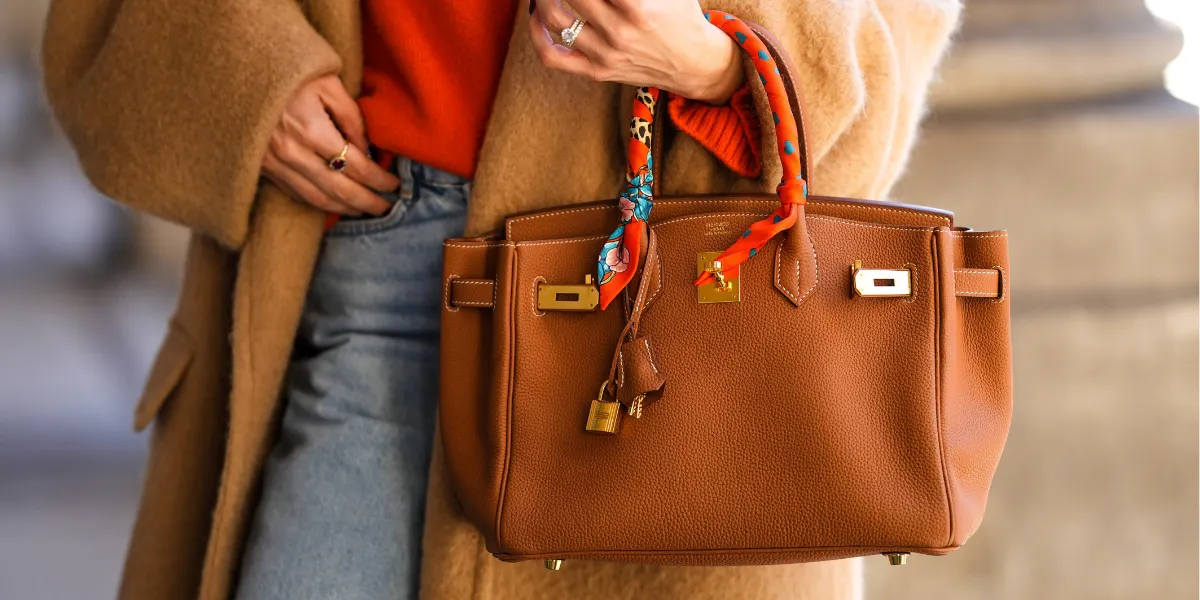
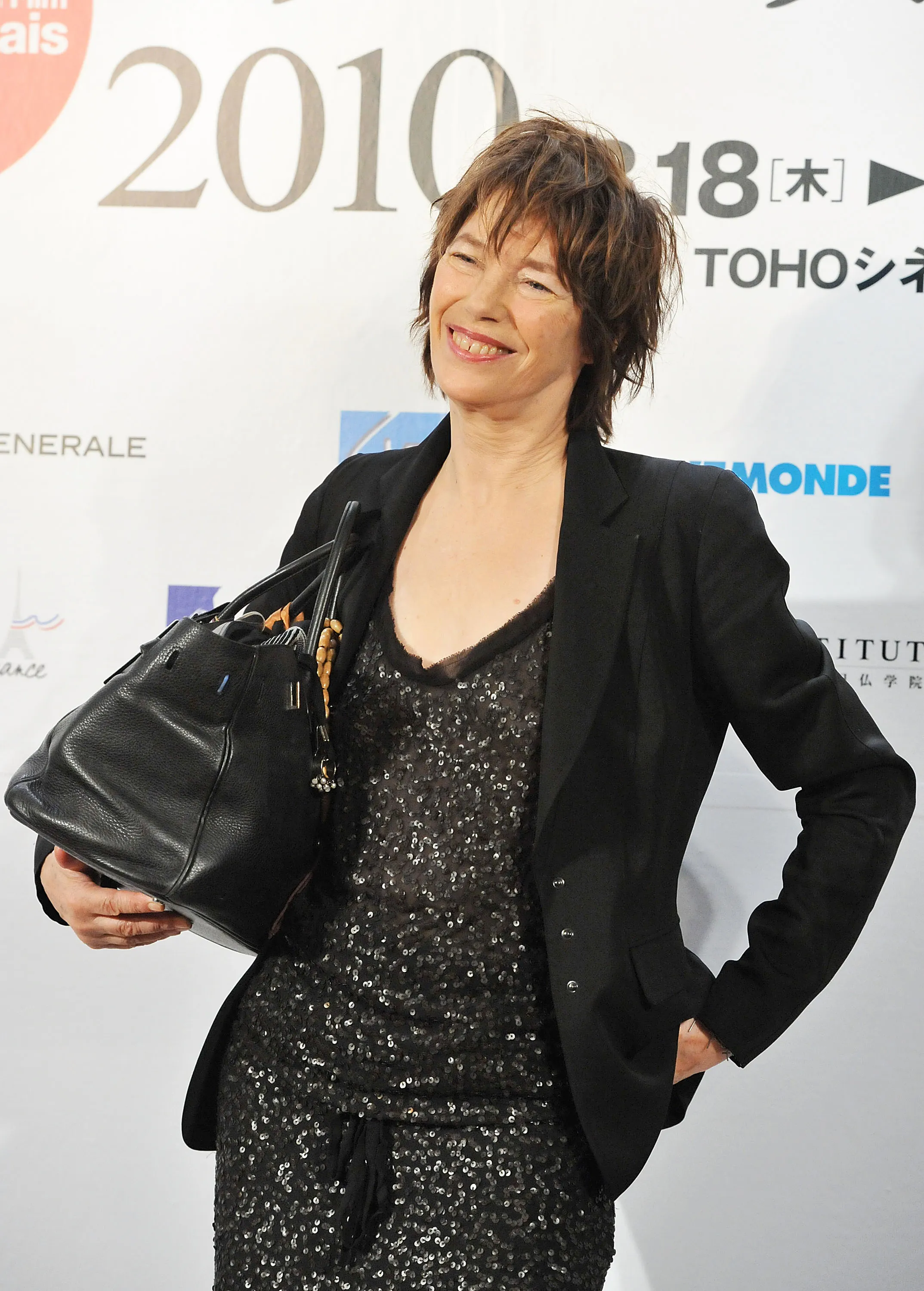
In 1983, Jean-Louis Dumas, CEO of Hermès, was sitting next to Jane Birkin on a flight from Paris to London. The contents of her bag spilled onto the floor and she explained to her neighbor how difficult it was to find a practical bag capable of holding everything a mother needed. In 1984, he created a bag for her in supple black leather: the Birkin bag, which went on to become a status symbol, with prices ranging from 10,000 to 500,000 pounds.

From the 1990s onwards, Jane Birkin completely freed herself from her status as muse and revealed herself entirely in her art, through intimate albums displaying the full potential of her lyrical talent. Birkin certainly didn't need the male figures to whom she was easily attached. In fact, she continued to appear on stage until a few months ago.
Both actress and singer, Birkin was an artist in her own right, one who also always knew how to experiment, renew and transgress, all the while becoming the icon we know today. To the public, she represents both the liberated and liberating woman – but also elegance and, perhaps in spite of herself, scandal.