
Here are eight of the most unforgettable painted faces.
Leonardo da Vinci, Mona Lisa (circa 1503-06)
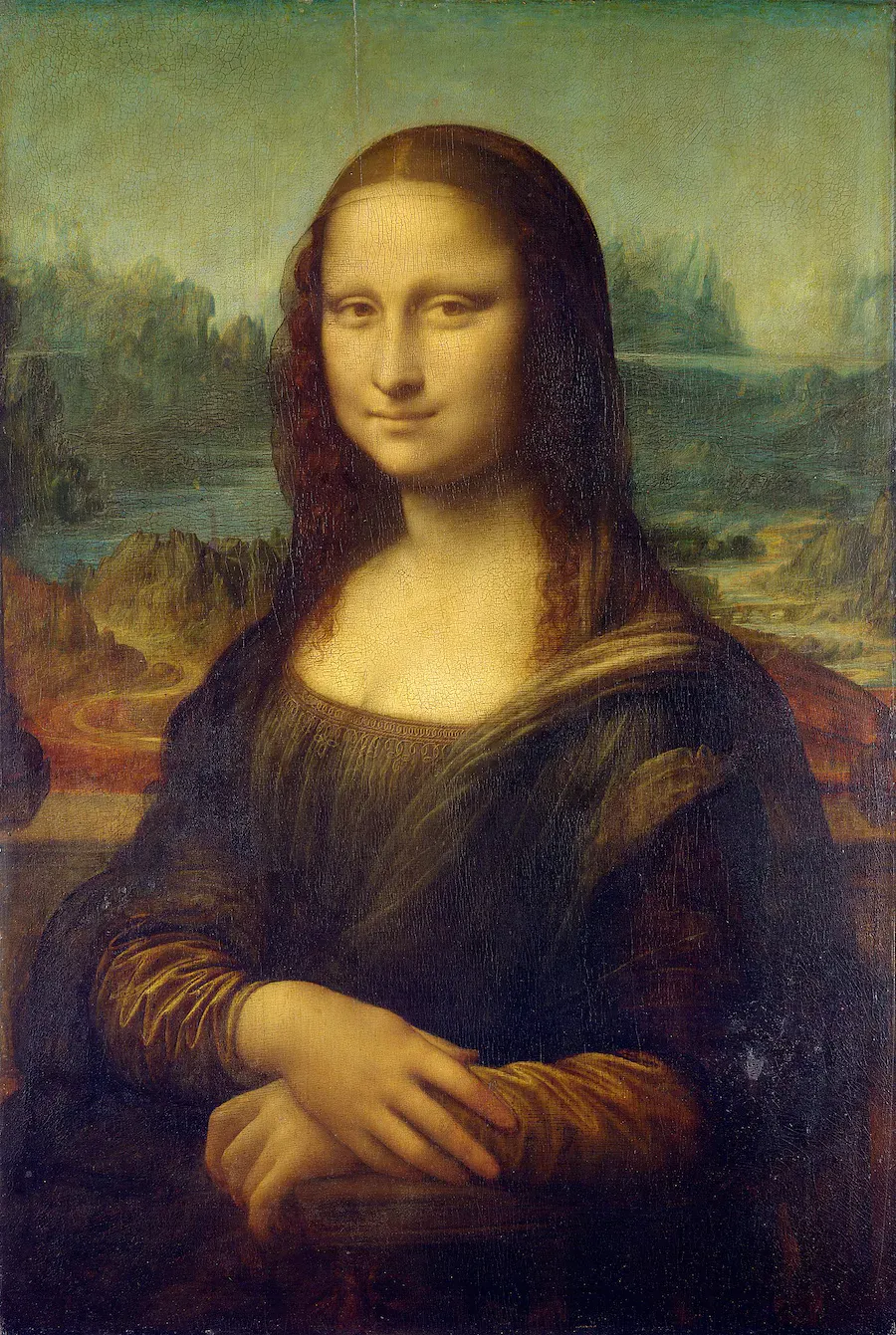
Is it possible to make a list of the most unforgettable faces in the history of art without mentioning Leonardo da Vinci's Mona Lisa? Probably not. It is arguably the world's most famous artwork, partly because of the subject's inscrutable face. The theories behind Mona Lisa's mysterious smile are countless. Some believe that the woman in the painting was not originally smiling, but that her smile was added by da Vinci at a later date. Others believe that she was actually a man, or that it is in fact a self-portrait of da Vinci. While the mysteries of the Mona Lisa are endless, her peaceful, yet captivating expression is truly unforgettable.
Related: Mona Lisa: Art History's Ultimate Muse
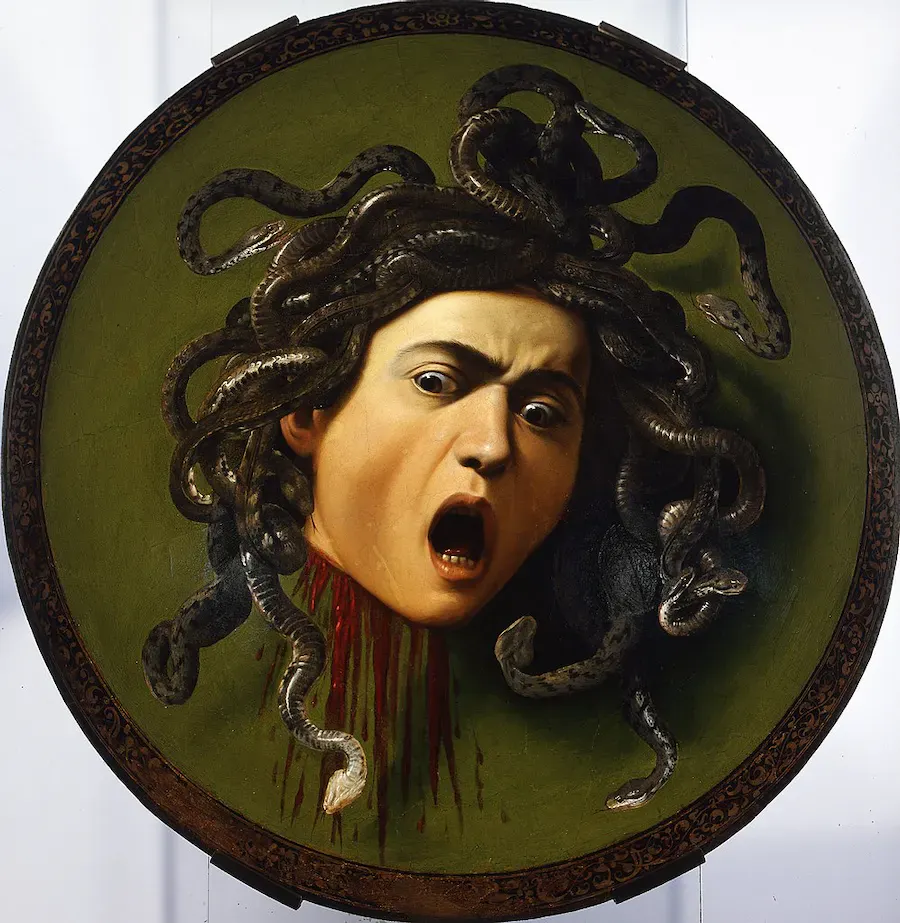
Caravaggio, Medusa (1597/98)
Related: The 10 Scariest Paintings in Art History
Caravaggio's depiction of Medusa's head is both terrifying and fascinating, with blood pouring from her severed head, teeth bared in an anguished scream and snakes slithering out of her scalp. Medusa's gaze is forever stuck in the terrible moment when she realizes what she is, and the realization is so devastating that it causes Medusa to lose her grip on reality. The painting of the head, severed from the body but still conscious, is perhaps the most poignant nightmare ever put on canvas.
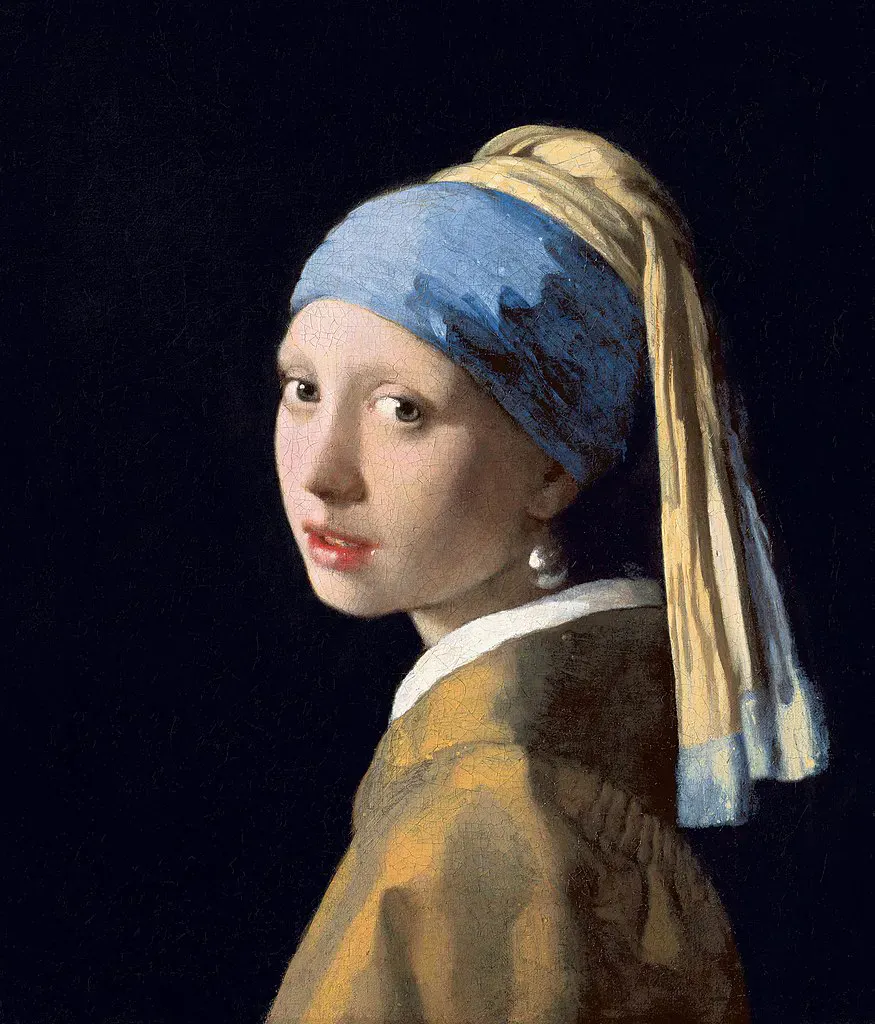
Johannes Vermeer, Girl with a Pearl Earring (circa 1665)
Related: The 10 Most Famous Works of Art and Where to Find Them
To call the young, enigmatic girl in Vermeer's portrait unforgettable is perhaps somewhat misleading, given that the painting actually sat forgotten for several centuries. It wasn't until the late 19th century that Johannes Vermeer's genius was discovered. Today, few who have seen the painting forget the girl's penetrating gaze as she turns toward the viewer as if about to say something with opened lips.
Édouard Manet, Un bar aux Folies Bergère (1882)
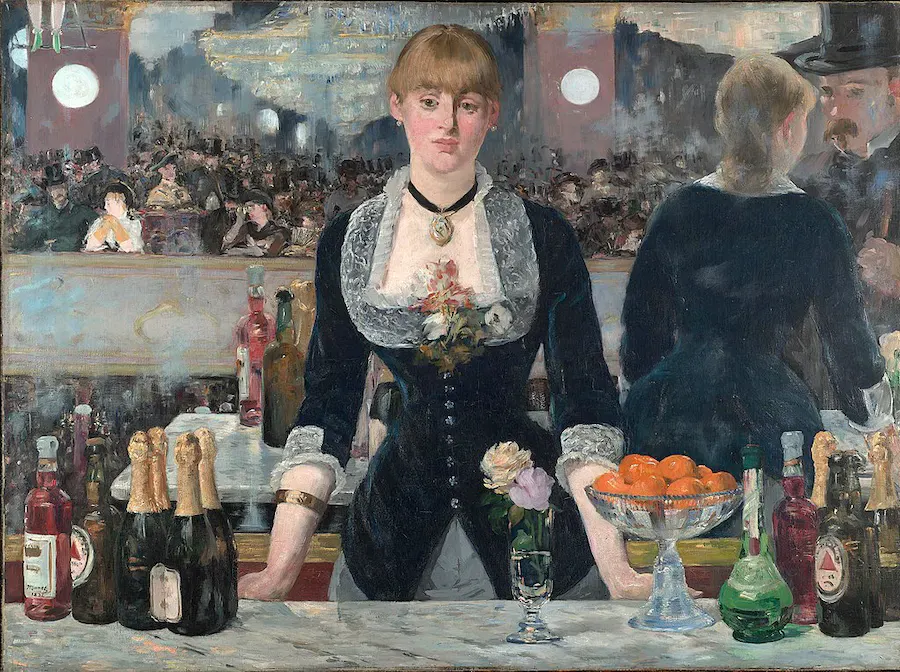
The sad, listless facial expression of Manet's girl behind the bar is etched on the retina. Even though she is facing the viewer, we see what she sees in the mirror behind her: the exuberant but harsh nightlife of Paris. The woman was called Suzon and worked in the bar at the Folies-Bergére revue in the early 1880s, but was the model for the painting in Manet's studio.
Want more articles straight to your inbox? Subscribe to our newsletter
Edvard Munch, The Scream (1893
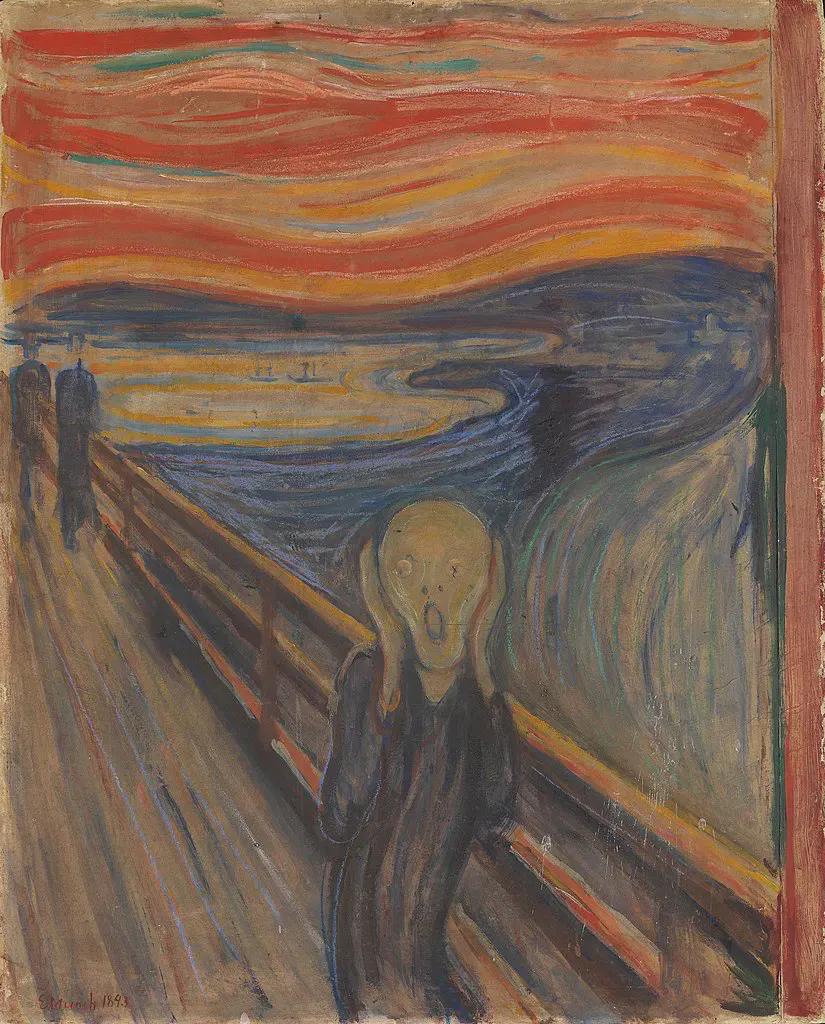
This is how Edvard Munch himself wrote about the Scream: "I was walking along the road with two friends - then the sun went down - the sky suddenly turned blood red - I stopped, leaning against the fence exhausted - over the blue-black fjord and the city lay blood and tongues of fire - my friends went on and I stood there trembling with fear - and I felt how a loud, endless scream permeated nature.” More than that hardly needs to be said about this ominous painting. It is anxiety and pain on canvas.
Related: Edvard Munch: The Colors of the Soul
Amedeo Modigliani, Jeanne Hébuterne (au chapeau) (1917)
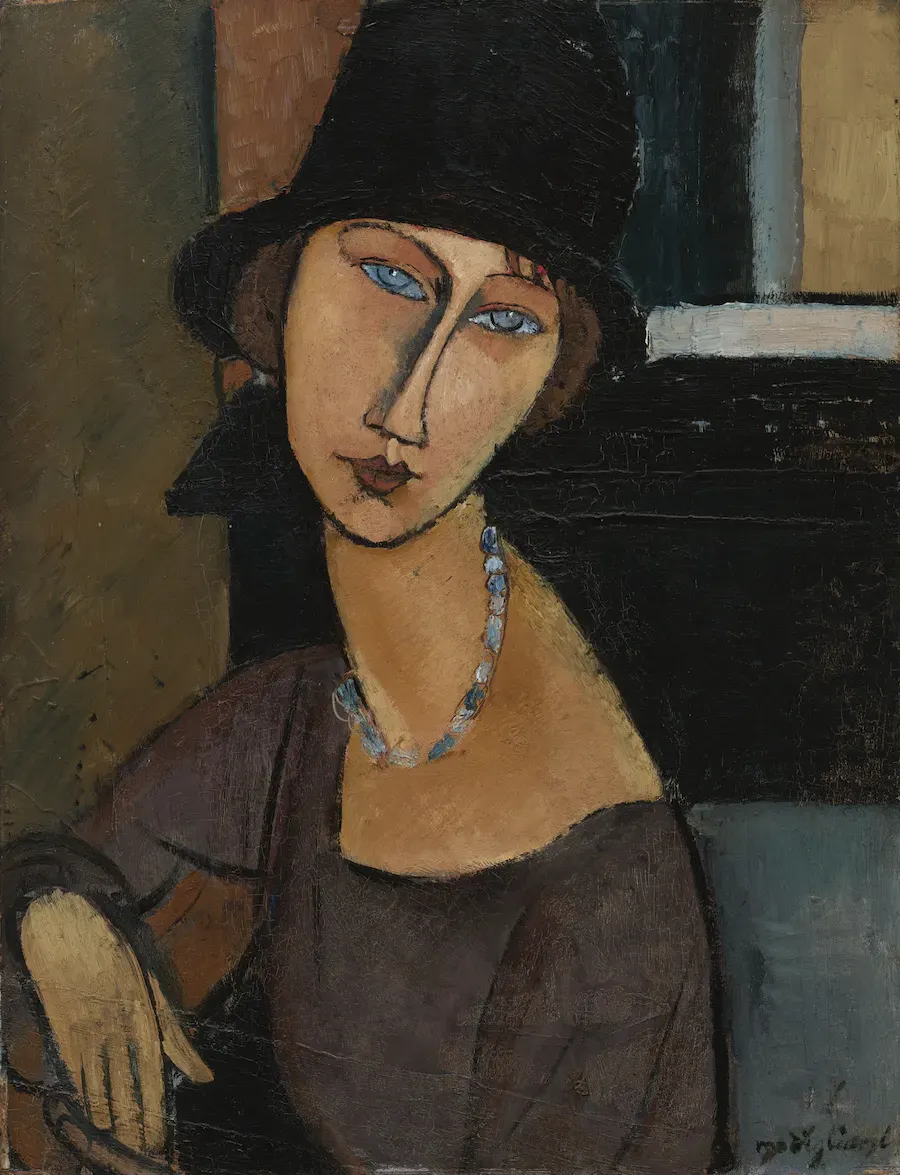
Actually, any of the many portraits that Amedeo Modigliani painted of his mistress Jeanne Hébuterne could be said to be unforgettable, but perhaps mostly because of the tragic love story that unfolded between them. The couple met when Jeanne was an art student and it is said that they were inseparable for the three years that followed. In 1920, Modigliani died of tuberculosis, and the pregnant Jeanne, overwhelmed by grief, chose to take her own life by throwing herself out of a window. Certainly the portraits, with the same distinctive style and palette, reflect a sadness in Jeanne's eyes, as if she knew what was to come.
Related: 10 Artist Couples You Should Know
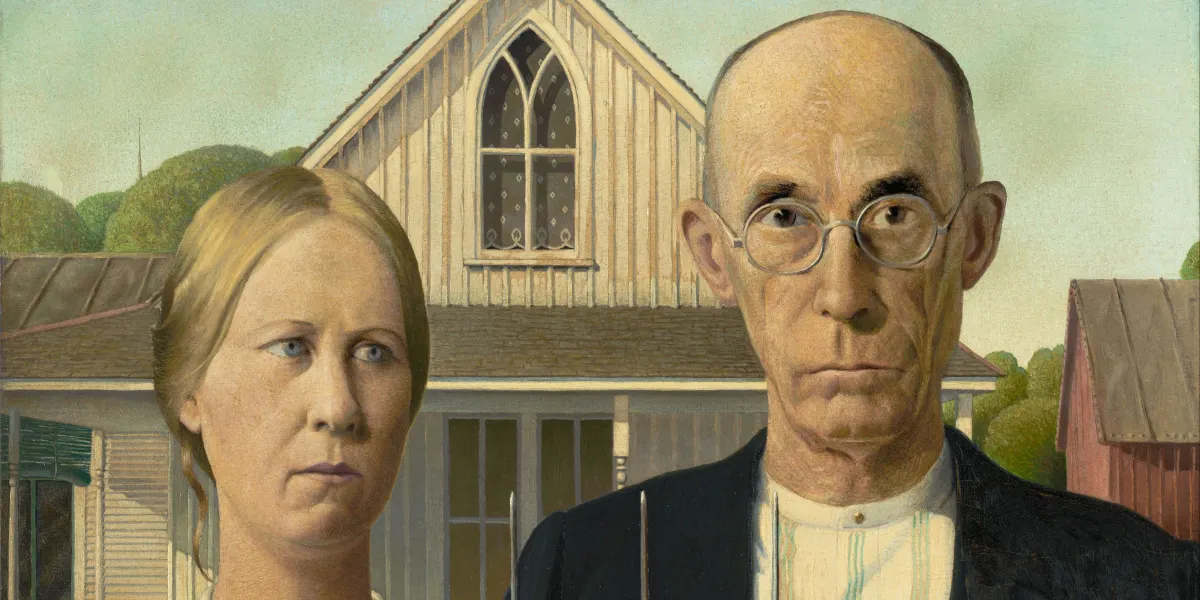
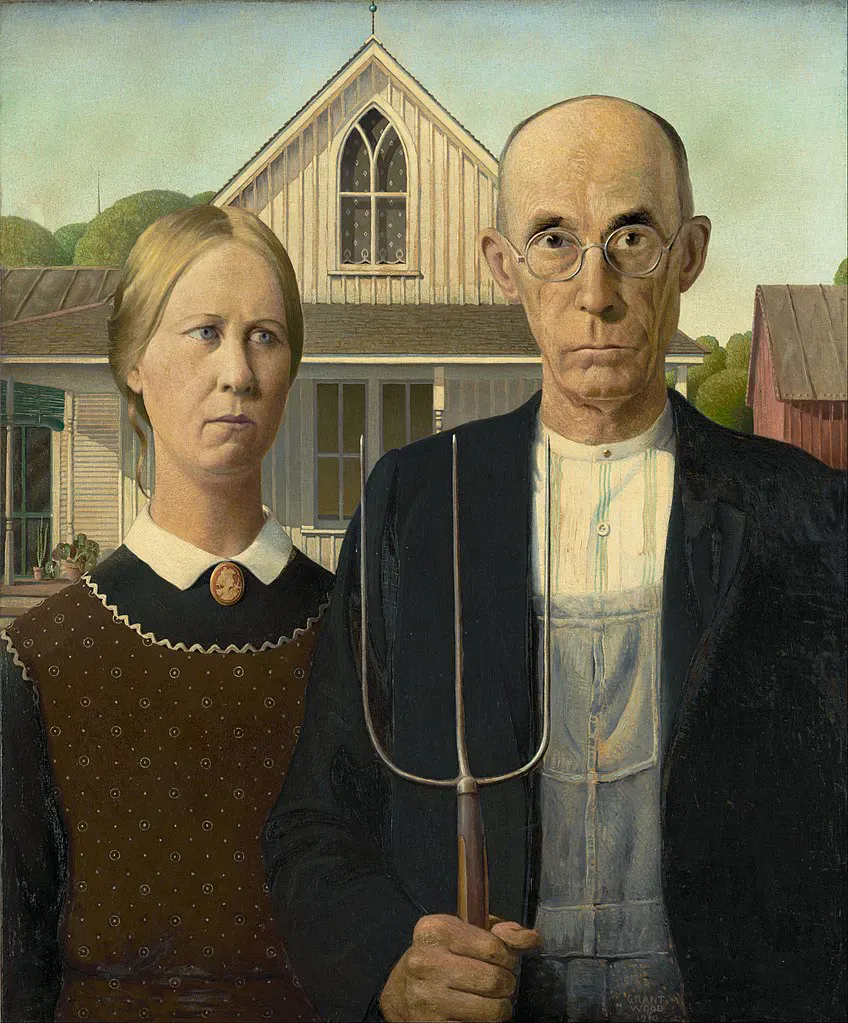
Grant Wood, American Gothic (1930)
Related: 6 Iconic American Paintings
American Gothic does not depict, as many believe, a couple, but a farmer and his unmarried daughter. Over the years, the painting has been interpreted as a parody of the rural United States, but Grant Wood himself denied that the painting would have a satiric purpose. In any case, it's hard to tear your eyes away from the stoic people in the picture. They stand as a barrier in front of the house, as if to keep the viewer away from their territory. The farmer's gaze is harsh and the pointed pitchfork gives a menacing impression. The woman anxiously looks away at something beside them. American Gothic has been the subject of endless speculation, theory, tributes and parodies, ingraining these two in cultural memory.