Not infrequently, one hears about antique dealers going bust due to a lack of interest in their standard wares. At the same time, it can be seen that many of the prices of antique furniture and objects sold at auction over the past two decades have steadily declined to a level never seen before. If you believe the sector’s own predictions, then it looks grim. Truly grim.
But what is actually the future of old, brown furniture, which is what many of us imagine when we think about classic antiques?
As so often before, the pendulum seems to be swinging back just when it appears the darkest of all. Because, as a matter of fact, the downward trend of antiques seems to have turned in recent years.
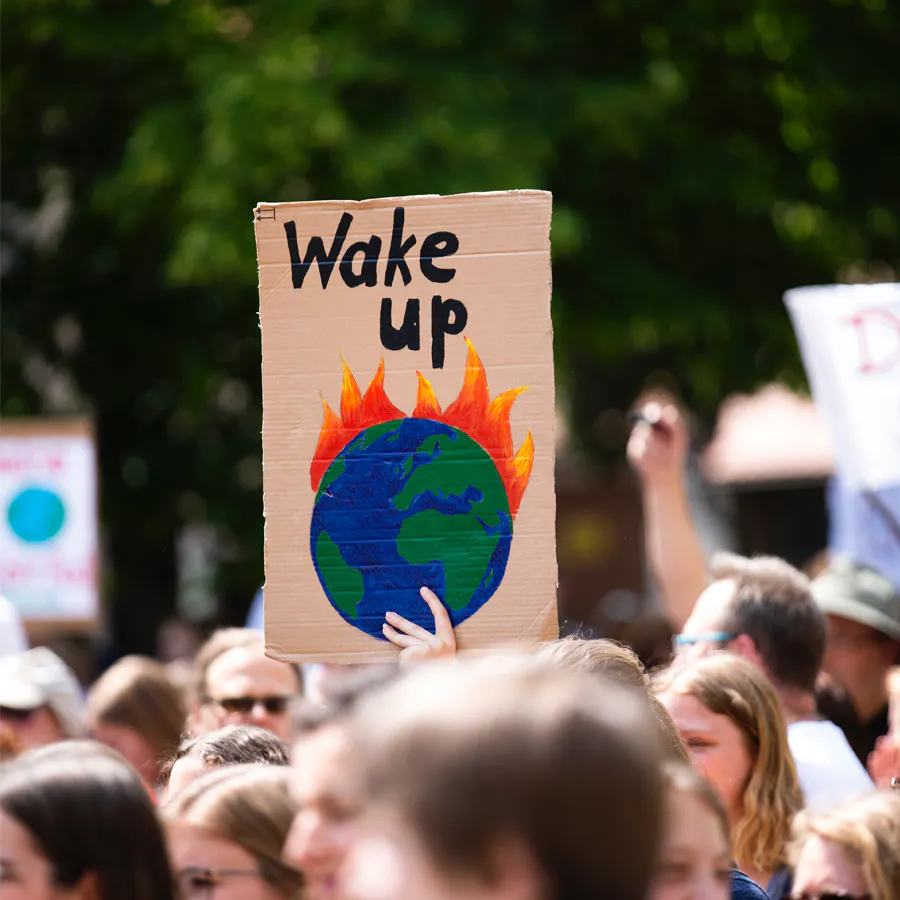
Global warming melting the polar ice caps, huge floods sweeping across vast coastlines, storms destroying entire towns, and excessive heat may rightfully bring about a renewed interest in antiques.
Furniture sales listed on Barnebys in 2018 increased by 32% compared to the previous year. Above all, interest has risen among people under 45: the majority coming from Generation Y and Generation Z – an age when many people buy and furnish their first home.
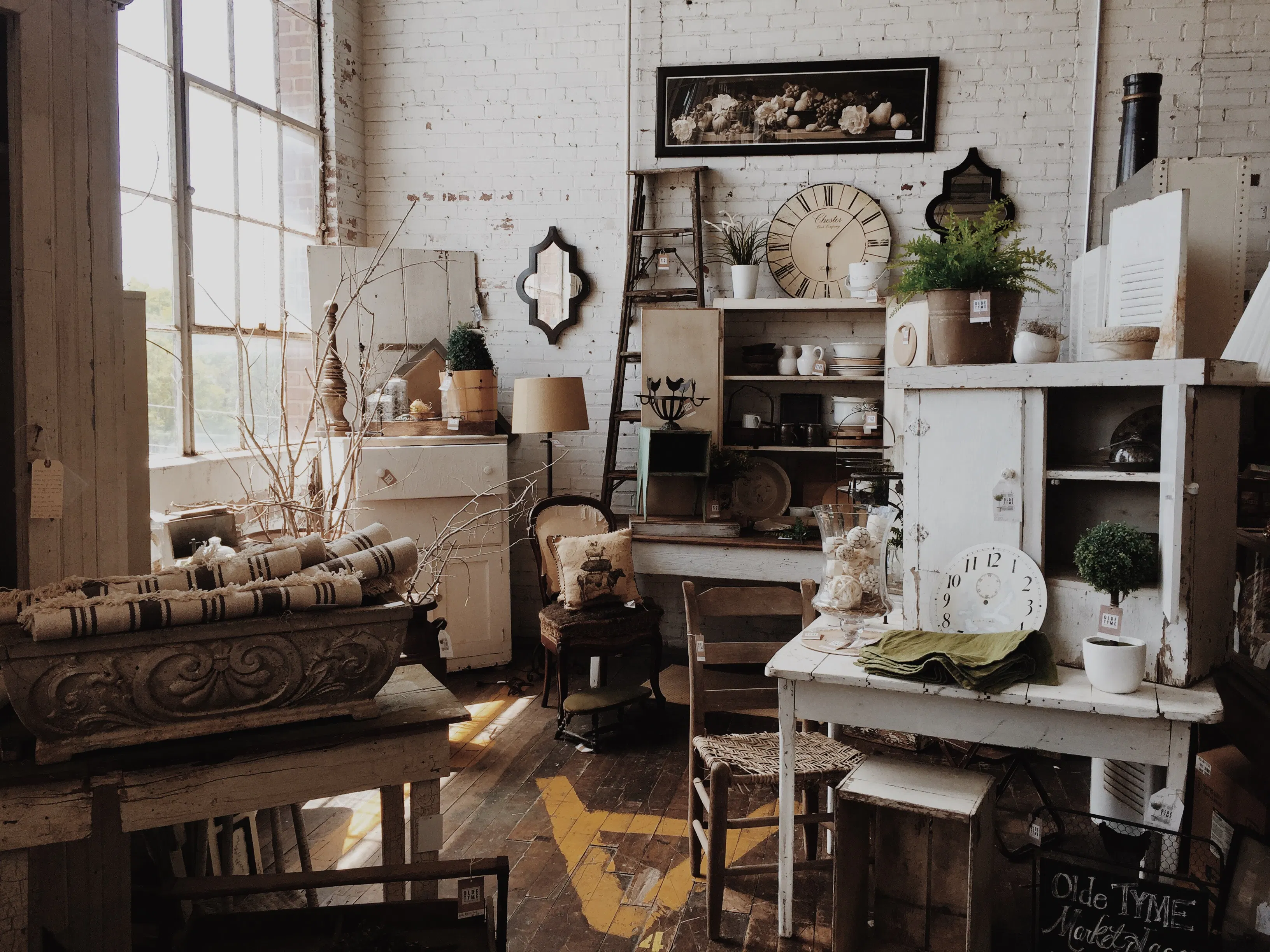
Driving this change is an upswing in the second-hand market for furniture, vintage clothes and household items, thanks to many more people being climate-smart. Increasingly, the second-hand market is the first choice when buying furniture and decor.
According to a number of surveys, the home accounts for 20% of a person’s climate footprint, of which 9% is furniture and interiors. In other words, buying second-hand is not just a trend. It is a necessity if we wish to alter the course of runaway environmental devastation.
The same generations that are increasingly eschewing ‘fast furniture’, in other words newly produced furniture of energy-intensive production and poor quality, are also rejecting ‘fast fashion’. Clothes have long been a means for people to communicate and convey personality and social status. But, as many people know, the fashion industry creates great environmental problems, especially as consumption has risen.
The rapid production of clothes at low cost creates pollution and the non-recyclable materials used in production harm our environment. Furthermore, online shopping, which has risen sharply in recent years, has other disadvantages in the form of all the packaging almost solely being made of plastic. This is one of the reasons why the second-hand market, where high-quality goods are sold for a fraction of the original price, has scaled new heights.
According to the online platform for second-hand clothes, thredUP, the second-hand market is good for almost $25 billion and is estimated to double in value over the next five years, to around $52 billion by 2024. Significantly, the report shows that the growth is due, once again, to Generation Y and Generation Z, whose consumption of second-hand goods is 2.5 times higher than a typical consumer.
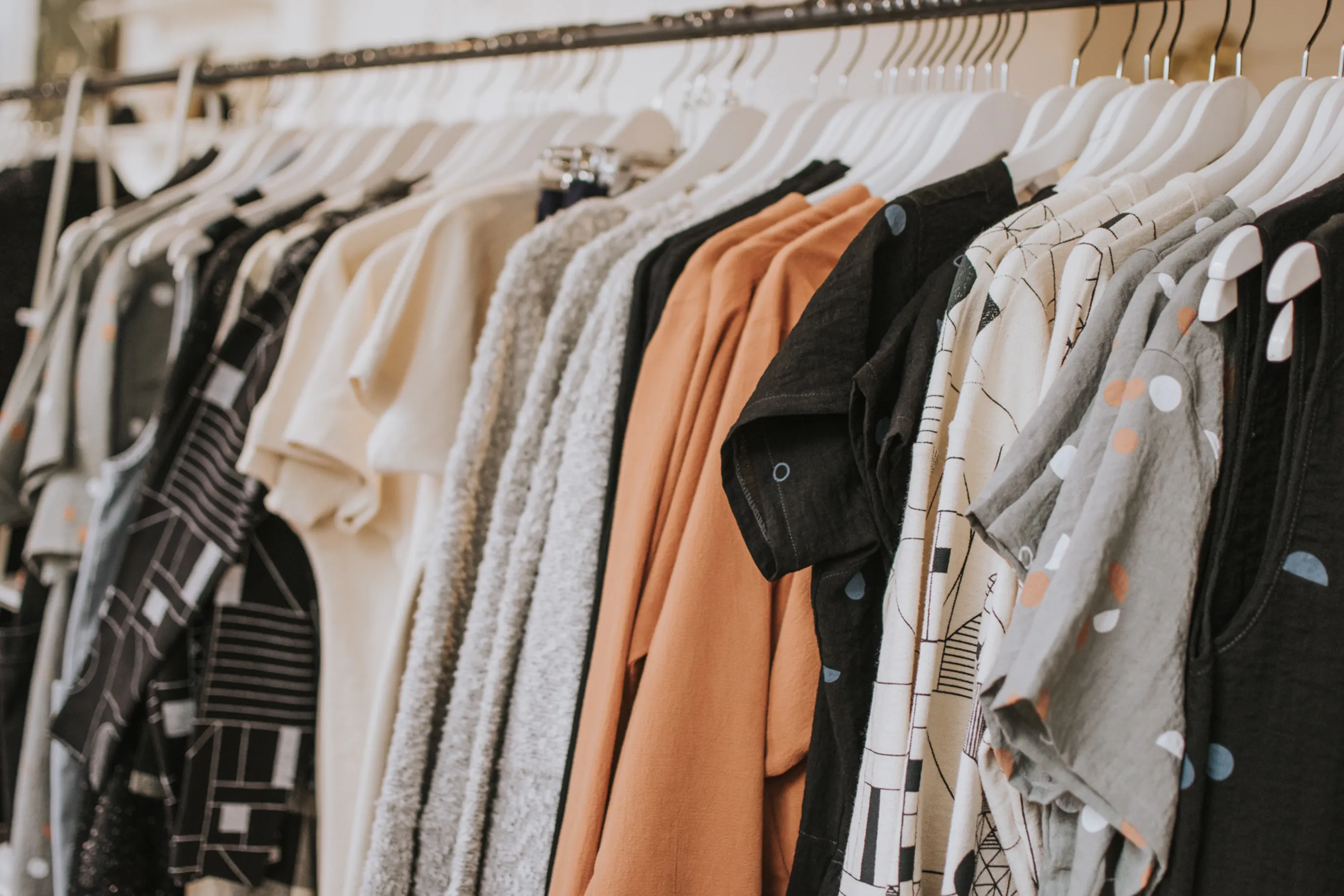
Sustainability is a growing reason why the market looks as it does, even if style and peer pressure to look good, above all, on social media contributes to the rising sales in the second-hand market of fashion and clothes. As young consumers follow the latest trends, many more are choosing to donate or sell items on the second-hand market. Which has made the second-hand market grow 21 times faster than ordinary clothing stores in the past three years.
The report also shows that consumers who take advantage of the range of second-hand offerings own, on average, 28 fewer items of clothing than they did two years ago.
It looks as if the Marie Kondo effect has gotten results. No longer does fast fashion seem to provide the same value, with Generation Y and Generation Z preferring recovered clothes and environmentally-friendly and environmentally-aware brands that follow trends ahead of newly-produced clothing. This is one reason why, in the next decade, the second-hand clothing industry is predicted to grow 1.5 times more than the fast-fashion industry.