
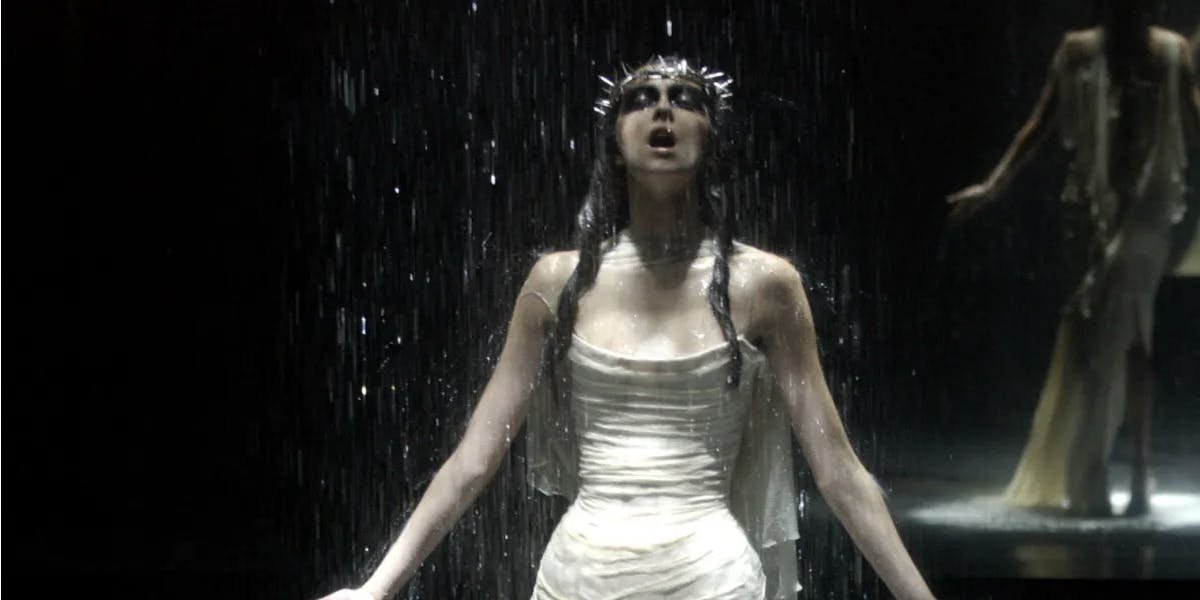
Born in London in 1969 to a modest family, Lee Alexander McQueen was the youngest of six siblings. His mother worked as a teacher and his father was a taxi driver. From an early age, McQueen discovered a passion for clothes, often dressing his three sisters. Lee had a rebellious spirit and was not afraid to pursue his projects.
Related: The 8 Most Popular Fashion Brands
At the age of 16, McQueen began working as an apprentice tailor at Anderson & Sheppard, one of the famous tailors on Savile Row, in Mayfair. Under their tutelage, he learned to craft impeccably tailored suits, even creating a jacket for the future King of the United Kingdom, Charles. He then went on to work at Gieves & Hawkes as a pattern cutter, and later at Angels & Bermans, which specialized in theatrical costumes. This experience instilled in him a profound affinity for theatricality, a quality that is reflected in both his clothing designs and catwalk shows.
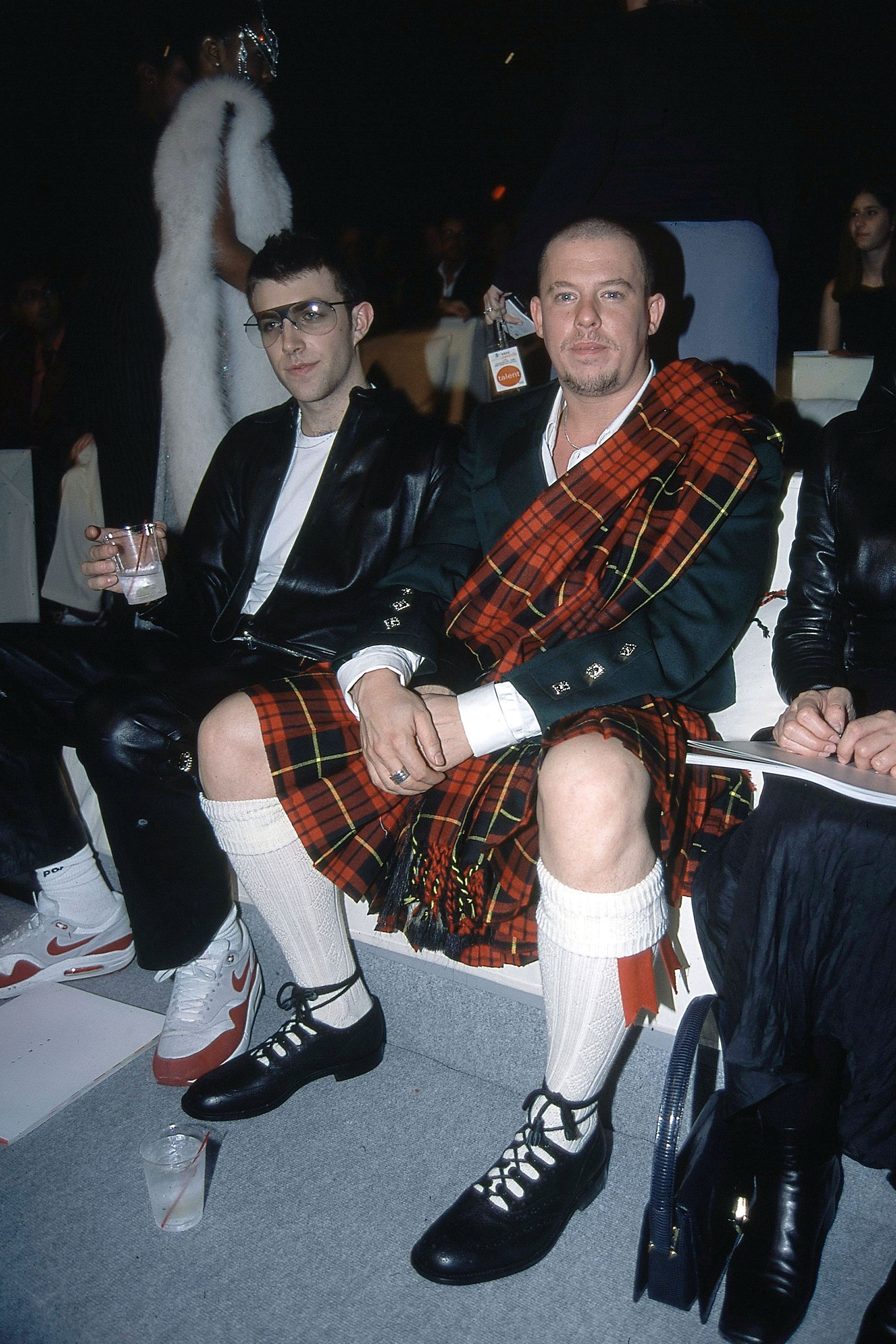
McQueen's talent and determination caught the eye of Japanese designer Koji Tatsuno, leading to a position as a pattern cutter at the age of 20. At 21, McQueen applied to become a teacher at the prestigious Central Saint Martins School of Design and Fashion. Initially deemed too young for a teaching position, the director of the master's program, impressed by his talent, offered him a spot as a student instead. McQueen's graduation collection, inspired by Jack the Ripper, received extensive media coverage and was swiftly acquired by fashion editor Isabella Blow. She played a pivotal role in launching his career, even suggesting changing his name to Alexander McQueen.
Related: Issey Miyake: The Art of Sculptural Fashion
In March 1995, he presented his first 'Highland Rape' collection, which also marked his first scandal. His models wore torn and lacerated clothes, a way for McQueen to reappropriate his Scottish heritage and criticise UK politics. Despite the strong reactions provoked by this first campaign, McQueen received acclaim, and in 1996, he received the British Designer of the Year award and joined Givenchy as artistic director.
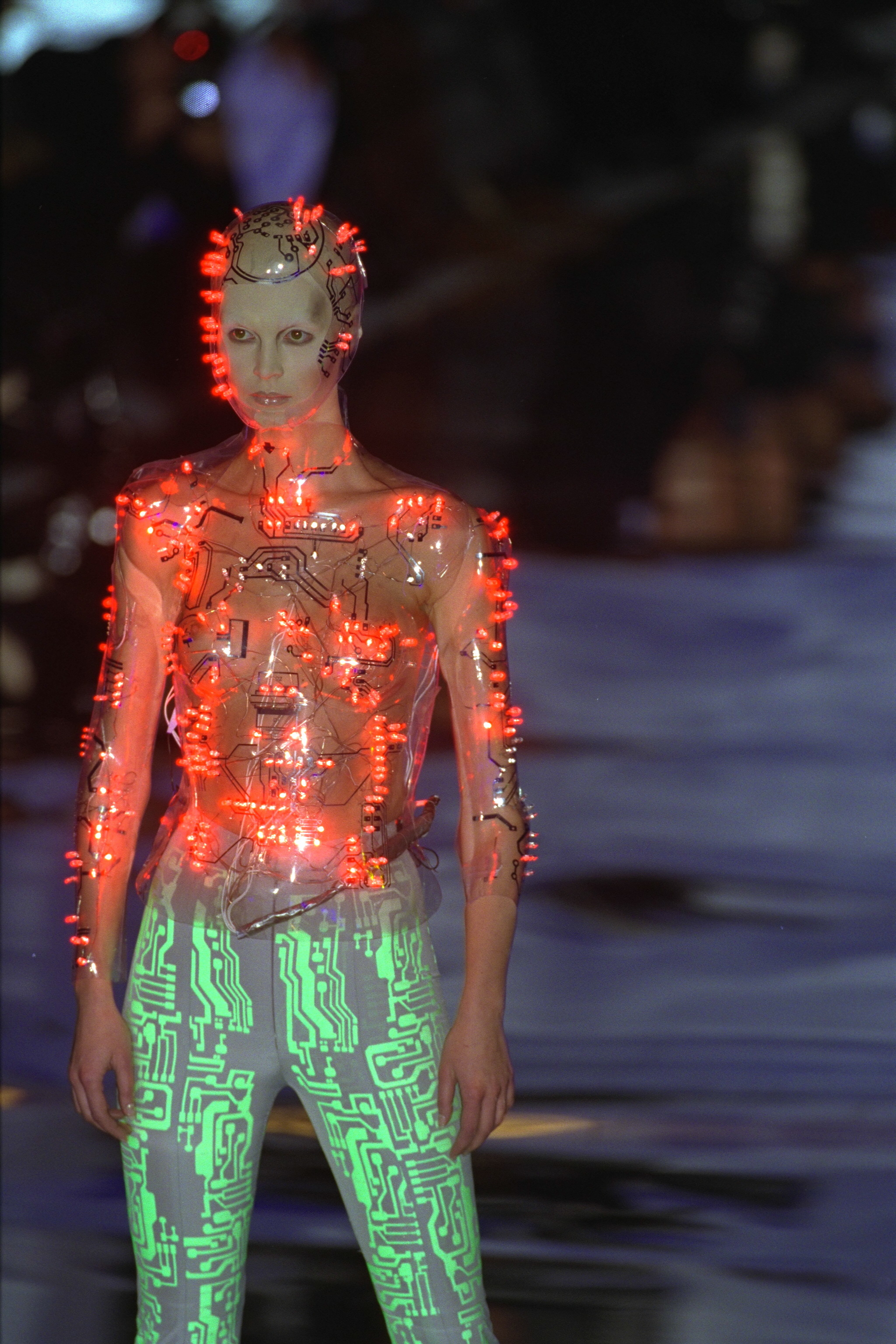
His five years at Givenchy were also highly controversial, with McQueen himself expressing that he did not feel in tune with the house's ideas, and that for him, it felt more like a job than a calling. At the same time, however, he continued to work on his own label, which, unlike his collections for the French fashion house, met with great success. Despite the constraints he felt at Givenchy, through his label the designer let his imagination run wild. His style is recognizable in strong pieces such as low-cut trousers, frock coats, slashed leather and ripped lace. All his pieces are made with precision, a style influenced by his time on Savile Row, with elegant draping and sculptural garments.
Related: A Fashionable Friendship: Audrey Hepburn and Hubert de Givenchy
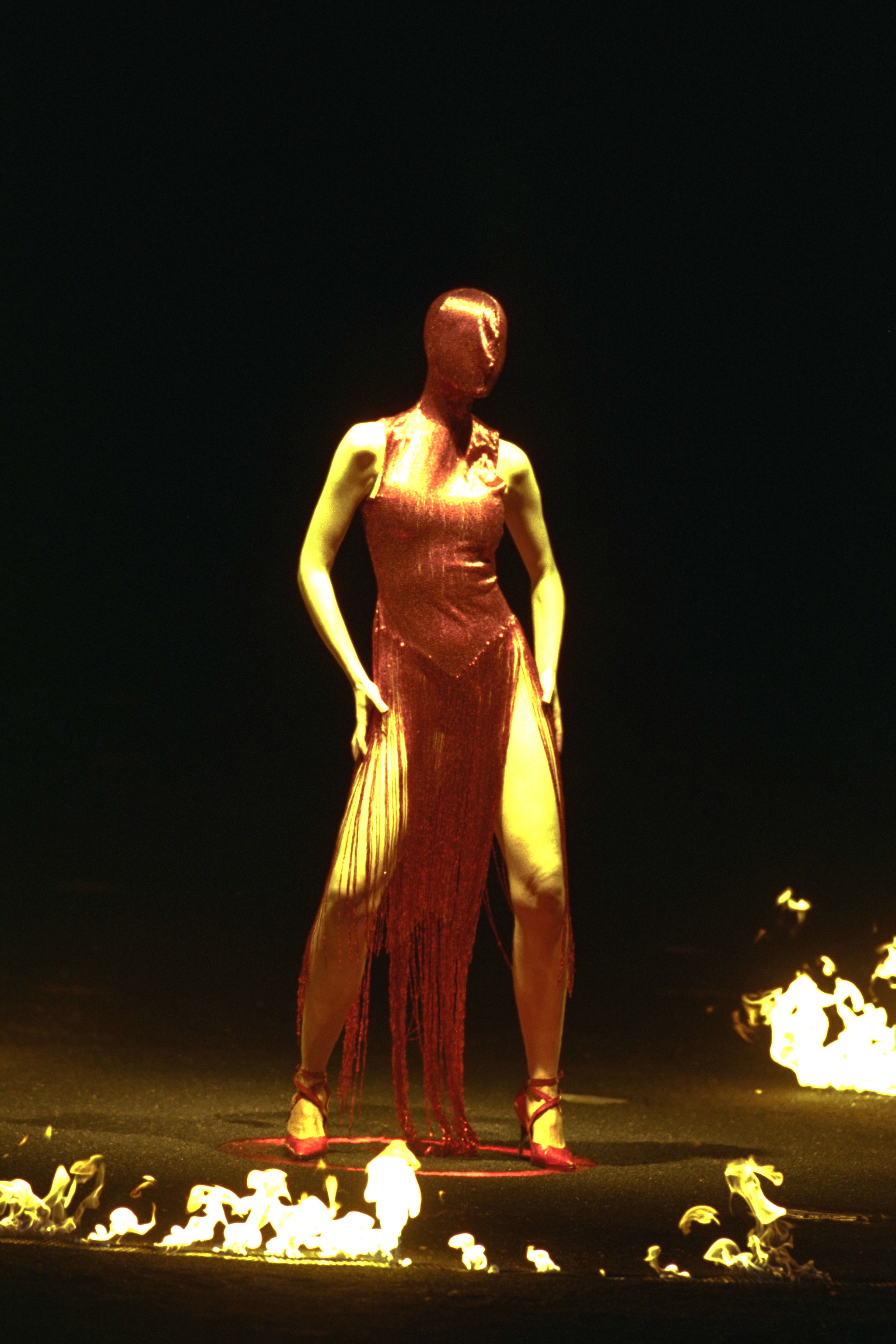
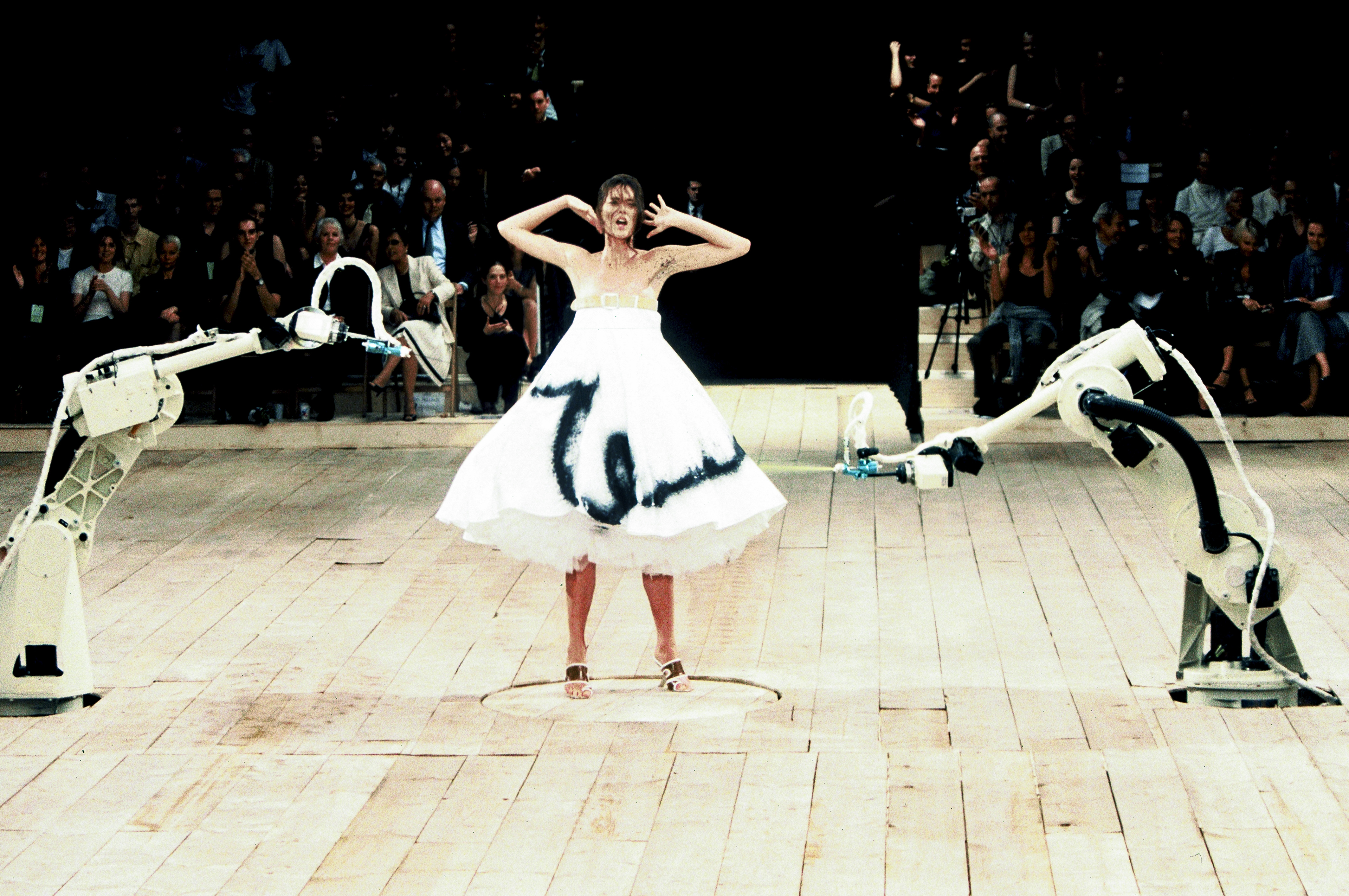
The designer is widely recognized for his theatrical and wonderfully executed fashion shows. Many of his shows have earned their place in fashion history, such as 'Joan' in 1998, where a model ended up in the middle of a ring of fire, and the 'N°13' show in 1999, which proved to be revolutionary in the fashion world. McQueen pioneered the use of machines on the runway, crafting a garment before the astonished eyes of the audience.
To close the 'N°13' show, Shalom Harlow wore an immaculate white dress while positioned on a turntable. Two robotic arms, typically used for painting cars, sprayed paint on her, creating a distinctive and evocative scene. This spectacular element undoubtedly served as inspiration for more than one designer. In 2022, Coperni made headlines with a similar concept: a dress was fashioned directly on Bella Hadid's body using a liquid containing non-woven fibers that solidified upon contact with air, transforming into a fabric-like material.
Related: Haute Couture: Fashion Meets Art
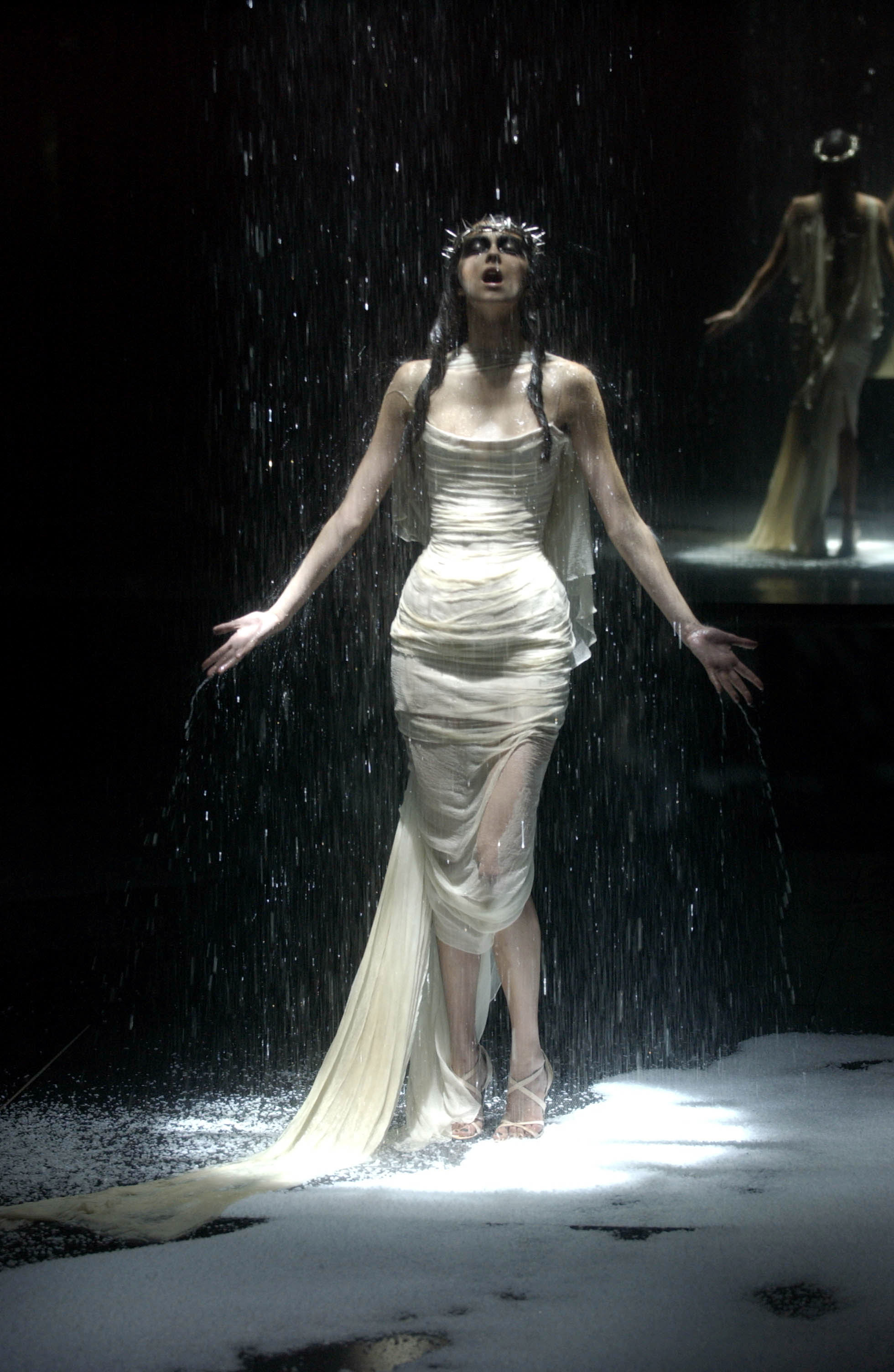
In 2001, the 'Voss' show left a lasting impression: models walked around in a transparent box constructed of one-way mirrors that reflected their own images. The setting evoked a Victorian asylum, and the models, unable to see their surroundings, assumed a distressed demeanor. The accompanying music, resembling a heartbeat, intensified the atmosphere of anguish. In 2005, the 'It's Only a Game' show positioned the models on a chessboard, akin to pawns. All his shows are sharp and sophisticated, and always have a special meaning.
Related: Collecting Opera and Ballet in Art
The theatricality that characterizes both his designs and shows is deeply rooted in his passion for cinema. In 1993-1994, shortly after graduating from Central Saint Martins, the designer revisited the character of Travis Bickle from Taxi Driver, specifically focusing on the scene where Bickle shaves his head. The following year, he immersed himself in Hitchcock's thriller, The Birds, followed by Tony Scott's The Hunger in 1996 and Stanley Kubrick's The Shining in 1999.
It's hardly surprising, then, that he designed stage costumes for David Bowie and Björk, both artists celebrated for their extravagance, penchant for theatricality, and unique style.
Throughout his career, however, McQueen faced criticism and was hit with various stereotypes, particularly accusations of misogyny stemming from certain clothes considered degrading, as well as the depiction of themes like rape and madness on the runway. However, he consistently addressed these critiques, asserting that, for him, it's all about the art of staging.
As a designer, he alternated between the vulgar and the flamboyant. His final collection, 'Angels and Demons', marked the end of an era. Unfortunately, the show never came to fruition, as Alexander McQueen took his own life at his residence in Mayfair on February 11, 2010.
Related: 'The Fashion Bible’: A History of Vogue Magazine
Want more articles like this straight to your inbox? Subscribe to our free newsletter!
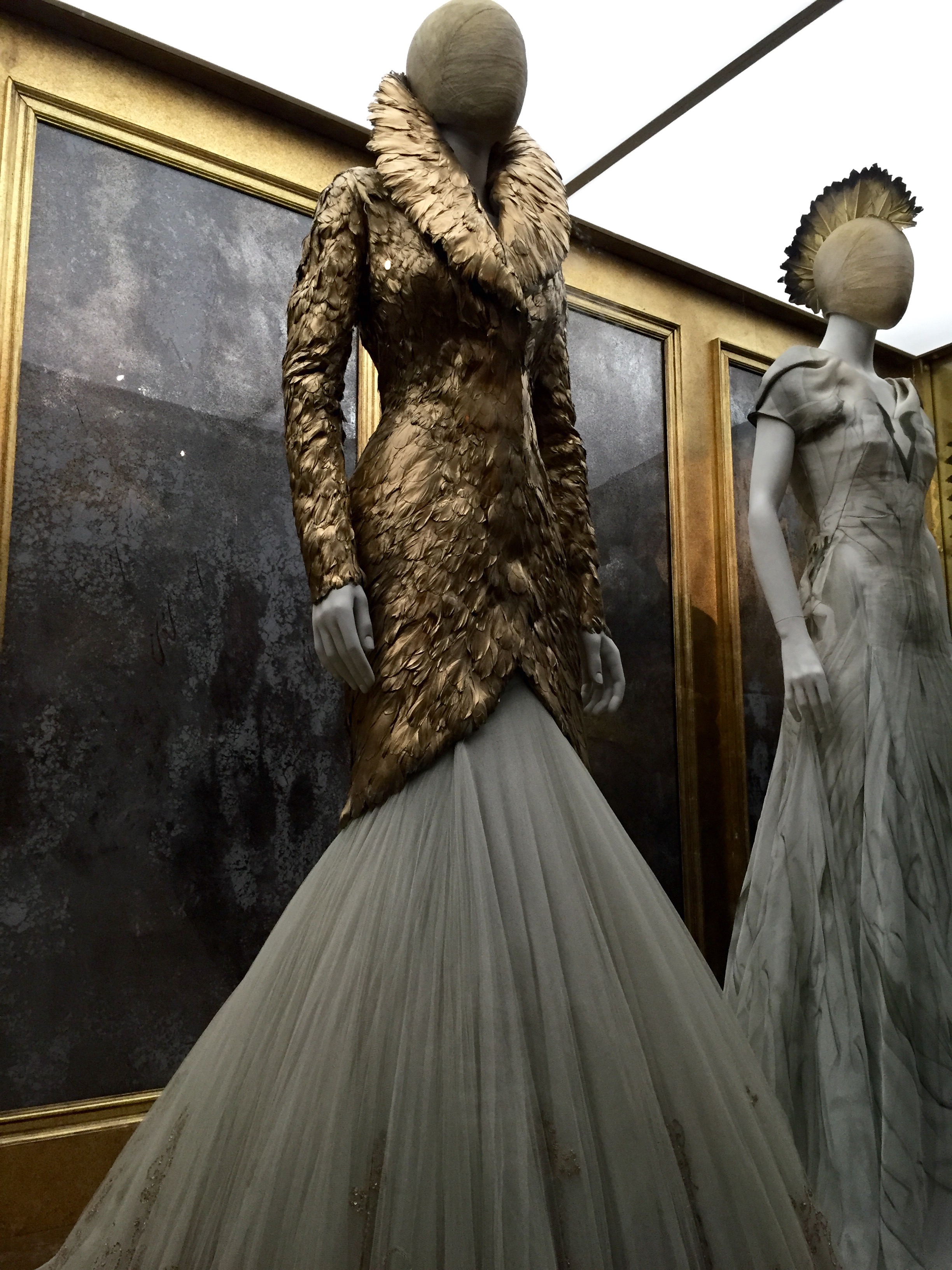
Over his 18-year career, he fashioned dreamlike, romantic pieces imbued with references to history, art, literature, and film, establishing himself as a truly versatile artist.


