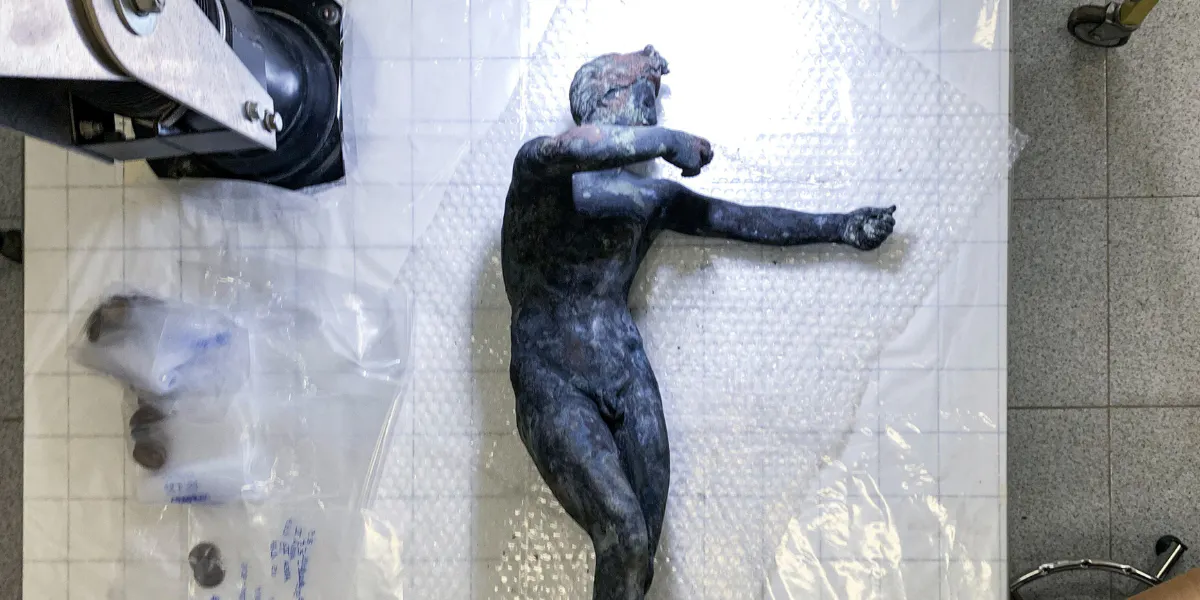
24 perfectly preserved statues, countless votive objects, Etruscan and Latin inscriptions, and 5000 coins have been found submerged in Tuscany’s Thermal Baths of San Casciano. Archaeologists discovered the artifacts, which date back 2,300 years, in the modern-day spa through excavations that started in 2019.
Related: Money Talks: Ancient Roman Coins
The 42 hot springs that make up San Casciano are now one of the most popular tourist spots in Italy, but close to them are more ancient baths, believed to have been built by the Etruscans, a civilization that predated the Romans, in the 3rd century BC. Functioning as a sanctuary, they included fountains and altars that were frequented by emperors during the Roman period. The baths were closed down and the pools were sealed with stone pillars during Christian times, but the statues were left in the water. Hot springs, rich in minerals, and thick mud, preserved the statues almost intactly.
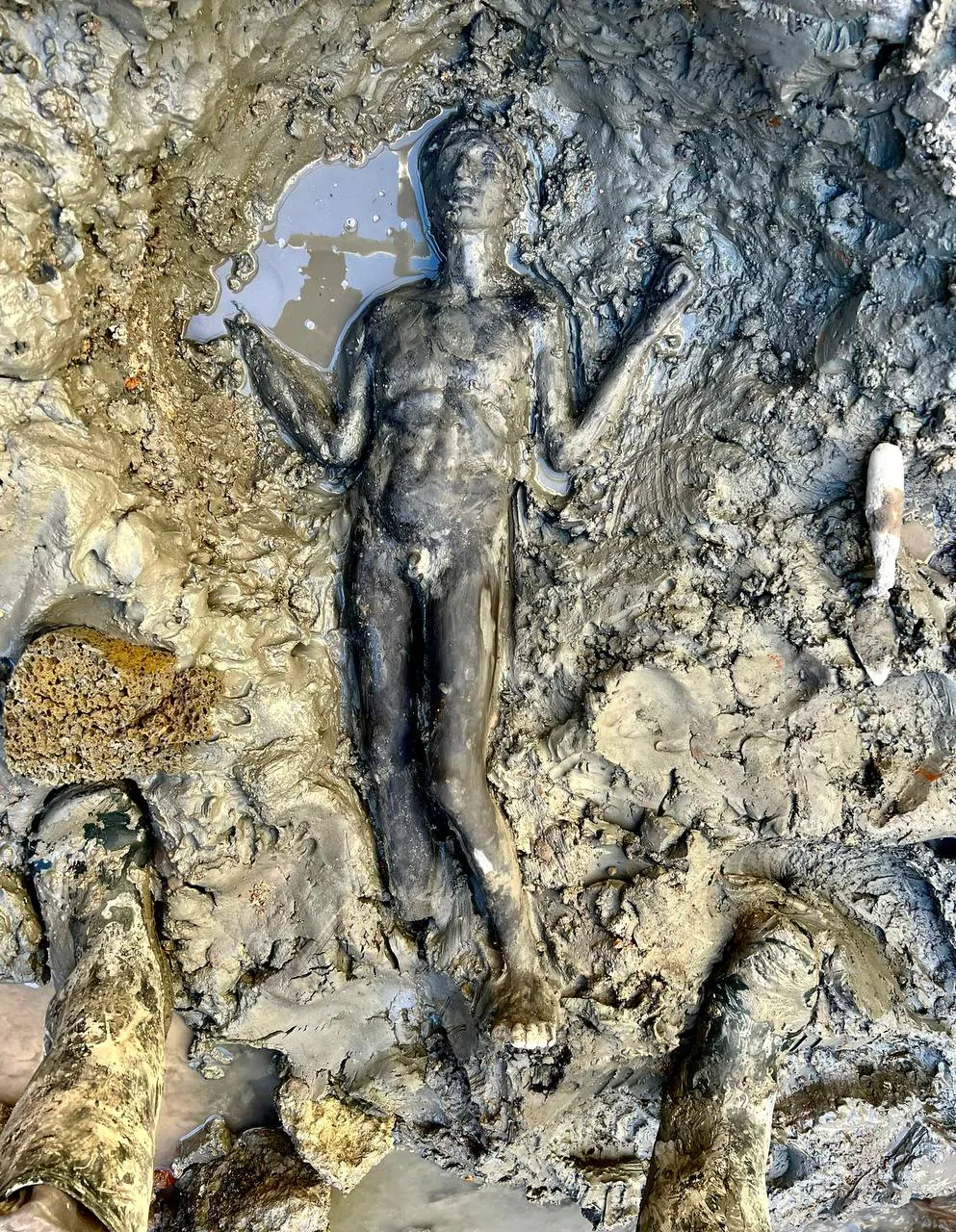
The bronze figures depict the deities venerated in the sanctuary, and there are also clay and marble statues of organs and anatomical parts offered to gods as healing wishes. Recently, effigies of the Greco-Roman gods Hygiene and Apollo have been excavated, as well as a host of other statues representing matrons, children and emperors.
Related: The 5 Most Important Sculptures in Italy
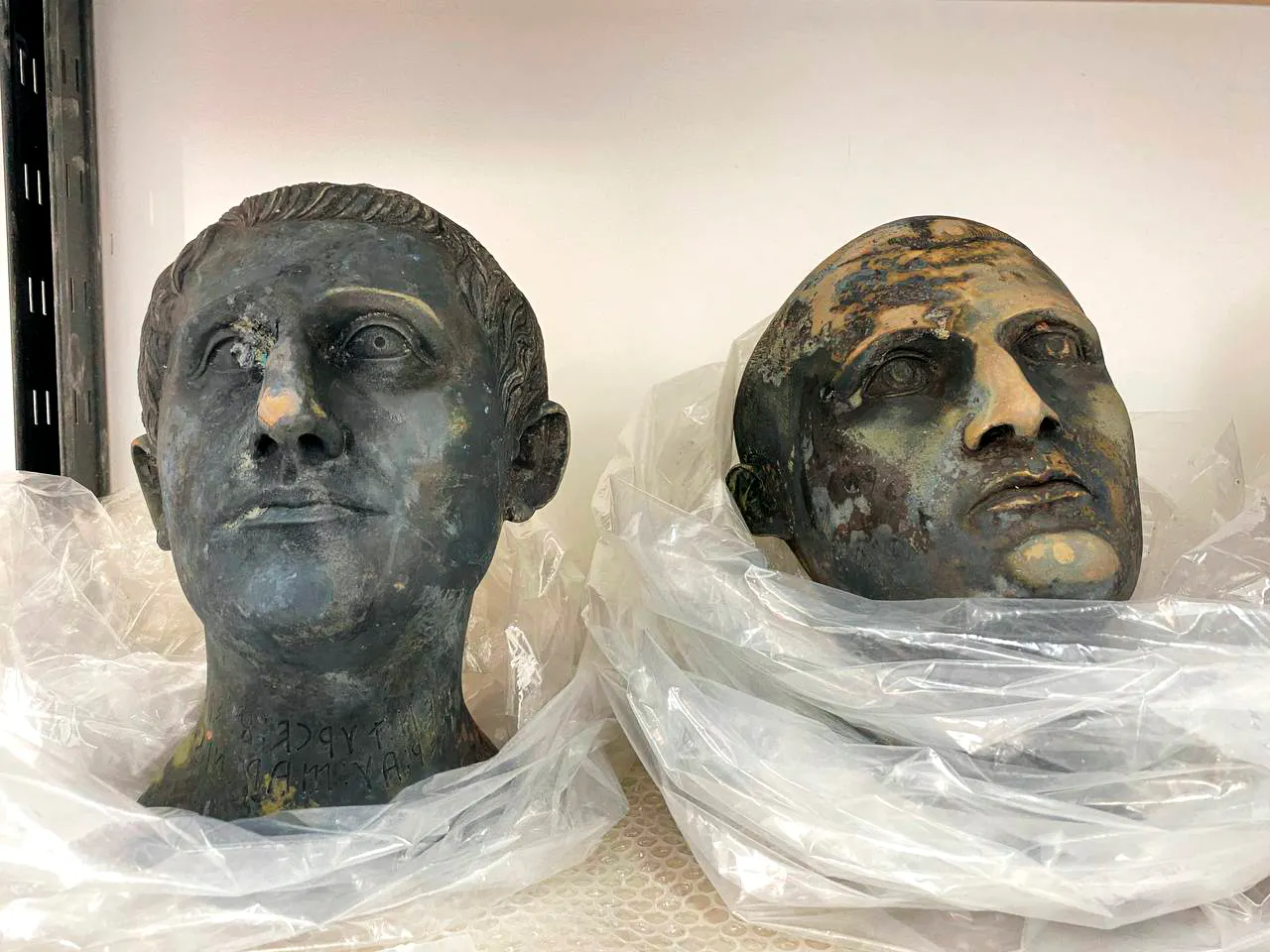
Initial analysis has indicated that the 24 statues and other relics originally belonged to elite Etruscan and Roman families, in a period marked by both conflict and integration. The Etruscans reigned in central Italy for 500 years before the arrival of the Roman Republic. The discoveries of San Casciano bear witness to the transition between the Etruscan and Roman periods in a place marked by a sort of ‘cultural osmosis’. “Even in historical epochs in which the most awful conflicts were raging outside, inside these pools and on these altars the two worlds, the Etruscan and Roman ones, appear to have coexisted without problems,” explained Jacopo Tabolli, professor at the University for Foreigners of Siena responsible for the excavations, in a press release to Ansa.
Related: Has a New 'Spanish Stonehenge' Been Discovered?
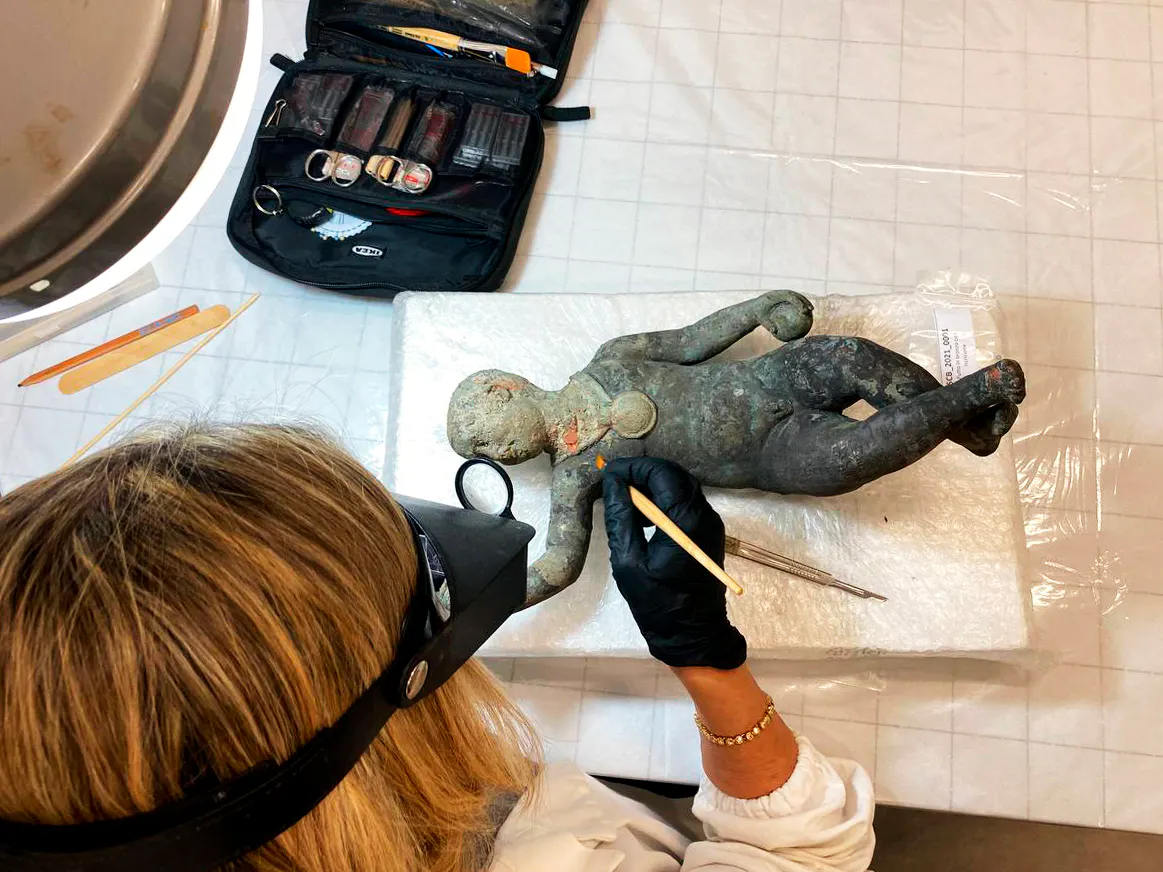
Tabolli has hailed the discovery as one that could ‘rewrite the history of ancient art’. It has been 50 years since the discovery of the Riace Bronzes, the two full-size Greek warriors found in the Calabrian sea in 1972, and this Tuscan site represents the greatest store of Etruscan-Roman statues, and one of the most significant in the whole of the Mediterranean.
Want to be the first to hear all the latest news? Subscribe to our free newsletter!
Gennaro Sangiuliano, Italy’s Minister of Culture, called it “an exceptional find, which confirms once more that Italy is a country of immense and unique treasures. The stratification of different civilizations is unique to Italian culture”.
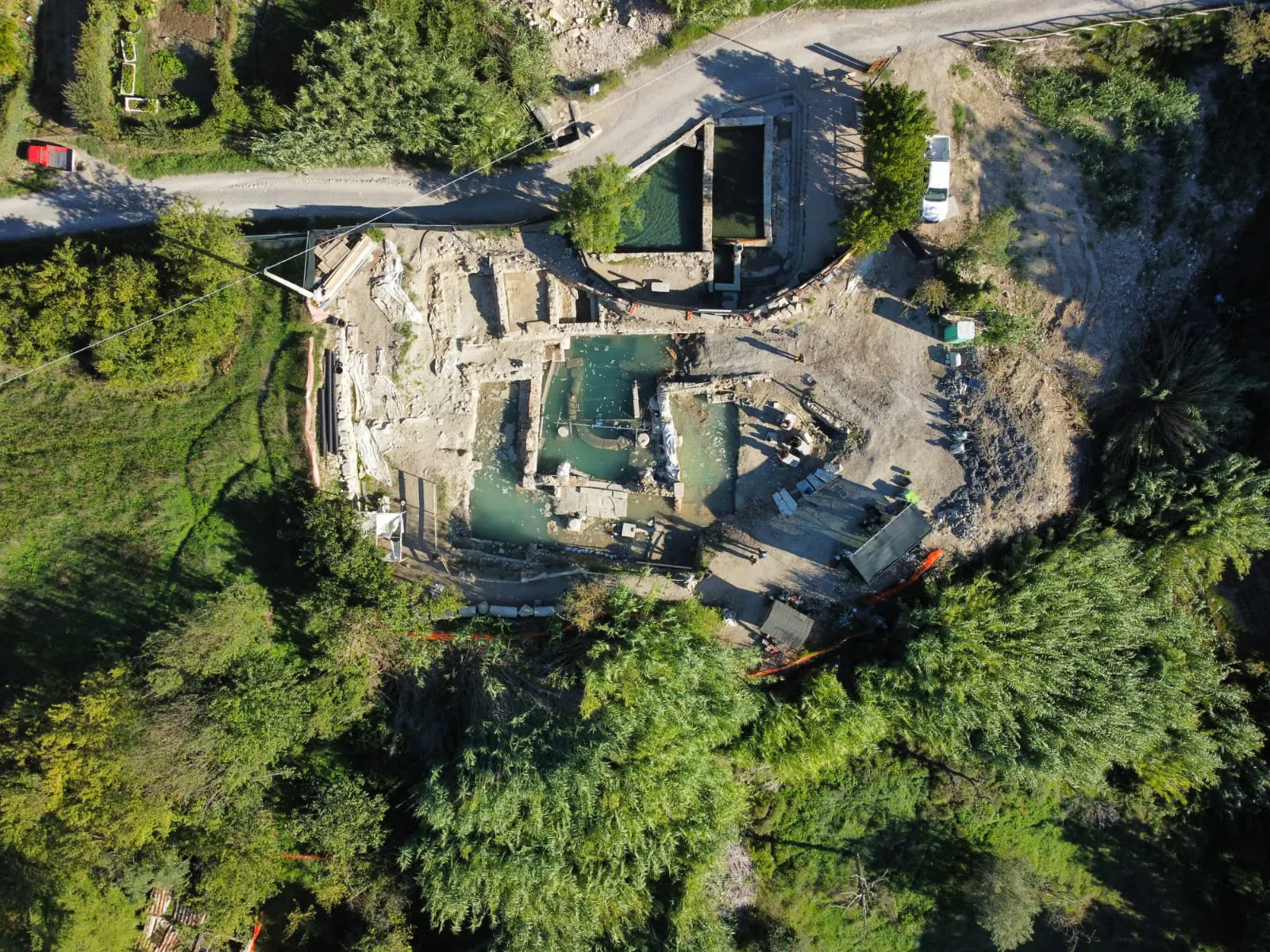
The artifacts will undergo restoration and will then be housed in a 16th-century building in San Casciano, which will function as a new museum. The ancient baths will be open to the public after excavations.