Estimated at £600,000-800,000, a 16th-century portrait was the sixth lot auctioned in Sotheby's Old Master & 19th Century Paintings Evening Auction, held in London on July 5. However, the panel painting was worth even more to a UK collector, who ended up taking it home for £3,436,000 (including buyer's premium), more than quadrupling the high estimate. The total was also the highest ever for a painting from the Tudor period.
Related: A Tudor Gold Treasure Discovered by Metal Detector
The Tudor period is one of the best-known epochs in British history, as it produced many famous and notorious personalities, such as King Henry VIII, known for his six wives and break with the church in Rome. Henry's daughter Queen Elizabeth I made a name for herself with her visionary and global rule, in which the cornerstone of the British Empire was laid.
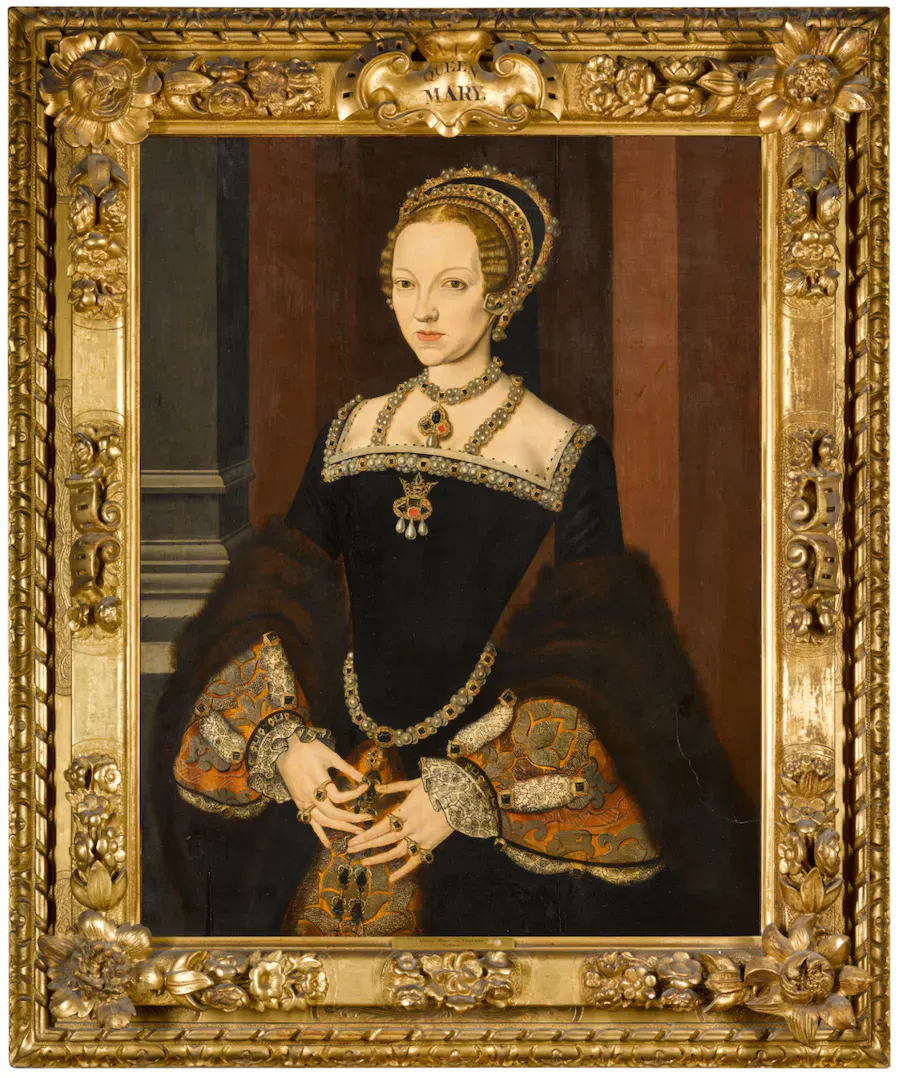
The lady in the portrait sold at Sotheby's was intimately acquainted with both Elizabeth and Henry VIII. Katherine Parr was the sixth and last wife of the king, considered his "survivor". As is well known, Henry divorced his first wife, the Spanish princess, Catherine of Aragon, who had borne him only a daughter, Mary, in order to marry Anne Boleyn, who also gave birth to only one girl, Elizabeth. Shortly thereafter, Anne lost Henry's love and then her head as well, due to her alleged adultery. Wife number three, Jane Seymour, eventually produced the longed-for heir to the throne, Edward, but died shortly after his birth. Although heartbroken, Henry fell in love with the portrait of Princess Anne of Cleves and immediately signed a marriage contract. Face to face, however, Anne did not please him and he had the marriage annulled. This set the stage for the young and boisterous Katharine Howard, who, however, lost her head due to her documented extramarital affairs.
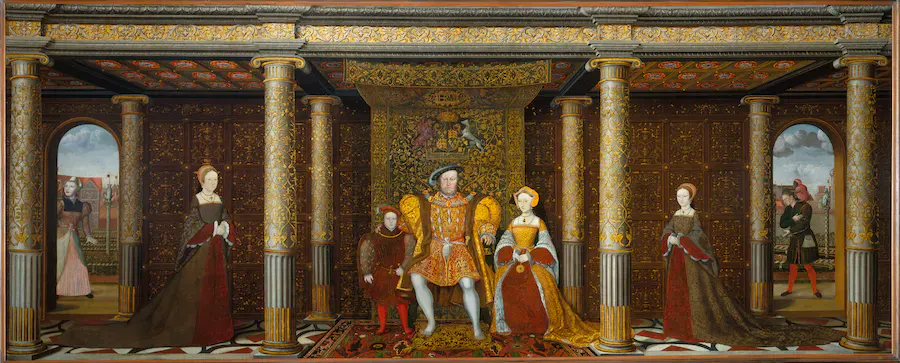
Such was the situation when a married Katherine Parr came to the court in London in 1542, where her sister Anne had served as lady-in-waiting to the queens since the time of Catherine of Aragon. She was widowed for the second time the following year, but rather than retire (her late husband had left her sufficient money and lands) she remained at court and became maid of honor to the eldest Princess Mary. Perhaps she chose this path to be close to Sir Thomas Seymour, a brother of the late Queen Jane. The interest was mutual, but the graceful Katherine attracted the attention of another suitor: the King himself.
Related: The Art of Collecting Persian Rugs and Carpets
Katherine resigned herself to her fate and married Henry VIII in February 1543. Marriage to the king was certainly not a happy one, for Henry's mood was sometimes erratic, and he was excessively overweight and had various physical ailments, of which a leg ulcer was certainly the most troublesome. The clever and very educated Katherine - since her youth she spoke fluent French, Italian and Latin and was interested in medicine - knew how to handle the king and lovingly took care of him. Henry was well aware of Katherine's abilities and even gave her the reins of the government when he was on a campaign in France. On the side, Katherine engaged in writing prayer books in English, becoming a Protestant.
But that was exactly what almost became her undoing at a time when followers of different faiths were deadly enemies of one another. Henry VIII, for example, said goodbye to the Pope in Rome in order to obtain a divorce, but still considered himself a Catholic. When Katherine heard that her enemies had already obtained a warrant for her arrest from the king, she threw herself at her husband's feet and pledged her loyalty to him. Henry was appeased and Katherine remained his queen until his death in January 1547.
Related: La Peregrina and La Pelegrina: The World's Most Famous Pearls
In his will, Henry stated that Katherine was to be treated like a queen even after his death and given a lavish widow's pension. Katherine soon resumed her relationship with Thomas Seymour and became his wife. Together they moved to Sudeley Castle in Gloucestershire. Seymour's motives for the marriage can be described as questionable, as he was probably primarily concerned with his reputation and career. This was particularly evident when Princess Elizabeth came to Sudeley Castle so that Katherine could attend to her education. He blatantly pursued the only 14-year-old, so that Katherine felt compelled to send the girl away. Katherine, married for the fourth time, was expecting a child at the time, and her daughter Mary was born in August 1548. However, Katherine died a few days later, at the age of 35, of childbed fever. Rumor has it that she was poisoned by her husband, who soon continued his advances towards Elizabeth. Ultimately, however, none of Thomas Seymour's ambitious plans materialized and he was executed for treason in 1549.
Want to discover articles like this straight to your inbox? Then register today for our free newsletter!
It is therefore not surprising that the portrait of such a fascinating personality, who was also one of the few women of the Tudor period whose writings were printed, incited high auction bids.
Related: Fire, Passion, Inspiration: Red Hair in Art
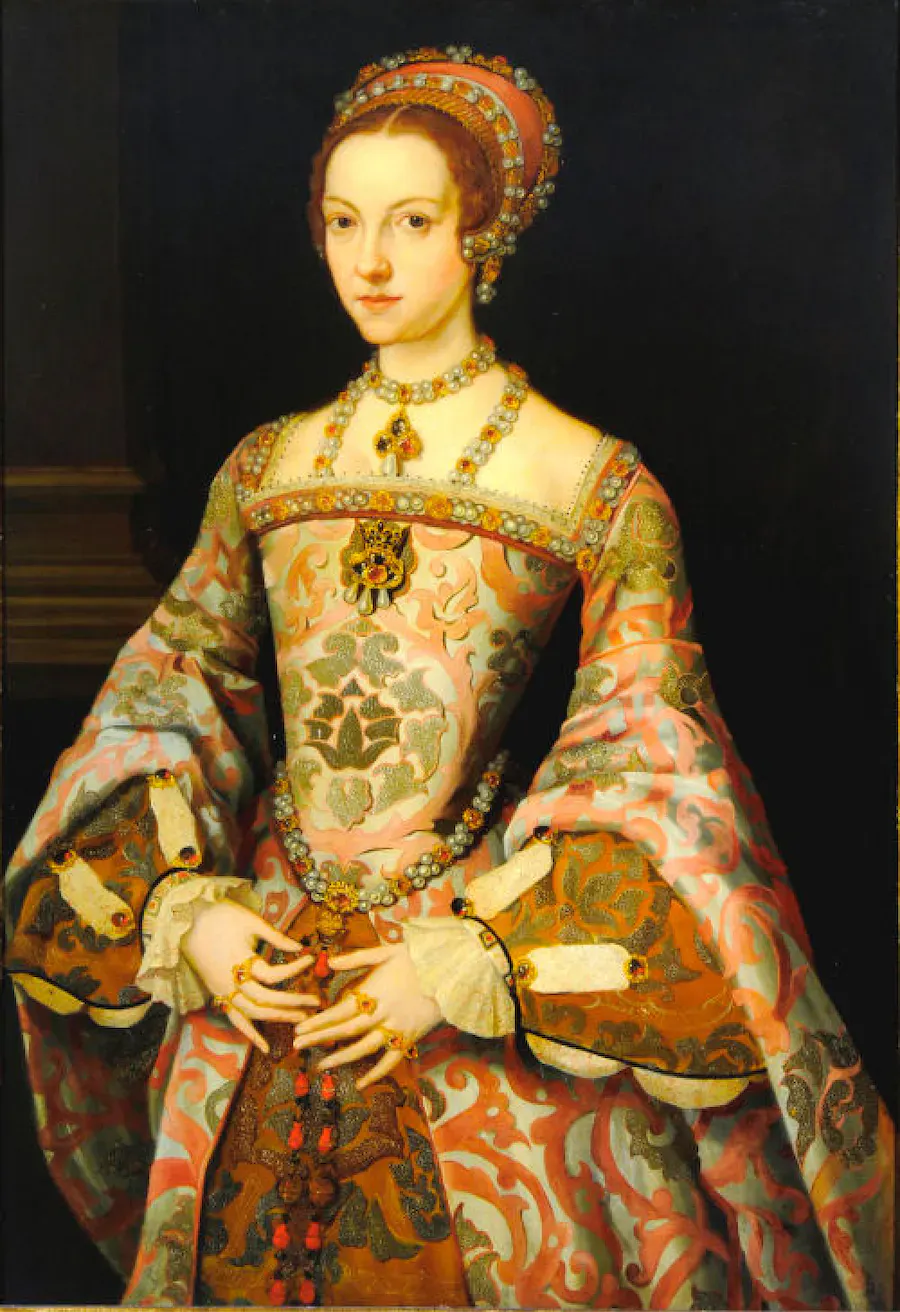
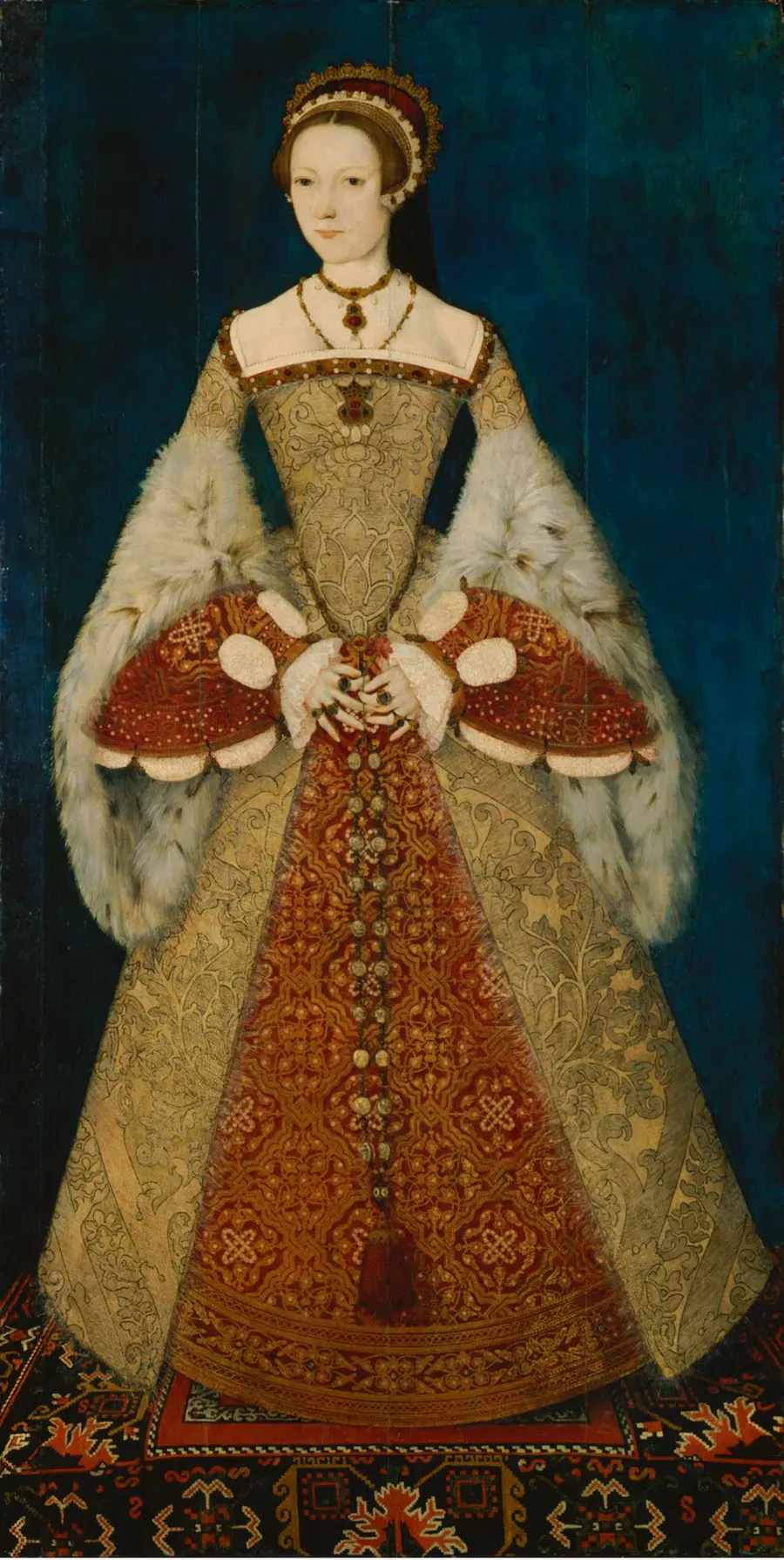
In fact, it is one of only two portraits of Katherine Parr and was painted shortly after the death of Henry VIII. The other is a full-length portrait of Katherine during her time as Queen and is in the National Portrait Gallery. The present portrait had been considered destroyed since the 1960s, but then surprisingly reappeared in the estate of its last owner, the Earl of Jersey. Before that it had passed through many hands, with the identity of the sitter being misrepresented. It was first believed to be Queen Mary I, as evidenced by the frame added in the 18th or 19th century. Eventually, however, the truth came out, thanks to the conspicuous brooch on her cleavage, which is proven to have been in Katherine's possession.
Related: Brooches: A Passion That Clings
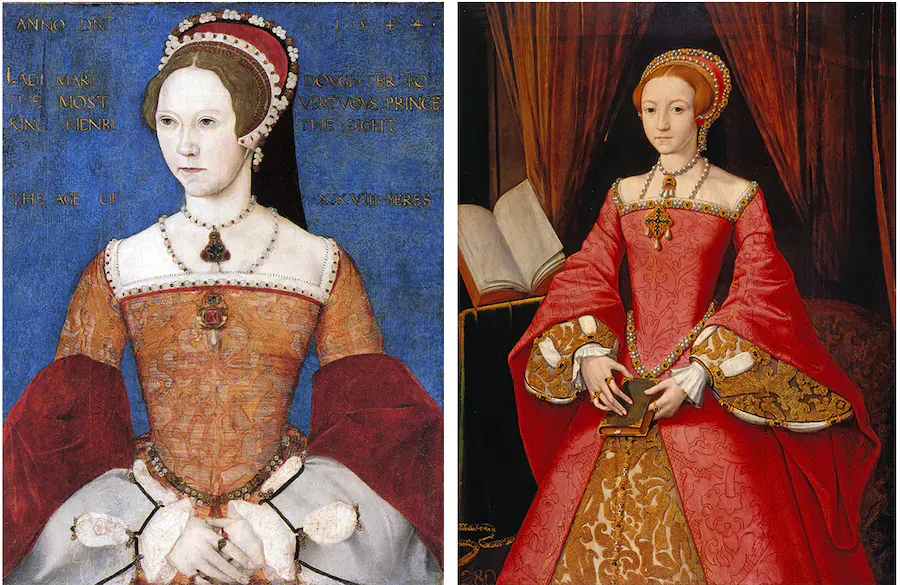
There were also different statements about the painter, ranging from Anthonis Mor to Lucas de Heere to Hans Holbein the Younger. According to the most recent research, it is attributed to Master John, known only by his pseudonym, whose activity is documented from the 1540s. He is also credited with the second portrait of Katherine in the National Portrait Gallery and is credited with a 1544 portrait of the later Queen Mary I which is there as well.
Related: 5 Famous Ladies in Red
Another portrait that shows the later Elizabeth I as a princess shows great similarities with the rediscovered portrait of Katherine Parr. Listed in the inventory of Whitehall Palace in 1547, however, the princess portrait was probably created somewhat earlier than that of Katherine Parr, who had managed to survive her marriage to Elizabeth's father with intelligence and sensitivity.
Check out Barnebys Magazine for more news from the auction market!