
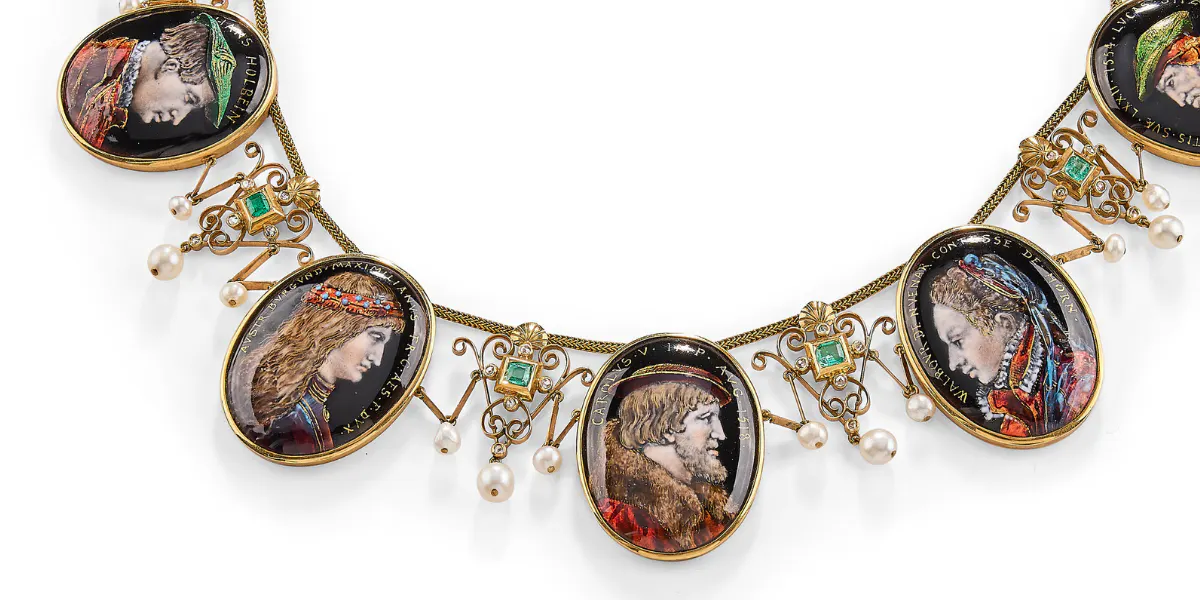
Mrs B., who has dedicated over four decades to researching, traveling, and studying the art market, has successfully assembled a remarkable collection of some of the rarest and most exceptional jewels. These treasures, spanning two centuries, will be up for sale through Tajan on December 5.
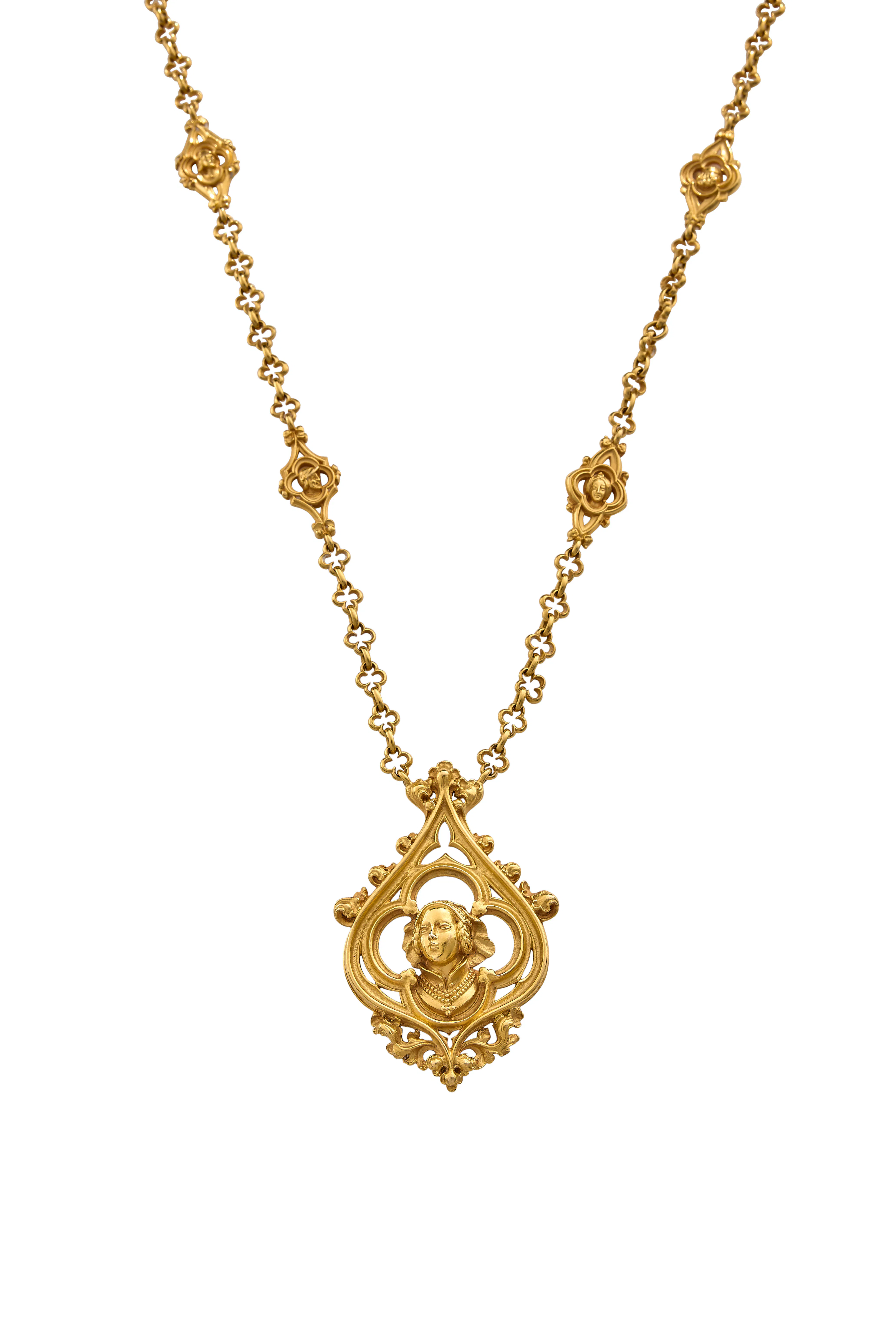
The lots include some of the finest pieces from the company founded by Jules Wièse and his son, Louis. Jules Wièse, born in Berlin in 1818, became one of the most acclaimed chiselers in France. He moved to Paris in 1839, quickly establishing himself as the sought-after goldsmith and jeweler of his time. In 1844, he set up his own workshop, registered his trademark, and exclusively crafted jewelry for Froment-Meurice, with whom he had collaborated since his arrival in France. Following in his father's footsteps, Louis Wièse assumed control of the business in 1880.
Related: Vintage Costume Jewelry: Where to Begin
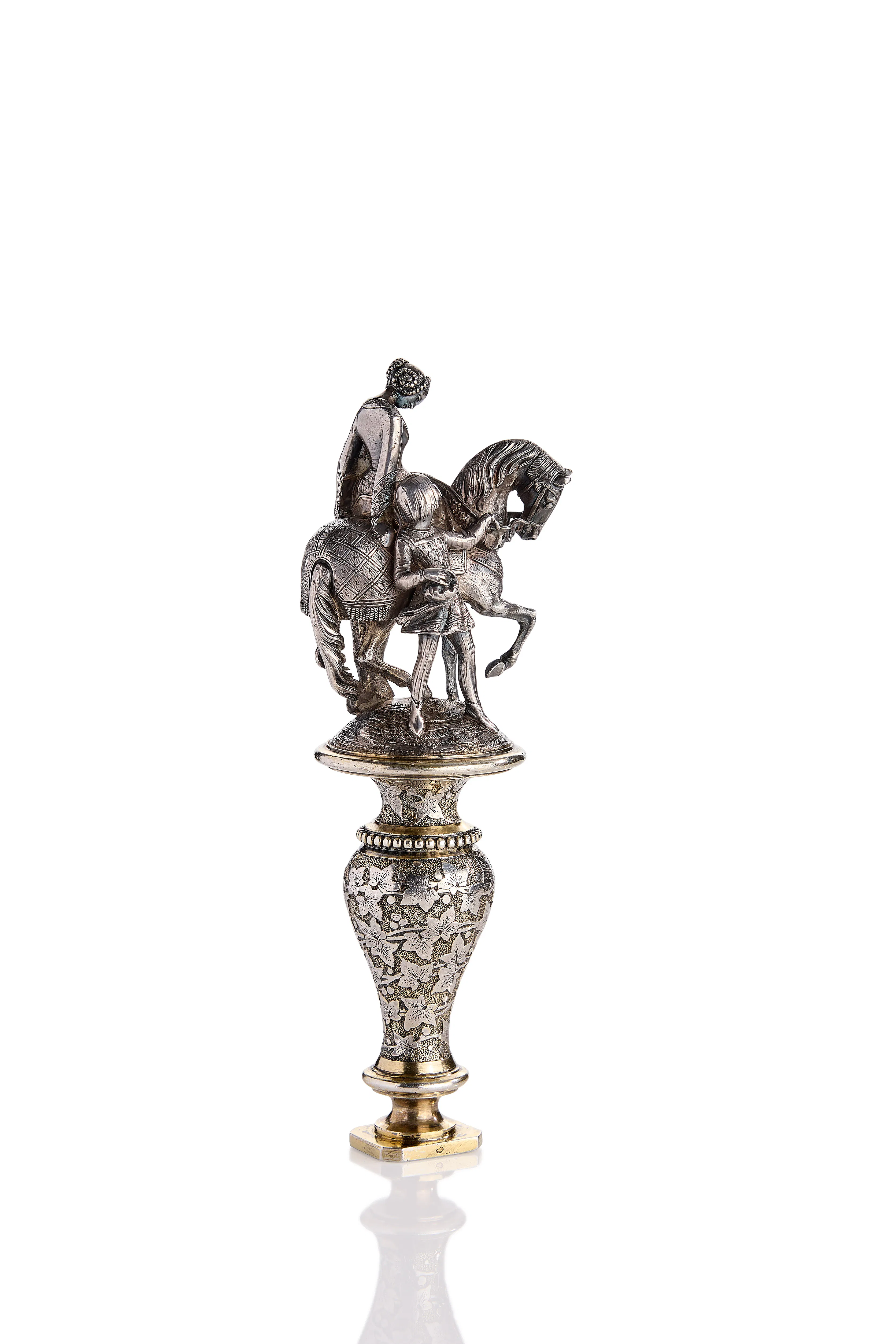
At the time, Jules Wièse was creating jewelry with a Romantic aesthetic, drawing inspiration from the ornate styles of the Middle Ages and the Renaissance. However, his enduring association with Froment-Meurice continued to exert a significant influence on him. In the 1850s and 1860s, Wièse transitioned towards a neo-Gothic aesthetic in his jewelry designs, an aesthetic that would remain a defining feature of his work.
Related: The 9 Most Popular Jewelry Brands
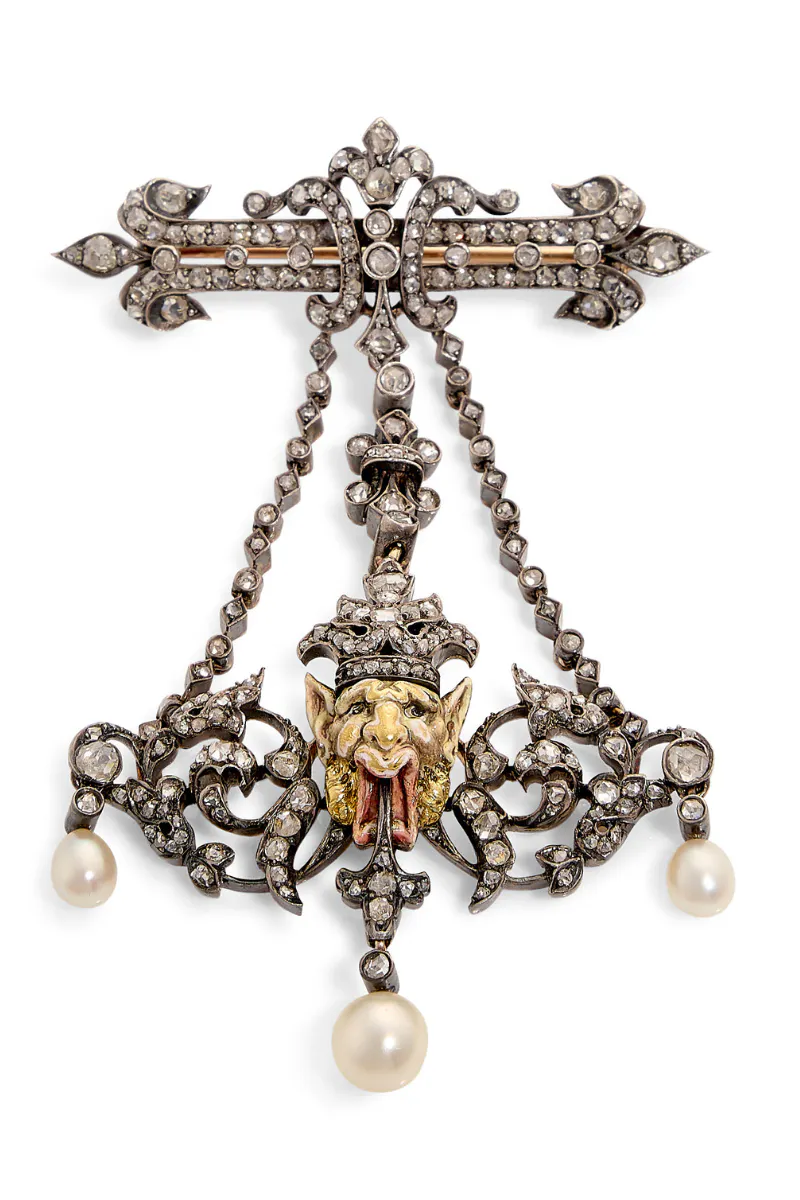
Another highlight of the collection is a Frédéric Boucheron brooch designed in a Mannerist style. Frédéric Boucheron, a French jeweler, is the founder of the Boucheron brand. His innovative and refined creations rapidly garnered immense acclaim in Paris. The brand's continued prosperity under the stewardship of his successors has evolved into the well-established name it is recognized as today.
Related: Brooches: a Passion That Clings
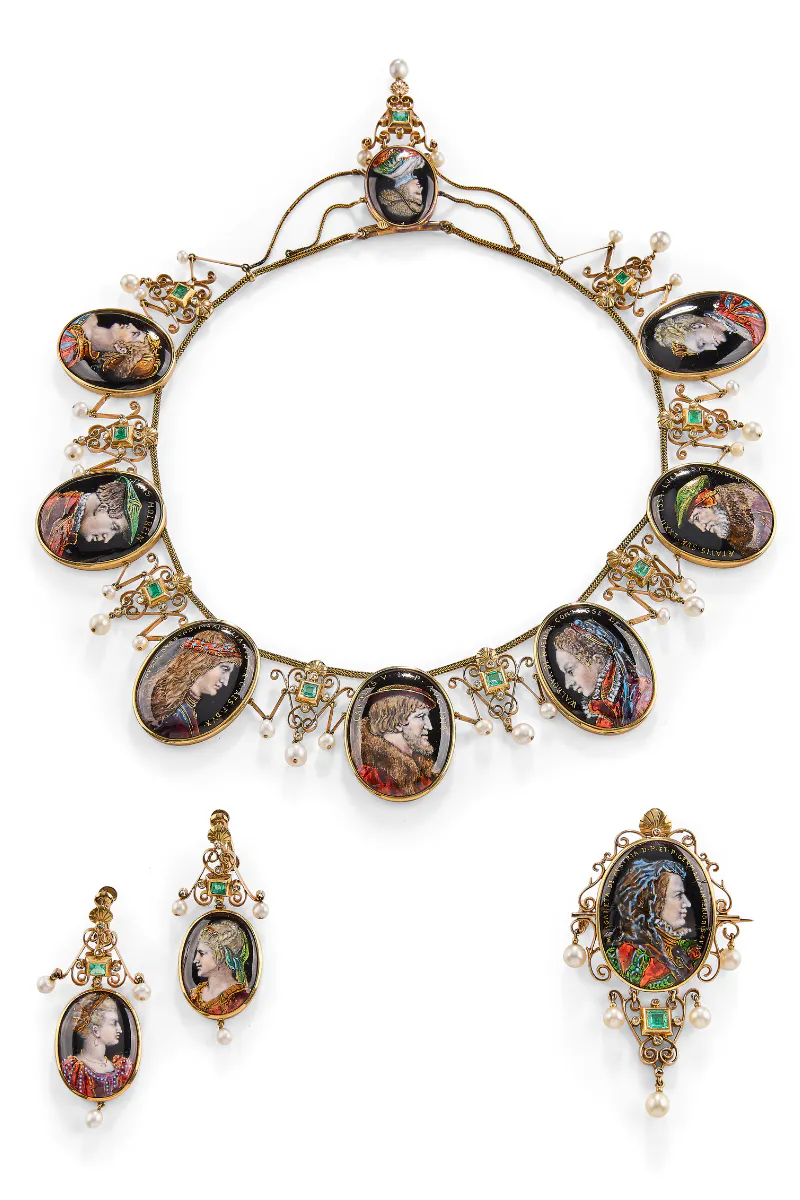
Finally, an important set of jewelry by Alfred Meyer will also be up for sale. What sets it apart is that Meyer was not a jeweler by trade; instead, he was a painter, ceramist, and enamelist. Although he took part in the first Impressionist painters' exhibition at Nadar's in 1874, Meyer preferred to maintain a fairly classical style. As a highly skilled technician, he rediscovered and incorporated the techniques used by enamelers in the Middle Ages, which are beautifully showcased in this exceptional set.
Want more articles like this straight to your inbox? Subscribe to our free newsletter!
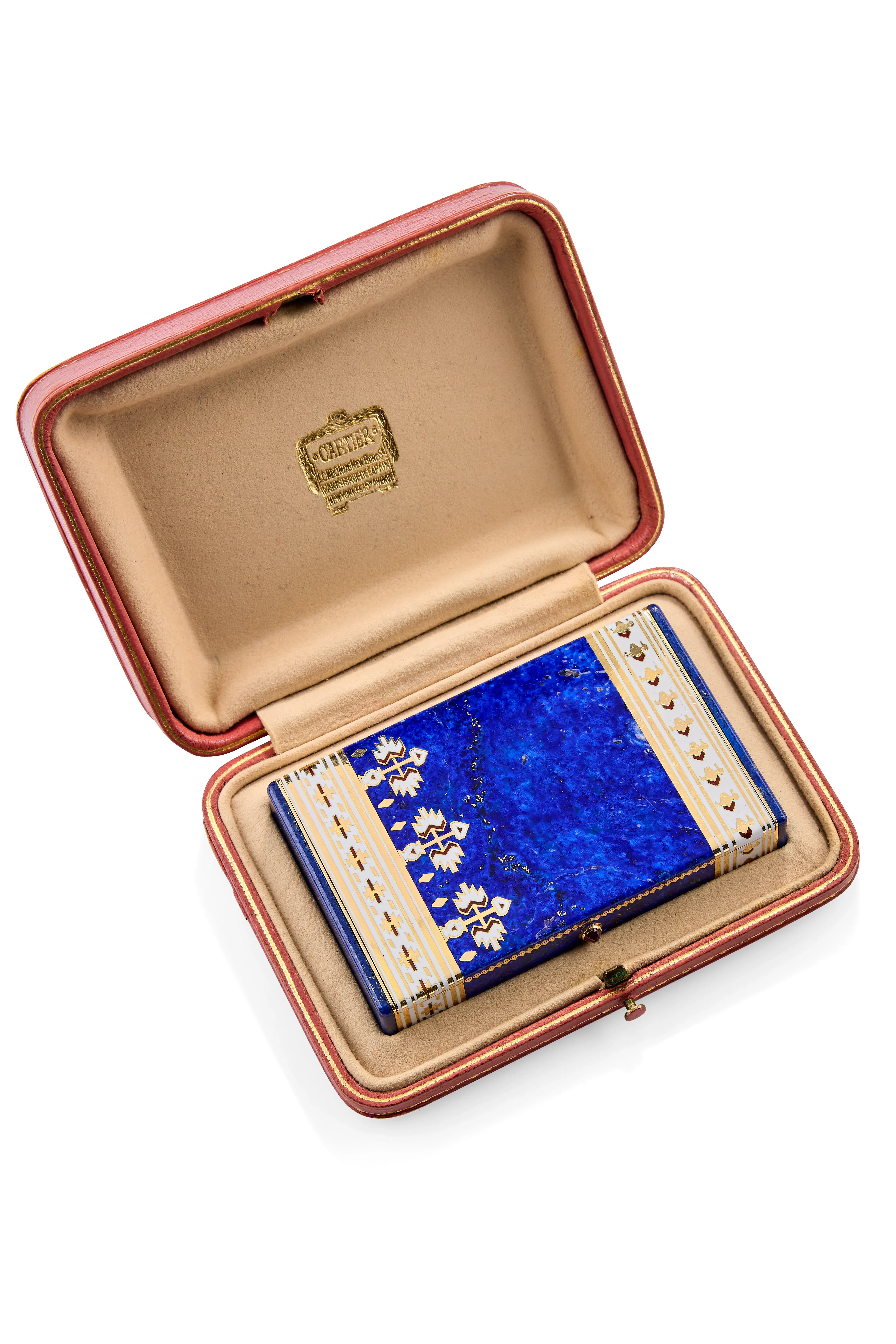
Among the collection, there are 11 Cartier vanity cases dating from the 1920s. The Art Deco movement, akin to Art Nouveau, represented a modern artistic approach aimed at infusing everyday objects with an artistic essence. This trend diverged from the traditional fine arts, like painting and sculpture, in which the utilitarian or practical aspect of art often took a back seat, allowing pure visual appreciation to take centre stage.
Related: Cartier: A Love Affair
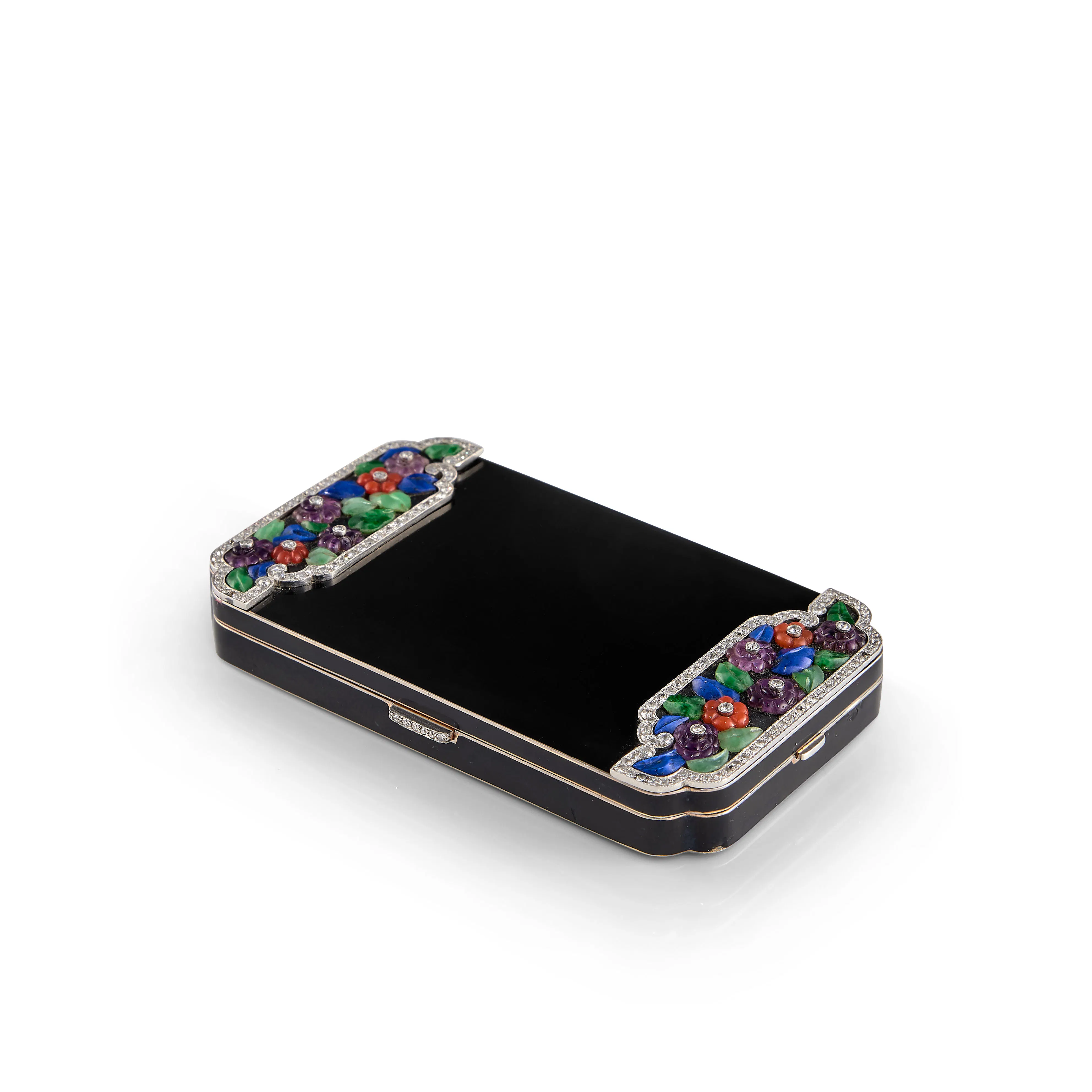
Without a doubt, these Cartier beauty sets stand as the most faithful embodiments of the Art Deco style, seamlessly melding beauty with practicality by incorporating floral or oriental motifs.
Related: Art Deco: The Great Celebration
This exceptional sale will take place at Tajan, 37 rue des Mathurins, Paris, on December 5.