On August 10, 1793, France's National Constituent Assembly decided to celebrate the first anniversary of the fall of the monarchy by founding a central museum for the arts of the Republic in which the royal collections, as well as works confiscated from emigrants and the church would be made accessible to the public. The royal collections had been assembled mainly by Francis I and Louis XIV and consisted mostly of paintings. On the day it opened, the new museum, called Muséum central des Arts de la République, was housed in the Grande Galerie along the Seine, part of the the medieval Louvre Palace.
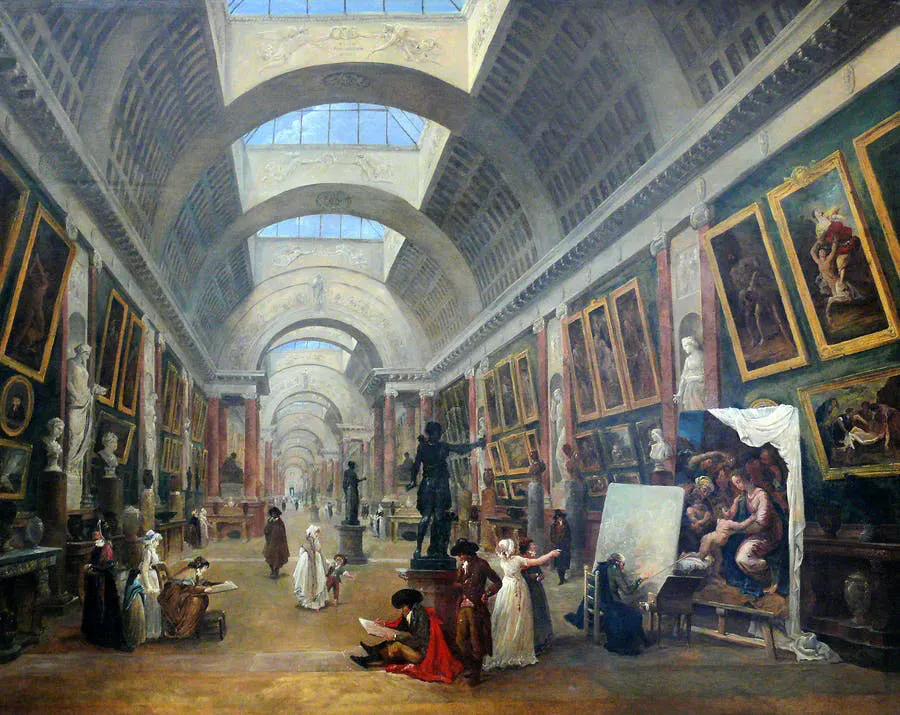
The collections of the kings and the confiscated works were soon joined by others ceded from conquered countries during the Napoleonic era. Napoleon Bonaparte also had many art treasures brought to France, especially from Italy.
Related: Seeing Double: Art in Art
Nevertheless, the Louvre initially remained primarily a training center for artists until Bonaparte appointed Dominique Vivant, Baron Denon as general director in 1803. Denon was a talented jack-of-all-trades whose goal was to make the Louvre, now renamed the Musée Napoléon, the "most beautiful museum in the universe" and to build a unique and exemplary collection of world-class masterpieces.
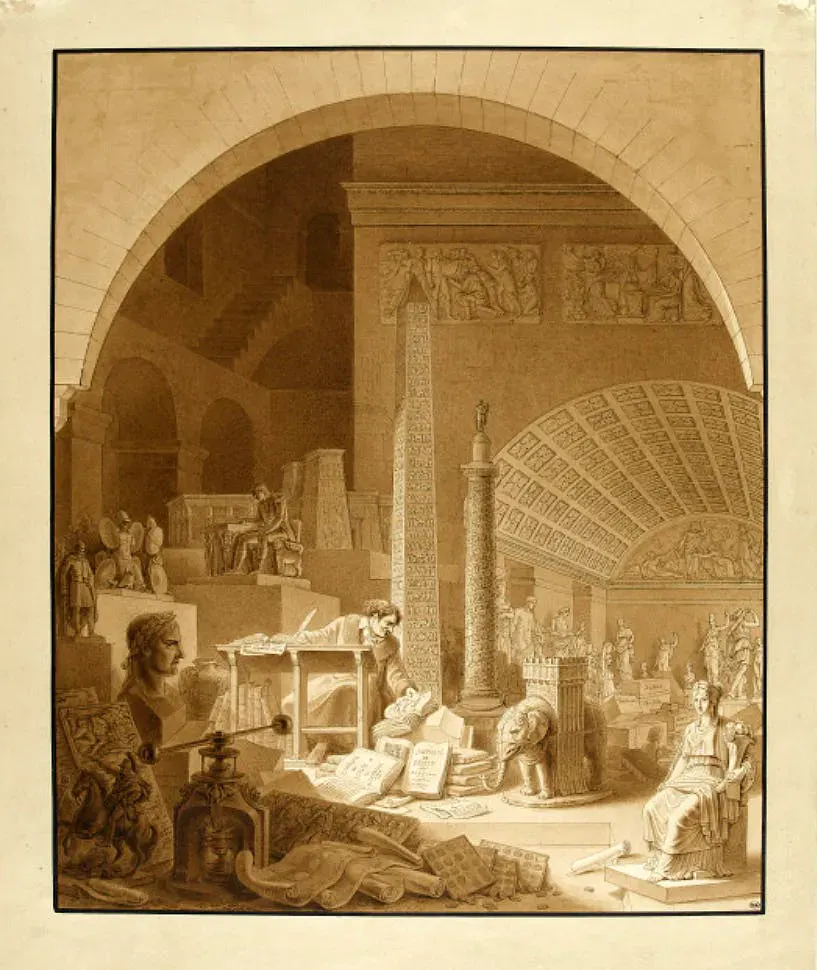
The end of Napoleon's Hundred Days Reign in 1815 impacted the Louvre. After the conquest of Paris, the Quadruple Alliance (Austria, Prussia, Russia, and Great Britain) took back around 5,000 works of art that they had previously ceded to France by treaty.
Related: 10 Famous Sculptures in Art History
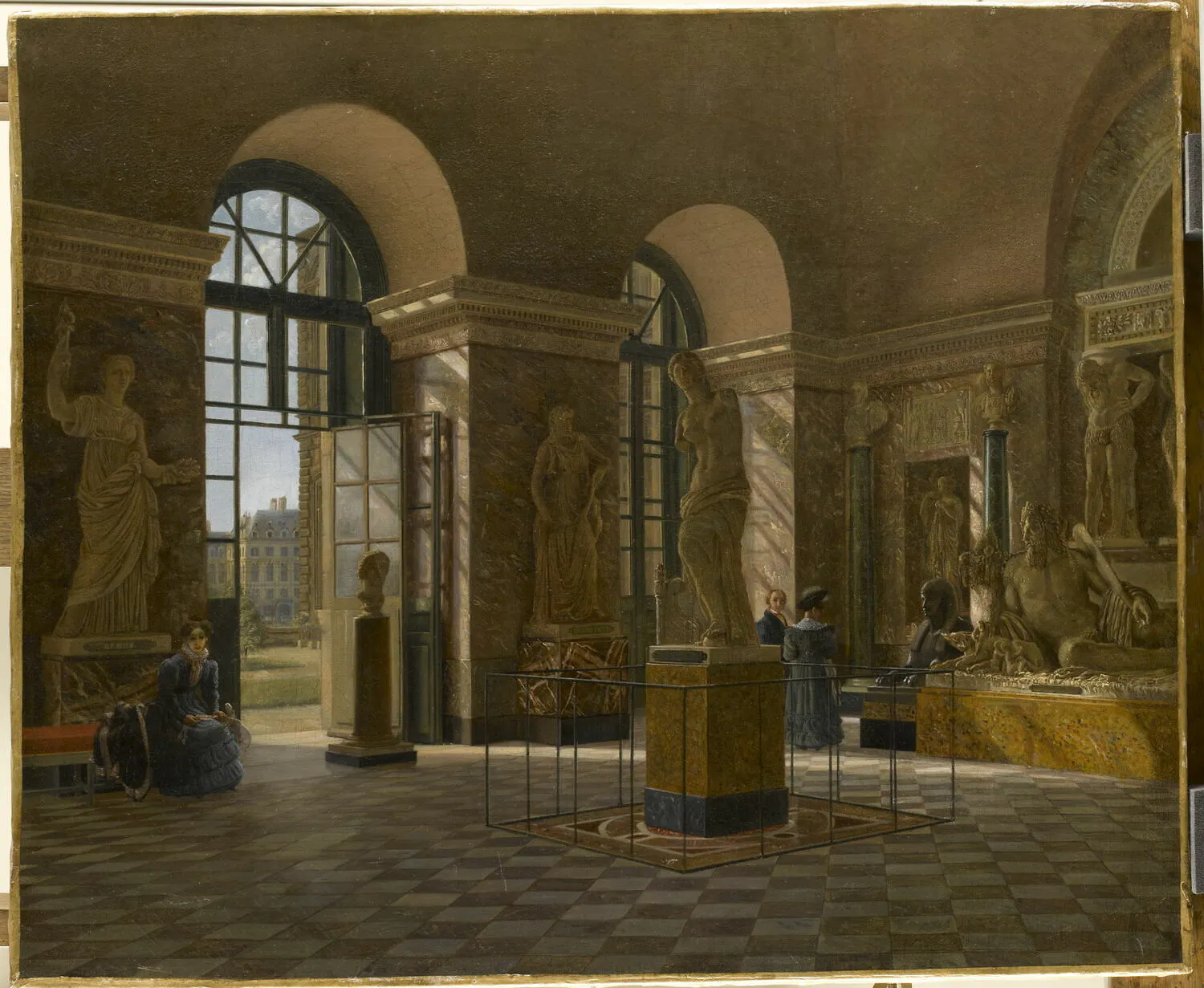
But even after the fall of Napoleon, the Louvre's collection continued to be supplemented by more peaceful and honest approaches. The arrival of the Venus de Milo in 1821 and the deciphering of the Rosetta Stone hieroglyphs by Jean-François Champollion the following year gave new impetus to the acquisition of antiquities.
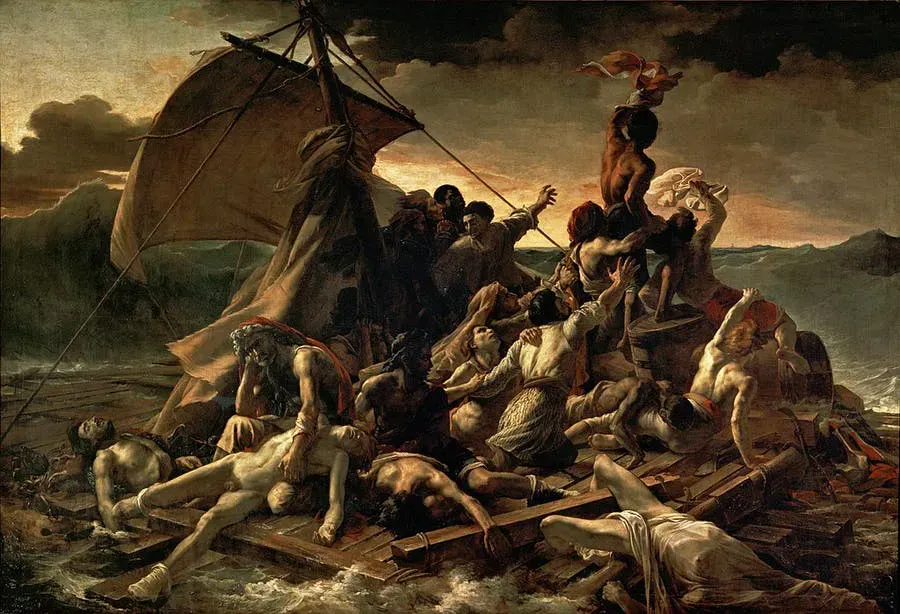
Under the kings of the Restoration, Louis XVIII and Charles X, the museum also began to open up to contemporary art of the time. Among these works is one that caused controversy when it was first presented at the Salon of 1819: The Raft of the Medusa by Théodore Géricault. Thanks to a special decree of November 12, 1824, the general director of the museum, Count Auguste de Robin, was able to purchase the painting on behalf of the state. This large-scale acquisition has since dominated the gallery where it is exhibited.
Purchases and donations continued at a steady pace throughout the rest of the 19th century. There was a significant decline after the First World War due to a lack of resources.
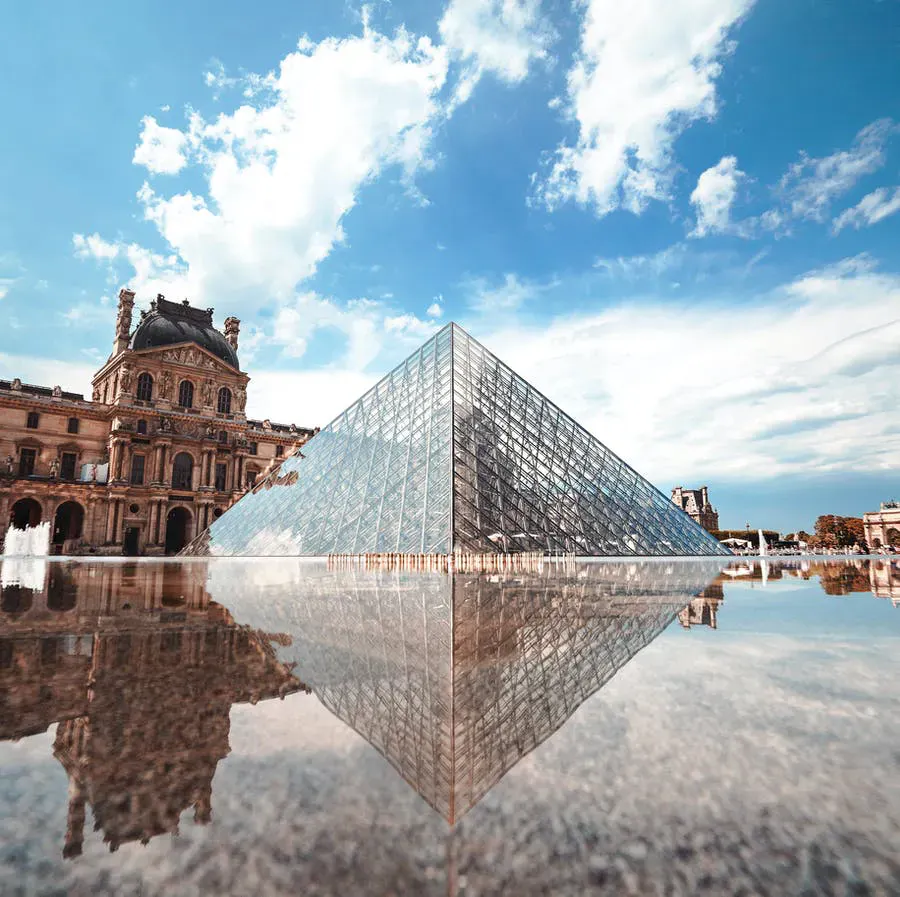
In the 20th century, the Louvre benefited from the energy of three French presidents who were very conscious of their responsibility towards cultural heritage: Georges Pompidou, who returned to the tradition of earlier patronage, Valéry Giscard d'Estaing, who led the conversion of the former Gare d'Orsay into the Musee d'Orsay and initiated the move of some collections from the Louvre to the new museum, and François Mitterand, who ordered the expansion of the underground entrance area under the famous glass pyramid by the architect I.M. Pei.
Related: Mona Lisa: Art History's Ultimate Muse
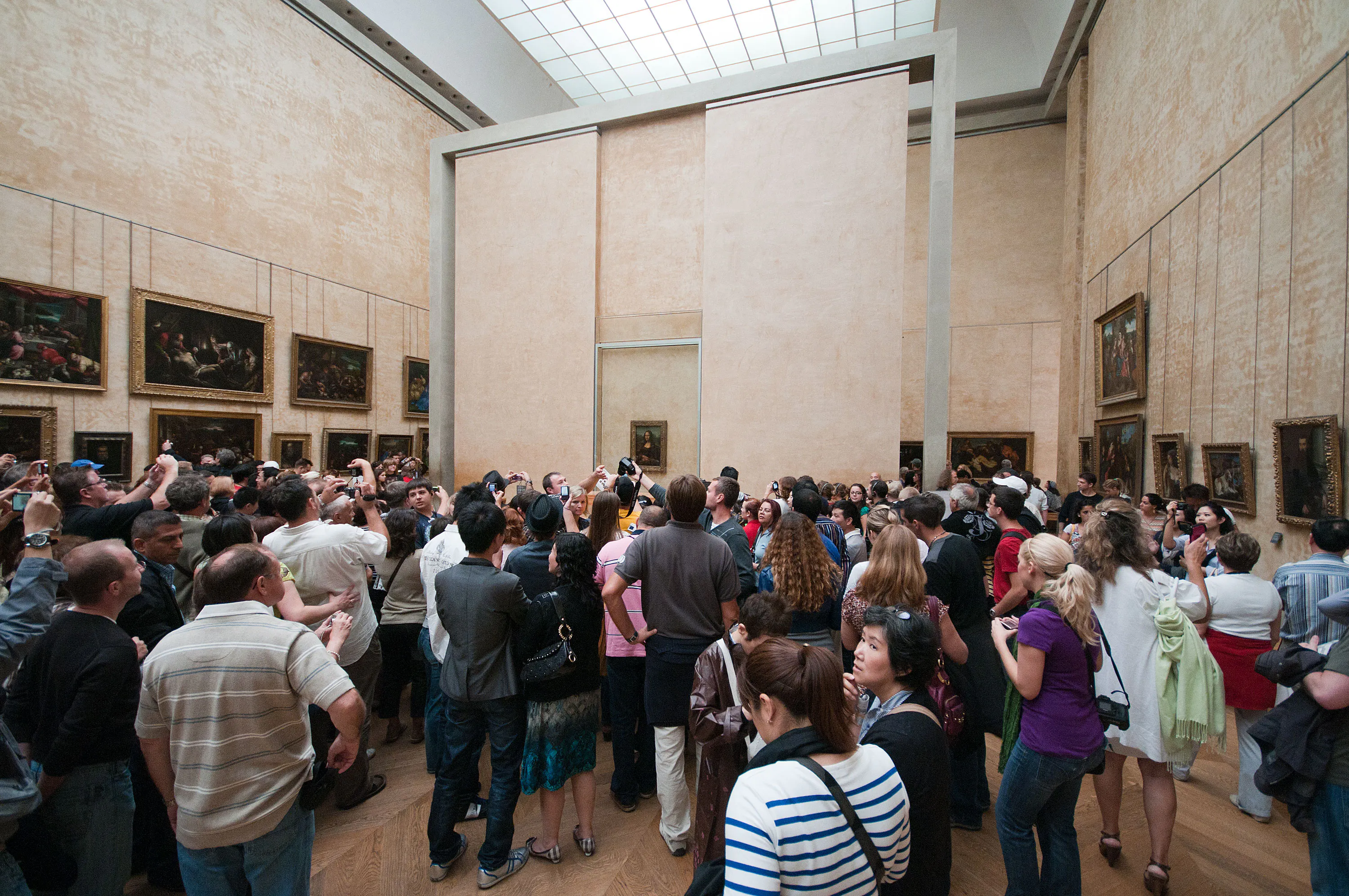
Now, the Louvre is the largest and most-visited museum in the world, with an average of 9 million visitors per year (and a record 10 million visitors in 2018). The most famous works in its collections include the Babylonian Code of Hammurabi, Eugène Delacroix's Freedom Leading the People, the Greek sculpture Nike of Samothrace and, of course, Leonardo da Vinci's Mona Lisa. The famous female portrait was originally part of the collection of Francis I, who bought the portrait from da Vinci whom he had brought to France shortly before his death. The painting was famously stolen from the Louvre in 1911 before it was recovered two years later.