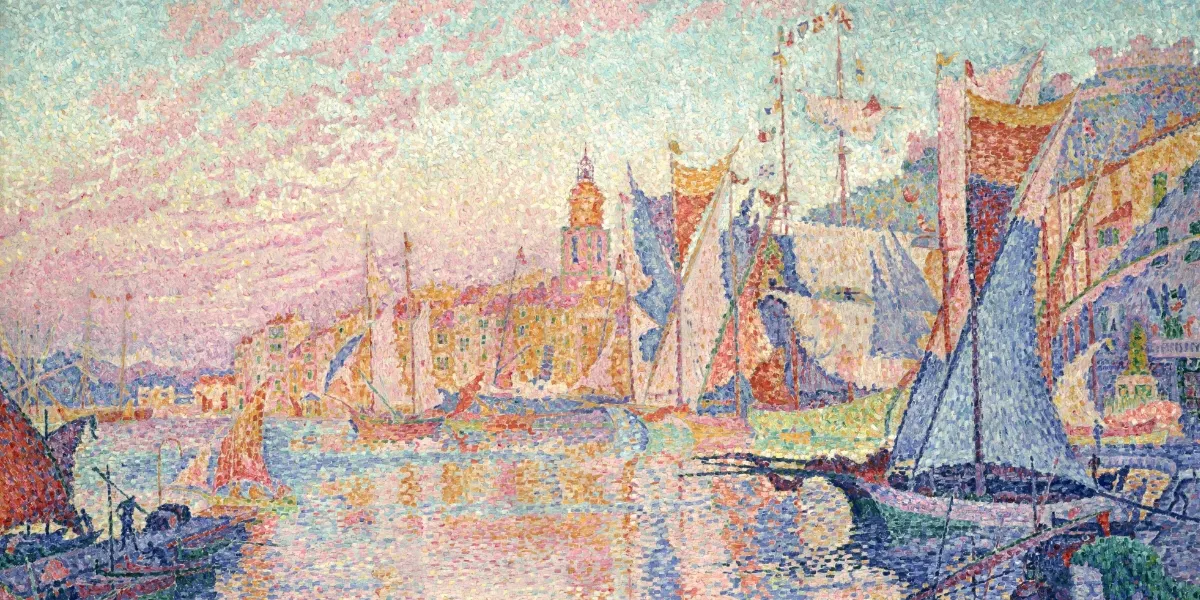
The South of France, from the charming villages of Provence to the glittering Mediterranean coast of the Riviera, has long lured artists, hedonists, sun-seekers, entertainers, and writers. Far before it became a summer hotspot for the jet set that it is today, the balmy climate, dramatic landscapes, sleepy fishing villages, and beautiful joie de vivre of the South of France offered respite for the sick and world weary, inspiration for creatives, and a safe haven during the wars that ravaged the rest of Europe. From the 19th century, Impressionists and modernists flocked southward to discover the allure of this part of France, which would serve prominently as motifs in their work. Here are 8 artists who found both homes and inspiration in the South of France:
Related: 10 Paintings That Capture the Spirit of Summer
Henri Matisse
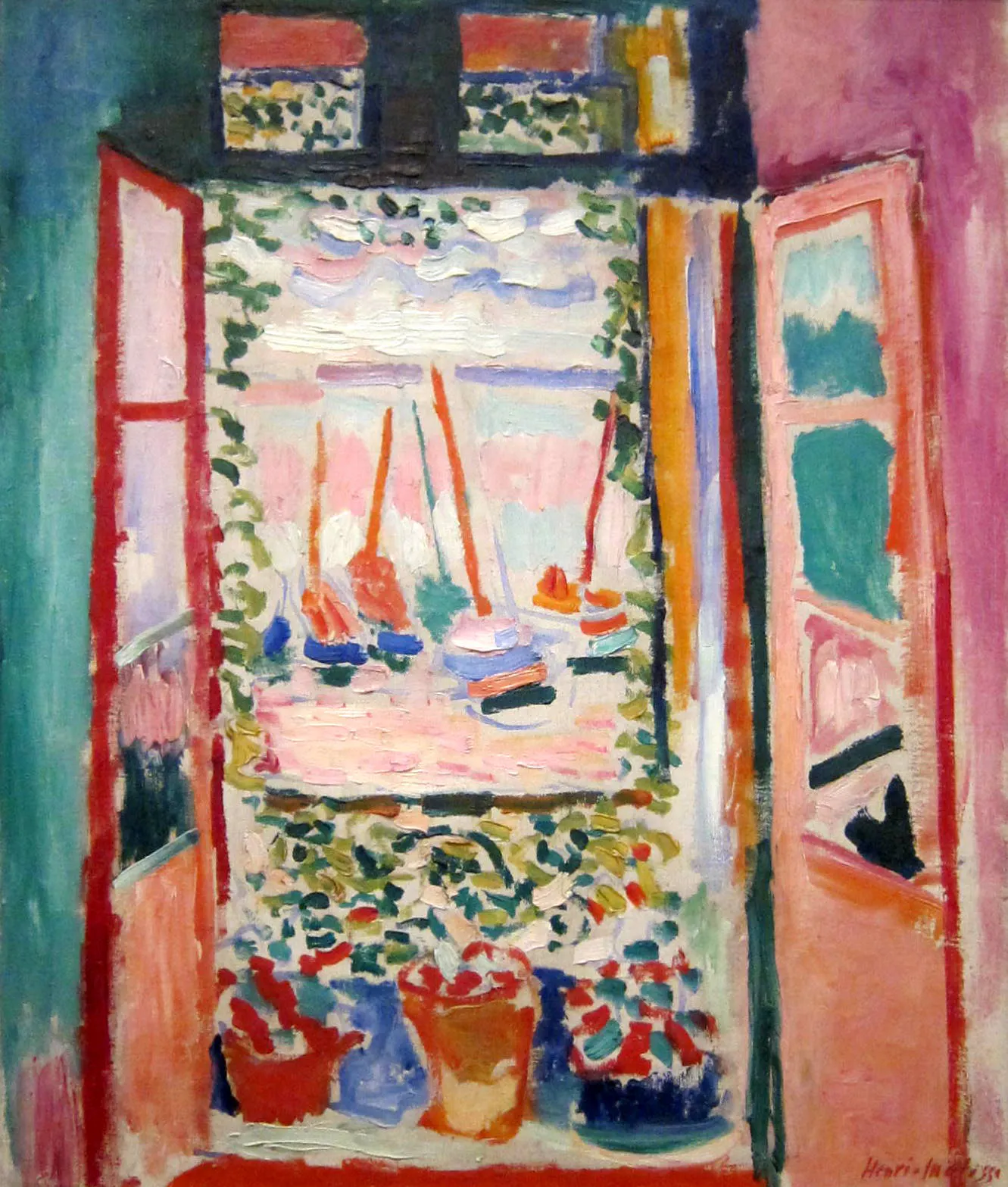
Henri Matisse (1869-1954) first visited the South of France in 1905, when he painted two of his most famous works in Collioure, near the Spanish border. These were Les toits de Collioure and The Open Window, renowned works at the Hermitage and National Gallery of Art respectively. During the First World War, he decamped to a suburb of Nice in 1917 and remained in the South of France until his death in 1954. Matisse's Fauvist technique and vibrant color palette are often associated with the brilliant tones of the Riviera, from the blooming flowers to the blue Mediterranean. In 1963, the Musée Matisse was established in Nice. Matisse himself donated the majority of the works that make up the collection, which range from paintings and drawings to sculptures and books, as well as his personal memorabilia.
Marc Chagall
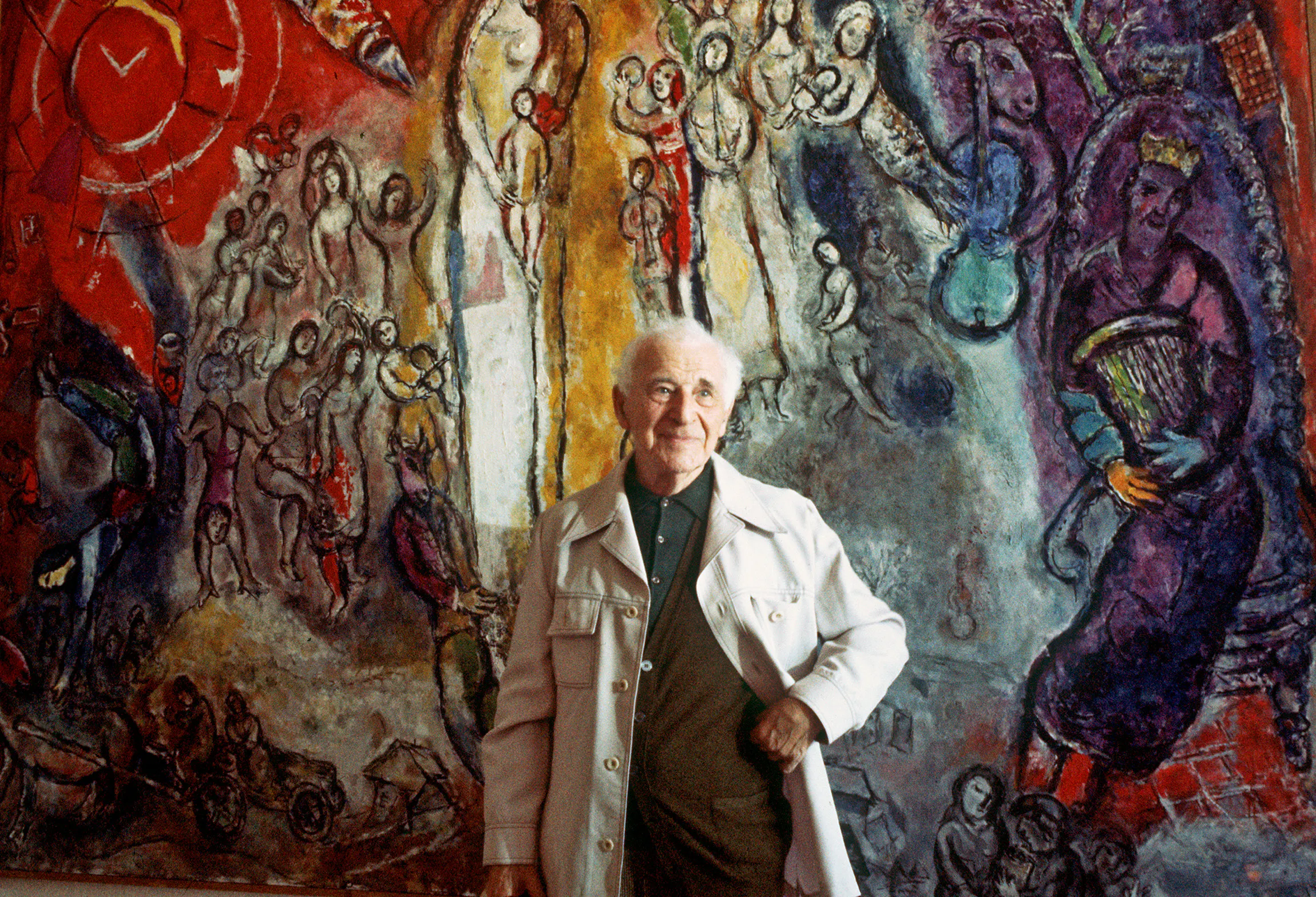
After frequent visits to the South of France, Belarusian-born Marc Chagall (1887-1985) moved to the Côte d'Azur permanently in 1948 and lived there until his death in 1985. He once said, "There, in the south [of France], for the first time in my life, I saw that rich greenness—the like of which I had never seen in my own country." In the South of France, he also experimented with ceramics because of the region's many pottery centers. Chagall's legacy in the South of France lives on in the Marc Chagall National Museum in Nice, which was established in 1973 and designed by Chagall himself. The museum especially houses Chagall's paintings depicting Biblical messages, as well as mosaics, stained glass, sculptures, and drawings, making up the largest collection of Chagall works in the world.
Paul Signac
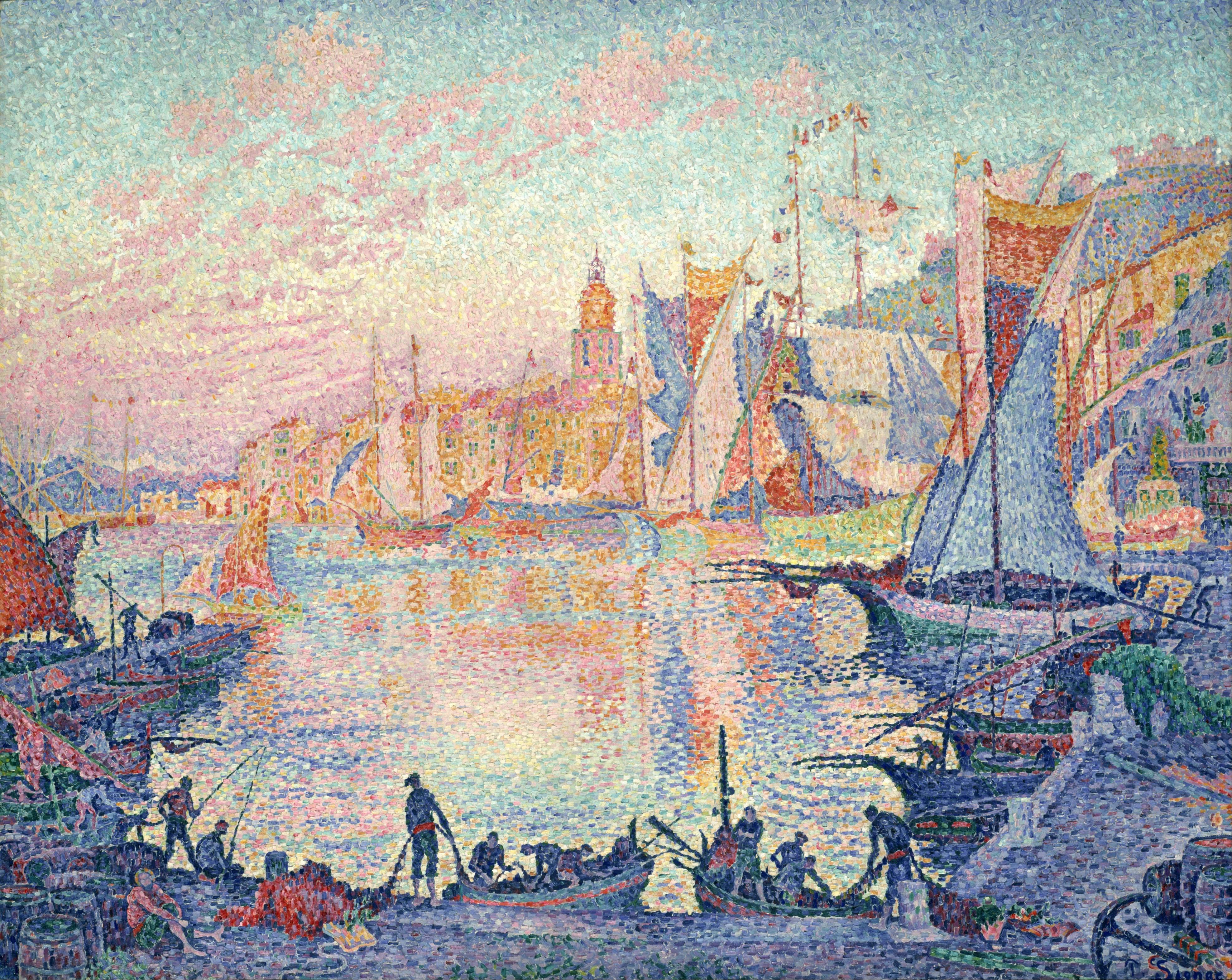
An avid sailer, Paul Signac (1863-1935) sought out beautiful coastal destinations where he could combine his love of the sea with his passion for painting. He settled in the South of France, where he owned a home first in St. Tropez and later in Antibes. The harbors of the Cote d'Azur featured prominently in his works, rendered in his signature Pointillist style which emphasized prisms of color and light.
Pablo Picasso
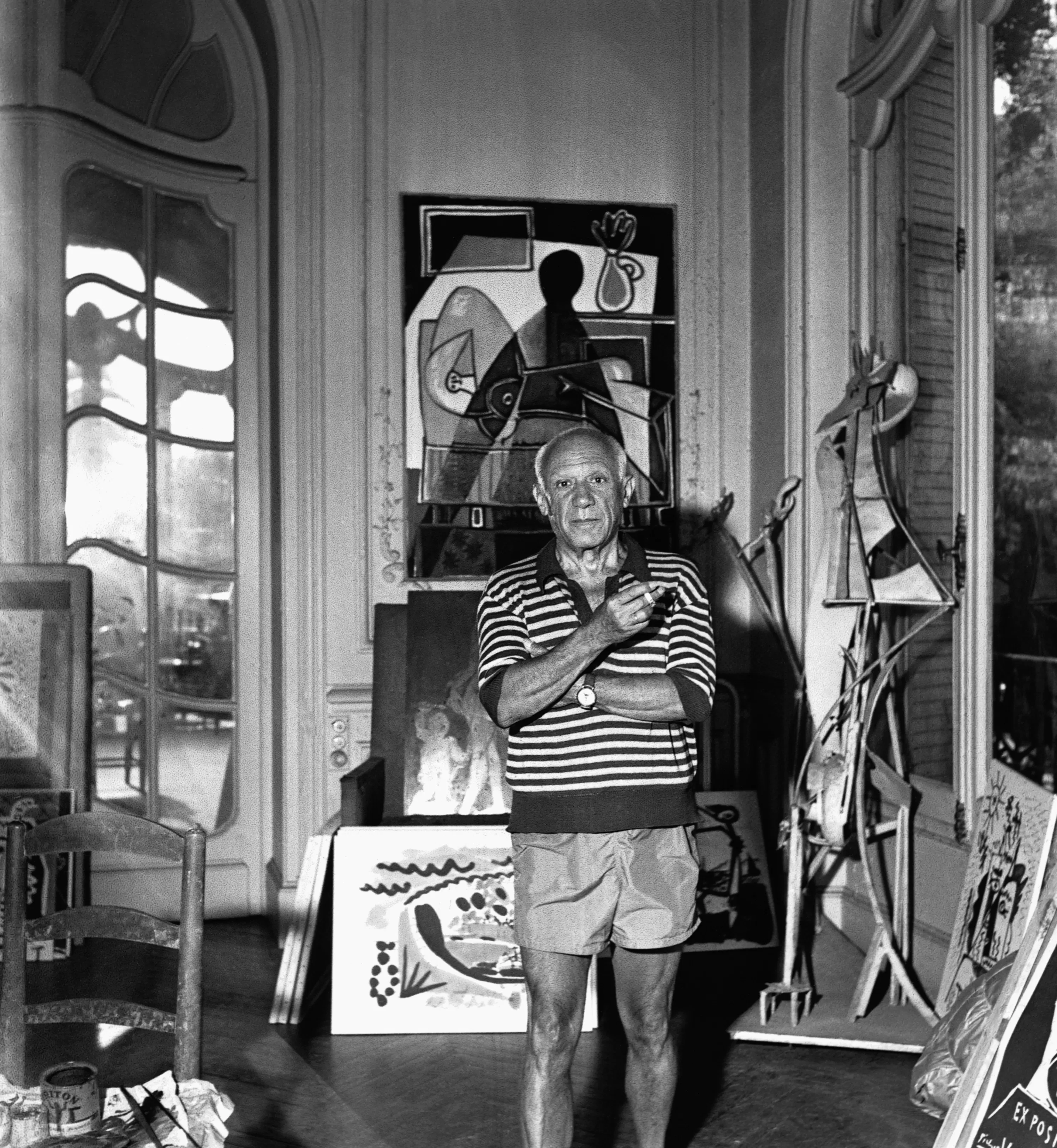
In 1914, Pablo Picasso (1881-1973) first moved to the South of France, specifically the medieval Provençal village of Avignon, at the beginning of World War I. Because of his Spanish origin, he was not required to enlist in the French army like some of his artist comrades and therefore could spend the war years working on his art. He also escaped to Château Grimaldi in Antibes at the outset of World War II.
Related: Picasso's Hidden Talent
The South of France was also the site of his discovery of pottery. In 1947, he attended a pottery exhibition in Vallauris and fell in love with the art of ceramics. He stayed in Vallauris, which lies between Cannes and Antibes, for the next seven years at the Madoura factory, creating iconic plates, bowls, and vases. He owned lavish properties in the South of France, including La Californie, Château Vauvenargues, and Mas Notre-dame-de-Vie, the latter being where Picasso lived for the last 12 years of his life and died. Today, multiple museums commemorate Picasso's contribution to the artist community of the South of France, such as the Musée Picasso in Antibes, housed at the Château Grimaldi where Picasso once lived, and the National Picasso Museum in Vallauris.
Pierre Bonnard
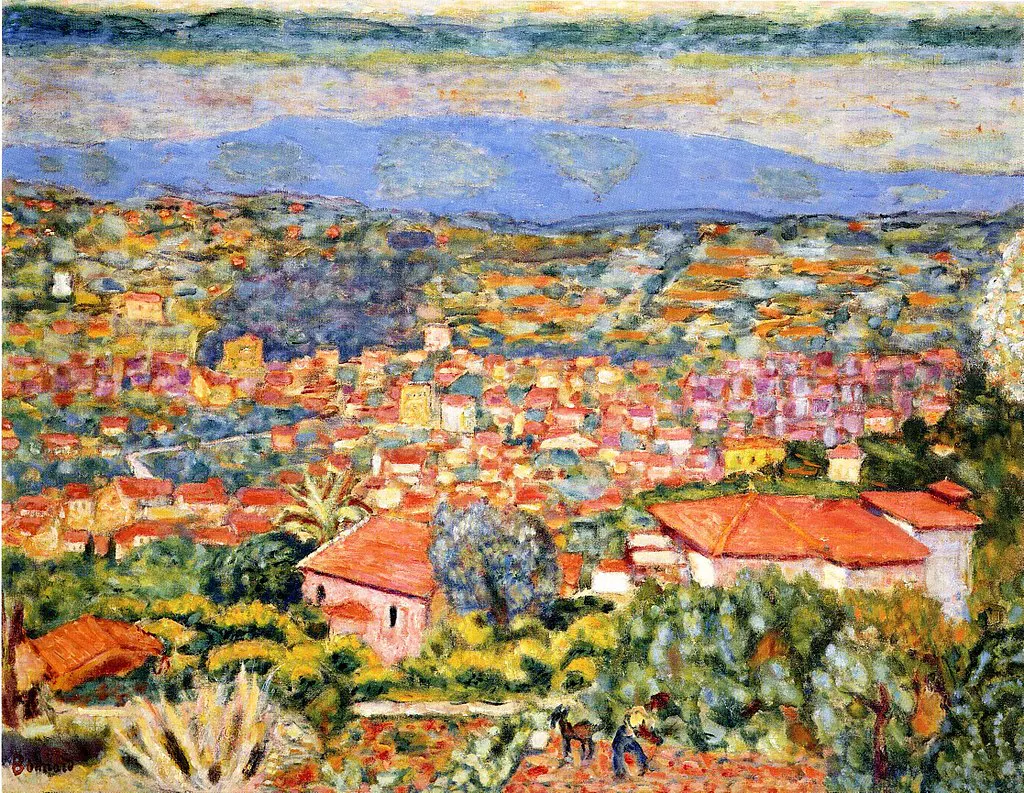
In 1908, Pierre Bonnard (1867-1947) visited St. Tropez to stay with Henri Manguin, the Fauvist artist known for his Mediterranean landscapes. His time in the South of France inspired many of his major paintings that would establish his career. Later, he purchased a villa in Le Cannet, a hillside village above Cannes, with magnificent views that he often captured in his artworks. Like many other artists, Bonnard left Paris at the beginning of World War II and moved to Le Cannet permanently. He would live there until his death in 1947.
Pierre Auguste Renoir
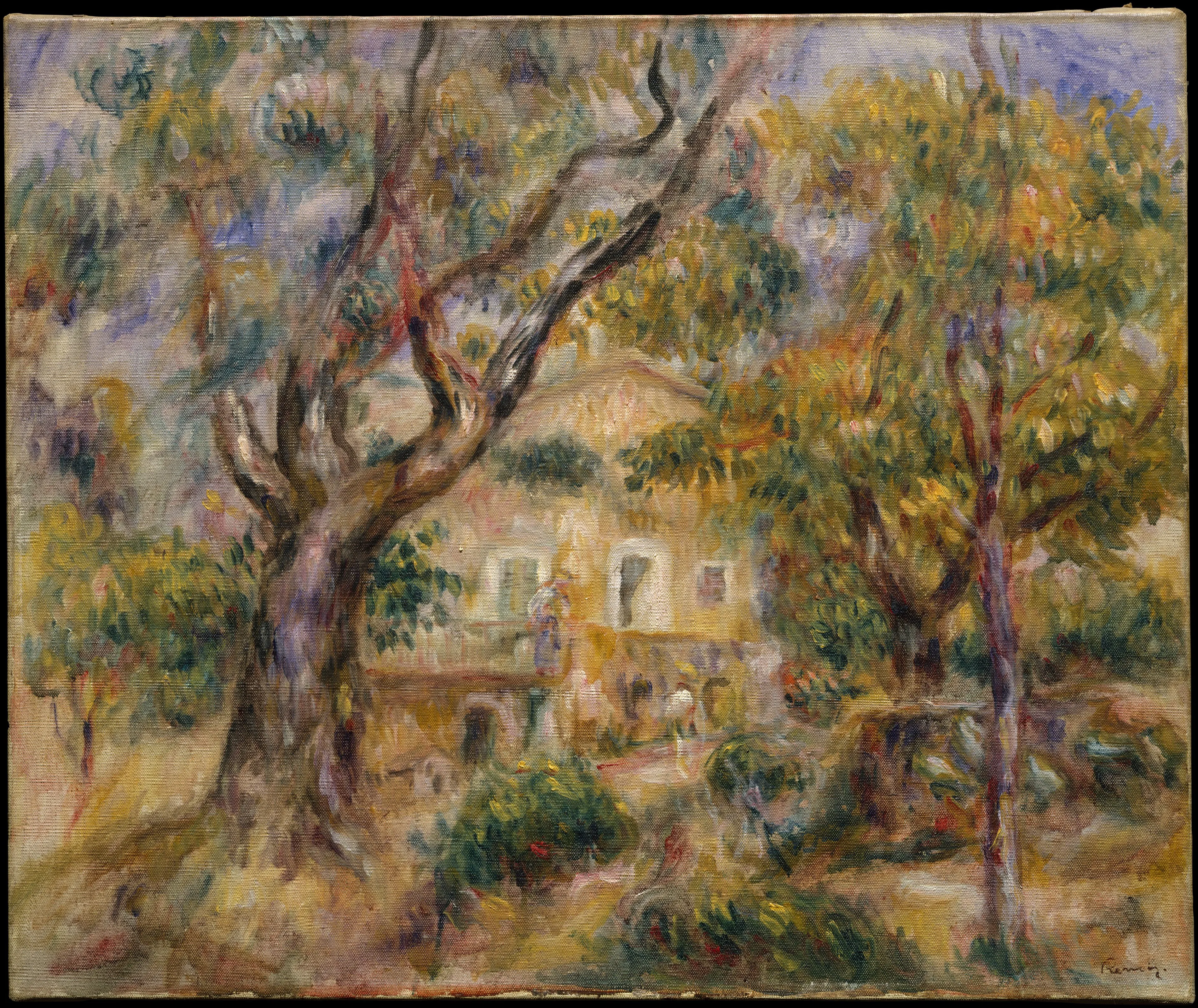
Pierre-Auguste Renoir (1841-1919) suffered from arthritis and so decamped to Cagnes-sur-Mer, between Antibes and Nice on the French Riviera, to heal in 1907. His farmhouse there, Les Collettes, surrounded by the Provençal countryside and groves of orange and olive trees, featured heavily in Renoir's landscapes during the last years of his life, during which he still painted prolifically. Les Collettes is now the Renoir Museum and home to his paintings and sculptures, as well as his original studio.
Related: Impressionism: Between Shadow and Light
Vincent Van Gogh
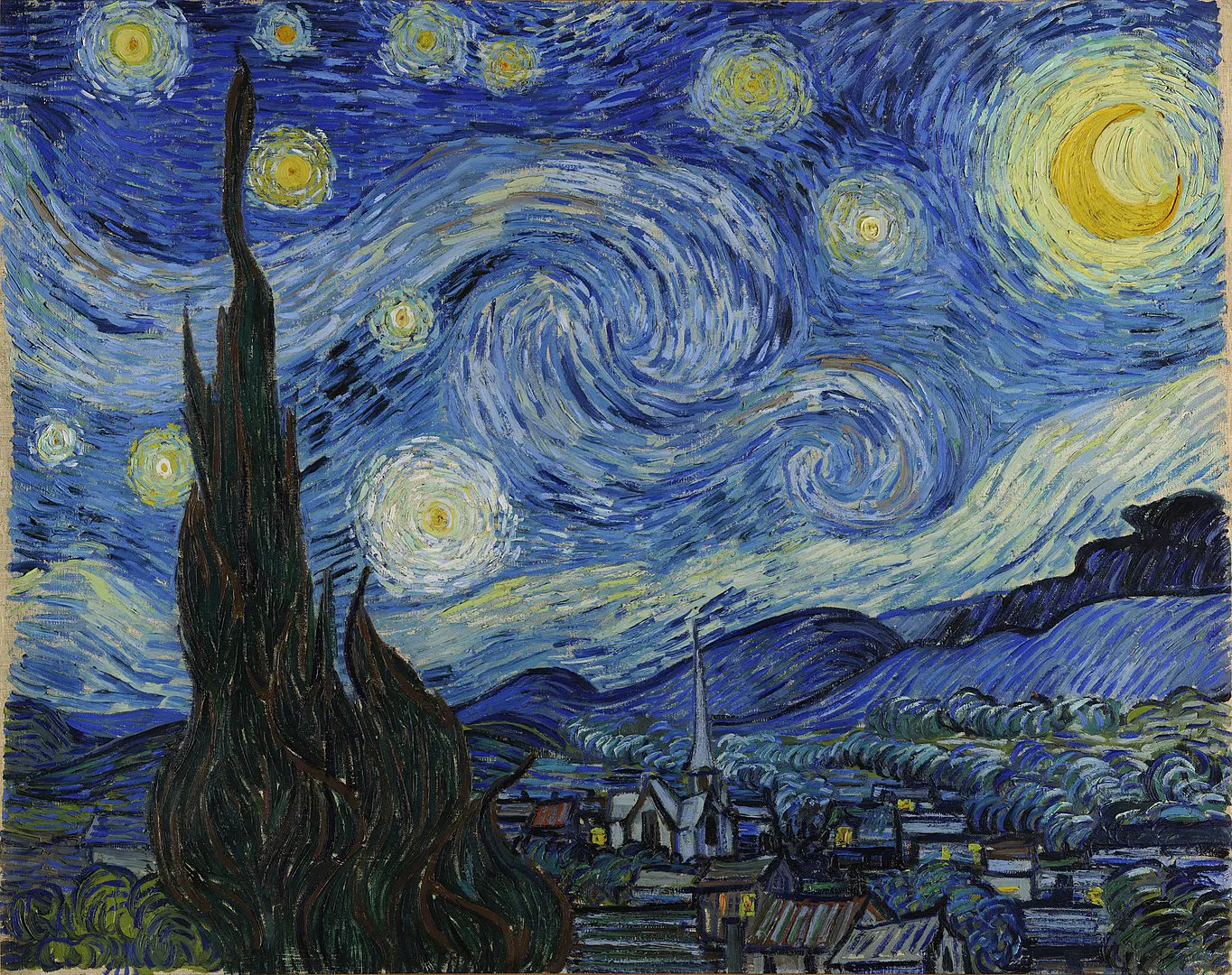
Perhaps the artist most associated with the South of France is Vincent Van Gogh (1853-1890), who first came to Arles in 1888 because he was suffering from a cough and ill health. The two years spent in the South of France proved to be the most prolific period of the Post-Impressionist's short career, as he completed hundreds of artworks there. Van Gogh, who dealt with mental illness his whole life, entered an asylum in St. Remy in Provence, where he painted some of his best-known works, such as Starry Night.
Related: The Secrets of Van Gogh's Final Painting Revealed
Paul Cézanne

Paul Cézanne (1839-1906) was a native of the South of France, born and raised in Aix-en-Provence. He divided his life between Paris and Provence, and the latter's mountainous landscapes, hillside villages and rich colors are captured magnificently in his famous landscapes. One of his recurring motifs was Mont Sainte-Victoire, a limestone mountain in Provence. He painted it repeatedly during the last 28 years of his life, when he lived permanently in Provence.
![Victorine Meurent, Orientalist scene with hookah smoker, Oil on canvas, 25 x 16.5 cm, Signed and dated '[18]76' lower left. Image © Aguttes (detail))](https://images.prismic.io/barnebys/5b7c8d97-de27-436a-821e-56d5dbac1ca5_Article+Hero+Image+FR.png?auto=format,compress)