Since 2017, the cultural economist Clare McAndrew of Arts Economics has authored the annual UBS and Art Basel Report. Now in its tenth edition, the report provides a detailed analysis of developments in the global art market over the past year. The following six points highlight some of its key findings.
1. The market is growing again
After two years of declining sales, the global art market returned to growth in 2025. Total sales rose by 4% to $59.6 billion.
Both the auction sector and the dealer market contributed to the increase. Auction sales grew by 9% to $20.7 billion, while dealer sales rose by 2% to $34.8 billion. Private sales, however, declined by 5% to $4.2 billion after strong growth the previous year.
See also: Art Market Trivia: 6 Highlights from the UBS and Art Basel Report 2024
2. The same three markets remain on top
As in previous years, the United States, the United Kingdom and China remained the world’s largest art markets.
The US retained a clear lead with total sales of $26.0 billion. The UK held second place with $10.5 billion, maintaining the position it regained from China in 2024. China ranked third with sales of $8.5 billion.
3. Europe shows mixed results
The picture across Europe was mixed.
France ranked fourth worldwide, with sales increasing by 9% to $4.5 billion. Austria and Switzerland each recorded growth of 13%, while Spain saw an increase of 6%. Germany and Italy, by contrast, experienced declines in art sales of 10% and 2% respectively.
Across the European Union as a whole, the market showed moderate growth of 3% in 2025, reaching $8.4 billion.
Want more articles like this straight to your inbox? Subscribe to our free newsletter!
4. High-end works drove auction growth
The growth of the auction market in 2025 was largely driven by the upper price segment, particularly in the second half of the year when several major collections and blue-chip works came to market.
See also: The 10 Most Expensive Paintings Auctioned in 2025
The total value of artworks sold at auction for more than $1 million rose by 21% year on year, while the number of such transactions increased by 15%. Sales of works priced above $10 million rose even more sharply, climbing by 30%.
The lower end of the market showed a different trend. After strong growth in 2024, sales of works valued below $50,000 declined by 2% in both value and transaction volume in 2025.
5. Impressionism and Post-Impressionism gained momentum
Post-war art continued to hold the largest share of the market by value, accounting for 31% of sales ($3.1 billion), despite a slight decline of 3%. Modern art followed with a 24% share ($2.4 billion).
The strongest growth came from Impressionist and Post-Impressionist works, which increased by 47% year on year and reached a 19% share of the market in 2025.
Contemporary art, which had fallen sharply in 2024, remained stable in 2025 with a 14% share ($1.4 billion). The Old Masters sector also recovered after reaching a 15-year low the previous year, growing by 30% to account for 11% of market value ($1.2 billion).
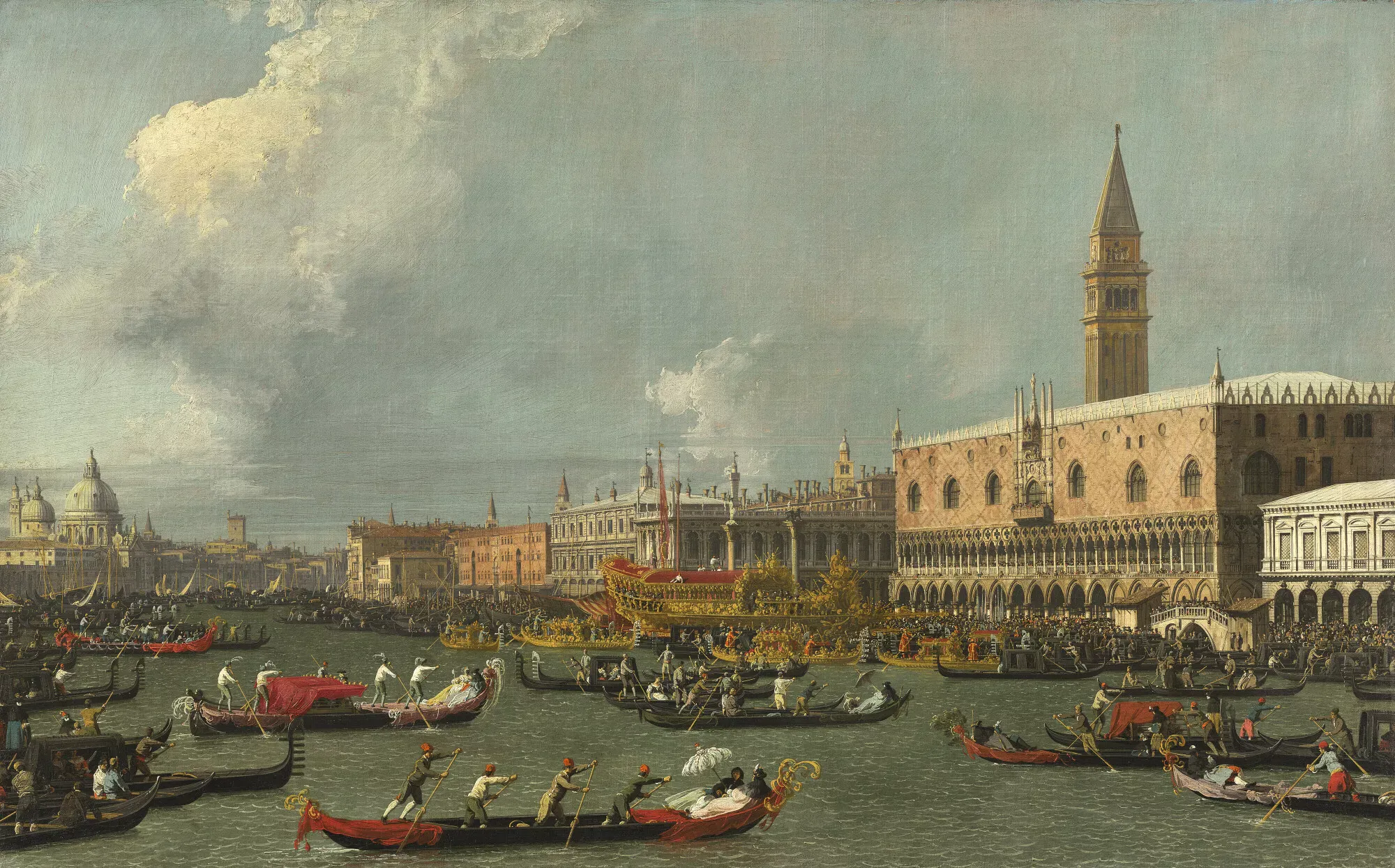
See also: Canaletto Painting Sets New Auction Record at Christie’s
6. Online sales declined
Online sales fell to their lowest level since 2019 in 2025, reaching $9.2 billion and accounting for 15% of the total market.
One reason for this shift is that the most expensive works were largely sold through live auctions, while online-only sales were concentrated in the mid- and lower-price segments.
Outlook for 2026
Art dealers and auction houses are generally optimistic about the coming year. Nearly half of those surveyed expect sales to increase in 2026, while only around 20% anticipate a decline.
The six points above focus primarily on developments in the auction sector. The full UBS and Art Basel Art Market Report 2026 provides a more detailed analysis of the global art market.