
Le Van Dê has left an important mark on Vietnamese art. He graduated from the first class of the Hanoi School of Fine Arts in 1930 and specialized in silk and oil painting. His talents earned him a grant to travel to Paris in 1931. He then traveled to Rome, becoming the first Vietnamese artist to be received by the Pope. In 1936, the Vatican chose him to supervise the creation and decoration of the Asian Arts section of the Vatican exhibitions. During this official mission, he explored museums to enrich his artistic culture and even asked to be baptized.
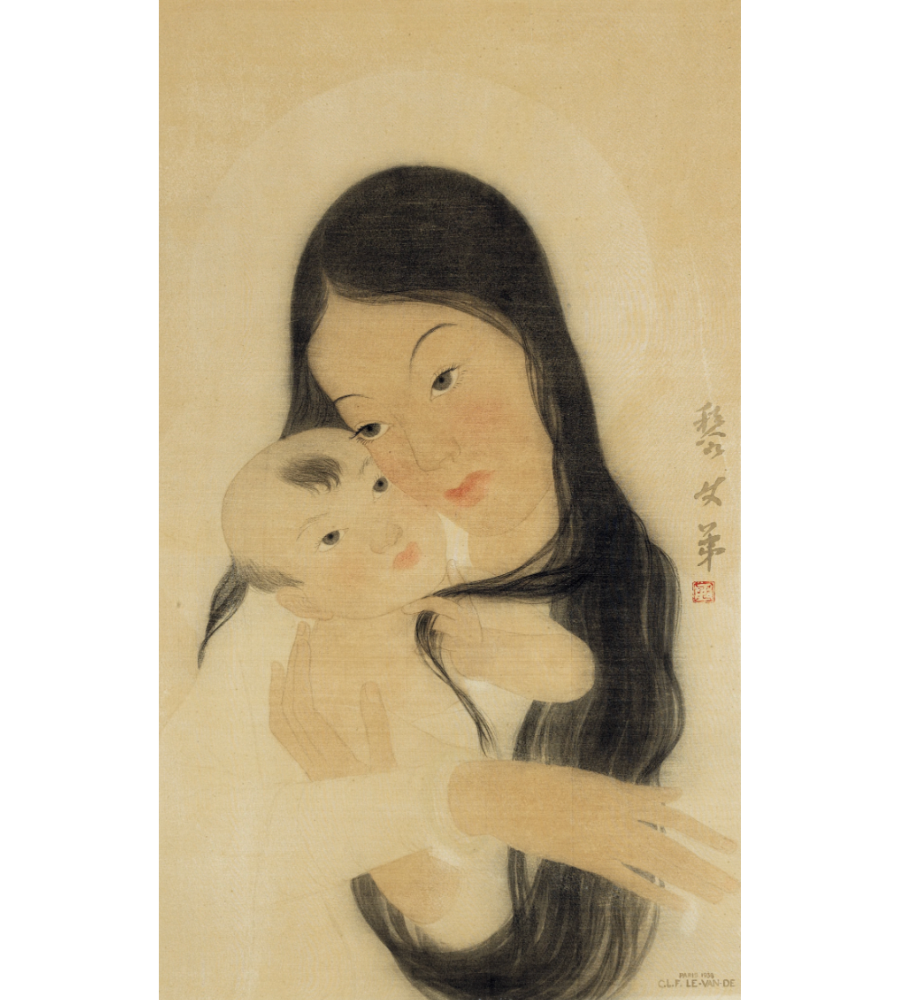
As a major figure in the Vietnamese art scene, he was commissioned by Emperor Bao Dai to redesign the flag of the Republic of Vietnam. He also founded the National School of Fine Arts in Saigon, modeled on the Hanoi School of Fine Arts, which closed in 1947. His work is particularly noted for its graceful representations of Maternities, influenced by Christian iconography, and for his exceptional mastery of the traditional Vietnamese technique of painting on silk.
Related: Rousseau of the Jungle
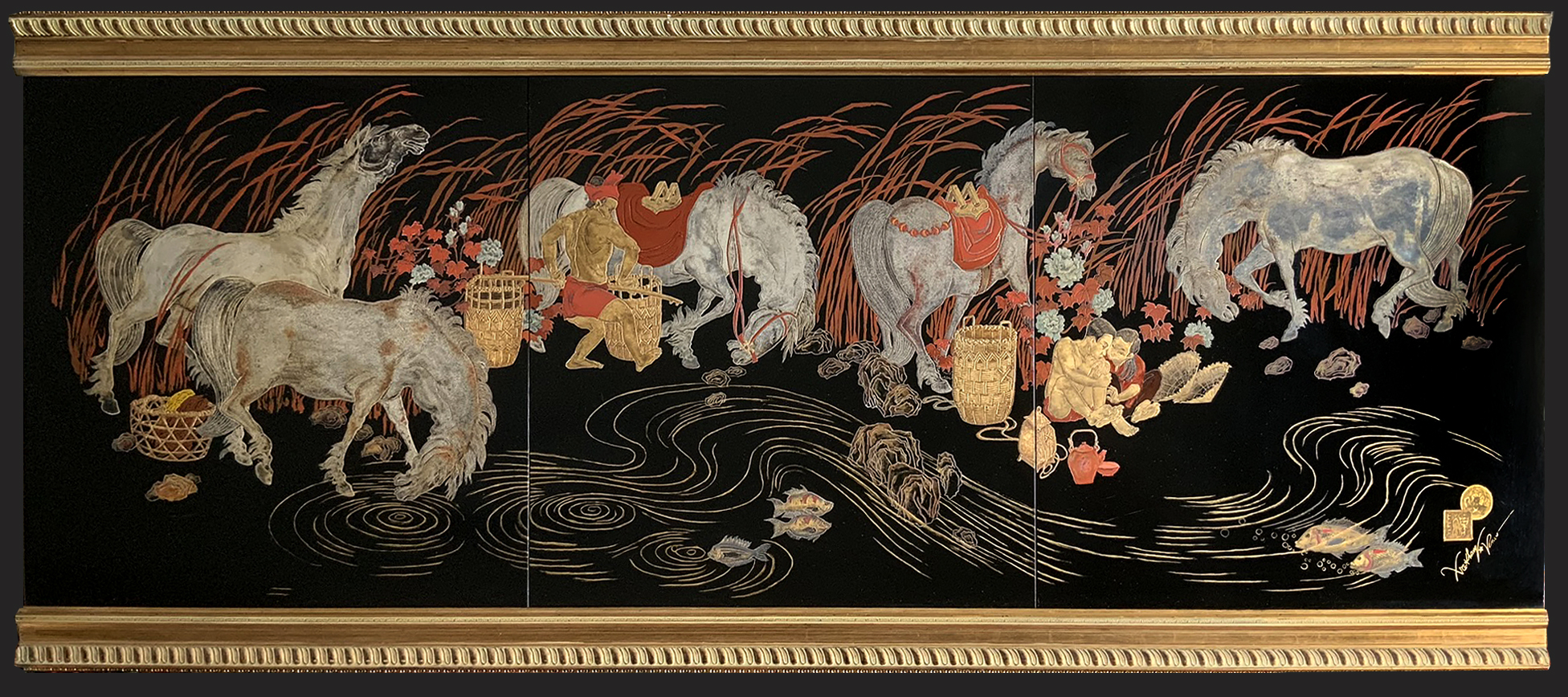
Nguyen Khang is one of Vietnam's most respected master lacquer painters. He graduated from the Hanoi School of Fine Arts in 1935 and played a key role in the emergence of lacquer painting as a medium in 20th-century Vietnamese art. He took part in the 1937 Universal Exhibition in Paris, exhibiting in the Indochina pavilion. In the 1940s, he traveled to Japan, enriching his art with new techniques. His works often deal with the relationship between man and nature, often depicting domesticated animals such as horses and cats.
Related: 5 Artists, 700 Years of Korean Art
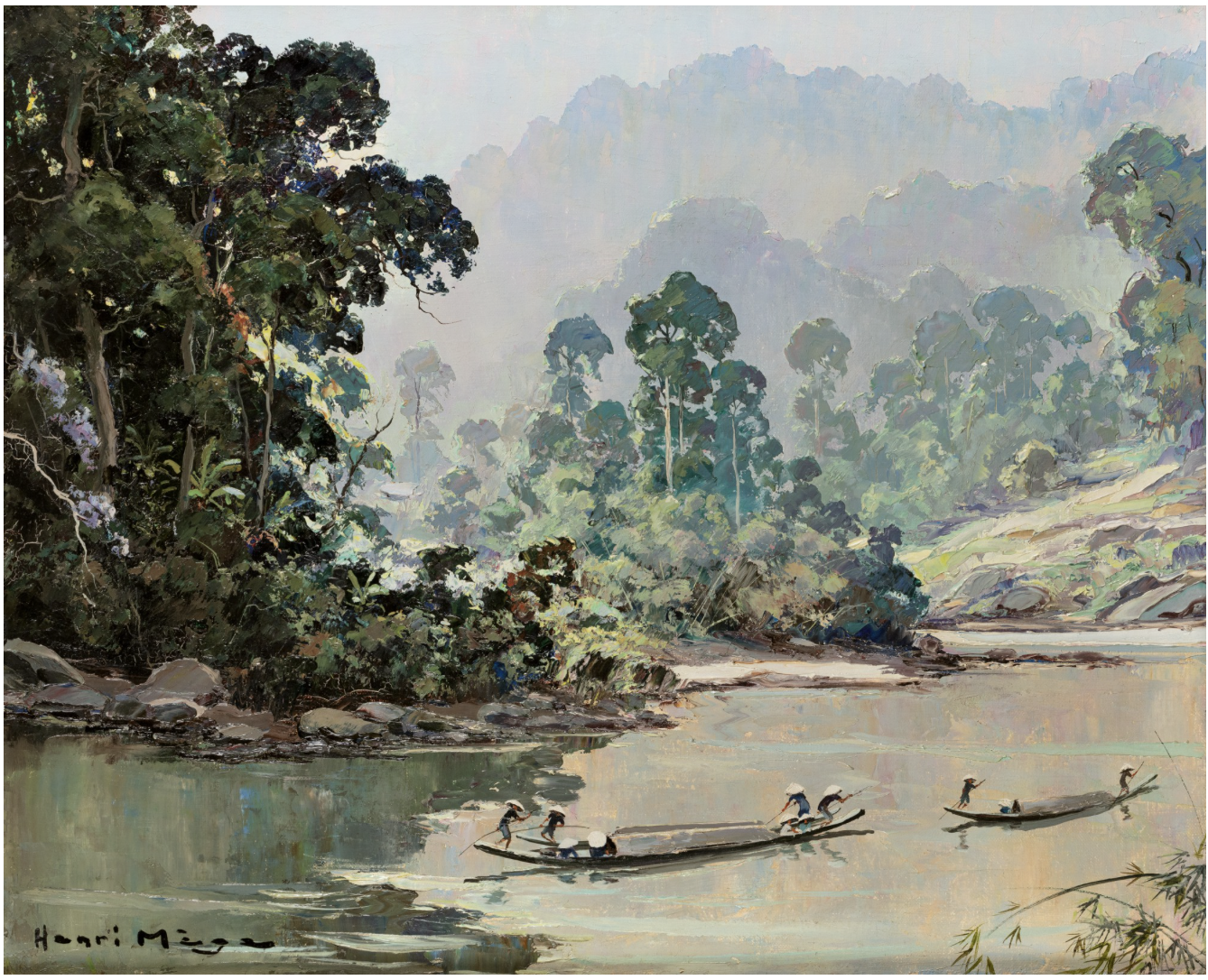
Known for his knife painting technique, Henri Mège is a painter and traveler who has dedicated his work to Vietnam and South-East Asia. His travel scenes illustrating the river and the importance of trade highlight – against a backdrop of Western impressionism – the 'exoticism' of an unexplored region of Vietnam. For this reason, his work is highly prized by Vietnamese collectors. His works demonstrate an ability to capture the essence of the country's wilderness with his use of dense, vibrant colors.
Want more articles like this delivered straight to your inbox? Subscribe to our free newsletter!
Related: 10 Little Known Facts About Marc Chagall
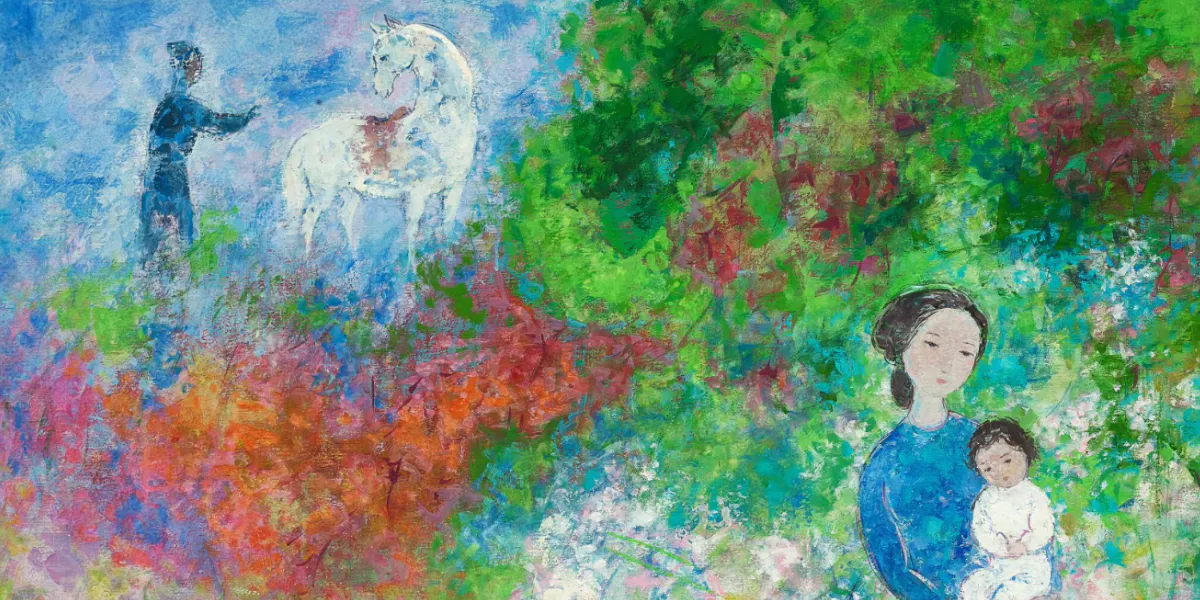
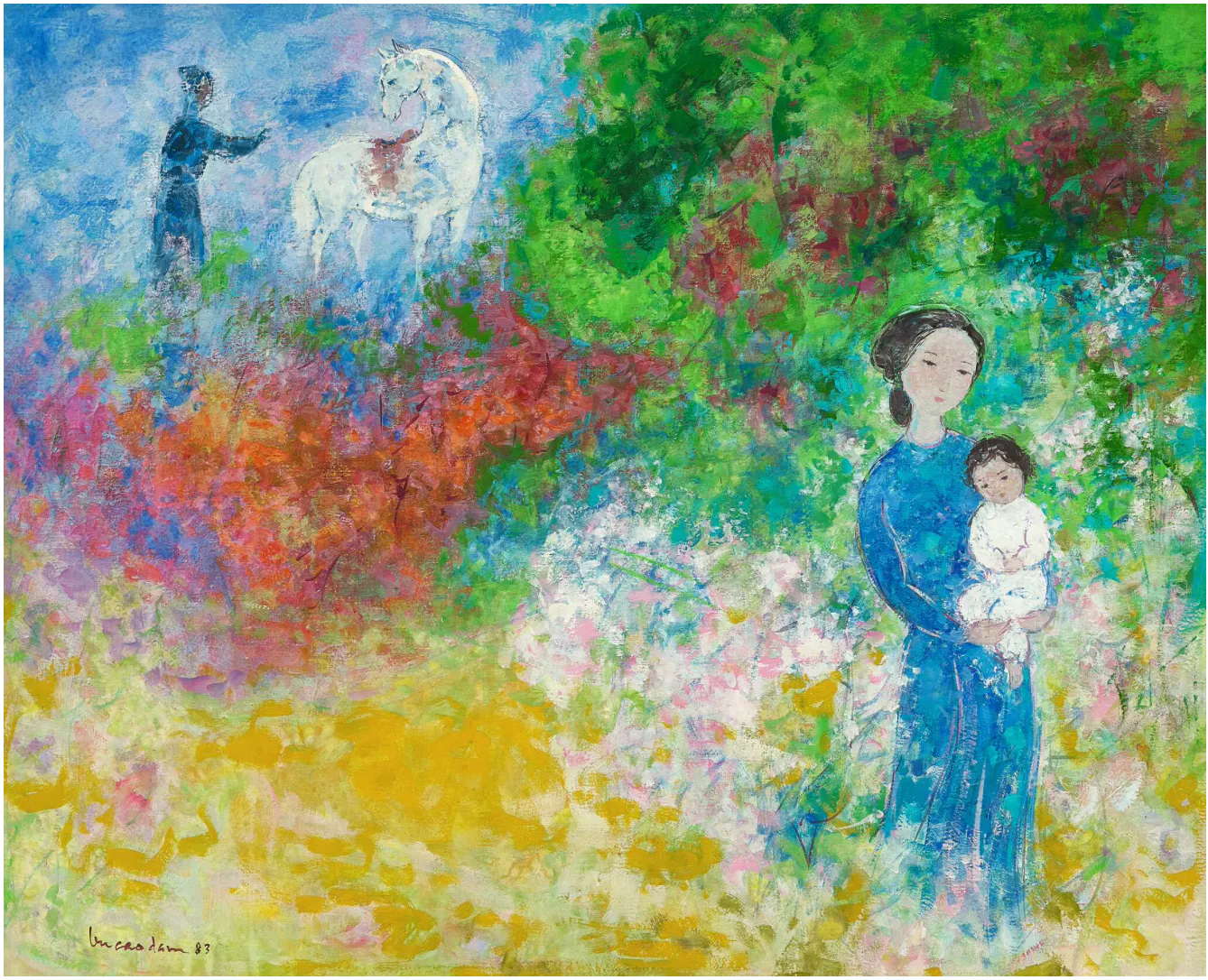
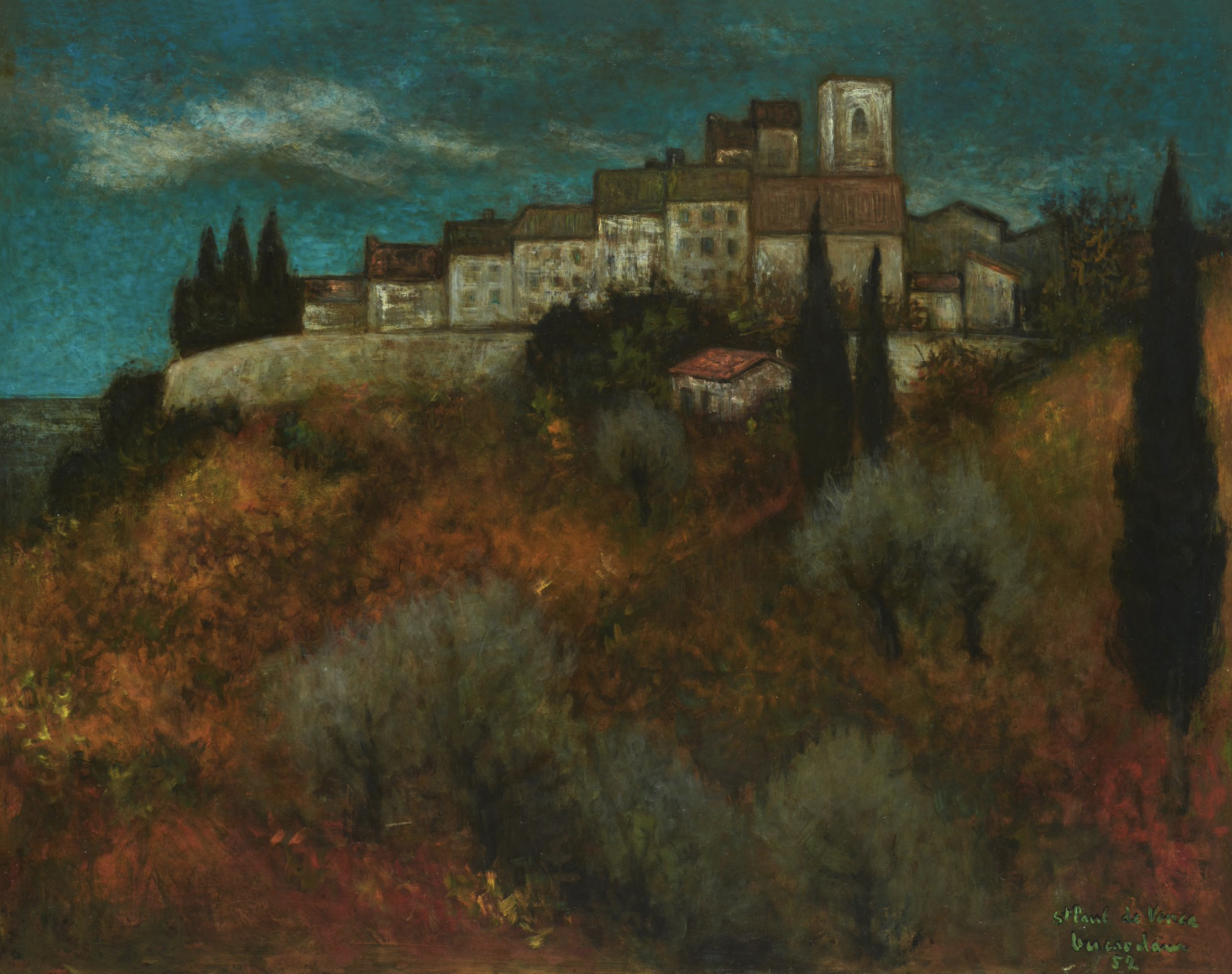
Vu Cao Dam is one of the leading figures in modern Vietnamese art. Born in 1908, he graduated from the École des Beaux-Arts de l'Indochine in 1931 and moved to France to continue his studies, where he remained for the rest of his life, never returning to his native country. After settling in the south of France in the 1950s, his brilliant career as a painter and sculptor was influenced by the work of other artists such as Chagall and Dubuffet. Following in Chagall's footsteps, Vu Cao Dam was also inspired by Saint-Paul de Vence, as shown by this oil on canvas produced in 1952.
Related: 8 Artists Inspired by the South of the France
With a prosperous economy increasingly open to the Western market, interest in Vietnamese art continues to grow. This new visibility has led, over the last three decades, to a strong appreciation of the country's works of art and high demand from collectors around the world.