Around 550 drawings by the venerable Leonardo da Vinci are part of the Royal Collection, the art collection of the British royal family, and on the occasion of the 500th anniversary of his death, more than 200 of these drawings will be shown in the Leonardo da Vinci: A Life in Drawings exhibition at the Queen's Gallery at Buckingham Palace from May 24 to October 13, 2019.
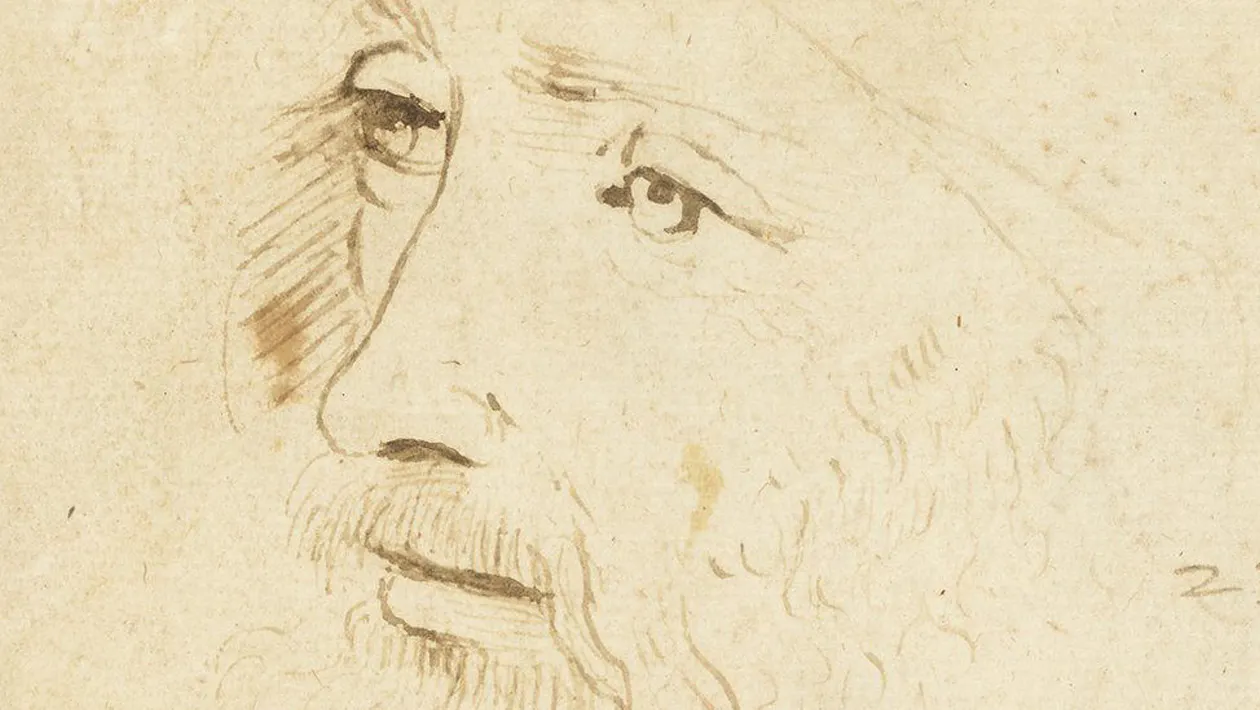
In preparation for the exhibition, the staff of the Royal Collection Trust reviewed the drawings in depth and found two new discoveries: a study of a horse leg for an equestrian statue, which had been commissioned by the French King Francis I (1494-1547), and the sketch of an older man with a beard in a half profile that appears to be da Vinci himself.
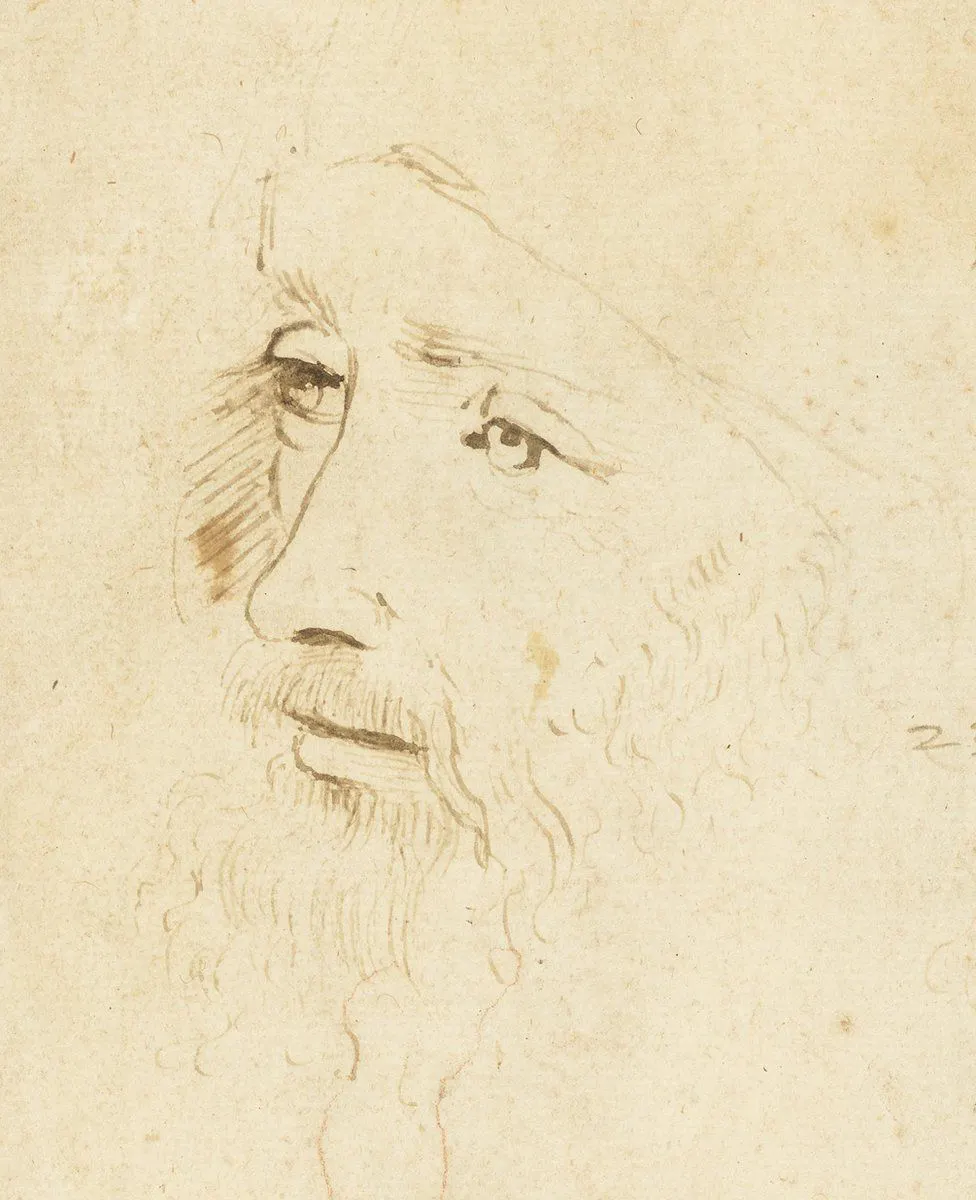
Martin Clayton, Director of Drawings and Prints Department of the Royal Collection Trust, is convinced that it is a portrait of Leonardo da Vinci, executed by one of his students shortly before his death.
Clayton based his assumption on the similarity of the sketch to the only surviving portrait of Leonardo, which was also created during his lifetime. That portrait, a red chalk drawing, is in the possession of the Royal Collection and will be part of the exhibition as well.
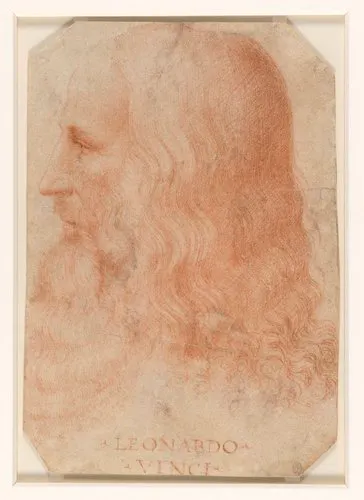
Both the red chalk drawing and the rediscovered sketch depict da Vinci's nose in the same shape and his long, well-groomed beard.
"Leonardo was known for his well-groomed and luxurious beard at a time when few men were bearded - though the beard soon became fashionable", explains Martin Clayton. This detail of appearance shows that there was another area in which the innovative genius was far ahead of his time.
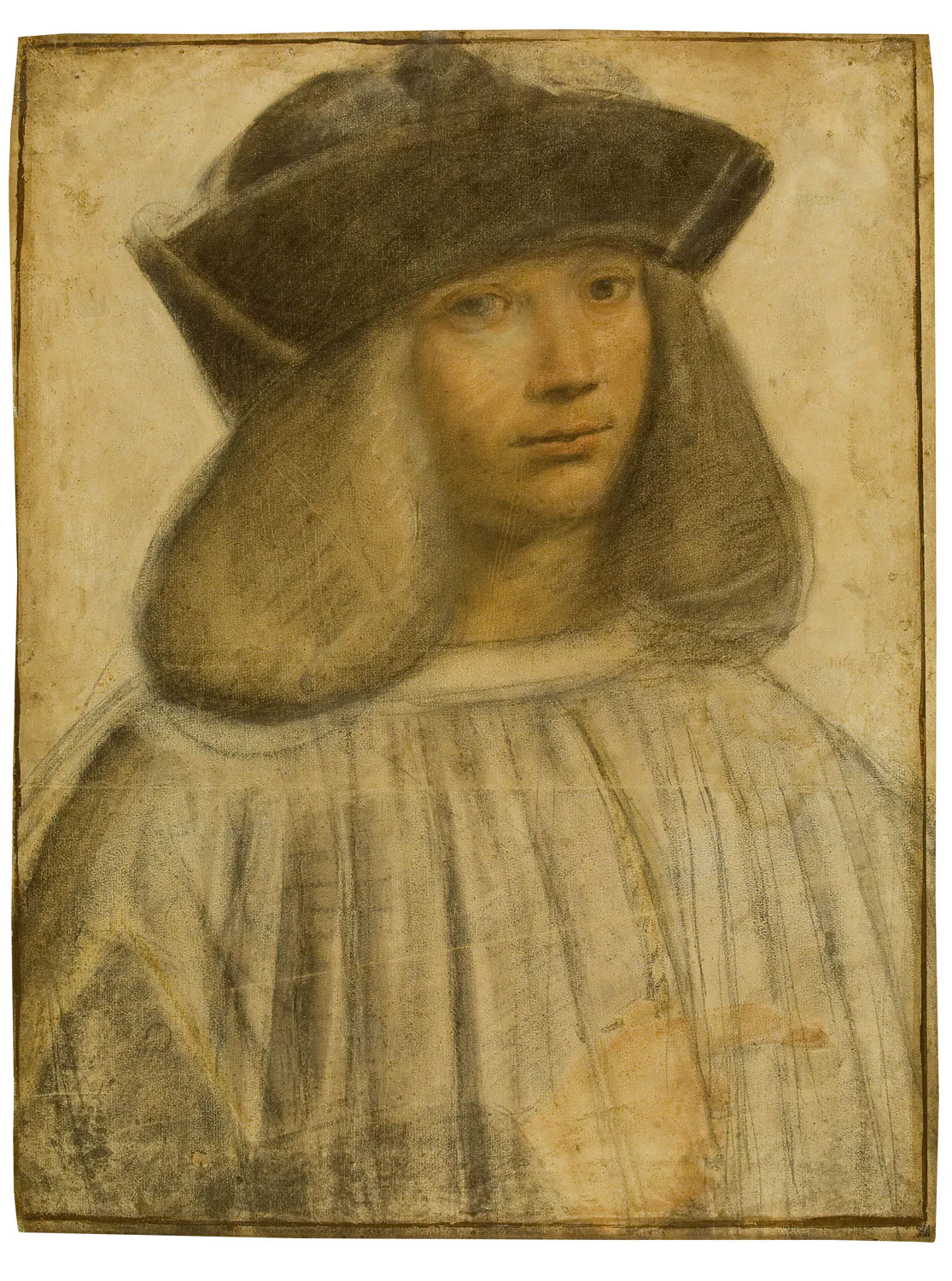
However, the author of the rediscovered sketch is not known. The Royal Collection's verified portrait sketch, which was purchased by King Charles II in 1690, is attributed to Francesco Melzi. Melzi came from a prominent Milanese family that befriended da Vinci. Melzi became da Vinici's favorite pupil, accompanying him to live in France in 1516.
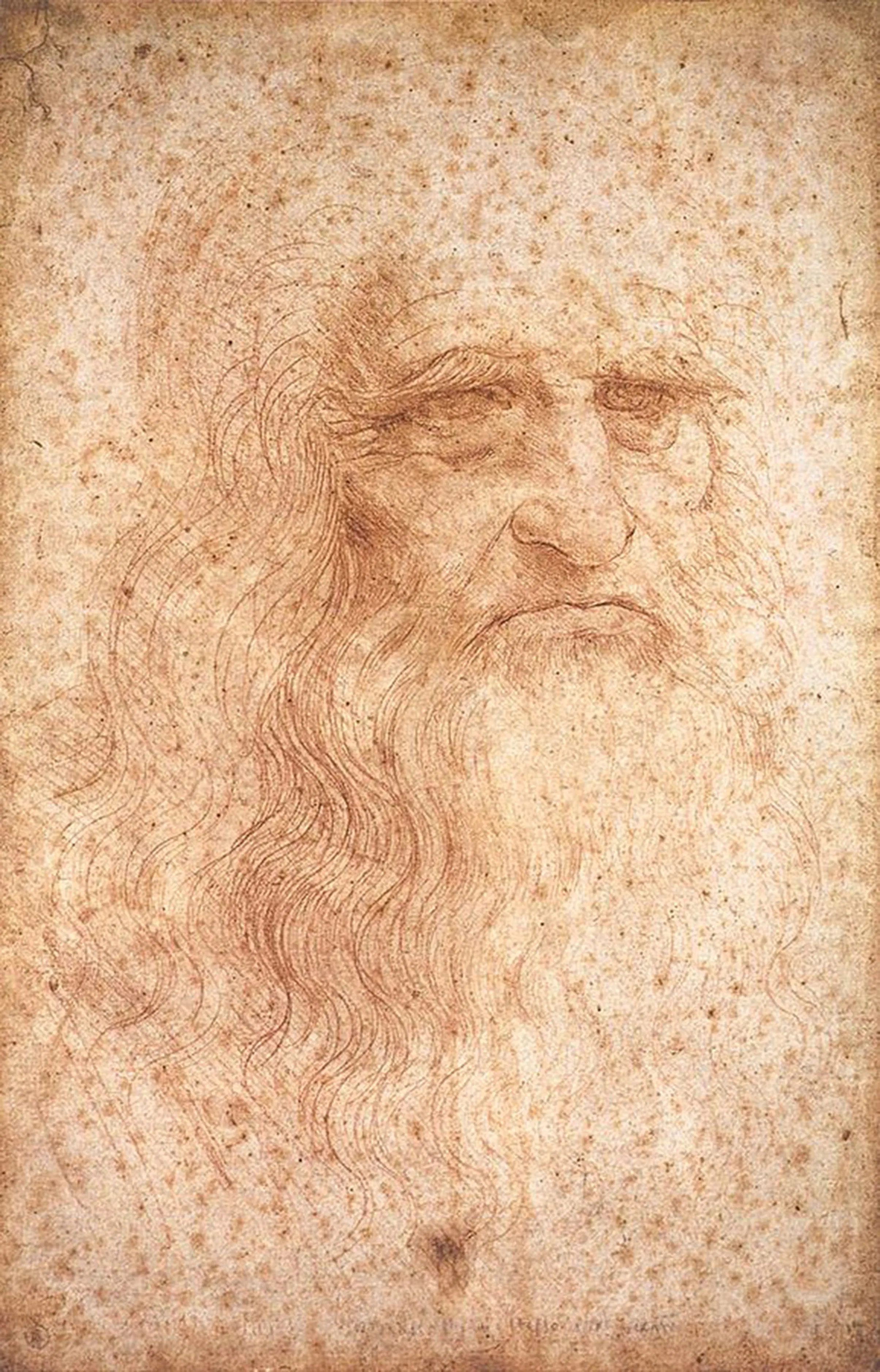
Both drawings are also similar to another red chalk drawing, which is allegedly a self portrait of Leonardo da Vinci, that is in the Biblioteca Reale in Turin.